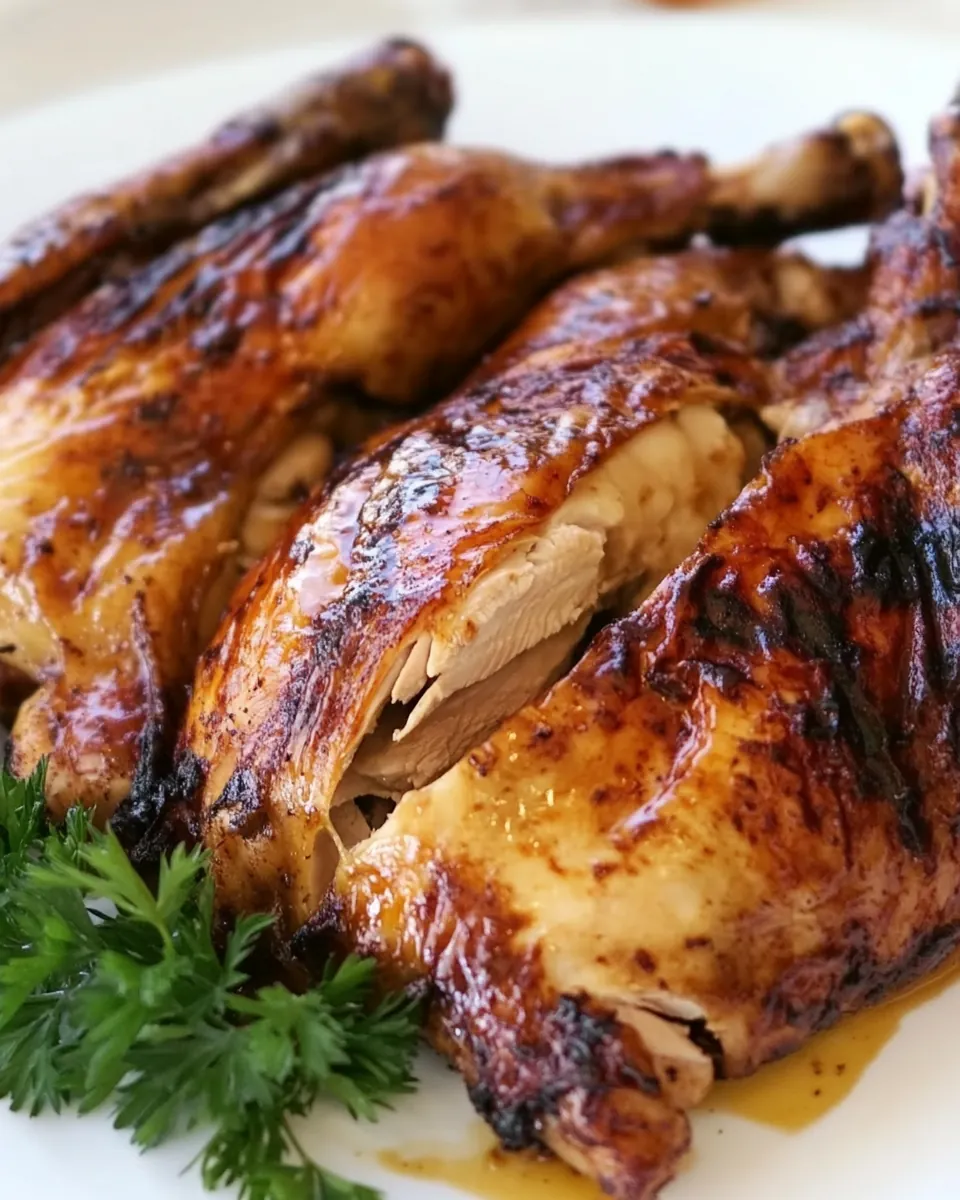
Spatchcock Chicken
Spatchcock Chicken is one of those recipes I reach for when I want a showstopping main without a lot of fussy steps. I remember the first time I tried this method at a backyard gathering, feeling equal parts nervous and excited as I set a whole bird on the grill, confident that the spatchcock approach would deliver even cooking and crackling skin. I loved how the chicken laid flat, cooking with a steady sizzle that smelled like summer and smoke, and how everyone gathered around the grill asking when they could taste it.
Months later, I still return to Spatchcock Chicken when I need a dependable centerpiece. The technique feels empowering because you transform a whole bird into something that cooks faster and more predictably, and the results are reliably juicy with a golden, crisp exterior. I often tweak the seasoning or the glaze depending on my mood, but the core method stays the same: remove the backbone, press the bird flat, and grill over a hot and a cool zone so you control browning and doneness.
Recipe Snapshot
45 mins
20 mins
25 mins
Medium
400 kcal
American
Whole30, AIP
Dinner
Grill, Kitchen shears, Instant read thermometer, Pastry brush
Why We Love This Spatchcock Chicken
Fast, Even Cooking
I adore how Spatchcock Chicken cooks in a fraction of the time compared to a whole roasted bird. Because the chicken lays flat, heat hits the meat evenly, so the thickest parts reach safe temperatures without drying out the breast. I love that it frees up oven or grill space, making this a go to for busy weeknight dinners and casual weekend gatherings alike.
Perfect Crispy Skin
One of the best reasons I make Spatchcock Chicken is the skin. Flattening the bird exposes more surface area to direct heat, so you get large swaths of golden brown, crackly skin. I always feel proud when I serve a bird with skin that snaps when you cut into it, it makes the meal feel celebratory even on a simple night.
Simple Technique, Big Impact
I often tell friends that the spatchcock method is more about confidence than skill. It is surprisingly straightforward, and even if you are intimidated, one careful pass with kitchen shears sets you up for success. That simplicity means you can focus on flavors like a good glaze or rub, while the method does the heavy lifting for texture and doneness.
Great for Sharing
When I host, I like that Spatchcock Chicken makes portioning easy. A single bird can feed a small group and still look impressive on the table. It is easy to carve after a short rest, and the presentation always sparks compliments. For casual dinners or summer gatherings, it feels both rustic and refined.
Flexible Flavor Base
I appreciate how the straightforward ingredient list for Spatchcock Chicken leaves room for personalization. A light brush of oil and simple seasoning builds a foundation, then you can finish with a sticky glaze or simple sauce. That flexibility makes it a dependable recipe I return to in many seasons.
Ingredients Required for Spatchcock Chicken
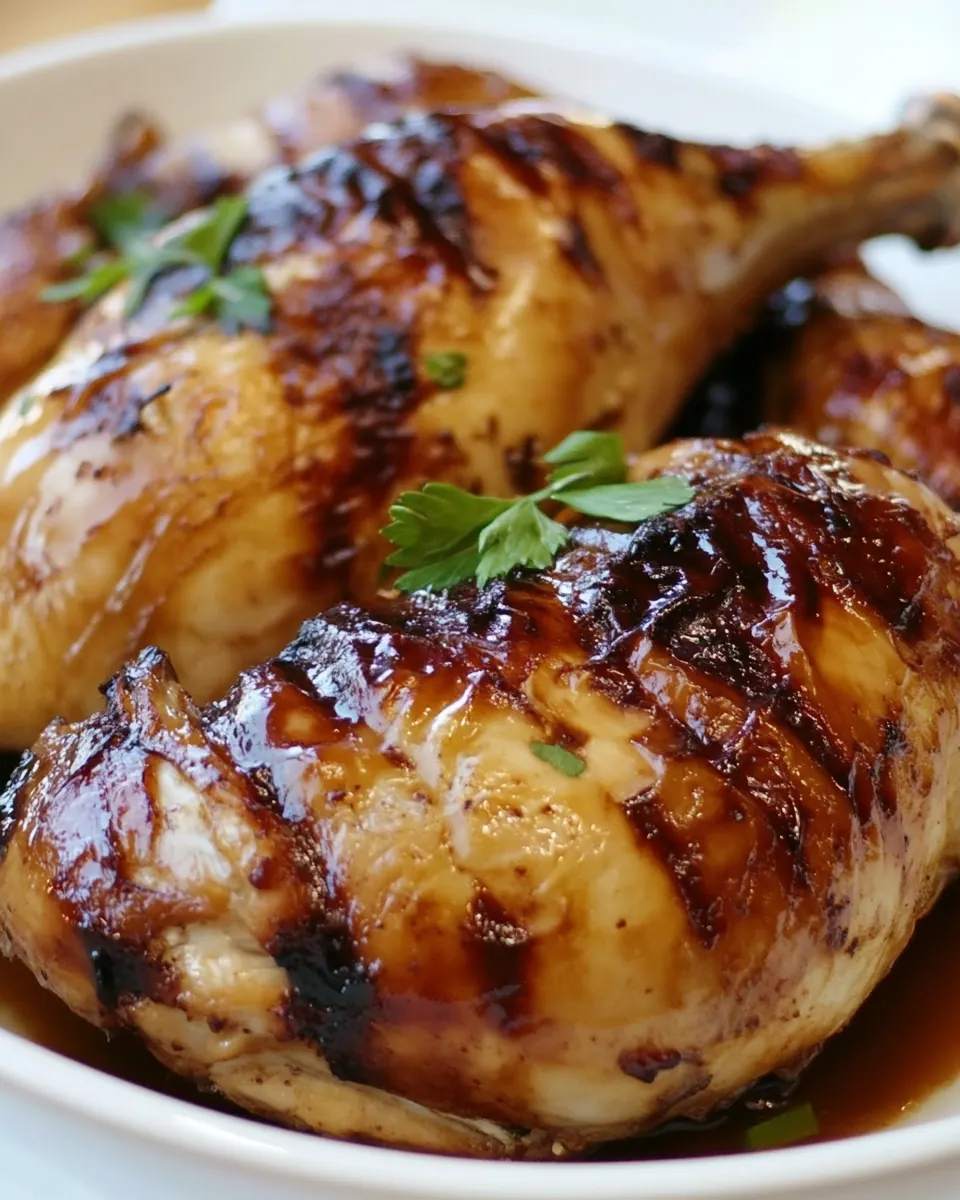
These ingredients reflect a philosophy of keeping things honest and uncomplicated. The emphasis is on letting the quality of the bird shine while using minimal add ons to coax out crisp skin and juicy meat. The key players are the whole chicken for structure and flavor, the canola oil to promote browning and prevent sticking, the salt to season and enhance natural flavors, and the bbq sauce to add a final layer of smoky sweet character.
- 1 whole fryer chicken: Flatten and split open the bird along the backbone to allow even cooking and faster roasting; provides the main protein and centerpiece of the dish while exposing skin for crisping and seasoning penetration.
- canola oil: Coat and rub over the chicken skin and cavity to help promote browning, crisp texture, and even heat transfer during roasting while preventing sticking to the pan.
- salt: Season generously across the skin and cavity to enhance natural flavors, balance richness, and help form a savory crust during high-heat cooking.
- bbq sauce: Brush or toss as a finishing glaze to add tangy-sweet flavor, moistness, and a caramelized surface that complements the roasted chicken.
How to Assemble Spatchcock Chicken
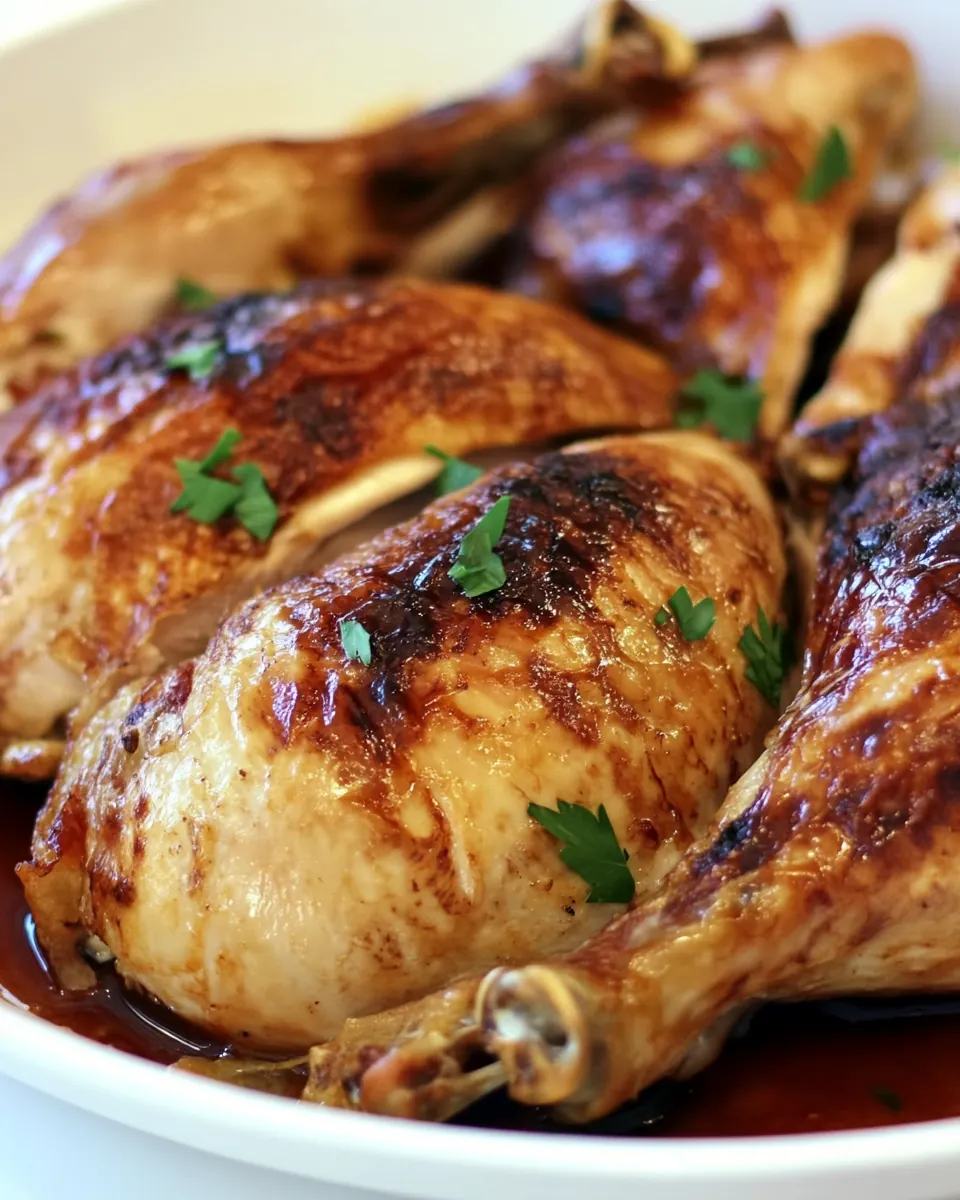
This grilling method is approachable and rewarding. Follow the sequence below, and listen for the sizzle, watch for visual cues, and rest the bird after cooking so juices redistribute. The directions that follow are rewritten into detailed, sensory rich steps you can follow with confidence.
- Clean and rinse whole chicken. Using kitchen shears or a very sharp knife, cut out the backbone of the chicken. Open the whole chicken up and cut a little notch in the breastbone to help it lay flat.: You will notice a cool, slightly metallic scent as you rinse the chicken under cold water, and the skin should look pale and taut when it is ready. After rinsing, pat the bird very dry with paper towels until the surface feels nearly dry to the touch, this helps the skin crisp during grilling. Moisture on the skin steams and prevents browning, so the dryness is crucial to achieve that crackle. A common mistake is rushing this step, leaving damp spots that make the skin rubbery instead of crisp, so take the time to thoroughly dry each cavity and the skin surfaces.
- Brush the whole bird with some canola oil and sprinkle with salt. Place chicken on hot grill, skin side down. {I used a charcoal grill with all my hot coals on one side so I could have a hot side and a cool side, just in case my bird was cooking too quickly or not quick enough.}: As you make the incision to remove the backbone, you will hear the satisfying resist of cartilage and feel the knife or shears pass through. Lay the chicken breast side down on a stable surface, and with sturdy kitchen shears or a very sharp knife, cut along both sides of the backbone from tail to neck, removing it completely. This opening allows the bird to lay flat and promotes even contact with the grill, which reduces cooking time and improves browning across the entire bird. If you struggle with the shears, take measured small cuts rather than forcing a single pass, because slipping could nick the meat and alter the shape.
- Flip chicken over once skin has browned and brush with bbq sauce. Continue cooking on the other side until meat reaches an internal temperature of 165 degrees.: When you press the bird open, you will feel the breastbone resist, and then with a small cut or notch it will relax, allowing the chicken to splay evenly. Turn the bird over and press firmly on the breast to flatten it; you may hear small cracks as the sternum gives way, which is normal. This step is what ensures uniform thickness and consistent cooking, so be intentional about flattening the thighs and breasts to the same plane. A frequent issue is not flattening fully, leaving the center higher which leads to uneven doneness and longer cook times.
- Remove from grill and cover with foil to rest 10 minutes. Cut and serve.: As you brush the skin with oil, it will gleam and take on a slight sheen, and the oil helps the salt adhere and the skin crisp. Use a pastry brush or your hands to distribute the oil in a thin layer, then season evenly with salt. Getting a consistent sprinkle across wings, thighs, and breasts ensures every bite is seasoned. Overapplying oil can cause flare ups on a grill and mask the seasoning, so a light touch is better than a heavy coat.
- Place chicken on hot grill, skin side down: The instant the chicken meets the grill, you will hear a pronounced sizzle and smell the aroma of fat rendering, which signals the start of skin browning. Position the bird on the hot side of the grill to get immediate sear and color on the skin, but keep a cooler zone available to move the bird if it begins to char too quickly. This searing locks in flavor and gives you that prized golden exterior; however, watch closely because high heat can quickly push sugars to burn. If you see extreme flare ups, shift the bird to the cooler side briefly to calm the flames.
- Flip chicken over once skin has browned and brush with bbq sauce: After the skin achieves a deep golden brown, flipping will reveal the underside which will be beginning to render its own juices, and at this point brushing with bbq sauce adds a glossy, flavorful layer. Apply the sauce sparingly at first, and then add more toward the end so the sugars caramelize without blackening. The aroma will shift to sweet and smoky, and the surface will bubble slightly as the sauce cooks. A typical error is slathering sauce too early, which leads to sticky burnt patches before the interior is done, so time your glazing carefully.
- Continue cooking on the other side until meat reaches an internal temperature of 165 degrees: As the bird finishes on the second side, listen for a steady gentle sizzle and watch juices bead near the thigh, an indicator that the meat is heating through. Use a reliable instant read thermometer in the thickest part of the thigh, avoiding bone, to confirm the safe internal temperature of 165 degrees . Cooking to this temperature ensures the meat is safe but still juicy, because resting will raise the temperature slightly more. One mistake is relying on juices running clear as the only cue, which can mislead; always verify with a thermometer to avoid under or overcooking.
- Remove from grill and cover with foil to rest 10 minutes: After removing the bird, you might still sense the faint aroma of smoke and sizzling. Tent the chicken loosely with foil and let it rest for about 10 minutes so the juices redistribute, turning a slightly firmer surface into moist slices. Resting ensures the carved meat does not lose its juices onto the cutting board, and the texture firms up so you can slice cleanly. Avoid leaving it covered too long in a tightly sealed container, which can trap steam and soften the skin.
- Cut and serve: When you carve the chicken, you will notice the skin remains crisp in many areas and the meat yields easily to the knife. Slice along the joints, portion out breasts and thighs, and serve immediately while warm. The visual contrast of glossy bbq sauce and golden skin invites immediate appetites, and the aroma of roasted meat is always welcoming. A common carving error is sawing through instead of using clean, confident strokes, which can tear the meat and make portions look ragged, so use a sharp knife and steady pressure.
Ways to Customize
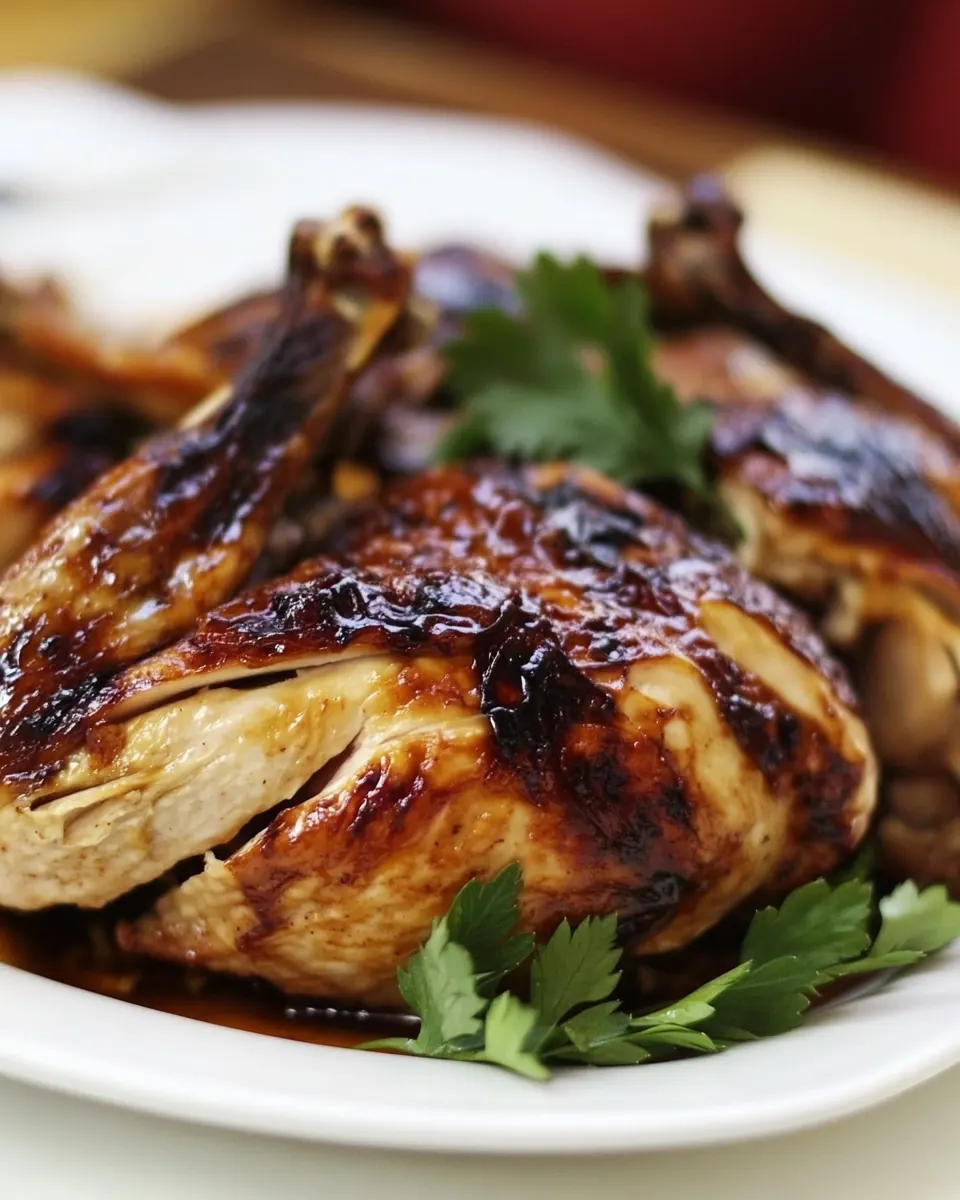
These customization ideas help you tailor Spatchcock Chicken to different occasions and flavor preferences. The following tips expand on simple adjustments that create distinct results while staying true to the easy core method.
- Swap the finishing sauce Use a different glaze instead of bbq sauce such as a citrus based glaze or a honey mustard, brushing it in the last minutes to build flavor without burning.
- Vary your seasoning Try a light dusting of smoked paprika, garlic powder, or herbed salt before grilling to layer additional aromatics onto the skin.
- Control smoke level If you prefer subtle smoke, use a small handful of wood chips on a gas grill or move coals to the edge on a charcoal grill to reduce direct exposure.
- Adjust cook heat For slightly juicier breast meat, sear on high then move to indirect heat to finish cooking more gently until the thermometer reads 165 degrees.
- Make it ahead Spatchcock and season the chicken earlier in the day, refrigerate uncovered to dry the skin, then bring to room temperature before grilling for an evenier sear.
Great Combinations for Spatchcock Chicken
Spatchcock Chicken pairs wonderfully with a range of sides and occasions. Below are ideas for serving, storage, and seasonal pairings that match the bird’s rustic yet refined character.
- Classic summer sides Serve with grilled vegetables and a simple green salad for a relaxed outdoor meal that complements the smoky flavors of the chicken.
- Comforting dinner plates Accompany with roasted potatoes or a buttery rice pilaf to create a hearty family style dinner that soaks up any glaze on the plate.
- Casual gatherings Present the spatchcock bird on a large board for sharing, letting guests pick pieces, ideal for backyard parties or neighborhood cookouts.
- Special occasions For a holiday style meal, pair with seasonal roasted root vegetables and a bright vinaigrette salad to balance richness.
- Storage tips Refrigerate leftovers in an airtight container for up to three days, reheat gently in a low oven to preserve moisture and crisp the skin briefly under high heat.
- Seasonal pairing In summer, lean into fresh sides like grilled corn and slaw; in cooler months, choose braised greens and spiced grains for a cozier plate.
FAQ
Conclusion
Spatchcock Chicken stands out because it delivers quick, even cooking and outstanding crispy skin with a straightforward technique. Give it a try the next time you want a main course that looks impressive but does not require a long, complicated process. You will likely find it becomes a staple for both weeknight dinners and summer get togethers, offering a reliable, flavorful centerpiece that invites simple sides and easy sharing.
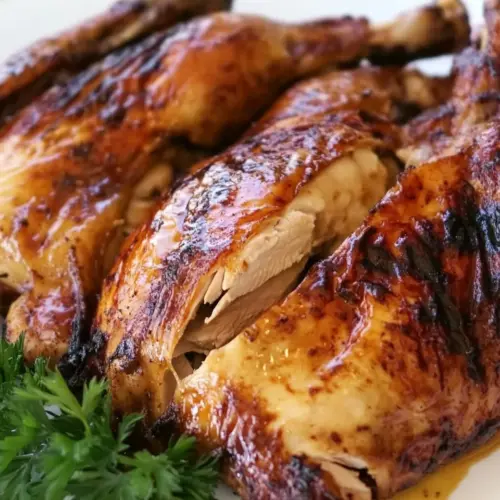
Spatchcock Chicken
Equipment
- Grill
- Kitchen shears
- Instant read thermometer
- Pastry Brush
Ingredients
- 1 whole fryer chicken Flatten and split open the bird along the backbone to allow even cooking and faster roasting; provides the main protein and centerpiece of the dish while exposing skin for crisping and seasoning penetration.
- canola oil Coat and rub over the chicken skin and cavity to help promote browning, crisp texture, and even heat transfer during roasting while preventing sticking to the pan.
- salt Season generously across the skin and cavity to enhance natural flavors, balance richness, and help form a savory crust during high-heat cooking.
- bbq sauce Brush or toss as a finishing glaze to add tangy-sweet flavor, moistness, and a caramelized surface that complements the roasted chicken.
Instructions
- Clean and rinse whole chicken. Using kitchen shears or a very sharp knife, cut out the backbone of the chicken. Open the whole chicken up and cut a little notch in the breastbone to help it lay flat.: You will notice a cool, slightly metallic scent as you rinse the chicken under cold water, and the skin should look pale and taut when it is ready. After rinsing, pat the bird very dry with paper towels until the surface feels nearly dry to the touch, this helps the skin crisp during grilling. Moisture on the skin steams and prevents browning, so the dryness is crucial to achieve that crackle. A common mistake is rushing this step, leaving damp spots that make the skin rubbery instead of crisp, so take the time to thoroughly dry each cavity and the skin surfaces.
- Brush the whole bird with some canola oil and sprinkle with salt. Place chicken on hot grill, skin side down. {I used a charcoal grill with all my hot coals on one side so I could have a hot side and a cool side, just in case my bird was cooking too quickly or not quick enough.}: As you make the incision to remove the backbone, you will hear the satisfying resist of cartilage and feel the knife or shears pass through. Lay the chicken breast side down on a stable surface, and with sturdy kitchen shears or a very sharp knife, cut along both sides of the backbone from tail to neck, removing it completely. This opening allows the bird to lay flat and promotes even contact with the grill, which reduces cooking time and improves browning across the entire bird. If you struggle with the shears, take measured small cuts rather than forcing a single pass, because slipping could nick the meat and alter the shape.
- Flip chicken over once skin has browned and brush with bbq sauce. Continue cooking on the other side until meat reaches an internal temperature of 165 degrees.: When you press the bird open, you will feel the breastbone resist, and then with a small cut or notch it will relax, allowing the chicken to splay evenly. Turn the bird over and press firmly on the breast to flatten it; you may hear small cracks as the sternum gives way, which is normal. This step is what ensures uniform thickness and consistent cooking, so be intentional about flattening the thighs and breasts to the same plane. A frequent issue is not flattening fully, leaving the center higher which leads to uneven doneness and longer cook times.
- Remove from grill and cover with foil to rest 10 minutes. Cut and serve.: As you brush the skin with oil, it will gleam and take on a slight sheen, and the oil helps the salt adhere and the skin crisp. Use a pastry brush or your hands to distribute the oil in a thin layer, then season evenly with salt. Getting a consistent sprinkle across wings, thighs, and breasts ensures every bite is seasoned. Overapplying oil can cause flare ups on a grill and mask the seasoning, so a light touch is better than a heavy coat.
- Place chicken on hot grill, skin side down: The instant the chicken meets the grill, you will hear a pronounced sizzle and smell the aroma of fat rendering, which signals the start of skin browning. Position the bird on the hot side of the grill to get immediate sear and color on the skin, but keep a cooler zone available to move the bird if it begins to char too quickly. This searing locks in flavor and gives you that prized golden exterior; however, watch closely because high heat can quickly push sugars to burn. If you see extreme flare ups, shift the bird to the cooler side briefly to calm the flames.
- Flip chicken over once skin has browned and brush with bbq sauce: After the skin achieves a deep golden brown, flipping will reveal the underside which will be beginning to render its own juices, and at this point brushing with bbq sauce adds a glossy, flavorful layer. Apply the sauce sparingly at first, and then add more toward the end so the sugars caramelize without blackening. The aroma will shift to sweet and smoky, and the surface will bubble slightly as the sauce cooks. A typical error is slathering sauce too early, which leads to sticky burnt patches before the interior is done, so time your glazing carefully.
- Continue cooking on the other side until meat reaches an internal temperature of 165 degrees: As the bird finishes on the second side, listen for a steady gentle sizzle and watch juices bead near the thigh, an indicator that the meat is heating through. Use a reliable instant read thermometer in the thickest part of the thigh, avoiding bone, to confirm the safe internal temperature of 165 degrees . Cooking to this temperature ensures the meat is safe but still juicy, because resting will raise the temperature slightly more. One mistake is relying on juices running clear as the only cue, which can mislead; always verify with a thermometer to avoid under or overcooking.
- Remove from grill and cover with foil to rest 10 minutes: After removing the bird, you might still sense the faint aroma of smoke and sizzling. Tent the chicken loosely with foil and let it rest for about 10 minutes so the juices redistribute, turning a slightly firmer surface into moist slices. Resting ensures the carved meat does not lose its juices onto the cutting board, and the texture firms up so you can slice cleanly. Avoid leaving it covered too long in a tightly sealed container, which can trap steam and soften the skin.
- Cut and serve: When you carve the chicken, you will notice the skin remains crisp in many areas and the meat yields easily to the knife. Slice along the joints, portion out breasts and thighs, and serve immediately while warm. The visual contrast of glossy bbq sauce and golden skin invites immediate appetites, and the aroma of roasted meat is always welcoming. A common carving error is sawing through instead of using clean, confident strokes, which can tear the meat and make portions look ragged, so use a sharp knife and steady pressure.
Notes
- Swap the finishing sauce Use a different glaze instead of bbq sauce such as a citrus based glaze or a honey mustard, brushing it in the last minutes to build flavor without burning.
- Vary your seasoning Try a light dusting of smoked paprika, garlic powder, or herbed salt before grilling to layer additional aromatics onto the skin.
- Control smoke level If you prefer subtle smoke, use a small handful of wood chips on a gas grill or move coals to the edge on a charcoal grill to reduce direct exposure.
- Adjust cook heat For slightly juicier breast meat, sear on high then move to indirect heat to finish cooking more gently until the thermometer reads 165 degrees.
- Make it ahead Spatchcock and season the chicken earlier in the day, refrigerate uncovered to dry the skin, then bring to room temperature before grilling for an evenier sear.