Old Fashioned Blueberry Cake
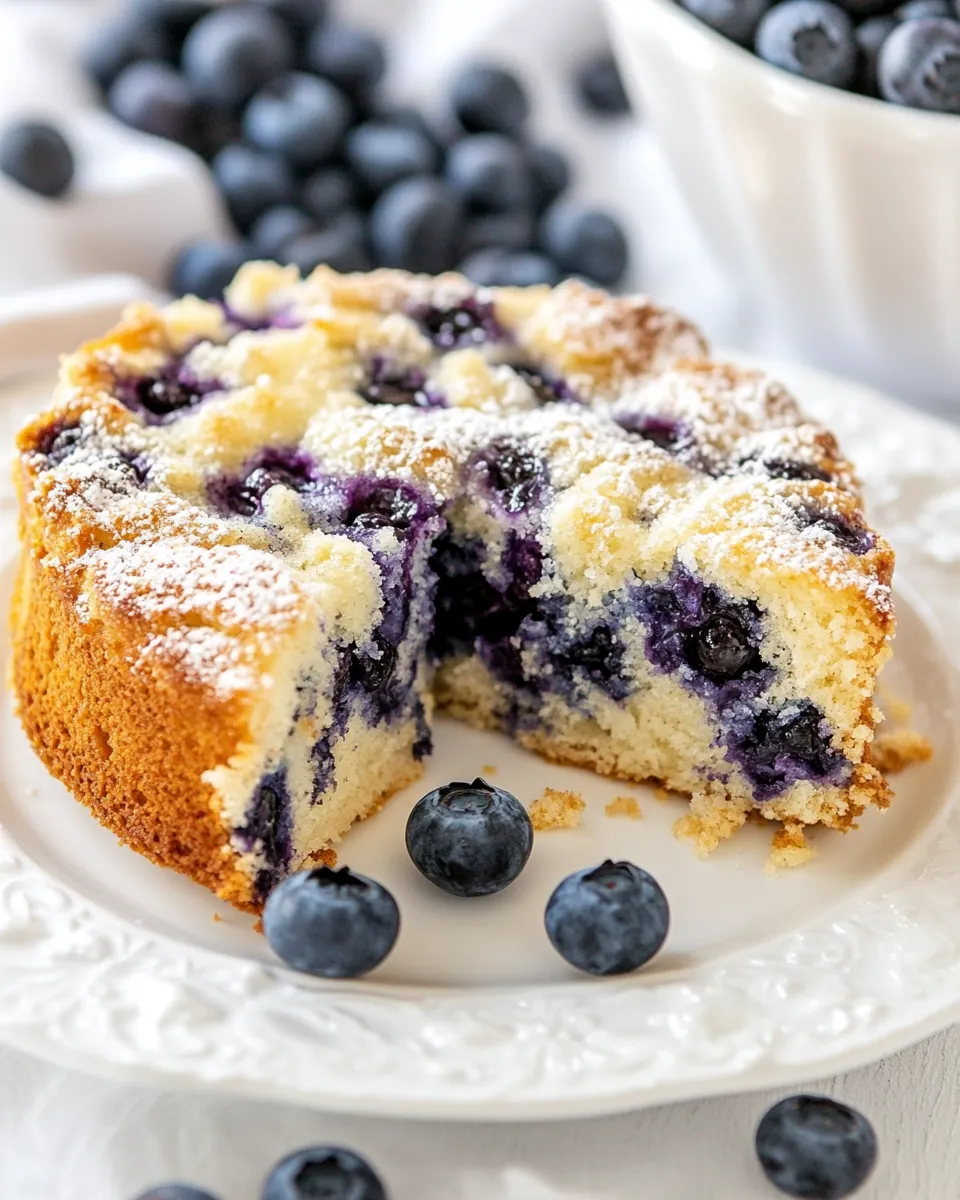
Old Fashioned Blueberry Cake has been a warm corner of my kitchen memories for years, the kind of recipe I pull out when I want something that smells like home and tastes like a sunny afternoon. I first learned this one from a neighbor who handed me a slice wrapped in wax paper one summer, and the tender crumb and burst of blueberries convinced me that simple baking can feel like celebration. Every time I bake it, the kitchen fills with a buttery, vanilla aroma that makes everyone pause what they are doing and ask for a taste.
Over the years I have adjusted small things, like the way I separate the eggs and gently fold the whites, because those little moves change texture in such a satisfying way. I enjoy serving this cake warm, letting the juice from the blueberries mingle with the delicate crumb. Guests always comment on the golden sugary crust and the soft interior, and I love telling the story of how this recipe traveled from a neighbor’s hands into my regular rotation. Baking this cake is one of those rituals that slows time, and I find joy in the precise stirring and the quiet hum of the oven.
Recipe Snapshot
1 hr 10 mins
20 mins
50 mins
Medium
320 kcal
American
Gluten-Free, Low FODMAP
Desserts
9-inch round pan or 9-inch square pan, Mixing bowls, Electric mixer, Cooling rack
The Beauty of This Old Fashioned Blueberry Cake
It tastes timeless
I love that Old Fashioned Blueberry Cake carries a nostalgic note, the kind that reminds me of summer porches and library book sales. The buttery base and the simple sugar topping create a balance where the blueberries really sing, and that straightforward flavor profile makes it easy to enjoy with coffee or after a light dinner.
Light but satisfying texture
Because we separate eggs and whip the whites, the cake achieves an airy lift that still feels substantial. I find this technique gives you a soft crumb that is not gummy, and that contrast between the delicate interior and the thin crunchy top is one reason I come back to this recipe when I want something comforting but not heavy.
Flexible with berries
I often use fresh blueberries, but frozen ones work too if you dry them well first. That flexibility means you can make this cake year round, and it still tastes like summer. I appreciate recipes that tolerate small substitutions and still reward you with great results.
Simple ingredients, big payoff
There is nothing fancy in the pantry list, which makes this dessert approachable for almost anyone. The technique is where the magic happens, not obscure components, so you get bakery quality from everyday staples like butter, sugar, and all purpose flour.
Great for sharing
This cake travels well and freezes nicely, so it is my go to when I need something to bring to a neighbor or to tuck away for a quick treat. People love the rustic look and the bright berry pockets, and I love how easy it is to slice and serve.
Essential Ingredients for Old Fashioned Blueberry Cake
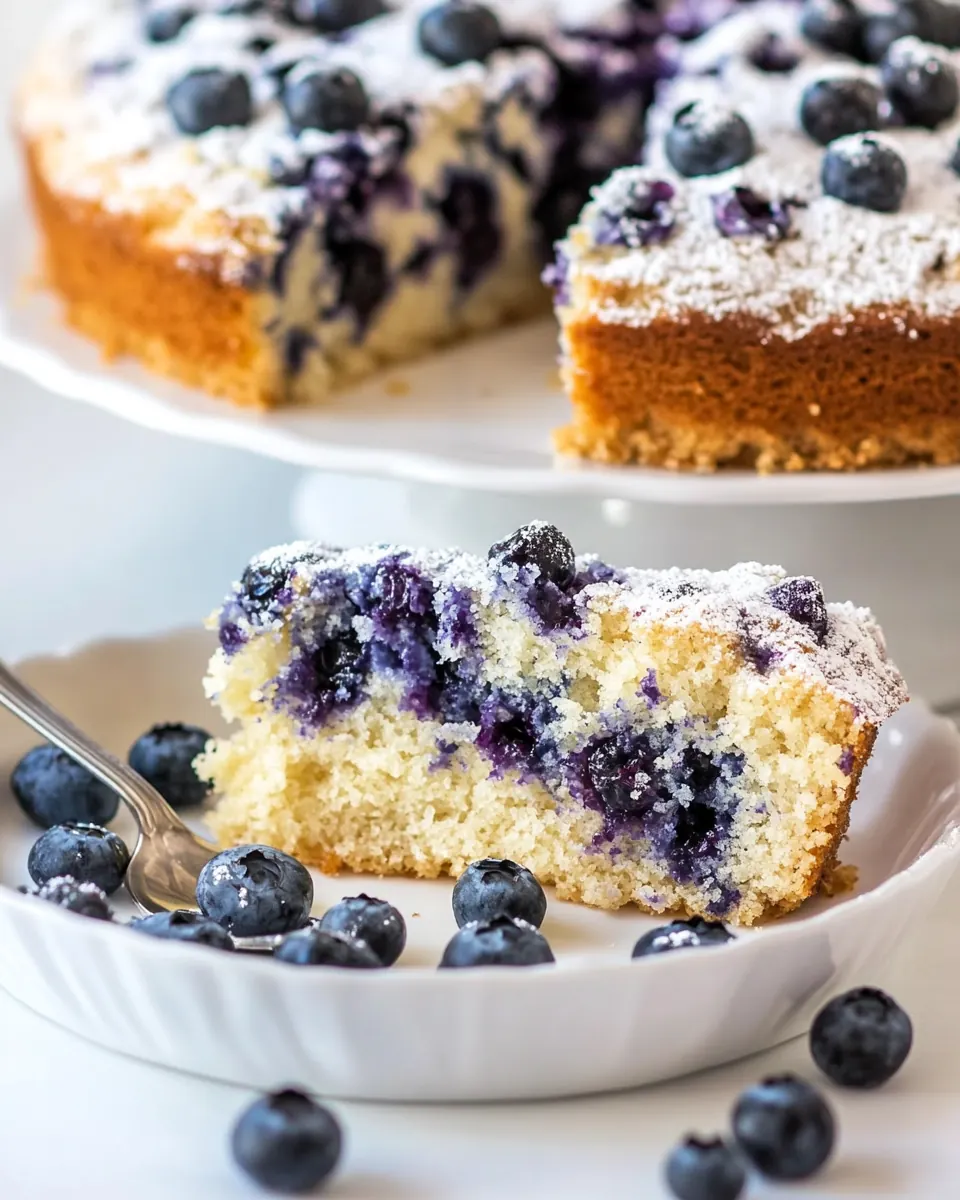
These ingredients are the heart of the cake, each playing a clear role. The base relies on creamy butter and sugar for flavor and tenderness, while the separated eggs create lift when the whites are whipped. All purpose flour and baking powder give structure and a gentle rise, and the blueberries deliver bursts of bright, juicy flavor. The measured simplicity is why this combination works so well together.
- 3/4 cup butter (unsalted, softened): Creamed to aerate and provide a rich, tender crumb while contributing buttery flavor and moisture to the cake batter.
- 3/4 cup sugar: Granulated for sweetness and structure; helps tenderize the crumb and assists in browning during baking when creamed with butter.
- 1/2 teaspoons salt: Added to balance flavor and enhance other ingredients; helps strengthen dough proteins and controls yeast activity in some recipes.
- 2 teaspoons vanilla extract: Added for aromatic flavor; enhances the overall taste profile and complements the fruit without adding moisture.
- 3 large eggs (separated): Separated to use yolks for richness and fat, and whites for whipping to add lift and lightness to the cake when folded in.
- 2 1/4 cups all-purpose flour: Sifted or measured to provide the bulk structure and gluten needed for the cake; balances absorption of liquids and leavening agents.
- 2 teaspoons baking powder: Measured to provide chemical leavening, creating carbon dioxide that helps the batter rise and yields a lighter texture.
- 2/3 cup milk: Warmed or room temperature to help dissolve sugar and blend smoothly into batter; contributes moisture and tenderness to the cake.
- 1/3 cup sugar: Sprinkled for additional sweetness and a slight caramelized finish on top or within the batter when baked.
- 2 1/4 cups fresh blueberries: Gently folded or tossed to provide bursts of fresh fruit flavor and moisture, adding a tender, juicy contrast in each bite.
- 1 1/2 tablespoons all-purpose flour: Tossed with fruit to absorb excess juices and help prevent sinking; contributes minimal structure when coating berries.
- 1 1/2 tablespoons sugar: Sprinkled over fruit to add a light sweet crust and slight textural contrast after baking.
Step by Step Guide for Old Fashioned Blueberry Cake
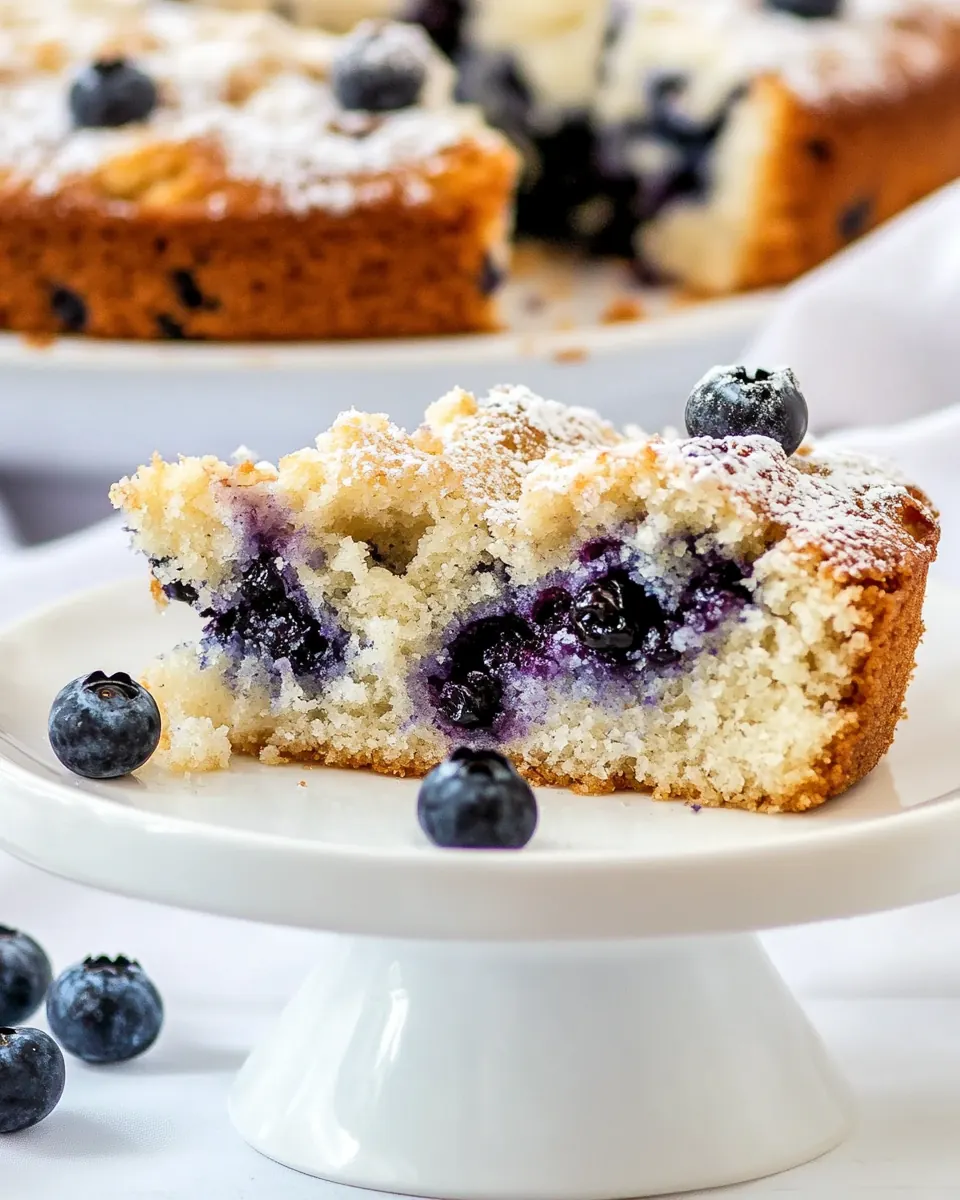
This recipe is straightforward, but the success comes from attention to technique and sensory cues. I walk you through each stage in detail so you can feel confident about texture, aroma, and timing while baking.
- Preheat to 350℉ (175℃). Grease a 9-inch round pan or a 9-inch square pan.: As the oven warms you will notice a faint warm air shift, and the preheated environment ensures the cake begins to rise immediately on contact with heat. Proper greasing prevents sticking and encourages even browning around the edges. A common mistake is underheating the oven, which slows rise and creates a dense crumb, so use an oven thermometer if yours runs cold or hot.
- Cream the 3/4 cup butter with the 3/4 cup sugar until fluffy. Mix in the salt and vanilla. Add the egg yolks to the sugar mixture and beat until creamy.: When creaming, you should see the mixture lighten in color and take on a slightly airy texture, the butter smelling rich and the sugar fine against the paddle. After adding the yolks , the batter becomes silkier and more cohesive, and the aroma of vanilla extract will bloom. If you skip sufficient creaming you lose trapped air, resulting in less lift, so be patient until you have a fluffy base.
- Combine 2 1/4 cups flour with the baking powder; add the flour mixture and the milk to egg yolk mixture and mix until well combined.: The dry ingredients should be whisked so the baking powder is evenly distributed, then added alternately with milk to maintain a smooth batter. Look for a cohesive, slightly thick batter that holds a soft ribbon when lifted. Overmixing at this stage will develop gluten and yield a tougher cake, so stop when dry streaks disappear.
- Coat berries with 1 1/2 tablespoons flour and fold into the batter.: Tossing the blueberries in a light dusting of flour keeps them suspended as they bake, and folding them gently prevents bruising. Visually you want a batter dotted with evenly coated berries, without purple streaks. If you stir too vigorously the berries will burst and bleed, turning the batter purple and creating dense wet pockets.
- In a separate bowl, beat the egg whites until soft peaks form. Add 1/3 cup of the sugar, 1 tablespoon at a time, and beat until stiff peaks form. Fold the egg whites into batter. Pour into the prepared pan. Sprinkle top with remaining 1 1/2 tablespoons sugar.: The whipped egg whites should look glossy and airy, and as you add the sugar they stabilize into firm peaks that hold shape. Folding them in preserves the trapped air, which is why the cake gains its delicate lift. Pouring into the pan you'll hear a soft thud as batter settles, and sprinkling extra sugar on top gives you that crisp, sugary crust. A frequent error is overfolding, which deflates the whites and yields a heavy texture.
- Bake for 50 minutes, or until cake tests done.: As the cake bakes you will smell a deepening butter and vanilla scent, and the top will turn a warm golden color with edges pulling slightly from the pan. A toothpick inserted into the center should come out with a few moist crumbs, not wet batter, indicating doneness. Opening the oven door repeatedly will drop the temperature and can cause sinking, so resist peeking often.
- Let the cake cool in the pan for 5 minutes then transfer it to a cooling rack to finish cooling. Dust with icing sugar if preferred and serve.: Resting briefly in the pan allows the crumb to set while still warm, and transferring to a rack prevents residual heat from steaming the base. Cooling releases the full aroma and firms the texture so slices hold cleanly. If you cut too soon the cake may crumble, which is the usual misstep here, so allow those few cooling minutes before slicing and serving.
Helpful Hints
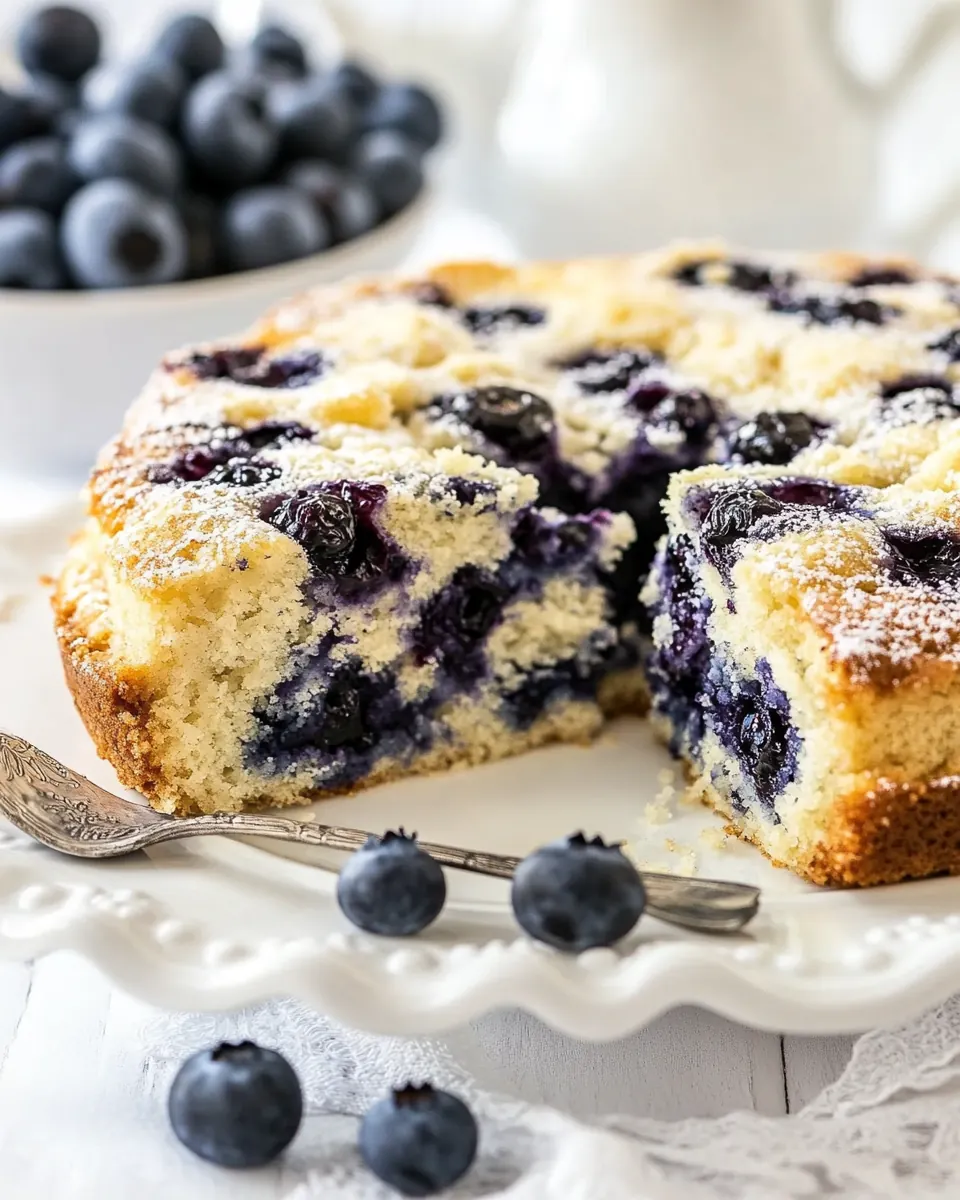
I like to keep a short set of practical tips nearby when I bake this cake, small reminders that make a big difference. The following expanded tips cover technique, timing, and storage so you can get consistent results and enjoy the best texture and flavor.
- Room temperature ingredients: Bring your butter and eggs to room temperature before starting. This ensures the butter creams smoothly with the sugar, producing an aerated base that yields a lighter crumb. Cold ingredients will result in an uneven batter and a denser cake.
- Careful folding: When you fold the whipped egg whites into the batter, use a gentle motion and scrape the bowl to combine evenly. Overmixing will deflate the mixture and ruin the airy structure you worked to create, so stop as soon as the streaks disappear.
- Blueberry handling: Coat the blueberries in a little flour and fold them in at the end to prevent sinking and bleeding. If using frozen berries, thaw and pat them dry first, otherwise the extra moisture can thin the batter and create wet spots.
- Oven consistency: Use an oven thermometer to confirm your oven is at the correct 350℉ 175℃. Many home ovens run hot or cold and inaccurate temperatures affect rise and crumb. Adjust as needed to achieve a golden top without overbaking the interior.
- Sugar crust finish: Don’t skip sprinkling the extra sugar on top before baking. It creates a subtle crunchy crust that contrasts beautifully with the soft crumb, giving the cake a bakery style finish that elevates every slice.
- Cooling and storage: Let the cake cool in the pan for a few minutes then transfer to a rack. For longer storage, slice and wrap airtight, then freeze; it thaws well and stays moist, making it perfect for quick sweet emergencies.
Serve This Old Fashioned Blueberry Cake With
The cake pairs well with simple accompaniments and suits many occasions from brunch to casual dinner dessert. Here are serving ideas, storage guidance, and seasonal pairings to help you present it beautifully and keep leftovers in top shape.
- Warm with tea or coffee: Serve slightly warm alongside a cup of tea or coffee for an afternoon treat. The contrast between the warm crumb and a hot drink is cozy and satisfying.
- Light dessert after dinner: Offer a modest slice after a simple savory main for a balanced finish, the cake’s brightness cleansing the palate without weighing you down.
- Brunch centerpiece: Place the cake on a table set for brunch with plain toppings and let guests slice as they please, it’s approachable and visually appealing dotted with blueberries.
- Seasonal pairing: In summer use fresh blueberries; in cooler months frozen berries can keep this recipe on rotation without losing charm. The cake’s flavor evokes sunny seasons even when it is chilly outside.
- Storage tips: Wrap cooled slices tightly and refrigerate for short term, or freeze individual slices for longer storage. Thawed slices retain texture remarkably well, so prepare extra for easy future treats.
- Occasions: This cake is suited to casual gatherings, potlucks, picnic spreads, or a quiet weekend when you want something homemade and unpretentious yet impressive.
FAQ
Conclusion
This Old Fashioned Blueberry Cake is special because it blends simple pantry ingredients into a tender, airy cake dotted with juicy berries and finished with a delicate sugary crust. You should try it because the technique of whipping the whites and gently folding them into the batter yields a reliably soft crumb that feels both comforting and a little elegant. It is approachable enough for an everyday treat, yet impressive enough to bring to gatherings. Bake a batch, slice it warm, and enjoy how small techniques create big results in flavor and texture.
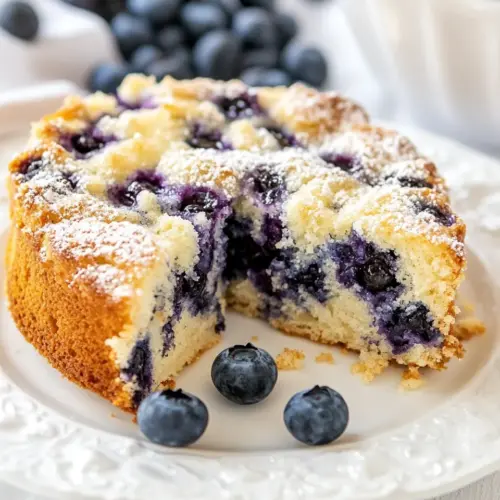
Old Fashioned Blueberry Cake
Equipment
- 9-inch round pan or 9-inch square pan
- Mixing Bowls
- Electric Mixer
- Cooling rack
Ingredients
- 3/4 cup butter (unsalted, softened) Creamed to aerate and provide a rich, tender crumb while contributing buttery flavor and moisture to the cake batter.
- 3/4 cup sugar Granulated for sweetness and structure; helps tenderize the crumb and assists in browning during baking when creamed with butter.
- 1/2 teaspoons salt Added to balance flavor and enhance other ingredients; helps strengthen dough proteins and controls yeast activity in some recipes.
- 2 teaspoons vanilla extract Added for aromatic flavor; enhances the overall taste profile and complements the fruit without adding moisture.
- 3 large eggs (separated) Separated to use yolks for richness and fat, and whites for whipping to add lift and lightness to the cake when folded in.
- 2 1/4 cups all-purpose flour Sifted or measured to provide the bulk structure and gluten needed for the cake; balances absorption of liquids and leavening agents.
- 2 teaspoons baking powder Measured to provide chemical leavening, creating carbon dioxide that helps the batter rise and yields a lighter texture.
- 2/3 cup milk Warmed or room temperature to help dissolve sugar and blend smoothly into batter; contributes moisture and tenderness to the cake.
- 1/3 cup sugar Sprinkled for additional sweetness and a slight caramelized finish on top or within the batter when baked.
- 2 1/4 cups fresh blueberries Gently folded or tossed to provide bursts of fresh fruit flavor and moisture, adding a tender, juicy contrast in each bite.
- 1 1/2 tablespoons all-purpose flour Tossed with fruit to absorb excess juices and help prevent sinking; contributes minimal structure when coating berries.
- 1 1/2 tablespoons sugar Sprinkled over fruit to add a light sweet crust and slight textural contrast after baking.
Instructions
- Preheat to 350℉ (175℃). Grease a 9-inch round pan or a 9-inch square pan.: As the oven warms you will notice a faint warm air shift, and the preheated environment ensures the cake begins to rise immediately on contact with heat. Proper greasing prevents sticking and encourages even browning around the edges. A common mistake is underheating the oven, which slows rise and creates a dense crumb, so use an oven thermometer if yours runs cold or hot.
- Cream the 3/4 cup butter with the 3/4 cup sugar until fluffy. Mix in the salt and vanilla. Add the egg yolks to the sugar mixture and beat until creamy.: When creaming, you should see the mixture lighten in color and take on a slightly airy texture, the butter smelling rich and the sugar fine against the paddle. After adding the yolks , the batter becomes silkier and more cohesive, and the aroma of vanilla extract will bloom. If you skip sufficient creaming you lose trapped air, resulting in less lift, so be patient until you have a fluffy base.
- Combine 2 1/4 cups flour with the baking powder; add the flour mixture and the milk to egg yolk mixture and mix until well combined.: The dry ingredients should be whisked so the baking powder is evenly distributed, then added alternately with milk to maintain a smooth batter. Look for a cohesive, slightly thick batter that holds a soft ribbon when lifted. Overmixing at this stage will develop gluten and yield a tougher cake, so stop when dry streaks disappear.
- Coat berries with 1 1/2 tablespoons flour and fold into the batter.: Tossing the blueberries in a light dusting of flour keeps them suspended as they bake, and folding them gently prevents bruising. Visually you want a batter dotted with evenly coated berries, without purple streaks. If you stir too vigorously the berries will burst and bleed, turning the batter purple and creating dense wet pockets.
- In a separate bowl, beat the egg whites until soft peaks form. Add 1/3 cup of the sugar, 1 tablespoon at a time, and beat until stiff peaks form. Fold the egg whites into batter. Pour into the prepared pan. Sprinkle top with remaining 1 1/2 tablespoons sugar.: The whipped egg whites should look glossy and airy, and as you add the sugar they stabilize into firm peaks that hold shape. Folding them in preserves the trapped air, which is why the cake gains its delicate lift. Pouring into the pan you'll hear a soft thud as batter settles, and sprinkling extra sugar on top gives you that crisp, sugary crust. A frequent error is overfolding, which deflates the whites and yields a heavy texture.
- Bake for 50 minutes, or until cake tests done.: As the cake bakes you will smell a deepening butter and vanilla scent, and the top will turn a warm golden color with edges pulling slightly from the pan. A toothpick inserted into the center should come out with a few moist crumbs, not wet batter, indicating doneness. Opening the oven door repeatedly will drop the temperature and can cause sinking, so resist peeking often.
- Let the cake cool in the pan for 5 minutes then transfer it to a cooling rack to finish cooling. Dust with icing sugar if preferred and serve.: Resting briefly in the pan allows the crumb to set while still warm, and transferring to a rack prevents residual heat from steaming the base. Cooling releases the full aroma and firms the texture so slices hold cleanly. If you cut too soon the cake may crumble, which is the usual misstep here, so allow those few cooling minutes before slicing and serving.
Notes
- Room temperature ingredients: Bring your butter and eggs to room temperature before starting. This ensures the butter creams smoothly with the sugar, producing an aerated base that yields a lighter crumb. Cold ingredients will result in an uneven batter and a denser cake.
- Careful folding: When you fold the whipped egg whites into the batter, use a gentle motion and scrape the bowl to combine evenly. Overmixing will deflate the mixture and ruin the airy structure you worked to create, so stop as soon as the streaks disappear.
- Blueberry handling: Coat the blueberries in a little flour and fold them in at the end to prevent sinking and bleeding. If using frozen berries, thaw and pat them dry first, otherwise the extra moisture can thin the batter and create wet spots.
- Oven consistency: Use an oven thermometer to confirm your oven is at the correct 350℉ 175℃. Many home ovens run hot or cold and inaccurate temperatures affect rise and crumb. Adjust as needed to achieve a golden top without overbaking the interior.
- Sugar crust finish: Don’t skip sprinkling the extra sugar on top before baking. It creates a subtle crunchy crust that contrasts beautifully with the soft crumb, giving the cake a bakery style finish that elevates every slice.
- Cooling and storage: Let the cake cool in the pan for a few minutes then transfer to a rack. For longer storage, slice and wrap airtight, then freeze; it thaws well and stays moist, making it perfect for quick sweet emergencies.
