Egg Salad
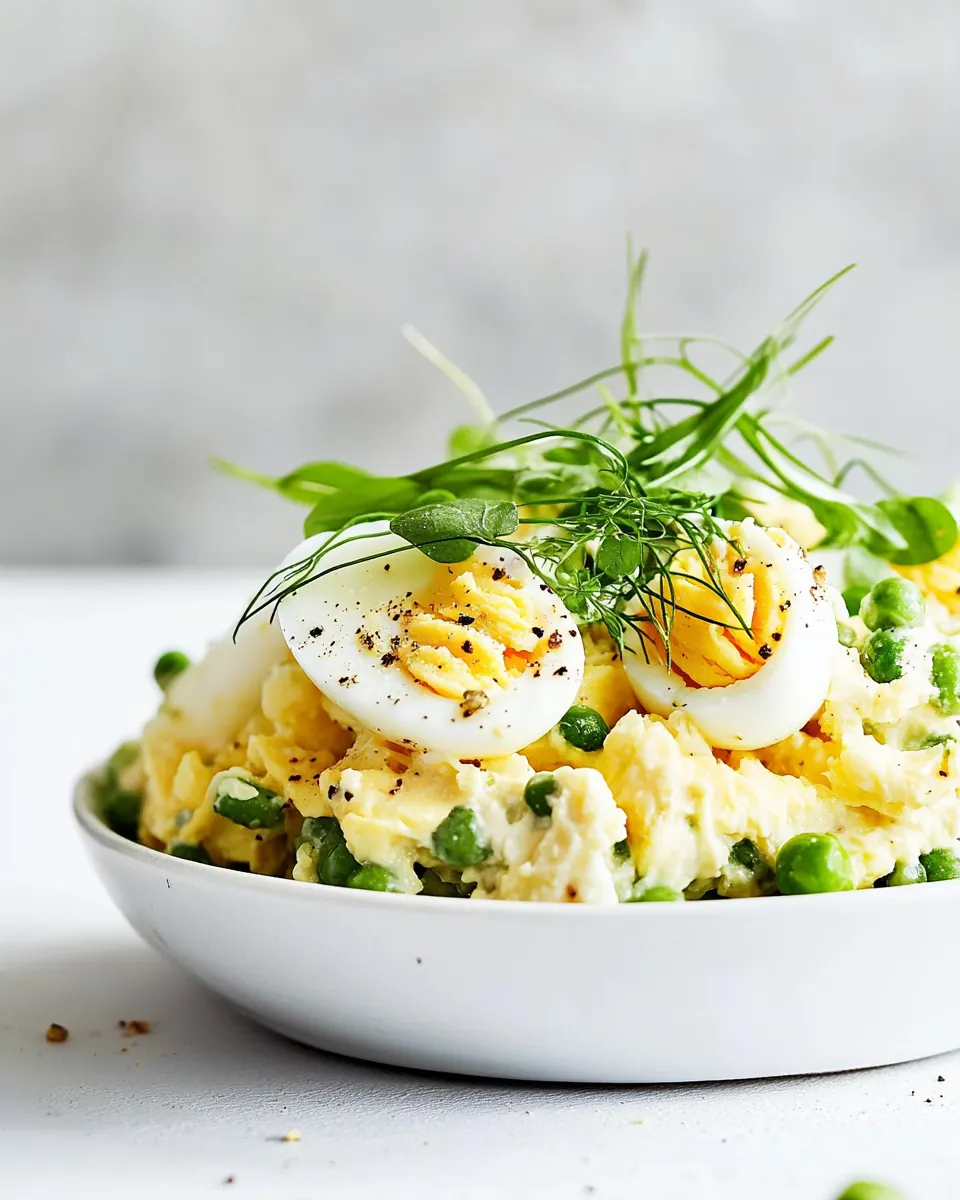
Egg Salad is one of those recipes that feels like home to me, a simple combination of familiar flavors that somehow always hits the spot. The first time I made this version I was trying to patch together a lunch from leftovers, and the little bright pop from lemon juice and the creaminess from Greek yogurt surprised me. Ever since, I reach for it when I want something effortless, satisfying, and just a touch nostalgic.
I remember making a big batch on a weekend afternoon, chopping eggs while the radio played in the background, and tasting as I went. The texture was the star for me, with some pieces left chunky and others smooshed to a silky mash. That contrast makes every bite interesting, whether you scoop it onto toast or tuck it into a lettuce cup. It is also forgiving, so you can tweak the tang, the crunch, and the herbiness to suit what you like.
Over the years I have layered in little habits that improved the result, like chilling the salad briefly so the flavors can marry, or using a combination of Greek yogurt and mayonnaise to balance tang and silk. Friends have asked for my ratios, and I always tell them it is about rhythm, not rules. Make it your own, but let the core elements shine through.
Recipe Snapshot
10 mins
10 mins
Easy
250 kcal
American
Keto, Gluten-Free
Salads
Medium bowl, Spoon
Why This Egg Salad Is So Good
Easy and Fast
I adore how quickly Egg Salad comes together, which makes it a go to on busy days. With a handful of ingredients and about ten minutes of hands on time, you can have a creamy, protein rich meal that keeps well, so it is ideal for packed lunches. I often make a double batch because it stores reliably in the fridge for several days, giving me a ready made option when time is tight.
Flexible and Customizable
This recipe is wonderfully adaptable, which is one reason I keep coming back to it. Swap the herbs, add crunchy veggies, or tweak the mustard level to suit your mood. I like to leave a few chunks of egg for texture, but you can mash more for a smoother spread. The base flavors are forgiving, so you can be creative without fear of wrecking the dish.
Comforting and Familiar
There is a comforting simplicity to Egg Salad that feels like a warm hug on a plate. The creaminess from mayonnaise and Greek yogurt, the bright lift from lemon juice, and the savory hit from Dijon mustard combine to deliver a balanced bite. I often turn to it when I want something nostalgic but not heavy, perfect for an easy lunch or light dinner.
Great Texture Play
I love how the crunchy celery and the soft eggs work together. That contrast keeps the salad interesting spoon after spoon. Even a small amount of diced green onions or chopped chives adds freshness and a pop of color that makes the whole bowl more lively and appetizing.
Kid Friendly and Crowd Pleasing
This recipe usually disappears fast whenever I bring it to a gathering, because it is simple and widely liked. It is mild enough for kids yet layered enough for adults to appreciate. I find it especially handy for potlucks or casual brunches since people can eat it plain, on crackers, or piled into sandwiches.
Essential Ingredients for Egg Salad
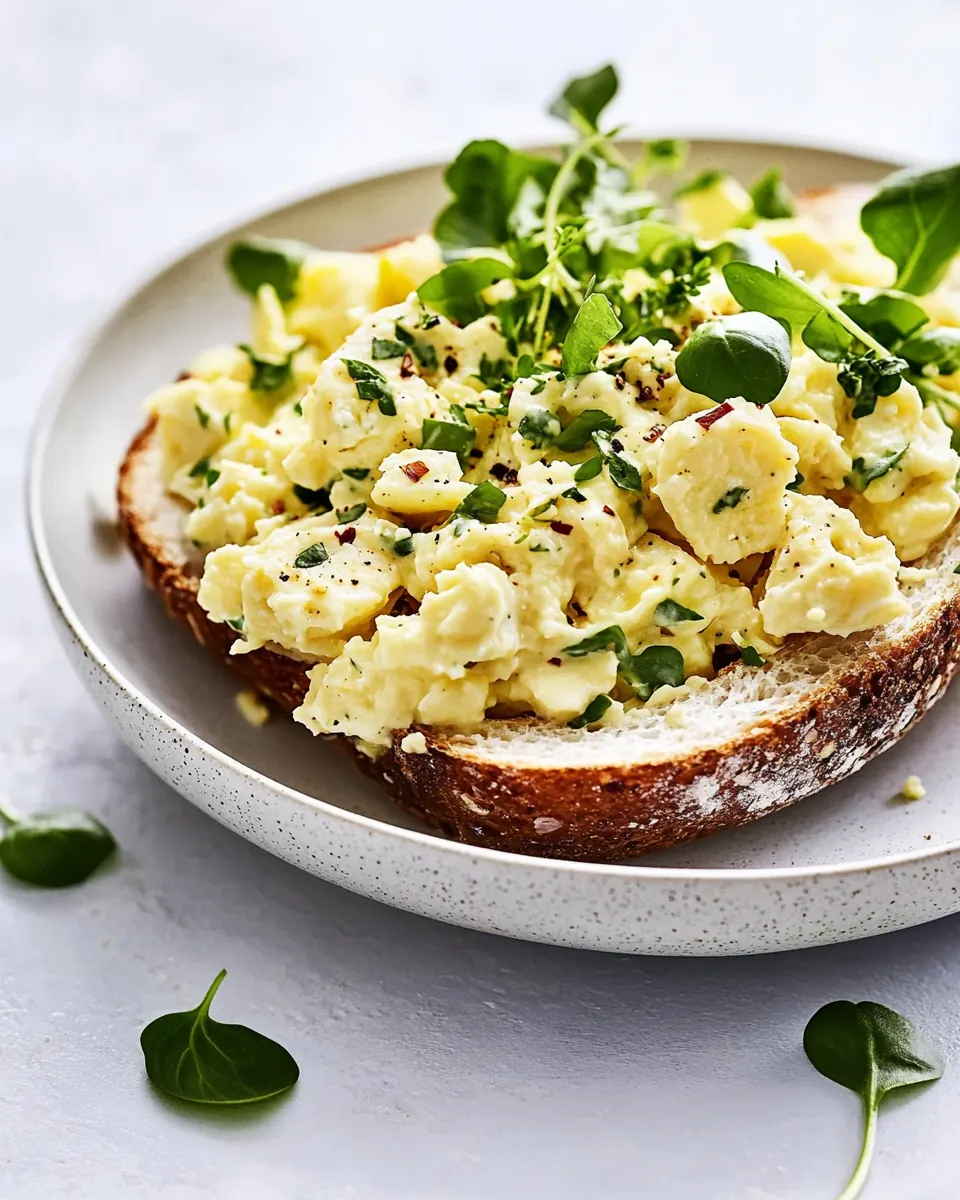
These ingredients are the foundation of a creamy, well balanced Egg Salad. Each component plays a clear role: the eggs provide protein and richness, the dairy and fat deliver silk and body, and the aromatics and acid brighten the overall flavor. Together they create a spread that is versatile and satisfying whether you serve it on bread, with crackers, or in a lettuce cup.
- 6 hard boiled eggs, peeled and roughly chopped: Provide creamy, rich structure and protein to the salad; chopped texture helps distribute flavor and creates hearty bites. Combine with dressing to bind other ingredients and add substance for sandwiches or salads.
- 2 tablespoons plain Greek yogurt: Add tangy, thick creaminess while reducing fat compared to full mayonnaise; contributes a slight tang and smooth mouthfeel to the dressing. Use to balance richness and keep the mixture moist without overwhelming flavors.
- 2 tablespoons mayonnaise: Impart a silky, rich mouthfeel and classic egg-salad creaminess; helps emulsify and bind ingredients for a cohesive mixture. Use sparingly to control richness and provide a familiar savory base.
- 2 teaspoons Dijon mustard: Deliver bright, sharp pungency and subtle heat that lifts the overall flavor; acts as a binder within the dressing for cohesive taste. Use to add depth and a hint of piquancy that complements the eggs and dairy.
- 1 teaspoon fresh lemon juice: Provide a fresh, acidic brightness that rounds and balances the richness; helps wake up flavors and prevent a heavy finish. Squeeze in gradually to achieve desired tang without curdling other components.
- 1/3 cup finely diced celery: Contribute a crisp, juicy crunch and mild vegetal flavor that contrasts soft egg texture; finely dicing ensures even distribution and pleasant mouthfeel. Use to introduce freshness and lightness to each bite.
- 1/4 cups sliced green onions: Introduce mild oniony bite and delicate crunch in thin slices; adds visual contrast and subtle aromatic lift throughout the salad. Use as a fresh, fragrant element that complements herbs and binds well with creamy dressing.
- 1 tablespoon chopped chives: Supply a delicate oniony-herb fragrance and tender green flecks; finely chopped chives add subtle depth without overpowering. Sprinkle in to enhance aroma and provide gentle herbal notes that brighten the salad.
- Kosher salt and freshly ground black pepper to taste: Season to taste to enhance and balance all flavors; salt brings out savory notes while black pepper adds gentle heat and complexity. Adjust carefully to avoid over-seasoning and to complement the creamy dressing.
Egg Salad Instructions
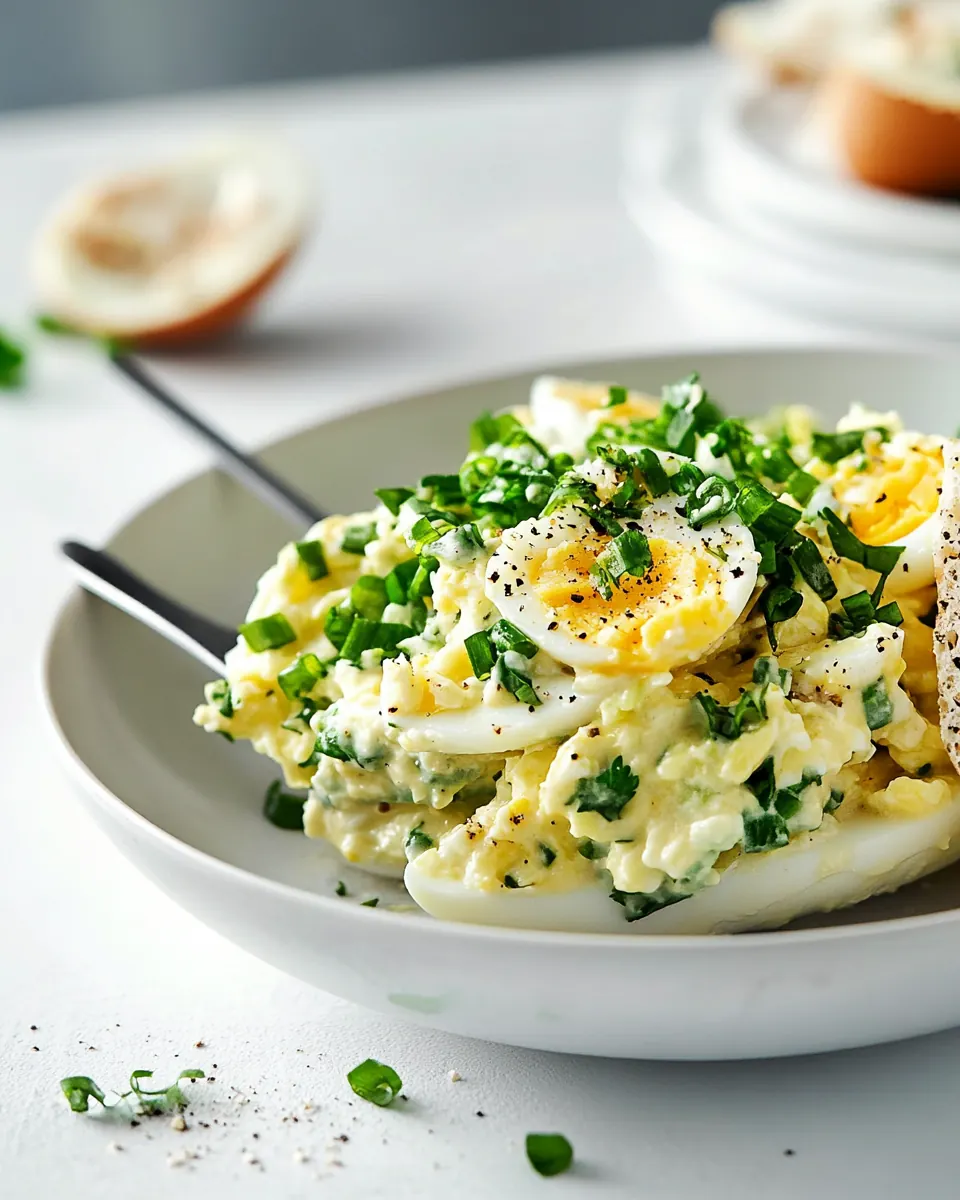
This set of directions will guide you through building texture, balancing flavors, and finishing the salad so it is bright and satisfying. Read them all first, then move through each step deliberately. Small adjustments while you stir will help you reach the ideal consistency and seasoning for your taste.
- In a medium bowl, combine chopped eggs, Greek yogurt, mayonnaise, Dijon mustard, and lemon juice. Stir with a spoon, breaking up the eggs until you reach desired consistency. I like to leave the eggs a little chunky.: The moment you mix these ingredients the aromas begin to shift, with the tang from the Greek yogurt and the sharpness of Dijon mustard standing out. You will notice a creamy sheen form as the mayonnaise emulsifies with the yogurt, and the bowl will smell faintly of mustard and citrus. This step matters because it distributes the dressing evenly among the eggs , ensuring each bite is seasoned. A common issue is adding all the dressing at once and ending up with a runny salad; avoid this by stirring gently and checking consistency as you go. If the mixture seems too thick, add a touch more Greek yogurt or a squeeze of lemon juice . If it is too loose, let it sit briefly in the fridge to firm up before serving.
- Stir in the celery, green onions, and chives. Season with salt and black pepper, to taste.: As you stir, you will hear the soft friction of the spoon against the bowl and see the eggs break into irregular pieces. The visual cue to watch for is a mix of larger curds and smaller bits, which gives the salad a satisfying mouthfeel. This tactile control is why many prefer chopping and then mashing slightly rather than pureeing everything. One mistake people make is overworking the mixture until it becomes pasty and uniform, which loses the textural contrast. If you prefer a smoother result, gently press some pieces with the back of the spoon rather than vigorously mashing everything.
- Serve or refrigerate until ready to use. You can serve the egg salad in bread, in a wrap, with crackers, in a lettuce cup, on top of a bed of greens, or plain.: When you fold in the celery , green onions , and chives , the salad gains bright flecks of color and a crisp sound when bitten. The crunch of the celery contrasts with the soft eggs , while the onions and chives add subtle sharpness and grassy notes. This step matters because texture and fresh aromatics bring the salad to life. A typical mistake is adding these raw components too early and letting them sit so they become limp; instead, add them near the end and serve soon after or refrigerate briefly to maintain their snap.
- Other optional mix ins: chopped fresh dill or parsley, finely chopped pickles, a sprinkle of paprika or everything bagel seasoning, or a dash of hot sauce.: Seasoning transforms the flavors, so taste and adjust gradually. Sprinkle a pinch of salt and a grind of black pepper , stir, and sample, because the right balance will lift the tangy and savory elements without dominating. The reason to add salt last is that ingredients like mayonnaise and any optional mix ins can shift the seasoning needs. Common errors include over salting before the flavors have melded; if that happens, add a bit more Greek yogurt to mellow the saltiness.
- Serve or refrigerate until ready to use: The finished salad benefits from a short rest in the refrigerator so flavors can meld and the texture firms slightly. You will notice the aroma becomes more harmonious after chilling, and the salad often tastes brighter the next day. Serve on your chosen vehicle and enjoy the contrast of creamy and crunchy elements. A frequent mistake is leaving the salad on the counter for too long, which can warm it and dull the freshness, so keep it refrigerated if not serving immediately.
- You can serve the egg salad in bread, in a wrap, with crackers, in a lettuce cup, on top of a bed of greens, or plain: The versatility here is sensory as much as practical, with the warm bread offering a toasty contrast, wraps providing portability, and lettuce cups adding a crisp, low carb option. Choose what complements the texture you prefer; a soft roll will flatten the salad slightly, while crackers accentuate the crunch. Avoid soggy outcomes by serving on toasted bread if you plan to let it sit before eating.
- Other optional mix ins: chopped fresh dill or parsley, finely chopped pickles, a sprinkle of paprika or everything bagel seasoning, or a dash of hot sauce : These additions are about layering flavor and introducing contrasting notes, such as herbaceousness from dill or tang from pickles. Each option will change the aroma and mouthfeel, so add small amounts and taste. The pitfall is adding too many mix ins at once, which can muddle the core balance of the salad; introduce one at a time and let it rest before deciding on more.
Helpful Notes about Egg Salad
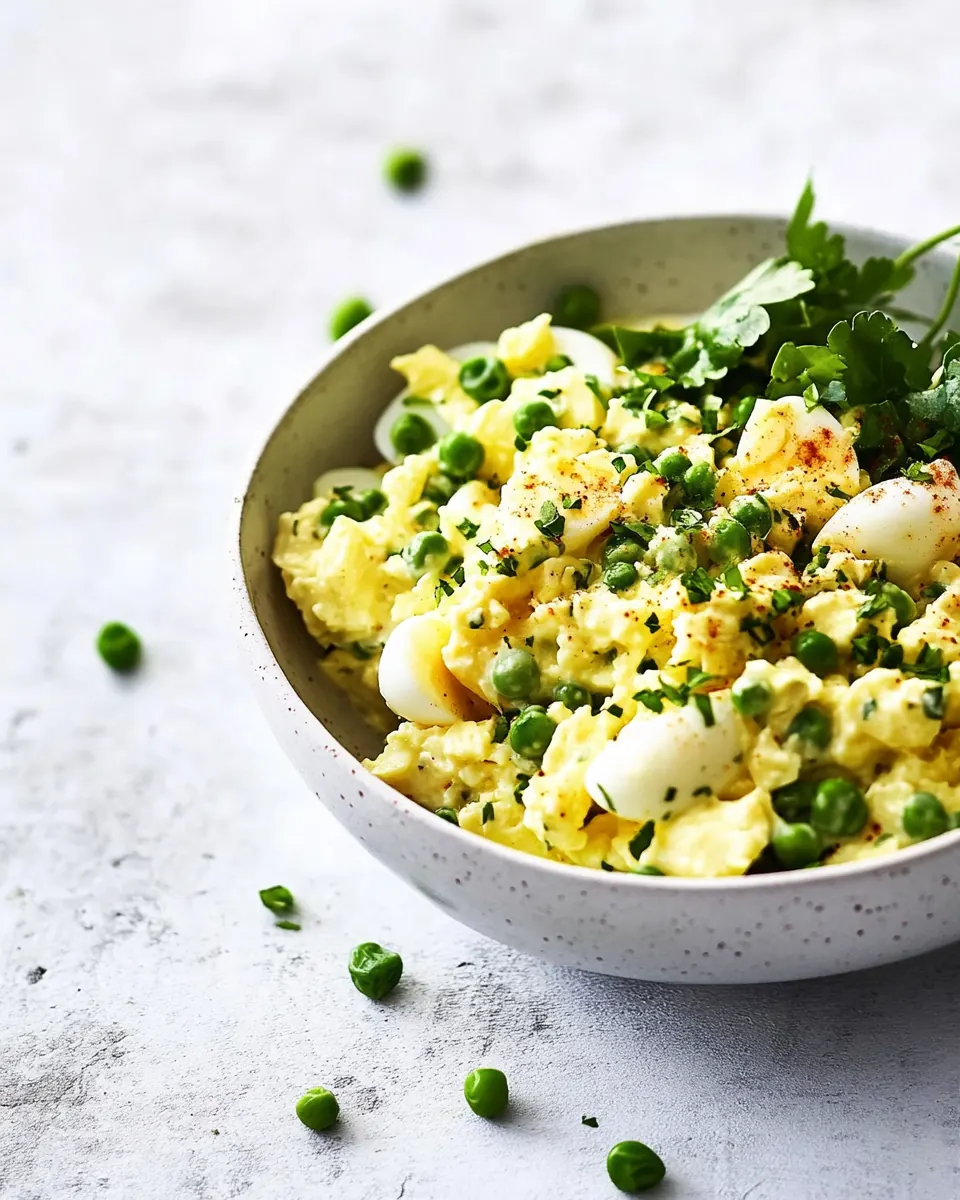
This section shares practical tips I rely on every time I make Egg Salad. They are based on small adjustments that consistently improve texture, flavor, and shelf life. Read them and pick the ones that fit how you like to eat the salad.
- Start with even chopping to create a pleasing mix of textures, aiming for both small bits and larger curds so the salad feels dynamic in the mouth.
- Balance tang and cream by adjusting the ratio of Greek yogurt to mayonnaise, which lets you control brightness versus silk depending on your preference.
- Keep crunchy additions small such as finely diced celery, so they distribute evenly and avoid dominating any single bite.
- Season incrementally because salt and pepper can build up quickly; taste after each little addition to achieve the perfect balance.
- Store properly in a sealed container in the refrigerator for up to five days to maintain freshness and prevent absorption of other fridge odors.
Serving This Egg Salad
Serving is where this salad truly shines. It is adaptable to many occasions and can be dressed up or kept simple. Below are ideas and detailed serving suggestions to help you present it memorably.
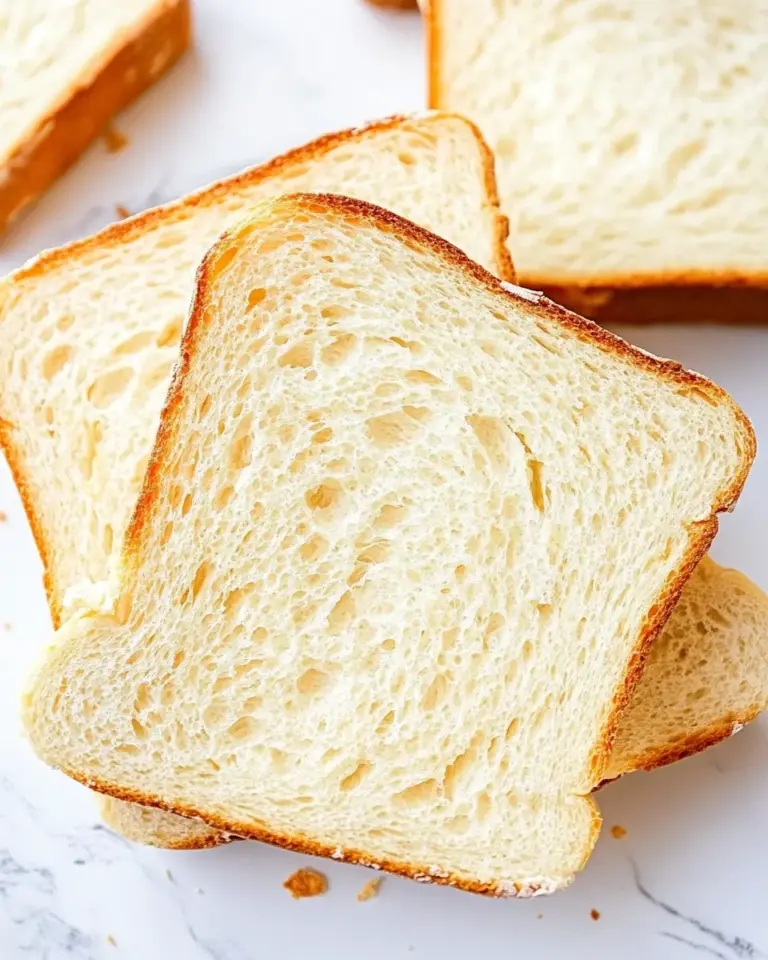
- Classic sandwich: Pile the Egg Salad between slices of toasted bread or in a soft roll for a comforting lunch. Add lettuce if you like extra crunch, but keep it minimal to preserve the salad s flavor profile.
- Open face on crackers: Use sturdy crackers as a base for small bites at gatherings. The contrast of creamy salad and crisp cracker makes for an elegant appetizer or snack.
- Lettuce cups: Spoon the salad into butter lettuce leaves for a light, low carb option that is fresh and handheld, ideal for casual lunches or buffets.
- On a bed of greens: Serve the salad atop mixed greens for a more substantial salad meal; the greens add freshness and color, creating a balanced plate suitable for lunch or light dinner.
- Wraps and pockets: Fill tortillas, flatbreads, or pita pockets for portable meals. To avoid sogginess, consider adding a layer of greens between the bread and salad.
- Occasions: Bring it to brunches, packed lunches, or Ramadan if you need a quick protein rich option for iftar. Its ability to scale and store makes it a reliable choice for gatherings and weekday meals alike.
- Storage tips: Keep in an airtight container in the refrigerator, use within five days, and stir before serving to refresh the texture. If the salad seems dry after storage, add a teaspoon of Greek yogurt or mayonnaise and mix gently.
- Seasonal pairings: Pair with crisp, seasonal produce such as cucumber slices or radishes for spring and summer, or with heartier breads in colder months to create a comforting meal.
FAQ
Conclusion
Egg Salad stands out for its comforting creaminess, bright accents, and effortless preparation. It s a reliable choice whether you need a quick lunch, a crowd pleasing appetizer, or a make ahead option for busy days. I encourage you to try this version as written, then experiment with small tweaks to match your preferences. Keep the basic balance of creamy dressing, firm chopped eggs, and a touch of acid, and you ll have a versatile recipe that adapts to many meals and occasions.
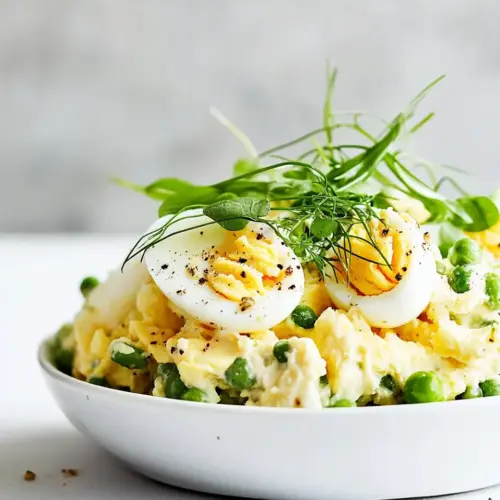
Egg Salad
Equipment
- Medium Bowl
- Spoon
Ingredients
- 6 hard boiled eggs, peeled and roughly chopped Provide creamy, rich structure and protein to the salad; chopped texture helps distribute flavor and creates hearty bites. Combine with dressing to bind other ingredients and add substance for sandwiches or salads.
- 2 tablespoons plain Greek yogurt Add tangy, thick creaminess while reducing fat compared to full mayonnaise; contributes a slight tang and smooth mouthfeel to the dressing. Use to balance richness and keep the mixture moist without overwhelming flavors.
- 2 tablespoons mayonnaise Impart a silky, rich mouthfeel and classic egg-salad creaminess; helps emulsify and bind ingredients for a cohesive mixture. Use sparingly to control richness and provide a familiar savory base.
- 2 teaspoons Dijon mustard Deliver bright, sharp pungency and subtle heat that lifts the overall flavor; acts as a binder within the dressing for cohesive taste. Use to add depth and a hint of piquancy that complements the eggs and dairy.
- 1 teaspoon fresh lemon juice Provide a fresh, acidic brightness that rounds and balances the richness; helps wake up flavors and prevent a heavy finish. Squeeze in gradually to achieve desired tang without curdling other components.
- 1/3 cup finely diced celery Contribute a crisp, juicy crunch and mild vegetal flavor that contrasts soft egg texture; finely dicing ensures even distribution and pleasant mouthfeel. Use to introduce freshness and lightness to each bite.
- 1/4 cups sliced green onions Introduce mild oniony bite and delicate crunch in thin slices; adds visual contrast and subtle aromatic lift throughout the salad. Use as a fresh, fragrant element that complements herbs and binds well with creamy dressing.
- 1 tablespoon chopped chives Supply a delicate oniony-herb fragrance and tender green flecks; finely chopped chives add subtle depth without overpowering. Sprinkle in to enhance aroma and provide gentle herbal notes that brighten the salad.
- Kosher salt and freshly ground black pepper to taste Season to taste to enhance and balance all flavors; salt brings out savory notes while black pepper adds gentle heat and complexity. Adjust carefully to avoid over-seasoning and to complement the creamy dressing.
Instructions
- In a medium bowl, combine chopped eggs, Greek yogurt, mayonnaise, Dijon mustard, and lemon juice. Stir with a spoon, breaking up the eggs until you reach desired consistency. I like to leave the eggs a little chunky.: The moment you mix these ingredients the aromas begin to shift, with the tang from the Greek yogurt and the sharpness of Dijon mustard standing out. You will notice a creamy sheen form as the mayonnaise emulsifies with the yogurt, and the bowl will smell faintly of mustard and citrus. This step matters because it distributes the dressing evenly among the eggs , ensuring each bite is seasoned. A common issue is adding all the dressing at once and ending up with a runny salad; avoid this by stirring gently and checking consistency as you go. If the mixture seems too thick, add a touch more Greek yogurt or a squeeze of lemon juice . If it is too loose, let it sit briefly in the fridge to firm up before serving.
- Stir in the celery, green onions, and chives. Season with salt and black pepper, to taste.: As you stir, you will hear the soft friction of the spoon against the bowl and see the eggs break into irregular pieces. The visual cue to watch for is a mix of larger curds and smaller bits, which gives the salad a satisfying mouthfeel. This tactile control is why many prefer chopping and then mashing slightly rather than pureeing everything. One mistake people make is overworking the mixture until it becomes pasty and uniform, which loses the textural contrast. If you prefer a smoother result, gently press some pieces with the back of the spoon rather than vigorously mashing everything.
- Serve or refrigerate until ready to use. You can serve the egg salad in bread, in a wrap, with crackers, in a lettuce cup, on top of a bed of greens, or plain.: When you fold in the celery , green onions , and chives , the salad gains bright flecks of color and a crisp sound when bitten. The crunch of the celery contrasts with the soft eggs , while the onions and chives add subtle sharpness and grassy notes. This step matters because texture and fresh aromatics bring the salad to life. A typical mistake is adding these raw components too early and letting them sit so they become limp; instead, add them near the end and serve soon after or refrigerate briefly to maintain their snap.
- Other optional mix ins: chopped fresh dill or parsley, finely chopped pickles, a sprinkle of paprika or everything bagel seasoning, or a dash of hot sauce.: Seasoning transforms the flavors, so taste and adjust gradually. Sprinkle a pinch of salt and a grind of black pepper , stir, and sample, because the right balance will lift the tangy and savory elements without dominating. The reason to add salt last is that ingredients like mayonnaise and any optional mix ins can shift the seasoning needs. Common errors include over salting before the flavors have melded; if that happens, add a bit more Greek yogurt to mellow the saltiness.
- Serve or refrigerate until ready to use: The finished salad benefits from a short rest in the refrigerator so flavors can meld and the texture firms slightly. You will notice the aroma becomes more harmonious after chilling, and the salad often tastes brighter the next day. Serve on your chosen vehicle and enjoy the contrast of creamy and crunchy elements. A frequent mistake is leaving the salad on the counter for too long, which can warm it and dull the freshness, so keep it refrigerated if not serving immediately.
- You can serve the egg salad in bread, in a wrap, with crackers, in a lettuce cup, on top of a bed of greens, or plain: The versatility here is sensory as much as practical, with the warm bread offering a toasty contrast, wraps providing portability, and lettuce cups adding a crisp, low carb option. Choose what complements the texture you prefer; a soft roll will flatten the salad slightly, while crackers accentuate the crunch. Avoid soggy outcomes by serving on toasted bread if you plan to let it sit before eating.
- Other optional mix ins: chopped fresh dill or parsley, finely chopped pickles, a sprinkle of paprika or everything bagel seasoning, or a dash of hot sauce : These additions are about layering flavor and introducing contrasting notes, such as herbaceousness from dill or tang from pickles. Each option will change the aroma and mouthfeel, so add small amounts and taste. The pitfall is adding too many mix ins at once, which can muddle the core balance of the salad; introduce one at a time and let it rest before deciding on more.
Notes
- Start with even chopping to create a pleasing mix of textures, aiming for both small bits and larger curds so the salad feels dynamic in the mouth.
- Balance tang and cream by adjusting the ratio of Greek yogurt to mayonnaise, which lets you control brightness versus silk depending on your preference.
- Keep crunchy additions small such as finely diced celery, so they distribute evenly and avoid dominating any single bite.
- Season incrementally because salt and pepper can build up quickly; taste after each little addition to achieve the perfect balance.
- Store properly in a sealed container in the refrigerator for up to five days to maintain freshness and prevent absorption of other fridge odors.