
Crock Pot Lasagna
Crock Pot Lasagna is the kind of comfort food I turn to when life gets busy and I still want something hearty on the table. I remember the first time I tried this version, I was skeptical about cooking noodles in a slow cooker, but the result was a tender, bubbling, cheese filled casserole that felt like a warm hug after a long day. That first dinner turned into a weekly repeat, and now this recipe is my go to when I want hands off cooking with maximum flavor.
Over the years I have tweaked little things, noticed how the sauce reduces and how the edges get a lovely chew, and learned to read the slow cooker the way you read an oven. When friends come over, they can hardly believe the noodles cook through so perfectly without boiling first. I love that it frees up space on the stove and gives me time to prep a simple salad or chat with guests while the kitchen fills with savory aromas.
Recipe Snapshot
5 hr 20 mins
20 mins
300 mins
Hard
400 kcal
Italian
Keto, Gluten-Free
Dinner
Skillet, Slow Cooker, Spoon
What Makes This Crock Pot Lasagna Special
It is genuinely effortless
I appreciate recipes that rescue a weeknight, and this Crock Pot Lasagna does just that. You assemble, set the cooker, and get on with life, while the slow heat transforms the sauce and noodles into a cohesive, comforting dish.
Hands off layering equals even cooking
I like how the method encourages careful layering of sauce, noodles, and cheese. That structure lets each forkful have a balance of textures, and because everything steams together in the cooker, the noodles become tender without getting gummy.
Deep, slow cooked flavors
Low and slow really matters here, I always notice a richer tomato note and softer, melded cheeses after a few hours. The slow heat coaxes the herbs and garlic into the sauce, creating a savory background that lifts the entire dish.
Family friendly and flexible
My crowd loves the familiar flavors, and the recipe scales easily. You can make it for a weekday dinner or a relaxed weekend gathering and it holds warm without drying out, which makes serving simple and stress free.
Minimal cleanup, maximum reward
Because everything cooks in one slow cooker, I spend less time at the sink and more time enjoying conversation. That practicality is a big reason this lasagna is a repeat in my home.
Everything You Need for Crock Pot Lasagna
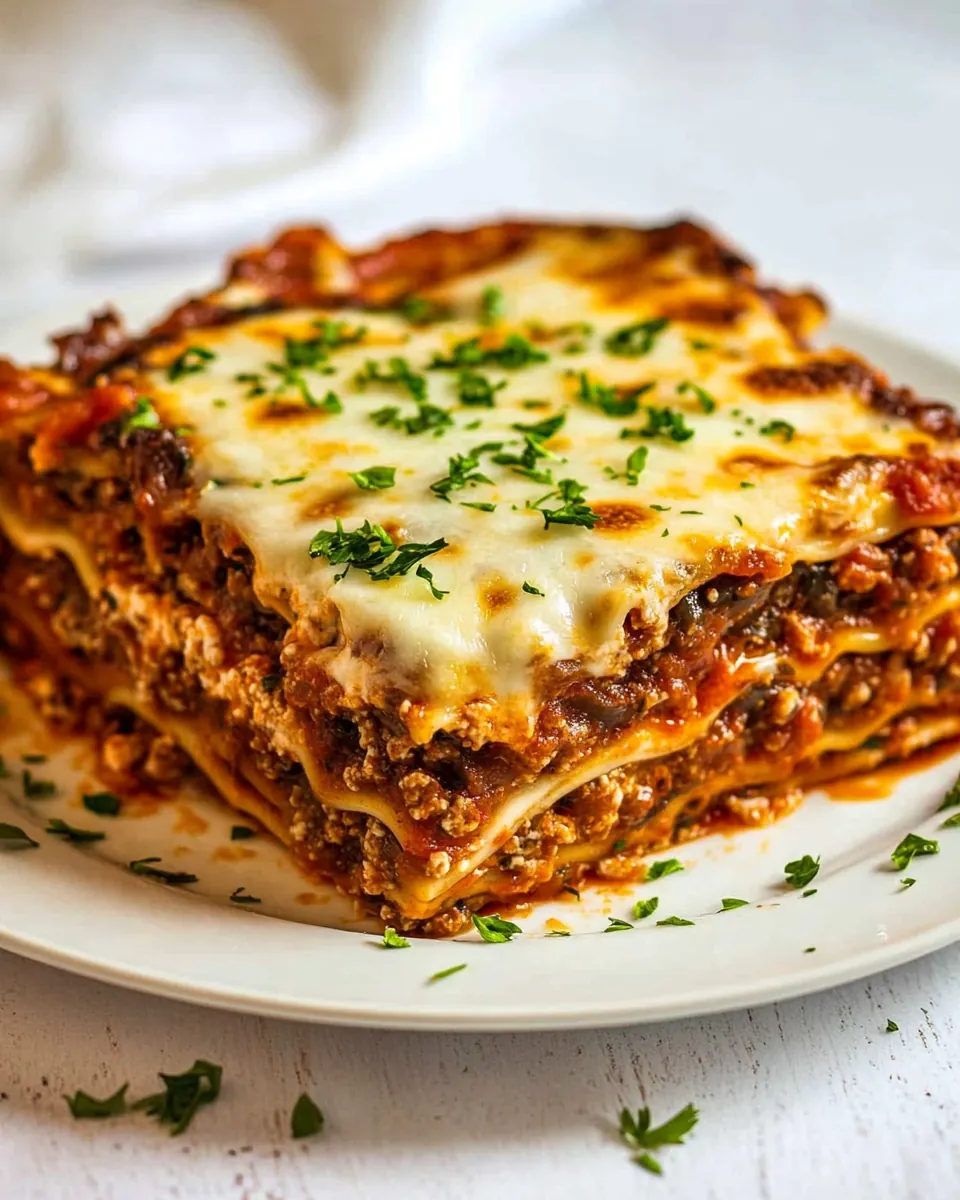
These ingredients are the backbone of a cozy, reliable lasagna. The sauce provides acidity and warmth, the noodles give structure, and the cheeses bring creaminess and a golden finish. Together they balance each other so every bite feels cohesive and satisfying.
- 1 pound lean ground beef: Brown thoroughly to develop rich flavor and render fat; use lean ground beef for a hearty meat layer in the lasagna. Combine with onions and seasonings so it simmers evenly in the crock pot and contributes savory depth to the sauce.
- 1 large onion chopped: Chop finely to release natural sweetness and aromatic base for the sauce; cooked until translucent to mellow sharpness. Add early in the cooking process so it softens and melds with the beef and tomato components.
- 4 garlic cloves minced: Mince well to provide pungent aromatic lift and background complexity; distribute throughout the sauce for balanced flavor. Stir in during browning or near the start of slow cooking so garlic infuses the entire dish without burning.
- 29 ounces tomato sauce: Pour in as the primary liquid tomato base to create a rich, cohesive sauce; provides acidity and body for slow simmering. Combine with tomato paste and seasonings to achieve a balanced lasagna sauce that permeates noodles and cheese.
- 1 cup water: Add to adjust sauce consistency and ensure even simmering in the crock pot; helps thin concentrated tomato components for proper texture. Use measured water to prevent overly thick sauce while allowing flavors to meld during long cooking.
- 6 ounces tomato paste: Stir in to intensify tomato flavor and thicken the sauce; provides concentrated umami and structure for the meat layer. Mix thoroughly so the paste dissolves and blends with the tomato sauce for a robust, cohesive filling.
- 1 teaspoon salt: Season modestly to enhance overall flavor and balance acidity; dissolve into the sauce for consistent seasoning throughout the lasagna. Use measured salt to avoid over-salting, especially when cheeses and prepared sauces contribute sodium.
- 1 teaspoon dried oregano: Sprinkle dried to impart traditional Italian herb notes and subtle earthiness; rehydrate during slow cooking to release aromatic oils. Add early so the oregano integrates with tomato and meat flavors, supporting the classic lasagna profile.
- 8 ounces package lasagna noodles: Layer whole to create the structural pasta component; use lasagna noodles to separate sauce and cheese layers that set during cooking. If using no-boil noodles, ensure adequate sauce coverage; if pre-cooking, follow package instructions for best texture.
- 4 cups shredded part-skim mozzarella cheese (16 ounces): Shred and layer to provide creamy, melty cheese coverage and a golden finish; part–skim mozzarella offers stretch and milky flavor with lower fat. Distribute evenly between layers and on top to achieve desirable melt and browning after slow cooking.
- 1 1/2 cups 4% cottage cheese (12 ounces): Spoon and spread to add creaminess and mild tang within the cheese layers; 4% cottage cheese contributes moisture and texture similar to ricotta. Mix with Parmesan or seasonings if desired, then layer to create balanced, tender interior pockets.
- 1/2 cup grated Parmesan cheese: Grate finely to contribute sharp, savory umami and help bind cheese components; Parmesan adds salty complexity when mixed into the cheese layer or sprinkled on top. Use measured amount to avoid overpowering while enhancing overall depth.
Step by Step Instructions for Crock Pot Lasagna
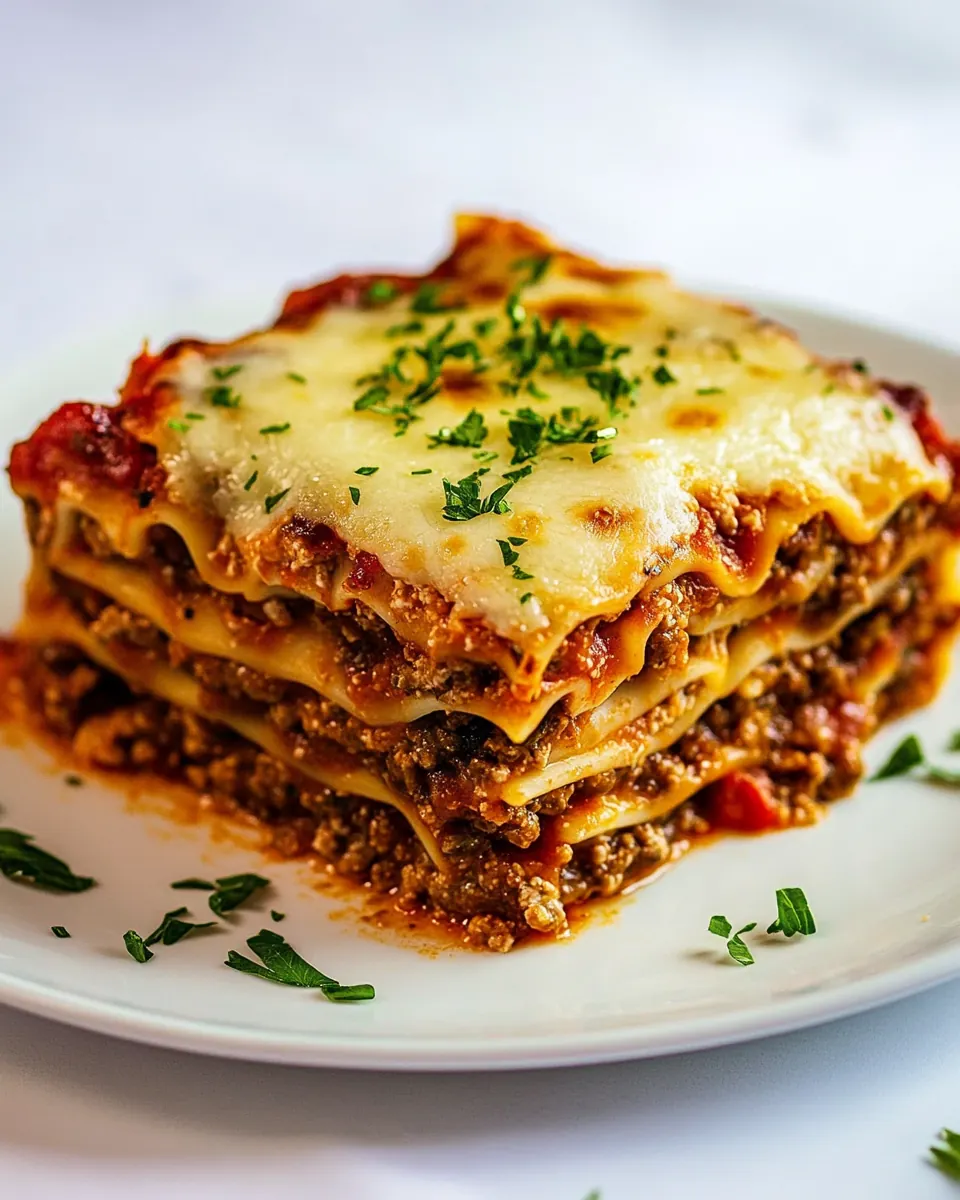
This is a relaxed, assembly style recipe that asks you to do a bit of stovetop prep and then let the slow cooker do its work. I like to keep all my ingredients within reach so layering goes smoothly and the assembly feels calm rather than rushed.
- In a skillet, cook beef, onion and garlic over medium heat until meat is no longer pink, drain of excess grease.: The smell of sizzling ground beef , softened onion , and roasting garlic will fill the kitchen with savory notes while the beef browns and develops deeper flavor. Listen for a steady sizzle that tells you the pan is hot enough, and watch for the edges of the meat to take on a light brown color which indicates the Maillard reaction is happening; this adds complexity to the sauce. Stir occasionally to break the meat into small pieces so it cooks evenly. If you leave large clumps, they may not fully incorporate with the sauce, creating uneven texture in the final lasagna. After cooking, drain excess grease to prevent the slow cooker from becoming oily, which would weigh down the dish and make the sauce separate. A common mistake is rushing this step, which can leave an underdeveloped flavor profile and a greasy mouthfeel.
- Add the tomato sauce, water, tomato paste, salt and oregano; mix well.: At this point you will pour in the tomato sauce , stir in the tomato paste , add the water , and season with salt and dried oregano . The tomato paste will enrich the sauce, making it thicker and more concentrated, while the water brings the total liquid to the level needed to hydrate the lasagna noodles during slow cooking. Stir until the paste is fully dissolved into the sauce and you see a uniform deep red color, which ensures balanced flavor throughout. Taste the sauce and adjust the seasoning if necessary, remembering that the cheeses will add saltiness later. A common pitfall is not mixing the paste thoroughly, which can leave intense pockets of flavor or an uneven texture.
- Spread a fourth of the meat sauce in an ungreased 5 qt. slow cooker. Arrange a third of the noodles over sauce (break the noodles if necessary). Combine the cheeses; spoon a third of the mixture over noodles. Repeat layers twice.: Use a spoon to create an even bed of sauce across the bottom of the slow cooker, which protects the noodles from sticking and ensures the first layer hydrates properly. You should see the sauce shimmer slightly as the oil separates, but it should be cohesive; this initial layer is important because it is the contact point for the first set of lasagna noodles . If this layer is too thin, noodles at the bottom may dry out or cook unevenly. Avoid greasing the cooker, as the sauce needs to cling to the vessel to generate steam evenly.
- Cover and cook on low for 4-5 hours or until noodles are tender.: Lay out the lasagna noodles to form the first pasta layer, breaking pieces to fit around the edges when required. The noodles should slightly overlap but not create a thick, impenetrable barrier, because steam needs to circulate to hydrate them. Visually, you want to see the sauce between the noodles, not a solid sheet. If you crowd the noodles too tightly, they may stick together and remain undercooked in places. Take care to place them gently so the sauce stays in its layer instead of being pushed aside.
- Combine the cheeses; spoon a third of the mixture over noodles: Mix the mozzarella , cottage cheese , and part of the Parmesan until they are evenly combined, then spoon a portion across the noodle layer to create a creamy, binding component. The contrast between stringy melted mozzarella and the slightly grainy cottage cheese gives a pleasing mouthfeel. Spread the cheese gently to cover the noodles without squeezing sauce out from underneath. If you spread too roughly, the layers can shift and you may end up with uneven pockets of cheese. Ensure even distribution so every bite has a balance of sauce and cheese.
- Repeat layers twice: Continue building alternating layers of sauce, lasagna noodles , and the cheese mixture two more times so the dish stacks up evenly. Each repetition lets the flavors integrate and ensures the final lasagna has multiple strata of texture. As you layer, press down lightly to compact the assembly but not so hard that you squeeze out sauce or compress the noodles flat. Overly compacted layers can become dense after cooking, while too loose layers may slide apart when serving. Keep an eye on the overall height so the lid fits snugly and steam remains trapped inside.
- Cover and cook on low for 4-5 hours or until noodles are tender: Set your slow cooker to low and let the dish cook slowly for about four to five hours. During this time, the gentle heat will steam the lasagna noodles while the sauce simmers and the cheeses melt into an integrated filling. You will notice a gentle bubbling at the edges and a fragrant tomato aroma permeating the kitchen when it is close to done; the top cheese should look melted and slightly set. Avoid lifting the lid frequently, as escaping steam lengthens cook time and can lead to unevenly cooked noodles. A common mistake is removing the lid too often to check; trust the time and temperature for the best texture.
Helpful Notes about Crock Pot Lasagna
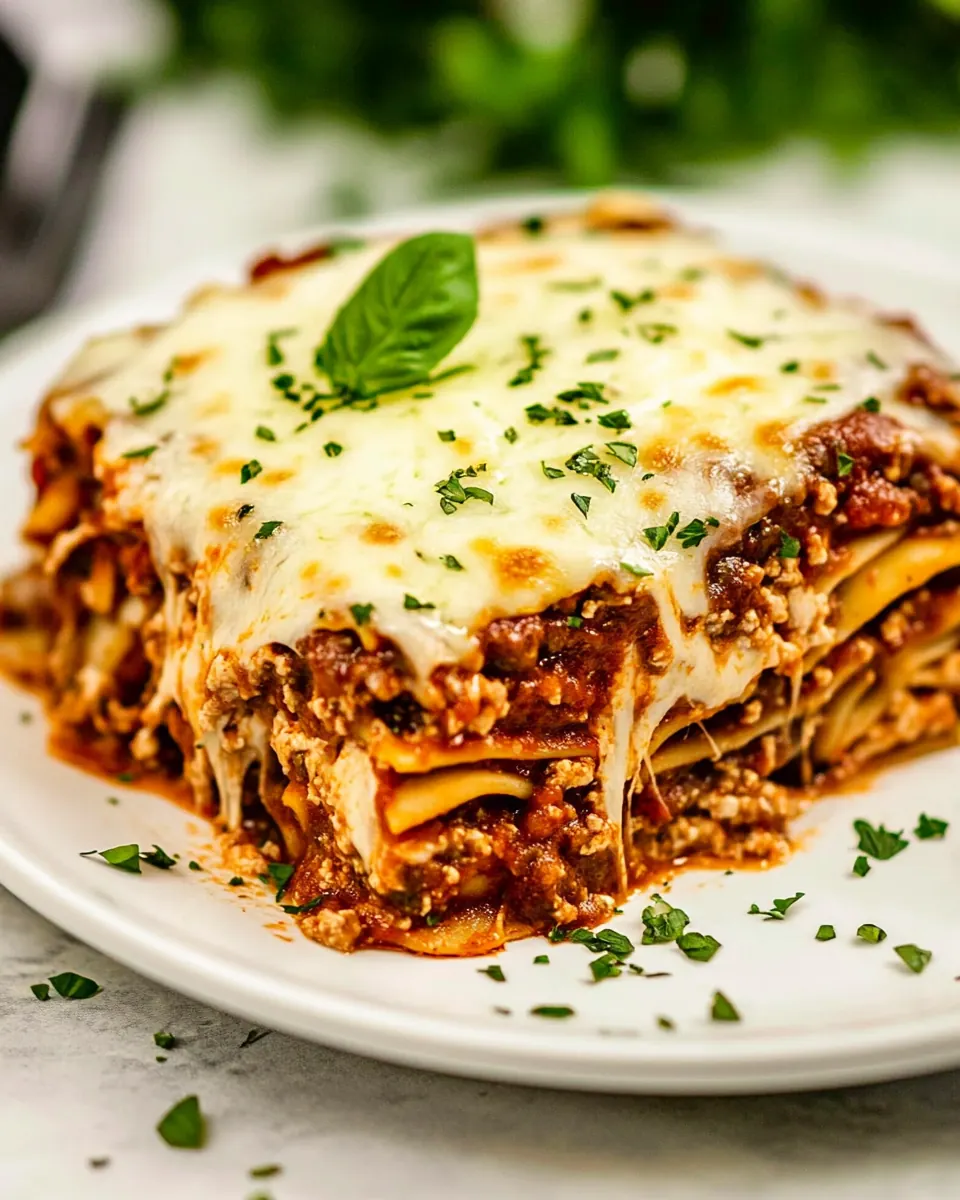
This dish benefits from a few practical habits that will keep it tasting fresh and finishing with great texture. Below are expanded notes that take the recipe from workable to reliably excellent every time.
- Use part skim mozzarella to get gooey melt without an overly greasy top, which helps your slices set nicely while still offering that desirable cheese pull.
- Drain the cooked beef well so the sauce does not become oily in the slow cooker, which can make the lasagna heavy rather than light and tender.
- Break noodles to fit rather than forcing them; small gaps let steam circulate so all pieces soften evenly instead of leaving some undercooked.
- Mix cheeses thoroughly so each spoonful of the cheese layer tastes balanced, avoiding pockets that are only one cheese flavor or texture.
- Keep the slow cooker lid closed during cooking; opening releases steam and can add an extra hour to the cooking time, which may dry out the edges.
How to Enjoy Crock Pot Lasagna
This lasagna is perfect for casual family dinners, potlucks, and times when you want something comforting with minimal fuss. It holds well for a short period after cooking, which is ideal when hosting. I’ll often pair it with simple, bright sides to balance the richness.
- Serving suggestion: Serve slices warm with a crisp green salad to cut through the richness and add textural contrast.
- Occasions: Great for weeknight dinners, laid back gatherings, or as a cozy weekend meal when you want to relax while it cooks.
- Storage: Cool completely, cover tightly, and refrigerate for up to three days. Reheat gently in a microwave or oven until warmed through.
- Make ahead: Assemble in the slow cooker insert and refrigerate before cooking; bring to room temperature before starting the cook cycle to ensure even heating.
- Freezing: While the assembled slow cooker dish can be frozen, I recommend freezing individual portions to maintain texture and make reheating quicker.
- Portioning: Slice into squares and serve with a spatula to keep layers intact, and let portions rest for a few minutes after cooking to firm up slightly.
FAQ
Conclusion
This Crock Pot Lasagna shines because it delivers classic lasagna flavors with minimal fuss, producing tender noodles and melded cheeses through slow, gentle cooking. It’s a comforting, crowd friendly dish that frees you from last minute stove work and gives consistent results. Give it a try on a busy weeknight or for a relaxed gathering, and enjoy how easily it fills your kitchen with inviting aromas while you go about your evening.
Crock Pot Lasagna
Equipment
- Skillet
- Slow Cooker
- Spoon
Ingredients
- 1 pound lean ground beef Brown thoroughly to develop rich flavor and render fat; use lean ground beef for a hearty meat layer in the lasagna. Combine with onions and seasonings so it simmers evenly in the crock pot and contributes savory depth to the sauce.
- 1 large onion chopped Chop finely to release natural sweetness and aromatic base for the sauce; cooked until translucent to mellow sharpness. Add early in the cooking process so it softens and melds with the beef and tomato components.
- 4 garlic cloves minced Mince well to provide pungent aromatic lift and background complexity; distribute throughout the sauce for balanced flavor. Stir in during browning or near the start of slow cooking so garlic infuses the entire dish without burning.
- 29 ounces tomato sauce Pour in as the primary liquid tomato base to create a rich, cohesive sauce; provides acidity and body for slow simmering. Combine with tomato paste and seasonings to achieve a balanced lasagna sauce that permeates noodles and cheese.
- 1 cup water Add to adjust sauce consistency and ensure even simmering in the crock pot; helps thin concentrated tomato components for proper texture. Use measured water to prevent overly thick sauce while allowing flavors to meld during long cooking.
- 6 ounces tomato paste Stir in to intensify tomato flavor and thicken the sauce; provides concentrated umami and structure for the meat layer. Mix thoroughly so the paste dissolves and blends with the tomato sauce for a robust, cohesive filling.
- 1 teaspoon salt Season modestly to enhance overall flavor and balance acidity; dissolve into the sauce for consistent seasoning throughout the lasagna. Use measured salt to avoid over-salting, especially when cheeses and prepared sauces contribute sodium.
- 1 teaspoon dried oregano Sprinkle dried to impart traditional Italian herb notes and subtle earthiness; rehydrate during slow cooking to release aromatic oils. Add early so the oregano integrates with tomato and meat flavors, supporting the classic lasagna profile.
- 8 ounces package lasagna noodles Layer whole to create the structural pasta component; use lasagna noodles to separate sauce and cheese layers that set during cooking. If using no-boil noodles, ensure adequate sauce coverage; if pre-cooking, follow package instructions for best texture.
- 4 cups shredded part-skim mozzarella cheese (16 ounces) Shred and layer to provide creamy, melty cheese coverage and a golden finish; part-skim mozzarella offers stretch and milky flavor with lower fat. Distribute evenly between layers and on top to achieve desirable melt and browning after slow cooking.
- 1 1/2 cups 4% cottage cheese (12 ounces) Spoon and spread to add creaminess and mild tang within the cheese layers; 4% cottage cheese contributes moisture and texture similar to ricotta. Mix with Parmesan or seasonings if desired, then layer to create balanced, tender interior pockets.
- 1/2 cup grated Parmesan cheese Grate finely to contribute sharp, savory umami and help bind cheese components; Parmesan adds salty complexity when mixed into the cheese layer or sprinkled on top. Use measured amount to avoid overpowering while enhancing overall depth.
Instructions
- In a skillet, cook beef, onion and garlic over medium heat until meat is no longer pink, drain of excess grease.: The smell of sizzling ground beef , softened onion , and roasting garlic will fill the kitchen with savory notes while the beef browns and develops deeper flavor. Listen for a steady sizzle that tells you the pan is hot enough, and watch for the edges of the meat to take on a light brown color which indicates the Maillard reaction is happening; this adds complexity to the sauce. Stir occasionally to break the meat into small pieces so it cooks evenly. If you leave large clumps, they may not fully incorporate with the sauce, creating uneven texture in the final lasagna. After cooking, drain excess grease to prevent the slow cooker from becoming oily, which would weigh down the dish and make the sauce separate. A common mistake is rushing this step, which can leave an underdeveloped flavor profile and a greasy mouthfeel.
- Add the tomato sauce, water, tomato paste, salt and oregano; mix well.: At this point you will pour in the tomato sauce , stir in the tomato paste , add the water , and season with salt and dried oregano . The tomato paste will enrich the sauce, making it thicker and more concentrated, while the water brings the total liquid to the level needed to hydrate the lasagna noodles during slow cooking. Stir until the paste is fully dissolved into the sauce and you see a uniform deep red color, which ensures balanced flavor throughout. Taste the sauce and adjust the seasoning if necessary, remembering that the cheeses will add saltiness later. A common pitfall is not mixing the paste thoroughly, which can leave intense pockets of flavor or an uneven texture.
- Spread a fourth of the meat sauce in an ungreased 5 qt. slow cooker. Arrange a third of the noodles over sauce (break the noodles if necessary). Combine the cheeses; spoon a third of the mixture over noodles. Repeat layers twice.: Use a spoon to create an even bed of sauce across the bottom of the slow cooker, which protects the noodles from sticking and ensures the first layer hydrates properly. You should see the sauce shimmer slightly as the oil separates, but it should be cohesive; this initial layer is important because it is the contact point for the first set of lasagna noodles . If this layer is too thin, noodles at the bottom may dry out or cook unevenly. Avoid greasing the cooker, as the sauce needs to cling to the vessel to generate steam evenly.
- Cover and cook on low for 4-5 hours or until noodles are tender.: Lay out the lasagna noodles to form the first pasta layer, breaking pieces to fit around the edges when required. The noodles should slightly overlap but not create a thick, impenetrable barrier, because steam needs to circulate to hydrate them. Visually, you want to see the sauce between the noodles, not a solid sheet. If you crowd the noodles too tightly, they may stick together and remain undercooked in places. Take care to place them gently so the sauce stays in its layer instead of being pushed aside.
- Combine the cheeses; spoon a third of the mixture over noodles: Mix the mozzarella , cottage cheese , and part of the Parmesan until they are evenly combined, then spoon a portion across the noodle layer to create a creamy, binding component. The contrast between stringy melted mozzarella and the slightly grainy cottage cheese gives a pleasing mouthfeel. Spread the cheese gently to cover the noodles without squeezing sauce out from underneath. If you spread too roughly, the layers can shift and you may end up with uneven pockets of cheese. Ensure even distribution so every bite has a balance of sauce and cheese.
- Repeat layers twice: Continue building alternating layers of sauce, lasagna noodles , and the cheese mixture two more times so the dish stacks up evenly. Each repetition lets the flavors integrate and ensures the final lasagna has multiple strata of texture. As you layer, press down lightly to compact the assembly but not so hard that you squeeze out sauce or compress the noodles flat. Overly compacted layers can become dense after cooking, while too loose layers may slide apart when serving. Keep an eye on the overall height so the lid fits snugly and steam remains trapped inside.
- Cover and cook on low for 4-5 hours or until noodles are tender: Set your slow cooker to low and let the dish cook slowly for about four to five hours. During this time, the gentle heat will steam the lasagna noodles while the sauce simmers and the cheeses melt into an integrated filling. You will notice a gentle bubbling at the edges and a fragrant tomato aroma permeating the kitchen when it is close to done; the top cheese should look melted and slightly set. Avoid lifting the lid frequently, as escaping steam lengthens cook time and can lead to unevenly cooked noodles. A common mistake is removing the lid too often to check; trust the time and temperature for the best texture.
Notes
- Use part skim mozzarella to get gooey melt without an overly greasy top, which helps your slices set nicely while still offering that desirable cheese pull.
- Drain the cooked beef well so the sauce does not become oily in the slow cooker, which can make the lasagna heavy rather than light and tender.
- Break noodles to fit rather than forcing them; small gaps let steam circulate so all pieces soften evenly instead of leaving some undercooked.
- Mix cheeses thoroughly so each spoonful of the cheese layer tastes balanced, avoiding pockets that are only one cheese flavor or texture.
- Keep the slow cooker lid closed during cooking; opening releases steam and can add an extra hour to the cooking time, which may dry out the edges.
