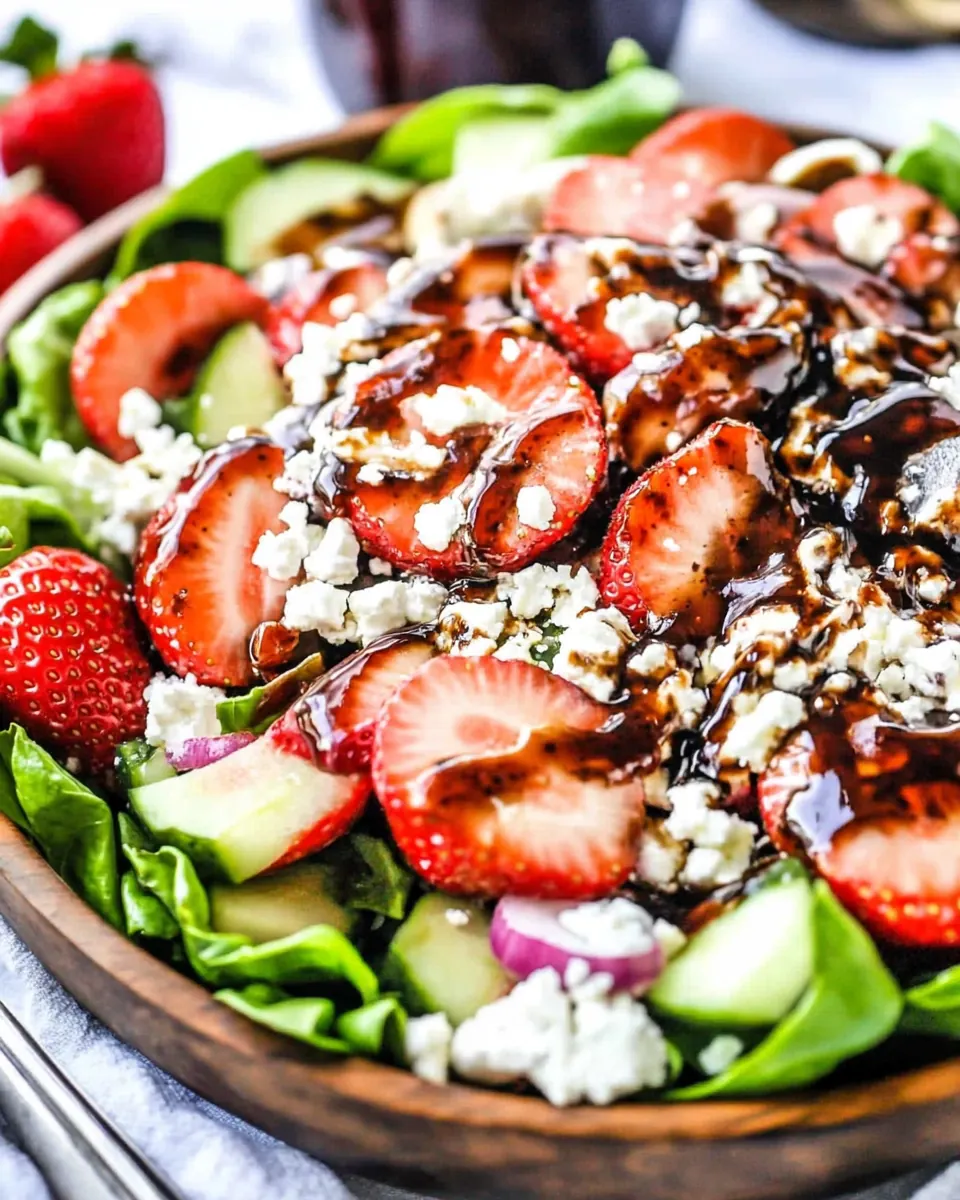
Strawberry Balsamic Salad
Strawberry Balsamic Salad is one of those recipes I reach for when I want something bright, fresh, and a little unexpected on the table.
I remember the first time I combined sweet strawberries with tangy balsamic in a salad, and how the kitchen smelled like summer even as clouds rolled in outside. I was craving texture, so I toasted ramen for crunch and added a scatter of goat cheese crumbles to give creamy contrast. The result made me stop mid-bite and grin, because simple ingredients suddenly felt elevated.
Over the years I have adapted this salad for potlucks and quiet dinners, sometimes swapping the greens or doubling the dressing. What stays constant is the harmony between juicy strawberries, crisp greens like romaine lettuce and spinach, and the caramelized nuts that give each forkful a little drama. I love that it travels well to picnics, and that you can dress individual portions if you expect leftovers, so nothing gets soggy.
Every time I serve Strawberry Balsamic Salad people ask for the vinaigrette recipe, because that aged balsamic, a touch of Dijon, and the poppy seeds create a glossy dressing that clings to leaves without overpowering the fruit. I find the salad works for a casual lunch or a dressed up dinner, and it’s one of those dishes that makes me feel like I’ve put effort into something effortless. Try it when strawberries are at their sweetest, and you will see why this one keeps coming back to my table.
Recipe Snapshot
30 mins
25 mins
5 mins
Easy
220 kcal
American
Gluten-Free, Vegan
Salads
Blender, Oven, Baking sheet, Mixing bowl
Why This Strawberry Balsamic Salad Shines
Bright Seasonal Flavors
I love how Strawberry Balsamic Salad showcases the season without fuss. The combination of strawberries and aged balsamic concentrates the fruit’s sweetness while adding a nuanced tang, leaving each bite lively and clean.
Textural Contrast
Crunch from toasted ramen and chewy caramelized pecans plays against soft goat cheese crumbles and leafy spinach. I find that mixing textures keeps the salad interesting from the first forkful to the last.
Customizable and Practical
We can tailor this salad easily. Want it heartier for dinner, or lighter for a side? Swap quantities, keep the dressing on the side, or double up the nuts. I often prepare components ahead, which makes hosting relaxed and intentional.
A Balanced Vinaigrette
The vinaigrette is the unsung hero. With aged balsamic vinegar, a touch of sugar, and Dijon, it creates a glossy coating that enhances rather than hides the ingredients. The poppy seeds add a subtle crunch and visual interest.
Everyday Elegance
This is the sort of salad I reach for when I want to impress without overcomplicating things. I serve it at casual gatherings and weeknight dinners alike, because it feels special yet approachable.
Main Ingredients for Strawberry Balsamic Salad
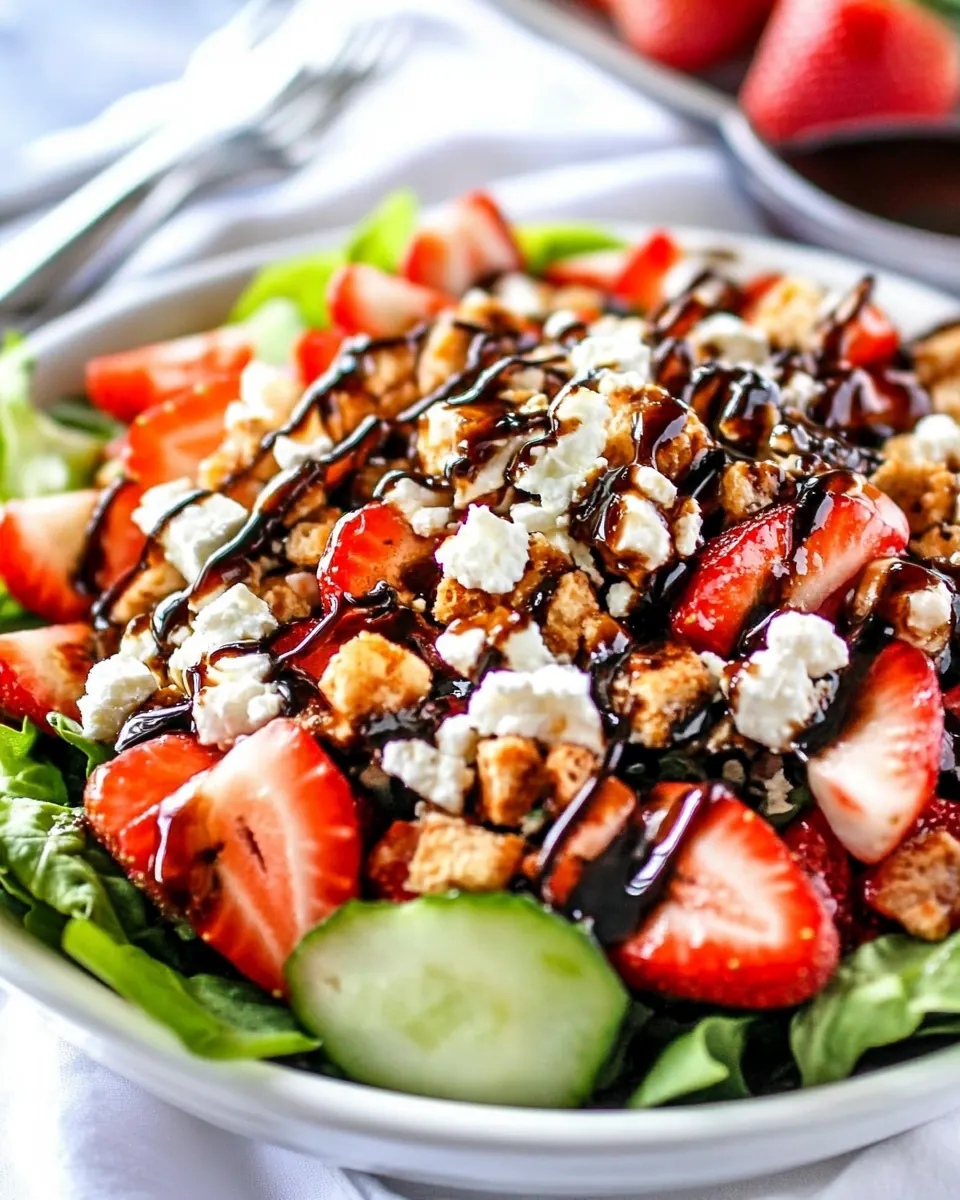
The philosophy here is simple: balance sweet, tart, creamy, and crunchy. The strawberries and aged balsamic vinegar bring vibrant fruit flavor and tang, while the greens form a leafy canvas. Nuts and seeds introduce toasted depth, and goat cheese crumbles offer a creamy, tangy counterpoint. Together these components create contrast in flavor and texture, which is what makes the salad sing.
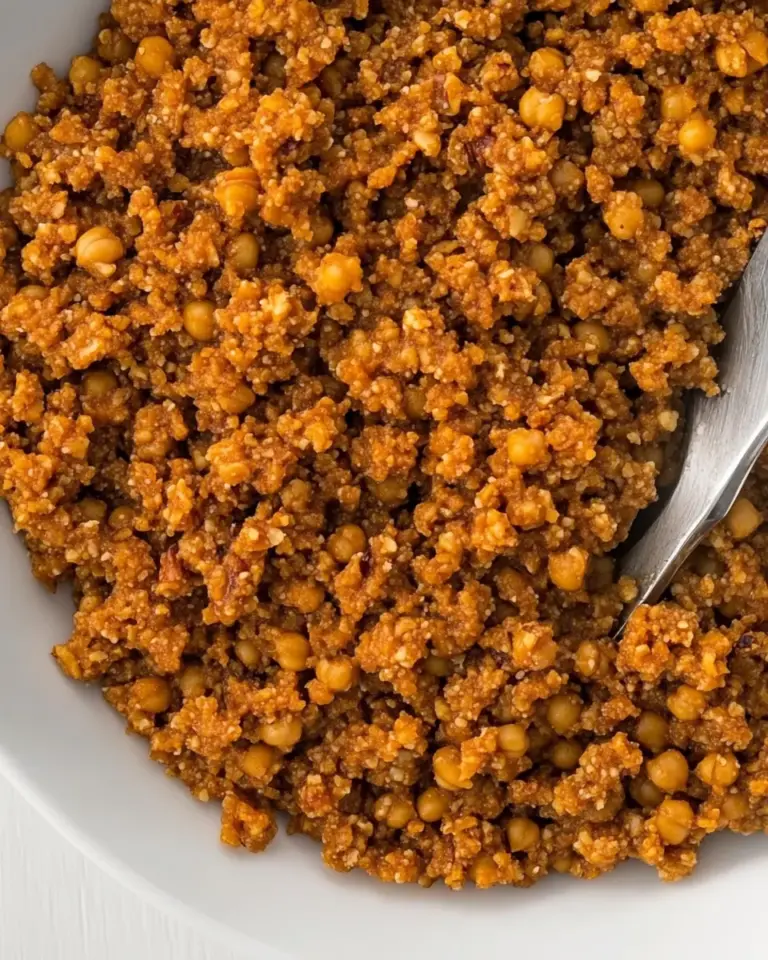
- 1 Recipe Caramelized Pecans: Provide a crunchy, sweet, and slightly salty element to the salad that adds texture contrast and a caramelized depth of flavor; use pre-made caramelized pecans to save time and ensure even coating. Store in an airtight container if preparing ahead to maintain crispness and add just before serving to preserve crunch.
- 1 small head romaine lettuce chopped: Chop into bite-sized pieces to create a crisp, sturdy base that holds dressings well and pairs nicely with softer greens; remove any wilted outer leaves and rinse thoroughly. Pat dry to prevent watering down the dressing and combine with other greens for balanced texture.
- 1 lb . strawberries hulled and sliced: Hull and slice to contribute bright, juicy sweetness and vibrant color; distribute evenly across the salad so each bite has strawberry flavor. Select ripe but firm berries to avoid excessive juice release and slice uniformly for consistent presentation.
- 5 oz . bag spinach: Toss in whole or lightly chopped leaves to introduce a tender, slightly earthy green that complements romaine; use washed and spun-dry baby spinach for convenience. Combine with romaine to vary leaf textures and boost the salad's nutrient density.
- 1 pear thinly sliced and halved or chopped: Thinly slice and halve or chop to add a crisp, slightly sweet, and fragrant fruit note that contrasts with the greens and cheese; choose a ripe but firm pear for the best texture. Prevent browning by slicing just before assembly or briefly tossing in lemon juice if prepping early.
- 1 cucumber chopped: Chop into small pieces to provide a refreshing, hydrating crunch and mild vegetal flavor that balances sweeter ingredients; peel if desired and remove seeds for a consistent mouthfeel. Keep chilled until mixing to maintain crispness and prevent wilting the greens.
- red bell pepper chopped: Chop to bring a sweet, slightly smoky pepper flavor and bright color that enlivens the salad; remove seeds and ribs for a milder taste and uniform pieces. Incorporate sparingly for pops of color and to avoid overpowering milder ingredients like spinach and goat cheese.
- 1/4 large red onion thinly sliced: Thinly slice to add a sharp, slightly sweet onion bite that enhances overall flavor complexity; soak briefly in cold water if you prefer a milder taste. Drain thoroughly to avoid excess moisture and distribute slices evenly for balanced bursts of flavor.
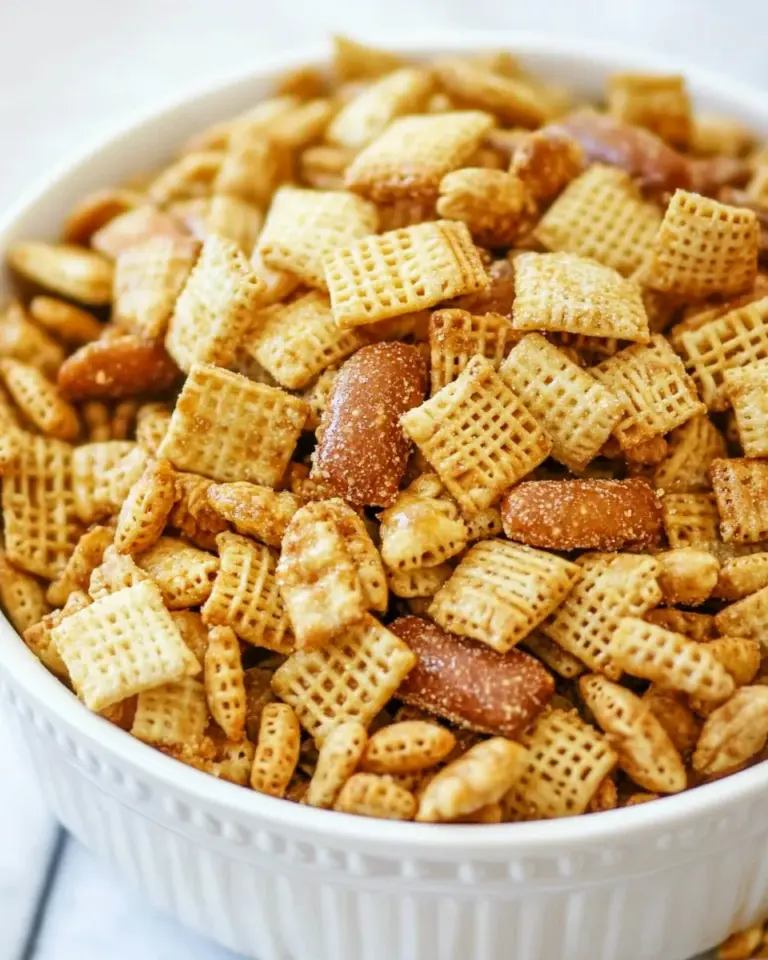
- 1 package ramen noodles crushed, flavor packet discarded: Crumble or crush the noodles to introduce an unexpected crispy, salty crunch reminiscent of croutons; discard the seasoning packet before use to control saltiness and flavor profile. Add at the very end to maintain crisp texture and prevent sogginess from dressing.
- 1/3 cup roasted salted sunflower seeds: Use roasted salted sunflower seeds to supply a nutty, crunchy element and extra protein; sprinkle evenly for textural contrast and to complement the caramelized pecans. Adjust quantity if reducing overall salt and consider unsalted seeds if seasoning is already high.
- 4 oz goat cheese crumbles: Crumble to lend a tangy, creamy richness with a soft texture that pairs well with sweet fruit and crunchy toppings; spread goat cheese evenly in small clumps throughout the salad. Soften slightly at room temperature for easier crumbling and more pronounced flavor.
- 1 tablespoon olive oil: Drizzle as a light coating ingredient or use to finish vegetables to add a subtle fruitiness and help marry other dressing components; measure carefully to avoid greasiness. Choose high-quality olive oil for better flavor and whisk it thoroughly into the vinaigrette.
- 1 cup strawberries hulled: Hull and reserve as additional fruit to amplify fresh strawberry flavor and visual appeal; use whole hulled berries for garnish or incorporate slices for consistent distribution. Keep refrigerated until plating to maintain firmness and color.
- 1/2 cup aged balsamic vinegar: Pour as the primary acidic component in the dressing to contribute deep, sweet-tart complexity and a glossy finish; use aged balsamic for a more balanced and mellow flavor. Measure carefully due to concentrated flavor and combine with oil to emulsify the vinaigrette.
- 1 tablespoon sugar: Dissolve to provide a touch of sweetness that balances the balsamic's acidity and rounds out the dressing; adjust based on berry sweetness and personal preference. Use fine granulated sugar to ensure quick incorporation into the vinaigrette.
- 1/2 tablespoon Dijon: Whisk in to add a sharp, savory mustard note that helps emulsify the dressing and bind oil with vinegar; use Dijon for a smooth, tangy backbone. Start with the listed amount and taste, increasing slightly if a stronger mustard presence is desired.
- 1/2 tablespoon dried minced onions: Sprinkle to introduce an oniony, slightly sweet dried flavor that enhances the dressing without requiring fresh prep; mix well into the vinaigrette to hydrate the flakes. Store dried minced onion in a cool, dry place and adjust quantity if you prefer a more pronounced onion presence.
- 1 clove garlic peeled: Crush or mince to lend a pungent, aromatic punch and underlying savory depth to dressings or to the salad itself; incorporate finely so it distributes evenly. Use fresh garlic for best flavor and mince right before use to prevent bitterness from old garlic.
- 1/2 tsp each paprika, salt: Season evenly to impart mild smoky warmth and essential seasoning; paprika and salt enhance color and overall flavor balance when whisked into the dressing. Taste the vinaigrette before serving and adjust salt as needed to match other salty components like goat cheese or seeds.
- 1/4 tsp each dried thyme, pepper: Season lightly to provide herbal complexity and a subtle heat from pepper that complements the dressing's sweetness; dried thyme adds earthy notes while pepper offers mild bite. Grind fresh black pepper if possible for peak aroma and adjust to taste.
- 1/2 cup extra virgin olive oil: Whisk in to create the body of the vinaigrette, lending a rich, fruity texture and helping to emulsify the balsamic; use extra virgin olive oil for pronounced flavor. Add oil gradually while whisking to form a stable emulsion and taste for balance.
- 1 tablespoon poppy seeds: Stir in to contribute small pops of mild, nutty flavor and a gentle visual sparkle to the dressing; poppy seeds also add slight crunch and visual contrast. Measure carefully to avoid over-dominating the delicate vinaigrette flavors and distribute evenly.
Making Strawberry Balsamic Salad
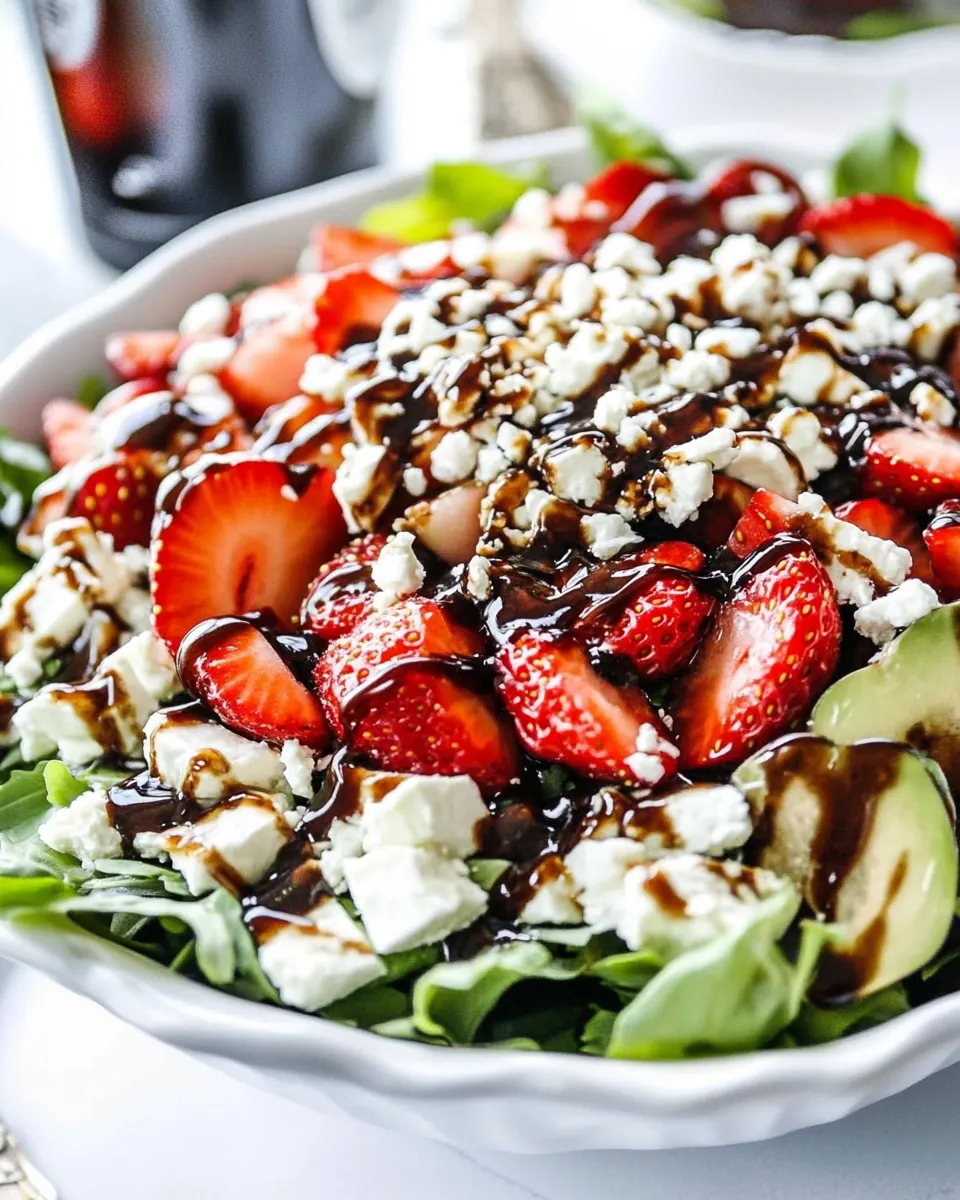
This salad comes together in a few distinct phases: the vinaigrette, the toasted crunch elements, and the assembly. Below I walk through each step with sensory cues and troubleshooting so you can reproduce the exact balance I aim for.
- Add all of the Vinaigrette ingredients to blender except olive oil and process until smooth. Turn blender on low, and gradually add olive oil in a slow, steady stream. Whisk in poppy seeds. Add additional balsamic for tangier, sugar for sweeter (will depend on your balsamic).: The moment you pulse these components you will notice a fragrant, fruity aroma from the strawberries and a sharp vinegary tang from the aged balsamic vinegar . The blender will reduce the garlic and dried minced onion into invisible threads, creating an even base. This texture is important because a uniformly blended base helps the oil suspend later, giving the vinaigrette a silky mouthfeel. Watch the color; it should be glossy and ruby toned. A mistake here is not breaking down the sugar, which can leave a grainy mouthfeel, so blend until everything is velvety smooth.
- Vinaigrette is best served chilled. If making and serving salad immediately, place in the freezer so it can get cold, otherwise refrigerate until ready to use. Whisk vinaigrette just before serving.: Adding the extra virgin olive oil slowly while the blender runs creates an emulsion, which you will recognize as the dressing thickening and gaining sheen. Listen for the consistent hum and watch for the mixture to transform from watery to slightly viscous. If you pour oil too fast, the vinaigrette will separate, leaving an oily top and watery bottom; if that happens, start again in a clean container and drizzle the broken dressing in slowly while reblending. Whisking in small increments is another way to save a slipping emulsion.
- Preheat the oven to 400 degrees F. Meanwhile, prepare Caramelized Pecans according to directions. Set aside.: Once the vinaigrette has a smooth texture, stirring in the poppy seeds will add tiny flecks and an audible, subtle crack when you taste the dressing. The seeds also contribute a slight nutty undertone. Whisk by hand for about 10 to 15 seconds to distribute them evenly. If you skip this step the dressing will still taste fine, but you will lose that little textural surprise the seeds provide.
- Add ramen noodles to a baking sheet and toss with 1 tablespoon olive oil. Spread in an even layer and bake until toasted, stirring 1-2 times, approximately 10 minutes.: Taste the vinaigrette and adjust as needed. Aged balsamic can vary in intensity, so if yours leans sharp, add sugar gradually until the edges soften, or if it is mellow, a splash more aged balsamic vinegar will brighten it. The right balance should make your palate sing without cloying. Over-adjusting is easy, so change by small amounts and re-taste after each addition to avoid masking the natural fruit notes.
- Serving Immediately: Add all of the salad ingredients to a large bowl. If not expecting leftovers then toss with desired amount of dressing. If expecting leftovers, dress individual portions. Serve immediately.: Chilling deepens the flavors and helps the vinaigrette thicken slightly, clinging nicely to leaves. When you refrigerate it, note that the oil can solidify a little; allow it to sit at room temperature for a few minutes and whisk before serving. A common oversight is using the dressing immediately warm from blending, which can make the salad taste flabby and reduce crunch retention.
- Making Ahead: Add all of the salad ingredients EXCEPT pears (they will brown) to a large bowl in sections so they stay somewhat separated – do not toss together. Cover tightly with plastic wrap. When ready to serve, add pears. If not expecting leftovers then toss with desired amount of dressing. If expecting leftovers, dress individual portions. Serve immediately.: A brief chill, about five to eight minutes in the freezer, cools the vinaigrette quickly without freezing it. This step heightens the refreshing quality of the salad, especially with juicy strawberries . Avoid leaving it in the freezer too long or the oil can semi solidify; if that happens, let it rest and whisk to restore texture.
- Whisk vinaigrette just before serving: A quick whisk re-emulsifies and refreshes the flavors, producing a glossy sheen. When you whisk right before dressing the salad, the aromatics smell brighter and the dressing distributes more evenly. If you skip this you may end up with pockets of more acidic or oily dressing rather than a balanced coating.
- Preheat the oven to 400 degrees F: Preheating is key to properly toasting the ramen and ensuring even caramelization of the nuts if you choose an oven step. You will hear a faint settling sound as the oven reaches temperature, and a reliable oven gives even browning. Putting items into an oven that has not reached the set temperature can make toasting uneven and require longer time, which risks drying rather than toasting the ingredients.
- Meanwhile, prepare Caramelized Pecans according to directions: As the oven warms, make the pecans so their warm, sugary aroma is present when you assemble. Properly caramelized pecans should be glossy and golden brown, giving off a toasted almond scent. Overcooking will yield a bitter burnt edge, so remove them as soon as the caramel darkens to an amber shade, and transfer to a cool surface to stop the cooking.
- Set aside: Allowing the pecans to cool prevents them from melting the goat cheese crumbles or wilting nearby greens. They will crisp as they cool, making them ideal for sprinkling over the salad. Handling them while hot risks sticking and losing their shiny coating.
- Add ramen noodles to a baking sheet and toss with 1 tablespoon olive oil: Coating the crushed ramen noodles in the measured olive oil ensures even toasting and prevents scorching. Spread them in a single layer so hot air circulates and they crisp uniformly. If they clump, some pieces stay pale and soft, so spread them well for consistent crunch.
- Spread in an even layer and bake until toasted, stirring 1 to 2 times, approximately 10 minutes: During baking you will smell a toasty, slightly nutty aroma from the noodles. Stirring once or twice encourages uniform color and prevents hot spots. Watch for a golden brown color; remove when they are fragrant and crisp. Leaving them in too long will lead to a burnt or overly bitter taste.
- Serving Immediately: Add all of the salad ingredients to a large bowl : When assembling, combine the chopped romaine lettuce , spinach , strawberries , pear , cucumber , red bell pepper , and red onion in a large mixing bowl so the colors and textures are visible. The visual contrast is part of the experience, and you want the salad to look inviting. Overcrowding the bowl can make tossing difficult and bruise delicate ingredients, so use a generously sized bowl.
- If not expecting leftovers then toss with desired amount of dressing: Toss gently so the vinaigrette lightly coats each leaf and fruit piece. Use tongs or salad hands for an even distribution. If you overdress, the salad loses crispness and becomes soggy, so add dressing gradually and stop when the leaves look coated but not dripping.
- If expecting leftovers, dress individual portions: To keep portions crisp for later, portion into bowls and dress only what you will eat immediately. This preserves the texture of the greens and fruit. A common misstep is pre-dressing the entire salad which results in limp leaves and watery fruit after storing.
- Serve immediately: Serve the salad once dressed for optimal texture, with toasted ramen and caramelized pecans added last so they remain crisp. The aroma will be bright and the visual contrast vivid. Letting it sit even a short while after tossing causes the dressing to settle and the components to soften, so aim to serve promptly.
- Making Ahead: Add all of the salad ingredients EXCEPT pears to a large bowl in sections : If preparing in advance, layer the components separately so they do not mingle and steam one another. This sectional storage helps maintain individual textures and avoids premature wilting. Avoid tossing until just before serving to keep the salad vibrant.
- Cover tightly with plastic wrap: Sealing the bowl prevents moisture loss and keeps flavors isolated. Refrigerate promptly to maintain freshness. Leaving it loosely covered can allow odors and moisture shifts that degrade texture.
- When ready to serve, add pears: Add the thinly sliced pear at the last moment so it stays bright and unbrowned. The pear’s texture and flavor are best when fresh, and adding it late preserves its visual appeal. If added too early it will darken and become soggy.
Change It Up
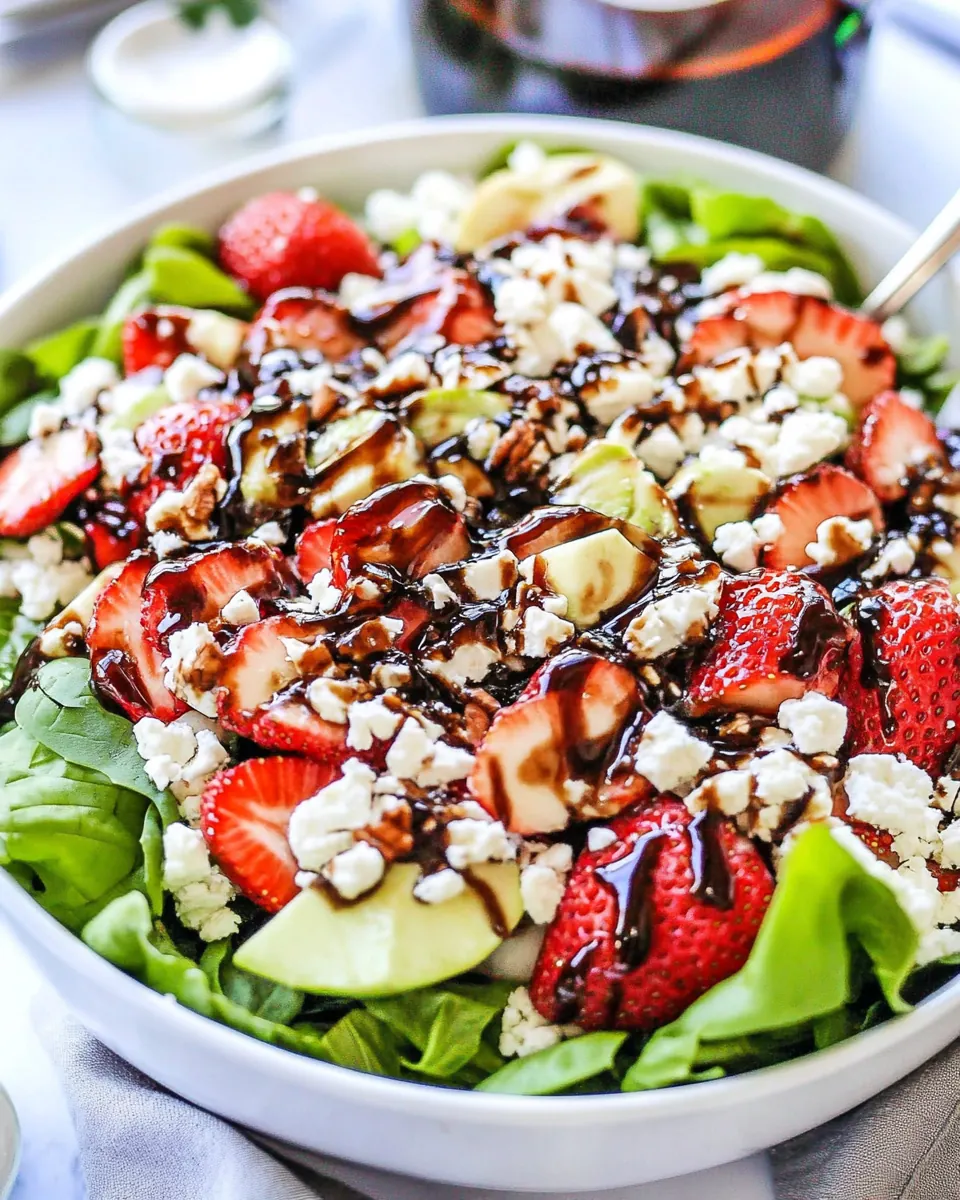
Here are flexible ideas and tweaks I often use to change the salad’s profile depending on mood and occasion. Each tip begins with a strong practical phrase to help you adapt this recipe with confidence.
- Swap the greens: Try using more hearty romaine lettuce if you want a crunch forward salad, or increase spinach for a softer bite. The texture shift subtly changes dressing cling and mouthfeel.
- Toast aromatics: Briefly toast the sunflower seeds and crushed ramen in a dry skillet to amplify their nutty aroma, stirring constantly so they brown evenly without burning.
- Adjust sweetness: If your aged balsamic vinegar is very sweet, reduce the listed sugar slightly; conversely, add a touch more sugar for a tart balsamic to achieve balance.
- Keep components separate for travel: If transporting, pack the dressing in a leak proof jar and the crunchy elements in their own container so they stay crisp until serving.
- Make it visually striking: Arrange the salad in sections in a large platter before tossing so guests can admire the colors and pick elements they prefer.
- Control salt levels: Since roasted salted sunflower seeds and caramelized pecans can add sodium, taste before adding extra salt to avoid oversalting.
- Refresh leftover salad: If the salad softens, add fresh slices of strawberries and a squeeze of lemon to brighten flavors and restore some texture contrast.
Serving Options for Strawberry Balsamic Salad
This salad is versatile for many occasions, and how you serve it can change its role on the menu. Below are practical serving approaches, storage advice, and pairing ideas to help you present it beautifully and keep leftovers at their best.
- Casual lunch plate: Serve a generous mound of the mixed greens and fruit with a light drizzle of vinaigrette and a scattering of toasted ramen and caramelized pecans for a satisfying midday meal.
- Side for dinner: Present the salad alongside grilled vegetables or a simple protein, offering a contrast of bright fruit and savory mains, perfect for a balanced family meal.
- Potluck or picnic friendly: Keep the dressing in a sealed jar and the crunchy toppings separate, assembling at the site so textures remain pristine and the salad looks fresh.
- Special occasion platter: Arrange components in neat rows on a large platter and finish by pouring the vinaigrette tableside for a bit of theatre and to keep everything crisp until serving.
- Storage tip: Store leftover dressed salad in an airtight container for up to one day; for longer storage keep greens and fruit separate and add dressing when ready to eat to preserve texture.
- Seasonal pairing: This salad shines in spring and early summer when strawberries are at peak ripeness; pair it with light grain salads or chilled soups for warm weather menus.
- Portioning for leftovers: When expecting leftovers, dress individual portions so each serving retains crunch and freshness, and refrigerate promptly after serving.
FAQ
Conclusion
Strawberry Balsamic Salad stands out for its perfect balance of sweet fruit, tangy aged balsamic, creamy goat cheese, and crunchy textures. You get a composition that is at once simple and thoughtful, bringing a restaurant quality feel to your own table. I encourage you to give it a try this season, especially when strawberries are at their peak, and to experiment with make ahead and serving options so it fits your meal plans. It’s the kind of recipe that can become a reliable favorite because it’s flexible, bright, and consistently pleasing.
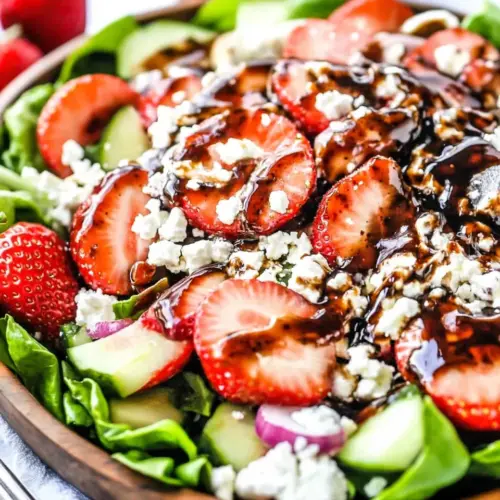
Strawberry Balsamic Salad
Equipment
- Blender
- Oven
- Baking Sheet
- Mixing Bowl
Ingredients
- 1 Recipe Caramelized Pecans Provide a crunchy, sweet, and slightly salty element to the salad that adds texture contrast and a caramelized depth of flavor; use pre-made caramelized pecans to save time and ensure even coating. Store in an airtight container if preparing ahead to maintain crispness and add just before serving to preserve crunch.
- 1 small head romaine lettuce chopped Chop into bite-sized pieces to create a crisp, sturdy base that holds dressings well and pairs nicely with softer greens; remove any wilted outer leaves and rinse thoroughly. Pat dry to prevent watering down the dressing and combine with other greens for balanced texture.
- 1 lb . strawberries hulled and sliced Hull and slice to contribute bright, juicy sweetness and vibrant color; distribute evenly across the salad so each bite has strawberry flavor. Select ripe but firm berries to avoid excessive juice release and slice uniformly for consistent presentation.
- 5 oz . bag spinach Toss in whole or lightly chopped leaves to introduce a tender, slightly earthy green that complements romaine; use washed and spun-dry baby spinach for convenience. Combine with romaine to vary leaf textures and boost the salad's nutrient density.
- 1 pear thinly sliced and halved or chopped Thinly slice and halve or chop to add a crisp, slightly sweet, and fragrant fruit note that contrasts with the greens and cheese; choose a ripe but firm pear for the best texture. Prevent browning by slicing just before assembly or briefly tossing in lemon juice if prepping early.
- 1 cucumber chopped Chop into small pieces to provide a refreshing, hydrating crunch and mild vegetal flavor that balances sweeter ingredients; peel if desired and remove seeds for a consistent mouthfeel. Keep chilled until mixing to maintain crispness and prevent wilting the greens.
- red bell pepper chopped Chop to bring a sweet, slightly smoky pepper flavor and bright color that enlivens the salad; remove seeds and ribs for a milder taste and uniform pieces. Incorporate sparingly for pops of color and to avoid overpowering milder ingredients like spinach and goat cheese.
- 1/4 large red onion thinly sliced Thinly slice to add a sharp, slightly sweet onion bite that enhances overall flavor complexity; soak briefly in cold water if you prefer a milder taste. Drain thoroughly to avoid excess moisture and distribute slices evenly for balanced bursts of flavor.
- 1 package ramen noodles crushed, flavor packet discarded Crumble or crush the noodles to introduce an unexpected crispy, salty crunch reminiscent of croutons; discard the seasoning packet before use to control saltiness and flavor profile. Add at the very end to maintain crisp texture and prevent sogginess from dressing.
- 1/3 cup roasted salted sunflower seeds Use roasted salted sunflower seeds to supply a nutty, crunchy element and extra protein; sprinkle evenly for textural contrast and to complement the caramelized pecans. Adjust quantity if reducing overall salt and consider unsalted seeds if seasoning is already high.
- 4 oz goat cheese crumbles Crumble to lend a tangy, creamy richness with a soft texture that pairs well with sweet fruit and crunchy toppings; spread goat cheese evenly in small clumps throughout the salad. Soften slightly at room temperature for easier crumbling and more pronounced flavor.
- 1 tablespoon olive oil Drizzle as a light coating ingredient or use to finish vegetables to add a subtle fruitiness and help marry other dressing components; measure carefully to avoid greasiness. Choose high-quality olive oil for better flavor and whisk it thoroughly into the vinaigrette.
- 1 cup strawberries hulled Hull and reserve as additional fruit to amplify fresh strawberry flavor and visual appeal; use whole hulled berries for garnish or incorporate slices for consistent distribution. Keep refrigerated until plating to maintain firmness and color.
- 1/2 cup aged balsamic vinegar Pour as the primary acidic component in the dressing to contribute deep, sweet-tart complexity and a glossy finish; use aged balsamic for a more balanced and mellow flavor. Measure carefully due to concentrated flavor and combine with oil to emulsify the vinaigrette.
- 1 tablespoon sugar Dissolve to provide a touch of sweetness that balances the balsamic's acidity and rounds out the dressing; adjust based on berry sweetness and personal preference. Use fine granulated sugar to ensure quick incorporation into the vinaigrette.
- 1/2 tablespoon Dijon Whisk in to add a sharp, savory mustard note that helps emulsify the dressing and bind oil with vinegar; use Dijon for a smooth, tangy backbone. Start with the listed amount and taste, increasing slightly if a stronger mustard presence is desired.
- 1/2 tablespoon dried minced onions Sprinkle to introduce an oniony, slightly sweet dried flavor that enhances the dressing without requiring fresh prep; mix well into the vinaigrette to hydrate the flakes. Store dried minced onion in a cool, dry place and adjust quantity if you prefer a more pronounced onion presence.
- 1 clove garlic peeled Crush or mince to lend a pungent, aromatic punch and underlying savory depth to dressings or to the salad itself; incorporate finely so it distributes evenly. Use fresh garlic for best flavor and mince right before use to prevent bitterness from old garlic.
- 1/2 tsp each paprika, salt Season evenly to impart mild smoky warmth and essential seasoning; paprika and salt enhance color and overall flavor balance when whisked into the dressing. Taste the vinaigrette before serving and adjust salt as needed to match other salty components like goat cheese or seeds.
- 1/4 tsp each dried thyme, pepper Season lightly to provide herbal complexity and a subtle heat from pepper that complements the dressing's sweetness; dried thyme adds earthy notes while pepper offers mild bite. Grind fresh black pepper if possible for peak aroma and adjust to taste.
- 1/2 cup extra virgin olive oil Whisk in to create the body of the vinaigrette, lending a rich, fruity texture and helping to emulsify the balsamic; use extra virgin olive oil for pronounced flavor. Add oil gradually while whisking to form a stable emulsion and taste for balance.
- 1 tablespoon poppy seeds Stir in to contribute small pops of mild, nutty flavor and a gentle visual sparkle to the dressing; poppy seeds also add slight crunch and visual contrast. Measure carefully to avoid over-dominating the delicate vinaigrette flavors and distribute evenly.
Instructions
- Add all of the Vinaigrette ingredients to blender except olive oil and process until smooth. Turn blender on low, and gradually add olive oil in a slow, steady stream. Whisk in poppy seeds. Add additional balsamic for tangier, sugar for sweeter (will depend on your balsamic).: The moment you pulse these components you will notice a fragrant, fruity aroma from the strawberries and a sharp vinegary tang from the aged balsamic vinegar . The blender will reduce the garlic and dried minced onion into invisible threads, creating an even base. This texture is important because a uniformly blended base helps the oil suspend later, giving the vinaigrette a silky mouthfeel. Watch the color; it should be glossy and ruby toned. A mistake here is not breaking down the sugar, which can leave a grainy mouthfeel, so blend until everything is velvety smooth.
- Vinaigrette is best served chilled. If making and serving salad immediately, place in the freezer so it can get cold, otherwise refrigerate until ready to use. Whisk vinaigrette just before serving.: Adding the extra virgin olive oil slowly while the blender runs creates an emulsion, which you will recognize as the dressing thickening and gaining sheen. Listen for the consistent hum and watch for the mixture to transform from watery to slightly viscous. If you pour oil too fast, the vinaigrette will separate, leaving an oily top and watery bottom; if that happens, start again in a clean container and drizzle the broken dressing in slowly while reblending. Whisking in small increments is another way to save a slipping emulsion.
- Preheat the oven to 400 degrees F. Meanwhile, prepare Caramelized Pecans according to directions. Set aside.: Once the vinaigrette has a smooth texture, stirring in the poppy seeds will add tiny flecks and an audible, subtle crack when you taste the dressing. The seeds also contribute a slight nutty undertone. Whisk by hand for about 10 to 15 seconds to distribute them evenly. If you skip this step the dressing will still taste fine, but you will lose that little textural surprise the seeds provide.
- Add ramen noodles to a baking sheet and toss with 1 tablespoon olive oil. Spread in an even layer and bake until toasted, stirring 1-2 times, approximately 10 minutes.: Taste the vinaigrette and adjust as needed. Aged balsamic can vary in intensity, so if yours leans sharp, add sugar gradually until the edges soften, or if it is mellow, a splash more aged balsamic vinegar will brighten it. The right balance should make your palate sing without cloying. Over-adjusting is easy, so change by small amounts and re-taste after each addition to avoid masking the natural fruit notes.
- Serving Immediately: Add all of the salad ingredients to a large bowl. If not expecting leftovers then toss with desired amount of dressing. If expecting leftovers, dress individual portions. Serve immediately.: Chilling deepens the flavors and helps the vinaigrette thicken slightly, clinging nicely to leaves. When you refrigerate it, note that the oil can solidify a little; allow it to sit at room temperature for a few minutes and whisk before serving. A common oversight is using the dressing immediately warm from blending, which can make the salad taste flabby and reduce crunch retention.
- Making Ahead: Add all of the salad ingredients EXCEPT pears (they will brown) to a large bowl in sections so they stay somewhat separated – do not toss together. Cover tightly with plastic wrap. When ready to serve, add pears. If not expecting leftovers then toss with desired amount of dressing. If expecting leftovers, dress individual portions. Serve immediately.: A brief chill, about five to eight minutes in the freezer, cools the vinaigrette quickly without freezing it. This step heightens the refreshing quality of the salad, especially with juicy strawberries . Avoid leaving it in the freezer too long or the oil can semi solidify; if that happens, let it rest and whisk to restore texture.
- Whisk vinaigrette just before serving: A quick whisk re-emulsifies and refreshes the flavors, producing a glossy sheen. When you whisk right before dressing the salad, the aromatics smell brighter and the dressing distributes more evenly. If you skip this you may end up with pockets of more acidic or oily dressing rather than a balanced coating.
- Preheat the oven to 400 degrees F: Preheating is key to properly toasting the ramen and ensuring even caramelization of the nuts if you choose an oven step. You will hear a faint settling sound as the oven reaches temperature, and a reliable oven gives even browning. Putting items into an oven that has not reached the set temperature can make toasting uneven and require longer time, which risks drying rather than toasting the ingredients.
- Meanwhile, prepare Caramelized Pecans according to directions: As the oven warms, make the pecans so their warm, sugary aroma is present when you assemble. Properly caramelized pecans should be glossy and golden brown, giving off a toasted almond scent. Overcooking will yield a bitter burnt edge, so remove them as soon as the caramel darkens to an amber shade, and transfer to a cool surface to stop the cooking.
- Set aside: Allowing the pecans to cool prevents them from melting the goat cheese crumbles or wilting nearby greens. They will crisp as they cool, making them ideal for sprinkling over the salad. Handling them while hot risks sticking and losing their shiny coating.
- Add ramen noodles to a baking sheet and toss with 1 tablespoon olive oil: Coating the crushed ramen noodles in the measured olive oil ensures even toasting and prevents scorching. Spread them in a single layer so hot air circulates and they crisp uniformly. If they clump, some pieces stay pale and soft, so spread them well for consistent crunch.
- Spread in an even layer and bake until toasted, stirring 1 to 2 times, approximately 10 minutes: During baking you will smell a toasty, slightly nutty aroma from the noodles. Stirring once or twice encourages uniform color and prevents hot spots. Watch for a golden brown color; remove when they are fragrant and crisp. Leaving them in too long will lead to a burnt or overly bitter taste.
- Serving Immediately: Add all of the salad ingredients to a large bowl : When assembling, combine the chopped romaine lettuce , spinach , strawberries , pear , cucumber , red bell pepper , and red onion in a large mixing bowl so the colors and textures are visible. The visual contrast is part of the experience, and you want the salad to look inviting. Overcrowding the bowl can make tossing difficult and bruise delicate ingredients, so use a generously sized bowl.
- If not expecting leftovers then toss with desired amount of dressing: Toss gently so the vinaigrette lightly coats each leaf and fruit piece. Use tongs or salad hands for an even distribution. If you overdress, the salad loses crispness and becomes soggy, so add dressing gradually and stop when the leaves look coated but not dripping.
- If expecting leftovers, dress individual portions: To keep portions crisp for later, portion into bowls and dress only what you will eat immediately. This preserves the texture of the greens and fruit. A common misstep is pre-dressing the entire salad which results in limp leaves and watery fruit after storing.
- Serve immediately: Serve the salad once dressed for optimal texture, with toasted ramen and caramelized pecans added last so they remain crisp. The aroma will be bright and the visual contrast vivid. Letting it sit even a short while after tossing causes the dressing to settle and the components to soften, so aim to serve promptly.
- Making Ahead: Add all of the salad ingredients EXCEPT pears to a large bowl in sections : If preparing in advance, layer the components separately so they do not mingle and steam one another. This sectional storage helps maintain individual textures and avoids premature wilting. Avoid tossing until just before serving to keep the salad vibrant.
- Cover tightly with plastic wrap: Sealing the bowl prevents moisture loss and keeps flavors isolated. Refrigerate promptly to maintain freshness. Leaving it loosely covered can allow odors and moisture shifts that degrade texture.
- When ready to serve, add pears: Add the thinly sliced pear at the last moment so it stays bright and unbrowned. The pear’s texture and flavor are best when fresh, and adding it late preserves its visual appeal. If added too early it will darken and become soggy.
Notes
- Swap the greens: Try using more hearty romaine lettuce if you want a crunch forward salad, or increase spinach for a softer bite. The texture shift subtly changes dressing cling and mouthfeel.
- Toast aromatics: Briefly toast the sunflower seeds and crushed ramen in a dry skillet to amplify their nutty aroma, stirring constantly so they brown evenly without burning.
- Adjust sweetness: If your aged balsamic vinegar is very sweet, reduce the listed sugar slightly; conversely, add a touch more sugar for a tart balsamic to achieve balance.
- Keep components separate for travel: If transporting, pack the dressing in a leak proof jar and the crunchy elements in their own container so they stay crisp until serving.
- Make it visually striking: Arrange the salad in sections in a large platter before tossing so guests can admire the colors and pick elements they prefer.
- Control salt levels: Since roasted salted sunflower seeds and caramelized pecans can add sodium, taste before adding extra salt to avoid oversalting.
- Refresh leftover salad: If the salad softens, add fresh slices of strawberries and a squeeze of lemon to brighten flavors and restore some texture contrast.