Horseradish Sauce
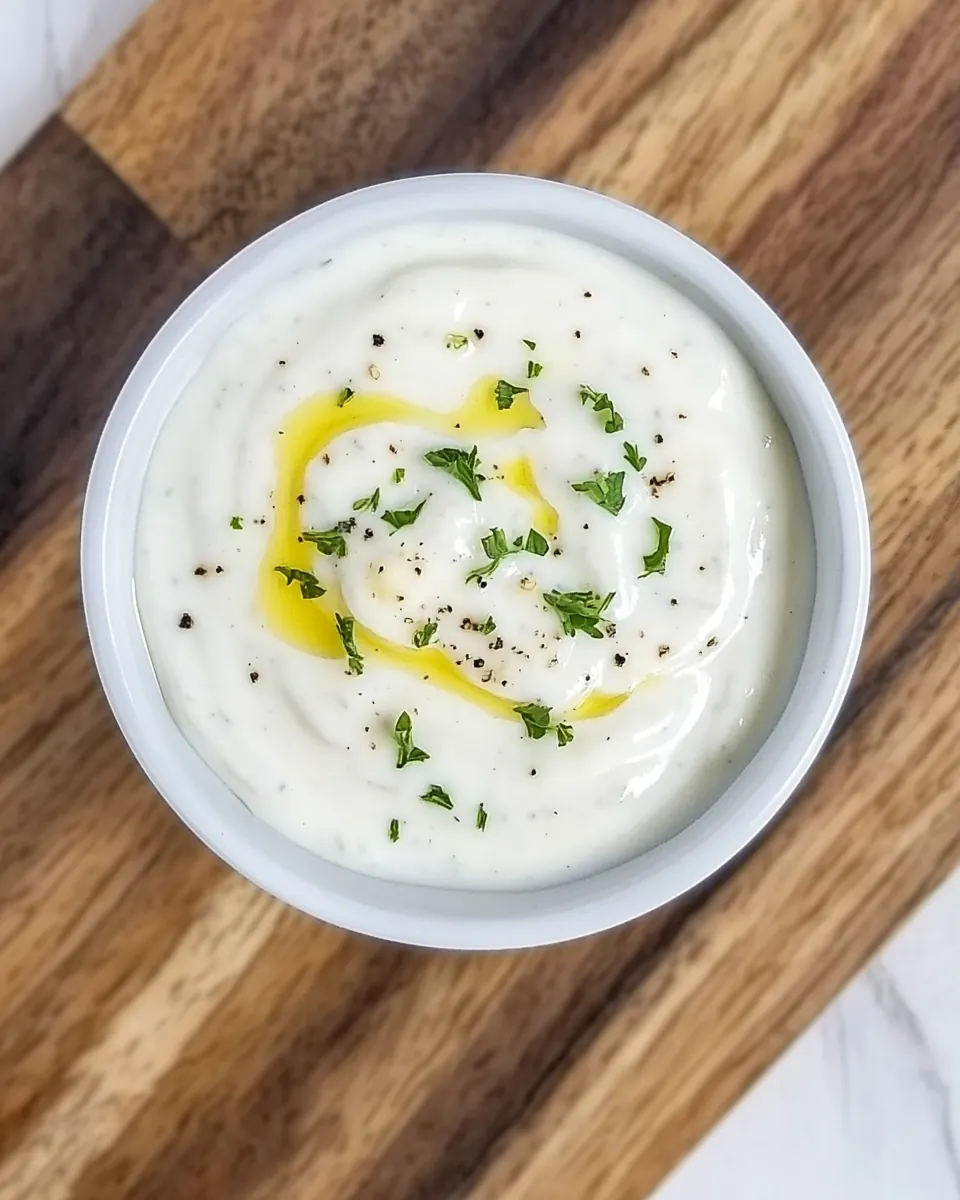
Horseradish Sauce is one of those condiments I reach for when I want an instant lift to a simple plate, and the first time I made it I remember the bright, peppery wave that hit my nose as I opened the bowl, promising more than plain creaminess. I keep a small jar in the fridge most weeks, because it dresses up roasted beef or a simple vegetable board, and it always feels like a small chefly trick I can pull out when guests arrive unexpectedly.
My approach to this Horseradish Sauce evolved from a quick pantry riff into a deliberate balance of heat, tang, and silkiness. I learned to taste as I go, starting conservatively with <strong>preparedstrong> horseradish and building brightness with white vinegar and a hint of Dijon mustard. There is a comforting ritual to chopping the tiny pile of chives and stirring them into the chilled base, and over time I’ve learned how resting transforms the bite into a rounded, layered flavor.
Recipe Snapshot
5 mins
5 mins
Easy
90 kcal
American
Keto, Gluten-Free
Appetizers
Small bowl, Whisk or spoon, Measuring spoons
The Charm of This Horseradish Sauce
Bold but Balanced
I love that Horseradish Sauce hits your palate immediately, and then settles into creamy comfort. The horseradish gives a sharp, sinus-clearing kick, while the crème fraîche smooths and tempers it, so you get excitement without aggression. That contrast is why I reach for it when I want to lift a dish without overpowering it.
Fast and Reliable
One of the main reasons I keep this recipe in my back pocket is speed. It comes together in minutes and then becomes better as it chills. I appreciate recipes that reward patience, and this one does exactly that. Make it in the morning for an evening meal and you will notice how the flavors knit together.
Versatility on the Table
I use this sauce for so many roles, from a dipping sauce to a finishing spoonful for roasted vegetables or sandwiches. The tang of white vinegar and the savory hits from Worcestershire sauce mean it pairs well with rich proteins and simple sides alike. I often swap quantities to tune the heat level to the people I’m serving.
Accessible Ingredients
What I appreciate most is that the ingredients are pantry friendly and easy to source. <strong>Preparedstrong> horseradish and store bought crème fraîche make this recipe approachable, while the option to use fresh horseradish offers a chefly upgrade when you are feeling adventurous. Even the smallest effort yields a professional result.
Room to Customize
I also love that this recipe is forgiving. You can dial the heat with more or less horseradish, mellow it with extra crème fraîche, or brighten it with a touch more white vinegar. I often tweak the salt and add fresh chives at the end for green freshness. This adaptability is one reason I keep making it, and why I recommend everyone try their own version.
Ingredients Overview for <strong><strong>Horseradishstrong> Saucestrong>
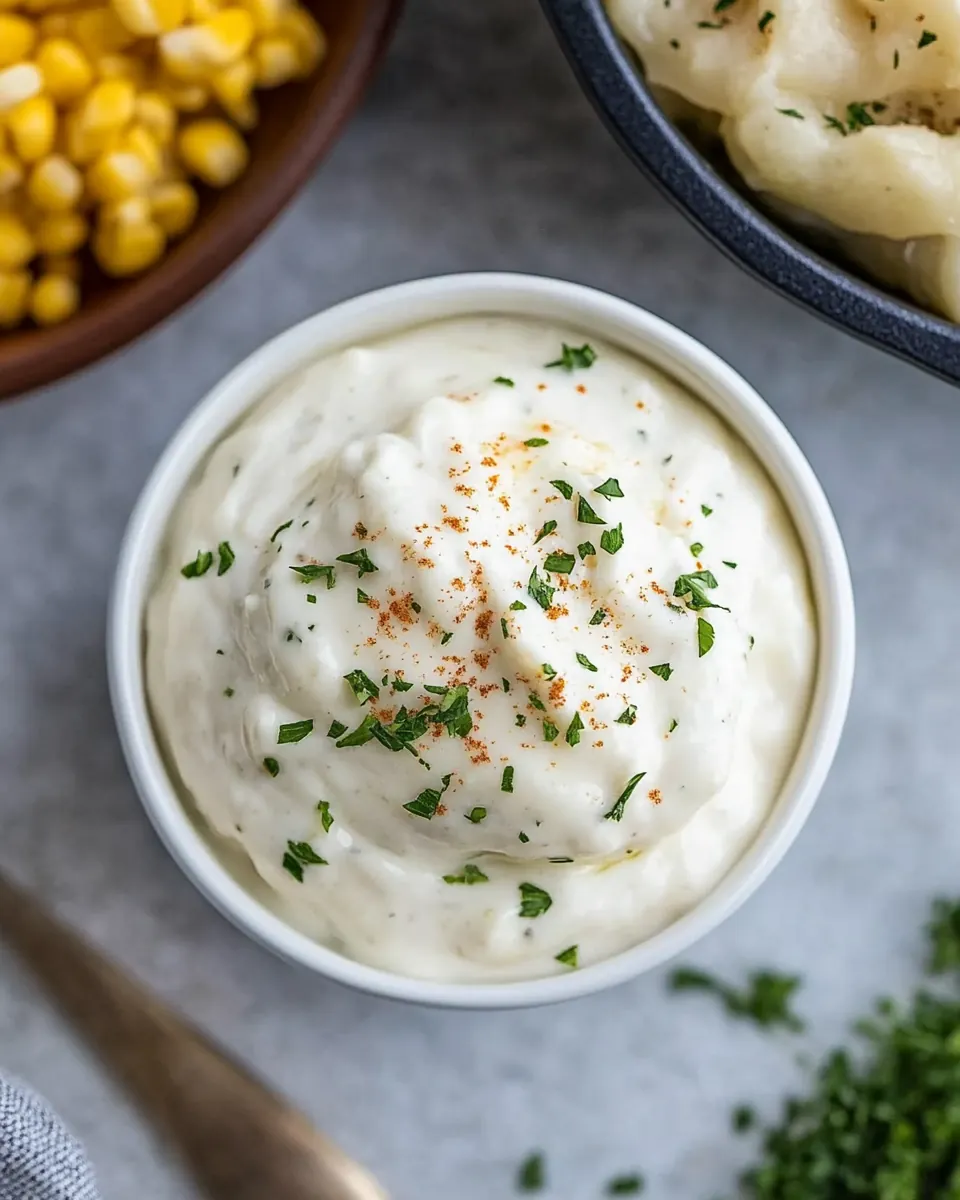
These ingredients create a compact flavor system where creaminess, heat, acid, and aromatics play distinct roles. The star is the horseradish, providing that sharp punch. The dairy base of crème fraîche brings body and richness, while small supporting players like Dijon mustard and Worcestershire sauce add depth. Salt, <strong>pepperstrong>, and chives finish the sauce, keeping it bright and balanced.
- 1/2 cup crème fraîche, can substitute sour cream (crème fraîche is richer, thicker, and less tangy): Adds a rich, creamy base and silky texture while contributing a mild tang that balances the heat of <strong>horseradishstrong>; crème fraîche also helps stabilize the sauce and gives it a luxurious mouthfeel compared to thinner substitutes.
- 2 3 tablespoons prepared horseradish, drained (depending on how strong you want it. NOTE: be sure to buy what's labeled "prepared" horseradish, not horseradish "sauce"): Provides sharp, pungent heat and characteristic <strong>horseradishstrong> flavor; <strong>preparedstrong> <strong>horseradishstrong> adds concentrated bite and can be adjusted to taste by using the lower or higher end of the suggested <strong>amountstrong>.
- alternatively use 1 tablespoon finely grated fresh horseradish root (fresh is much more intense than prepared; use half the amount): Delivers intensely pungent, fresh heat and bright aromatic complexity when used; finely grated fresh root is much stronger than <strong>preparedstrong> and should be used sparingly to avoid overpowering the sauce.
- 2 tablespoons mayonnaise: Contributes creaminess and a touch of fat that rounds out flavors and slightly mellows the sharpness of <strong>horseradishstrong>; <strong>mayonnaisestrong> helps bind the sauce components together for a smooth emulsion.
- 1 teaspoon white vinegar: Introduces a bright, acidic note that lifts and balances the richness of the crème fraîche and <strong>mayonnaisestrong>; <strong>white <strong>vinegarstrong>strong> sharpens flavors without discoloring the sauce.
- 1 teaspoon Dijon mustard: Adds a subtle, tangy depth and gentle sharpness that complements the <strong>horseradishstrong> and <strong>vinegarstrong>; <strong>Dijon <strong>mustardstrong>strong> also helps emulsify and bind the sauce.
- 1 teaspoon Worcestershire sauce: Provides savory, umami complexity and a slightly tangy background note that enhances overall flavor; <strong><strong>Worcestershirestrong> saucestrong> contributes depth without altering the primary <strong>horseradishstrong> character.
- 1/4 teaspoons salt: Seasoned to enhance and balance flavors by adding a subtle savory backbone; salt should be adjusted to taste to bring out other ingredients without salting overly.
- 1/8 teaspoon freshly ground black pepper: Seasoned to provide a mild, aromatic heat and slight bitterness that brightens the sauce; <strong><strong>freshlystrong> ground black <strong>pepperstrong>strong> offers subtle spice and complexity when <strong>freshlystrong> cracked.
- 1 tablespoon finely chopped chives: Adds a fresh, mild oniony flavor and bright green color while contributing delicate texture; <strong>finely <strong>choppedstrong> <strong>chivesstrong>strong> finish the sauce with a fresh herbal note.
Putting Together <strong><strong>Horseradishstrong> Saucestrong>
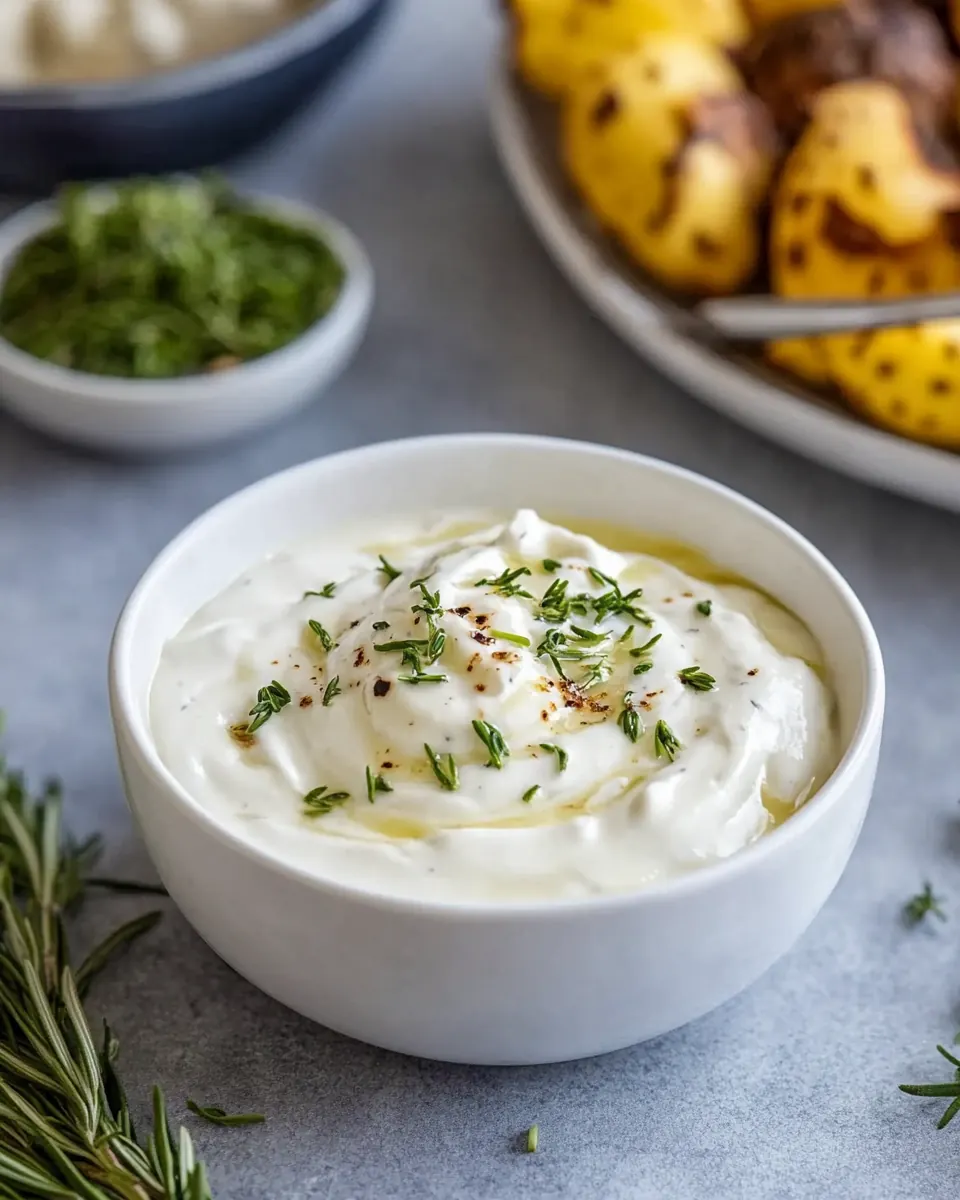
Assembling this sauce is simple, but the small decisions you make determine the final clarity of flavor. I like to measure and prep everything first, then combine and let it rest. The directions below follow the original steps, expanded with sensory cues and troubleshooting tips so you know how to get the best outcome.
- Combine all ingredients in a small bowl, cover and refrigerate for at least 4 hours before serving. I recommend starting with 2 tablespoons of horseradish, taste it, and add an additional tablespoon if you prefer it stronger (note, that flavor will intensify the longer it sits). Will keep for up to a week or 2-3 weeks if you omit the chives and add them just before serving.: The aroma will be immediate, with the sharpness of the <strong>horseradishstrong> mingling with the lactic sweetness of the crème fraîche . Stirring releases the volatile oils from the <strong>horseradishstrong> , creating a bright, nasal tingle that subsides as the fat in the dairy coats those compounds. Use a small bowl so you can whisk efficiently and ensure uniform texture. If the mixture seems too loose, it likely means more liquid was present in your jarred <strong>horseradishstrong> ; drain next time. A common mistake here is overwhisking at high speed which can warm the sauce and mute the fresh flavors.
- Cover and refrigerate for at least 4 hours before serving: Cooling transforms the sauce, tempering the initial heat into a more nuanced bite and allowing flavors to marry. As it chills, the profile rounds out and the edges of the sharp <strong>horseradishstrong> mellow while the <strong>Dijon <strong>mustardstrong>strong> and <strong><strong>Worcestershirestrong> saucestrong> deepen the base. The texture firms slightly, which helps the sauce cling to foods. Avoid serving it straight away unless you prefer a more aggressive heat, and do not store it uncovered to prevent flavor loss or absorption of fridge odors.
- I recommend starting with 2 tablespoons of horseradish, taste it, and add an additional tablespoon if you prefer it stronger: The tasting step is where you control the personality of the sauce. After the initial chill, sample a small <strong>amountstrong> with a neutral vehicle like a plain cracker or spoon, note the intensity, and adjust. Adding more <strong>horseradishstrong> will increase nasal heat and bite, but remember that the pungency will continue to bloom over time in the fridge. One pitfall is adding too much fresh <strong>horseradishstrong> at once; add in increments to avoid overpowering the sauce.
- note, that flavor will intensify the longer it sits: Time is an ingredient here. Over the next hours to days, the sharp compounds soften and integrate, often surprising you with a more complex experience. This is why I generally make the sauce ahead of any meal, letting the flavors settle. If you plan to store it longer, consider holding back the <strong>chivesstrong> until service to preserve their color and snap. A mistake is judging the sauce only immediately after mixing, which may lead to unnecessary dilution later.
- Will keep for up to a week or 2-3 weeks if you omit the chives and add them just before serving: Storage affects freshness and texture. In my experience, omitting the <strong>chivesstrong> for long storage keeps the color and prevents breakdown, while the base itself holds well in an airtight container for several days. Label the jar with the date and smell before using if kept beyond a week. The main error to avoid is storing it in a warm spot or an uncovered container, which can accelerate spoilage and flavor loss.
Change It Up
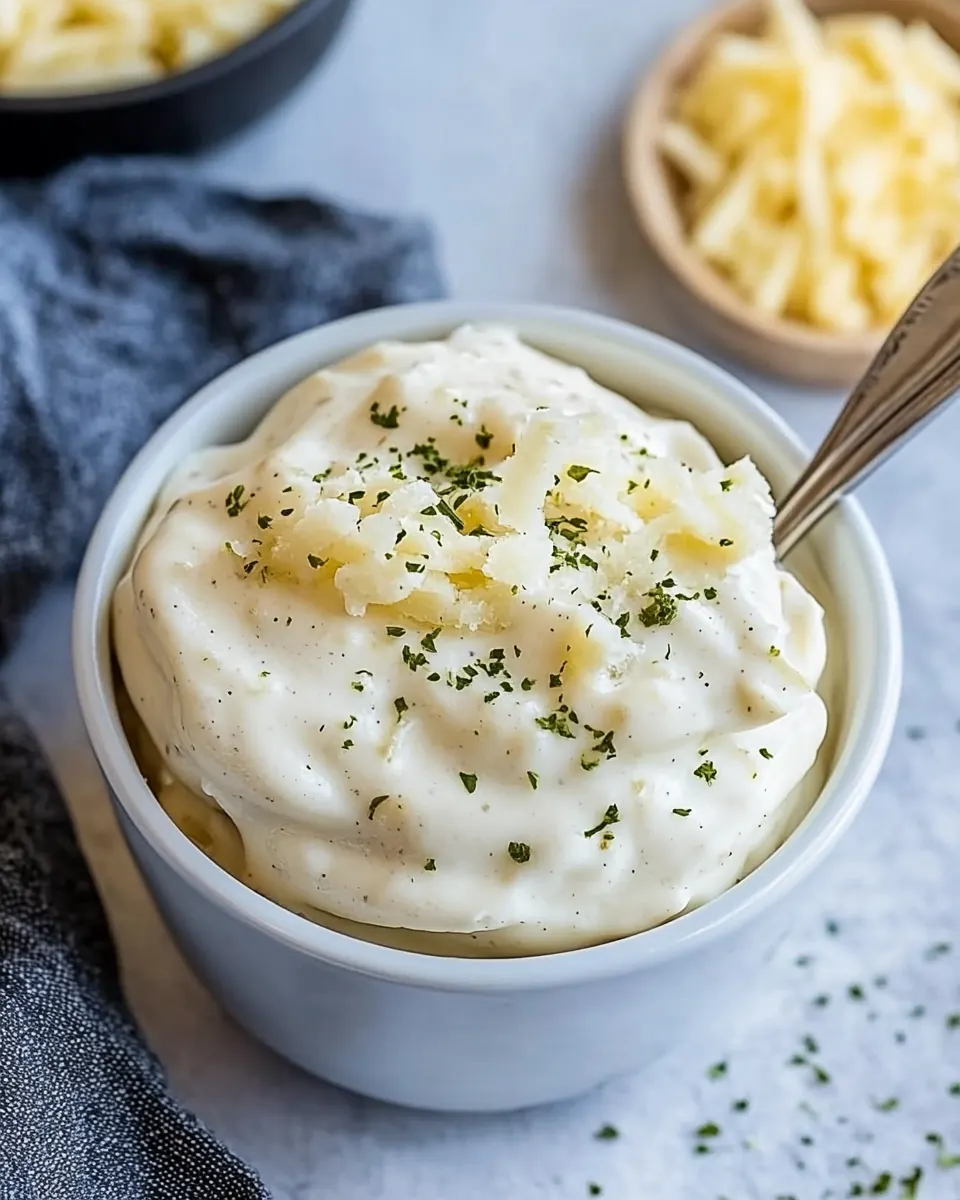
If you enjoy experimenting, there are gentle ways to vary this Horseradish Sauce without losing its character. Below are thoughtful ideas to tailor heat, texture, and pairing while keeping the core balance intact.
- Swap dairy for texture Use more or less crème fraîche or add a touch more mayonnaise to change mouthfeel and richness, which helps tame stronger horseradish.
- Fresh versus prepared Choose fresh grated horseradish for a brighter, sharper bite, but halve the <strong>amountstrong> compared to <strong>preparedstrong> to avoid overwhelming the sauce.
- Add chives at service Keep the chives separate for long storage, stirring them in just before presenting to maintain color and crispness.
- Tweaking heat Start with the lower suggested horseradish <strong>amountstrong> and increase after chilling, because pungency intensifies with time.
- Balance with acid A small extra splash of white vinegar can brighten a flat batch, add it incrementally while tasting.
- Boost umami Increase the Worcestershire sauce slightly if you want a deeper savory element, but mind the salt it adds.
- Make ahead strategy Prepare the base a day ahead, refrigerate, then finish with chives just before serving for peak freshness.
Great Combinations for <strong><strong>Horseradishstrong> Saucestrong>
This sauce is a small powerhouse that complements a range of dishes and occasions. Below are serving ideas, storage recommendations, and pairing suggestions to help you showcase it.
- Serve with roasted beef A classic pairing, the sauce cuts richness and adds brightness to slices of warm roasted beef, perfect for a dinner centerpiece.
- Use as a sandwich spread A thin smear of the sauce elevates hearty sandwiches and adds a creamy kick that plays well with sliced proteins and crunchy greens.
- Pair with steamed vegetables Drizzle a little over steamed vegetables like carrots or beets to add interest and counter sweetness with peppery heat.
- Plate for appetizers Offer the sauce alongside crudites or a charcuterie board as a bright, creamy dip that contrasts cured cheeses and savory bites.
- Occasion fit This sauce works well for casual lunches, dinner parties, holiday buffets, and special occasions where you want a punchy accompaniment without fuss.
- Storage tips Keep in an airtight container in the fridge. For longer storage, omit the chives and add them fresh just before serving.
- Seasonal pairing It is evergreen across seasons, from summer grills to winter roasts, because the sharpness helps cut through heavy dishes and complements lighter fare.
FAQ
Conclusion
What makes this Horseradish Sauce special is how a handful of simple ingredients yield a lively, layered condiment that lifts everything from roasted beef to crisp vegetables. Try making it a few hours ahead so the flavors can settle and meld, and you will notice a smoother, more integrated bite. It is approachable, fast, and endlessly useful, so give it a go the next time you want to add an easy, flavorful accent to your meal.
Horseradish Sauce
Equipment
- Small Bowl
- Whisk or spoon
- Measuring Spoons
Ingredients
- 1/2 cup crème fraîche, can substitute sour cream (crème fraîche is richer, thicker, and less tangy) Adds a rich, creamy base and silky texture while contributing a mild tang that balances the heat of horseradish; crème fraîche also helps stabilize the sauce and gives it a luxurious mouthfeel compared to thinner substitutes.
- 2 -3 tablespoons prepared horseradish, drained (depending on how strong you want it. NOTE: be sure to buy what's labeled "prepared" horseradish, not horseradish "sauce") Provides sharp, pungent heat and characteristic horseradish flavor; prepared horseradish adds concentrated bite and can be adjusted to taste by using the lower or higher end of the suggested amount.
- alternatively use 1 tablespoon finely grated fresh horseradish root (fresh is much more intense than prepared; use half the amount) Delivers intensely pungent, fresh heat and bright aromatic complexity when used; finely grated fresh root is much stronger than prepared and should be used sparingly to avoid overpowering the sauce.
- 2 tablespoons mayonnaise Contributes creaminess and a touch of fat that rounds out flavors and slightly mellows the sharpness of horseradish; mayonnaise helps bind the sauce components together for a smooth emulsion.
- 1 teaspoon white vinegar Introduces a bright, acidic note that lifts and balances the richness of the crème fraîche and mayonnaise; white vinegar sharpens flavors without discoloring the sauce.
- 1 teaspoon Dijon mustard Adds a subtle, tangy depth and gentle sharpness that complements the horseradish and vinegar; Dijon mustard also helps emulsify and bind the sauce.
- 1 teaspoon Worcestershire sauce Provides savory, umami complexity and a slightly tangy background note that enhances overall flavor; Worcestershire sauce contributes depth without altering the primary horseradish character.
- 1/4 teaspoons salt Seasoned to enhance and balance flavors by adding a subtle savory backbone; salt should be adjusted to taste to bring out other ingredients without salting overly.
- 1/8 teaspoon freshly ground black pepper Seasoned to provide a mild, aromatic heat and slight bitterness that brightens the sauce; freshly ground black pepper offers subtle spice and complexity when freshly cracked.
- 1 tablespoon finely chopped chives Adds a fresh, mild oniony flavor and bright green color while contributing delicate texture; finely chopped chives finish the sauce with a fresh herbal note.
Instructions
- Combine all ingredients in a small bowl, cover and refrigerate for at least 4 hours before serving. I recommend starting with 2 tablespoons of horseradish, taste it, and add an additional tablespoon if you prefer it stronger (note, that flavor will intensify the longer it sits). Will keep for up to a week or 2-3 weeks if you omit the chives and add them just before serving.: The aroma will be immediate, with the sharpness of the horseradish mingling with the lactic sweetness of the crème fraîche . Stirring releases the volatile oils from the horseradish , creating a bright, nasal tingle that subsides as the fat in the dairy coats those compounds. Use a small bowl so you can whisk efficiently and ensure uniform texture. If the mixture seems too loose, it likely means more liquid was present in your jarred horseradish ; drain next time. A common mistake here is overwhisking at high speed which can warm the sauce and mute the fresh flavors.
- Cover and refrigerate for at least 4 hours before serving: Cooling transforms the sauce, tempering the initial heat into a more nuanced bite and allowing flavors to marry. As it chills, the profile rounds out and the edges of the sharp horseradish mellow while the Dijon mustard and Worcestershire sauce deepen the base. The texture firms slightly, which helps the sauce cling to foods. Avoid serving it straight away unless you prefer a more aggressive heat, and do not store it uncovered to prevent flavor loss or absorption of fridge odors.
- I recommend starting with 2 tablespoons of horseradish, taste it, and add an additional tablespoon if you prefer it stronger: The tasting step is where you control the personality of the sauce. After the initial chill, sample a small amount with a neutral vehicle like a plain cracker or spoon, note the intensity, and adjust. Adding more horseradish will increase nasal heat and bite, but remember that the pungency will continue to bloom over time in the fridge. One pitfall is adding too much fresh horseradish at once; add in increments to avoid overpowering the sauce.
- note, that flavor will intensify the longer it sits: Time is an ingredient here. Over the next hours to days, the sharp compounds soften and integrate, often surprising you with a more complex experience. This is why I generally make the sauce ahead of any meal, letting the flavors settle. If you plan to store it longer, consider holding back the chives until service to preserve their color and snap. A mistake is judging the sauce only immediately after mixing, which may lead to unnecessary dilution later.
- Will keep for up to a week or 2-3 weeks if you omit the chives and add them just before serving: Storage affects freshness and texture. In my experience, omitting the chives for long storage keeps the color and prevents breakdown, while the base itself holds well in an airtight container for several days. Label the jar with the date and smell before using if kept beyond a week. The main error to avoid is storing it in a warm spot or an uncovered container, which can accelerate spoilage and flavor loss.
Notes
- Swap dairy for texture Use more or less crème fraîche or add a touch more mayonnaise to change mouthfeel and richness, which helps tame stronger horseradish.
- Fresh versus prepared Choose fresh grated horseradish for a brighter, sharper bite, but halve the amount compared to prepared to avoid overwhelming the sauce.
- Add chives at service Keep the chives separate for long storage, stirring them in just before presenting to maintain color and crispness.
- Tweaking heat Start with the lower suggested horseradish amount and increase after chilling, because pungency intensifies with time.
- Balance with acid A small extra splash of white vinegar can brighten a flat batch, add it incrementally while tasting.
- Boost umami Increase the Worcestershire sauce slightly if you want a deeper savory element, but mind the salt it adds.
- Make ahead strategy Prepare the base a day ahead, refrigerate, then finish with chives just before serving for peak freshness.