Shrimp Scampi Pasta
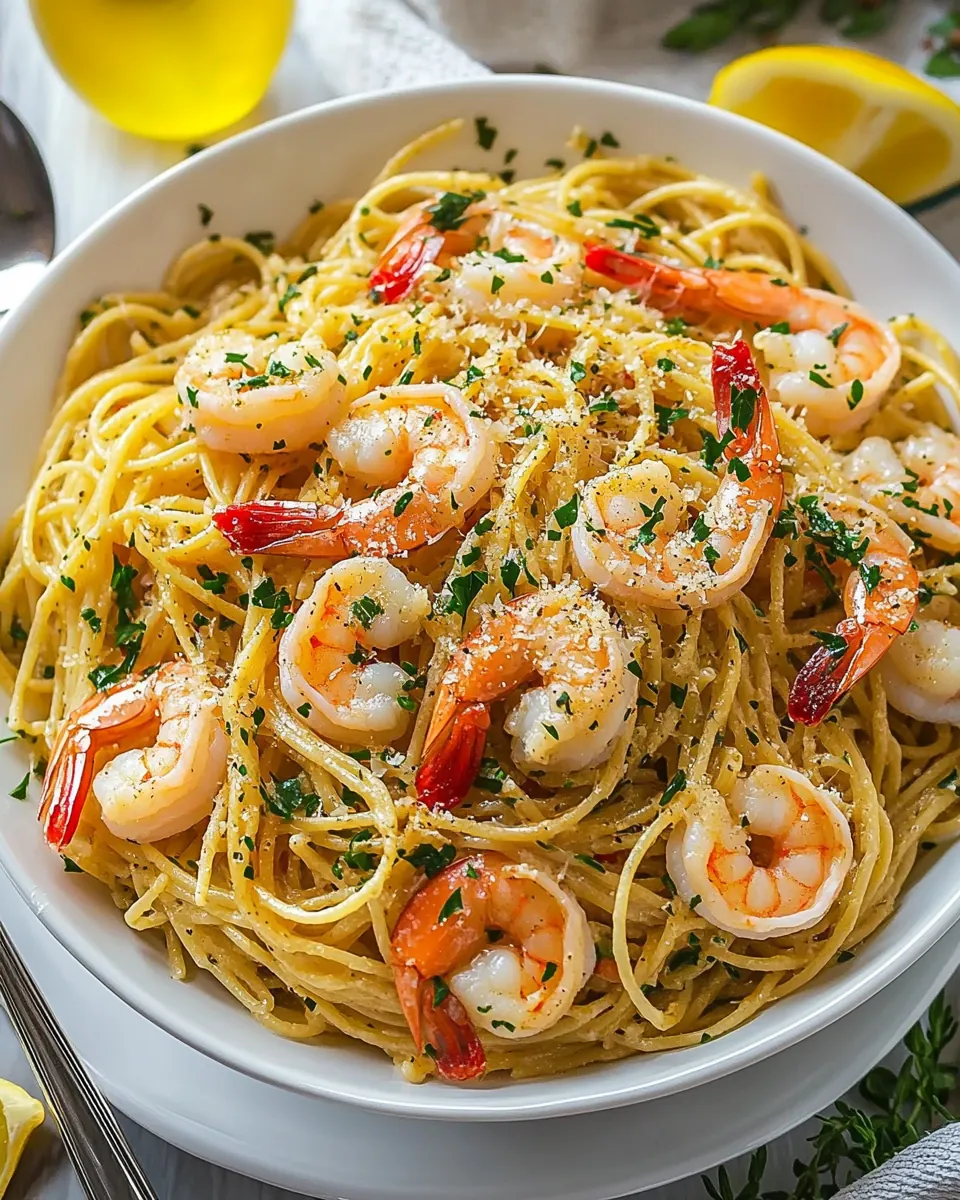
Shrimp Scampi Pasta has always been my go to when I want something that tastes restaurant level but comes together in a single pan and a pot of boiling water. The first time I made it for friends, I remember how the kitchen filled with bright citrus and sizzling garlic aromas while the shrimp curled into perfect little crescents. I loved watching people take a bite and close their eyes, and I still chase that reaction when I cook it now.
Over the years I have tweaked the balance between butter and olive oil, learned to time the spaghetti so it finishes right as the sauce comes together, and discovered that adding crisp asparagus brings a fresh snap that keeps every forkful lively. Sometimes I make it on a weeknight when time is tight, other times it becomes the centerpiece of a casual dinner with friends, plated with a generous sprinkle of freshly grated parmesan.
Recipe Snapshot
30 mins
10 mins
20 mins
Easy
400 kcal
Italian
Gluten-Free, AIP
Dinner
Large pot, Large deep pan, Colander, Tongs
What You’ll Enjoy About This Shrimp Scampi Pasta
Bright, Balanced Flavor
I love how Shrimp Scampi Pasta balances rich, buttery notes with zesty lemon and vibrant parsley. The dish sings because the garlic and lemon play off the sweetness of the shrimp, while a touch of red pepper flakes adds a wake up call. When I make it, I aim for that interplay of bright and savory, and it never fails to lift a simple bowl into something memorable.
Speed Without Sacrifice
One big reason I reach for this recipe is speed. You can have dinner on the table in about the time it takes to boil spaghetti. I often multitask, cooking the asparagus while the pasta boils, so nothing sits cold. The quick sauté keeps the shrimp tender, and because I keep the steps tight, the final plate tastes freshly made rather than hurried.
Textural Contrast
Textural differences make this recipe stand out. The al dente bite of the spaghetti against the crisp tender asparagus and the soft pop of shrimp creates interest in every forkful. I like plating it so you can see those contrasts, it makes the dish feel thoughtfully composed even when it came together quickly.
Flexible and Friendly
I appreciate how forgiving this recipe is. If my shrimp finish a little early, they keep warm off heat and stay juicy. If I want more brightness, I add a little extra fresh lemon juice. For company, I can easily scale the ingredients and the method still works, which has made it my go to when friends stop by unexpectedly.
Comfort with Elegance
Finally, Shrimp Scampi Pasta feels special without being fussy. It has the kind of comfort that doesn’t require heavy components, and the finishing touch of freshly grated parmesan elevates it. I love serving it when I want something homey but refined, and guests always ask for the recipe.
Ingredients Overview for Shrimp Scampi Pasta
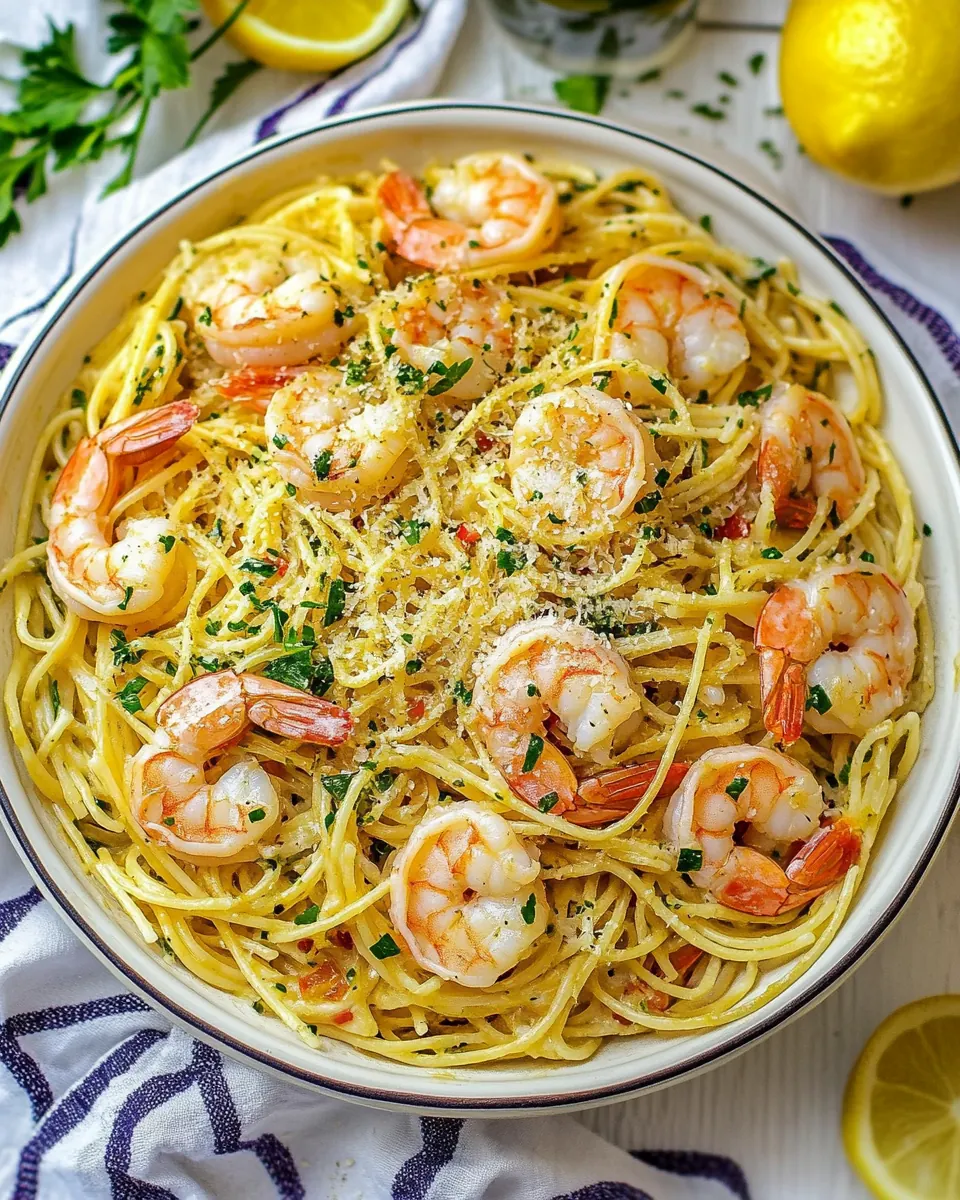
The ingredients here are a study in simplicity and partnership. Each item plays a clear role, from starchy spaghetti providing the base, to the bright finish of lemon juice and the herbaceous lift of parsley. Butter and olive oil form a glossy sauce that coats the pasta, while garlic and red pepper flakes bring warmth and depth. The shrimp are the star protein, and the asparagus gives a seasonal snap.
- 1/2 lbs spaghetti: Provide a starchy base that soaks up sauce and flavors; cook until al dente, then toss with shrimp and aromatics for a cohesive dish. Offer texture contrast to tender shrimp and crisp asparagus while carrying the lemony garlic sauce throughout the plate.
- 1 lb asparagus, trimmed and cut into 2″ pieces: Add bright, tender-crisp vegetable bites that contrast the pasta; trim and cut into uniform 2-inch pieces for even cooking. Contribute fresh green color, subtle sweetness, and a pleasant snap that complements the buttery, garlicky sauce.
- 3 tbsp unsalted butter, divided: Bring rich, creamy mouthfeel and help brown garlic for depth; divide so some melts for sauce finish and some is used for cooking. Enhance the sauce’s silkiness and balance the acidity of lemon while coating pasta and shrimp evenly.
- 3 tbsp olive oil, divided: Provide a fruity, savory cooking fat that helps sauté garlic and brown shrimp; divide to manage heat and flavor layering. Contribute aromatics and a lighter fat profile that rounds out butter and carries herbs through the sauce.
- 4 cloves garlic, minced (about 1 1/2 Tbsp): Infuse the dish with pungent aromatic flavor and savory depth when minced; sauté briefly to avoid bitterness and release fragrance. Build the garlicky backbone of the scampi, pairing especially well with butter, oil, and lemon.
- 1/4 tsp red pepper flakes, or added to taste: Introduce gentle heat and a subtle smoky kick; add sparingly and adjust to taste for desired spiciness. Lift the overall flavor profile and contrast the richness of butter and olive oil without overwhelming delicate shrimp.
- 1 lb large shrimp, peeled and deveined (16-20 or 21-25 count): Provide the primary protein with sweet, tender bites; peel and devein for clean texture and quick, even cooking appropriate for 16–25 count shrimp. Absorb the sauce flavors while offering a satisfying, briny contrast to pasta and asparagus.
- 1 1/4 tsp fine sea salt, divided, plus more for cooking pasta: Season the dish to enhance all flavors; divide between shrimp and pasta while reserving extra for pasta–cooking water. Help bring out natural sweetness of shrimp and balance the acidity of lemon juice throughout the sauce.
- 1/4 tsp black pepper, ground, or to taste: Add mild heat and savory complexity; grind fresh for best aroma and sprinkle to taste during cooking and finishing. Provide subtle spiciness that complements lemon and garlic without dominating delicate seafood notes.
- 1 tbsp grated lemon zest: Deliver bright citrus oils that intensify aroma and flavor; grate finely to avoid bitter pith and add just before serving for freshness. Layer concentrated lemon fragrance that enlivens the butter–garlic sauce and cuts through richness.
- 1/4 cup fresh lemon juice, from 1 large or 2 small lemons: Contribute vibrant acidity and tang that brightens the sauce; squeeze fresh lemons for the cleanest flavor and add gradually to taste. Balance butter and oil richness while bringing brightness that complements shrimp and asparagus.
- 1/3 cup fresh parsley, finely chopped: Offer fresh herbal brightness and a clean, slightly peppery finish when finely chopped; stir in at the end to preserve color and flavor. Provide a verdant accent that freshens the dish and ties together lemon, garlic, and seafood elements.
- freshly grated parmesan, to serve: Provide salty, savory finishing notes and umami when freshly grated over the plated dish; sprinkle just before serving for melting texture. Elevate depth and richness while harmonizing with butter and lemon to complete the scampi experience.
Preparation Steps for Shrimp Scampi Pasta
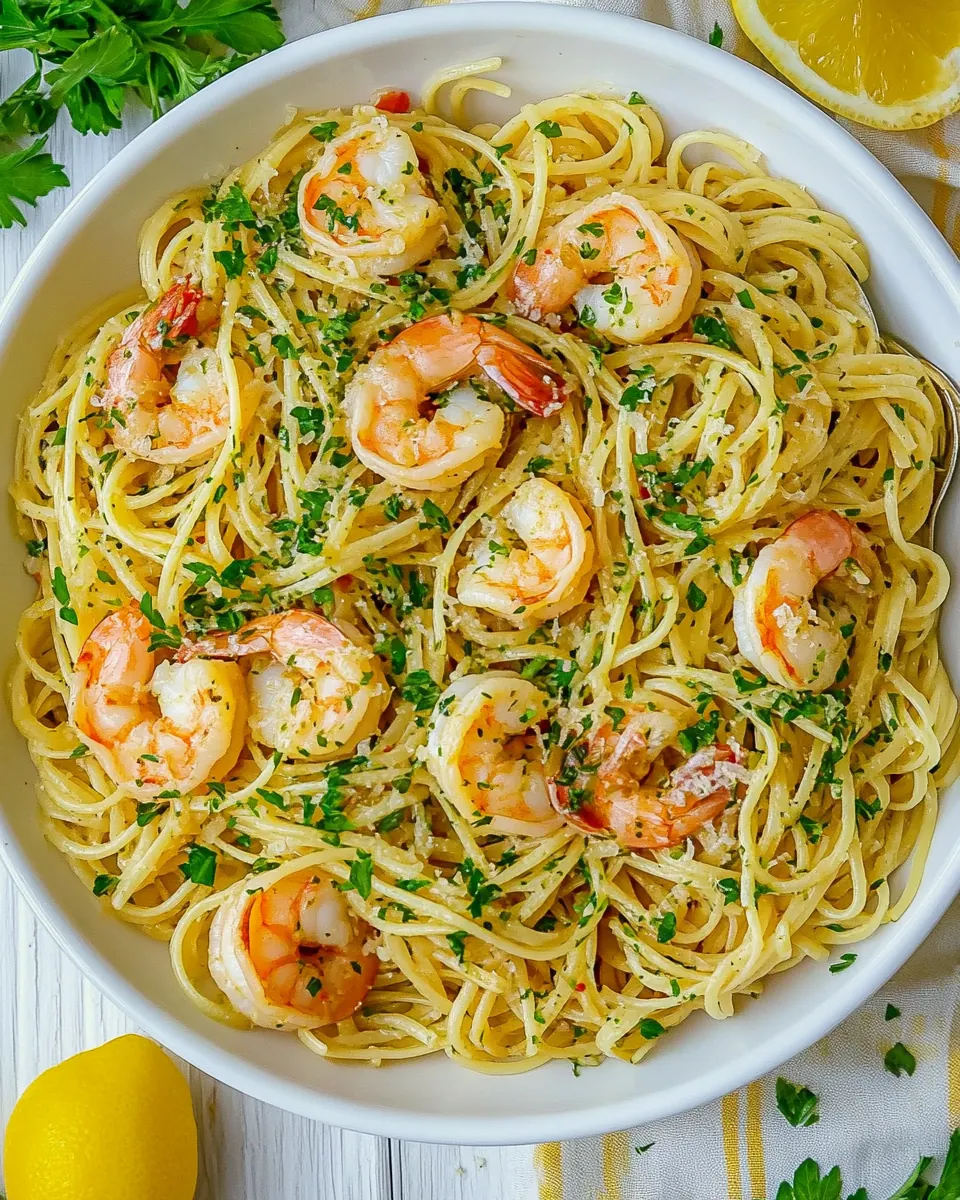
This recipe moves quickly, so I like to have everything measured and ready before I heat the pan. The directions below follow the original sequence, expanded with sensory clues, reasons behind each action, and one troubleshooting note per step to keep things seamless.
- Bring a large pot of water to a boil, add 1 Tbsp salt and 1 Tbsp olive oil, and cook pasta according to package instructions until Al'dente, or desired doneness (meanwhile, continue with recipe). Drain pasta, return to pot, and cover to keep warm.: Listen for the vigorous roar of the water before adding the spaghetti , the bubbles should be large and steady which indicates it is hot enough so the strands will not stick together. The starchy scent that rises as the pasta cooks is normal and signals that a little of that starch will help bind the sauce later. I salt the water liberally so the spaghetti is seasoned from within, and adding a touch of olive oil can help prevent foaming and sticking while you manage other steps. When you test for doneness, bite into a strand to check for a firm center, and aim for that slight chew, because it will continue to soften slightly when tossed with the sauce. A common pitfall is overcrowding the pot; if you do that, strands clump and cook unevenly.
- Place a large, deep pan over medium/high heat and add 1 Tbsp olive oil and 1 Tbsp butter. Add asparagus, season lightly with 1/4 tsp salt and 1/8 tsp pepper, and cook uncovered for 5 minutes or until crisp-tender, stirring occasionally. Remove from pan.: Once the fat is shimmering and the butter has melted with a gentle foam, add the asparagus ; you should hear a lively sizzle which means the surface will caramelize slightly. Stirring occasionally lets each piece get a flash of color without steaming, and the aroma will shift to a green, toasty note as the sugars begin to brown. Cook until the spears are verdant and yield to gentle pressure from a fork, this crisp tenderness keeps them lively against the soft spaghetti . If you cover the pan or cook at too low a temperature, the asparagus will become limp and lose its bright flavor.
- In the same hot skillet, add 2 Tbsp oil and 2 Tbsp butter. Once the butter is melted, add minced garlic and red pepper flakes if using, and sauté stirring frequently for 1 minute. Add shrimp in a single layer and season with 1 tsp salt and 1/4 tsp black pepper. Sauté until shrimp are pink and not translucent (about 1 minute per side). Be careful not to overcook or the shrimp will be tough.: As the second portion of fat warms, the smell of butter and olive oil combining becomes nutty and inviting, which is the perfect foundation for the pungent sweetness of the garlic . Sautéing the garlic for only about a minute releases its fragrance without letting it brown and turn bitter; you will notice its aroma bloom and then stabilize. Lay the shrimp in one layer so each piece makes contact with the hot pan, you should hear a crisp sizzle as they hit the surface; that sear locks in juices and yields pleasant caramelized edges. Watch closely as the shrimp transition from translucent to opaque and pink; they will curl and firm up, and at the right moment they will spring slightly when nudged. Overcooking is the classic mistake here, producing a rubbery texture instead of tender bites.
- Add lemon zest, juice, and parsley, and stir to combine. Turn off the heat and return the pasta and asparagus to the pan. Toss everything to combine and serve with freshly grated parmesan.: The moment you add the grated lemon zest and fresh lemon juice the pan brightens, releasing citrus oils that perfume the sauce and cut through the richness of the butter . The aroma becomes lifted and clean, and the chopped parsley introduces a fresh, green scent that rounds the profile. Turning off the heat before adding the spaghetti and asparagus prevents the shrimp from overcooking while the strands absorb the sauce. As you toss, you should see the glossy coating cling to the spaghetti , and steam will rise carrying a balanced mix of lemon, garlic, and butter. Finish by grating freshly grated parmesan over each portion so it melts slightly into the warm noodles for a savory, rounded finish. If you toss while the pan is too hot, the cheese can clump rather than melting evenly, so moderate the heat carefully.
How to Switch It Up
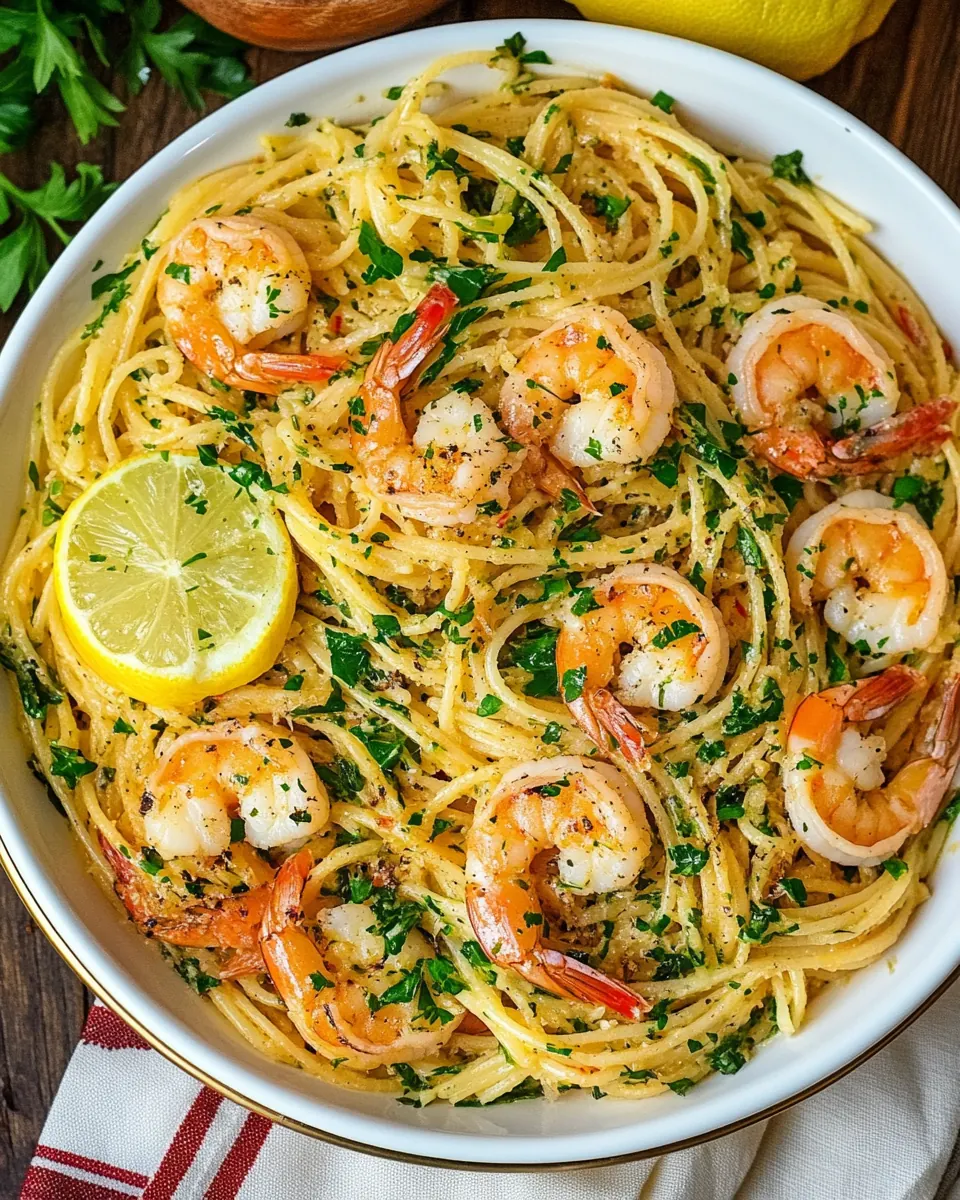
This section offers practical variations and small changes that keep the core identity of Shrimp Scampi Pasta intact while letting you tailor it to mood and pantry. Each tip starts with a bold phrase to make scanning easy.
- Boost the herb notes by stirring in extra chopped parsley at the end for a fresher finish that brightens every bite.
- Make it more lemon forward by adding an extra half tablespoon of freshly squeezed lemon juice right before serving for an uplifting zing.
- Adjust the heat by increasing or decreasing the amount of red pepper flakes, adding them early for a mellow warmth or at the end for more immediate spice.
- Swap the vegetable if asparagus is out of season, using similar quick cooking greens that match the texture, while keeping the cooking time short.
- Finish with extra richness by folding in an additional tablespoon of butter off the heat for a silkier, more luxurious sauce.
- Hold back some zest to sprinkle over plated bowls just before serving so the lemon aroma is bright and present.
Perfect Matches for Shrimp Scampi Pasta
Shrimp Scampi Pasta pairs beautifully with light sides and relaxed occasions where the flavors can shine. Serve it at a casual weeknight dinner or a spring gathering, and consider simple accompaniments that complement but do not overpower. Below are detailed serving ideas, storage suggestions, and seasonal notes in list form for easy reference.
- Light green salad: A crisp tossed salad with a lemon vinaigrette echoes the citrus notes of the dish and provides contrasting crunch, perfect for a spring dinner.
- Crusty bread: Warm, crusty bread is ideal for sopping up any leftover sauce, making the meal feel extra satisfying without adding complexity.
- Casual dinner party: Serve family style in a large shallow bowl, letting guests help themselves, which keeps the vibe informal and convivial.
- Storage tips: Cool leftovers quickly, store in an airtight container in the refrigerator, and reheat gently to avoid overcooking the shrimp; use low heat and a splash of water or reserved pasta water.
- Spring seasonal pairing: Lean into spring by serving alongside steamed spring vegetables or a simple pea puree for a seasonal harmony.
- Weeknight strategy: For an easy weeknight option, prep the asparagus and juice the lemons in advance so final assembly takes minimal time.
FAQ
Conclusion
This Shrimp Scampi Pasta stands out because of its bright lemon notes, garlicky richness, and the contrast of tender shrimp with crisp asparagus. Give it a try the next time you want a dinner that feels elevated but comes together quickly, and don’t be shy about adjusting the lemon or heat to suit your palate. Cooking it is a small ritual of timing and attention, and the reward is an effortlessly impressive bowl that tastes like you put in much more effort than you did.
Shrimp Scampi Pasta
Equipment
- Large Pot
- Large deep pan
- Colander
- Tongs
Ingredients
- 1/2 lbs spaghetti Provide a starchy base that soaks up sauce and flavors; cook until al dente, then toss with shrimp and aromatics for a cohesive dish. Offer texture contrast to tender shrimp and crisp asparagus while carrying the lemony garlic sauce throughout the plate.
- 1 lb asparagus, trimmed and cut into 2″ pieces Add bright, tender-crisp vegetable bites that contrast the pasta; trim and cut into uniform 2-inch pieces for even cooking. Contribute fresh green color, subtle sweetness, and a pleasant snap that complements the buttery, garlicky sauce.
- 3 tbsp unsalted butter, divided Bring rich, creamy mouthfeel and help brown garlic for depth; divide so some melts for sauce finish and some is used for cooking. Enhance the sauce’s silkiness and balance the acidity of lemon while coating pasta and shrimp evenly.
- 3 tbsp olive oil, divided Provide a fruity, savory cooking fat that helps sauté garlic and brown shrimp; divide to manage heat and flavor layering. Contribute aromatics and a lighter fat profile that rounds out butter and carries herbs through the sauce.
- 4 cloves garlic, minced (about 1 1/2 Tbsp) Infuse the dish with pungent aromatic flavor and savory depth when minced; sauté briefly to avoid bitterness and release fragrance. Build the garlicky backbone of the scampi, pairing especially well with butter, oil, and lemon.
- 1/4 tsp red pepper flakes, or added to taste Introduce gentle heat and a subtle smoky kick; add sparingly and adjust to taste for desired spiciness. Lift the overall flavor profile and contrast the richness of butter and olive oil without overwhelming delicate shrimp.
- 1 lb large shrimp, peeled and deveined (16-20 or 21-25 count) Provide the primary protein with sweet, tender bites; peel and devein for clean texture and quick, even cooking appropriate for 16–25 count shrimp. Absorb the sauce flavors while offering a satisfying, briny contrast to pasta and asparagus.
- 1 1/4 tsp fine sea salt, divided, plus more for cooking pasta Season the dish to enhance all flavors; divide between shrimp and pasta while reserving extra for pasta-cooking water. Help bring out natural sweetness of shrimp and balance the acidity of lemon juice throughout the sauce.
- 1/4 tsp black pepper, ground, or to taste Add mild heat and savory complexity; grind fresh for best aroma and sprinkle to taste during cooking and finishing. Provide subtle spiciness that complements lemon and garlic without dominating delicate seafood notes.
- 1 tbsp grated lemon zest Deliver bright citrus oils that intensify aroma and flavor; grate finely to avoid bitter pith and add just before serving for freshness. Layer concentrated lemon fragrance that enlivens the butter-garlic sauce and cuts through richness.
- 1/4 cup fresh lemon juice, from 1 large or 2 small lemons Contribute vibrant acidity and tang that brightens the sauce; squeeze fresh lemons for the cleanest flavor and add gradually to taste. Balance butter and oil richness while bringing brightness that complements shrimp and asparagus.
- 1/3 cup fresh parsley, finely chopped Offer fresh herbal brightness and a clean, slightly peppery finish when finely chopped; stir in at the end to preserve color and flavor. Provide a verdant accent that freshens the dish and ties together lemon, garlic, and seafood elements.
- freshly grated parmesan, to serve Provide salty, savory finishing notes and umami when freshly grated over the plated dish; sprinkle just before serving for melting texture. Elevate depth and richness while harmonizing with butter and lemon to complete the scampi experience.
Instructions
- Bring a large pot of water to a boil, add 1 Tbsp salt and 1 Tbsp olive oil, and cook pasta according to package instructions until Al'dente, or desired doneness (meanwhile, continue with recipe). Drain pasta, return to pot, and cover to keep warm.: Listen for the vigorous roar of the water before adding the spaghetti , the bubbles should be large and steady which indicates it is hot enough so the strands will not stick together. The starchy scent that rises as the pasta cooks is normal and signals that a little of that starch will help bind the sauce later. I salt the water liberally so the spaghetti is seasoned from within, and adding a touch of olive oil can help prevent foaming and sticking while you manage other steps. When you test for doneness, bite into a strand to check for a firm center, and aim for that slight chew, because it will continue to soften slightly when tossed with the sauce. A common pitfall is overcrowding the pot; if you do that, strands clump and cook unevenly.
- Place a large, deep pan over medium/high heat and add 1 Tbsp olive oil and 1 Tbsp butter. Add asparagus, season lightly with 1/4 tsp salt and 1/8 tsp pepper, and cook uncovered for 5 minutes or until crisp-tender, stirring occasionally. Remove from pan.: Once the fat is shimmering and the butter has melted with a gentle foam, add the asparagus ; you should hear a lively sizzle which means the surface will caramelize slightly. Stirring occasionally lets each piece get a flash of color without steaming, and the aroma will shift to a green, toasty note as the sugars begin to brown. Cook until the spears are verdant and yield to gentle pressure from a fork, this crisp tenderness keeps them lively against the soft spaghetti . If you cover the pan or cook at too low a temperature, the asparagus will become limp and lose its bright flavor.
- In the same hot skillet, add 2 Tbsp oil and 2 Tbsp butter. Once the butter is melted, add minced garlic and red pepper flakes if using, and sauté stirring frequently for 1 minute. Add shrimp in a single layer and season with 1 tsp salt and 1/4 tsp black pepper. Sauté until shrimp are pink and not translucent (about 1 minute per side). Be careful not to overcook or the shrimp will be tough.: As the second portion of fat warms, the smell of butter and olive oil combining becomes nutty and inviting, which is the perfect foundation for the pungent sweetness of the garlic . Sautéing the garlic for only about a minute releases its fragrance without letting it brown and turn bitter; you will notice its aroma bloom and then stabilize. Lay the shrimp in one layer so each piece makes contact with the hot pan, you should hear a crisp sizzle as they hit the surface; that sear locks in juices and yields pleasant caramelized edges. Watch closely as the shrimp transition from translucent to opaque and pink; they will curl and firm up, and at the right moment they will spring slightly when nudged. Overcooking is the classic mistake here, producing a rubbery texture instead of tender bites.
- Add lemon zest, juice, and parsley, and stir to combine. Turn off the heat and return the pasta and asparagus to the pan. Toss everything to combine and serve with freshly grated parmesan.: The moment you add the grated lemon zest and fresh lemon juice the pan brightens, releasing citrus oils that perfume the sauce and cut through the richness of the butter . The aroma becomes lifted and clean, and the chopped parsley introduces a fresh, green scent that rounds the profile. Turning off the heat before adding the spaghetti and asparagus prevents the shrimp from overcooking while the strands absorb the sauce. As you toss, you should see the glossy coating cling to the spaghetti , and steam will rise carrying a balanced mix of lemon, garlic, and butter. Finish by grating freshly grated parmesan over each portion so it melts slightly into the warm noodles for a savory, rounded finish. If you toss while the pan is too hot, the cheese can clump rather than melting evenly, so moderate the heat carefully.
Notes
- Boost the herb notes by stirring in extra chopped parsley at the end for a fresher finish that brightens every bite.
- Make it more lemon forward by adding an extra half tablespoon of freshly squeezed lemon juice right before serving for an uplifting zing.
- Adjust the heat by increasing or decreasing the amount of red pepper flakes, adding them early for a mellow warmth or at the end for more immediate spice.
- Swap the vegetable if asparagus is out of season, using similar quick cooking greens that match the texture, while keeping the cooking time short.
- Finish with extra richness by folding in an additional tablespoon of butter off the heat for a silkier, more luxurious sauce.
- Hold back some zest to sprinkle over plated bowls just before serving so the lemon aroma is bright and present.