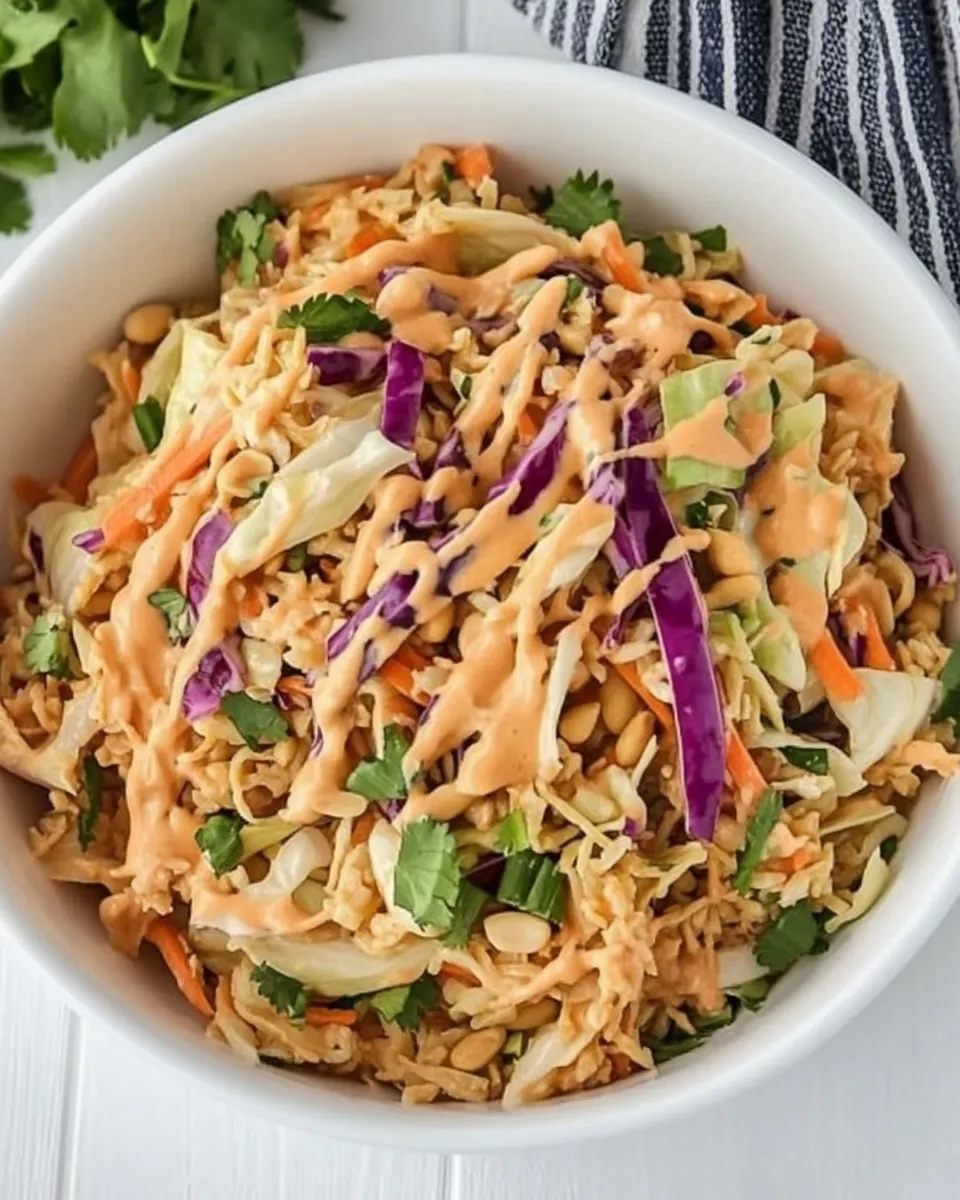
Ramen Cabbage Salad with Peanut Dressing
Ramen Cabbage Salad with Peanut Dressing became my go to when I needed something bright, crunchy, and a little bit daring for a weeknight crowd.
I remember the first time I tossed together a bag of cole slaw mix with torn purple cabbage and a punchy peanut dressing, feeling instantly relieved that bold flavor did not require hours or fuss. That night a neighbor popped in, and we both kept reaching for more of the bowl; the textures were addicting, the dressing was creamy yet tangy, and the little crunch of crushed ramen noodles gave it that snackable quality I love. Ever since, I keep the components on hand for a last minute potluck or a light dinner when I want something satisfying without turning the stove on.
Over time I learned small swaps that elevate this salad every time, like toasting the sliced almonds until fragrant, or swapping in more cilantro when summer herbs are at their best. I also appreciate that this recipe is forgiving; the dressing thickness can be adjusted with water and the sweetness balanced with more or less maple syrup or honey. It’s one of those dishes I reach for when I want simple ingredients to sing together, and you will find it keeps beautifully in the fridge if you pack the dressing separately.
Recipe Snapshot
20 mins
20 mins
Easy
250 kcal
American
Vegan, Gluten-Free
Salads
Large bowl, Small mixing bowl, Whisk, Knife, Cutting board
The Magic of This Ramen Cabbage Salad with Peanut Dressing
Crunch that keeps you coming back
I love that Ramen Cabbage Salad with Peanut Dressing is unapologetically textural. The crispness of the cole slaw mix and purple cabbage contrasts with the creamy peanut butter dressing, and the crushed ramen noodles add a playful, toasty crunch. That combination makes every bite interesting, and I often find myself eating the bowl straight from the fridge between meals.
Flavor layers that are simple but smart
The dressing balances nutty, tangy, sweet, and spicy notes, so you do not need a dozen components to achieve complexity. I like how the lime juice and rice vinegar give lift, while the soy sauce adds savory depth. A touch of maple syrup or honey softens the edges, and a pinch of red pepper flakes wakes it up. Each element plays a clear role, so small tweaks make dramatic improvements.
Fast, friendly, and crowd ready
This is an effortless recipe to scale. I have brought it to picnics and casual gatherings because it travels well and stays vibrant. You can toss it right before serving, or let it sit a bit so the flavors meld. Either way, guests always ask for the recipe, which is the highest compliment a cook can get in my book.
Flexible and pantry smart
What I appreciate most is how forgiving the salad is with pantry items. If you have natural creamy peanut butter and a pack of ramen noodles, you are nearly there. For texture variations, sliced almonds or peanuts both work. It is a recipe that rewards creativity without demanding strict precision.
Healthy, satisfying, and colorful
Finally, I love that this salad is vibrant on the plate and feels nourishing. The heaps of cabbage and fresh cilantro make it visually appealing and full of fiber, while the peanut dressing provides satiating fat and flavor. It is one of those rare recipes that feels both indulgent and balanced, and that is why I keep coming back to it.
Key Ingredients for Ramen Cabbage Salad with Peanut Dressing
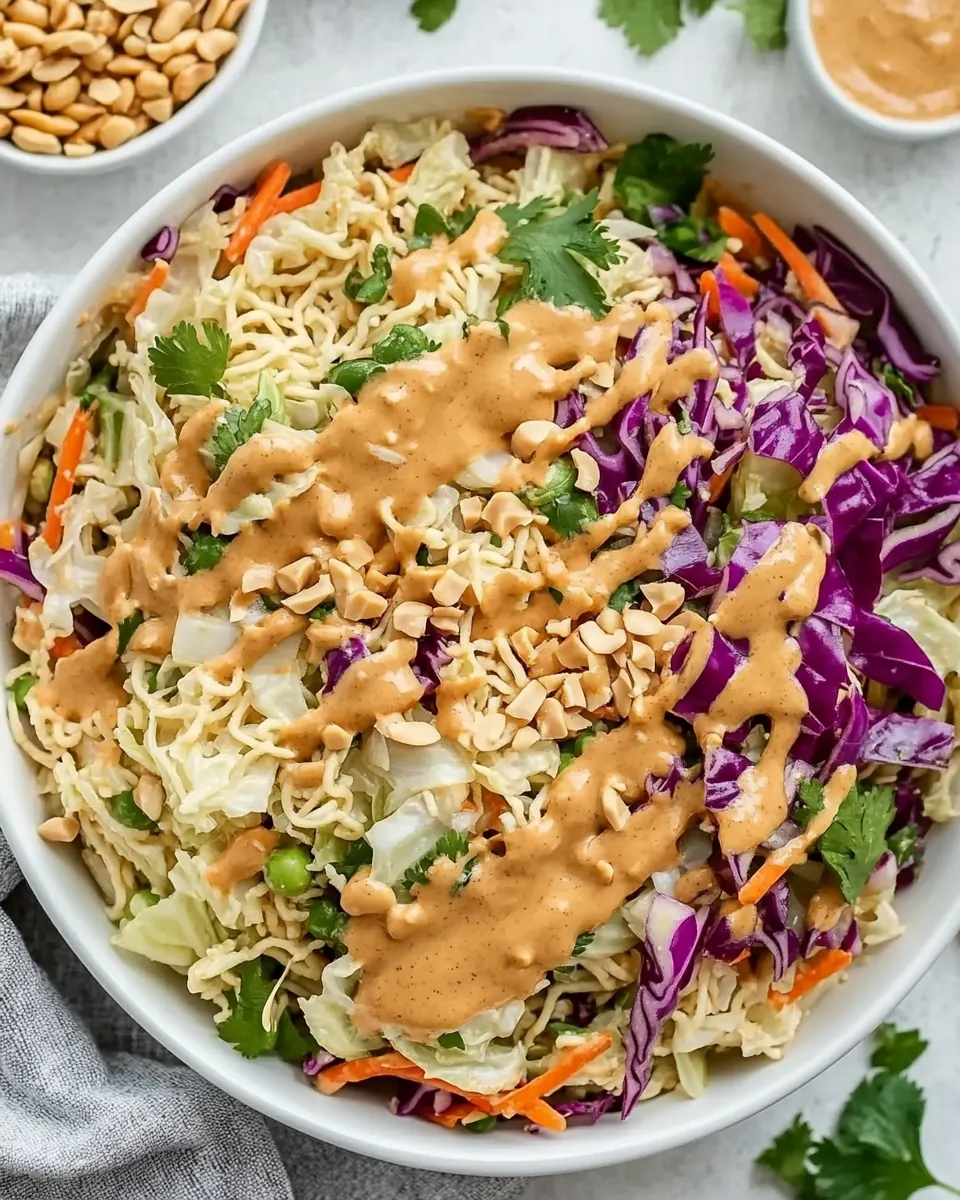
This salad is a study in harmony between bold textures and straightforward flavors. The key players bring crunch, creaminess, and brightness so every forkful is layered and memorable. I choose ingredients that are pantry friendly, season friendly, and forgiving, so you can make this whenever you need something fast that still feels special.
- 1 bag cole slaw mix (16 oz.), chopped: Adds a crunchy, mild base that blends shredded cabbage and carrots for texture and bulk in the salad; holds dressing well and provides a familiar coleslaw foundation.
- 1/2 head of purple cabbage, chopped: Provides vibrant color and a slightly peppery crunch that contrasts the cole slaw mix; enhances visual appeal and adds firm cabbage texture.
- 2 3 green onions, chopped: Offers a mild oniony bite and fresh herbaceous note when scattered through the salad; delivers sharpness without overpowering other flavors.
- 1/2 cup cilantro, chopped: Contributes bright, citrusy herbal freshness that lifts the dressing and adds flecks of green; balances richness with aromatic nuance.
- 1/2 c sliced almonds: Supplies a toasty, nutty crunch and subtle richness that complements the peanut dressing; adds mouthfeel and nut-forward flavor.
- 1 package ramen noodles (3 oz.): Introduces a crunchy, toasted noodle element when broken and toasted, creating a signature ramen salad crunch and slightly wheaty note.
- 1/3 cup natural creamy peanut butter: Creates a creamy, nutty base for the dressing that binds liquids and adds depth of peanut flavor for savory-sweet balance.
- 2 T vegetable oil: Provides a neutral frying note and helps emulsify the dressing; contributes subtle richness and assists in toasting the ramen if used.
- 2 T lime juice: Adds bright acidity and citrus tang to balance the peanut butter’s richness and bring lively flavor to the dressing.
- 1 T rice vinegar: Delivers gentle acidity and mild sweetness that rounds the dressing’s flavor profile and enhances tangy complexity.
- 1 T soy sauce, or Tamari for gluten free option: Imparts savory umami and saltiness to amplify flavors; offers a gluten–free option when using Tamari for dietary needs.
- 2 garlic cloves, minced: Adds pungent aromatics and sharp savory depth that brighten the dressing and complement the peanut and ginger components.
- 2 3 T maple syrup or honey: Introduces natural sweetness to counterbalance savory and acidic elements; helps thin and glaze the dressing slightly.
- 1/2 tsp freshly minced ginger, ground ginger will work too: Provides warm, aromatic spice that complements the garlic and peanut flavors; fresh ginger gives brightness while ground works as an alternative.
- 1/4 1/2 tsp red pepper flakes: Adds heat and a lingering spicy kick to the dressing; allows control over spiciness to suit personal taste preferences.
- Sea salt: Allows for seasoning to taste and balancing of flavors; enhances and rounds out the overall profile when used sparingly.
- Pepper: Provides subtle background heat and flavor contrast when freshly ground; used to finish and season the salad to taste.
- 3 T water, more or less as needed: Thins the peanut dressing to desired consistency and helps emulsify ingredients while allowing adjustment for pourability.
Making Ramen Cabbage Salad with Peanut Dressing
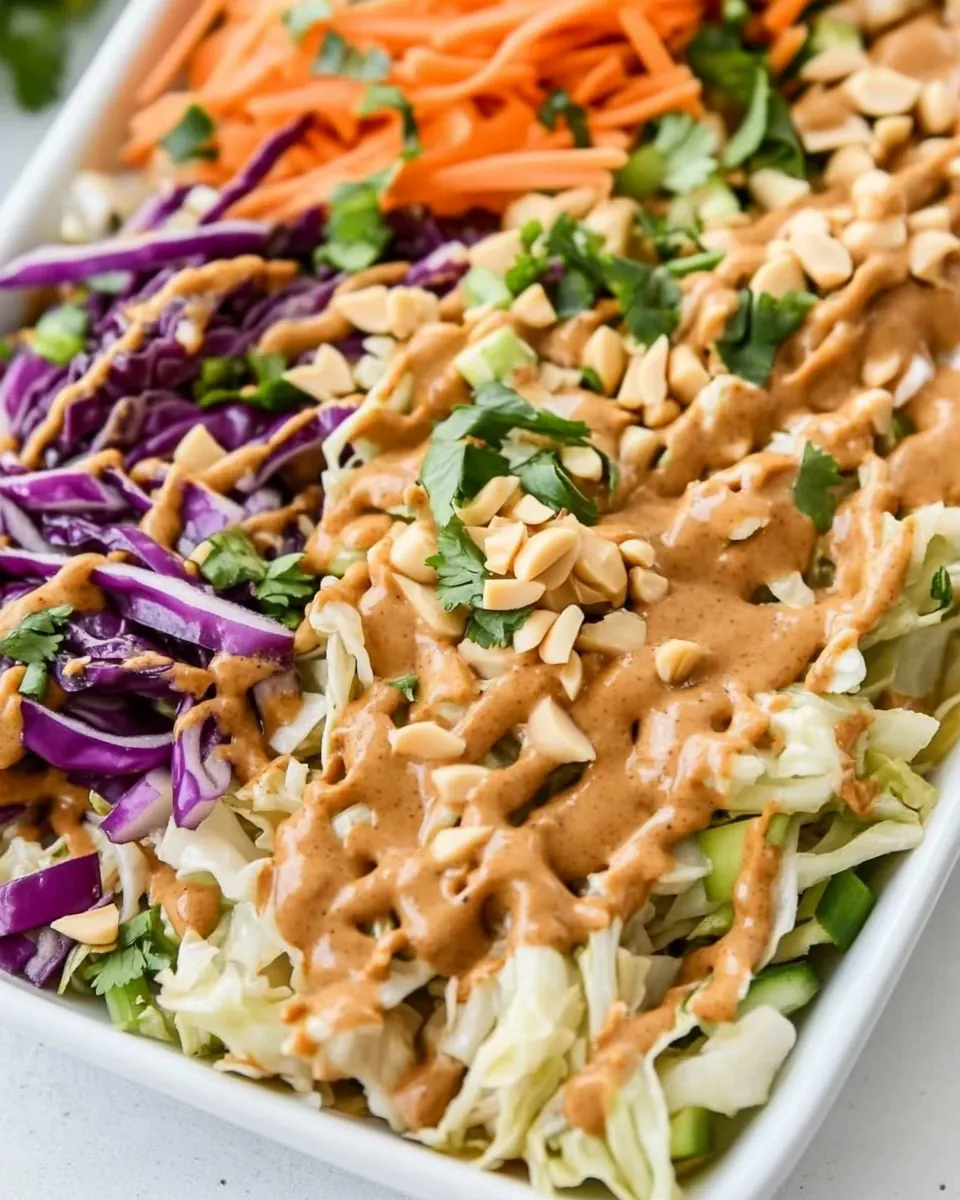
I like to approach the assembly with a relaxed rhythm, prepping the crunchy elements first and bringing the dressing together while the vegetables rest. This keeps textures pristine and ensures the flavors layer properly. Below I expand each step into detailed sensory cues, why the technique matters, and a troubleshooting tip so you feel confident.
- Chop/cut vegetables accordingly and combine in a large bowl. Toss to combine.: The first sensory cue you will notice is the bright, vegetal scent when the cole slaw mix and purple cabbage hit the bowl, with leaves rustling and a faint metallic tang from the knife. Visually, aim for uniform pieces so every bite includes both tender and crisp elements, which helps the dressing adhere evenly. Use a wide bowl so you can toss without bruising the herbs. Why this matters, even pieces allow balanced mouthfeel and consistent flavor distribution. Common mistake to avoid, leaving large chunks that make the salad difficult to eat and unevenly dressed. If your green onions and cilantro are added now, they will mellow; add a portion later to preserve brightness.
- For the dressing, whisk all ingredients together aside from the water in a small mixing bowl. Add water to thin out if desired.: As you whisk the creamy peanut butter , vegetable oil , lime juice , and rice vinegar , you will see the mixture become glossy and slightly thick; this sheen is a sign the oils are emulsifying with the acidic components. Smell the garlic and ginger rise through the nutty base, signaling the dressing is building complexity. Why this matters, creating a stable emulsion ensures the dressing clings to the vegetables rather than pooling at the bottom. Troubleshooting tip, if the dressing resists combining, add a teaspoon of warm water and whisk vigorously until smooth. Avoid adding the water too early, as it makes measuring the final thickness harder.
- Either pour dressing over salad and toss to combine, or wait until ready to serve to add dressing. (Add desired amount of dressing, you don't have to use the entire amount.) Toss in crushed up ramen noodles and peanuts just before serving. Top with extra cilantro for garnish.: Once the dressing is emulsified, you will test the texture by letting a small amount run from the spoon; it should coat the back without sliding off too quickly. Add 3 T water gradually and whisk until you achieve a pourable consistency that will lightly coat the salad. The reason this step matters is that a properly thinned dressing distributes evenly and enhances mouthfeel without saturating the leaves. Common mistake, over thinning which dilutes the flavors and leaves the salad watery. If that happens, rebalance with a touch more peanut butter or maple syrup to restore richness and sweetness.
- Refrigerate leftovers in sealed containers.: When you pour the dressing over the vegetables, listen for the soft swish as it hits the bowl and watch the leaves take on a light sheen. Tossing should be gentle and thorough, lifting from the bottom to coat all pieces without bruising delicate herbs. Why this choice matters, dressing immediately softens textures and melds flavors, while waiting preserves maximum crunch. A common mistake is over tossing, which can make the salad limp. If you want to keep the crispest texture, reserve some dressing to add tableside.
- Toss in crushed up ramen noodles and peanuts just before serving.: The moment you add the crushed ramen noodles and sliced almonds you will hear a satisfying crackle, and the contrast between creamy dressing and crisp topping is immediate. Add them right before eating so they stay crunchy, offering a toasty note that brightens each forkful. Why this matters, the contrast in textures makes the salad exciting and prevents sogginess. Troubleshooting tip, if added too early the noodles will soften; store toppers separately if you plan to refrigerate leftovers.
- Top with extra cilantro for garnish.: A final scatter of roughly chopped cilantro adds a fresh herbal aroma and visual pop, making the dish feel composed. The final garnish should be added just before serving so the herb retains its color and fragrance. Why this matters, fresh herbs lift the heavier elements and provide a finish that feels lively. Mistake to avoid, chopping the cilantro too fine which can cause it to wilt quickly; coarse chopping preserves texture and aroma.
- Refrigerate leftovers in sealed containers.: Leftover salads benefit from airtight storage to preserve flavor and reduce oxidation of the cabbage. Refrigeration calms the dressing and keeps the vegetables crisp for longer, and chilled bowls often taste more cohesive the next day. Why this matters, proper storage extends shelf life and retains texture. Common error, storing salad already tossed with crunchy toppings which will become soggy; store toppings separately and add them when ready to eat.
Tips and Tricks about Ramen Cabbage Salad with Peanut Dressing
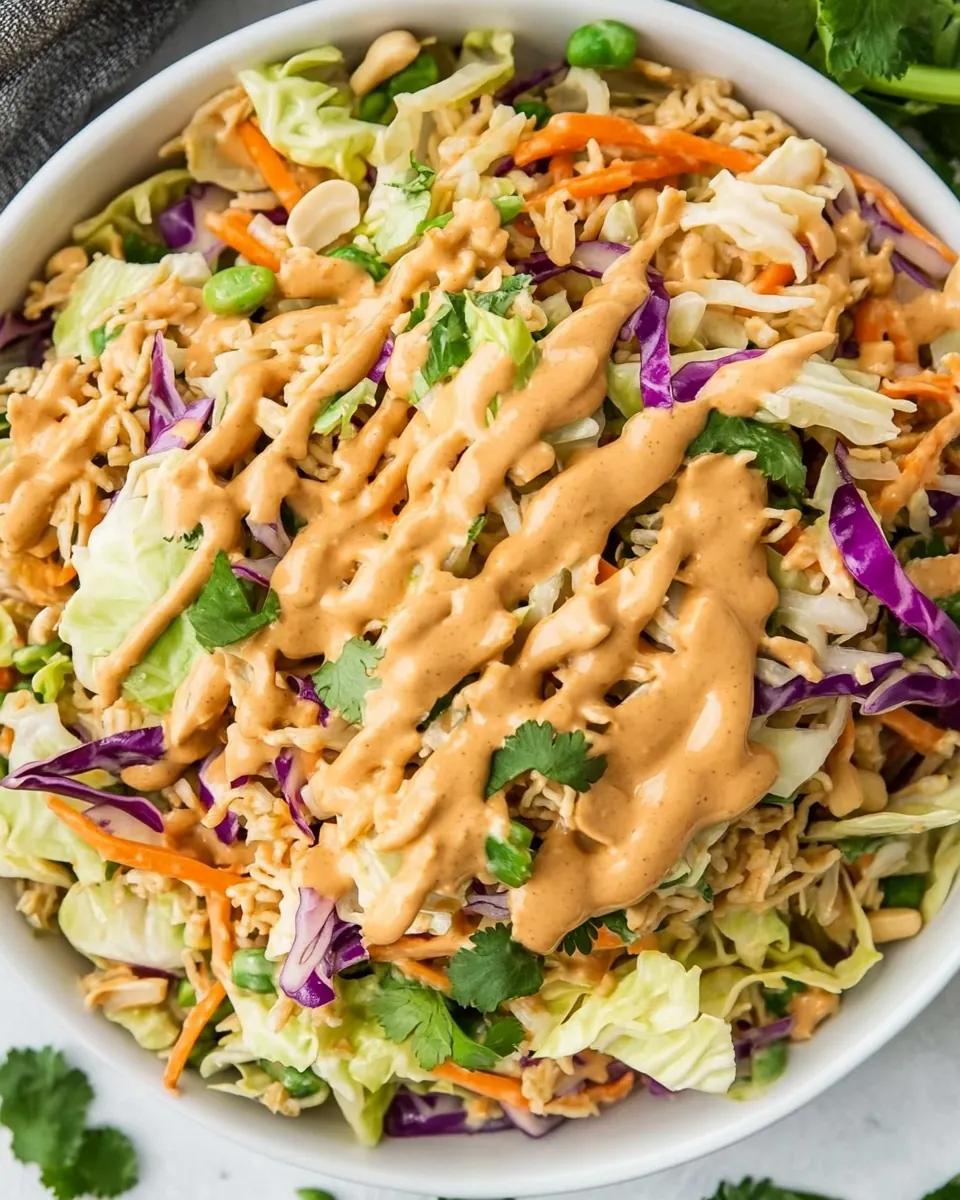
I like to keep a handful of shortcuts and little hacks in my back pocket for this salad, because small adjustments make a big difference in texture and flavor. Below are practical tips that will help you customize and streamline the process for any occasion.
- Prep tip: Buy pre chopped cole slaw mix to save time, it gives consistent shreds and reduces hands on chopping.
- Dressing consistency: If your peanut butter is stiff, whisk it with a tablespoon of warm water first before adding the acidic ingredients so it becomes easier to emulsify.
- Crunch preservation: Store the crushed ramen noodles and sliced almonds separately in a sealed container to keep them crisp until serving.
- Salt control: Taste the dressing before adding extra sea salt since the soy sauce contributes substantial saltiness already.
- Herb freshness: Add most of the cilantro right before serving to preserve its vibrant color and aromatic lift.
Great Combinations for Ramen Cabbage Salad with Peanut Dressing
This salad is versatile enough for casual lunches, potlucks, or as a bright side at dinner. Below are serving ideas and pairing suggestions that highlight different ways to enjoy the recipe across seasons and occasions.
- Weeknight dinner: Serve a generous bowl of the salad alongside a simple grain like steamed rice for a light, balanced meal. The peanut butter dressing offers enough richness to satisfy without needing heavy sides.
- Potluck favorite: Pack the dressing and crunchy toppings separately and toss on site for maximum texture. This keeps the ramen noodles crisp and the salad looking vibrant when it hits the table.
- Make it a meal: Add cooked protein at serving, such as grilled chicken or tofu if you want a heartier plate; place the protein on the side so guests can portion as they like.
- Seasonal pairing: In warmer months, double the cilantro and serve chilled; in cooler months, keep the salad slightly room temperature so the dressing feels more comforting.
- Storage and leftovers: Store the salad in an airtight container without the crunchy toppings for up to three days. Re toss with fresh crushed ramen noodles and sliced almonds at serving to restore texture.
- Occasion idea: This salad works well for Ramadan if you are seeking a light, refreshing option to break the fast, pairing nicely with warm soups or simple grilled mains.
FAQ
Conclusion
This salad stands out because it layers crunchy textures with a creamy, tangy peanut dressing that is both simple and bold. Try making it for a quick weeknight dinner or to bring to a gathering, you will find it easy to scale and endlessly adaptable. The crisp cabbage, toasted almonds, and crushed ramen deliver a satisfying contrast in every bite, and once you taste it you may reach for this recipe whenever you want something bright and effortless.
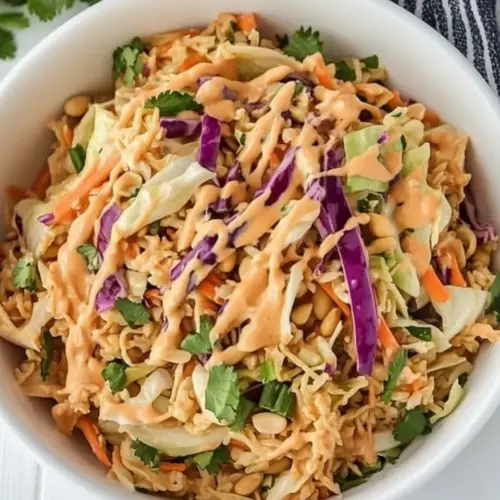
Ramen Cabbage Salad with Peanut Dressing
Equipment
- Large Bowl
- Small mixing bowl
- Whisk
- Knife
- Cutting Board
Ingredients
- 1 bag cole slaw mix (16 oz.), chopped Adds a crunchy, mild base that blends shredded cabbage and carrots for texture and bulk in the salad; holds dressing well and provides a familiar coleslaw foundation.
- 1/2 head of purple cabbage, chopped Provides vibrant color and a slightly peppery crunch that contrasts the cole slaw mix; enhances visual appeal and adds firm cabbage texture.
- 2 -3 green onions, chopped Offers a mild oniony bite and fresh herbaceous note when scattered through the salad; delivers sharpness without overpowering other flavors.
- 1/2 cup cilantro, chopped Contributes bright, citrusy herbal freshness that lifts the dressing and adds flecks of green; balances richness with aromatic nuance.
- 1/2 c sliced almonds Supplies a toasty, nutty crunch and subtle richness that complements the peanut dressing; adds mouthfeel and nut-forward flavor.
- 1 package ramen noodles (3 oz.) Introduces a crunchy, toasted noodle element when broken and toasted, creating a signature ramen salad crunch and slightly wheaty note.
- 1/3 cup natural creamy peanut butter Creates a creamy, nutty base for the dressing that binds liquids and adds depth of peanut flavor for savory-sweet balance.
- 2 T vegetable oil Provides a neutral frying note and helps emulsify the dressing; contributes subtle richness and assists in toasting the ramen if used.
- 2 T lime juice Adds bright acidity and citrus tang to balance the peanut butter’s richness and bring lively flavor to the dressing.
- 1 T rice vinegar Delivers gentle acidity and mild sweetness that rounds the dressing’s flavor profile and enhances tangy complexity.
- 1 T soy sauce, or Tamari for gluten free option Imparts savory umami and saltiness to amplify flavors; offers a gluten-free option when using Tamari for dietary needs.
- 2 garlic cloves, minced Adds pungent aromatics and sharp savory depth that brighten the dressing and complement the peanut and ginger components.
- 2 -3 T maple syrup or honey Introduces natural sweetness to counterbalance savory and acidic elements; helps thin and glaze the dressing slightly.
- 1/2 tsp freshly minced ginger, ground ginger will work too Provides warm, aromatic spice that complements the garlic and peanut flavors; fresh ginger gives brightness while ground works as an alternative.
- 1/4 -1/2 tsp red pepper flakes Adds heat and a lingering spicy kick to the dressing; allows control over spiciness to suit personal taste preferences.
- Sea salt Allows for seasoning to taste and balancing of flavors; enhances and rounds out the overall profile when used sparingly.
- Pepper Provides subtle background heat and flavor contrast when freshly ground; used to finish and season the salad to taste.
- 3 T water, more or less as needed Thins the peanut dressing to desired consistency and helps emulsify ingredients while allowing adjustment for pourability.
Instructions
- Chop/cut vegetables accordingly and combine in a large bowl. Toss to combine.: The first sensory cue you will notice is the bright, vegetal scent when the cole slaw mix and purple cabbage hit the bowl, with leaves rustling and a faint metallic tang from the knife. Visually, aim for uniform pieces so every bite includes both tender and crisp elements, which helps the dressing adhere evenly. Use a wide bowl so you can toss without bruising the herbs. Why this matters, even pieces allow balanced mouthfeel and consistent flavor distribution. Common mistake to avoid, leaving large chunks that make the salad difficult to eat and unevenly dressed. If your green onions and cilantro are added now, they will mellow; add a portion later to preserve brightness.
- For the dressing, whisk all ingredients together aside from the water in a small mixing bowl. Add water to thin out if desired.: As you whisk the creamy peanut butter , vegetable oil , lime juice , and rice vinegar , you will see the mixture become glossy and slightly thick; this sheen is a sign the oils are emulsifying with the acidic components. Smell the garlic and ginger rise through the nutty base, signaling the dressing is building complexity. Why this matters, creating a stable emulsion ensures the dressing clings to the vegetables rather than pooling at the bottom. Troubleshooting tip, if the dressing resists combining, add a teaspoon of warm water and whisk vigorously until smooth. Avoid adding the water too early, as it makes measuring the final thickness harder.
- Either pour dressing over salad and toss to combine, or wait until ready to serve to add dressing. (Add desired amount of dressing, you don't have to use the entire amount.) Toss in crushed up ramen noodles and peanuts just before serving. Top with extra cilantro for garnish.: Once the dressing is emulsified, you will test the texture by letting a small amount run from the spoon; it should coat the back without sliding off too quickly. Add 3 T water gradually and whisk until you achieve a pourable consistency that will lightly coat the salad. The reason this step matters is that a properly thinned dressing distributes evenly and enhances mouthfeel without saturating the leaves. Common mistake, over thinning which dilutes the flavors and leaves the salad watery. If that happens, rebalance with a touch more peanut butter or maple syrup to restore richness and sweetness.
- Refrigerate leftovers in sealed containers.: When you pour the dressing over the vegetables, listen for the soft swish as it hits the bowl and watch the leaves take on a light sheen. Tossing should be gentle and thorough, lifting from the bottom to coat all pieces without bruising delicate herbs. Why this choice matters, dressing immediately softens textures and melds flavors, while waiting preserves maximum crunch. A common mistake is over tossing, which can make the salad limp. If you want to keep the crispest texture, reserve some dressing to add tableside.
- Toss in crushed up ramen noodles and peanuts just before serving.: The moment you add the crushed ramen noodles and sliced almonds you will hear a satisfying crackle, and the contrast between creamy dressing and crisp topping is immediate. Add them right before eating so they stay crunchy, offering a toasty note that brightens each forkful. Why this matters, the contrast in textures makes the salad exciting and prevents sogginess. Troubleshooting tip, if added too early the noodles will soften; store toppers separately if you plan to refrigerate leftovers.
- Top with extra cilantro for garnish.: A final scatter of roughly chopped cilantro adds a fresh herbal aroma and visual pop, making the dish feel composed. The final garnish should be added just before serving so the herb retains its color and fragrance. Why this matters, fresh herbs lift the heavier elements and provide a finish that feels lively. Mistake to avoid, chopping the cilantro too fine which can cause it to wilt quickly; coarse chopping preserves texture and aroma.
- Refrigerate leftovers in sealed containers.: Leftover salads benefit from airtight storage to preserve flavor and reduce oxidation of the cabbage. Refrigeration calms the dressing and keeps the vegetables crisp for longer, and chilled bowls often taste more cohesive the next day. Why this matters, proper storage extends shelf life and retains texture. Common error, storing salad already tossed with crunchy toppings which will become soggy; store toppings separately and add them when ready to eat.
Notes
- Prep tip: Buy pre chopped cole slaw mix to save time, it gives consistent shreds and reduces hands on chopping.
- Dressing consistency: If your peanut butter is stiff, whisk it with a tablespoon of warm water first before adding the acidic ingredients so it becomes easier to emulsify.
- Crunch preservation: Store the crushed ramen noodles and sliced almonds separately in a sealed container to keep them crisp until serving.
- Salt control: Taste the dressing before adding extra sea salt since the soy sauce contributes substantial saltiness already.
- Herb freshness: Add most of the cilantro right before serving to preserve its vibrant color and aromatic lift.