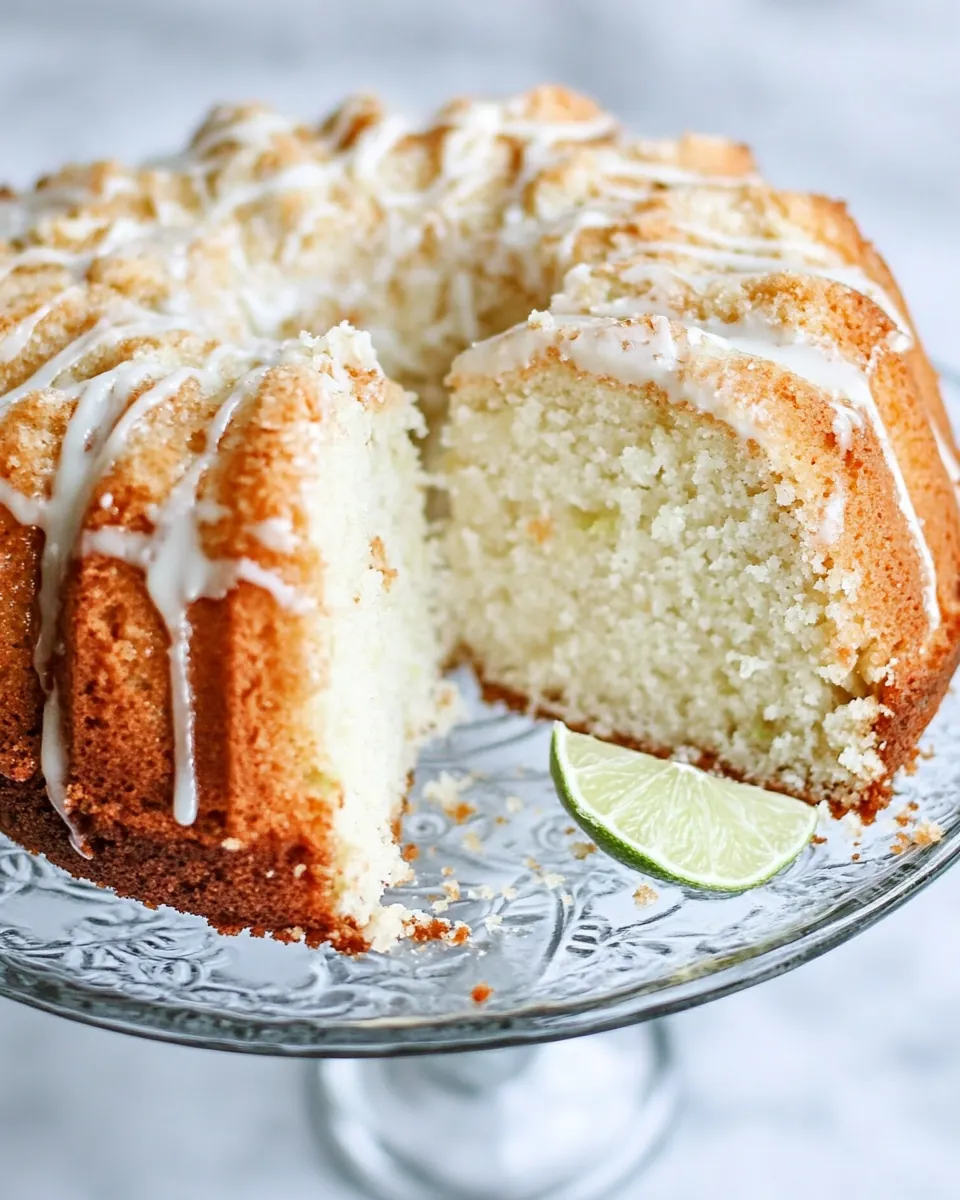
Vanilla Lime Pound Cake
Vanilla Lime Pound Cake is one of those recipes I keep returning to whenever I want a simple, sunny dessert that feels both nostalgic and slightly adventurous. The first time I baked it I remember peeling a mountain of bright green zest, the air in my kitchen filling with a heady citrus perfume that played beautifully against the soft, familiar aroma of vanilla. That day a neighbor dropped by, and we ended up sharing thick slices with afternoon tea, swapping stories while crumbs collected on the tablecloth.
Over the years I have tweaked tiny details, learning how the amount of butter and the temperature of the batter change the crumb, and how a whisper of lime juice in the glaze makes each bite feel lighter. I love that this cake feels elegant enough for guests, yet forgiving for busy weeknights when you want something homemade without a ceremony. It also travels well, so I often bring a loaf to potlucks and family gatherings where it disappears fast.
Recipe Snapshot
1 hr 10 mins
15 mins
55 mins
Medium
300 kcal
American
Gluten-Free, Low FODMAP
Desserts
Electric mixer, Loaf pan, Parchment paper, Mixing bowls
Why Try This Vanilla Lime Pound Cake
Bright, balanced flavor
I adore how the interplay of vanilla and lime produces a cake that is both sweet and lively. The floral, creamy notes of the vanilla bean and extract round out the tartness of the lime juice and zest. I always find this contrast keeps each slice interesting, so you do not get bored after the first bite.
Dependable texture
This pound cake has a dense, tender crumb because of the butter and eggs, and yet it never feels heavy if you follow the mixing rhythm. I like the way the batter creams into a silky stage before the dry ingredients join in, which yields consistent slices every time. When I want a cake that slices cleanly, this one delivers.
Simple technique, big payoff
You do not need fancy equipment or advanced skills to pull this off. The steps are straightforward, and I love teaching friends how to make it. Because the process is forgiving, I often encourage bakers to experiment with glowing confidence rather than worry about perfection.
Versatile for serving
I often serve this loaf plain, or dressed with a glossy glaze that adds shine and an extra citrus kick. It fits dessert plates, afternoon tea spreads, and brunch tables equally well. I especially appreciate that you can make it ahead, keep it wrapped, and finish with glaze just before serving for a fresh presentation.
A recipe with personality
There is a comforting familiarity here, but little details like scraped vanilla bean flecks and fresh lime zest make it feel elevated. Every time I bake it, people comment on the aroma and the balance of flavors, which always makes me smile.
What to Gather for Vanilla Lime Pound Cake
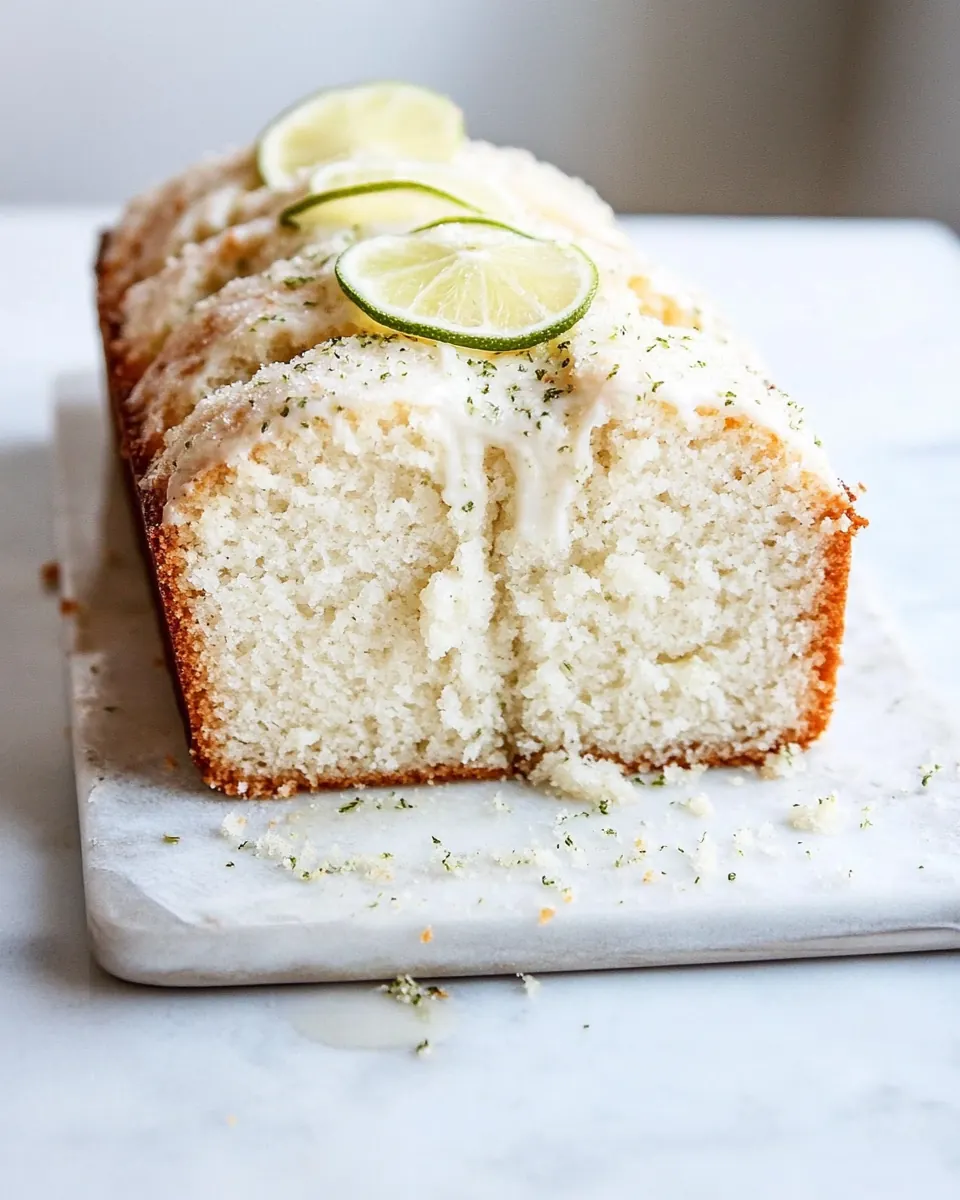
These ingredients create a classic, tight crumb cake with bright citrus highlights. The foundation is simple pantry basics, while the vanilla and lime are the key players that lift the profile. Together the fats, eggs, and flour form structure, while the sugar and citrus deliver sweetness and scent, creating a loaf that is both rich and lively.
- 3 large eggs: Whisk vigorously to incorporate air and provide structure, helping the cake rise and set with a tender crumb; eggs also add moisture and richness to the batter.
- 3 tablespoons milk: Add gently to slightly loosen the batter and contribute a bit of moisture and tenderness without thinning the mixture excessively.
- 1 tablespoon vanilla extract: Infuse a clear vanilla aroma and sweet floral notes that enhance overall flavor; use sparingly to avoid overpowering the lime elements.
- 1 1/2 tablespoons lime zest, about 3-4 medium limes: Grate finely to release bright citrus oils and intense lime aroma, boosting freshness and balancing sweetness throughout the cake.
- 1/4 cup freshly squeezed lime juice: Squeeze freshly to deliver bright acidity and concentrated lime flavor that cuts richness and brightens the crumb and glaze.
- contents of one vanilla bean: Split and scrape to add concentrated, fragrant vanilla flecks and deep aromatic complexity that complements the extract and sugar.
- 1 1/2 cups all-purpose flour: Sift and blend to provide the structural base, supplying gluten and bulk that combine with leavening to create the cake's body.
- 1 teaspoon baking powder: Measure precisely to provide lift by producing carbon dioxide during baking, which lightens the dense pound cake crumb.
- 1/4 teaspoons salt: Sprinkle evenly to enhance flavor balance by sharpening sweetness and stabilizing gluten development, while preventing metallic tastes.
- 3/4 cup white sugar: Cream thoroughly to dissolve into the batter, supplying sweetness, aiding in browning, and contributing to tender texture when aerated with butter.
- 1 1/2 sticks butter, softened: Soften and beat to create emulsified fat that provides moisture, richness, and a fine crumb; butter also helps carry flavor and promote browning.
- 1/4 cup lime juice: Brush or drizzle in to intensify lime flavor and add acidic moisture that keeps the cake bright and prevents it from tasting too sweet.
- 1 teaspoon vanilla extract: Add to deepen vanilla flavor and round out aromatics; a repeated addition reinforces the vanilla character in both cake and glaze.
- 1 tablespoon heavy cream: Stir in to slightly enrich the glaze or batter with fat, creating a silkier mouthfeel and helping powdered sugar dissolve smoothly.
- 3/4 1 cup powdered sugar: Dust or fold gradually to sweeten and thicken glazes or fillings; powdered sugar adjusts texture and sweetness while dissolving readily.
- 1 teaspoon lime zest: Zest sparingly to finish with a concentrated hint of lime oil in the glaze or as garnish, offering a final punch of citrus aroma.
Vanilla Lime Pound Cake Instructions
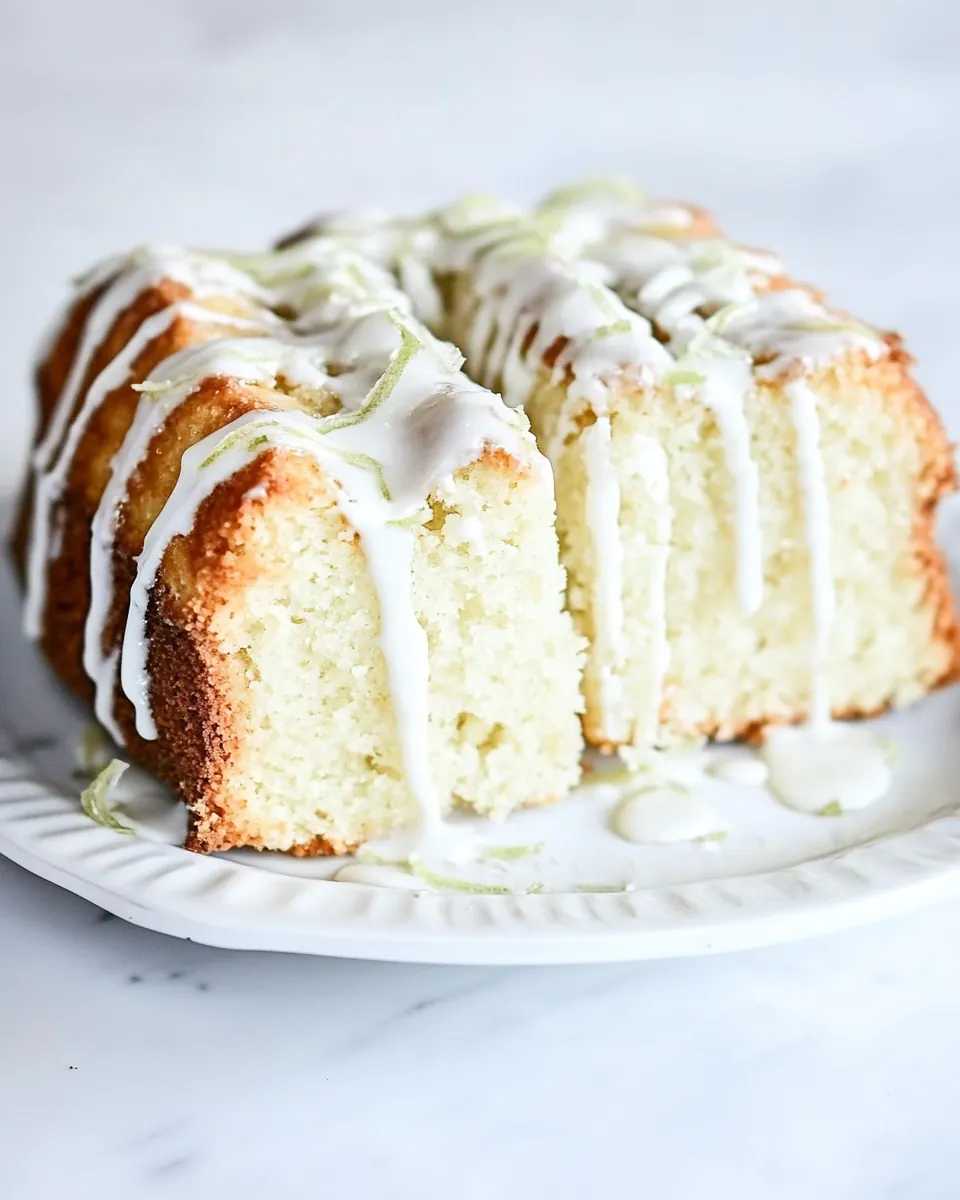
These directions flow from batter to bake to glaze, and they are forgiving if you follow their rhythm. Read through once to get comfortable, then work steadily. I find that a calm, paced approach produces the most consistent loaf, and it helps me notice the small sensory cues that tell me the cake is progressing as it should.
- Preheat oven to 350.: The moment you heat the oven you start creating the stable environment the cake needs to rise evenly and set with a tender crumb. You will notice the warmth begin to hum in the kitchen and a faint dry heat that helps form the crust as the loaf bakes. Preheating ensures the batter meets the correct temperature as soon as it goes in, which prevents the center from staying underdone while the outside browns. Common mistakes include putting the pan into an oven that is not fully reached 350, causing uneven bake and longer cook times. Use an oven thermometer if your oven runs hot or cool to avoid unexpected browning.
- In a small bowl, combine eggs, vanilla extract, vanilla beans, lime zest and lime juice. Whisk together.: As you blend these wet elements you will release aromatic oils from the zest and the little black seeds from the vanilla bean will speckle the mixture, giving visual personality and concentrated scent. Whisking introduces small air bubbles that contribute to lift when folded into the creamed batter, and the acidity from the lime juice brightens flavors. A point to watch for is overwhisking, which can create too much foam that knocks out structure when mixed aggressively later. Mix only until homogeneous and fragrant.
- In the bowl of your electric mixer, combine flour, sugar, baking powder and salt. Mix until combined. Add butter and mix until batter starts to come together. Add half of the egg mixture and mix on medium for 30 seconds. Add the remaining egg mixture in two parts, scraping down the sides of the bowl and mixing on medium speed for about 30-45 seconds each.: Dry ingredients should look uniformly pale and free of lumps before the butter joins them. When you add softened butter , the texture will transition from crumbly to cohesive; this is when the batter begins forming structure and you will hear a change in the mixer sound as it smooths. Introducing the egg mixture gradually controls emulsification so the batter does not break, and scraping the bowl ensures even moisture distribution. You are aiming for a glossy, smooth batter without streaks of flour or butter. The correct visual cue is a thick, ribbon like texture that falls slowly from the paddle. A typical error is dumping all the liquids at once, which can separate the mixture or leave pockets of unmixed flour. If the batter looks curdled, stop, scrape, and mix gently until it comes together; avoiding high speeds helps it re-emulsify.
- Cut a piece of parchment paper to fit in the bottom of your loaf pan and butter it. Spray the entire loaf pan with baking spray and lay the parchment paper down, buttered side up. Pour the batter in the loaf pan and bake for 50-55 minutes. If cake gets too brown on top, lightly tent it with foil. Let cool before glazing.: Preparing the pan thoughtfully ensures an easy release and a neat bottom crust. When the batter goes into the pan you will notice it settle and smooth out; that moment is a good opportunity to tap the pan on the counter to release large air pockets. Baking produces a slow transformation, the loaf rising and the top slowly coloring to a warm golden hue; you may hear very gentle crackles as moisture escapes. If the top browns too quickly, tenting with foil preserves moisture and prevents an overly dark crust while the center finishes. A common pitfall is opening the oven repeatedly to check, which causes temperature swings and may make the cake sink. Use the specified 50 to 55 minutes as your baseline and trust the visual cues, finishing with a toothpick test placed near the center to ensure it comes out with a few moist crumbs, not raw batter. Allow the loaf to cool in the pan slightly, then transfer to a rack so the glaze does not trap steam and make the crust soggy.
- Whisk all ingredients together to form a glaze. Add more liquid or sugar to get desired consistency. Pour over cooled pound cake.: When you whisk the glaze ingredients the mixture will pick up a glossy sheen and a silky texture that slides slowly off a spoon. The aroma will be brighter with the addition of lime , and the tiny flecks of vanilla will make it look elegant. Start with less lime juice in the glaze and add gradually to avoid a glaze that is too thin, and if it becomes too runny, add a little more powdered sugar to thicken. Pouring over a fully cooled cake prevents the glaze from melting into the crumb and keeps a neat coating. One mistake people make is glazing while the cake is warm, which causes the glaze to sink in and lose its sheen; patience at this stage preserves the finished presentation.
Make It Your Own
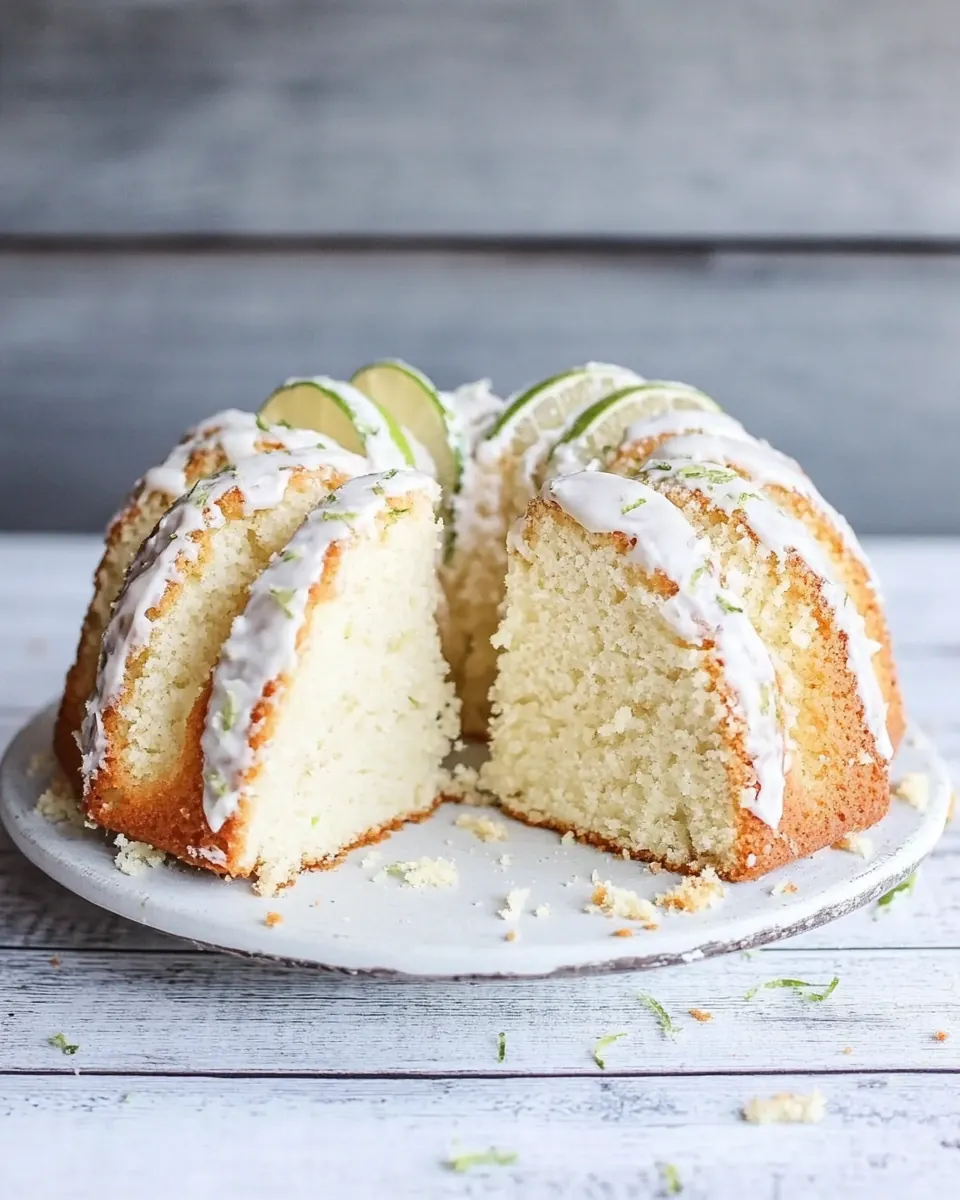
This cake welcomes small personal touches that do not complicate the method. Below are practical ideas and notes to help you adapt the loaf for texture, presentation, and occasion, expanded into detailed tips you can rely on.
- Adjust glaze thickness: Start with the lower amount of powdered sugar and add lime juice gradually until you reach a smooth, pourable consistency. If the glaze becomes too thin, sift and add more powdered sugar a tablespoon at a time. If it is too thick, add a teaspoon of milk or heavy cream to thin. The right balance is glossy but not runny so it sits attractively on the loaf.
- Vanilla bean boost: Scraping the contents of a whole vanilla bean will deepen the aromatic profile and leave pretty flecks in the finished cake. Save the empty pod to infuse sugar or milk for another use. If you omit the bean and rely on extract alone, consider using slightly more extract to compensate for lost bean nuance.
- Room temperature ingredients: Bring butter, eggs, and milk to room temperature before mixing. They emulsify better, producing a uniform batter and a tender crumb. Cold ingredients can make the batter lumpy and uneven, while overly warm ingredients can create a greasy texture.
- Test for doneness: Use a toothpick or skewer inserted into the center; it should come out with a few moist crumbs but not wet batter. If it is still raw, continue baking in five minute increments. Avoid overbaking which dries the cake; the loaf should spring back lightly when pressed near the center.
- Make ahead and store: The loaf keeps well wrapped at room temperature for two days, or refrigerated up to five if you prefer a firmer slice. For longer storage, freeze tightly wrapped slices for up to three months and thaw at room temperature. Glaze just before serving to preserve freshness and shine.
What Goes Well With This Vanilla Lime Pound Cake
This cake pairs well with simple accompaniments that complement its citrus bright notes. Below I outline serving ideas, occasions, and storage in practical terms so you can tailor presentation for casual gatherings or special tables. Each list item suggests a concrete pairing or tip you can apply immediately.
- Tea or coffee service: Serve slices with a pot of hot tea or a fresh brewed coffee for an afternoon treat. The warm beverage highlights the vanilla and cuts through the cake’s sweetness, making it ideal for book club meetings or relaxed visits with friends.
- Brunch centerpiece: Place the loaf on a platter with fresh fruit and yogurt for a light brunch spread. The citrus in the cake complements berries and stone fruits, creating a balanced plate for late morning gatherings or leisurely weekend meals.
- Celebration dessert: Dress the top with additional zest and a scatter of thinly sliced citrus for an elegant finish suited to birthdays or small dinner parties. A few edible flowers or mint leaves elevate the presentation without masking the cake’s flavor.
- Storage and transport: For travel, wrap the cooled loaf tightly in cling film and aluminum foil to protect it from drying out. Transport in a flat box to prevent jostling. If you need it to travel a long distance, consider glazing once you arrive to keep the surface pristine.
- Seasonal pairing: In spring and summer, serve chilled with a dollop of lightly sweetened whipped cream and fresh berries. The cool accompaniments play against the buttery crumb, making it refreshing for warm weather gatherings and special Ramadan iftar tables where a light, fragrant dessert is appreciated.
FAQ
Conclusion
This Vanilla Lime Pound Cake stands out because it balances rich, buttery crumb with bright, fragrant citrus and deep vanilla notes. It is easy enough for a casual afternoon bake, yet polished enough for guests, making it a versatile favorite in my kitchen. Give it a try this weekend, and enjoy how the simple ingredients transform into a loaf that smells wonderful and slices beautifully. I hope this recipe becomes one of those go to cakes you turn to whenever you want something comforting, fresh, and reliably delicious.
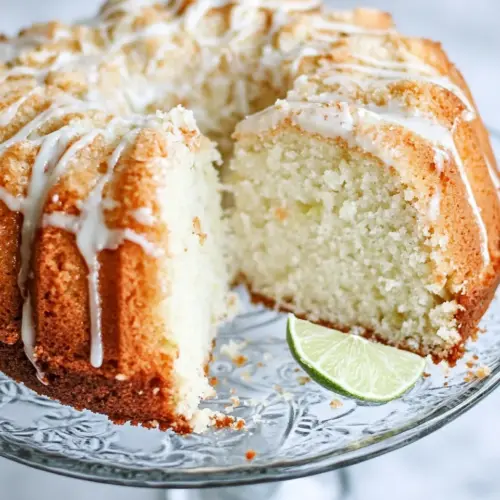
Vanilla Lime Pound Cake
Equipment
- Electric Mixer
- Loaf Pan
- Parchment Paper
- Mixing Bowls
Ingredients
- 3 large eggs Whisk vigorously to incorporate air and provide structure, helping the cake rise and set with a tender crumb; eggs also add moisture and richness to the batter.
- 3 tablespoons milk Add gently to slightly loosen the batter and contribute a bit of moisture and tenderness without thinning the mixture excessively.
- 1 tablespoon vanilla extract Infuse a clear vanilla aroma and sweet floral notes that enhance overall flavor; use sparingly to avoid overpowering the lime elements.
- 1 1/2 tablespoons lime zest, about 3-4 medium limes Grate finely to release bright citrus oils and intense lime aroma, boosting freshness and balancing sweetness throughout the cake.
- 1/4 cup freshly squeezed lime juice Squeeze freshly to deliver bright acidity and concentrated lime flavor that cuts richness and brightens the crumb and glaze.
- contents of one vanilla bean Split and scrape to add concentrated, fragrant vanilla flecks and deep aromatic complexity that complements the extract and sugar.
- 1 1/2 cups all-purpose flour Sift and blend to provide the structural base, supplying gluten and bulk that combine with leavening to create the cake's body.
- 1 teaspoon baking powder Measure precisely to provide lift by producing carbon dioxide during baking, which lightens the dense pound cake crumb.
- 1/4 teaspoons salt Sprinkle evenly to enhance flavor balance by sharpening sweetness and stabilizing gluten development, while preventing metallic tastes.
- 3/4 cup white sugar Cream thoroughly to dissolve into the batter, supplying sweetness, aiding in browning, and contributing to tender texture when aerated with butter.
- 1 1/2 sticks butter, softened Soften and beat to create emulsified fat that provides moisture, richness, and a fine crumb; butter also helps carry flavor and promote browning.
- 1/4 cup lime juice Brush or drizzle in to intensify lime flavor and add acidic moisture that keeps the cake bright and prevents it from tasting too sweet.
- 1 teaspoon vanilla extract Add to deepen vanilla flavor and round out aromatics; a repeated addition reinforces the vanilla character in both cake and glaze.
- 1 tablespoon heavy cream Stir in to slightly enrich the glaze or batter with fat, creating a silkier mouthfeel and helping powdered sugar dissolve smoothly.
- 3/4 - 1 cup powdered sugar Dust or fold gradually to sweeten and thicken glazes or fillings; powdered sugar adjusts texture and sweetness while dissolving readily.
- 1 teaspoon lime zest Zest sparingly to finish with a concentrated hint of lime oil in the glaze or as garnish, offering a final punch of citrus aroma.
Instructions
- Preheat oven to 350.: The moment you heat the oven you start creating the stable environment the cake needs to rise evenly and set with a tender crumb. You will notice the warmth begin to hum in the kitchen and a faint dry heat that helps form the crust as the loaf bakes. Preheating ensures the batter meets the correct temperature as soon as it goes in, which prevents the center from staying underdone while the outside browns. Common mistakes include putting the pan into an oven that is not fully reached 350, causing uneven bake and longer cook times. Use an oven thermometer if your oven runs hot or cool to avoid unexpected browning.
- In a small bowl, combine eggs, vanilla extract, vanilla beans, lime zest and lime juice. Whisk together.: As you blend these wet elements you will release aromatic oils from the zest and the little black seeds from the vanilla bean will speckle the mixture, giving visual personality and concentrated scent. Whisking introduces small air bubbles that contribute to lift when folded into the creamed batter, and the acidity from the lime juice brightens flavors. A point to watch for is overwhisking, which can create too much foam that knocks out structure when mixed aggressively later. Mix only until homogeneous and fragrant.
- In the bowl of your electric mixer, combine flour, sugar, baking powder and salt. Mix until combined. Add butter and mix until batter starts to come together. Add half of the egg mixture and mix on medium for 30 seconds. Add the remaining egg mixture in two parts, scraping down the sides of the bowl and mixing on medium speed for about 30-45 seconds each.: Dry ingredients should look uniformly pale and free of lumps before the butter joins them. When you add softened butter , the texture will transition from crumbly to cohesive; this is when the batter begins forming structure and you will hear a change in the mixer sound as it smooths. Introducing the egg mixture gradually controls emulsification so the batter does not break, and scraping the bowl ensures even moisture distribution. You are aiming for a glossy, smooth batter without streaks of flour or butter. The correct visual cue is a thick, ribbon like texture that falls slowly from the paddle. A typical error is dumping all the liquids at once, which can separate the mixture or leave pockets of unmixed flour. If the batter looks curdled, stop, scrape, and mix gently until it comes together; avoiding high speeds helps it re-emulsify.
- Cut a piece of parchment paper to fit in the bottom of your loaf pan and butter it. Spray the entire loaf pan with baking spray and lay the parchment paper down, buttered side up. Pour the batter in the loaf pan and bake for 50-55 minutes. If cake gets too brown on top, lightly tent it with foil. Let cool before glazing.: Preparing the pan thoughtfully ensures an easy release and a neat bottom crust. When the batter goes into the pan you will notice it settle and smooth out; that moment is a good opportunity to tap the pan on the counter to release large air pockets. Baking produces a slow transformation, the loaf rising and the top slowly coloring to a warm golden hue; you may hear very gentle crackles as moisture escapes. If the top browns too quickly, tenting with foil preserves moisture and prevents an overly dark crust while the center finishes. A common pitfall is opening the oven repeatedly to check, which causes temperature swings and may make the cake sink. Use the specified 50 to 55 minutes as your baseline and trust the visual cues, finishing with a toothpick test placed near the center to ensure it comes out with a few moist crumbs, not raw batter. Allow the loaf to cool in the pan slightly, then transfer to a rack so the glaze does not trap steam and make the crust soggy.
- Whisk all ingredients together to form a glaze. Add more liquid or sugar to get desired consistency. Pour over cooled pound cake.: When you whisk the glaze ingredients the mixture will pick up a glossy sheen and a silky texture that slides slowly off a spoon. The aroma will be brighter with the addition of lime , and the tiny flecks of vanilla will make it look elegant. Start with less lime juice in the glaze and add gradually to avoid a glaze that is too thin, and if it becomes too runny, add a little more powdered sugar to thicken. Pouring over a fully cooled cake prevents the glaze from melting into the crumb and keeps a neat coating. One mistake people make is glazing while the cake is warm, which causes the glaze to sink in and lose its sheen; patience at this stage preserves the finished presentation.
Notes
- Adjust glaze thickness: Start with the lower amount of powdered sugar and add lime juice gradually until you reach a smooth, pourable consistency. If the glaze becomes too thin, sift and add more powdered sugar a tablespoon at a time. If it is too thick, add a teaspoon of milk or heavy cream to thin. The right balance is glossy but not runny so it sits attractively on the loaf.
- Vanilla bean boost: Scraping the contents of a whole vanilla bean will deepen the aromatic profile and leave pretty flecks in the finished cake. Save the empty pod to infuse sugar or milk for another use. If you omit the bean and rely on extract alone, consider using slightly more extract to compensate for lost bean nuance.
- Room temperature ingredients: Bring butter, eggs, and milk to room temperature before mixing. They emulsify better, producing a uniform batter and a tender crumb. Cold ingredients can make the batter lumpy and uneven, while overly warm ingredients can create a greasy texture.
- Test for doneness: Use a toothpick or skewer inserted into the center; it should come out with a few moist crumbs but not wet batter. If it is still raw, continue baking in five minute increments. Avoid overbaking which dries the cake; the loaf should spring back lightly when pressed near the center.
- Make ahead and store: The loaf keeps well wrapped at room temperature for two days, or refrigerated up to five if you prefer a firmer slice. For longer storage, freeze tightly wrapped slices for up to three months and thaw at room temperature. Glaze just before serving to preserve freshness and shine.