
Roasted Tomato Salsa
Roasted Tomato Salsa is the kind of recipe I reach for when summer tomatoes are too good to ignore. I remember a late afternoon when my kitchen smelled of warm, caramelized tomato and garlic, and I kept sneaking spoons straight from the bowl while guests mingled in the yard. The heat from the oven drew out the tomatoes natural sugars, and that balance of char and brightness made every chip taste like a celebration.
I’ve made this Roasted Tomato Salsa for backyard barbecues, weeknight snack attacks, and once as a quick dinner side when I wanted something fresh and lively without fuss. Each time I roast the tomatoes I think about how a few simple moments under high heat transform texture and flavor, turning watery raw tomatoes into a richly flavored base that clings to chips and tacos. I love how the charred edges add smoky depth while the jalapeño and lime keep things lively.
Making Roasted Tomato Salsa feels both rustic and deliberate, because a tiny technique tweak changes everything. I often let the roasted tomatoes cool slightly so the salsa is warm but not steaming, which keeps the herbs bright and the garlic honest. When people ask how I get that perfect balance between char and freshness, I say it comes down to trusting the roast and then tasting as you pulse. It is a simple ritual that yields big rewards.
Recipe Snapshot
25 mins
10 mins
15 mins
Easy
50 kcal
Mexican
Vegan, Gluten-Free
Appetizers
Oven, Baking sheet, Parchment paper, Food processor
Why You Need This Roasted Tomato Salsa
Charred depth with bright lift
I love how roasting the Roma Tomatoes concentrates their flavor, creating a deep, slightly sweet backbone that contrasts with the sharpness of the jalapeño peppers and the zing of Juice of 1/2 a lime. That contrast makes the salsa taste complex even though the ingredient list is short.
Fast to make, big payoff
From prep to bowl, this Roasted Tomato Salsa comes together quickly. I appreciate recipes that reward a small upfront investment with a flavor punch. Roasting for about 15 to 20 minutes is a small step that dramatically elevates the final result, so it is perfect for last minute entertaining.
Flexible texture
I like that the food processor gives you complete control over texture. You can pulse for a chunky, rustic dip or process until smooth for a saucier finish. That adaptability makes this Roasted Tomato Salsa work as a chip dip, taco topper, or a spoonable condiment for grilled vegetables.
Accessible ingredients
Everything here is pantry friendly and seasonally driven. Simple items like 1/2 small red onion and 3 garlic cloves bring aromatics that round out the tomatoes without overshadowing them. I like recipes that rely on freshness and technique rather than obscure items.
Make ahead and shareable
I often prep this salsa a few hours ahead and let the flavors meld in the fridge. The result is even more integrated, and it travels well to picnics or potlucks. It is reliably crowd pleasing, and I keep coming back to it because friends always ask for seconds.
Ingredients Overview for Roasted Tomato Salsa
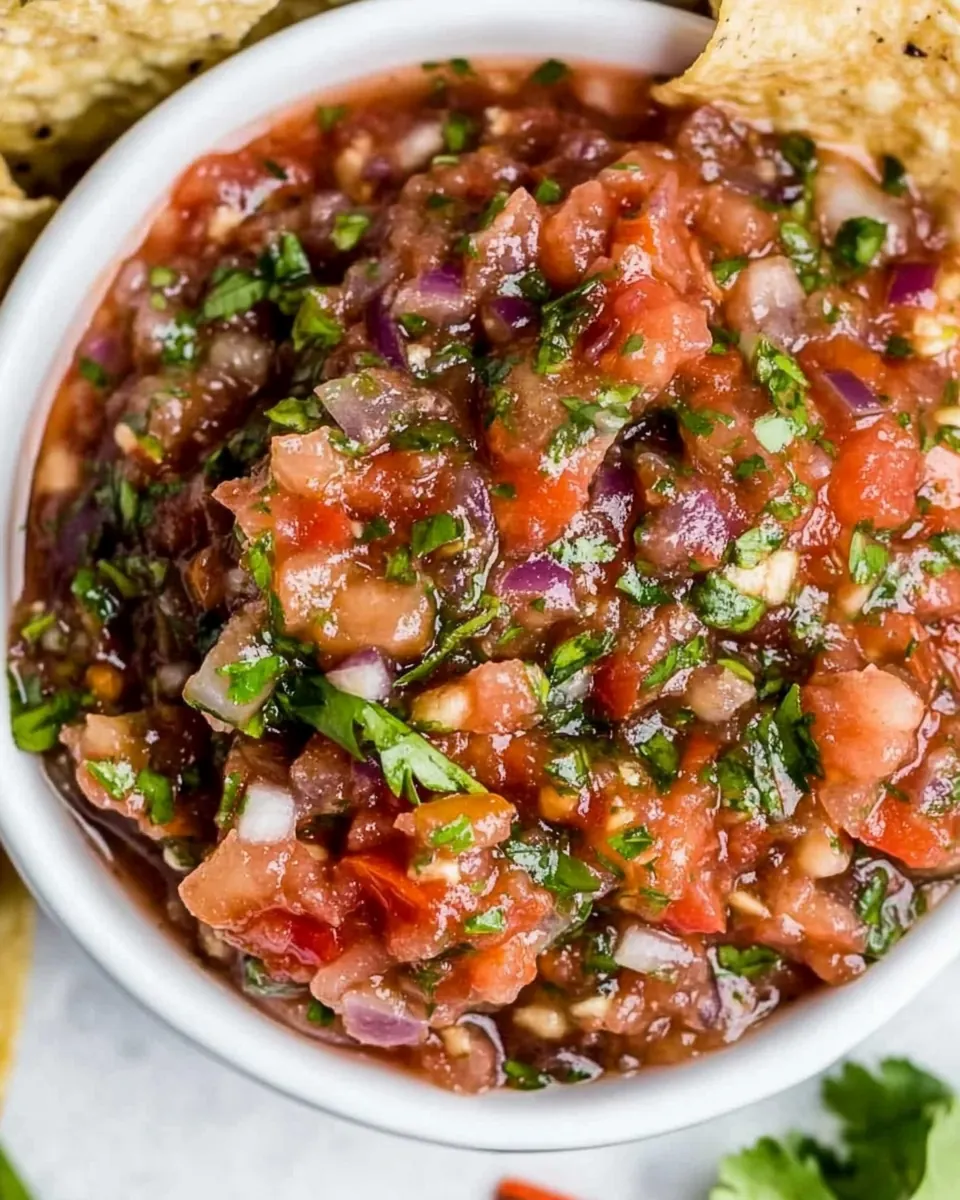
These ingredients form a tight, harmonious team. The roasted Roma Tomatoes provide a sweet and slightly smoky base, while the jalapeño peppers contribute layered heat. The red onion and garlic add aromatic bite, and the cilantro and lime bring freshness and acidity to lift the flavors. Simple seasonings like cumin, cracked pepper, and sea salt deepen the profile without stealing the spotlight.
- 6 Roma Tomatoes (about 1 1/2 lbs.): Roasted to concentrate sweetness and deepen flavor, provides the juicy foundation and body for the salsa; remove cores if desired and char until skins blister for best texture. Adds natural acidity and balances the heat from peppers while contributing color and substance to each spoonful.
- 2 jalapeño peppers, stemmed (seeds removed if desired for less spiciness): Charred for smoky heat and pungency, supplies the primary spicy kick that defines the salsa’s character; remove seeds to reduce intensity while keeping membranes for more heat. Works with roasted tomatoes to create layers of flavor and can be roasted whole or halved for even cooking.
- 1/2 small red onion: Sliced thinly to add crisp, pungent bite and a subtle sharpness that cuts through the richness of roasted ingredients; rinsing can mellow intensity if a milder taste is preferred. Contributes texture and visual contrast while enhancing the overall savory profile.
- 3 garlic cloves, minced: Minced finely to release aromatic oils and provide a warm, savory depth; cook or roast briefly if a mellower garlic presence is desired. Blends into the salsa to enhance umami and tie together the bright and spicy elements.
- 1/2 ccilantro: Chopped to impart fresh, citrusy, and slightly peppery herbaceous notes that brighten the salsa; adjust amount to preference for herb intensity. Balances richness and adds a lively green fragrance that complements tomatoes and lime.
- Juice of 1/2 a lime: Squeezed to deliver bright acidity and fresh citrus brightness that balances the roasted and spicy flavors; use juice sparingly and taste to avoid overpowering. Enhances freshness, preserves color, and lifts the overall flavor profile of the salsa.
- 1 tsp cumin: Ground to introduce warm, earthy, and slightly nutty undertones that deepen the savory profile; add gradually to avoid overwhelming the fresh ingredients. Acts as a complementary spice that rounds out the acidity and heat.
- 1/2 tsp cracked pepper: Cracked to provide a sharp, aromatic bite and subtle heat that punctuates each mouthful; distribute evenly to avoid isolated pepper pockets. Enhances complexity and adds a clean, peppery finish to the salsa.
- 1/2 tsp sea salt, more or less to taste: Sprinkled to season and enhance all flavors, offering saline balance and bringing out natural sweetness; adjust to taste to prevent oversalting. Helps preserve brightness and ensures all ingredients are harmoniously seasoned.
How to Prepare Roasted Tomato Salsa
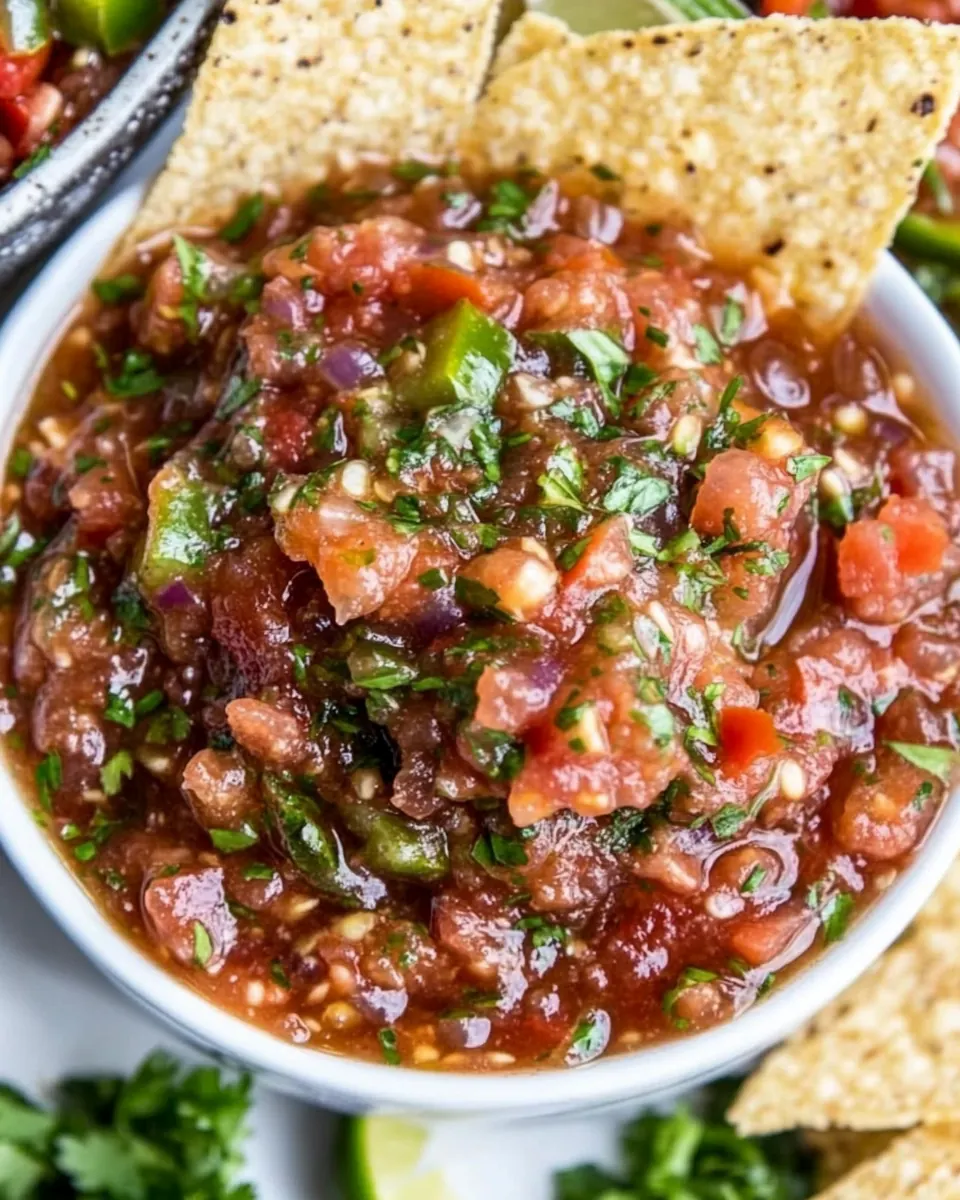
This recipe is straightforward and forgiving, but the details matter. A little attention when roasting and pulsing ensures the right balance of char, texture, and freshness. Below I walk through each step with sensory cues and troubleshooting tips so you can reproduce the result every time.
- Preheat oven to 400°F. Slice the tomatoes into 4 ths and line them on a parchment lined baking sheet. Roast for about 15-20 minutes or until the edges start to darken and brown. Set aside and allow to cool or toss them in the food processor right away for a warmer salsa.: Feel the oven heat build as it reaches 400°F , a temperature that encourages surface caramelization without drying the tomatoes out. The aim is to develop browned edges and intensified tomato flavor, which creates that smoky, slightly sweet base for the salsa. If the oven is not fully preheated the tomatoes will steam rather than roast, producing a watery salsa, so give the oven time to come up to temperature and place the tray in the center rack for even heat distribution. When the tomatoes hit the sheet pan you should hear a gentle sizzle, and within 10 to 15 minutes the aroma of roasted tomato and garlic will start to fill your kitchen.
- While tomatoes cool, cut the jalapeños and onion into chunks and toss into the food processor. Add all other ingredients into the food processor as well. You can also use a blender if you don't have a food processor.: The visual cue you are after is browned, slightly wrinkled skins and darker edges where sugars have caramelized. Slicing into fourths exposes more flesh to heat, speeding the roast and concentrating flavor. Lining the pan with parchment prevents sticking and makes cleanup easy. Avoid overcrowding the pan, which causes steaming instead of roasting; give the pieces space so their surfaces dehydrate and brown properly. If pieces are too close they will release moisture and fail to develop that desirable char.
- When tomatoes are ready, add to the food processor. Pulse several times to move things around a bit to start. Process until desired chunkiness and all the large chunks of onion are broken down (no one wants a big chunk of onion).: Trust the color change more than the clock, looking for golden to dark brown spots on the tomato edges. This signaling means the natural sugars have caramelized and the tomato flesh has softened, offering a richer mouthfeel when processed. If you stop too early the salsa will be more acidic and watery, while over roasting can render the tomatoes too dry and reduce freshness. Aim for that sweet spot where the flesh is soft and the edges show darkening.
- Add more salt or cumin as desired to taste. Chill until ready to serve or grab those chips and dive in!: Cooling slightly preserves the brightness of the cilantro and the fresh snap of the onion and garlic, while processing warm will produce a more integrated, restaurant style salsa with softer herb notes. If you process piping hot tomatoes, steam can make the salsa watery and diminish herb vibrancy. A good compromise is to let the tomatoes rest five to ten minutes until warm but not steaming, which yields great texture and flavor melding.
- While tomatoes cool, cut the jalapeños and onion into chunks and toss into the food processor.: Chopping the jalapeño peppers and red onion into even chunks ensures they process uniformly; when pulsing you want consistent texture without raw onion surprises. The sound of the processor should change from heavy thumping to a lighter chop as the pieces break down. Overprocessing here can make the onion too pulpy and release excess sulfurous bite, so pulse in short bursts and scrape down the sides if needed to maintain control.
- Add all other ingredients into the food processor as well.: Add the 3 garlic cloves , 1/2 c cilantro , Juice of 1/2 a lime , 1 tsp cumin , 1/2 tsp cracked pepper , and 1/2 tsp sea salt now to allow the flavors to marry as you process. The aroma will shift to a bright, herbaceous note with citrus on top. If you add salt later you risk uneven seasoning; start with the suggested amount then adjust after tasting. A common error is adding too much lime at first, which can mask the roasted sweetness, so hold back a touch and fine tune at the end.
- You can also use a blender if you don't have a food processor.: A blender will create a smoother texture and break ingredients down faster, resulting in a more saucy salsa. The motor may heat the mixture slightly, so process in short bursts and scrape the sides to avoid overheating and turning the salsa too thin. If you prefer chunkiness, pulse and check frequently, because blenders tend to homogenize ingredients quickly.
- When tomatoes are ready, add to the food processor.: Adding the roasted Roma Tomatoes brings deep, roasted aromatics into the bowl, and you will immediately notice a warmer, savory scent as the mixture comes together. Pulse several times to move things around a bit to start, which helps avoid large unmixed pockets of tomato or onion. The pulse sound will become more even as the ingredients begin to incorporate. Not pulsing enough can lead to uneven texture, while over pulsing will create a uniform puree rather than the rustic salsa many prefer.
- Pulse several times to move things around a bit to start.: Use short pulses to combine ingredients without destroying texture; this preserves small bits of red onion and flecks of cilantro that make the salsa visually appealing and texturally interesting. Listen for a change in pitch as the mixture becomes homogenous, and stop to scrape the bowl if large chunks remain. Over pulsing at this stage will yield a monotone sauce, so aim for rhythm: pulse, check, scrape, pulse again.
- Process until desired chunkiness and all the large chunks of onion are broken down (no one wants a big chunk of onion).: Look for uniformly sized pieces with no large raw onion slivers. The finished salsa should glisten and hold its shape on a chip, with a mix of small tomato pieces and herb flecks. If the mixture seems too watery, drain briefly on a fine mesh or chill to let flavors settle. The most common mistake now is to assume more processing equals better flavor; stop when texture matches your vision.
- Add more salt or cumin as desired to taste.: Adjusting seasoning at the end lets you tailor the salsa to your palate, because roasting can concentrate or mute flavors. Taste chilled and warm, since perceived saltiness and spice change with temperature. Over salting is easy, so add small increments and taste between adjustments. If the salsa tastes flat, a touch more lime can brighten it, while extra cumin will deepen the earthiness.
- Chill until ready to serve or grab those chips and dive in!: Chilling helps flavors meld and often improves balance, with the lime and cilantro becoming more integrated. If serving warm, the aroma will be more pronounced and the texture slightly looser, which some guests prefer. A typical mistake is serving too cold straight from the fridge; bring it to cool room temperature for 10 minutes before serving to restore aroma and soften flavors.
Substitutions and Tips
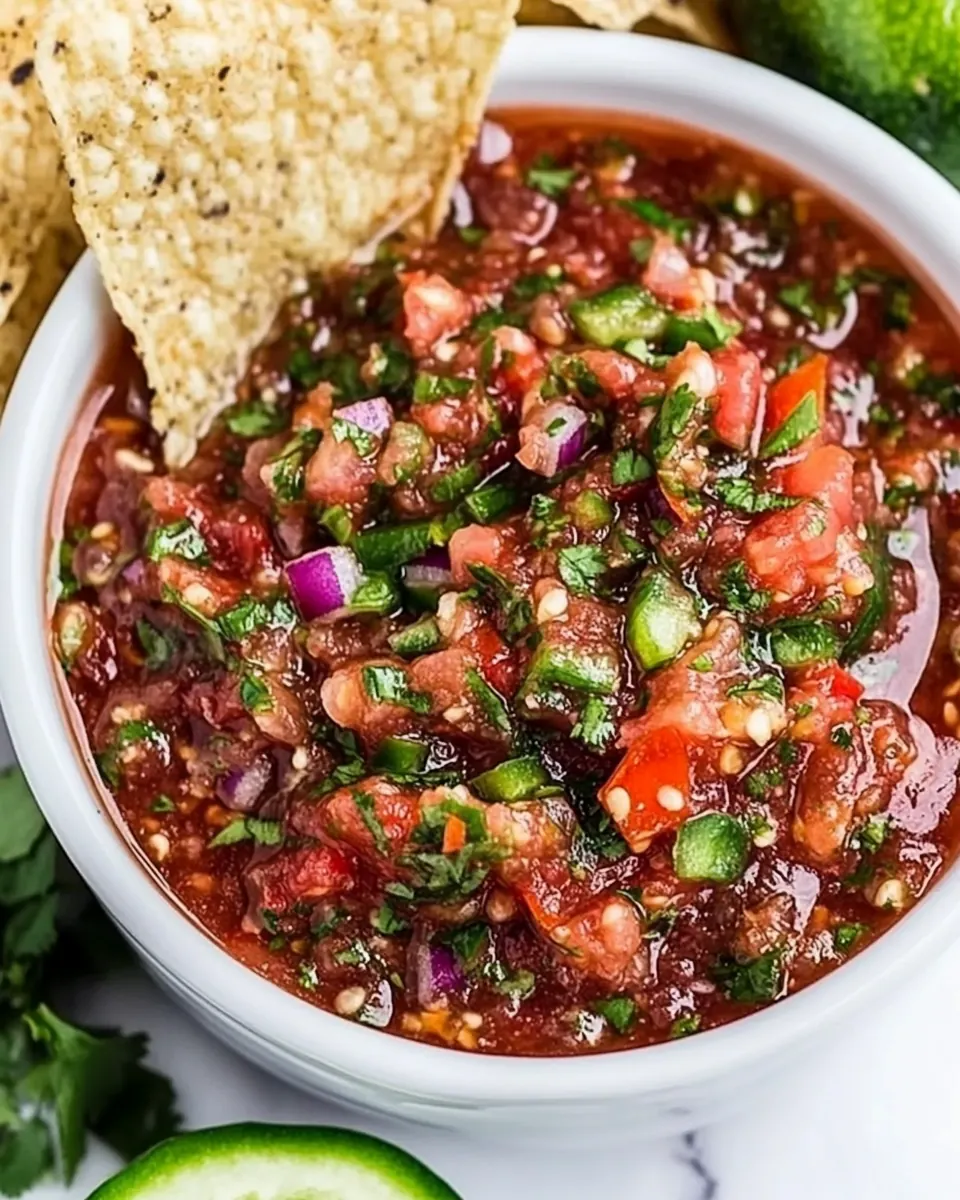
This section expands on practical ideas and careful adjustments you can make while preparing Roasted Tomato Salsa. I include texture tricks, timing notes, and small swaps that keep the recipe honest and flexible. Each tip starts with a bold cue so you can scan quickly while cooking.
- Prep ahead: You can roast the Roma Tomatoes a day in advance and store them covered in the refrigerator to let flavors deepen without losing freshness; bring them to cool room temperature before final processing for the best aroma.
- Control the heat: Adjust the spice by keeping more seeds from the jalapeño peppers or removing them entirely, and opt for milder peppers if you prefer less bite, tasting as you go so the heat matches your guests preferences.
- Texture tweaks: For a chunkier salsa, pulse the food processor less and chop the red onion coarsely; for a smoother sauce, blend longer or use a blender and process in short bursts to avoid overheating.
- Garlic handling: If raw garlic feels too sharp, roast whole cloves briefly with the tomatoes to mellow and sweeten their flavor while maintaining savory depth.
- Salt strategy: Start with the recommended 1/2 tsp sea salt then adjust after chilling, because cold temperatures mask saltiness; a final tiny pinch before serving can make flavors pop.
- Cilantro timing: Add the cilantro near the end of processing to preserve bright green flecks and fresh aroma, or blend fully if you prefer an even distribution of herb flavor.
Pairing Suggestions for Roasted Tomato Salsa
Roasted Tomato Salsa plays well with casual gatherings and weeknight meals alike. Its roasted character, fresh herbs, and citrus brightness make it versatile across occasions and pairings. Below are serving ideas and storage notes to help you present it confidently.
- Chip platter: Serve the salsa with sturdy tortilla chips for a classic snack; the roasted texture clings well and the chips provide a satisfying crunch contrast.
- Taco topping: Spoon onto tacos as a bright, roasted condiment to complement proteins like grilled vegetables or beans, adding fresh acidity and charred tomato notes.
- Grilled sides: Pair with grilled vegetables or skewers, using the salsa as a spoonable finishing sauce to add freshness and contrast to smoky char.
- Party platter: Include alongside guacamole and a vegetable crudité on a casual appetizer board to offer varied textures and temperatures for guests.
- Storage tips: Store the salsa in an airtight container in the refrigerator for up to three days; flavors will meld but the bright herb notes are best within the first day.
- Seasonal notes: This salsa shines in summer when tomatoes are at their peak, but you can use canned roasted tomatoes in colder months for a decent substitute in a pinch.
FAQ
Conclusion
What makes this Roasted Tomato Salsa special is the way simple technique elevates humble ingredients into a vividly flavored condiment. The roasted tomato’s caramelized depth, matched with fresh cilantro and a touch of lime, creates a balance that is both smoky and bright. I encourage you to give it a try, whether you are feeding a crowd or just craving something fresh with chips. It is quick to pull together, endlessly adaptable, and reliably satisfying, making it one of my go to recipes when I want flavor without fuss.
Roasted Tomato Salsa
Equipment
- Oven
- Baking Sheet
- Parchment Paper
- Food Processor
Ingredients
- 6 Roma Tomatoes (about 1 1/2 lbs.) Roasted to concentrate sweetness and deepen flavor, provides the juicy foundation and body for the salsa; remove cores if desired and char until skins blister for best texture. Adds natural acidity and balances the heat from peppers while contributing color and substance to each spoonful.
- 2 jalapeño peppers, stemmed (seeds removed if desired for less spiciness) Charred for smoky heat and pungency, supplies the primary spicy kick that defines the salsa’s character; remove seeds to reduce intensity while keeping membranes for more heat. Works with roasted tomatoes to create layers of flavor and can be roasted whole or halved for even cooking.
- 1/2 small red onion Sliced thinly to add crisp, pungent bite and a subtle sharpness that cuts through the richness of roasted ingredients; rinsing can mellow intensity if a milder taste is preferred. Contributes texture and visual contrast while enhancing the overall savory profile.
- 3 garlic cloves, minced Minced finely to release aromatic oils and provide a warm, savory depth; cook or roast briefly if a mellower garlic presence is desired. Blends into the salsa to enhance umami and tie together the bright and spicy elements.
- 1/2 ccilantro Chopped to impart fresh, citrusy, and slightly peppery herbaceous notes that brighten the salsa; adjust amount to preference for herb intensity. Balances richness and adds a lively green fragrance that complements tomatoes and lime.
- Juice of 1/2 a lime Squeezed to deliver bright acidity and fresh citrus brightness that balances the roasted and spicy flavors; use juice sparingly and taste to avoid overpowering. Enhances freshness, preserves color, and lifts the overall flavor profile of the salsa.
- 1 tsp cumin Ground to introduce warm, earthy, and slightly nutty undertones that deepen the savory profile; add gradually to avoid overwhelming the fresh ingredients. Acts as a complementary spice that rounds out the acidity and heat.
- 1/2 tsp cracked pepper Cracked to provide a sharp, aromatic bite and subtle heat that punctuates each mouthful; distribute evenly to avoid isolated pepper pockets. Enhances complexity and adds a clean, peppery finish to the salsa.
- 1/2 tsp sea salt, more or less to taste Sprinkled to season and enhance all flavors, offering saline balance and bringing out natural sweetness; adjust to taste to prevent oversalting. Helps preserve brightness and ensures all ingredients are harmoniously seasoned.
Instructions
- Preheat oven to 400°F. Slice the tomatoes into 4 ths and line them on a parchment lined baking sheet. Roast for about 15-20 minutes or until the edges start to darken and brown. Set aside and allow to cool or toss them in the food processor right away for a warmer salsa.: Feel the oven heat build as it reaches 400°F , a temperature that encourages surface caramelization without drying the tomatoes out. The aim is to develop browned edges and intensified tomato flavor, which creates that smoky, slightly sweet base for the salsa. If the oven is not fully preheated the tomatoes will steam rather than roast, producing a watery salsa, so give the oven time to come up to temperature and place the tray in the center rack for even heat distribution. When the tomatoes hit the sheet pan you should hear a gentle sizzle, and within 10 to 15 minutes the aroma of roasted tomato and garlic will start to fill your kitchen.
- While tomatoes cool, cut the jalapeños and onion into chunks and toss into the food processor. Add all other ingredients into the food processor as well. You can also use a blender if you don't have a food processor.: The visual cue you are after is browned, slightly wrinkled skins and darker edges where sugars have caramelized. Slicing into fourths exposes more flesh to heat, speeding the roast and concentrating flavor. Lining the pan with parchment prevents sticking and makes cleanup easy. Avoid overcrowding the pan, which causes steaming instead of roasting; give the pieces space so their surfaces dehydrate and brown properly. If pieces are too close they will release moisture and fail to develop that desirable char.
- When tomatoes are ready, add to the food processor. Pulse several times to move things around a bit to start. Process until desired chunkiness and all the large chunks of onion are broken down (no one wants a big chunk of onion).: Trust the color change more than the clock, looking for golden to dark brown spots on the tomato edges. This signaling means the natural sugars have caramelized and the tomato flesh has softened, offering a richer mouthfeel when processed. If you stop too early the salsa will be more acidic and watery, while over roasting can render the tomatoes too dry and reduce freshness. Aim for that sweet spot where the flesh is soft and the edges show darkening.
- Add more salt or cumin as desired to taste. Chill until ready to serve or grab those chips and dive in!: Cooling slightly preserves the brightness of the cilantro and the fresh snap of the onion and garlic, while processing warm will produce a more integrated, restaurant style salsa with softer herb notes. If you process piping hot tomatoes, steam can make the salsa watery and diminish herb vibrancy. A good compromise is to let the tomatoes rest five to ten minutes until warm but not steaming, which yields great texture and flavor melding.
- While tomatoes cool, cut the jalapeños and onion into chunks and toss into the food processor.: Chopping the jalapeño peppers and red onion into even chunks ensures they process uniformly; when pulsing you want consistent texture without raw onion surprises. The sound of the processor should change from heavy thumping to a lighter chop as the pieces break down. Overprocessing here can make the onion too pulpy and release excess sulfurous bite, so pulse in short bursts and scrape down the sides if needed to maintain control.
- Add all other ingredients into the food processor as well.: Add the 3 garlic cloves , 1/2 c cilantro , Juice of 1/2 a lime , 1 tsp cumin , 1/2 tsp cracked pepper , and 1/2 tsp sea salt now to allow the flavors to marry as you process. The aroma will shift to a bright, herbaceous note with citrus on top. If you add salt later you risk uneven seasoning; start with the suggested amount then adjust after tasting. A common error is adding too much lime at first, which can mask the roasted sweetness, so hold back a touch and fine tune at the end.
- You can also use a blender if you don't have a food processor.: A blender will create a smoother texture and break ingredients down faster, resulting in a more saucy salsa. The motor may heat the mixture slightly, so process in short bursts and scrape the sides to avoid overheating and turning the salsa too thin. If you prefer chunkiness, pulse and check frequently, because blenders tend to homogenize ingredients quickly.
- When tomatoes are ready, add to the food processor.: Adding the roasted Roma Tomatoes brings deep, roasted aromatics into the bowl, and you will immediately notice a warmer, savory scent as the mixture comes together. Pulse several times to move things around a bit to start, which helps avoid large unmixed pockets of tomato or onion. The pulse sound will become more even as the ingredients begin to incorporate. Not pulsing enough can lead to uneven texture, while over pulsing will create a uniform puree rather than the rustic salsa many prefer.
- Pulse several times to move things around a bit to start.: Use short pulses to combine ingredients without destroying texture; this preserves small bits of red onion and flecks of cilantro that make the salsa visually appealing and texturally interesting. Listen for a change in pitch as the mixture becomes homogenous, and stop to scrape the bowl if large chunks remain. Over pulsing at this stage will yield a monotone sauce, so aim for rhythm: pulse, check, scrape, pulse again.
- Process until desired chunkiness and all the large chunks of onion are broken down (no one wants a big chunk of onion).: Look for uniformly sized pieces with no large raw onion slivers. The finished salsa should glisten and hold its shape on a chip, with a mix of small tomato pieces and herb flecks. If the mixture seems too watery, drain briefly on a fine mesh or chill to let flavors settle. The most common mistake now is to assume more processing equals better flavor; stop when texture matches your vision.
- Add more salt or cumin as desired to taste.: Adjusting seasoning at the end lets you tailor the salsa to your palate, because roasting can concentrate or mute flavors. Taste chilled and warm, since perceived saltiness and spice change with temperature. Over salting is easy, so add small increments and taste between adjustments. If the salsa tastes flat, a touch more lime can brighten it, while extra cumin will deepen the earthiness.
- Chill until ready to serve or grab those chips and dive in!: Chilling helps flavors meld and often improves balance, with the lime and cilantro becoming more integrated. If serving warm, the aroma will be more pronounced and the texture slightly looser, which some guests prefer. A typical mistake is serving too cold straight from the fridge; bring it to cool room temperature for 10 minutes before serving to restore aroma and soften flavors.
Notes
- Prep ahead: You can roast the Roma Tomatoes a day in advance and store them covered in the refrigerator to let flavors deepen without losing freshness; bring them to cool room temperature before final processing for the best aroma.
- Control the heat: Adjust the spice by keeping more seeds from the jalapeño peppers or removing them entirely, and opt for milder peppers if you prefer less bite, tasting as you go so the heat matches your guests preferences.
- Texture tweaks: For a chunkier salsa, pulse the food processor less and chop the red onion coarsely; for a smoother sauce, blend longer or use a blender and process in short bursts to avoid overheating.
- Garlic handling: If raw garlic feels too sharp, roast whole cloves briefly with the tomatoes to mellow and sweeten their flavor while maintaining savory depth.
- Salt strategy: Start with the recommended 1/2 tsp sea salt then adjust after chilling, because cold temperatures mask saltiness; a final tiny pinch before serving can make flavors pop.
- Cilantro timing: Add the cilantro near the end of processing to preserve bright green flecks and fresh aroma, or blend fully if you prefer an even distribution of herb flavor.
