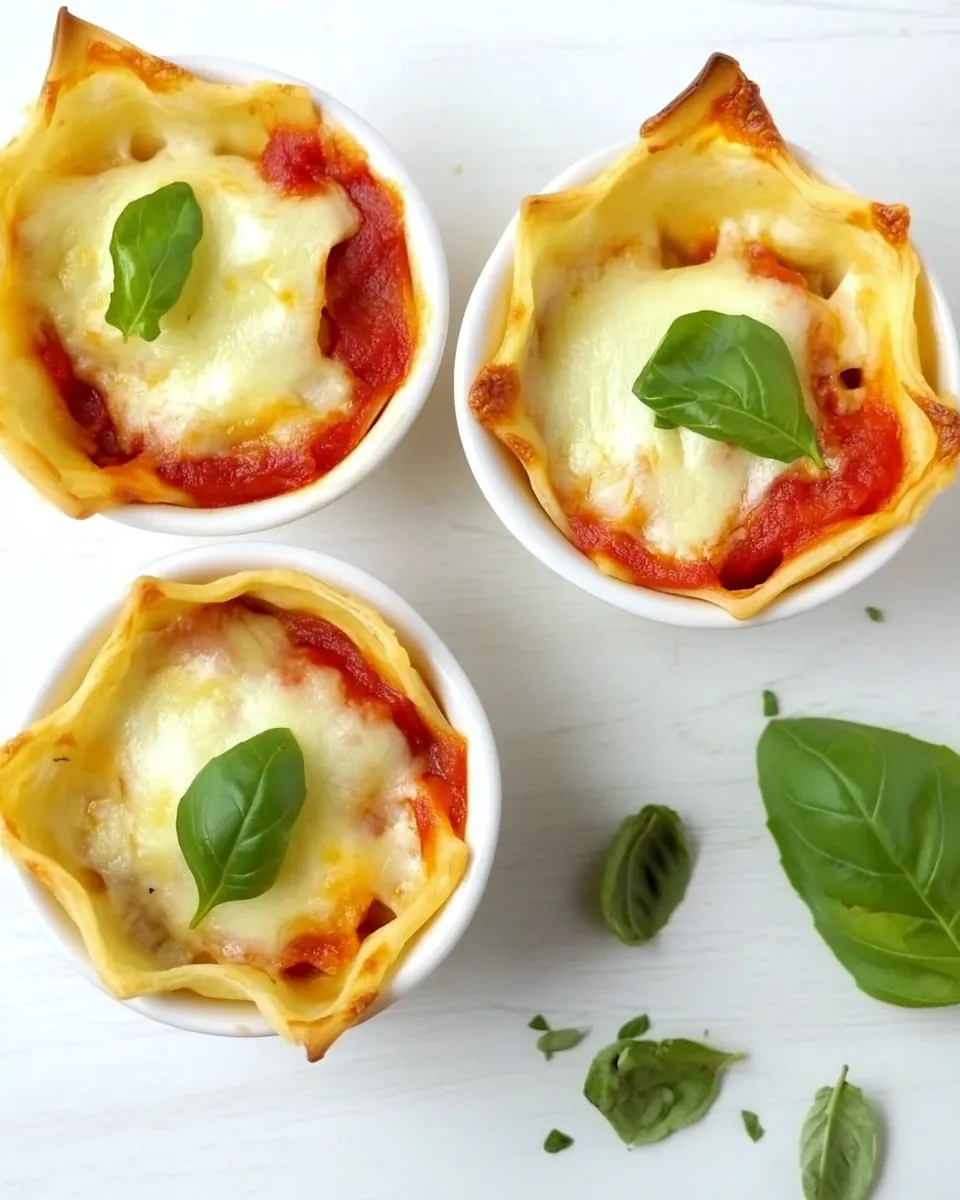
Easy Italian Lasagna Cups
Easy Italian Lasagna Cups are one of those recipes I reach for when I want something playful, comforting, and a little bit impressive without a lot of fuss. The first time I made them I was hosting a casual weeknight get together and wanted something that felt homemade but was easy to hand to guests. I remember standing at the stove, steam rising, as the lasagna sheets softened and slipped into muffin cups, turning what could be fussy into tiny, joyful portions.
Since then I make Easy Italian Lasagna Cups whenever I crave the warm, layered flavors of lasagna but do not want to commit to a whole casserole. These little cups are great for dinner when you want something cozy, and they also steal the show at potlucks because they are neat to hold and simple to serve. I love that each bite combines the silky ricotta cheese, vibrant marinara sauce, and the stretch of melted mozzarella.
Recipe Snapshot
20 mins
8 mins
12 mins
Medium
250 kcal
Italian
Gluten-Free, Low FODMAP
Appetizers
Large pot, 6 cup muffin tin, Oven, Small bowl, Piping bag or spoon
What You’ll Enjoy About This Easy Italian Lasagna Cups
Perfect portion control
I adore that Easy Italian Lasagna Cups give you individual servings. I can bake exactly six cups, and each guest gets a neat, complete bite. The portion size helps with planning and reduces waste, I often say this is one of the best ways to enjoy classic lasagna flavors without leftovers taking over the fridge.
Quick and approachable technique
One thing that sold me is how this recipe swaps a long bake for a short, focused one. Using pre boiled and softened lasagna sheets cuts the time dramatically, and the brief oven finish creates that golden, slightly crisp edge. That quicker approach makes it simple for weeknight cooking while still feeling special.
Bright, fresh flavor balance
I love the contrast between creamy ricotta cheese and the acidity of marinara sauce. The fresh basil leaves lift the whole dish so it never tastes heavy. Every mouthful hits a balance of creamy, tangy, and herbal notes, which keeps each bite interesting and fresh.
Make ahead and flexible
These cups are forgiving. I often prepare the filling earlier in the day and finish them just before friends arrive. That flexibility means you can pace yourself, and your oven only needs to run for a short window. I appreciate how forgiving the assembly is, so small imperfections in shape do not affect the flavor.
Visually charming and shareable
There is something undeniably charming about a tray of golden, bubbling mini lasagnas. They look beautiful on a platter and invite conversation. I find guests love that they can pick one up and dive in, making these cups both practical and celebratory.
Ingredients Overview for Easy Italian Lasagna Cups
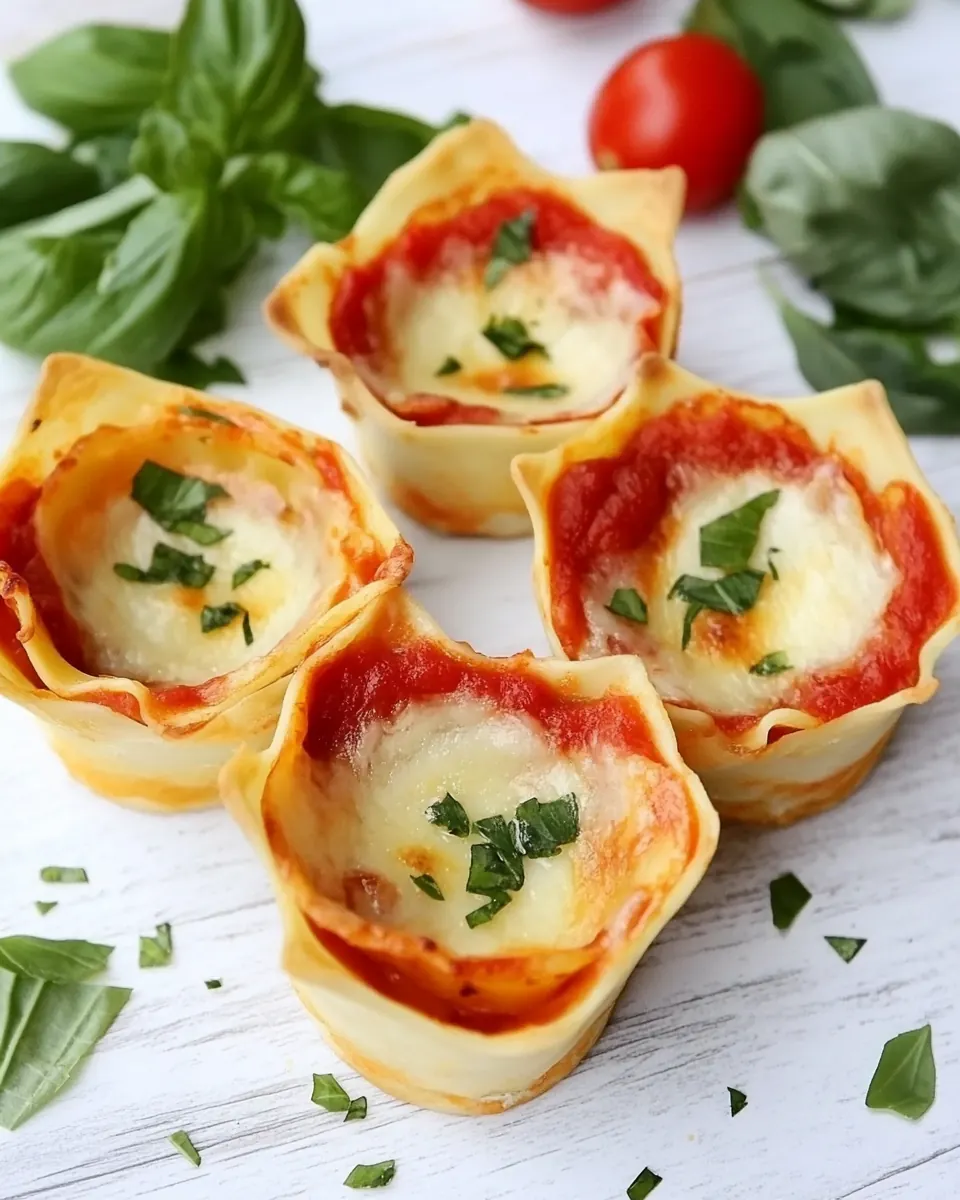
The ingredients for Easy Italian Lasagna Cups are thoughtfully simple, each playing a clear role. The lasagna sheets create the structure, the ricotta cheese brings creaminess, and the marinara sauce adds acidity and depth. Fresh basil leaves provide aromatic lift, while the mozzarella gives that irresistible melt. A drizzle of Extra-virgin olive oil finishes with gloss and flavor, and a pinch of salt and pepper ties everything together.
- 6 lasagna sheets: Provide structure and pasta layers for the cups; break or cut to fit muffin tin and par-cook until pliable. Help absorb sauce and meld flavors while offering a familiar lasagna texture in individual servings.
- 150 g marinara sauce: Bring savory, herby tomato flavor and moisture to the filling; spread evenly to keep cups saucy without becoming soggy. Balance acidity and sweetness while infusing the dish with classic Italian character.
- 150 g fresh ricotta cheese, well drained: Add creamy, mild richness and a slightly grainy texture when well drained; dollop into layers to create a luscious, custard-like interior. Contribute gentle tang and help bind cheeses and sauce together during baking.
- a bunch of fresh basil leaves: Introduce bright, aromatic herbal notes and freshness; tuck whole or torn leaves between layers for bursts of flavor. Complement the cheese and tomato components while lightening the overall richness.
- 1 mozzarella ball, well drained and finely cubed: Provide gooey, melty cheese pockets when finely cubed and well drained; distribute evenly for stringy texture and creamy bites. Contribute mild, milky flavor and appealing melt that contrasts with ricotta.
- Extra-virgin olive oil: Enhance mouthfeel and add subtle fruity richness; drizzle lightly to prevent dryness and to help cheese brown. Use sparingly to elevate flavors and create a glossy finish on baked cups.
- salt & pepper: Season and balance flavors; add incremental amounts to suit taste while preventing overpowering the delicate cheeses. Use salt to amplify savory notes and pepper for a gentle spice contrast.
Making Easy Italian Lasagna Cups
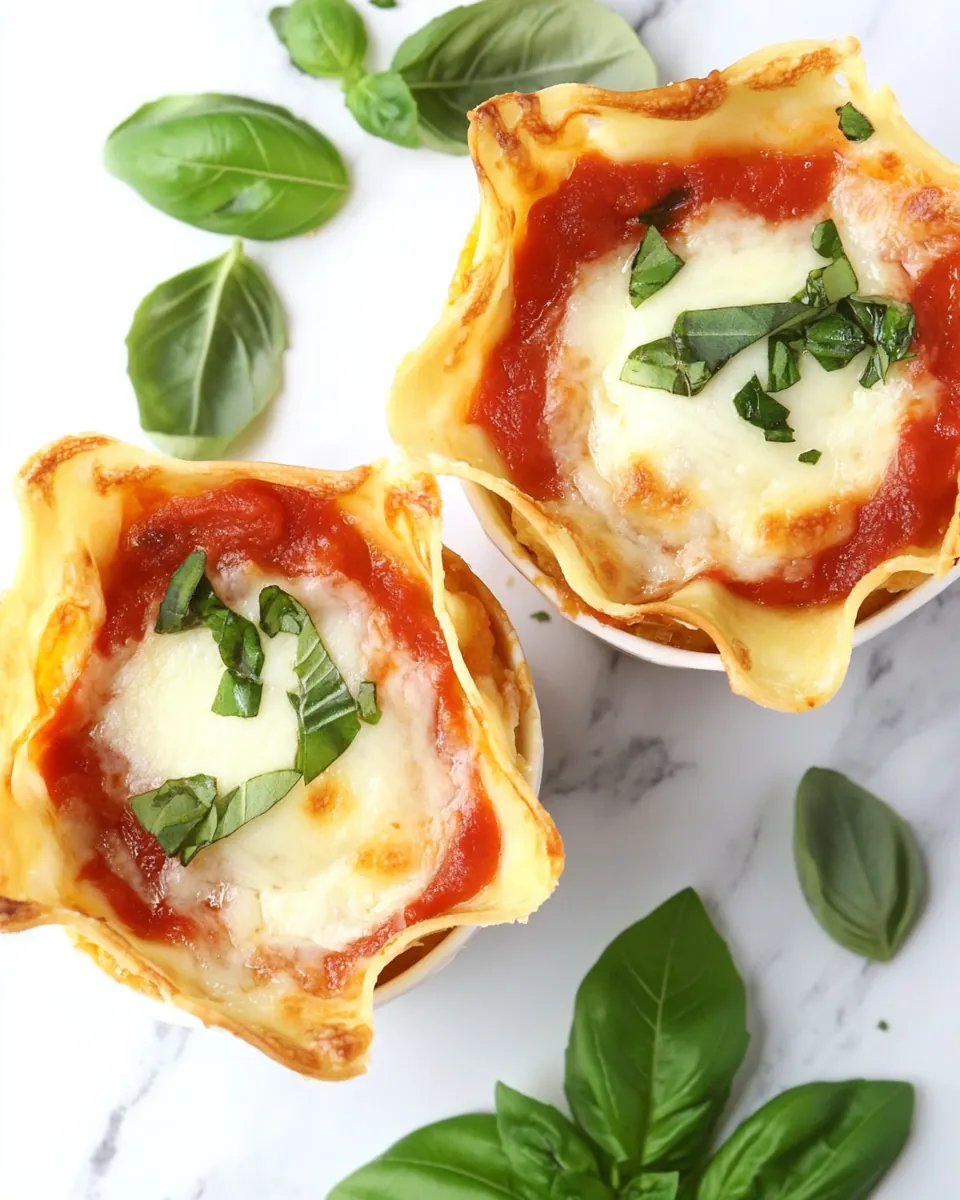
These steps turn the simple ingredients into handheld, golden cups. I like to assemble everything in order so the oven time is short and decisive. Follow the sequence to capture the right textures and the best flavor contrast between creamy and crisp.
- Pre-heat oven to 375 F/180 C. Lightly oil a 6-cup standard muffin tin or coat with nonstick spray.: The warm oven helps the cups crisp quickly, and lightly oiling the muffin tin ensures the edges release easily while promoting golden browning. When the oven is at the correct heat you will notice a steady dry warmth and a faint smell of heated metal, which signals readiness. Use a small brush or a paper towel to spread a thin, even layer of Extra–virgin olive oil so the bottoms do not stick. A frequent mistake is using too much oil, which causes pooling and sogginess instead of crisping.
- In a large pot of boiling water, blanch each lasagna sheet for 2-3 min until slightly softened. Repeat with the remaining lasagna sheets.: Blanching makes the lasagna sheets pliable enough to shape without tearing, and you should see them become translucent at the edges while still holding body. The water should be at a lively boil so the sheets soften quickly, you will hear a gentle rolling sound and see small crowded bubbles. After blanching, lay them flat on a clean surface to cool briefly. Be careful not to overcook because over softened sheets will fall apart when you try to mold them into the tin.
- Fit each lasagna sheet carefully into the cupcake mould, making sure not to break it.: As you press the slightly cooled sheet into each cup, feel for even coverage along the sides and bottom so the filling is supported. The sheet should tuck in with a soft tug and create thin walls that will crisp when baked. If the sheet resists, let it rest a moment longer to avoid tearing. One common error is forcing a brittle sheet too early, which causes holes and leaks in the final bake.
- In a small bowl, mix together the ricotta with the basil leaves, and season with salt and pepper to taste. Transfer the ricotta into a piping bag or use a spoon. Fill each lasagna cup with 1 tablespoon of the ricotta filling.: The aroma of chopped basil leaves folded into the ricotta cheese is fresh and herbaceous, it lifts the mild dairy note with green brightness. Use a spoon or piping bag for even distribution so each cup receives a consistent amount. Texturally, the ricotta should be creamy and slightly grainy, not watery. If it feels loose, let it drain more; excessive moisture will prevent the cups from setting and may cause a watery mouthfeel.
- Add 1-2 tablespoon of marinara sauce in each lasagna cup to cover the ricotta mixture.: Spoon the marinara sauce over the ricotta so it nestles and creates a thin tomato layer. You want the sauce to add acidity and color without overwhelming the creamy center. The heat will coax the sauce aromatics forward and you will notice a sweet tomato scent as it warms. Avoid adding too much sauce, which can make the base soggy and mute the ricotta.
- Top each lasagna cup with a small amount of cubed mozzarella.: Scatter the finely cubed mozzarella across each cup so it melts into stringy, golden pockets. Small cubes help the cheese warm uniformly and form attractive molten spots. When the cheese begins to melt in the oven it will bubble gently and develop a light golden hue. Putting too-large pieces risks uneven melting, leaving some bites under gooey and others untouched.
- Drizzle with a little olive oil and season with black pepper to taste.: A light drizzle of Extra–virgin olive oil gives shine and encourages the edges to brown while a crack of pepper adds warmth. The oil will carry aromatics into the crust, and you will notice a subtle fruity scent from the oil as it warms. Don’t over oil, excess will pool and make the cups greasy, diminishing the crisp contrast.
- Bake the lasagna cups for 10-12 minutes, or until the cheese has melted and the lasagna cups are cooked through and crispy golden brown.: During baking, the kitchen will fill with a warm, cheesy aroma and you will hear small pop sounds as pockets of moisture evaporate. Look for bubbling cheese and edges that turn a rich golden brown, that is the visual cue indicating crispness. The short bake preserves creamy interiors while creating crunchy rims. A common mistake is underbaking which leaves the cheese unmelted, or overbaking which dries the ricotta out.
- Serve immediately, garnished with basil leaves.: Serving while hot ensures that the mozzarella is stretchy and the edges remain crisp, and the fresh basil leaves on top add an herbaceous finish. The contrast of hot interior and cool herb is delightful in the mouth. If you let them sit too long they soften and lose the memorable textural contrast.
Make It Your Own
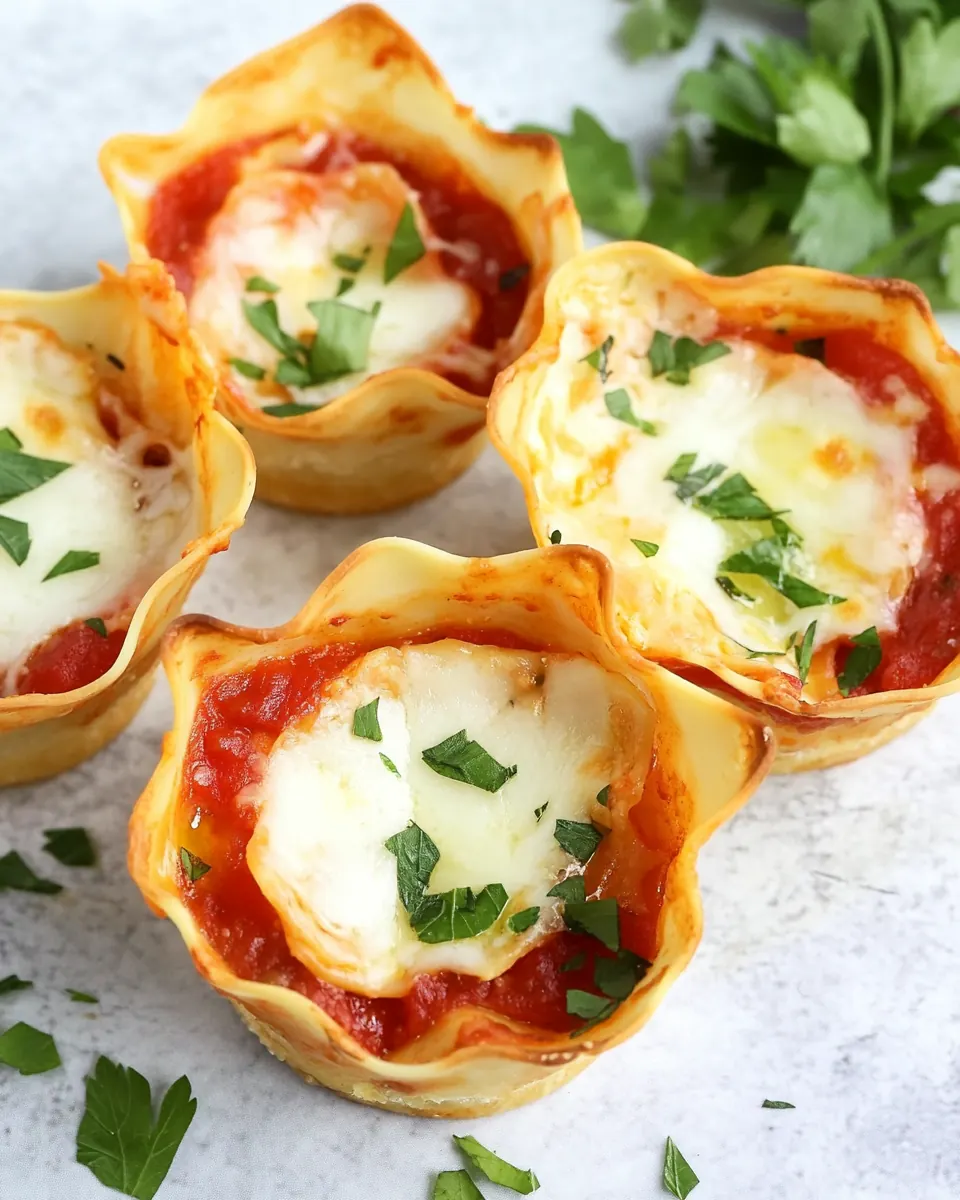
These suggestions help you personalize Easy Italian Lasagna Cups without losing the recipe soul. Small adjustments to texture and timing can yield big results, so experiment gently and taste as you go.
- Use well drained ricotta: Press the ricotta cheese through a fine sieve or drain in cheesecloth for 15 to 30 minutes to remove excess liquid, which helps the filling hold shape during baking.
- Heat reduce your marinara: Simmer the marinara sauce briefly to concentrate flavor and thicken the texture, this prevents excess moisture from seeping into the lasagna cups.
- Chill sheets slightly after blanching: Lay blanched lasagna sheets flat on a towel to cool for a minute so they are easier to handle and less likely to tear when shaping.
- Portion with a piping bag: Transfer the ricotta cheese filling to a piping bag for consistent, tidy dollops that speed assembly and ensure equal servings.
- Bake on the middle rack: Position the muffin tin in the oven center to encourage even browning of the edges and melting of the cheese without burning the bottoms.
- Garnish just before serving: Add reserved basil leaves at the last moment to keep them bright and aromatic, rather than wilted.
How to Enjoy Easy Italian Lasagna Cups
These little cups adapt to many occasions and pair well with simple sides. They are great for a casual family dinner or a shareable appetizer at gatherings. Serve warm to highlight the contrast between creamy centers and crisp edges, and consider small salads or roasted vegetables as accompaniments.
- Serve with a simple green salad: A crisp salad dressed lightly with lemon or vinegar balances the richness of the cups, adding refreshing crunch and acidity.
- Offer as an appetizer: Arrange the cups on a platter so guests can pick them up easily, making them perfect for cocktail parties or casual get togethers.
- Pack for lunch: Let them cool slightly and pack in a container with a small side salad, the cups reheat well in a hot oven to regain crispness.
- Occasion pairing: These are great for weeknight dinners, potlucks, or anytime you want a comforting meal that feels homemade and special.
- Storage tips: Refrigerate leftover cups in an airtight container for up to two days, reheat in a 350 F oven until warmed through to restore the crisp edges.
- Seasonal pairing: Serve year round, but in summer the fresh basil leaves taste exceptional, while in cooler months the warm, cheesy comfort is especially welcome.
FAQ
Conclusion
What makes these Easy Italian Lasagna Cups special is how they capture the heart of classic lasagna in a quick, approachable form that is both comforting and shareable. They are effortless to assemble, bake up golden and bubbly, and offer a satisfying contrast of creamy interior and crispy edges. I hope you give them a try the next time you want a cozy, crowd pleasing dish that looks charming and tastes like a warm hug.
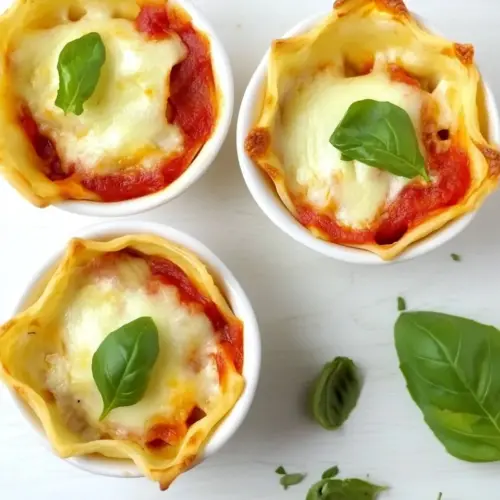
Easy Italian Lasagna Cups
Equipment
- Large Pot
- 6 cup muffin tin
- Oven
- Small Bowl
- Piping bag or spoon
Ingredients
- 6 lasagna sheets Provide structure and pasta layers for the cups; break or cut to fit muffin tin and par-cook until pliable. Help absorb sauce and meld flavors while offering a familiar lasagna texture in individual servings.
- 150 g marinara sauce Bring savory, herby tomato flavor and moisture to the filling; spread evenly to keep cups saucy without becoming soggy. Balance acidity and sweetness while infusing the dish with classic Italian character.
- 150 g fresh ricotta cheese, well drained Add creamy, mild richness and a slightly grainy texture when well drained; dollop into layers to create a luscious, custard-like interior. Contribute gentle tang and help bind cheeses and sauce together during baking.
- a bunch of fresh basil leaves Introduce bright, aromatic herbal notes and freshness; tuck whole or torn leaves between layers for bursts of flavor. Complement the cheese and tomato components while lightening the overall richness.
- 1 mozzarella ball, well drained and finely cubed Provide gooey, melty cheese pockets when finely cubed and well drained; distribute evenly for stringy texture and creamy bites. Contribute mild, milky flavor and appealing melt that contrasts with ricotta.
- Extra-virgin olive oil Enhance mouthfeel and add subtle fruity richness; drizzle lightly to prevent dryness and to help cheese brown. Use sparingly to elevate flavors and create a glossy finish on baked cups.
- salt & pepper Season and balance flavors; add incremental amounts to suit taste while preventing overpowering the delicate cheeses. Use salt to amplify savory notes and pepper for a gentle spice contrast.
Instructions
- Pre-heat oven to 375 F/180 C. Lightly oil a 6-cup standard muffin tin or coat with nonstick spray.: The warm oven helps the cups crisp quickly, and lightly oiling the muffin tin ensures the edges release easily while promoting golden browning. When the oven is at the correct heat you will notice a steady dry warmth and a faint smell of heated metal, which signals readiness. Use a small brush or a paper towel to spread a thin, even layer of Extra-virgin olive oil so the bottoms do not stick. A frequent mistake is using too much oil, which causes pooling and sogginess instead of crisping.
- In a large pot of boiling water, blanch each lasagna sheet for 2-3 min until slightly softened. Repeat with the remaining lasagna sheets.: Blanching makes the lasagna sheets pliable enough to shape without tearing, and you should see them become translucent at the edges while still holding body. The water should be at a lively boil so the sheets soften quickly, you will hear a gentle rolling sound and see small crowded bubbles. After blanching, lay them flat on a clean surface to cool briefly. Be careful not to overcook because over softened sheets will fall apart when you try to mold them into the tin.
- Fit each lasagna sheet carefully into the cupcake mould, making sure not to break it.: As you press the slightly cooled sheet into each cup, feel for even coverage along the sides and bottom so the filling is supported. The sheet should tuck in with a soft tug and create thin walls that will crisp when baked. If the sheet resists, let it rest a moment longer to avoid tearing. One common error is forcing a brittle sheet too early, which causes holes and leaks in the final bake.
- In a small bowl, mix together the ricotta with the basil leaves, and season with salt and pepper to taste. Transfer the ricotta into a piping bag or use a spoon. Fill each lasagna cup with 1 tablespoon of the ricotta filling.: The aroma of chopped basil leaves folded into the ricotta cheese is fresh and herbaceous, it lifts the mild dairy note with green brightness. Use a spoon or piping bag for even distribution so each cup receives a consistent amount. Texturally, the ricotta should be creamy and slightly grainy, not watery. If it feels loose, let it drain more; excessive moisture will prevent the cups from setting and may cause a watery mouthfeel.
- Add 1-2 tablespoon of marinara sauce in each lasagna cup to cover the ricotta mixture.: Spoon the marinara sauce over the ricotta so it nestles and creates a thin tomato layer. You want the sauce to add acidity and color without overwhelming the creamy center. The heat will coax the sauce aromatics forward and you will notice a sweet tomato scent as it warms. Avoid adding too much sauce, which can make the base soggy and mute the ricotta.
- Top each lasagna cup with a small amount of cubed mozzarella.: Scatter the finely cubed mozzarella across each cup so it melts into stringy, golden pockets. Small cubes help the cheese warm uniformly and form attractive molten spots. When the cheese begins to melt in the oven it will bubble gently and develop a light golden hue. Putting too-large pieces risks uneven melting, leaving some bites under gooey and others untouched.
- Drizzle with a little olive oil and season with black pepper to taste.: A light drizzle of Extra-virgin olive oil gives shine and encourages the edges to brown while a crack of pepper adds warmth. The oil will carry aromatics into the crust, and you will notice a subtle fruity scent from the oil as it warms. Don’t over oil, excess will pool and make the cups greasy, diminishing the crisp contrast.
- Bake the lasagna cups for 10-12 minutes, or until the cheese has melted and the lasagna cups are cooked through and crispy golden brown.: During baking, the kitchen will fill with a warm, cheesy aroma and you will hear small pop sounds as pockets of moisture evaporate. Look for bubbling cheese and edges that turn a rich golden brown, that is the visual cue indicating crispness. The short bake preserves creamy interiors while creating crunchy rims. A common mistake is underbaking which leaves the cheese unmelted, or overbaking which dries the ricotta out.
- Serve immediately, garnished with basil leaves.: Serving while hot ensures that the mozzarella is stretchy and the edges remain crisp, and the fresh basil leaves on top add an herbaceous finish. The contrast of hot interior and cool herb is delightful in the mouth. If you let them sit too long they soften and lose the memorable textural contrast.
Notes
- Use well drained ricotta: Press the ricotta cheese through a fine sieve or drain in cheesecloth for 15 to 30 minutes to remove excess liquid, which helps the filling hold shape during baking.
- Heat reduce your marinara: Simmer the marinara sauce briefly to concentrate flavor and thicken the texture, this prevents excess moisture from seeping into the lasagna cups.
- Chill sheets slightly after blanching: Lay blanched lasagna sheets flat on a towel to cool for a minute so they are easier to handle and less likely to tear when shaping.
- Portion with a piping bag: Transfer the ricotta cheese filling to a piping bag for consistent, tidy dollops that speed assembly and ensure equal servings.
- Bake on the middle rack: Position the muffin tin in the oven center to encourage even browning of the edges and melting of the cheese without burning the bottoms.
- Garnish just before serving: Add reserved basil leaves at the last moment to keep them bright and aromatic, rather than wilted.