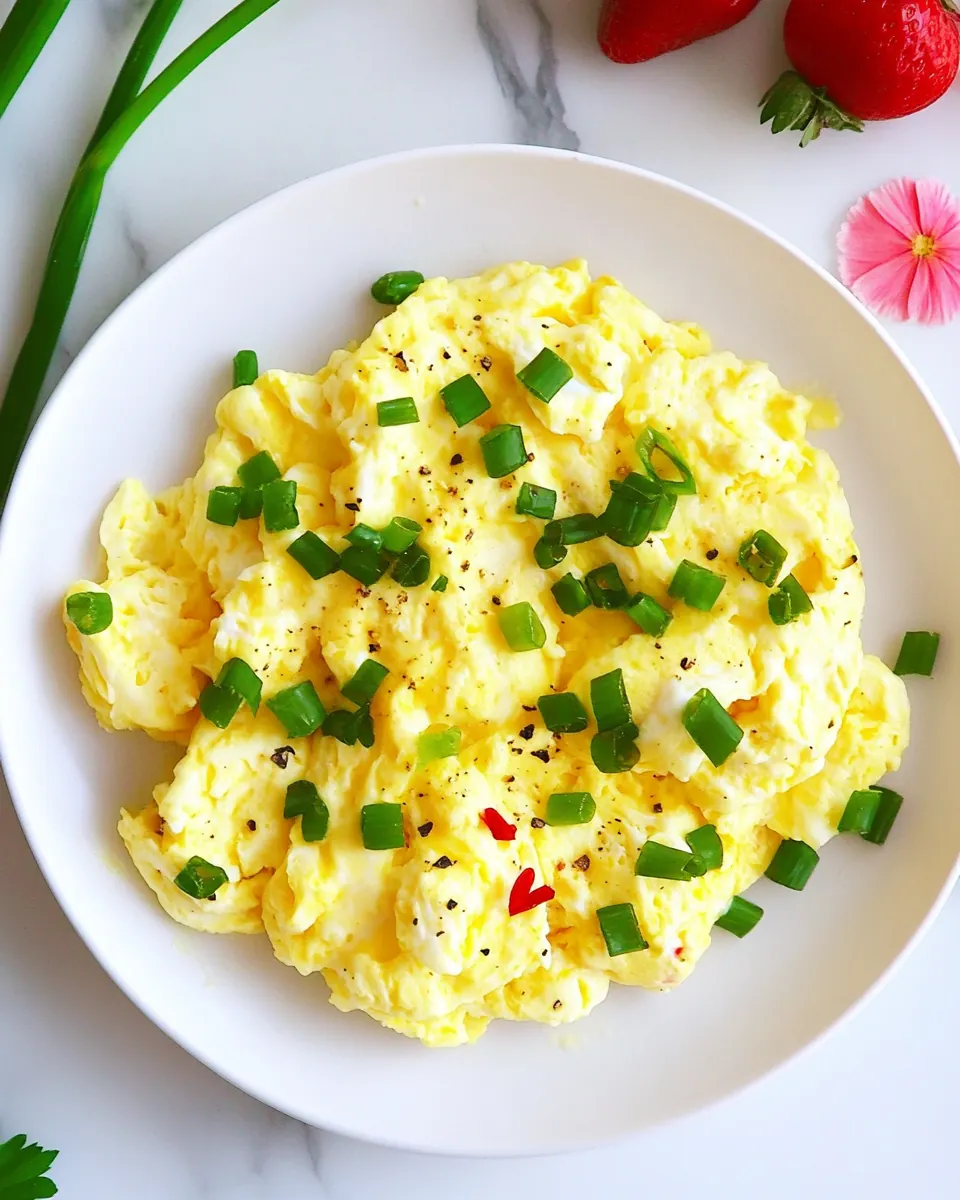
Cottage Cheese Scrambled Eggs
Cottage Cheese Scrambled Eggs have become my go to when I want breakfast that feels indulgent but actually refuels me. The very first time I stirred cottage cheese into beaten eggs, I was skeptical, then instantly hooked by the silky texture and subtle tang that transformed an ordinary morning.
There is a small ritual I follow now, a few quiet minutes at the stove that center me. I still remember the morning I experimented with this combo after a long night, and how the warm plate and creamy mouthfeel made everything seem manageable again. It is not fussy, and it rewards gentle hands more than theatrics, which I love.
Over time I refined the balance so the curds add creaminess without turning the texture chunky, and a tiny pinch of salt pulls the flavors together. I often make a single serving when my day is starting slow, and it always feels like a quiet, satisfying luxury. The simplicity makes it perfect for weekday mornings, yet it is adaptable enough for a weekend brunch with friends.
Recipe Snapshot
10 mins
5 mins
5 mins
Easy
220 kcal
American
Keto, Gluten-Free
Breakfast
Non stick skillet, Small bowl, Rubber spatula, Whisk or fork
Why This Cottage Cheese Scrambled Eggs Stands Out
Creamy texture without heavy cheese
I adore how cottage cheese adds creaminess without the heaviness of melted cheese. The curds break down as you whisk them with eggs, creating a silky mouthfeel that is both light and satisfying. For me, that balance means I can enjoy a rich tasting breakfast that does not weigh me down for the rest of the morning.
Speed and simplicity
I value recipes I can rely on when mornings are rushed. This dish is fast, requiring almost no active time, yet it consistently delivers. I like knowing I can get protein and comfort on the table in minutes, with minimal cleanup, which is essential on busy days when I need fuel without fuss.
Protein forward and versatile
Because eggs and cottage cheese are both protein rich, this recipe keeps me full longer than plain toast or cereal. That makes it a great pick for a quick post workout meal, or when I want a sustaining breakfast. I also appreciate that the base is a blank canvas, so adding herbs, spices, or extra eggs is easy when I want to change it up.
Low effort technique that rewards attention
The method is forgiving, but a few small choices make a big difference. A warm non stick skillet and a gentle hand with the spatula keep the curds tender. I enjoy the slow reveal of color as the eggs go from glossy to softly set, and that visible progress encourages me to slow down and savor the process.
Healthy and adaptable
I often recommend this to friends looking for a lighter, creamy alternative to heavier cheesy scrambles. Swapping full fat for a lighter cottage cheese changes the richness, and adding another egg or some extra whites boosts the protein if you need more staying power. For my household, that flexibility is a huge plus.
Ingredients for Cottage Cheese Scrambled Eggs
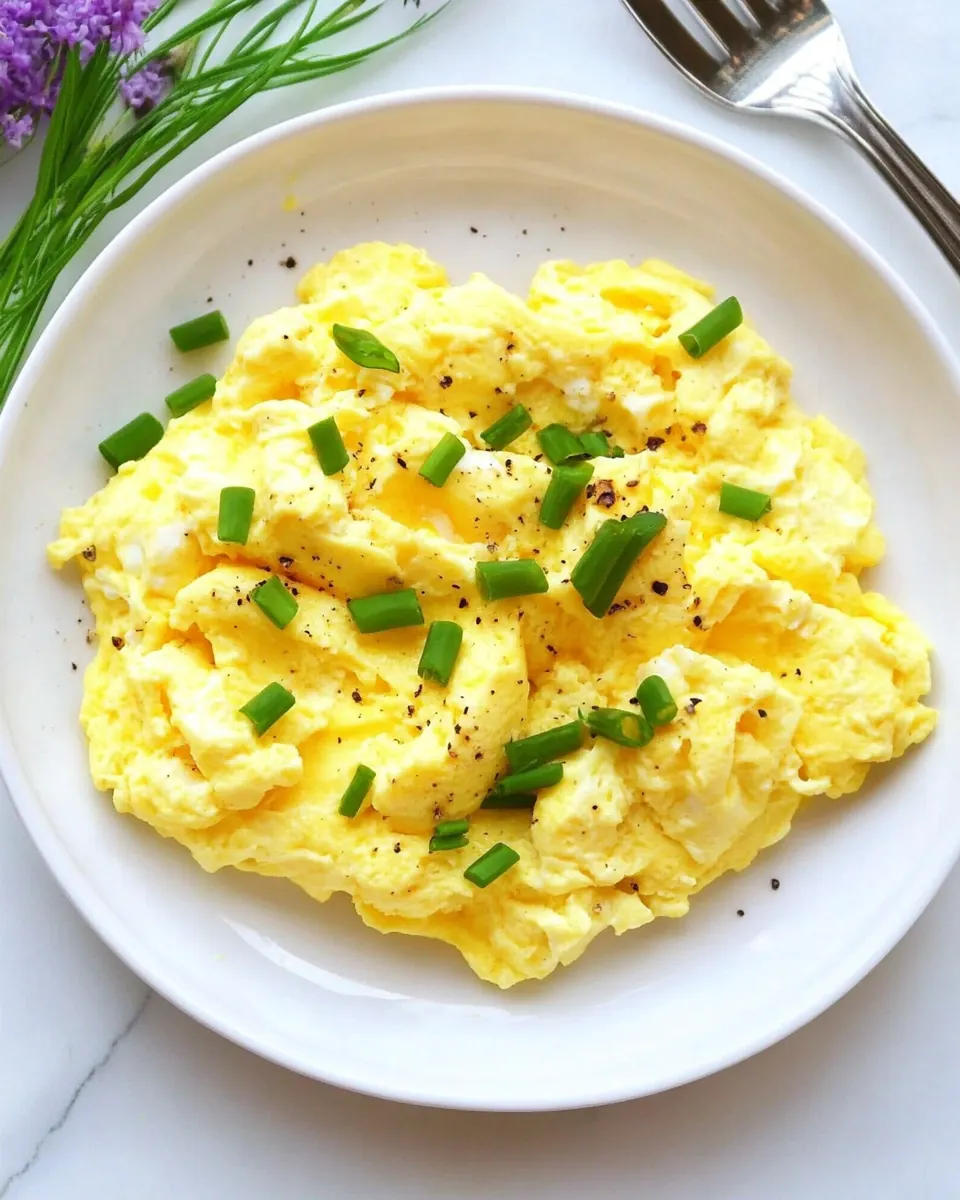
The philosophy here is simple: minimal, complementary players that form a silky, protein packed scramble. Each ingredient has a clear role, from structure and richness to seasoning. Together they make a balanced single serving that feels indulgent yet bright.
- 2 large eggs: Whisk gently to provide structure and volume to the scramble while allowing other ingredients to bind and set; cook until just softly curdled for a tender texture. Add gradually to a warmed, buttered pan over medium-low heat and fold continuously to create creamy curds. Season lightly and remove from heat slightly underdone so residual heat finishes the eggs without drying them out.
- 1/4 cup cottage cheese: Fold in smoothly to add creaminess and moisture, contributing a tangy, rich mouthfeel that enhances the eggs without overpowering them. Incorporate just before or during gentle folding to melt into the curds and create pockets of softness throughout the scramble. Use full-fat or low-fat depending on desired richness, and adjust final seasoning after combining.
- pinch of salt: Season sparingly to enhance and balance the natural flavors of the eggs and cottage cheese without dominating the dish. Add a pinch during cooking and taste toward the end to fine-tune the seasoning level. Consider finishing with a small additional sprinkle if needed for brightness.
Cooking Instructions for Cottage Cheese Scrambled Eggs
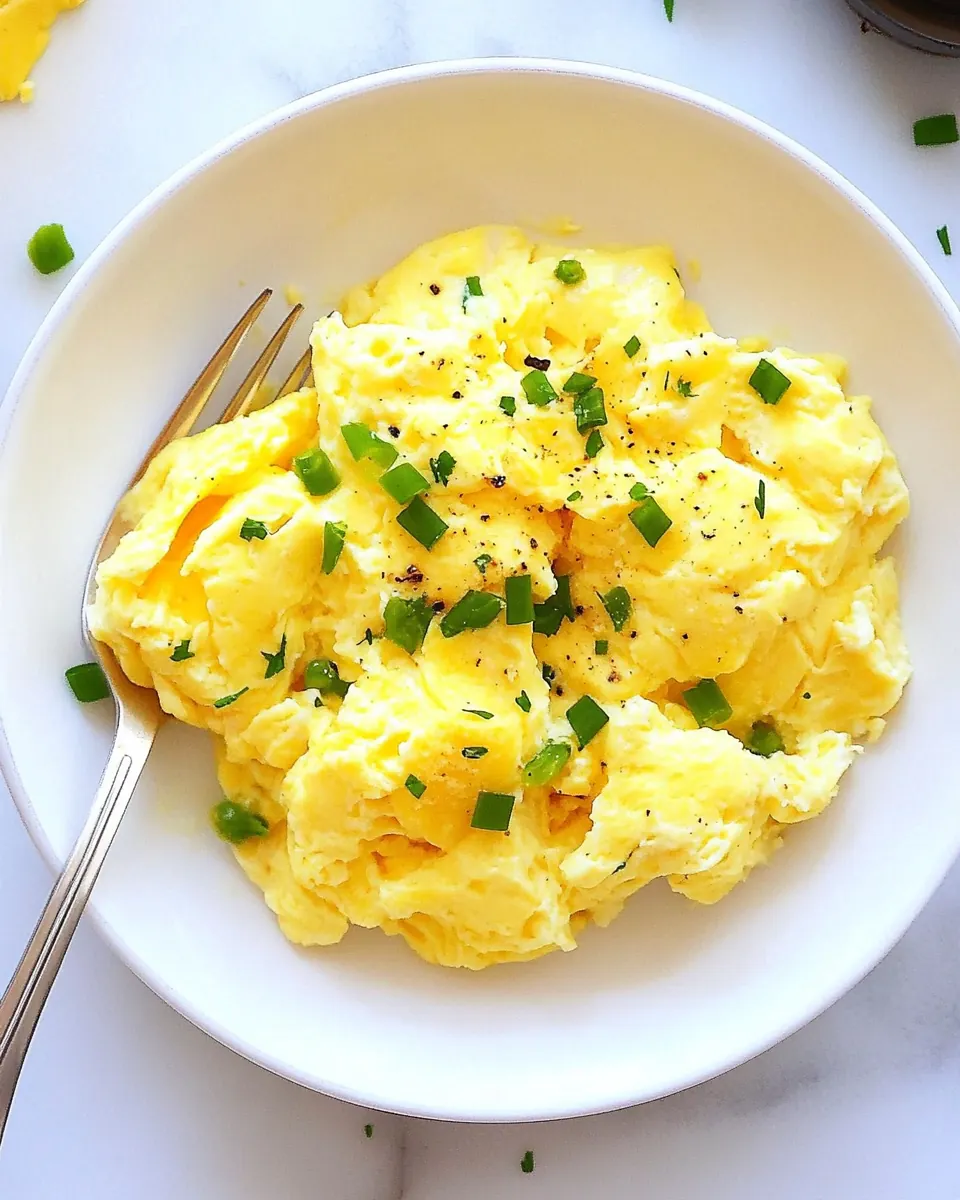
These instructions keep things casual and approachable, while walking you through the sensory cues that tell you when to move to the next step. The goal is a tender, creamy scramble with a gentle tang from the cottage cheese.
- Preheat a non-stick skillet over medium heat for about 2 minutes as you prepare the egg mixture. Starting with a warm skillet will make the eggs less likely to stick to your pan.: You will feel the warmth when you hover your hand a few inches above the pan, and the surface becomes ready to sizzle. Starting with a warm pan ensures the eggs begin cooking immediately, which helps them set gently instead of sticking. Listen for the faint whisper of heat as the pan settles into temperature. Why this matters, the initial contact with heat controls how quickly proteins coagulate, producing a tender curd rather than a rubbery texture. Troubleshooting, if the pan is too hot the eggs will brown and firm up too fast, so reduce heat if you see rapid bubbling.
- Crack the eggs into a small bowl, then add in the cottage cheese and a generous pinch of salt. Use a fork to whisk until the mixture looks creamy.: As you crack the eggs , note the bright yellow yolks that promise richness. The cottage cheese brings a lumpy creaminess at first, which will smooth as you whisk. I like to whisk until the mixture looks homogeneous and slightly frothy, that aeration helps keep the final scramble light. The whisking sound changes from a slap to a soft hum as the mixture comes together. Why this matters, achieving a unified mixture ensures even cooking and a consistent texture. Troubleshooting, if you under whisk the curds may remain chunky in the finished scramble, so whisk until the pieces mostly break down.
- Grease the pan with spray oil or butter, then pour the mixture into the hot pan. Let the eggs cook for about 1 minute, undisturbed. As soon as the edges start to look like they are cooking, drag a rubber spatula through the eggs, gently stirring them around the pan.: When the fat hits the hot surface you will notice a faint sizzle and a glossy sheen forming across the pan. The fat creates a protective layer that prevents sticking and contributes flavor. I use just a small amount so the eggs do not become greasy. Visually the mixture should start to set at the edges within the first minute. Why this matters, the fat promotes even heat transfer and adds mouthfeel. Troubleshooting, if you see smoking fat your pan is too hot, remove it briefly to cool.
- Continue stirring, as needed, until the eggs are cooked through. Just like traditional scrambled eggs, you can cook these as soft or firm as you like. Serve the eggs warm right away with fresh herbs on top, if desired.: During this quiet period you will see the edges transition from translucent to opaque, and the surface will lose some of its gloss. This pause allows the bottom to develop gentle structure, which makes it easier to fold the curds later. The smell will be warm and mildly eggy, not browned. Why this matters, letting them set slightly before stirring prevents the scramble from becoming uniformly mushy. Troubleshooting, avoid leaving them untouched for too long or the bottom will form a dry layer.
- As soon as the edges start to look like they are cooking, drag a rubber spatula through the eggs, gently stirring them around the pan: You will hear a soft scraping sound and watch tender ribbons form as you push from the edges to the center. The movement creates curds and distributes the heat evenly, producing that desirable creamy texture. Keep the motions deliberate and gentle, scraping the bottom rather than chopping. Why this matters, gentle folding preserves moisture and keeps curds tender. Troubleshooting, vigorous stirring will break the curds into tiny fragments and produce a dryer result.
- Continue stirring, as needed, until the eggs are cooked through: Pay attention to the change from glossy and loose to slightly drier and set, that is your cue to remove them. The final texture can be soft and custardy or firmer depending on your preference, so trust the visual cues. The aroma will deepen slightly, but you should avoid browning for the creamiest outcome. Why this matters, stopping at the right moment keeps the scramble tender and moist rather than rubbery. Troubleshooting, carryover heat will continue to cook them after you remove the pan, so take them off just before your ideal doneness.
- Serve the eggs warm right away with fresh herbs on top, if desired: The finished scramble should glisten with gentle moisture and have a smooth mouthfeel, with tiny hints of curd from the cottage cheese. Serving immediately preserves the texture, and a sprinkling of herbs or a tiny extra pinch of salt brightens each bite. Why this matters, immediate service avoids the eggs tightening as they cool and keeps the experience luxurious. Troubleshooting, if they sit they will firm up and lose that soft, meal like quality, so prioritize plating quickly.
Helpful Hints
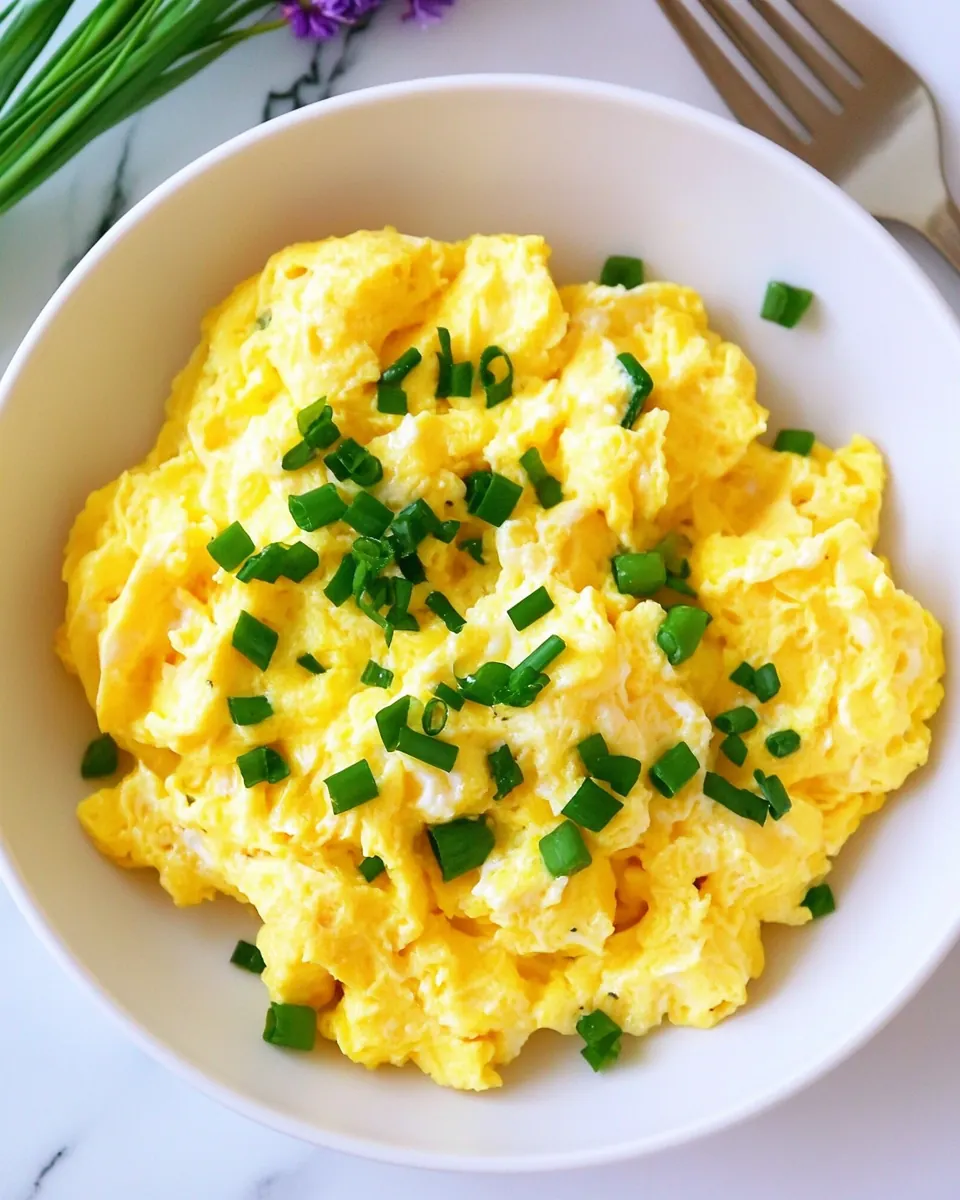
These hints collect small but impactful choices that make the scramble reliably creamy and flavorful. Follow them to get a consistently luxurious texture and to avoid common mistakes that turn eggs rubbery or watery.
- Warm, not hot pan is key to preventing the eggs from seizing and sticking, aim for medium heat and preheat for about two minutes.
- Whisk thoroughly so the cottage cheese integrates and the mixture becomes slightly aerated, this promotes a light, custardy result.
- Minimal fat will prevent greasiness, a light spray or a small pat of butter is enough to protect the pan.
- Watch the glossy sheen, when the eggs begin to lose shine they are nearing doneness and should be removed soon to avoid overcooking.
- Serve immediately because the texture is best warm, cooling tightens the curds and alters the mouthfeel.
What to Serve With Cottage Cheese Scrambled Eggs
This scramble pairs well with simple, bright accompaniments that complement its creamy texture. Think easy sides and occasions where a quick, nourishing plate is welcome. The following suggestions cover serving ideas, storage tips, and seasonal notes to help you plan a complete bite.
- Crisp toast adds crunch and soak up any residual creaminess, making each bite more interesting and texturally balanced.
- Fresh herbs like chives or parsley provide a bright contrast, sprinkled just before serving to preserve their freshness and aroma.
- Simple salad with lemon or vinegar based dressing offers acidity to cut the dairy richness and turns the plate into a light lunch or brunch option.
- Occasion flexibility this is perfect for quick weekday breakfasts, a relaxed weekend brunch, or a protein forward post workout meal.
- Storage tips keep leftovers in an airtight container in the fridge for up to one day, and reheat gently over low heat to avoid drying out the curds.
- Seasonal pairing serve with fresh spring tomatoes or herbs in warm months, and hearty whole grain toast in cooler seasons for comforting balance.
FAQ
Conclusion
What makes this recipe special is its ability to turn a few simple ingredients into a creamy, satisfying breakfast with minimal effort. The partnership of cottage cheese and eggs produces a tender, protein rich scramble that feels indulgent without being heavy. Give it a try on a busy morning or a leisurely weekend, and notice how a small technique shift creates a big payoff. I hope you enjoy the comforting texture and subtle tang, and that it becomes one of your quick go to breakfasts.
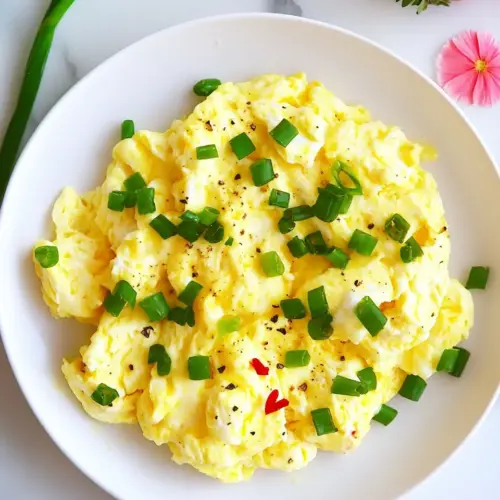
Cottage Cheese Scrambled Eggs
Equipment
- Non-Stick Skillet
- Small Bowl
- Rubber spatula
- Whisk or fork
Ingredients
- 2 large eggs Whisk gently to provide structure and volume to the scramble while allowing other ingredients to bind and set; cook until just softly curdled for a tender texture. Add gradually to a warmed, buttered pan over medium-low heat and fold continuously to create creamy curds. Season lightly and remove from heat slightly underdone so residual heat finishes the eggs without drying them out.
- 1/4 cup cottage cheese Fold in smoothly to add creaminess and moisture, contributing a tangy, rich mouthfeel that enhances the eggs without overpowering them. Incorporate just before or during gentle folding to melt into the curds and create pockets of softness throughout the scramble. Use full-fat or low-fat depending on desired richness, and adjust final seasoning after combining.
- pinch of salt Season sparingly to enhance and balance the natural flavors of the eggs and cottage cheese without dominating the dish. Add a pinch during cooking and taste toward the end to fine-tune the seasoning level. Consider finishing with a small additional sprinkle if needed for brightness.
Instructions
- Preheat a non-stick skillet over medium heat for about 2 minutes as you prepare the egg mixture. Starting with a warm skillet will make the eggs less likely to stick to your pan.: You will feel the warmth when you hover your hand a few inches above the pan, and the surface becomes ready to sizzle. Starting with a warm pan ensures the eggs begin cooking immediately, which helps them set gently instead of sticking. Listen for the faint whisper of heat as the pan settles into temperature. Why this matters, the initial contact with heat controls how quickly proteins coagulate, producing a tender curd rather than a rubbery texture. Troubleshooting, if the pan is too hot the eggs will brown and firm up too fast, so reduce heat if you see rapid bubbling.
- Crack the eggs into a small bowl, then add in the cottage cheese and a generous pinch of salt. Use a fork to whisk until the mixture looks creamy.: As you crack the eggs , note the bright yellow yolks that promise richness. The cottage cheese brings a lumpy creaminess at first, which will smooth as you whisk. I like to whisk until the mixture looks homogeneous and slightly frothy, that aeration helps keep the final scramble light. The whisking sound changes from a slap to a soft hum as the mixture comes together. Why this matters, achieving a unified mixture ensures even cooking and a consistent texture. Troubleshooting, if you under whisk the curds may remain chunky in the finished scramble, so whisk until the pieces mostly break down.
- Grease the pan with spray oil or butter, then pour the mixture into the hot pan. Let the eggs cook for about 1 minute, undisturbed. As soon as the edges start to look like they are cooking, drag a rubber spatula through the eggs, gently stirring them around the pan.: When the fat hits the hot surface you will notice a faint sizzle and a glossy sheen forming across the pan. The fat creates a protective layer that prevents sticking and contributes flavor. I use just a small amount so the eggs do not become greasy. Visually the mixture should start to set at the edges within the first minute. Why this matters, the fat promotes even heat transfer and adds mouthfeel. Troubleshooting, if you see smoking fat your pan is too hot, remove it briefly to cool.
- Continue stirring, as needed, until the eggs are cooked through. Just like traditional scrambled eggs, you can cook these as soft or firm as you like. Serve the eggs warm right away with fresh herbs on top, if desired.: During this quiet period you will see the edges transition from translucent to opaque, and the surface will lose some of its gloss. This pause allows the bottom to develop gentle structure, which makes it easier to fold the curds later. The smell will be warm and mildly eggy, not browned. Why this matters, letting them set slightly before stirring prevents the scramble from becoming uniformly mushy. Troubleshooting, avoid leaving them untouched for too long or the bottom will form a dry layer.
- As soon as the edges start to look like they are cooking, drag a rubber spatula through the eggs, gently stirring them around the pan: You will hear a soft scraping sound and watch tender ribbons form as you push from the edges to the center. The movement creates curds and distributes the heat evenly, producing that desirable creamy texture. Keep the motions deliberate and gentle, scraping the bottom rather than chopping. Why this matters, gentle folding preserves moisture and keeps curds tender. Troubleshooting, vigorous stirring will break the curds into tiny fragments and produce a dryer result.
- Continue stirring, as needed, until the eggs are cooked through: Pay attention to the change from glossy and loose to slightly drier and set, that is your cue to remove them. The final texture can be soft and custardy or firmer depending on your preference, so trust the visual cues. The aroma will deepen slightly, but you should avoid browning for the creamiest outcome. Why this matters, stopping at the right moment keeps the scramble tender and moist rather than rubbery. Troubleshooting, carryover heat will continue to cook them after you remove the pan, so take them off just before your ideal doneness.
- Serve the eggs warm right away with fresh herbs on top, if desired: The finished scramble should glisten with gentle moisture and have a smooth mouthfeel, with tiny hints of curd from the cottage cheese. Serving immediately preserves the texture, and a sprinkling of herbs or a tiny extra pinch of salt brightens each bite. Why this matters, immediate service avoids the eggs tightening as they cool and keeps the experience luxurious. Troubleshooting, if they sit they will firm up and lose that soft, meal like quality, so prioritize plating quickly.
Notes
- Warm, not hot pan is key to preventing the eggs from seizing and sticking, aim for medium heat and preheat for about two minutes.
- Whisk thoroughly so the cottage cheese integrates and the mixture becomes slightly aerated, this promotes a light, custardy result.
- Minimal fat will prevent greasiness, a light spray or a small pat of butter is enough to protect the pan.
- Watch the glossy sheen, when the eggs begin to lose shine they are nearing doneness and should be removed soon to avoid overcooking.
- Serve immediately because the texture is best warm, cooling tightens the curds and alters the mouthfeel.