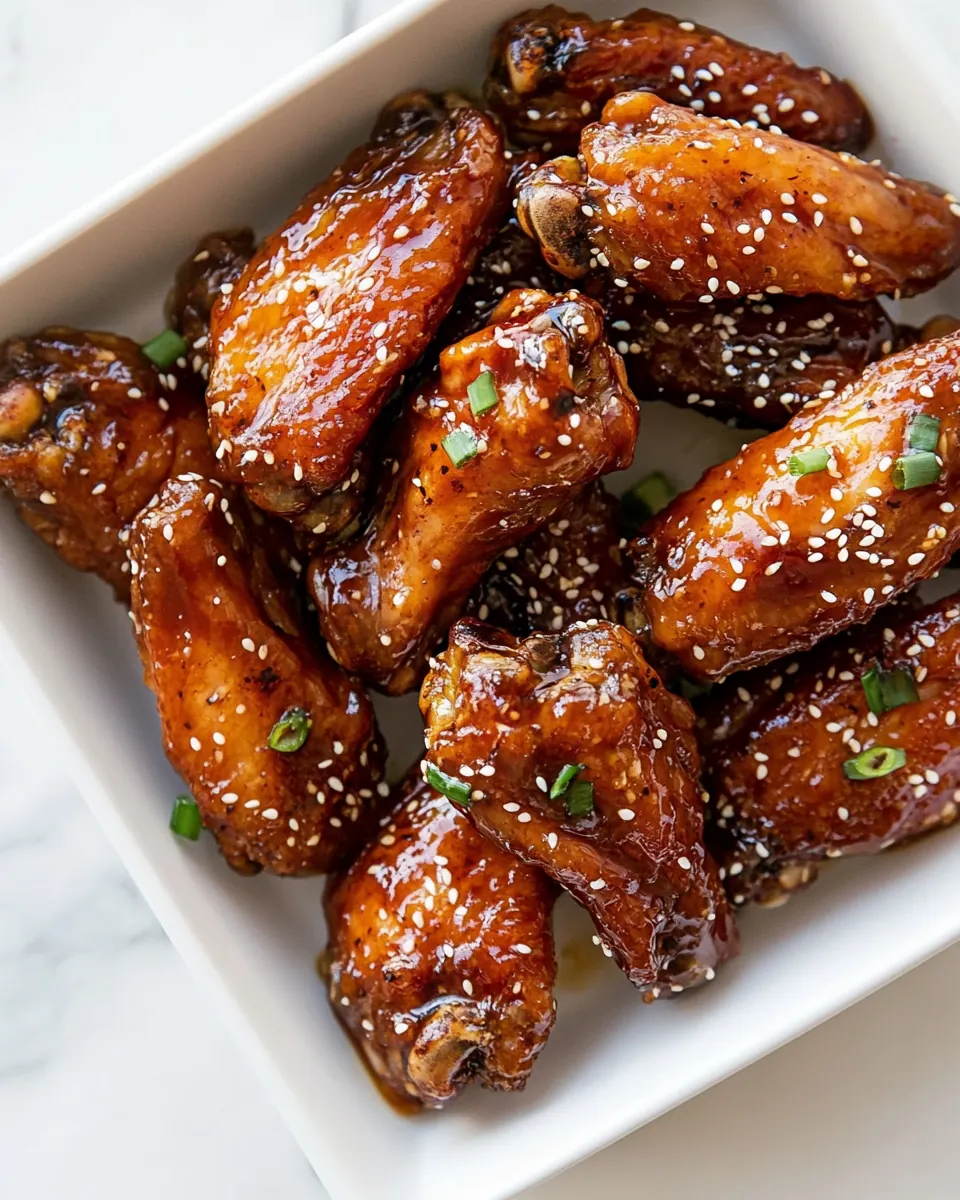
Honey Garlic Soy Chicken Wings
Honey Garlic Soy Chicken Wings came into my weeknight rotation the moment I realized sticky, savory sauces could transform humble chicken wings into something wildly comforting and worthy of company. I remember the first time I tossed a tray of wings into the oven with a thin dusting of corn starch and a quick pan sauce made from pantry staples, and how the whole kitchen hummed with caramelizing honey and toasted garlic.
That night I leaned against the counter, stirring sauce as it bubbled, and felt a small victory in pairing crisp skin with a glossy, salty glaze. Guests kept reaching for more, and I started jotting tweaks in the margins of my recipe card. Over time I learned to trust simple techniques, like a wire rack for airflow and a hot pan finish to concentrate flavor, and the results never disappoint.
Recipe Snapshot
1 hr 10 mins
10 mins
60 mins
Medium
350 kcal
American
Gluten-Free, Keto
Dinner
Oven, Baking sheet, Wire rack, Large bowl, Skillet, Tongs
The Magic of This Honey Garlic Soy Chicken Wings
1. Irresistible sticky glaze
I adore how a few staple ingredients create a lacquered finish that clings to each piece. The balance of honey, soy sauce, and garlic yields sweet, salty, and umami notes that make every bite memorable. That sheen invites you to dig in right away.
2. Simple techniques, big payoff
I love that you do not need fancy tools to make these shine. A light coating of corn starch and a hot oven produce crisp edges, while finishing the wings in a skillet with the sauce tightens flavors and adds aroma. This approach gives restaurant quality without fuss.
3. Crowd pleasing and versatile
These wings are equally at home at game night or a casual dinner. I often double the sauce because people will want extra. They travel well, and the flavors hold up if you reheat gently, which makes them a reliable party favorite.
4. Layered savory notes
The soy sauce brings depth, the honey gives caramel sweetness, and the faint heat from sriracha lifts the glaze. I like that each ingredient plays a clear role, and together they create complexity from only a few jars in the pantry.
5. Comfort food with control
I appreciate that these wings feel indulgent while remaining very controllable. You can dial the spice or sweetness to suit the table, and the method lets you manage texture, from slightly chewy to satisfyingly crisp. That adaptability is why I return to this recipe again and again.
Essential Ingredients for Honey Garlic Soy Chicken Wings
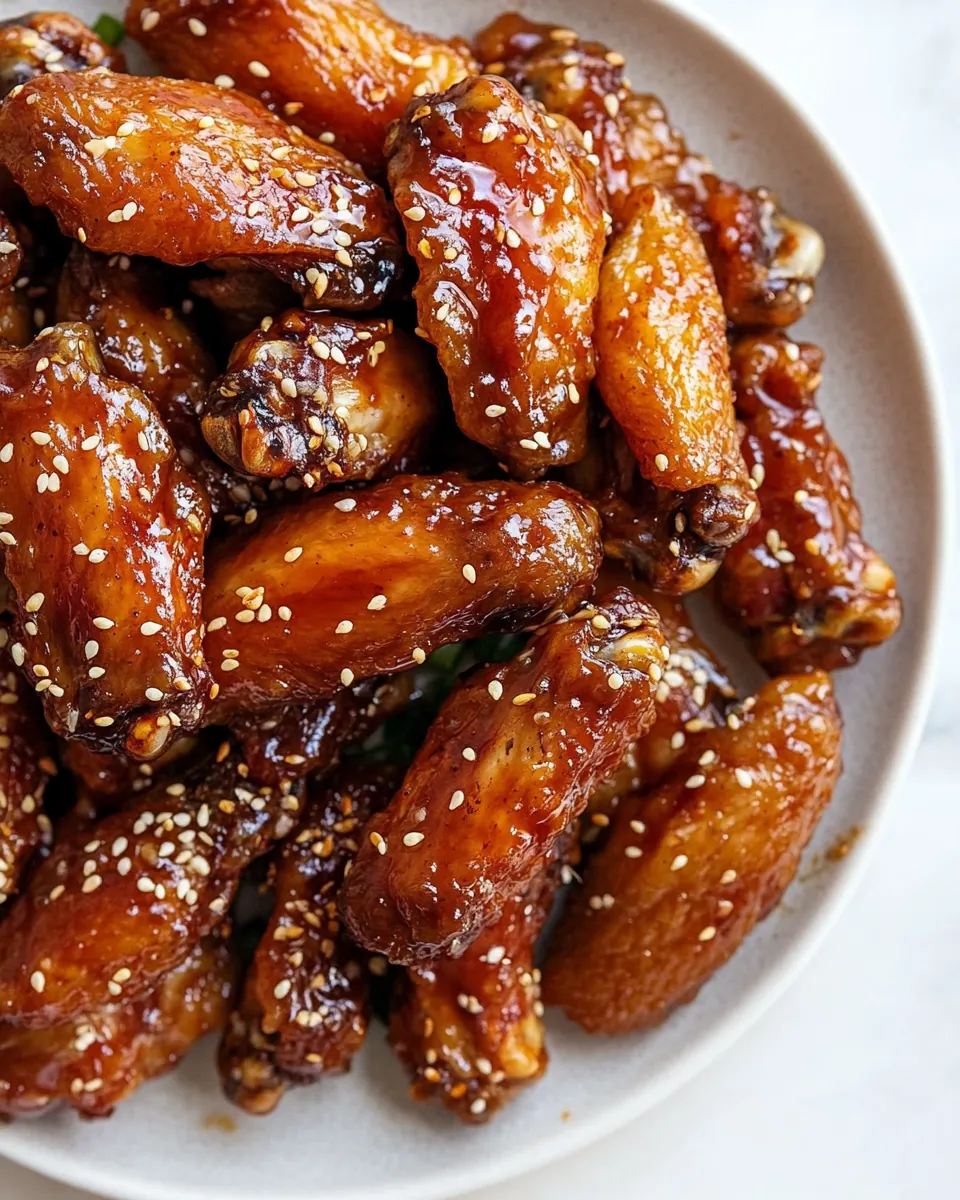
These ingredients are built around contrast and cooperation. Crispness comes from mechanical tricks like a light coat of corn starch, while the sauce relies on balance between sticky honey, salty soy sauce, and aromatic garlic. Each player amplifies texture or flavor so the final bites are glossy, savory, and satisfying.
- 2 pounds wings: Coat wings evenly to create a crisp, protective layer when fried or baked; adds a light texture and helps seasonings adhere. Use to reduce surface moisture for better browning and a crunchier exterior during cooking.
- 1/4 cup corn starch: Thicken and crisp the exterior when tossed with wings prior to cooking; creates a delicate, crunchy coating that holds sauces well. Use for moisture control and to enhance mouthfeel without altering flavor significantly.
- 1 tsp garlic powder: Season wings with savory, roasted garlic notes and enhance overall flavor depth; distributes easily for even coverage. Use to complement fresh garlic and balance sweet and spicy elements in the sauce.
- 1 tsp paprika: Add a mild smoky warmth and visual color to the wings while boosting savory complexity; blends well with other spices. Use in small amounts to avoid overpowering and to enhance baked or fried appearance.
- Dash Salt and pepper: Balance and enhance flavors by providing necessary seasoning; highlights savory, sweet, and spicy components of the dish. Use sparingly to taste, ensuring wings are properly seasoned before cooking.
- 1 tablespoon butter or oil: Provide a cooking medium to sauté aromatics and develop sauce richness; contributes subtle fatiness and mouthfeel. Use to prevent sticking, help transfer heat, and carry flavor from garlic into the sauce.
- 3 cloves garlic, minced: Deliver fresh, pungent aromatic flavor and build the base of the sauce; releases essential oils when sautéed to infuse the dish. Mince finely for even distribution and sauté briefly to mellow raw sharpness.
- 3 tablespoons honey: Contribute primary sweetness and glaze formation for the sticky sauce; caramelizes when heated to create glossy coating on wings. Use to balance salt and acid, and adjust quantity to control overall sweetness.
- 3 tablespoons soy sauce: Impart savory umami and saltiness while forming a glossy, cohesive sauce; balances the sweetness of honey and the acidity of vinegar. Choose a regular or low-sodium variety and adjust amount to taste.
- 1 tablespoon rice vinegar: Introduce bright acidity to cut through richness and balance sweetness; helps emulsify and loosen the sauce for even coating. Use to enhance brightness and lift flavors without making the sauce overtly tart.
- 1 tablespoon sriracha, or more, to taste: Provide heat and a spicy kick to the sauce, allowing for adjustable heat level; integrates smoothly into the glaze for complexity. Start with the listed amount and increase according to preferred spice tolerance.
The Method for Honey Garlic Soy Chicken Wings
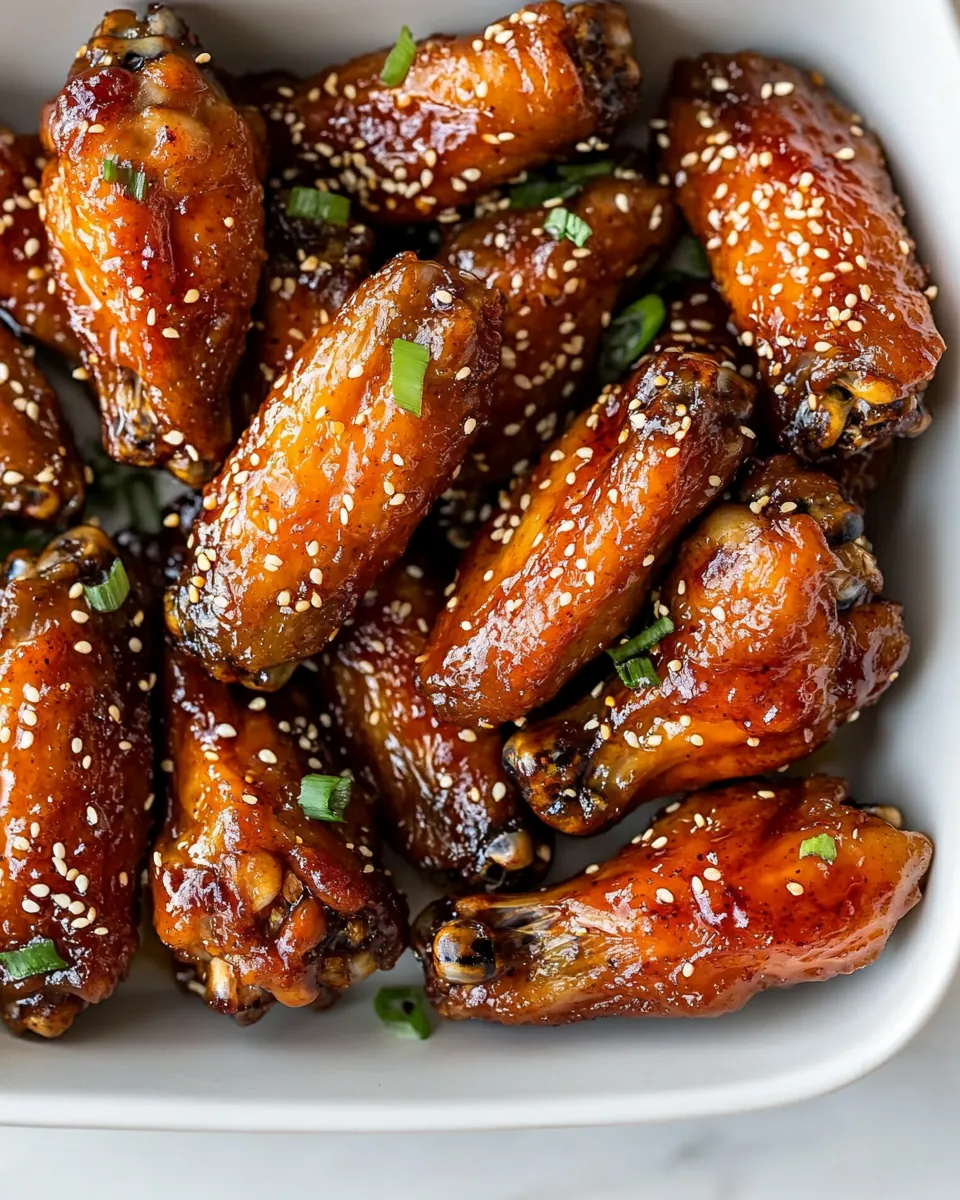
I like to walk into the kitchen knowing the oven will do the heavy lifting while a quick stovetop finish hones the sauce. The approach is straightforward, and the sensory cues guide you more than strict timing. Below I expand each instruction into detailed, chefly steps so you can trust the results.
- Preheat the oven to 400 degrees F. Line a baking sheet with aluminum foil and place a wire rack on top of it.: You will notice the oven hum as it climbs to temperature and the air inside becomes dry and hot, which is essential for drying the wing skin so it crisps. The metal foil below makes cleanup effortless, while the wire rack elevates the chicken so hot air circulates around each piece, preventing steaming. If you skip the rack the undersides can stay soggy, so resist the temptation to bake directly on the sheet, unless you plan to flip more often. A common mistake is under preheating, which leads to pale, floppy skin. Wait until the oven fully reaches 400 degrees F so the wings start browning immediately upon contact.
- In a large bowl, combine the chicken wings, corn starch, and spices. Transfer in a single layer onto the rack.: As you toss the wings you'll feel the powder coat each piece, leaving a fine, dry film that will puff and brown. The aroma of paprika and garlic powder will be subtle but present as you mix them in with your hands or tongs. Laying each wing in a single layer is crucial for even heat exposure; crowding traps moisture and prevents crisping. If pieces touch, they will steam where they meet, so give them space. A frequent misstep is overcoating with corn starch , which can create a cakey surface instead of a light crust. Shake off excess starch before arranging the wings.
- Bake 50-60 minutes, flipping halfway through until the wings are golden and cooked through.: Initially the wings will sizzle softly as moisture escapes, and after about 25 to 30 minutes you should see golden edges forming. Flip the wings when the underside shows good color so both sides achieve even caramelization. The skins will transform from pale to bronzed, and you may hear a faint crackle as fats render. The internal juices should run clear, signaling doneness. Overbaking will dry the meat, so aim for that sweet spot where the skin is crisp but the meat remains juicy. A common error is insufficient flipping, which produces uneven texture across the tray.
- While the wings are baking, heat a pan over medium-high heat. Add the butter and garlic and cook for 30 seconds or until garlic begins to brown. Stir in the remaining ingredients for the sauce and simmer for just a few seconds.: When the pan heats you will see the butter melt and foam, releasing a toasty aroma as the minced garlic softens. That moment right before browning is where the flavor is most fragrant; once it begins to brown you must act quickly to add honey , soy sauce , rice vinegar , and sriracha . The sauce will hiss and become glossy as sugars dissolve, and you will smell sweet and savory notes marrying. Simmer only briefly to thicken slightly, because prolonged reduction can burn the honey . A typical mistake is overheating and letting the garlic burn, which introduces bitterness. Keep the heat controlled and stir constantly when the sweet ingredients enter the pan.
- Remove wings from the oven and toss into the sauce until fully coated. Serve immediately.: As you transfer the baked wings into the pan or a bowl, you will notice steam rising and the sauce clinging in ribbons. Tossing disperses heat and helps the glaze adhere; the wings should look glossy and sound slightly tacky when you touch them. Serve at once so the skin remains pleasantly textured under the glaze. If you let them sit too long the sauce can seep and soften the crust. A common pitfall is overcrowding the pan during tossing, which prevents even coating. Work in batches if needed to maintain that shiny finish and crisp exterior.
Substitutions and Tips
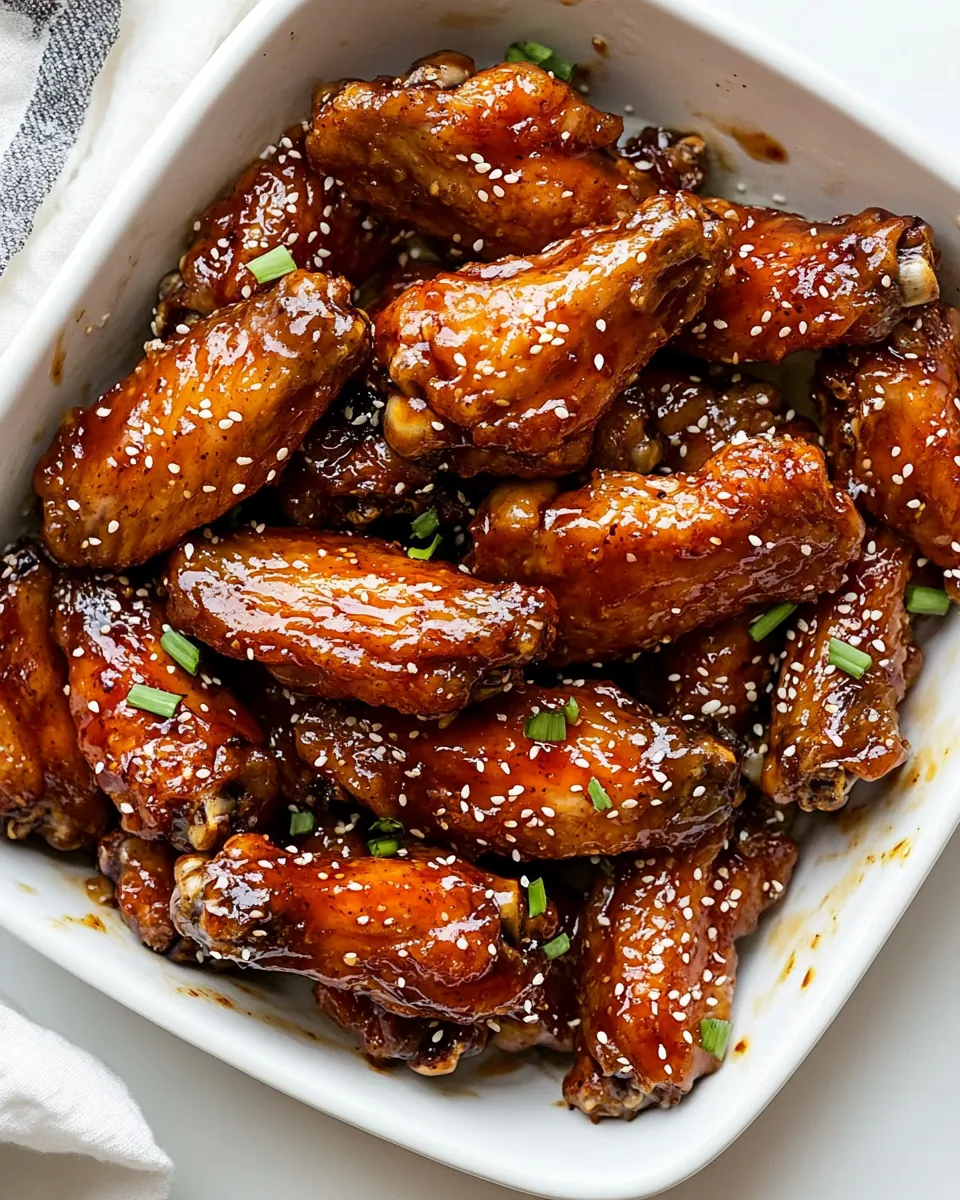
These tips will help you tailor the recipe to your pantry while preserving texture and balance. I include practical swaps and techniques I use when I am short on time or want to scale the recipe for a crowd. Read each tip and decide which adjustment fits your meal plan.
- Swap fat: If you prefer a cleaner finish, use a neutral oil instead of butter. Oil stands up to higher heat without browning too quickly, which helps when you need to reduce the sauce a touch longer. Butter adds richness, but oil will keep the flavors bright.
- Adjust heat: Add sriracha gradually and taste as you go. A little goes a long way, and it is easier to increase spice than to remove it once combined with honey and soy sauce. Reserve extra sriracha at the table for guests who like more heat.
- Control salt: Use low sodium soy sauce if you are watching salt intake. Because soy sauce concentration affects final seasoning strongly, this simple swap prevents an overly salty glaze while preserving umami depth.
- Crisp hack: Pat wings very dry before coating with corn starch. Removing surface moisture is the most effective way to achieve a roasted, crackly exterior. Wet skin steams, which defeats the purpose of the starch coating.
- Make ahead: Bake wings and store them separately from the sauce for up to one day. Reheat wings in a hot oven to revive crispness, then toss with freshly warmed sauce right before serving to maintain texture.
- Scale safely: When increasing quantities, avoid overcrowding the baking surface and use multiple racks or batches. Proper spacing is more important than fitting everything onto a single sheet because airflow directly impacts crispness.
Serving Suggestions
These wings can anchor a casual meal, or act as a shareable appetizer. Below I outline ways I like to present them, what to pair on the plate, and how to store leftovers. Use these ideas to set the tone for gatherings or weeknight comfort.
- Casual platter: Arrange Honey Garlic Soy Chicken Wings on a large board with lemon wedges and a small bowl of extra sauce. The bright citrus contrasts the sticky glaze and encourages guests to dig in family style.
- Weeknight dinner: Serve with steamed rice and quick pickled cucumbers for contrast. The rice absorbs extra glaze, while the pickles cut richness with acidity, creating a balanced plate for a simple evening meal.
- Game day spread: Pair wings with crunchy vegetable sticks and a cooling dip. The wings deliver bold flavor, and crisp veggies offer texture and a refreshing counterpoint for a convivial spread.
- Storage tips: Cool wings completely, store in an airtight container for up to two days, and reheat in a 375 degrees F oven to refresh crispness. Toss with a small amount of warmed sauce after reheating to re-glaze without softening the skin excessively.
- Seasonal pairing: These wings work well year round; in cooler months I serve them with braised greens, and in warmer months I pair them with a light slaw to add brightness. The glaze bridges hearty and fresh accompaniments comfortably.
- Occasions: Great for casual dinners, potlucks, or Ramadan if served at Iftar; they travel well and are easy to scale for larger groups. Presentation and hot serving help them feel festive and shareable.
FAQ
Conclusion
What makes this recipe special is its ability to turn pantry staples into a glossy, complex glaze that clings to crisp, roasted wings. Give these Honey Garlic Soy Chicken Wings a try when you want something shareable, flavorful, and reliably satisfying. I hope this method helps you create a dish that becomes a go to for both weeknights and gatherings, bringing the kind of warmth and boldness that keeps everyone coming back for more.
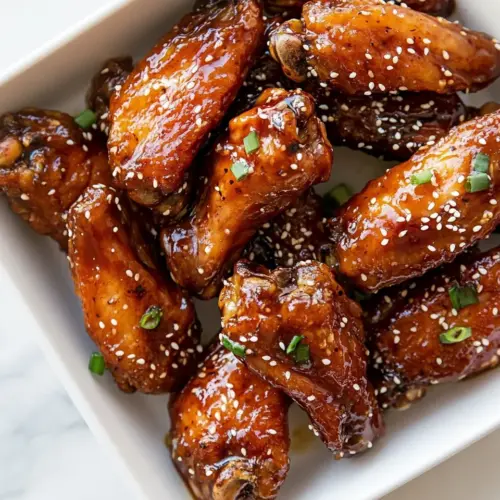
Honey Garlic Soy Chicken Wings
Equipment
- Oven
- Baking Sheet
- Wire Rack
- Large Bowl
- Skillet
- Tongs
Ingredients
- 2 pounds wings Coat wings evenly to create a crisp, protective layer when fried or baked; adds a light texture and helps seasonings adhere. Use to reduce surface moisture for better browning and a crunchier exterior during cooking.
- 1/4 cup corn starch Thicken and crisp the exterior when tossed with wings prior to cooking; creates a delicate, crunchy coating that holds sauces well. Use for moisture control and to enhance mouthfeel without altering flavor significantly.
- 1 tsp garlic powder Season wings with savory, roasted garlic notes and enhance overall flavor depth; distributes easily for even coverage. Use to complement fresh garlic and balance sweet and spicy elements in the sauce.
- 1 tsp paprika Add a mild smoky warmth and visual color to the wings while boosting savory complexity; blends well with other spices. Use in small amounts to avoid overpowering and to enhance baked or fried appearance.
- Dash Salt and pepper Balance and enhance flavors by providing necessary seasoning; highlights savory, sweet, and spicy components of the dish. Use sparingly to taste, ensuring wings are properly seasoned before cooking.
- 1 tablespoon butter or oil Provide a cooking medium to sauté aromatics and develop sauce richness; contributes subtle fatiness and mouthfeel. Use to prevent sticking, help transfer heat, and carry flavor from garlic into the sauce.
- 3 cloves garlic, minced Deliver fresh, pungent aromatic flavor and build the base of the sauce; releases essential oils when sautéed to infuse the dish. Mince finely for even distribution and sauté briefly to mellow raw sharpness.
- 3 tablespoons honey Contribute primary sweetness and glaze formation for the sticky sauce; caramelizes when heated to create glossy coating on wings. Use to balance salt and acid, and adjust quantity to control overall sweetness.
- 3 tablespoons soy sauce Impart savory umami and saltiness while forming a glossy, cohesive sauce; balances the sweetness of honey and the acidity of vinegar. Choose a regular or low-sodium variety and adjust amount to taste.
- 1 tablespoon rice vinegar Introduce bright acidity to cut through richness and balance sweetness; helps emulsify and loosen the sauce for even coating. Use to enhance brightness and lift flavors without making the sauce overtly tart.
- 1 tablespoon sriracha, or more, to taste Provide heat and a spicy kick to the sauce, allowing for adjustable heat level; integrates smoothly into the glaze for complexity. Start with the listed amount and increase according to preferred spice tolerance.
Instructions
- Preheat the oven to 400 degrees F. Line a baking sheet with aluminum foil and place a wire rack on top of it.: You will notice the oven hum as it climbs to temperature and the air inside becomes dry and hot, which is essential for drying the wing skin so it crisps. The metal foil below makes cleanup effortless, while the wire rack elevates the chicken so hot air circulates around each piece, preventing steaming. If you skip the rack the undersides can stay soggy, so resist the temptation to bake directly on the sheet, unless you plan to flip more often. A common mistake is under preheating, which leads to pale, floppy skin. Wait until the oven fully reaches 400 degrees F so the wings start browning immediately upon contact.
- In a large bowl, combine the chicken wings, corn starch, and spices. Transfer in a single layer onto the rack.: As you toss the wings you'll feel the powder coat each piece, leaving a fine, dry film that will puff and brown. The aroma of paprika and garlic powder will be subtle but present as you mix them in with your hands or tongs. Laying each wing in a single layer is crucial for even heat exposure; crowding traps moisture and prevents crisping. If pieces touch, they will steam where they meet, so give them space. A frequent misstep is overcoating with corn starch , which can create a cakey surface instead of a light crust. Shake off excess starch before arranging the wings.
- Bake 50-60 minutes, flipping halfway through until the wings are golden and cooked through.: Initially the wings will sizzle softly as moisture escapes, and after about 25 to 30 minutes you should see golden edges forming. Flip the wings when the underside shows good color so both sides achieve even caramelization. The skins will transform from pale to bronzed, and you may hear a faint crackle as fats render. The internal juices should run clear, signaling doneness. Overbaking will dry the meat, so aim for that sweet spot where the skin is crisp but the meat remains juicy. A common error is insufficient flipping, which produces uneven texture across the tray.
- While the wings are baking, heat a pan over medium-high heat. Add the butter and garlic and cook for 30 seconds or until garlic begins to brown. Stir in the remaining ingredients for the sauce and simmer for just a few seconds.: When the pan heats you will see the butter melt and foam, releasing a toasty aroma as the minced garlic softens. That moment right before browning is where the flavor is most fragrant; once it begins to brown you must act quickly to add honey , soy sauce , rice vinegar , and sriracha . The sauce will hiss and become glossy as sugars dissolve, and you will smell sweet and savory notes marrying. Simmer only briefly to thicken slightly, because prolonged reduction can burn the honey . A typical mistake is overheating and letting the garlic burn, which introduces bitterness. Keep the heat controlled and stir constantly when the sweet ingredients enter the pan.
- Remove wings from the oven and toss into the sauce until fully coated. Serve immediately.: As you transfer the baked wings into the pan or a bowl, you will notice steam rising and the sauce clinging in ribbons. Tossing disperses heat and helps the glaze adhere; the wings should look glossy and sound slightly tacky when you touch them. Serve at once so the skin remains pleasantly textured under the glaze. If you let them sit too long the sauce can seep and soften the crust. A common pitfall is overcrowding the pan during tossing, which prevents even coating. Work in batches if needed to maintain that shiny finish and crisp exterior.
Notes
- Swap fat: If you prefer a cleaner finish, use a neutral oil instead of butter. Oil stands up to higher heat without browning too quickly, which helps when you need to reduce the sauce a touch longer. Butter adds richness, but oil will keep the flavors bright.
- Adjust heat: Add sriracha gradually and taste as you go. A little goes a long way, and it is easier to increase spice than to remove it once combined with honey and soy sauce. Reserve extra sriracha at the table for guests who like more heat.
- Control salt: Use low sodium soy sauce if you are watching salt intake. Because soy sauce concentration affects final seasoning strongly, this simple swap prevents an overly salty glaze while preserving umami depth.
- Crisp hack: Pat wings very dry before coating with corn starch. Removing surface moisture is the most effective way to achieve a roasted, crackly exterior. Wet skin steams, which defeats the purpose of the starch coating.
- Make ahead: Bake wings and store them separately from the sauce for up to one day. Reheat wings in a hot oven to revive crispness, then toss with freshly warmed sauce right before serving to maintain texture.
- Scale safely: When increasing quantities, avoid overcrowding the baking surface and use multiple racks or batches. Proper spacing is more important than fitting everything onto a single sheet because airflow directly impacts crispness.
