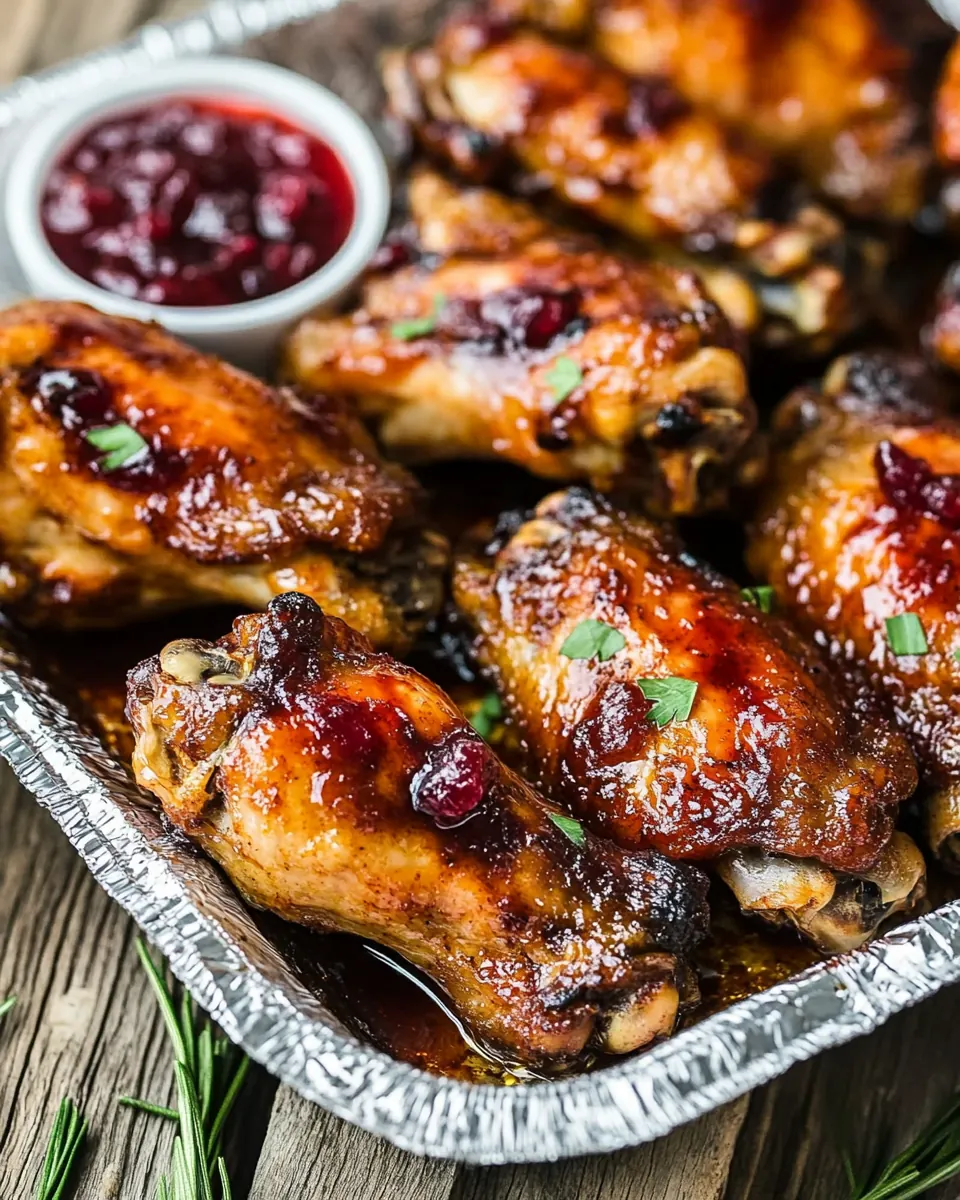
Cranberry Chicken Wings
Cranberry Chicken Wings came into my weeknight rotation on a brisk fall evening when I wanted something festive, bright, and a little unexpected to serve friends who love bold flavors. I remember pulling a can of jellied cranberry sauce from the pantry, thinking it was only for toast or a Thanksgiving side, then deciding to coat a tray of chicken wings in it, along with a punchy mix of ginger, soy sauce, and citrus. That first bite, sticky and tangy with a hint of heat, convinced me I had stumbled onto a keeper.
Over the months I tweaked the balance, adding a dash more brown sugar for caramelization and a splash of cider vinegar to lift the fruitiness. I love serving these at casual dinners because they feel celebratory without being fussy. Guests always ask how the cranberries turned into such a glossy, savory glaze, and I tell them it is all about reducing that reserved sauce until it thickens and sings.
Recipe Snapshot
55 mins
5 mins
50 mins
Medium
400 kcal
American
Low FODMAP, Gluten-Free
Dinner
Baking Sheet
The Appeal of This Cranberry Chicken Wings
1. A surprising flavor marriage
I adore how cranberry sweetness plays against savory soy sauce and tangy mustard. The result is a wing that tastes layered, not one note. I find this contrast keeps every bite interesting, and it pairs beautifully with simple sides.
2. Crowd friendly and festive
These wings are ideal for get togethers. They look special, and the bright glaze reads holiday ready, yet they are easy to scale. I often double the batch when I know friends are stopping by, and everyone always wanders back for more.
3. Texture you can control
The method lets you manage crispiness. By spacing the wings on the sheet and finishing them with a short return to the oven after basting, you get glossy sauce and crisp edges. I love that you can emphasize chew or crunch depending on how long you return them to the heat.
4. Fast marination, big payoff
Marinating for as little as one hour infuses the chicken with flavor, so it is a high reward, low commitment technique. I often do a quick marinade for weekday dinners when I need speed but want impact.
5. Versatile serving options
You can serve these wings as an appetizer, a main with sides, or even at a holiday spread. I love that the same recipe fits casual pizza nights and more formal gatherings simply by changing the accompaniments.
Ingredient List for Cranberry Chicken Wings
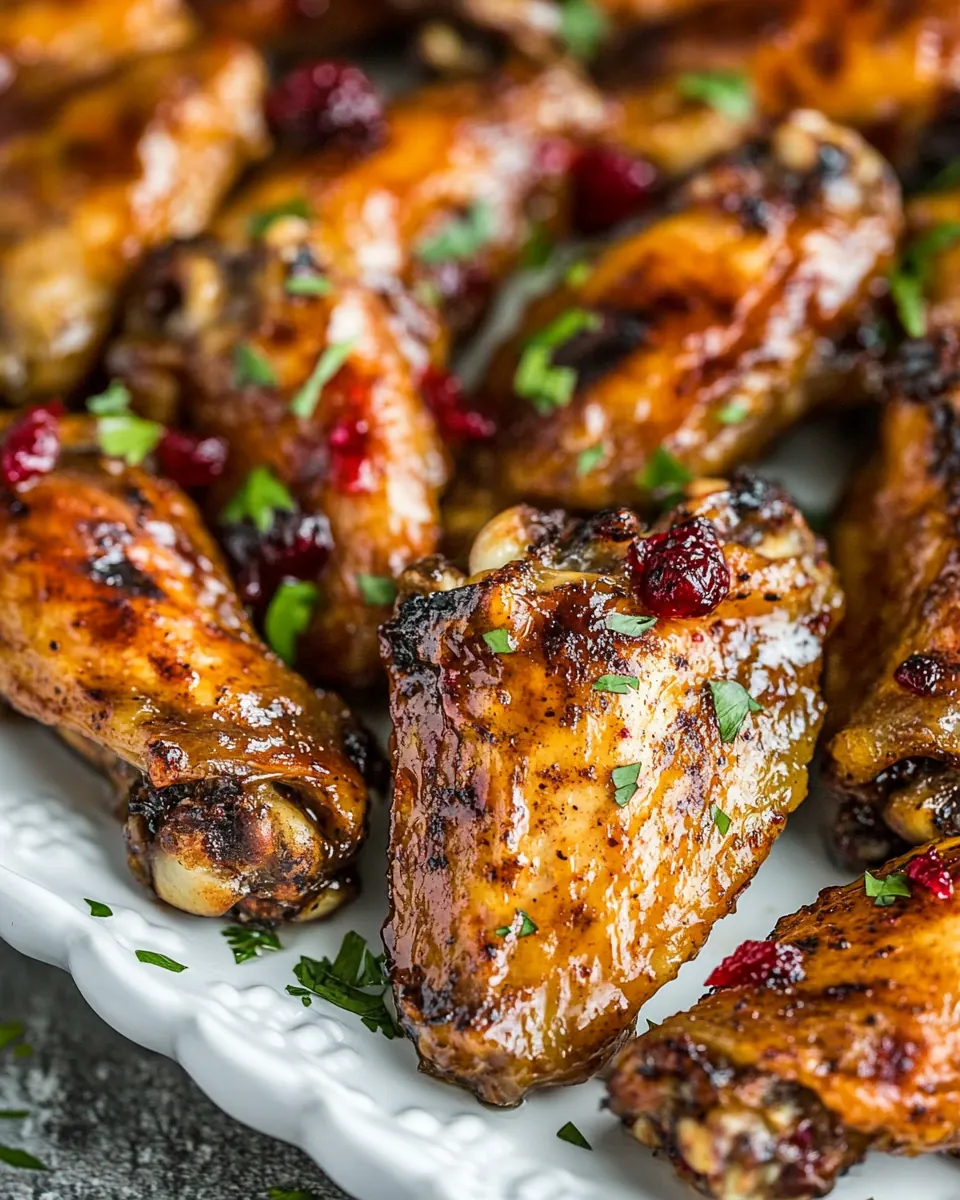
These ingredients work as a team to build a sweet, tangy, and slightly spicy glaze that clings to crispy chicken. The jellied cranberry sauce provides body and fruit sweetness, while soy sauce and cider vinegar bring depth and balance. Fresh ginger and citrus brighten the overall profile, and a touch of brown sugar helps with caramelization and gloss.
- 5 pounds chicken wings: Provide hearty protein and substantial texture to the dish, rendering crisp skin and tender meat when baked or fried; absorb the cranberry glaze for balanced sweet-tart flavor and act as the primary vehicle for the sauce.
- 14 ounces canned jellied cranberry sauce: Add a smooth, concentrated sweet-tart base that breaks down into a glossy glaze when heated; helps bind other seasonings and creates a jammy coating that clings to the wings for flavor and shine.
- 2 tablespoons Ginger Paste or grated fresh ginger: Deliver bright, aromatic heat and a fresh gingery note that cuts through sweetness; helps balance richness and adds a zesty, slightly pungent backbone to the glaze.
- 1/4 cup low-sodium soy sauce: Contribute savory umami and salty depth that balances the cranberry sweetness; thin the glaze slightly for easier coating and help caramelize the exterior during cooking.
- 3 tablespoons dark brown sugar: Introduce molasses-rich sweetness and a touch of bitterness to deepen the glaze; help with caramelization and give the sauce a rounded, complex flavor profile.
- 1 tablespoon Dijon mustard: Provide a tangy, sharp accent that brightens the sauce and helps emulsify the glaze for a smoother consistency; cut through sweetness and enhance savory elements.
- 1/2 teaspoon crushed red pepper flakes: Add concentrated heat and a touch of smoky spice to lift the flavor profile; offer controlled spiciness so the wings retain a balanced sweet-heat contrast.
- 3 tablespoons cider vinegar: Impart bright acidity that balances sweetness and cuts through fat; help tenderize slightly and round out the sauce with a crisp, tangy finish.
- 1/2 teaspoon kosher salt: Enhance overall seasoning with subtle mineral saltiness that amplifies other flavors; help to season the meat and the glaze for a well-balanced taste.
- 1/4 teaspoon freshly ground black pepper: Bring warm, aromatic pungency that complements sweet and savory notes; provide a subtle peppery background without overpowering the sauce.
- Zest and juice from 1 large orange: Offer fragrant citrus oils from the zest and bright acidity from the juice that lift and brighten the glaze; add a fresh, fruity dimension that complements cranberries and ginger.
- Juice from 1 medium lime divided: Contribute layered citrus brightness with divided juice used to both marinate and finish, adding acidity and a fresh tang while helping to balance the sweetness of the glaze.
Step by Step Guide for Cranberry Chicken Wings
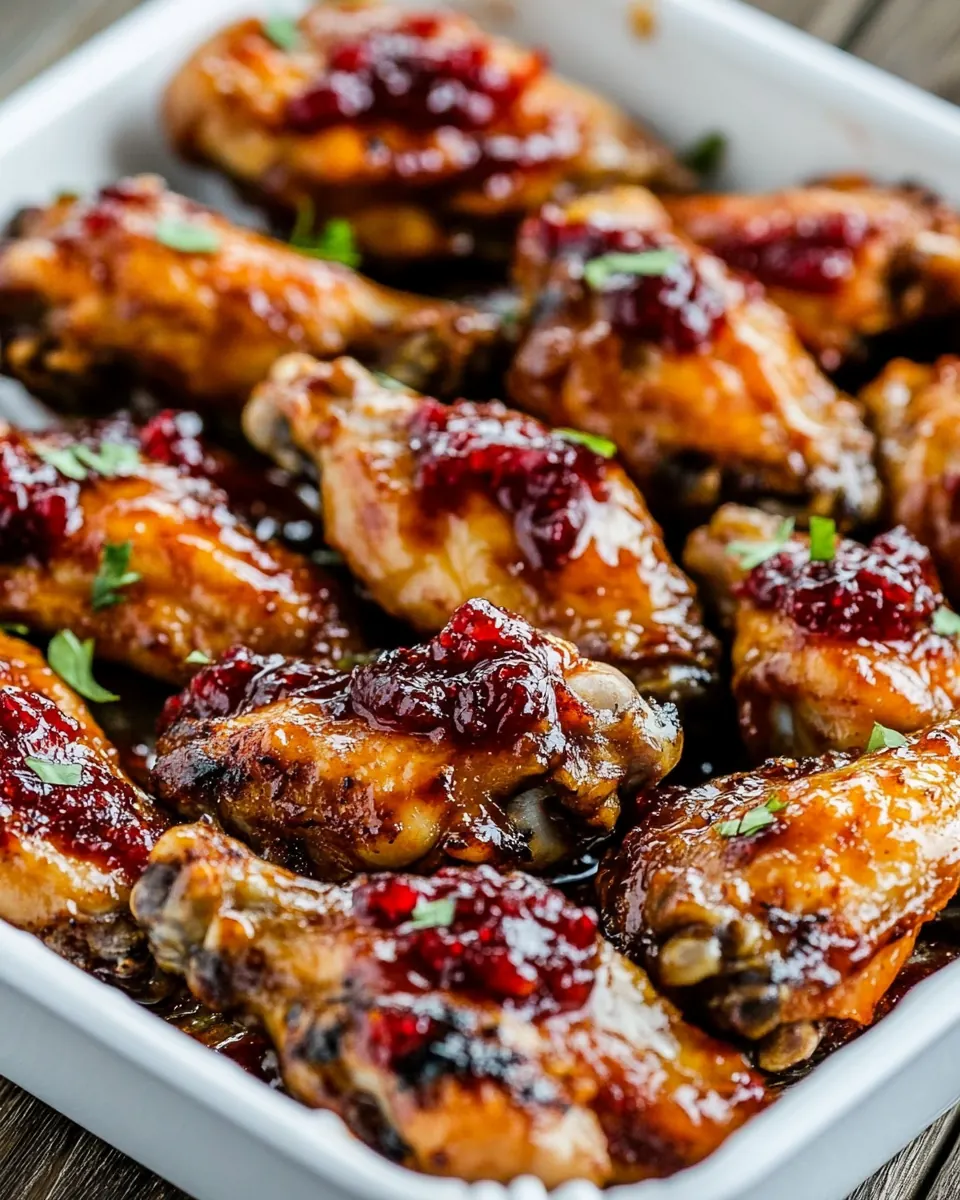
I approach these wings like a small celebration, and the directions honor both flavor building and texture control. Below I expand each step into detailed, sensory rich guidance so you can reproduce the glossy, tangy result with confidence.
- Place wings in a zipper-style plastic bag.: The wings will feel cold and slightly tacky as you transfer them, which is normal. Using a zipper style bag helps the marinade envelop each piece evenly, ensuring every surface soaks up flavor, and it makes cleanup simpler. A common slip up is using a bag that is too small, which can tear or prevent full coating of the wings. If the bag leaks, transfer everything to a bowl to avoid cross contamination.
- In a large bowl, whisk together all ingredients, reserving half of the lime juice for later. Pour half of the marinade/sauce over the chicken wings. Squeeze extra air from the bag, seal and refrigerate the wings at least 1 hour and up to 4 hours. Flip the bag of wings over every 1/2 hour, if possible.: As you whisk, you will notice the jellied cranberry breaking down and the brown sugar dissolving into a glossy mixture. The aroma of ginger , orange , and tangy cider vinegar will lift from the bowl. Pouring half the sauce over the wings lets the meat marinate while keeping a portion to reduce for serving, which prevents cross contamination. Refrigerating concentrates flavors and allows the acid to slightly tenderize the meat. Avoid marinating much longer than four hours since the acid can change the texture. If you forget to flip the bag, some wings may be less flavored on one side, so try to rotate for even coverage.
- Place the remaining marinade/sauce in a medium saucepan, cover and set aside.: The reserved marinade will smell bright and sticky in the pan, and covering it prevents splatters and keeps aromas contained. Setting it aside is crucial because it will be boiled and reduced into your serving sauce, so keep it separate from the raw wings to avoid contamination. A frequent mistake is boiling the same marinade that was with raw chicken ; always reserve a separate portion for reduction.
- After the wings have marinated, preheat the oven to 400°F and adjust oven racks to middle-lower and middle-upper positions. Line two large, rimmed baking sheets with foil and spray the foil with nonstick cooking spray.: As the oven warms, you may smell faint citrus and ginger from the marinated wings. Lining the sheets with foil and spraying prevents sticking and helps with cleanup since the glaze can caramelize aggressively. Proper rack placement ensures even air circulation and balanced browning across both sheets. If you skip spraying, the glaze can stick and tear the skin when you try to turn the wings, so take this prep step seriously.
- Use tongs to transfer half the wings to each baking sheet. Be sure to leave at least 1-inch between each wing. (Discard the leftover marinade in the plastic bag.): Transferring wings with tongs protects your hands from sticky sauce. Leaving space between pieces allows hot air to crisp the skin, creating those coveted edges that shatter slightly when bitten. Discarding the leftover bag marinade prevents contamination, because it contacted raw chicken . A common error is crowding the wings which yields steamed skin rather than crisp exterior, so give them space.
- Bake the wings at 400°F for 20 minutes then rotate and move the baking sheets from top to bottom and bottom to top. Bake an additional 20 minutes.: During baking you will hear a gentle sizzle as the fat renders and the sugar begins to caramelize, and the wings will take on a deepening golden color. Rotating racks and swapping sheet positions promotes even browning because ovens often have hot spots. This technique helps all wings finish at the same time. If you skip rotation you may end up with unevenly cooked pieces.
- Meanwhile, bring the reserved marinade/sauce to a boil over medium-high heat, stirring often. Reduce the temperature to low and simmer until the sauce thickens. When it is the desired thickness, remove from the heat.: The sauce will steam and bubble as water evaporates, concentrating flavors and transforming the jellied cranberry into a glossy, pourable glaze. Stirring prevents sticking and ensures even reduction. You will smell intensified citrus and molasses notes as the sugars caramelize. Over reducing can make the sauce overly sticky and syrupy, so watch for a thick but still pourable texture.
- When chicken is cooked through, turn off the oven and remove the wings from the oven. Brush (baste) the wings with extra sauce. Be sure to keep the basting sauce separate from the serving sauce. Return the basted wings to the oven for 5-10 minutes.: Removing the wings allows you to brush them with the reduced glaze, which will sizzle slightly as it hits the hot surface and tack to the skin, creating a brilliant lacquer. Keeping basting sauce separate from the serving sauce prevents cross contamination, since the baster touched cooked wings. Returning them to the oven helps set the glaze and deepen caramelization. Avoid using the serving sauce to baste, and do not leave them in the oven so long that the glaze burns.
- Serve the wings drizzled with remaining half of the lime juice with a side of the reduced Cranberry Sauce.: The final squeeze of fresh lime brightens each bite and lifts the richness, and the side of reduced cranberry sauce offers extra dipping for those who want more fruit forward flavor. The aroma of warm citrus and caramelized sugar will be appealing as you plate. Serving too hot can mask nuanced flavors, so let them rest briefly before serving.
- Enjoy!: You will notice sticky fingers and smiles around the table when guests dig in. Let the wings rest a few minutes after baking so the glaze firms slightly, making them easier to handle. A common oversight is serving immediately straight from the oven without a short rest, which can cause the glaze to drip excessively.
Change It Up
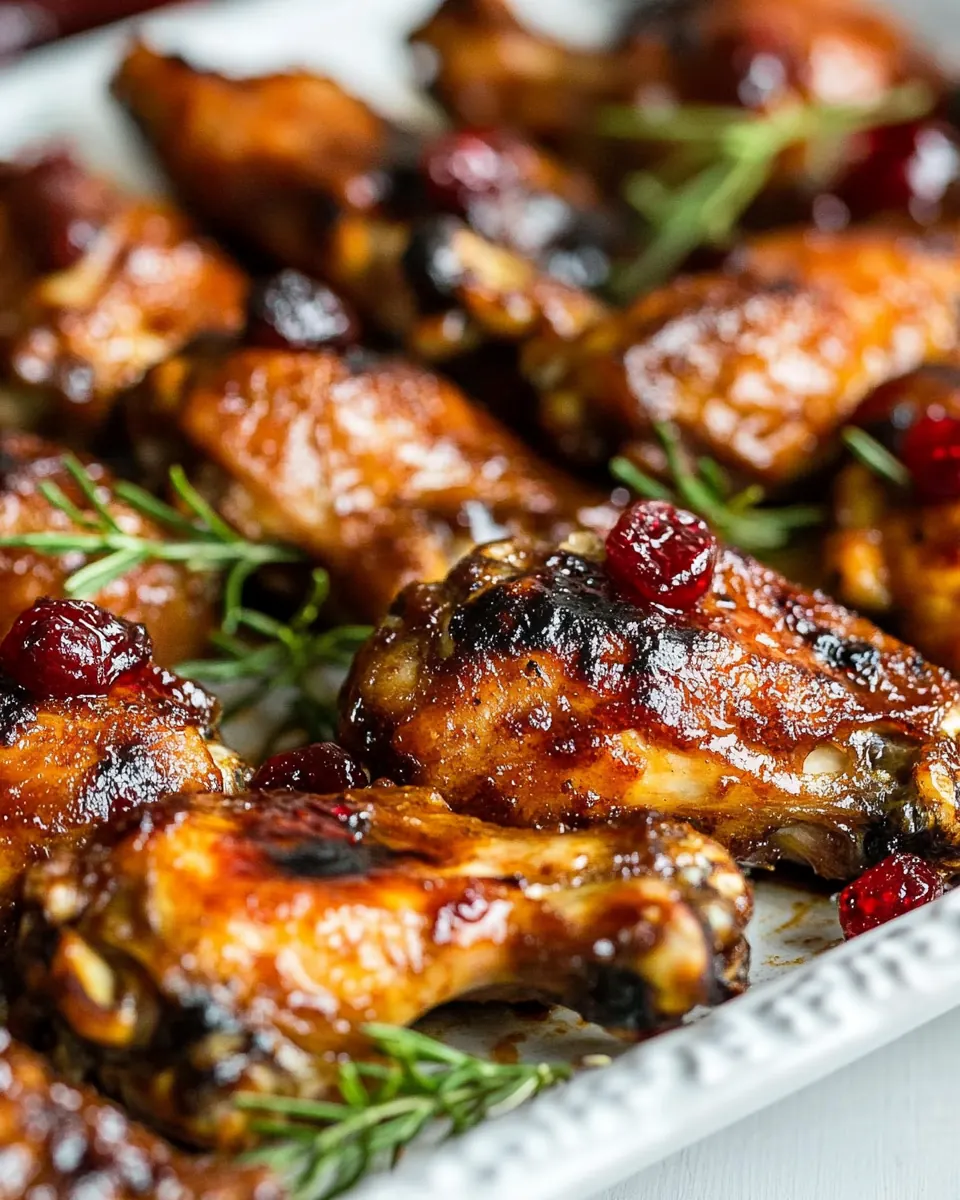
These small ideas keep the recipe fresh and let you adapt the wings to your occasion. Below are practical tips expanded from the original notes so you can achieve crispy, flavorful results every time.
- Line your baking sheets with foil: Lining with foil makes cleanup nearly effortless, and it protects the sheet from sticky, caramelized glaze. I always tent the foil slightly to avoid the glaze sticking to the foil surface, then discard it for fast clean up.
- Leave space between the chicken pieces: Space keeps the airflow moving so the skin crisps evenly. When I cram wings together I end up with flabby skins, so resist the urge to pack the tray if you want crisp edges.
- Pat the wings dry before adding them to the marinade: Drying helps the skin start crisping in the oven, and it allows the marinade to adhere rather than slide off. I pat with paper towels and discard them immediately to maintain kitchen hygiene.
- Makes 24 wings: This recipe yields roughly 24 wings from 5 pounds, which is perfect for parties. If you need more, scale the ingredients linearly, but keep the oven space rule in mind so you do not overcrowd pans.
Accompaniments for Cranberry Chicken Wings
These wings are versatile enough to anchor a festive spread or serve as a standout appetizer. Below I outline pairing ideas, occasions, storage notes, and seasonal suggestions to help you decide how to present them.
- Casual party platter: Serve the wings on a large board with small bowls of the reduced cranberry sauce, and label them as finger food for guests to graze. I often place citrus wedges nearby for extra squeeze.
- Weeknight dinner: Pair the wings with simple roasted vegetables and a grain for balance. The wings are bold, so keep sides restrained and textural, such as roasted root vegetables or steamed rice, to complement without competing.
- Holiday spread: These are brilliant for Thanksgiving or fall gatherings since the cranberry element feels seasonal. Place them among other small plates so guests can sample both savory and fruit forward options.
- Storage tips: Store leftover wings in an airtight container in the refrigerator for up to three days, and keep the reduced sauce separate. Reheat gently in a low oven to avoid burning the glaze, which keeps texture intact.
- Make ahead: You can marinate the wings up to four hours ahead and prepare the reduced sauce earlier in the day, then finish baking and glazing just before serving for fresher results.
- Seasonal pairings: In the fall I like to add a side of roasted squash and a crisp green salad; in winter I serve them alongside warm grain pilafs for a cozy plate.
FAQ
Conclusion
What makes this recipe special is the way sweet jellied cranberry sauce transforms into a glossy, savory glaze that clings to perfectly roasted wings. The combination of bright citrus, warm ginger, and umami rich soy creates layers of flavor that feel both festive and approachable. I hope you give these wings a try for your next gathering or cozy dinner, because they are a simple way to serve something memorable without complicated steps. Enjoy sharing them with family and friends, and notice which elements people compliment the most.
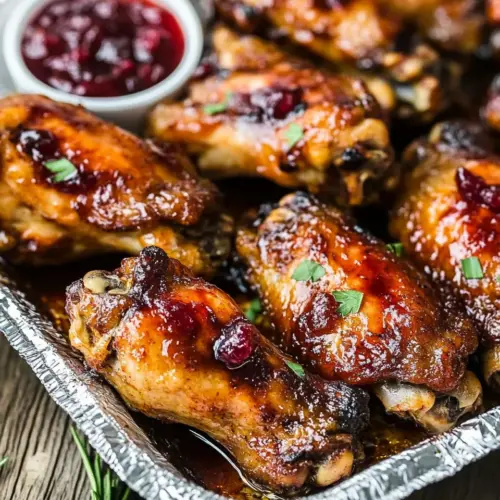
Cranberry Chicken Wings
Equipment
- Baking Sheet
Ingredients
- 5 pounds chicken wings Provide hearty protein and substantial texture to the dish, rendering crisp skin and tender meat when baked or fried; absorb the cranberry glaze for balanced sweet-tart flavor and act as the primary vehicle for the sauce.
- 14 ounces canned jellied cranberry sauce Add a smooth, concentrated sweet-tart base that breaks down into a glossy glaze when heated; helps bind other seasonings and creates a jammy coating that clings to the wings for flavor and shine.
- 2 tablespoons Ginger Paste or grated fresh ginger Deliver bright, aromatic heat and a fresh gingery note that cuts through sweetness; helps balance richness and adds a zesty, slightly pungent backbone to the glaze.
- 1/4 cup low-sodium soy sauce Contribute savory umami and salty depth that balances the cranberry sweetness; thin the glaze slightly for easier coating and help caramelize the exterior during cooking.
- 3 tablespoons dark brown sugar Introduce molasses-rich sweetness and a touch of bitterness to deepen the glaze; help with caramelization and give the sauce a rounded, complex flavor profile.
- 1 tablespoon Dijon mustard Provide a tangy, sharp accent that brightens the sauce and helps emulsify the glaze for a smoother consistency; cut through sweetness and enhance savory elements.
- 1/2 teaspoon crushed red pepper flakes Add concentrated heat and a touch of smoky spice to lift the flavor profile; offer controlled spiciness so the wings retain a balanced sweet-heat contrast.
- 3 tablespoons cider vinegar Impart bright acidity that balances sweetness and cuts through fat; help tenderize slightly and round out the sauce with a crisp, tangy finish.
- 1/2 teaspoon kosher salt Enhance overall seasoning with subtle mineral saltiness that amplifies other flavors; help to season the meat and the glaze for a well-balanced taste.
- 1/4 teaspoon freshly ground black pepper Bring warm, aromatic pungency that complements sweet and savory notes; provide a subtle peppery background without overpowering the sauce.
- Zest and juice from 1 large orange Offer fragrant citrus oils from the zest and bright acidity from the juice that lift and brighten the glaze; add a fresh, fruity dimension that complements cranberries and ginger.
- Juice from 1 medium lime divided Contribute layered citrus brightness with divided juice used to both marinate and finish, adding acidity and a fresh tang while helping to balance the sweetness of the glaze.
Instructions
- Place wings in a zipper-style plastic bag.: The wings will feel cold and slightly tacky as you transfer them, which is normal. Using a zipper style bag helps the marinade envelop each piece evenly, ensuring every surface soaks up flavor, and it makes cleanup simpler. A common slip up is using a bag that is too small, which can tear or prevent full coating of the wings. If the bag leaks, transfer everything to a bowl to avoid cross contamination.
- In a large bowl, whisk together all ingredients, reserving half of the lime juice for later. Pour half of the marinade/sauce over the chicken wings. Squeeze extra air from the bag, seal and refrigerate the wings at least 1 hour and up to 4 hours. Flip the bag of wings over every 1/2 hour, if possible.: As you whisk, you will notice the jellied cranberry breaking down and the brown sugar dissolving into a glossy mixture. The aroma of ginger , orange , and tangy cider vinegar will lift from the bowl. Pouring half the sauce over the wings lets the meat marinate while keeping a portion to reduce for serving, which prevents cross contamination. Refrigerating concentrates flavors and allows the acid to slightly tenderize the meat. Avoid marinating much longer than four hours since the acid can change the texture. If you forget to flip the bag, some wings may be less flavored on one side, so try to rotate for even coverage.
- Place the remaining marinade/sauce in a medium saucepan, cover and set aside.: The reserved marinade will smell bright and sticky in the pan, and covering it prevents splatters and keeps aromas contained. Setting it aside is crucial because it will be boiled and reduced into your serving sauce, so keep it separate from the raw wings to avoid contamination. A frequent mistake is boiling the same marinade that was with raw chicken ; always reserve a separate portion for reduction.
- After the wings have marinated, preheat the oven to 400°F and adjust oven racks to middle-lower and middle-upper positions. Line two large, rimmed baking sheets with foil and spray the foil with nonstick cooking spray.: As the oven warms, you may smell faint citrus and ginger from the marinated wings. Lining the sheets with foil and spraying prevents sticking and helps with cleanup since the glaze can caramelize aggressively. Proper rack placement ensures even air circulation and balanced browning across both sheets. If you skip spraying, the glaze can stick and tear the skin when you try to turn the wings, so take this prep step seriously.
- Use tongs to transfer half the wings to each baking sheet. Be sure to leave at least 1-inch between each wing. (Discard the leftover marinade in the plastic bag.): Transferring wings with tongs protects your hands from sticky sauce. Leaving space between pieces allows hot air to crisp the skin, creating those coveted edges that shatter slightly when bitten. Discarding the leftover bag marinade prevents contamination, because it contacted raw chicken . A common error is crowding the wings which yields steamed skin rather than crisp exterior, so give them space.
- Bake the wings at 400°F for 20 minutes then rotate and move the baking sheets from top to bottom and bottom to top. Bake an additional 20 minutes.: During baking you will hear a gentle sizzle as the fat renders and the sugar begins to caramelize, and the wings will take on a deepening golden color. Rotating racks and swapping sheet positions promotes even browning because ovens often have hot spots. This technique helps all wings finish at the same time. If you skip rotation you may end up with unevenly cooked pieces.
- Meanwhile, bring the reserved marinade/sauce to a boil over medium-high heat, stirring often. Reduce the temperature to low and simmer until the sauce thickens. When it is the desired thickness, remove from the heat.: The sauce will steam and bubble as water evaporates, concentrating flavors and transforming the jellied cranberry into a glossy, pourable glaze. Stirring prevents sticking and ensures even reduction. You will smell intensified citrus and molasses notes as the sugars caramelize. Over reducing can make the sauce overly sticky and syrupy, so watch for a thick but still pourable texture.
- When chicken is cooked through, turn off the oven and remove the wings from the oven. Brush (baste) the wings with extra sauce. Be sure to keep the basting sauce separate from the serving sauce. Return the basted wings to the oven for 5-10 minutes.: Removing the wings allows you to brush them with the reduced glaze, which will sizzle slightly as it hits the hot surface and tack to the skin, creating a brilliant lacquer. Keeping basting sauce separate from the serving sauce prevents cross contamination, since the baster touched cooked wings. Returning them to the oven helps set the glaze and deepen caramelization. Avoid using the serving sauce to baste, and do not leave them in the oven so long that the glaze burns.
- Serve the wings drizzled with remaining half of the lime juice with a side of the reduced Cranberry Sauce.: The final squeeze of fresh lime brightens each bite and lifts the richness, and the side of reduced cranberry sauce offers extra dipping for those who want more fruit forward flavor. The aroma of warm citrus and caramelized sugar will be appealing as you plate. Serving too hot can mask nuanced flavors, so let them rest briefly before serving.
- Enjoy!: You will notice sticky fingers and smiles around the table when guests dig in. Let the wings rest a few minutes after baking so the glaze firms slightly, making them easier to handle. A common oversight is serving immediately straight from the oven without a short rest, which can cause the glaze to drip excessively.
Notes
- Line your baking sheets with foil: Lining with foil makes cleanup nearly effortless, and it protects the sheet from sticky, caramelized glaze. I always tent the foil slightly to avoid the glaze sticking to the foil surface, then discard it for fast clean up.
- Leave space between the chicken pieces: Space keeps the airflow moving so the skin crisps evenly. When I cram wings together I end up with flabby skins, so resist the urge to pack the tray if you want crisp edges.
- Pat the wings dry before adding them to the marinade: Drying helps the skin start crisping in the oven, and it allows the marinade to adhere rather than slide off. I pat with paper towels and discard them immediately to maintain kitchen hygiene.
- Makes 24 wings: This recipe yields roughly 24 wings from 5 pounds, which is perfect for parties. If you need more, scale the ingredients linearly, but keep the oven space rule in mind so you do not overcrowd pans.