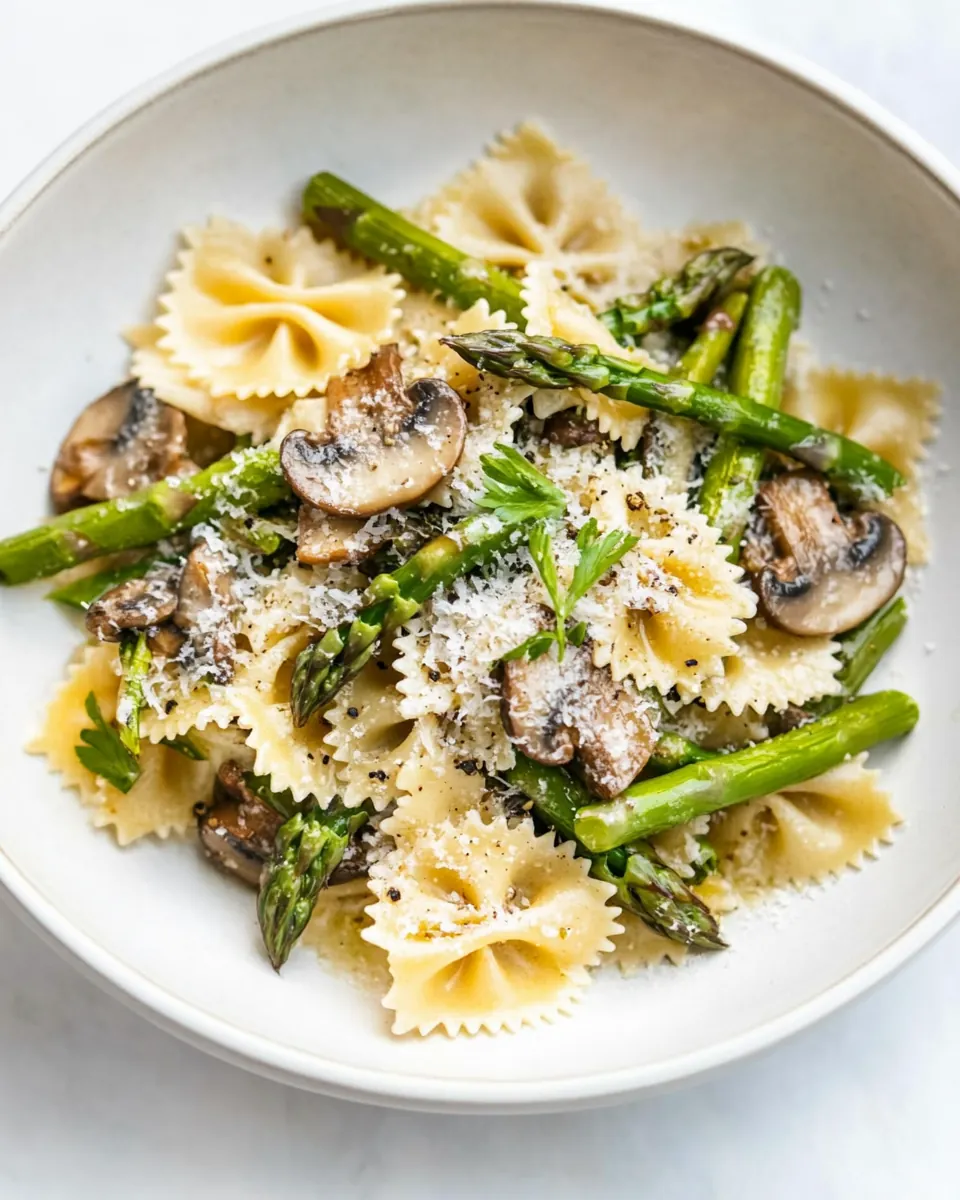
Asparagus and Mushroom Pasta
Asparagus and Mushroom Pasta became my go to when spring first started showing up in the farmer’s market. I remember carrying a bundle of bright green asparagus under my arm, the stalks still a little damp from the mist, and feeling like I had found the season on a plate. That first night I tossed it with nutty pasta and earthy mushrooms, and the combination felt honest and uncomplicated, the kind of meal that lets good ingredients do the talking.
Some nights I want comforting food without heavy fuss, and Asparagus and Mushroom Pasta fits that bill. I love how a few simple moves in a skillet transform a handful of pantry staples into something that smells like home. The butter melts and carries the garlic, the mushrooms soften and give up a woodland perfume, and the pasta brings everything together with silky starch. It is one of those recipes I reach for when friends drop by with short notice, because it feels thoughtful yet effortless.
Over time I tweaked small things, like trimming asparagus just so, or saving a splash of hot pasta water to tie the sauce. Those tiny choices make a big difference in texture and mouthfeel. I never skip a bit of freshly grated parmesan cheese at the end, unless someone at the table avoids it, because that final finishing touch lifts the whole dish. If you enjoy bright, seasonal food that cooks fast and tastes like a sunny evening, this one is for you.
Recipe Snapshot
30 mins
10 mins
20 mins
Easy
450 kcal
Italian
Gluten-Free, Paleo
Dinner
Large pot, Skillet, Colander, Grater
The Appeal of This Asparagus and Mushroom Pasta
Seasonal Simplicity
I adore how Asparagus and Mushroom Pasta highlights spring produce with a light footprint. Using a few fresh ingredients lets each flavor show through, and I especially love the sweet green snap of asparagus against tender mushrooms. It feels like a small celebration of what is available right now, not a complicated festival of techniques.
Quick and Satisfying
I often need a meal that is both rapid and fulfilling, and this recipe is precisely that. The total time is short, and the hands on cooking moves are simple, so it’s great for weeknights when you want something homey without a big commitment. The way the butter and olive oil carry flavor makes the dish feel indulgent even though it comes together fast.
Texture Contrast
What keeps me coming back is the contrast between the al dente pasta, the crisp tender asparagus, and the meaty mushrooms. That interplay creates interest in every bite. I like that the recipe allows you to control each element so nothing turns soggy, which preserves a lively mouthfeel.
Flexible and Friendly
This dish is forgiving. You can scale it up for guests or keep it modest for two, and small adjustments in seasoning or lemon juice let you steer the final result. I appreciate recipes that behave this way when I am cooking on different days and moods.
Comfort Without Heaviness
Finally, I love how Asparagus and Mushroom Pasta feels like comfort food that does not weigh you down. It offers richness from simple fats and cheese, paired with bright citrus and fresh vegetables. For me, that balance is the hallmark of a recipe I will return to again and again.
Ingredients You’ll Need for Asparagus and Mushroom Pasta
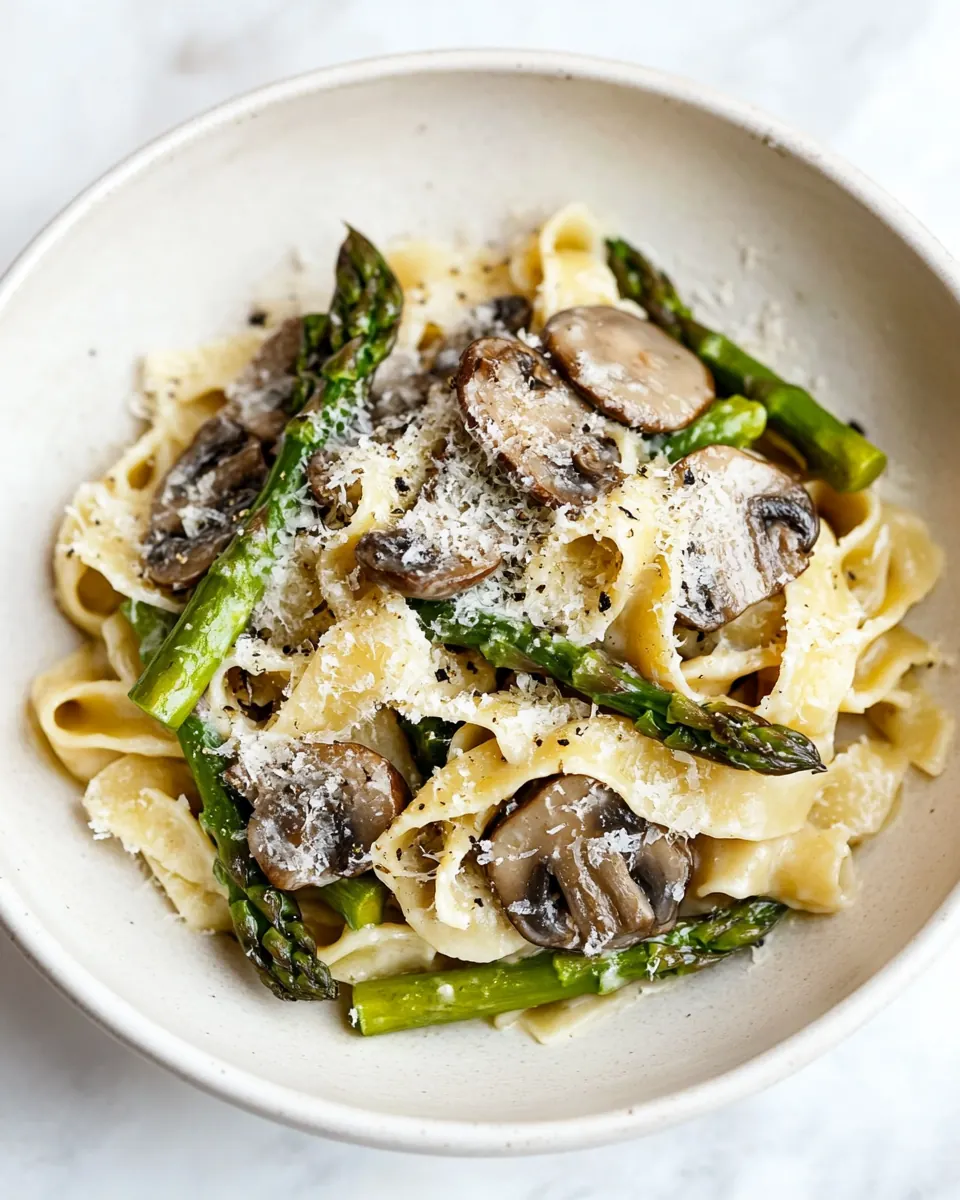
These ingredients form a compact, thoughtful roster that balances starch, fat, and fresh produce. The pasta brings body, the asparagus adds a green snap and spring flavor, and the mushrooms contribute depth. Small supporting players like butter, olive oil, garlic, and lemon provide aroma, gloss, and brightness so the plate never feels one dimensional.
- 8 ounces uncooked bowtie pasta: Cook until al dente to provide a tender, slightly chewy base that carries the sauce and other flavors throughout the dish. Toss with a little pasta water to help the butter and oil cling and create a cohesive coating for the vegetables and cheese.
- 1/2 pound asparagus ends trimmed: Trim and cut into bite-sized pieces to add a bright, slightly grassy crunch and seasonal color that balances the richness of the pasta. Sauté briefly to soften while preserving a pleasant snap and to release a mild vegetal sweetness that complements mushrooms and lemon.
- 2 tablespoons butter: Melt gently to create a silky, rich coating that enriches the pasta and vegetables, adding depth and a slightly nutty flavor. Brown lightly if desired to develop a toasty note that enhances the overall savory profile of the dish.
- 1 tablespoon olive oil: Drizzle to help crisp and brown the mushrooms while providing a clean, fruity backdrop that balances butter’s richness. Use to prevent sticking and to contribute a subtle, Mediterranean flavor that brightens the sautéed vegetables.
- 8 ounces white mushrooms: Slice and cook until tender and lightly browned to contribute an earthy, umami-rich component that deepens the savory character of the pasta. Combine with garlic and lemon to create a layered flavor profile and add meaty texture without overwhelming the dish.
- 2 cloves garlic minced: Mince and sauté briefly to release aromatic oils that infuse the butter and oil with pungent, savory notes. Add near the end of cooking to avoid burning and to provide a warm, garlicky foundation that lifts the other ingredients.
- Juice of 1/2 lemon approx. 2 tablespoons: Squeeze over the finished pasta to add bright acidity that cuts through the butter and mushrooms, balancing the dish and enhancing freshness. Use sparingly at first and adjust to taste to brighten flavors without overpowering the delicate asparagus.
- Salt & pepper to taste: Season generously to elevate and balance flavors across the pasta, vegetables, and cheese, enhancing sweetness or taming bitterness as needed. Add in stages while cooking and at the end to ensure a well-rounded, properly seasoned result.
- Freshly grated parmesan cheese but recommended, to taste (optional): Grate over or toss into the finished dish to add salty, savory, umami-rich notes and a creamy mouthfeel when melted into the warm pasta. Use to finish and garnish, providing an optional boost of richness and a pleasant, nutty complexity.
The Process for Making Asparagus and Mushroom Pasta
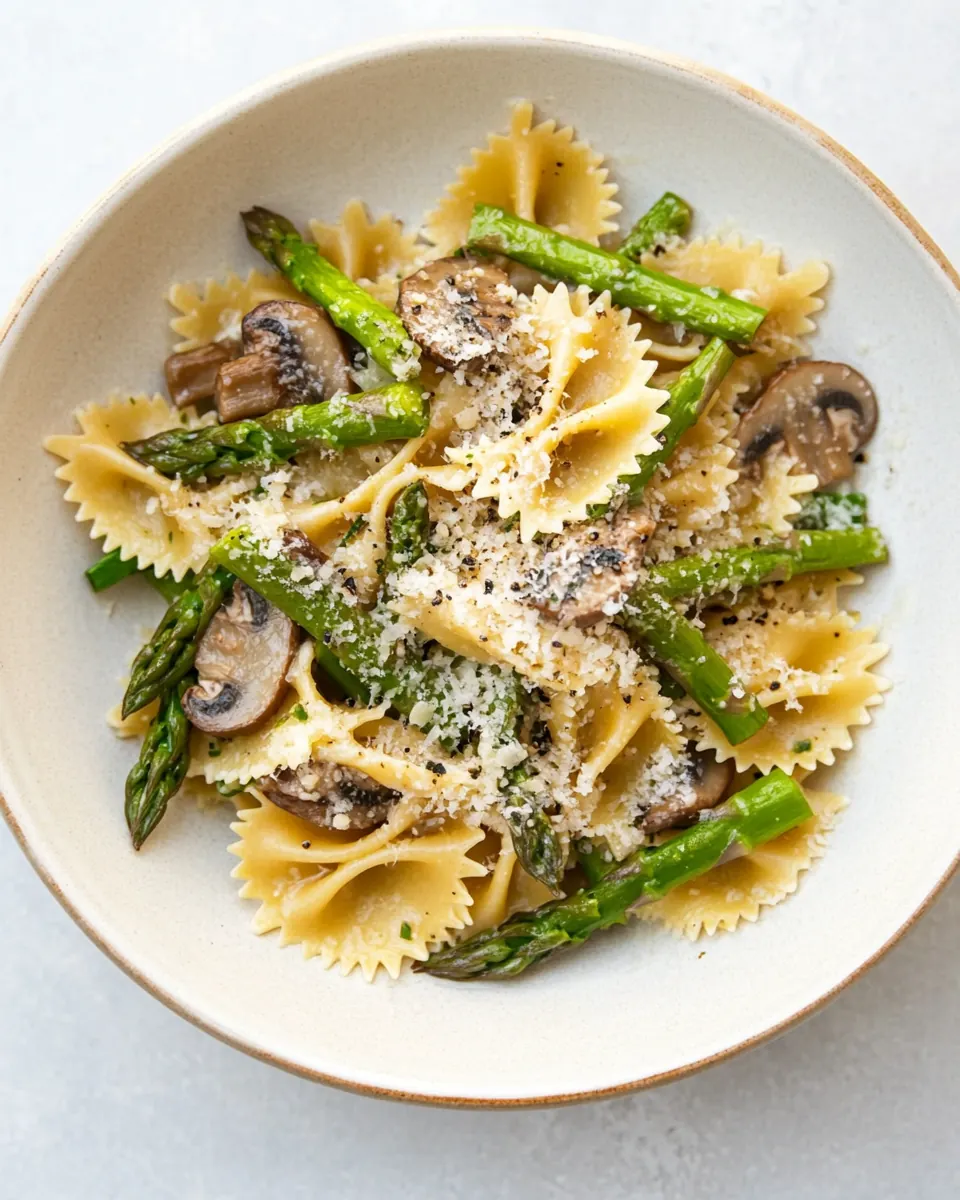
This is an approachable, skillet driven method that relies on timing and sensory cues. Read each step so you know what to listen for and what to watch for in the pan, and keep a little hot pasta water nearby to harmonize the sauce.
- Bring a large pot of salted water to a boil and cook the pasta al dente according to package directions.: The kitchen fills with a warm, starchy smell as the water reaches a rolling boil, and when you add the pasta you should hear a steady, lively simmer. The salted water seasons the pasta from the inside out, which is why I always salt generously; it should taste like the sea. Cooking just to al dente preserves a firm bite that stands up to tossing with vegetables, and you will see the center of a broken piece show a tiny white dot when it is perfectly al dente. A common mistake is overcooking so it turns limp, so start checking at the early end of the package time. Reserve a couple of tablespoons of the hot pasta water before draining, the faint steam and starch in that water are what helps the sauce cling to each bowtie.
- Meanwhile, in a skillet, melt the butter and olive oil over medium heat.: As the butter melts into the glistening olive oil you will notice a glossy sheen across the pan and a rich, nutty aroma especially as the butter warms. This fat combination gives you both flavor and a higher smoke point so the mushrooms and asparagus brown nicely rather than burn. Stir once or twice so the fats distribute, and listen for a gentle sizzle when you add vegetables. If the pan gets too hot and the butter darkens quickly, lower the heat to avoid bitterness, that is an easy trap to fall into at this stage.
- Cut the asparagus into roughly 1.5" pieces. Add the asparagus to the pan and cook for 3-5 minutes (depending on thickness of asparagus).: When the pieces hit the warm fat you will hear a lively sizzle and see them shimmer as they cook. The edges should take on a little color while the stalks soften, releasing a fresh green scent that signals readiness. Test a thicker stalk by piercing it with a fork; it should offer gentle resistance, not flop. Overcooking will yield a dull, soft texture and fade the bright green color, so keep an eye on timing and adjust according to the thickness of your asparagus .
- Add the mushrooms to the skillet and cook for a few minutes, until the mushrooms are softened.: As the mushrooms meet the hot fat they will begin to exude moisture, and you will hear a softer hiss as the juices release. Watch them turn from pale to a richer, tawny hue, and smell a deepening umami perfume. Stir occasionally so they brown evenly and do not steam in an overcrowded pan, which can make them rubbery. If the pan seems crowded, give them a moment to release their liquid, then increase heat briefly to evaporate excess moisture and encourage browning.
- Add the garlic, lemon juice, and salt and pepper. Stir and cook for a couple more minutes. Prior to draining the pasta, you can add a few tablespoons of the hot pasta water to the skillet if desired. Add the drained pasta to the skillet and toss until combined. Serve immediately with freshly grated parmesan cheese.: The instant you add the minced garlic the kitchen will brighten with a sharp aromatic sweetness, and the squeeze of lemon gives an audible little hiss as it hits the hot surfaces. These bright notes lift the weight of the butter and deepen the savory base from the mushrooms . Stir for a couple of minutes until the garlic becomes fragrant but does not brown, as burnt garlic tastes bitter. Season incrementally with salt and pepper , tasting as you go to avoid over salting; seasoning in stages yields better balance.
- Stir and cook for a couple more minutes. Prior to draining the pasta, you can add a few tablespoons of the hot pasta water to the skillet if desired: The sound of gentle bubbling and a cloud of steam mark this junction, and adding hot pasta water introduces starch that helps the sauce cohere and cling to the bowties. This subtle silky emulsion is what makes the dish feel cohesive, so I recommend saving a small ladleful to adjust consistency. A common pitfall is adding too much water which thins the sauce, so add gradually until you see the sauce become glossy and cling to the back of a spoon.
- Add the drained pasta to the skillet and toss until combined: Once you add the drained pasta you will notice the mixture come together, the shapes catching little pockets of sauce and vegetable. Toss gently so each piece is coated, and listen for a light clatter as the bowties move in the pan. If it seems dry, add another splash of reserved hot pasta water to achieve a silky finish. Avoid heavy, vigorous stirring that can mash the asparagus and break the pasta ; treat it with light, confident turns.
- Serve immediately with freshly grated parmesan cheese: The final flourish of freshly grated parmesan cheese melts into the warm pasta, adding a savory, slightly granular richness that rounds the flavors. The aroma will lift and invite immediate serving, and the texture becomes creamier as the cheese melts. Serve straight away while the dish is warm and vibrant, because cooling will cause the sauce to tighten and the flavors to lose some of their spark. A common mistake is waiting to serve, which can make the dish feel claggy rather than lively.
Tips and Variations
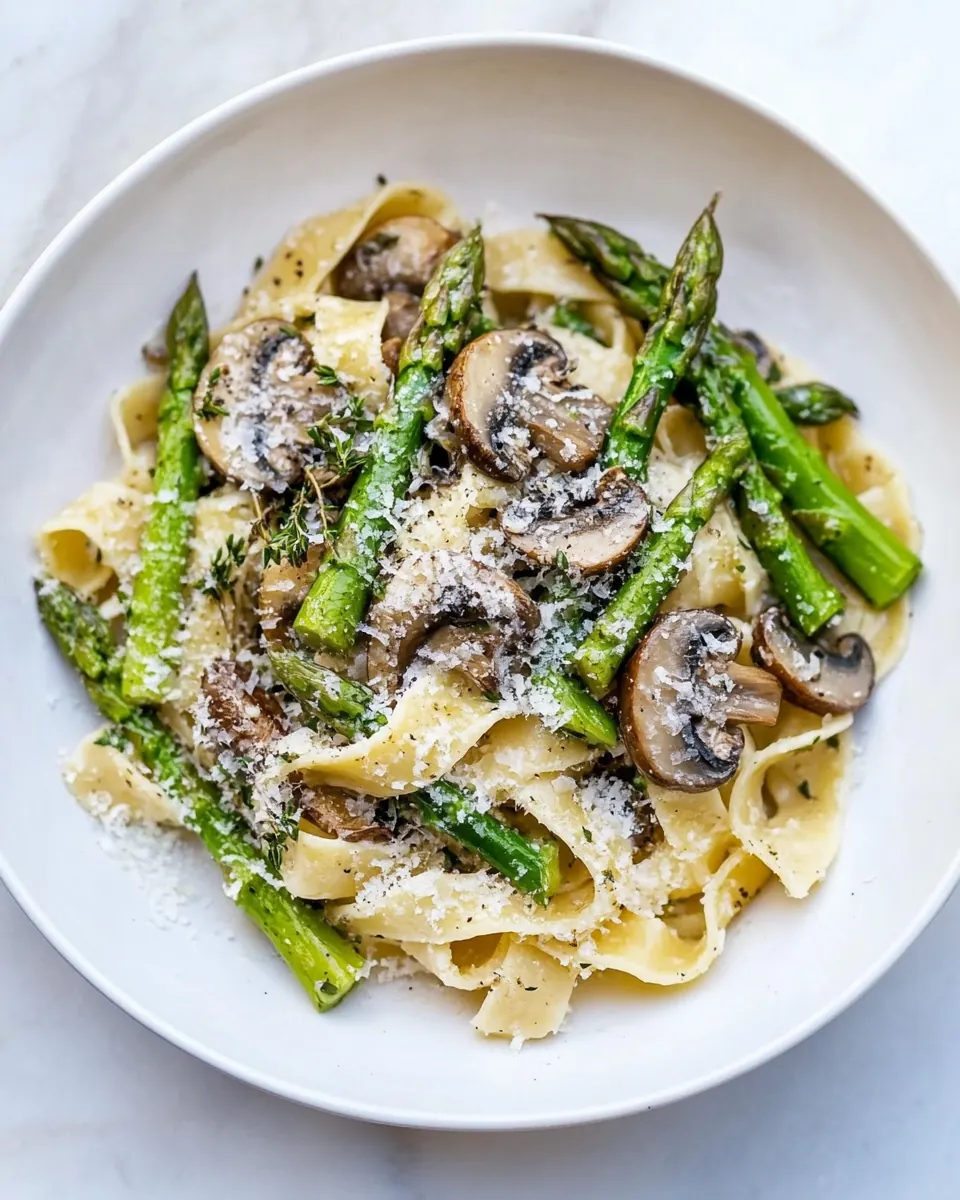
I like to offer small adjustments that keep the heart of the recipe intact while letting you personalize the dish. These tips focus on texture, seasoning, and small swaps that maintain the original flavor balance.
- Boost the pan flavor by allowing the mushrooms to brown undisturbed for a minute or two before stirring, developing deep caramelized notes that enrich the whole dish.
- Preserve asparagus color by shocking the pieces in ice water for a minute after cooking if you prefer a firmer, brighter vegetable in the final plate.
- Adjust sauce consistency using reserved hot pasta water, adding a tablespoon at a time until the sauce becomes glossy and coats the back of a spoon.
- Garlic timing matters, so add minced garlic after the mushrooms have softened to avoid any bitter burnt notes while still capturing aromatic depth.
- Cheese finish is optional but recommended; sprinkle freshly grated parmesan cheese right before serving so it melts gently and enhances umami without overwhelming the bright lemon notes.
Serving Options for Asparagus and Mushroom Pasta
This dish works across casual and slightly dressed up occasions, and it pairs well with light sides or stands on its own. Think about warming bowls and immediate service to keep the textures lively.
- Casual weeknight serve warm bowls with extra grated parmesan cheese on the side so everyone can top as they like.
- Spring lunch offer a crisp green salad to complement the vegetable notes and keep the meal bright and light.
- Dinner with friends present family style in a shallow serving dish so the pasta and vegetables remain warm and inviting at the table.
- Storage refrigerate leftover pasta in an airtight container for up to two days, gently reheat with a splash of water to restore creaminess.
- Seasonal pairing this shines in spring when asparagus is at its peak, pairing well with simple seasonal sides or a lemony dressing.
- Portioning this recipe scales well, double the ingredients for a small gathering and keep the tossing step quick so the textures stay intact.
FAQ
Conclusion
Asparagus and Mushroom Pasta shines because it celebrates a few excellent ingredients executed with simple technique, creating a meal that feels fresh and satisfying. I encourage you to try it when spring produce is at its best, and to pay attention to the small moments where texture and seasoning come together. This recipe rewards gentle handling and tasting as you go, and it often becomes a favorite for quick weeknight dinners or casual gatherings. Enjoy the way bright asparagus, savory mushrooms, and al dente pasta come together with a squeeze of lemon and a finishing shower of parmesan cheese, and make it your own with tiny adjustments that suit your table.
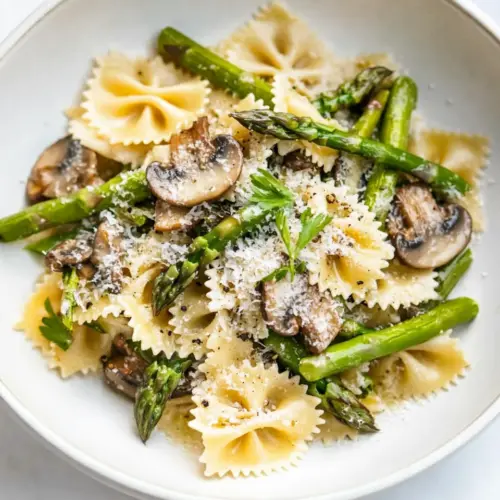
Asparagus and Mushroom Pasta
Equipment
- Large Pot
- Skillet
- Colander
- Grater
Ingredients
- 8 ounces uncooked bowtie pasta Cook until al dente to provide a tender, slightly chewy base that carries the sauce and other flavors throughout the dish. Toss with a little pasta water to help the butter and oil cling and create a cohesive coating for the vegetables and cheese.
- 1/2 pound asparagus ends trimmed Trim and cut into bite-sized pieces to add a bright, slightly grassy crunch and seasonal color that balances the richness of the pasta. Sauté briefly to soften while preserving a pleasant snap and to release a mild vegetal sweetness that complements mushrooms and lemon.
- 2 tablespoons butter Melt gently to create a silky, rich coating that enriches the pasta and vegetables, adding depth and a slightly nutty flavor. Brown lightly if desired to develop a toasty note that enhances the overall savory profile of the dish.
- 1 tablespoon olive oil Drizzle to help crisp and brown the mushrooms while providing a clean, fruity backdrop that balances butter’s richness. Use to prevent sticking and to contribute a subtle, Mediterranean flavor that brightens the sautéed vegetables.
- 8 ounces white mushrooms Slice and cook until tender and lightly browned to contribute an earthy, umami-rich component that deepens the savory character of the pasta. Combine with garlic and lemon to create a layered flavor profile and add meaty texture without overwhelming the dish.
- 2 cloves garlic minced Mince and sauté briefly to release aromatic oils that infuse the butter and oil with pungent, savory notes. Add near the end of cooking to avoid burning and to provide a warm, garlicky foundation that lifts the other ingredients.
- Juice of 1/2 lemon approx. 2 tablespoons Squeeze over the finished pasta to add bright acidity that cuts through the butter and mushrooms, balancing the dish and enhancing freshness. Use sparingly at first and adjust to taste to brighten flavors without overpowering the delicate asparagus.
- Salt & pepper to taste Season generously to elevate and balance flavors across the pasta, vegetables, and cheese, enhancing sweetness or taming bitterness as needed. Add in stages while cooking and at the end to ensure a well-rounded, properly seasoned result.
- Freshly grated parmesan cheese optional but recommended, to taste Grate over or toss into the finished dish to add salty, savory, umami-rich notes and a creamy mouthfeel when melted into the warm pasta. Use to finish and garnish, providing an optional boost of richness and a pleasant, nutty complexity.
Instructions
- Bring a large pot of salted water to a boil and cook the pasta al dente according to package directions.: The kitchen fills with a warm, starchy smell as the water reaches a rolling boil, and when you add the pasta you should hear a steady, lively simmer. The salted water seasons the pasta from the inside out, which is why I always salt generously; it should taste like the sea. Cooking just to al dente preserves a firm bite that stands up to tossing with vegetables, and you will see the center of a broken piece show a tiny white dot when it is perfectly al dente. A common mistake is overcooking so it turns limp, so start checking at the early end of the package time. Reserve a couple of tablespoons of the hot pasta water before draining, the faint steam and starch in that water are what helps the sauce cling to each bowtie.
- Meanwhile, in a skillet, melt the butter and olive oil over medium heat.: As the butter melts into the glistening olive oil you will notice a glossy sheen across the pan and a rich, nutty aroma especially as the butter warms. This fat combination gives you both flavor and a higher smoke point so the mushrooms and asparagus brown nicely rather than burn. Stir once or twice so the fats distribute, and listen for a gentle sizzle when you add vegetables. If the pan gets too hot and the butter darkens quickly, lower the heat to avoid bitterness, that is an easy trap to fall into at this stage.
- Cut the asparagus into roughly 1.5" pieces. Add the asparagus to the pan and cook for 3-5 minutes (depending on thickness of asparagus).: When the pieces hit the warm fat you will hear a lively sizzle and see them shimmer as they cook. The edges should take on a little color while the stalks soften, releasing a fresh green scent that signals readiness. Test a thicker stalk by piercing it with a fork; it should offer gentle resistance, not flop. Overcooking will yield a dull, soft texture and fade the bright green color, so keep an eye on timing and adjust according to the thickness of your asparagus .
- Add the mushrooms to the skillet and cook for a few minutes, until the mushrooms are softened.: As the mushrooms meet the hot fat they will begin to exude moisture, and you will hear a softer hiss as the juices release. Watch them turn from pale to a richer, tawny hue, and smell a deepening umami perfume. Stir occasionally so they brown evenly and do not steam in an overcrowded pan, which can make them rubbery. If the pan seems crowded, give them a moment to release their liquid, then increase heat briefly to evaporate excess moisture and encourage browning.
- Add the garlic, lemon juice, and salt and pepper. Stir and cook for a couple more minutes. Prior to draining the pasta, you can add a few tablespoons of the hot pasta water to the skillet if desired. Add the drained pasta to the skillet and toss until combined. Serve immediately with freshly grated parmesan cheese.: The instant you add the minced garlic the kitchen will brighten with a sharp aromatic sweetness, and the squeeze of lemon gives an audible little hiss as it hits the hot surfaces. These bright notes lift the weight of the butter and deepen the savory base from the mushrooms . Stir for a couple of minutes until the garlic becomes fragrant but does not brown, as burnt garlic tastes bitter. Season incrementally with salt and pepper , tasting as you go to avoid over salting; seasoning in stages yields better balance.
- Stir and cook for a couple more minutes. Prior to draining the pasta, you can add a few tablespoons of the hot pasta water to the skillet if desired: The sound of gentle bubbling and a cloud of steam mark this junction, and adding hot pasta water introduces starch that helps the sauce cohere and cling to the bowties. This subtle silky emulsion is what makes the dish feel cohesive, so I recommend saving a small ladleful to adjust consistency. A common pitfall is adding too much water which thins the sauce, so add gradually until you see the sauce become glossy and cling to the back of a spoon.
- Add the drained pasta to the skillet and toss until combined: Once you add the drained pasta you will notice the mixture come together, the shapes catching little pockets of sauce and vegetable. Toss gently so each piece is coated, and listen for a light clatter as the bowties move in the pan. If it seems dry, add another splash of reserved hot pasta water to achieve a silky finish. Avoid heavy, vigorous stirring that can mash the asparagus and break the pasta ; treat it with light, confident turns.
- Serve immediately with freshly grated parmesan cheese: The final flourish of freshly grated parmesan cheese melts into the warm pasta, adding a savory, slightly granular richness that rounds the flavors. The aroma will lift and invite immediate serving, and the texture becomes creamier as the cheese melts. Serve straight away while the dish is warm and vibrant, because cooling will cause the sauce to tighten and the flavors to lose some of their spark. A common mistake is waiting to serve, which can make the dish feel claggy rather than lively.
Notes
- Boost the pan flavor by allowing the mushrooms to brown undisturbed for a minute or two before stirring, developing deep caramelized notes that enrich the whole dish.
- Preserve asparagus color by shocking the pieces in ice water for a minute after cooking if you prefer a firmer, brighter vegetable in the final plate.
- Adjust sauce consistency using reserved hot pasta water, adding a tablespoon at a time until the sauce becomes glossy and coats the back of a spoon.
- Garlic timing matters, so add minced garlic after the mushrooms have softened to avoid any bitter burnt notes while still capturing aromatic depth.
- Cheese finish is optional but recommended; sprinkle freshly grated parmesan cheese right before serving so it melts gently and enhances umami without overwhelming the bright lemon notes.