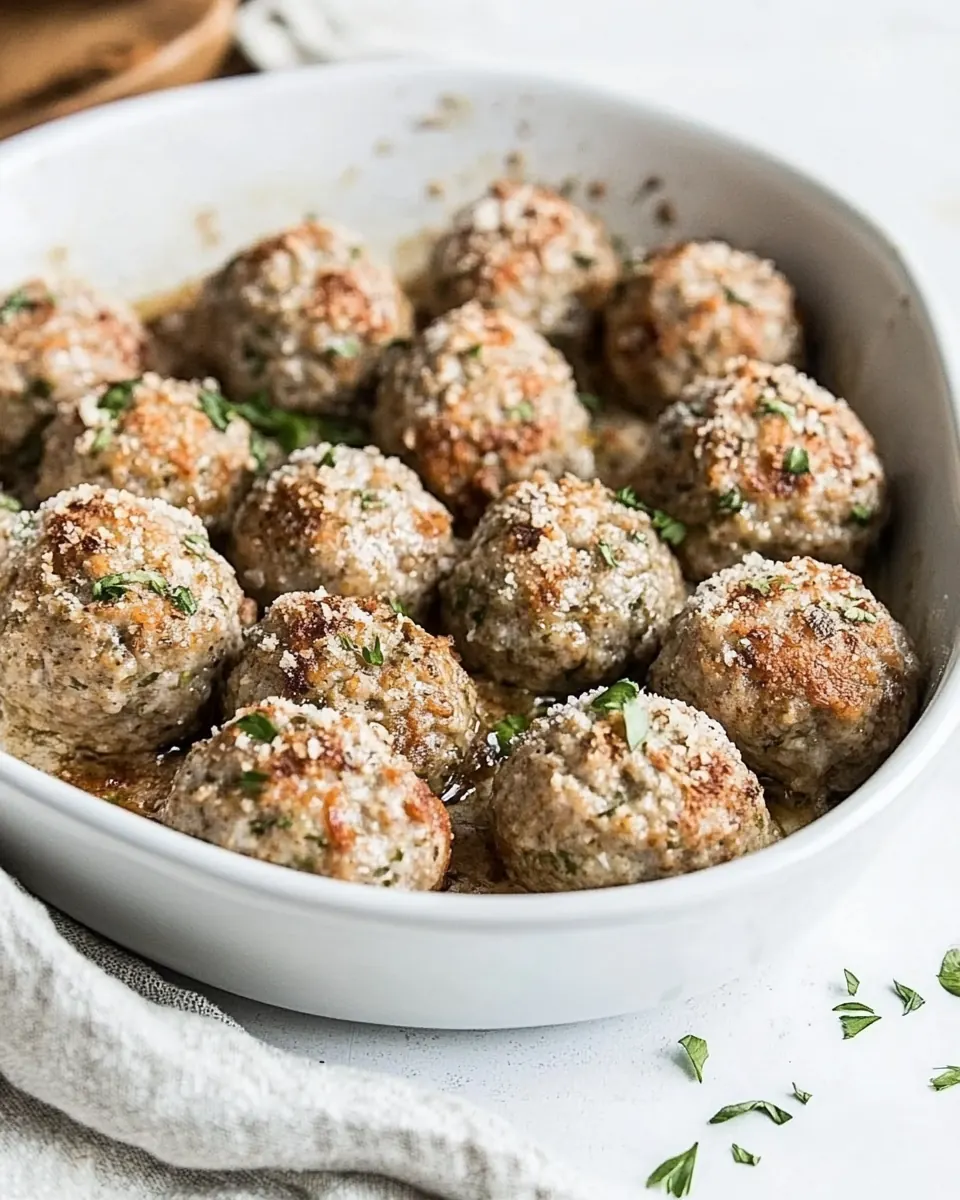
Baked Meatballs
Baked Meatballs are one of those recipes I reach for when I want comfort without fuss, and this version has been my quick weeknight hero for years.
I remember the first time I made these, standing in a warm kitchen with the scent of garlic and onion filling the air while the oven hummed. I was juggling work emails and a hungry roommate, and these Baked Meatballs came together fast, forgiving my rushed chopping and uneven meatball shaping. The texture surprised me, a tender center with a lightly crisped exterior from a light drizzle of oil, and the cheese folded into the mixture gave each bite a subtle savory lift.
Over time I learned small tricks that made a big difference, like tearing the bread into small pieces so it hydrates evenly, and testing a tiny fried pinch of the mix to check seasoning. Those moments of tasting and adjusting are how this recipe became reliably satisfying. Family and friends started asking for seconds, and I began making a double batch to keep in the fridge for quick lunches or pasta nights.
There is something wonderfully practical about Baked Meatballs, they work as a main, tucked into a roll, or paired with a simple salad. I love how they travel too, perfect for potlucks or an easy freezer stash. Each time I pull them from the oven I still get a little excited, because the aroma of onion, garlic, and toasted cheese never gets old. If you enjoy hands on, straightforward cooking that rewards patience in small ways, these meatballs will become a reliable favorite in your rotation.
Recipe Snapshot
45 mins
20 mins
25 mins
Medium
350 kcal
Italian
Paleo, Gluten-Free
Dinner
Sheet tray, Parchment paper, Mixing bowl, Scoop or hands for forming, Oven
What’s Great About This Baked Meatballs
They are effortlessly versatile
I love that Baked Meatballs adapt to so many meals. Whether I serve them over pasta, tuck them into a roll, or arrange them on a party platter, they fit the occasion without extra work. The technique is forgiving, so I can scale the batch size up or down and still get consistent results.
Comfort food with smart texture
The combination of soaked bread, ground beef, and eggs gives a tender interior while the brief oil drizzle and high oven heat create a pleasant outer color. When I bite into one, I want that soft yield followed by a subtle crust, and this recipe reliably provides that balance.
Simple ingredients, big flavor
With just a few pantry staples like breadcrumbs, Parmigiano Reggiano, garlic, and onion, these meatballs deliver rich savory notes. I appreciate recipes that celebrate good ingredients without complicated steps, and this is one of them.
Make ahead and store easily
I often prepare these in advance, refrigerating or freezing them for busy weeks. They reheat well in the oven, retaining moisture and texture, so they become a convenient option when I need a reliable home cooked meal with minimal last minute effort.
Testing and adaptability
I always test a small pinch of the mixture by frying it briefly to check seasoning. That habit saves me from bland batches, and it allows for small tweaks like adjusting salt or herb levels. It makes the process feel professional while remaining approachable.
Main Ingredients for Baked Meatballs
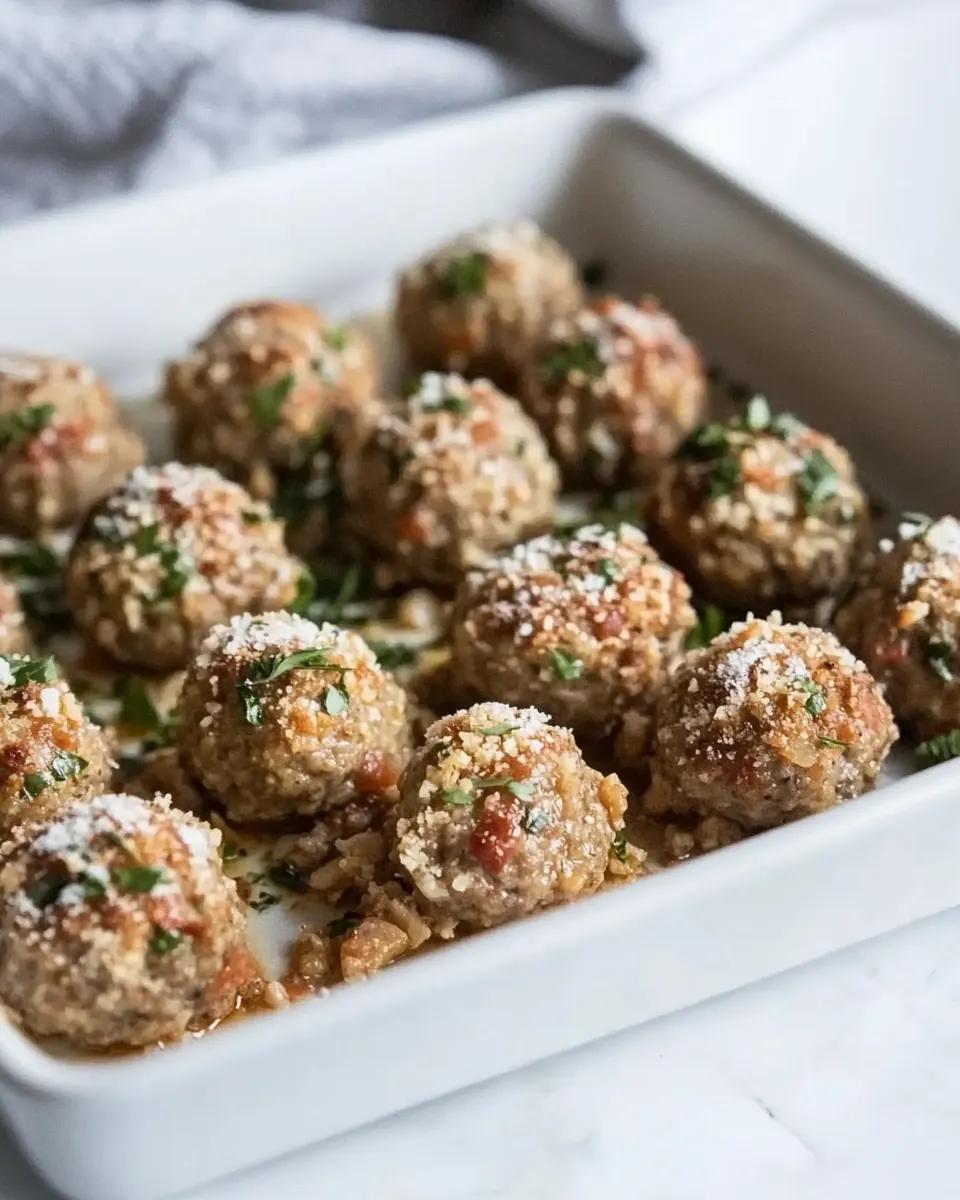
These ingredients form the backbone of a classic, straightforward meatball. Each element plays a clear role, the bread brings moisture, the ground beef provides richness, eggs act as a binder, and Parmigiano Reggiano lends a savory depth. Together they create a tender interior and a satisfying, lightly browned exterior when baked.
- 1/3 loaf of bread: Soaked or torn into small pieces, provides binder and moisture when rehydrated; helps extend volume and tenderize meatballs while absorbing flavors from other ingredients. Use stale or slightly dried bread for best texture and squeeze out excess liquid before mixing to avoid soggy meatballs.
- 1 pound 80/20 ground beef: Ground to a coarse consistency, supplies primary protein and fat that determine flavor and juiciness; choose 80/20 for a balance of moisture and fat that keeps meatballs tender during baking. Handle minimally when mixing to prevent dense or tough meatballs, and chill briefly if mixture becomes too warm.
- 1/2 cup breadcrumbs: Added for texture and structure, contributes additional dry bulk to help bind and stabilize the mixture so meatballs hold their shape during baking. Use plain or seasoned breadcrumbs depending on desired flavor, and measure carefully to maintain proper moisture balance.
- 1/2 cup finely grated Parmigiano Reggiano: Finely grated to melt into the mixture, delivers savory umami and salty richness that deepens overall flavor; helps with binding through melted proteins and fats. Use freshly grated Parmigiano Reggiano for the best aromatic complexity and avoid pre-grated powders for superior texture.
- 1/2 cup peeled small diced yellow onion: Peeled and finely diced to release mild sweetness and moisture, enhances savory depth and provides small bursts of flavor in each bite; softens during baking and adds body to the mixture. Sauté lightly before mixing if a mellower, sweeter onion flavor is preferred, or use raw for brighter sharpness.
- 2 finely minced garlic cloves: Finely minced to distribute pungent, aromatic heat evenly; elevates savory profile and pairs with herbs and cheese to create a rounded flavor. Use fresh garlic for the most vibrant taste, and mince very small so it incorporates smoothly into the meatball matrix.
- 2 large eggs: Beaten lightly to create a cohesive liquid binder that helps hold proteins, breadcrumbs, and other ingredients together while contributing slight richness. Use whole large eggs for consistent binding power and fold in gently to avoid overworking the mixture.
- 2 tablespoons finely minced fresh parsley: Finely minced to add fresh herbal brightness and a subtle peppery note; balances richness and adds color contrast within the meatballs. Add toward the end of mixing to preserve vibrant flavor, and chop finely so it integrates without creating pockets.
- 1 tablespoon dry basil: Used dry to provide concentrated herb flavor with a long shelf life; contributes an Italian-inspired aromatic note that complements cheese and garlic. Rehydrate briefly in a small amount of water or oil if you want a fresher taste, or add directly to the mixture for steady background flavor.
- coarse salt and freshly cracked pepper to taste: Seasoned to taste to enhance and balance all components; coarse salt brings out savory compounds while freshly cracked pepper adds bite and complexity. Add gradually and taste a small cooked test portion if possible to ensure seasoning levels suit personal preference.
Baked Meatballs Instructions
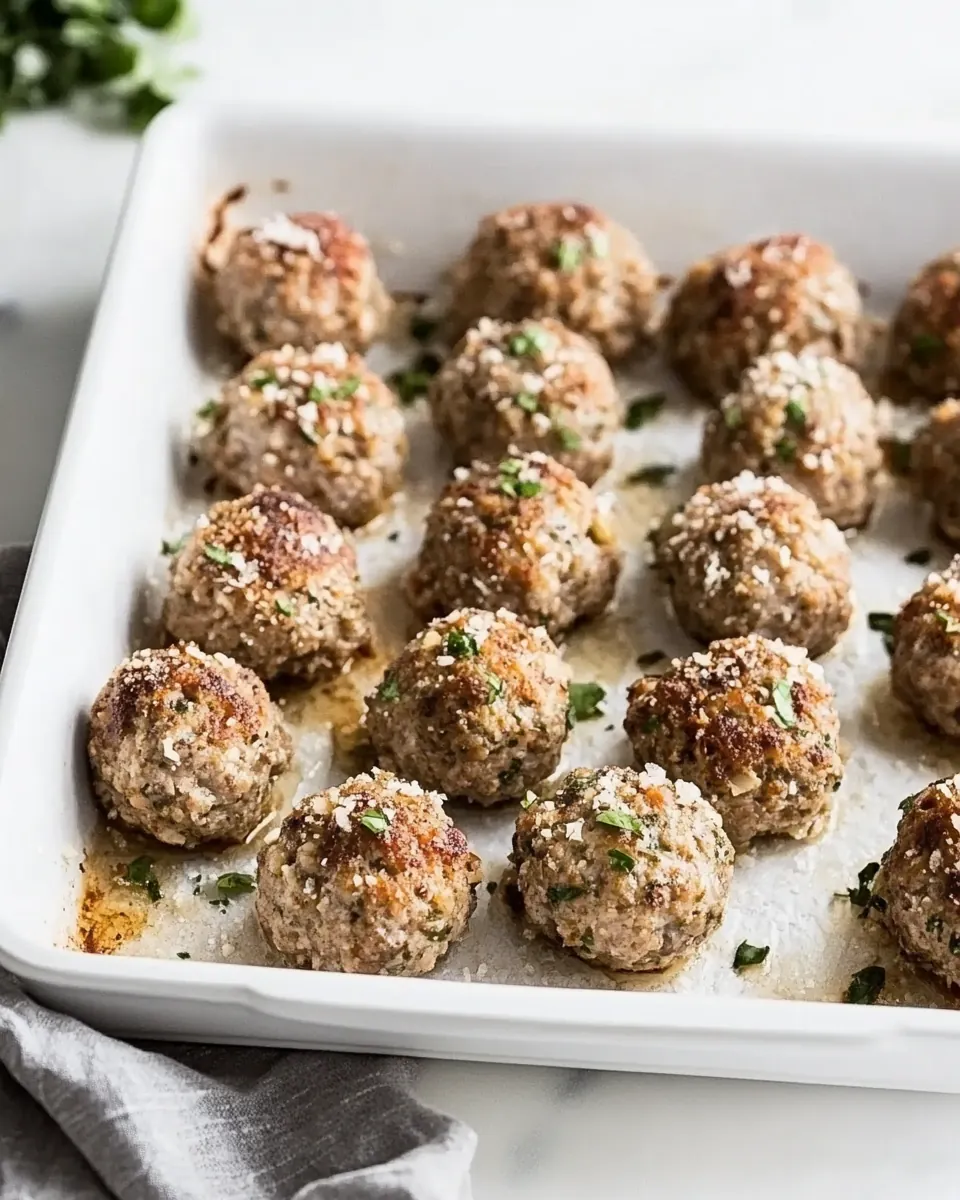
I like to keep the instruction flow relaxed and conversational, guiding you through each tactile moment from tearing bread to pulling the tray from the oven. Below are step by step directions that focus on what you should feel, smell, and look for as you work.
- Remove the crust on the bread and tear it or cut it into small pieces. Discard the crust, or you can dry them out for breadcrumbs for another recipe.: As you tear the bread , notice the soft inner crumb give way into small pieces that will absorb the egg and juices, creating a light, tender binder. The texture should feel pliable and slightly springy, not dried out. If the loaf seems too stale, briefly run the torn pieces under a splash of water then squeeze out excess moisture so they rehydrate evenly. A common mistake is leaving large chunks, which can create uneven texture pockets in the meatballs.
- Add them to the bowl along with the beef, eggs, breadcrumbs, cheese, parsley, basil, onion, garlic, salt, and pepper.: When you combine these elements in a bowl, you should smell the sharpness of garlic and the warm, nutty note of Parmigiano Reggiano marrying with the raw meat scent of the ground beef . Use a shallow wide bowl so everything sits in one layer and mixes more easily. One pitfall is crowding the bowl and overworking the meat; that can lead to dense meatballs instead of tender ones.
- Mix everything to combine. Fry a small piece in a small amount of oil to test it to ensure it is properly seasoned.: As you mix, focus on gentle folding motions to distribute ingredients without compacting the meat. The test fry will show you how flavors bloom when heat is applied, and you will notice a quick sizzle and a toasty aroma from the onion and garlic . Adjust salt and pepper after tasting, because raw mixtures can taste muted compared to cooked. Avoid skipping this test, or you risk serving under seasoned meatballs.
- Form 12 equally-sized meatballs.: As you roll each meatball, aim for a smooth surface so they brown evenly in the oven. The feel should be slightly firm but not compacted, with a bit of give when pressed. Using a scoop helps keep sizes consistent, which ensures uniform cooking times. A frequent error is overpacking them; that produces a dense interior instead of the desired tender crumb.
- Place them on a sheet tray lined with parchment paper and drizzle a small amount of olive oil over the top of each meatball, about 1 to 2 teaspoons each.: Lining a tray with parchment prevents sticking and makes cleanup simple, and lightly oiling each meatball encourages surface browning and a subtle sheen. You should see small glints of oil that help conduct heat to the exterior, producing a gently crisp finish. Be careful not to over oil, which can pool and turn the bottoms greasy rather than crisp.
- Bake them on a middle rack in the oven at 425° for 20 to 25 minutes or until browned and cooked throughout.: When they bake, watch for the color to deepen to a warm golden brown and for the kitchen to fill with roasted meat and herb aromas. The sound is a low oven hum and occasionally a soft pop as fat renders. Use an instant read thermometer if you have one, aiming for an internal temperature that indicates doneness for the ground beef . A common mistake is opening the oven frequently which lowers temperature and lengthens cook time, so rely on visual cues and a thermometer rather than constant peeking.
- Serve them with an optional garnish of minced fresh parsley.: The final garnish adds a bright, herbaceous contrast to the rich meat and cheese. Sprinkle the minced parsley just before serving to preserve its fresh color and lift the plate visually and aromatically. Avoid adding it too early, as the heat can wilt the herb and mute its freshness.
Change It Up
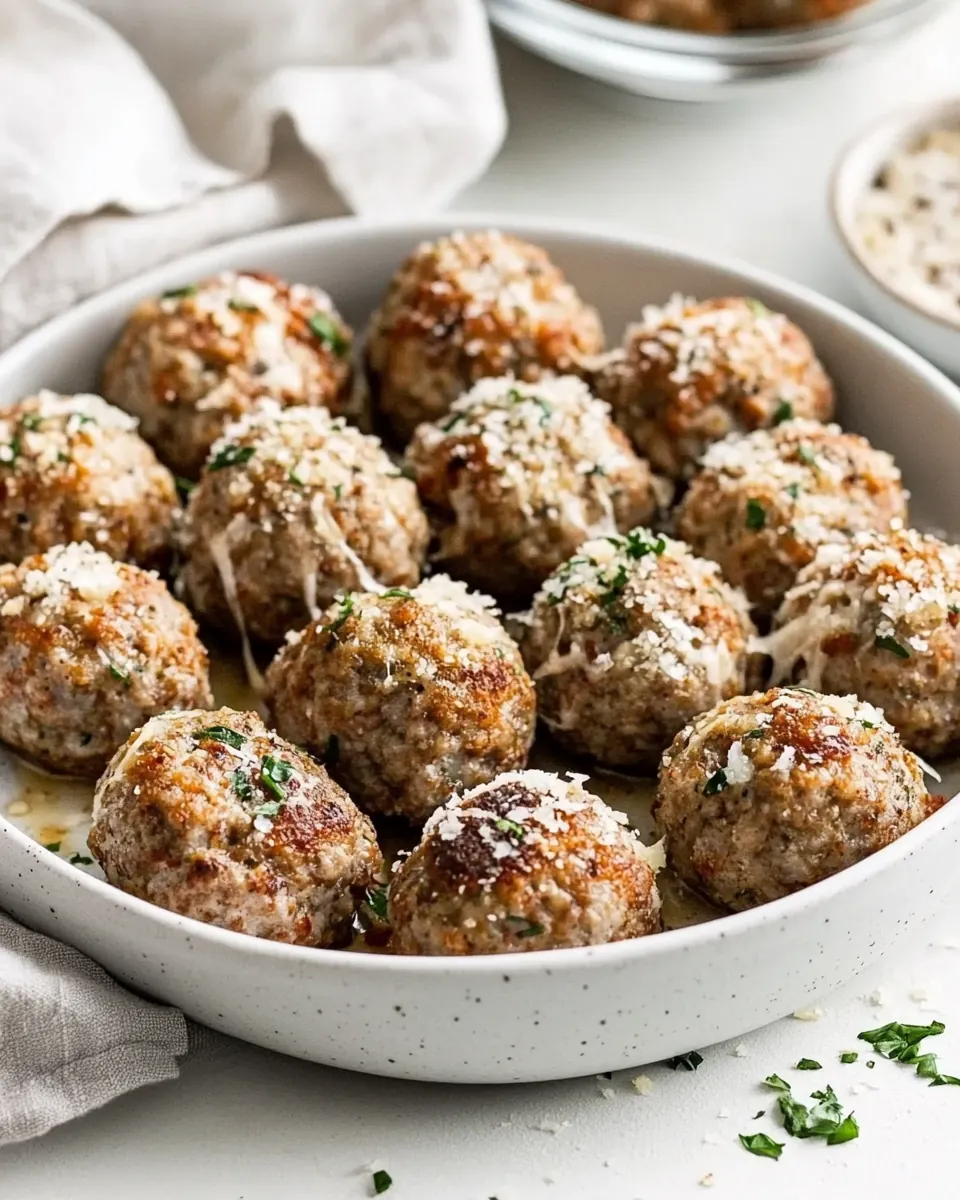
These tips help you adapt and improve the recipe without changing its core approach. Below I expand the notes into actionable ideas that save time and boost flavor.
- Make Ahead: You can form the meatball mixture, roll the meatballs, and store them covered in the refrigerator for up to two days, which simplifies dinner night prep.
- How to Store: Keep cooked meatballs covered in the refrigerator for four days, or freeze them in a sealed container for up to six months to preserve freshness and convenience.
- How to Reheat: Reheat on a sheet tray in the oven at 350° for 10 to 12 minutes until heated through, this helps them regain some surface crispness compared to microwaving.
- Bread Size Note: A loaf length of about four to five inches for the portion of bread suggested yields the right balance of bread to meat in the mix.
- Onion and Garlic Swaps: Substitute 1 1/2 teaspoons onion granules for the diced onion, and 1 1/2 teaspoons garlic granules for fresh garlic when fresh aromatics are not available, though the fresh versions provide brighter flavor.
Serving Options for Baked Meatballs
These serving ideas cover casual dinners, gatherings, and storage suggestions. Use the list to mix and match based on the occasion and what you have on hand.
- Over Pasta: Serve the Baked Meatballs atop your favorite pasta with a simple tomato sauce for a classic dinner that satisfies a crowd or a cozy night in.
- In Sandwiches: Place warm meatballs in a roll or baguette with a spoonful of sauce for a handheld, comforting meal perfect for casual lunches or game day snacking.
- As an Appetizer: Arrange meatballs on a platter with toothpicks and a small bowl of sauce for dipping, making them ideal for parties and potlucks.
- Meal Prep Bowls: Pair chilled or reheated meatballs with grains and roasted vegetables for easy make ahead lunches during the week, keeping portions balanced and flavorful.
- Storage Tips: Cool meatballs completely before storing, then refrigerate covered for up to four days or freeze in single layers before transferring to a sealed bag for up to six months.
- Seasonal Pairings: In colder months like winter, pair them with a hearty pasta or roasted root vegetables to complement their savory richness and provide comfort.
FAQ
Conclusion
These Baked Meatballs stand out because of their tender texture, balanced seasoning, and effortless versatility. They are simple enough for a weekday meal yet satisfying enough for guests, and the recipe rewards small attentive steps like testing seasoning and gentle mixing. I encourage you to give them a try, whether you make a single pan for dinner or a double batch for the freezer; they’re forgiving, reliably tasty, and a wonderful base for many meals.
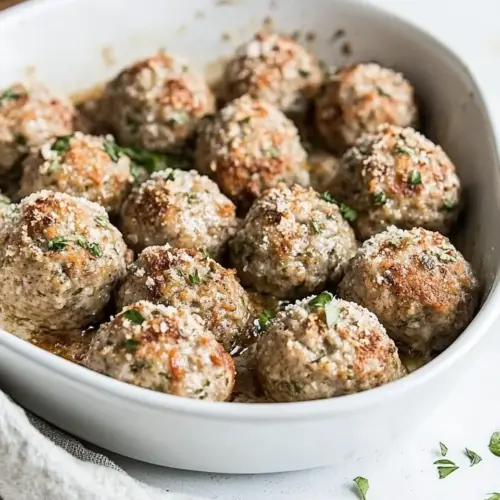
Baked Meatballs
Equipment
- Sheet tray
- Parchment Paper
- Mixing Bowl
- Scoop or hands for forming
- Oven
Ingredients
- 1/3 loaf of bread Soaked or torn into small pieces, provides binder and moisture when rehydrated; helps extend volume and tenderize meatballs while absorbing flavors from other ingredients. Use stale or slightly dried bread for best texture and squeeze out excess liquid before mixing to avoid soggy meatballs.
- 1 pound 80/20 ground beef Ground to a coarse consistency, supplies primary protein and fat that determine flavor and juiciness; choose 80/20 for a balance of moisture and fat that keeps meatballs tender during baking. Handle minimally when mixing to prevent dense or tough meatballs, and chill briefly if mixture becomes too warm.
- 1/2 cup breadcrumbs Added for texture and structure, contributes additional dry bulk to help bind and stabilize the mixture so meatballs hold their shape during baking. Use plain or seasoned breadcrumbs depending on desired flavor, and measure carefully to maintain proper moisture balance.
- 1/2 cup finely grated Parmigiano Reggiano Finely grated to melt into the mixture, delivers savory umami and salty richness that deepens overall flavor; helps with binding through melted proteins and fats. Use freshly grated Parmigiano Reggiano for the best aromatic complexity and avoid pre-grated powders for superior texture.
- 1/2 cup peeled small diced yellow onion Peeled and finely diced to release mild sweetness and moisture, enhances savory depth and provides small bursts of flavor in each bite; softens during baking and adds body to the mixture. Sauté lightly before mixing if a mellower, sweeter onion flavor is preferred, or use raw for brighter sharpness.
- 2 finely minced garlic cloves Finely minced to distribute pungent, aromatic heat evenly; elevates savory profile and pairs with herbs and cheese to create a rounded flavor. Use fresh garlic for the most vibrant taste, and mince very small so it incorporates smoothly into the meatball matrix.
- 2 large eggs Beaten lightly to create a cohesive liquid binder that helps hold proteins, breadcrumbs, and other ingredients together while contributing slight richness. Use whole large eggs for consistent binding power and fold in gently to avoid overworking the mixture.
- 2 tablespoons finely minced fresh parsley Finely minced to add fresh herbal brightness and a subtle peppery note; balances richness and adds color contrast within the meatballs. Add toward the end of mixing to preserve vibrant flavor, and chop finely so it integrates without creating pockets.
- 1 tablespoon dry basil Used dry to provide concentrated herb flavor with a long shelf life; contributes an Italian-inspired aromatic note that complements cheese and garlic. Rehydrate briefly in a small amount of water or oil if you want a fresher taste, or add directly to the mixture for steady background flavor.
- coarse salt and freshly cracked pepper to taste Seasoned to taste to enhance and balance all components; coarse salt brings out savory compounds while freshly cracked pepper adds bite and complexity. Add gradually and taste a small cooked test portion if possible to ensure seasoning levels suit personal preference.
Instructions
- Remove the crust on the bread and tear it or cut it into small pieces. Discard the crust, or you can dry them out for breadcrumbs for another recipe.: As you tear the bread , notice the soft inner crumb give way into small pieces that will absorb the egg and juices, creating a light, tender binder. The texture should feel pliable and slightly springy, not dried out. If the loaf seems too stale, briefly run the torn pieces under a splash of water then squeeze out excess moisture so they rehydrate evenly. A common mistake is leaving large chunks, which can create uneven texture pockets in the meatballs.
- Add them to the bowl along with the beef, eggs, breadcrumbs, cheese, parsley, basil, onion, garlic, salt, and pepper.: When you combine these elements in a bowl, you should smell the sharpness of garlic and the warm, nutty note of Parmigiano Reggiano marrying with the raw meat scent of the ground beef . Use a shallow wide bowl so everything sits in one layer and mixes more easily. One pitfall is crowding the bowl and overworking the meat; that can lead to dense meatballs instead of tender ones.
- Mix everything to combine. Fry a small piece in a small amount of oil to test it to ensure it is properly seasoned.: As you mix, focus on gentle folding motions to distribute ingredients without compacting the meat. The test fry will show you how flavors bloom when heat is applied, and you will notice a quick sizzle and a toasty aroma from the onion and garlic . Adjust salt and pepper after tasting, because raw mixtures can taste muted compared to cooked. Avoid skipping this test, or you risk serving under seasoned meatballs.
- Form 12 equally-sized meatballs.: As you roll each meatball, aim for a smooth surface so they brown evenly in the oven. The feel should be slightly firm but not compacted, with a bit of give when pressed. Using a scoop helps keep sizes consistent, which ensures uniform cooking times. A frequent error is overpacking them; that produces a dense interior instead of the desired tender crumb.
- Place them on a sheet tray lined with parchment paper and drizzle a small amount of olive oil over the top of each meatball, about 1 to 2 teaspoons each.: Lining a tray with parchment prevents sticking and makes cleanup simple, and lightly oiling each meatball encourages surface browning and a subtle sheen. You should see small glints of oil that help conduct heat to the exterior, producing a gently crisp finish. Be careful not to over oil, which can pool and turn the bottoms greasy rather than crisp.
- Bake them on a middle rack in the oven at 425° for 20 to 25 minutes or until browned and cooked throughout.: When they bake, watch for the color to deepen to a warm golden brown and for the kitchen to fill with roasted meat and herb aromas. The sound is a low oven hum and occasionally a soft pop as fat renders. Use an instant read thermometer if you have one, aiming for an internal temperature that indicates doneness for the ground beef . A common mistake is opening the oven frequently which lowers temperature and lengthens cook time, so rely on visual cues and a thermometer rather than constant peeking.
- Serve them with an optional garnish of minced fresh parsley.: The final garnish adds a bright, herbaceous contrast to the rich meat and cheese. Sprinkle the minced parsley just before serving to preserve its fresh color and lift the plate visually and aromatically. Avoid adding it too early, as the heat can wilt the herb and mute its freshness.
Notes
- Make Ahead: You can form the meatball mixture, roll the meatballs, and store them covered in the refrigerator for up to two days, which simplifies dinner night prep.
- How to Store: Keep cooked meatballs covered in the refrigerator for four days, or freeze them in a sealed container for up to six months to preserve freshness and convenience.
- How to Reheat: Reheat on a sheet tray in the oven at 350° for 10 to 12 minutes until heated through, this helps them regain some surface crispness compared to microwaving.
- Bread Size Note: A loaf length of about four to five inches for the portion of bread suggested yields the right balance of bread to meat in the mix.
- Onion and Garlic Swaps: Substitute 1 1/2 teaspoons onion granules for the diced onion, and 1 1/2 teaspoons garlic granules for fresh garlic when fresh aromatics are not available, though the fresh versions provide brighter flavor.
