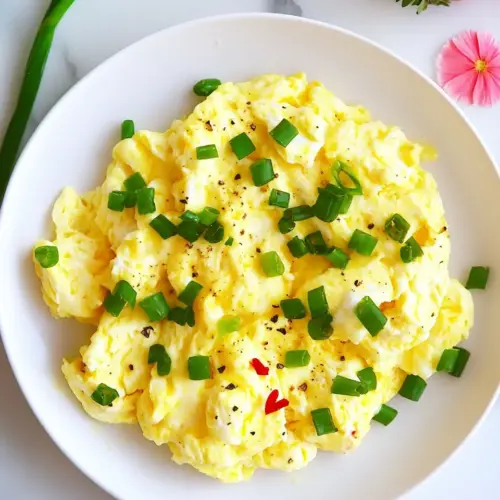
Cottage Cheese Scrambled Eggs
Cottage Cheese Scrambled Eggs are a creamy, protein packed breakfast that feels indulgent but comes together in minutes. The tang of cottage cheese with tender scrambled eggs creates a silky texture and gentle flavor perfect for an easy weeknight breakfast or light brunch. Quick to prepare and comforting, it is a simple recipe you will want to make again and again.
Equipment
- Non-Stick Skillet
- Small Bowl
- Rubber spatula
- Whisk or fork
Ingredients
- 2 large eggs Whisk gently to provide structure and volume to the scramble while allowing other ingredients to bind and set; cook until just softly curdled for a tender texture. Add gradually to a warmed, buttered pan over medium-low heat and fold continuously to create creamy curds. Season lightly and remove from heat slightly underdone so residual heat finishes the eggs without drying them out.
- 1/4 cup cottage cheese Fold in smoothly to add creaminess and moisture, contributing a tangy, rich mouthfeel that enhances the eggs without overpowering them. Incorporate just before or during gentle folding to melt into the curds and create pockets of softness throughout the scramble. Use full-fat or low-fat depending on desired richness, and adjust final seasoning after combining.
- pinch of salt Season sparingly to enhance and balance the natural flavors of the eggs and cottage cheese without dominating the dish. Add a pinch during cooking and taste toward the end to fine-tune the seasoning level. Consider finishing with a small additional sprinkle if needed for brightness.
Instructions
- Preheat a non-stick skillet over medium heat for about 2 minutes as you prepare the egg mixture. Starting with a warm skillet will make the eggs less likely to stick to your pan.: You will feel the warmth when you hover your hand a few inches above the pan, and the surface becomes ready to sizzle. Starting with a warm pan ensures the eggs begin cooking immediately, which helps them set gently instead of sticking. Listen for the faint whisper of heat as the pan settles into temperature. Why this matters, the initial contact with heat controls how quickly proteins coagulate, producing a tender curd rather than a rubbery texture. Troubleshooting, if the pan is too hot the eggs will brown and firm up too fast, so reduce heat if you see rapid bubbling.
- Crack the eggs into a small bowl, then add in the cottage cheese and a generous pinch of salt. Use a fork to whisk until the mixture looks creamy.: As you crack the eggs , note the bright yellow yolks that promise richness. The cottage cheese brings a lumpy creaminess at first, which will smooth as you whisk. I like to whisk until the mixture looks homogeneous and slightly frothy, that aeration helps keep the final scramble light. The whisking sound changes from a slap to a soft hum as the mixture comes together. Why this matters, achieving a unified mixture ensures even cooking and a consistent texture. Troubleshooting, if you under whisk the curds may remain chunky in the finished scramble, so whisk until the pieces mostly break down.
- Grease the pan with spray oil or butter, then pour the mixture into the hot pan. Let the eggs cook for about 1 minute, undisturbed. As soon as the edges start to look like they are cooking, drag a rubber spatula through the eggs, gently stirring them around the pan.: When the fat hits the hot surface you will notice a faint sizzle and a glossy sheen forming across the pan. The fat creates a protective layer that prevents sticking and contributes flavor. I use just a small amount so the eggs do not become greasy. Visually the mixture should start to set at the edges within the first minute. Why this matters, the fat promotes even heat transfer and adds mouthfeel. Troubleshooting, if you see smoking fat your pan is too hot, remove it briefly to cool.
- Continue stirring, as needed, until the eggs are cooked through. Just like traditional scrambled eggs, you can cook these as soft or firm as you like. Serve the eggs warm right away with fresh herbs on top, if desired.: During this quiet period you will see the edges transition from translucent to opaque, and the surface will lose some of its gloss. This pause allows the bottom to develop gentle structure, which makes it easier to fold the curds later. The smell will be warm and mildly eggy, not browned. Why this matters, letting them set slightly before stirring prevents the scramble from becoming uniformly mushy. Troubleshooting, avoid leaving them untouched for too long or the bottom will form a dry layer.
- As soon as the edges start to look like they are cooking, drag a rubber spatula through the eggs, gently stirring them around the pan: You will hear a soft scraping sound and watch tender ribbons form as you push from the edges to the center. The movement creates curds and distributes the heat evenly, producing that desirable creamy texture. Keep the motions deliberate and gentle, scraping the bottom rather than chopping. Why this matters, gentle folding preserves moisture and keeps curds tender. Troubleshooting, vigorous stirring will break the curds into tiny fragments and produce a dryer result.
- Continue stirring, as needed, until the eggs are cooked through: Pay attention to the change from glossy and loose to slightly drier and set, that is your cue to remove them. The final texture can be soft and custardy or firmer depending on your preference, so trust the visual cues. The aroma will deepen slightly, but you should avoid browning for the creamiest outcome. Why this matters, stopping at the right moment keeps the scramble tender and moist rather than rubbery. Troubleshooting, carryover heat will continue to cook them after you remove the pan, so take them off just before your ideal doneness.
- Serve the eggs warm right away with fresh herbs on top, if desired: The finished scramble should glisten with gentle moisture and have a smooth mouthfeel, with tiny hints of curd from the cottage cheese. Serving immediately preserves the texture, and a sprinkling of herbs or a tiny extra pinch of salt brightens each bite. Why this matters, immediate service avoids the eggs tightening as they cool and keeps the experience luxurious. Troubleshooting, if they sit they will firm up and lose that soft, meal like quality, so prioritize plating quickly.
Notes
- Warm, not hot pan is key to preventing the eggs from seizing and sticking, aim for medium heat and preheat for about two minutes.
- Whisk thoroughly so the cottage cheese integrates and the mixture becomes slightly aerated, this promotes a light, custardy result.
- Minimal fat will prevent greasiness, a light spray or a small pat of butter is enough to protect the pan.
- Watch the glossy sheen, when the eggs begin to lose shine they are nearing doneness and should be removed soon to avoid overcooking.
- Serve immediately because the texture is best warm, cooling tightens the curds and alters the mouthfeel.