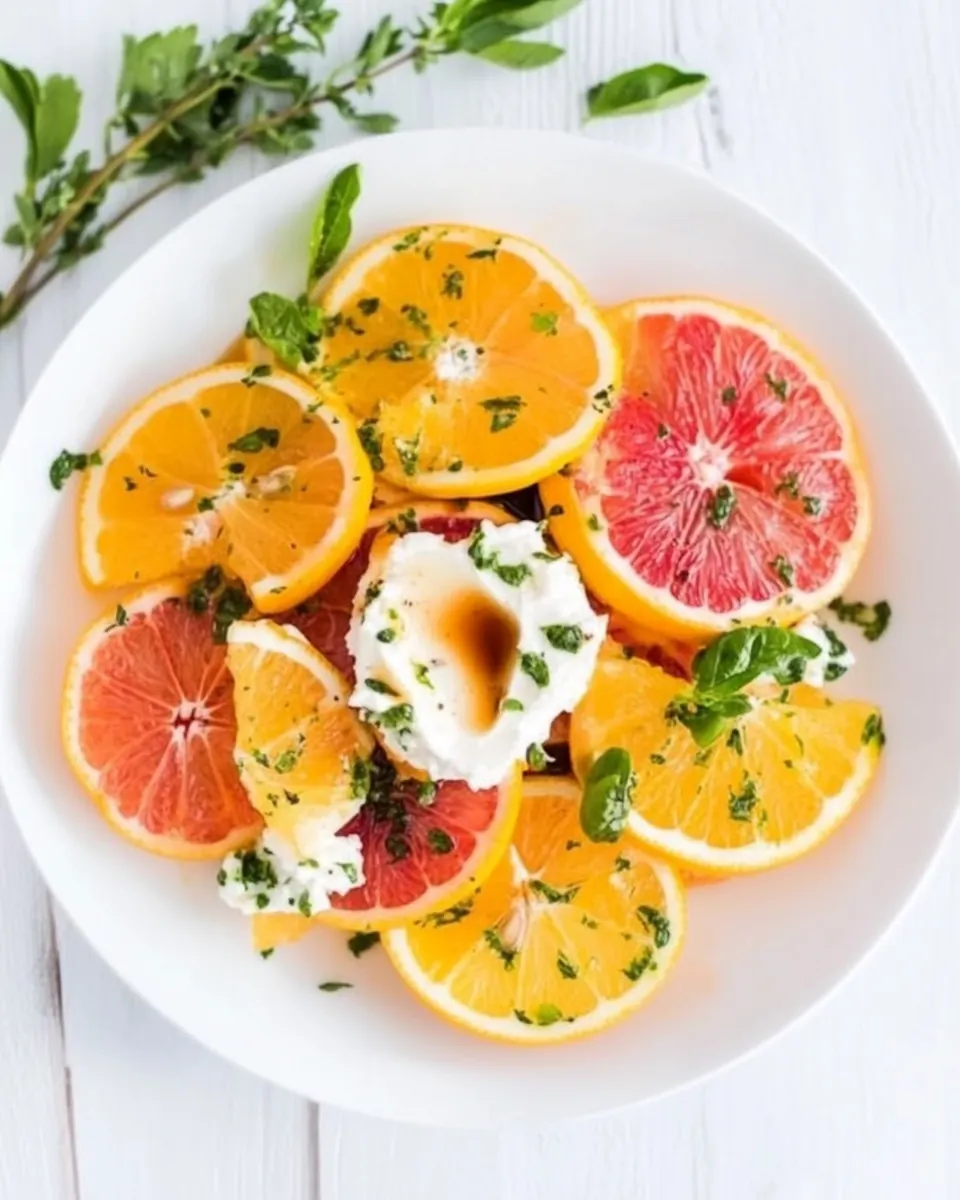
Citrus Salad with Honey Balsamic Vinaigrette
Citrus Salad with Honey Balsamic Vinaigrette is one of those recipes I reach for when I want something bright, simple, and unpretentious on the table. The first time I made this salad I was coming home from a long farmer market morning, arms heavy with glossy oranges and a bag of fragrant basil. I wanted a dish that celebrated the fruit, not masked it, so I layered the slices and finished them with a little honey and white balsamic, and the result felt like sunshine transformed into a salad.
That afternoon, friends dropped by and we ate standing at the counter, trading stories and passing the platter back and forth. The cool, juicy snap of each orange slice contrasted with the creamy tang of goat cheese, while the tiny chiffonaded ribbons of mint and basil lifted every bite. It turned a casual visit into something memorable, and since then I keep this recipe in my mental rotation for potlucks, light lunches, or as a palate cleanser between richer courses.
I love how forgiving this salad is. You can adapt it to the season by choosing blood oranges or navel, and the vinaigrette comes together in seconds. I usually make a little extra dressing to spoon over the fruit as it rests, so each slice becomes glossy and kissed with sweet acidity. It feels special without a lot of fuss, and it’s one of those recipes that keeps surprising me with how many people ask for the recipe after their first taste.
Recipe Snapshot
20 mins
20 mins
Easy
150 kcal
Mediterranean
Gluten-Free, Vegan
Salads
Paring Knife, Cutting Board, Small Bowl, Whisk, Platter
What’s Great About This Citrus Salad with Honey Balsamic Vinaigrette
Pure citrus focus
What I adore about this salad is its unapologetic emphasis on the fruit. When the citrus is perfectly sliced and arranged, each segment’s texture and flavor shine, and the vinaigrette simply accentuates the natural juices rather than hiding them. I often tell guests that less is more, and with this dish that really holds true.
Quick and elegant
In my kitchen this becomes a go to when I want something that reads fancy but is effortless. You can whisk the dressing in the time it takes to peel and slice the fruit, which makes it ideal for last minute entertaining. I appreciate recipes that let me focus on company rather than complicated steps.
Bright contrasts
The interplay of sweet honey, tangy white balsamic, and the creamy goat cheese creates a pleasing balance. I love how fresh herbs like mint and basil introduce an herbal lift, turning each bite into a layered experience. For me, those contrasts are what make people remember the salad.
Versatility at its core
I regularly adapt this for different occasions. Swap blood oranges for grapefruit when they are at their peak, or add edible flowers when I want it to look romantic. The base concept remains the same, and that’s why I reach for it throughout spring and beyond.
Simple technique, big reward
The vinaigrette is essentially an emulsion, and getting that silky texture seals the deal. I like telling friends that mastering the basic whisking technique here will improve many of their salads. It is small attention to detail that yields a beautiful, restaurant worthy result.
Ingredients for Citrus Salad with Honey Balsamic Vinaigrette
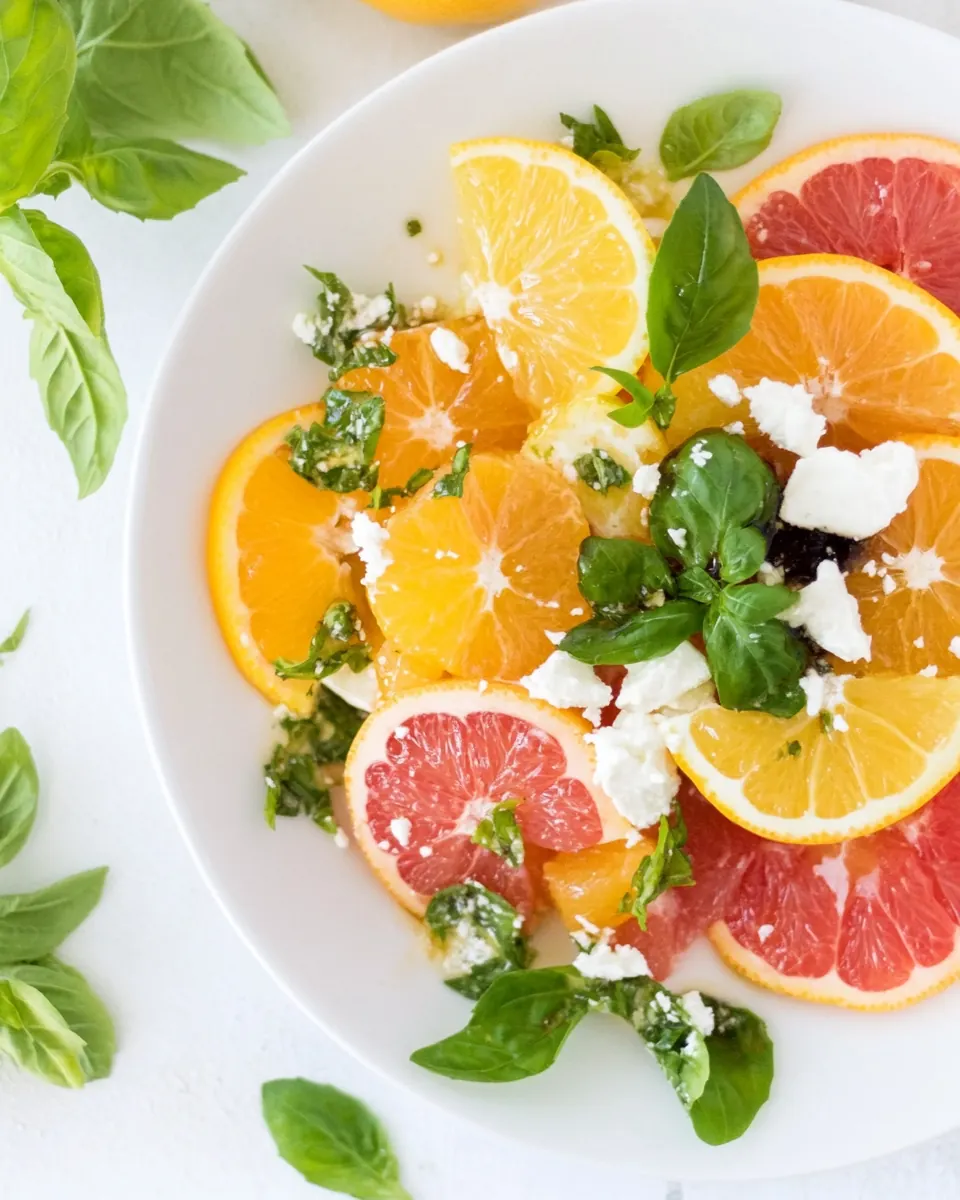
I choose ingredients that let the citrus be the star. The key players are the fruit for texture and juiciness, the honey and white balsamic for balanced sweetness and acidity, and the fresh herbs and goat cheese for contrast. Each component supports the others so that no single flavor overwhelms the plate.
- 4 large navel-style and/or blood oranges: Peel and segment to provide sweet, juicy citrus rounds that form the salad's vibrant base; use navel or blood oranges for color contrast and natural sweetness. Combine with other citrus to balance acidity and create an attractive presentation that soaks up the dressing.
- 2 large grapefruit (preferably pink or Ruby Red): Segment and trim membranes to contribute bright, slightly tart citrus layers that complement the oranges; pink or Ruby Red varieties add color and a gentle tang. Use grapefruit to introduce complexity and a refreshing bitterness that balances the honeyed dressing.
- 2 tablespoons honey: Whisk into the dressing to supply natural sweetness and mellow the tartness of the vinegar; honey also helps the vinaigrette emulsify with the oil. Adjust quantity to taste to achieve a harmonious balance between sweet and acidic components.
- 2 tablespoons white balsamic vinegar: Vigorously mix into the vinaigrette to provide bright acidity with a subtle fruity note; white balsamic is milder and less colored than dark balsamic, preserving the salad's appearance. Pair with honey and olive oil to create a balanced, glossy dressing.
- 1/4 cup extra-virgin olive oil: Slowly drizzle in while whisking to form a smooth, silky vinaigrette that coats the citrus segments and herbs. Use extra–virgin olive oil for its fruity depth and mouthfeel, which enhances the overall richness without overpowering delicate flavors.
- 5 large mint leaves, cut into chiffonade: Slice into thin ribbons to add a refreshing, cool herbal aroma and a slight menthol note that lifts the citrus flavors. Scatter chiffonaded mint over the salad just before serving to preserve its bright color and crisp texture.
- 5 large basil leaves, cut into chiffonade: Cut into fine ribbons to contribute a sweet, peppery herbal nuance and aromatic freshness that pairs well with both citrus and cheese. Add chiffonaded basil last to maintain its vibrant flavor and to complement the other herbs.
- 1/4 cup crumbled goat cheese: Crumble over the assembled salad to introduce creamy, tangy richness and a soft textural contrast to the juicy citrus segments. Use goat cheese sparingly to provide savory depth and a pleasant salt-acid counterpoint to the dressing.
- sea salt and coarsely ground black pepper: Season lightly to heighten and balance flavors; sprinkle sea salt to enhance sweetness and a coarse grind of black pepper to add subtle heat. Taste after tossing to ensure the seasoning supports, rather than masks, the bright citrus and herbs.
- 3 4 edible flowers, such as chive blossoms (, for garnish) – see note (optional): Garnish delicately to provide a decorative, floral accent that elevates presentation; edible flowers like chive blossoms add color and a mild oniony nuance if used. Add optionally at the end to avoid wilting and to create an elegant final touch.
How to Assemble Citrus Salad with Honey Balsamic Vinaigrette
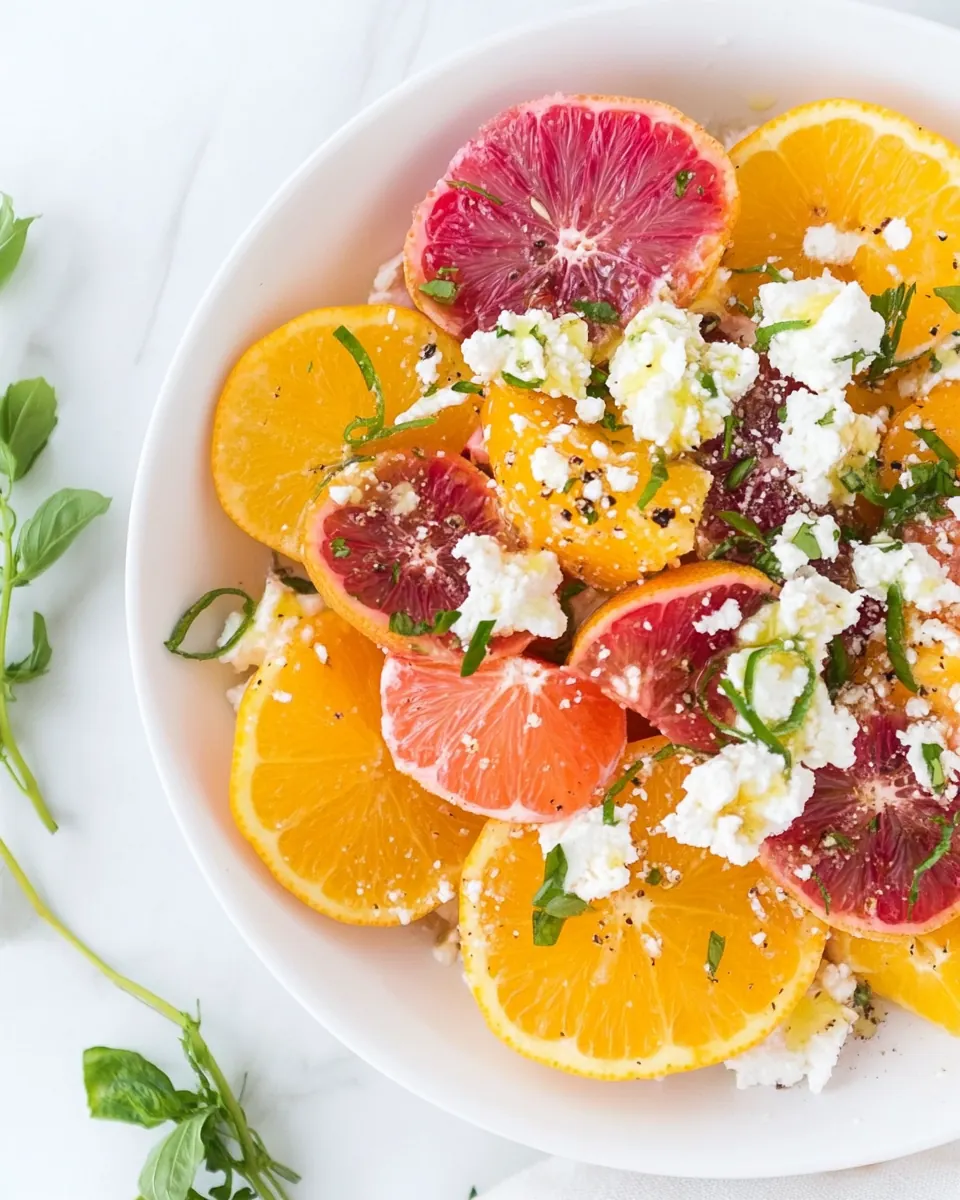
This salad comes together quickly but benefits from attention to sensory details. Approach each step slowly so you can notice texture, aroma, and balance as you go, and aim to serve promptly so the citrus stays fresh and glossy.
- Peel the citrus (see note below) and cut the fruit 1/4-inch thick slices, removing any seeds you see.: The bright aroma of freshly peeled oranges and grapefruit will fill your kitchen, with citrus oils lifting as you work. Use a sharp paring knife and steady pressure to remove the pith, then slice on a clean board so each piece releases juice as it is cut. This tactile step sets the texture for the salad, creating tender yet intact rounds. A common mistake is leaving too much white pith which adds bitterness, so trim carefully and check each slice for seeds before plating.
- In a small bowl, whisk together honey and balsamic vinegar. Slowly drizzle in olive oil, whisking until emulsified. Season to taste with fine sea salt and black pepper.: When you first whisk the honey with the white balsamic vinegar , you'll notice a glossy shine and a soft floral scent emerging. Slowly drizzle in the extra–virgin olive oil while whisking to create a smooth emulsion that clings to fruit. The emulsified dressing should feel silky on your wrist and coat the back of a spoon. If the dressing separates, whisk more vigorously or add a tiny extra splash of vinegar to rebalance. Avoid adding too much oil at once, which prevents proper emulsification.
- Arrange citrus slices on a platter. Drizzle with as much honey-balsamic vinaigrette as you like, making sure that you get some of the dressing on all of the slices between the layers of fruit. (Depending on the size of the fruit, you might not need all of the vinaigrette.): Tasting at this stage is crucial because salt sharpens the fruit's sweetness while pepper gives a hint of warmth. The mixture should taste bright and slightly sweet, not overly vinegary. Stir and taste, adjusting incrementally to avoid over seasoning. A frequent pitfall is adding too much salt early; season lightly, then finish seasoning after the dressing meets the fruit.
- Sprinkle with basil, mint, and additional sea salt and black pepper, to taste. (I like to use flaked sea salt to finish.) Top salad with crumbled goat cheese and serve immediately.: Lay the citrus slices in overlapping concentric rings or in casual layers so the colors pop. The visual contrast between orange and grapefruit should be vivid, and the platter will begin to glisten as you work. This arrangement not only looks appealing but ensures each bite includes multiple fruit flavors. Avoid crowding the platter which can bruise the slices, instead give each piece space to shine.
- Drizzle with vinaigrette: As you spoon the emulsion over the layered fruit, listen for the soft patter of dressing hitting the slices and watch the glossy sheen form. Aim to distribute the vinaigrette so every slice has some dressing, especially in between layers where juices gather. If you apply too much in one spot, blot with a paper towel to remove excess, because pooling can make the salad soggy rather than pleasantly dressed.
- Sprinkle with basil and mint: The fresh, green fragrance of chiffonaded basil and mint will perfume the salad, adding herbal brightness with every sniff. Scatter the ribbons evenly to ensure those herbal notes appear in each forkful. Adding herbs too early can cause wilting, so do this close to serving time for the best texture and aroma. If herbs start to weep, pat them dry and use fresh leaves.
- Add sea salt and coarsely ground black pepper to taste: A final touch of flaky sea salt adds crunch and amplifies flavor, while coarsely ground black pepper gives a faint heat. Sprinkle sparingly, taste a sample, and adjust. Over salting is the most common error here, so add small amounts and reassess before serving.
- Top with crumbled goat cheese: Scatter the creamy goat cheese so it nests among the fruit. The cheese should offer a soft, tangy contrast without melting completely into the salad. If your kitchen is warm and the cheese becomes too soft, briefly chill it before crumbling to maintain texture. A heavy hand can overwhelm the delicate fruit, so distribute it lightly for balance.
- Garnish with edible flowers if using: The petals will bring a gentle floral perfume and beautiful color accents. Place them gently so they sit atop slices without becoming damp or falling apart. Confirm the flowers are edible and pesticide free before adding. If unsure about allergies or safety, simply omit and rely on herbs for aroma.
- Serve immediately: The salad is at its best when the fruit is fresh and the vinaigrette is still glossy. Serve right away so the textures remain distinct, the herbs stay vibrant, and the cheese holds its shape. Delaying serving will cause the fruit to release juices and the herbs to wilt, which can flatten the flavors, so plate when ready to eat.
Ways to Customize
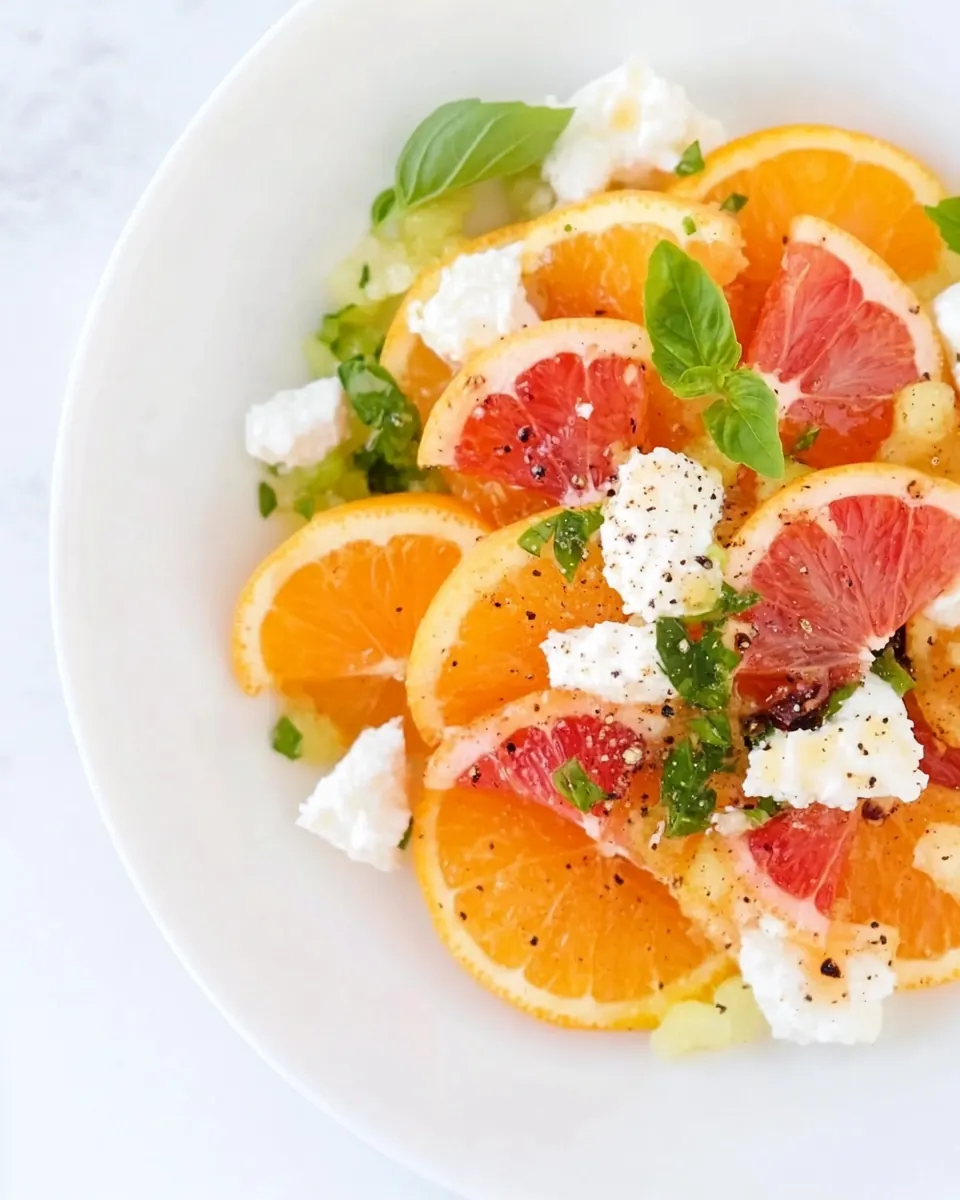
This salad is a flexible template. Small swaps or additions can tailor it to seasons and tastes while keeping the core balance intact. Below are practical, creative ideas to make it your own.
- Use mixed citrus Swap in a variety of oranges such as blood, navel, or cara cara to create a colorful platter and a range of sweet to tart flavors.
- Try different honey types A milder clover honey yields a subtle sweetness while a wildflower honey adds floral complexity, choose based on how assertive you want the dressing to be.
- Add toasted nuts sparingly For texture, lightly toast and sprinkle chopped almonds or pistachios, but only if noted in your ingredient list and guests have no nut allergies.
- Switch the cheese If you want a different tang profile, consider a soft ricotta salata in place of goat cheese, adjusting quantity to taste.
- Garnish choices Use edible flowers for a special occasion, or simply finish with extra herb chiffonade for everyday serving.
Serving This Citrus Salad with Honey Balsamic Vinaigrette
This salad makes a bright centerpiece for many meals and occasions. Plan for contrast and timing when serving, and use the list below to choose pairings, storage, and presentation ideas.
- As a starter Present it as a light first course at a spring luncheon to awaken the palate before heartier dishes.
- For brunch Serve alongside crusty bread and mild cheeses to balance textures and provide a refreshing counterpoint.
- At dinner parties Use it as a palate cleanser between courses or as an elegant side that complements roasted vegetables or grilled fish.
- Seasonal pairing Lean into spring produce by serving with light salads and steamed greens, the citrus brightness pairs well with fresh vegetables.
- Storage tip Dress the fruit just before serving to avoid sogginess; if you must store, keep components separate and combine within a few hours.
- Presentation idea Arrange slices on a white platter for color contrast and finish with a few whole herb leaves and a light sprinkle of flaky sea salt.
- Occasions Ideal for casual gatherings, Ramadan if served during Iftar as a light refreshment, or outdoor spring picnics where fresh flavors are welcomed.
- Serving temperature Serve chilled or at cool room temperature to preserve the texture and bright flavors of the citrus and herbs.
- Make ahead You can prepare the dressing in advance and keep it refrigerated, but assemble the salad shortly before guests arrive to retain peak texture.
- Portioning For family style, present it on a large platter so guests can serve themselves, or plate individual portions for a refined look.
FAQ
Conclusion
This Citrus Salad with Honey Balsamic Vinaigrette stands out for its bright contrasts, effortless technique, and ability to feel both casual and elegant. It balances juicy citrus with a silky honey vinaigrette, fresh herbs, and creamy goat cheese, creating a dish that is lively and satisfying without being heavy. Give it a try the next time you want a quick show stopping salad for friends or family, and enjoy how a few simple ingredients can transform into something memorable.
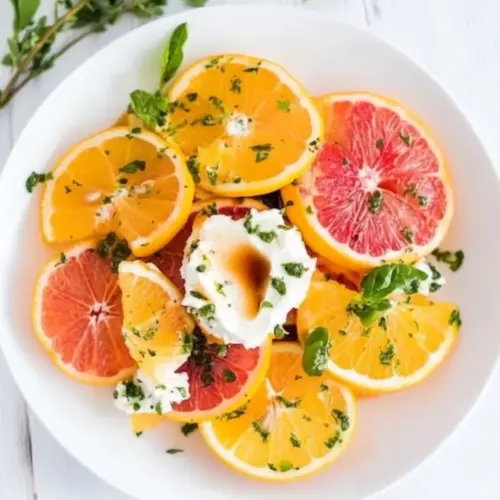
Citrus Salad with Honey Balsamic Vinaigrette
Equipment
- Paring knife
- Cutting Board
- Small Bowl
- Whisk
- Platter
Ingredients
- 4 large navel-style and/or blood oranges Peel and segment to provide sweet, juicy citrus rounds that form the salad's vibrant base; use navel or blood oranges for color contrast and natural sweetness. Combine with other citrus to balance acidity and create an attractive presentation that soaks up the dressing.
- 2 large grapefruit (preferably pink or Ruby Red) Segment and trim membranes to contribute bright, slightly tart citrus layers that complement the oranges; pink or Ruby Red varieties add color and a gentle tang. Use grapefruit to introduce complexity and a refreshing bitterness that balances the honeyed dressing.
- 2 tablespoons honey Whisk into the dressing to supply natural sweetness and mellow the tartness of the vinegar; honey also helps the vinaigrette emulsify with the oil. Adjust quantity to taste to achieve a harmonious balance between sweet and acidic components.
- 2 tablespoons white balsamic vinegar Vigorously mix into the vinaigrette to provide bright acidity with a subtle fruity note; white balsamic is milder and less colored than dark balsamic, preserving the salad's appearance. Pair with honey and olive oil to create a balanced, glossy dressing.
- 1/4 cup extra-virgin olive oil Slowly drizzle in while whisking to form a smooth, silky vinaigrette that coats the citrus segments and herbs. Use extra-virgin olive oil for its fruity depth and mouthfeel, which enhances the overall richness without overpowering delicate flavors.
- 5 large mint leaves, cut into chiffonade Slice into thin ribbons to add a refreshing, cool herbal aroma and a slight menthol note that lifts the citrus flavors. Scatter chiffonaded mint over the salad just before serving to preserve its bright color and crisp texture.
- 5 large basil leaves, cut into chiffonade Cut into fine ribbons to contribute a sweet, peppery herbal nuance and aromatic freshness that pairs well with both citrus and cheese. Add chiffonaded basil last to maintain its vibrant flavor and to complement the other herbs.
- 1/4 cup crumbled goat cheese Crumble over the assembled salad to introduce creamy, tangy richness and a soft textural contrast to the juicy citrus segments. Use goat cheese sparingly to provide savory depth and a pleasant salt-acid counterpoint to the dressing.
- sea salt and coarsely ground black pepper Season lightly to heighten and balance flavors; sprinkle sea salt to enhance sweetness and a coarse grind of black pepper to add subtle heat. Taste after tossing to ensure the seasoning supports, rather than masks, the bright citrus and herbs.
- 3 -4 edible flowers, such as chive blossoms (optional, for garnish) – see note Garnish delicately to provide a decorative, floral accent that elevates presentation; edible flowers like chive blossoms add color and a mild oniony nuance if used. Add optionally at the end to avoid wilting and to create an elegant final touch.
Instructions
- Peel the citrus (see note below) and cut the fruit 1/4-inch thick slices, removing any seeds you see.: The bright aroma of freshly peeled oranges and grapefruit will fill your kitchen, with citrus oils lifting as you work. Use a sharp paring knife and steady pressure to remove the pith, then slice on a clean board so each piece releases juice as it is cut. This tactile step sets the texture for the salad, creating tender yet intact rounds. A common mistake is leaving too much white pith which adds bitterness, so trim carefully and check each slice for seeds before plating.
- In a small bowl, whisk together honey and balsamic vinegar. Slowly drizzle in olive oil, whisking until emulsified. Season to taste with fine sea salt and black pepper.: When you first whisk the honey with the white balsamic vinegar , you'll notice a glossy shine and a soft floral scent emerging. Slowly drizzle in the extra-virgin olive oil while whisking to create a smooth emulsion that clings to fruit. The emulsified dressing should feel silky on your wrist and coat the back of a spoon. If the dressing separates, whisk more vigorously or add a tiny extra splash of vinegar to rebalance. Avoid adding too much oil at once, which prevents proper emulsification.
- Arrange citrus slices on a platter. Drizzle with as much honey-balsamic vinaigrette as you like, making sure that you get some of the dressing on all of the slices between the layers of fruit. (Depending on the size of the fruit, you might not need all of the vinaigrette.): Tasting at this stage is crucial because salt sharpens the fruit's sweetness while pepper gives a hint of warmth. The mixture should taste bright and slightly sweet, not overly vinegary. Stir and taste, adjusting incrementally to avoid over seasoning. A frequent pitfall is adding too much salt early; season lightly, then finish seasoning after the dressing meets the fruit.
- Sprinkle with basil, mint, and additional sea salt and black pepper, to taste. (I like to use flaked sea salt to finish.) Top salad with crumbled goat cheese and serve immediately.: Lay the citrus slices in overlapping concentric rings or in casual layers so the colors pop. The visual contrast between orange and grapefruit should be vivid, and the platter will begin to glisten as you work. This arrangement not only looks appealing but ensures each bite includes multiple fruit flavors. Avoid crowding the platter which can bruise the slices, instead give each piece space to shine.
- Drizzle with vinaigrette: As you spoon the emulsion over the layered fruit, listen for the soft patter of dressing hitting the slices and watch the glossy sheen form. Aim to distribute the vinaigrette so every slice has some dressing, especially in between layers where juices gather. If you apply too much in one spot, blot with a paper towel to remove excess, because pooling can make the salad soggy rather than pleasantly dressed.
- Sprinkle with basil and mint: The fresh, green fragrance of chiffonaded basil and mint will perfume the salad, adding herbal brightness with every sniff. Scatter the ribbons evenly to ensure those herbal notes appear in each forkful. Adding herbs too early can cause wilting, so do this close to serving time for the best texture and aroma. If herbs start to weep, pat them dry and use fresh leaves.
- Add sea salt and coarsely ground black pepper to taste: A final touch of flaky sea salt adds crunch and amplifies flavor, while coarsely ground black pepper gives a faint heat. Sprinkle sparingly, taste a sample, and adjust. Over salting is the most common error here, so add small amounts and reassess before serving.
- Top with crumbled goat cheese: Scatter the creamy goat cheese so it nests among the fruit. The cheese should offer a soft, tangy contrast without melting completely into the salad. If your kitchen is warm and the cheese becomes too soft, briefly chill it before crumbling to maintain texture. A heavy hand can overwhelm the delicate fruit, so distribute it lightly for balance.
- Garnish with edible flowers if using: The petals will bring a gentle floral perfume and beautiful color accents. Place them gently so they sit atop slices without becoming damp or falling apart. Confirm the flowers are edible and pesticide free before adding. If unsure about allergies or safety, simply omit and rely on herbs for aroma.
- Serve immediately: The salad is at its best when the fruit is fresh and the vinaigrette is still glossy. Serve right away so the textures remain distinct, the herbs stay vibrant, and the cheese holds its shape. Delaying serving will cause the fruit to release juices and the herbs to wilt, which can flatten the flavors, so plate when ready to eat.
Notes
- Use mixed citrus Swap in a variety of oranges such as blood, navel, or cara cara to create a colorful platter and a range of sweet to tart flavors.
- Try different honey types A milder clover honey yields a subtle sweetness while a wildflower honey adds floral complexity, choose based on how assertive you want the dressing to be.
- Add toasted nuts sparingly For texture, lightly toast and sprinkle chopped almonds or pistachios, but only if noted in your ingredient list and guests have no nut allergies.
- Switch the cheese If you want a different tang profile, consider a soft ricotta salata in place of goat cheese, adjusting quantity to taste.
- Garnish choices Use edible flowers for a special occasion, or simply finish with extra herb chiffonade for everyday serving.