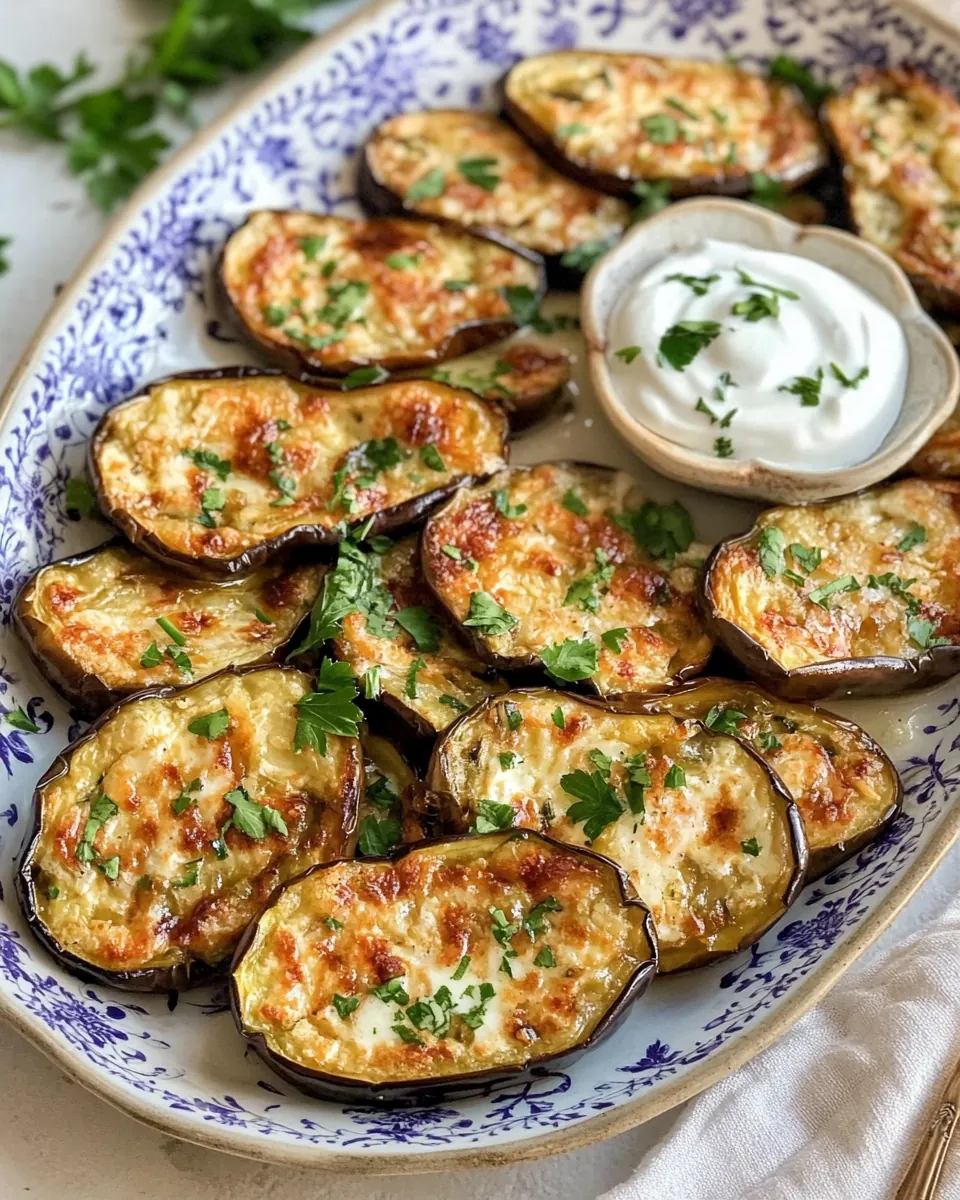
Crispy Baked Eggplant with Yogurt Garlic Sauce
Crispy Baked Eggplant with Yogurt Garlic Sauce grabbed my attention the first time I tasted it at a friend s summer table, where the slices arrived golden and whisper thin, flecked with paprika and begging to be dipped. I remember tearing off a piece of crusty bread to scoop up the garlicky yogurt, and how the combo of crisp exterior and tender, melting eggplant felt unexpectedly luxurious yet completely homey.
That night I vowed to recreate that small masterpiece in my own kitchen. Over a few experiments I learned the tweaks that matter, like salting the eggplant to draw out bitterness, repeating the flour and egg dredge for a better crust, and giving the yogurt sauce a bright hit of lemon so each bite stays bright. These little changes turned a simple vegetable into something my guests actually argue over.
Recipe Snapshot
30 mins
5 mins
25 mins
Medium
230 kcal
Mediterranean
Gluten-Free, Low FODMAP
Dinner
Oven, Baking tray, Parchment paper, Mixing bowl, Whisk
The Magic of This Crispy Baked Eggplant with Yogurt Garlic Sauce
1. Texture contrast that surprises
I love how Crispy Baked Eggplant with Yogurt Garlic Sauce balances a crunchy, seasoned crust with a silky interior. The coaction of the breading and the naturally meaty eggplant makes every bite interesting, and the baking method keeps it lighter than deep frying, which I really appreciate when serving a crowd.
2. Flavor layers from simple ingredients
We rely on pantry hits like paprika, oregano, and a touch of mustard to build savory depth. Paired with the cooling, tangy Greek yogurt and sharp garlic, the dish tastes far more complex than the short ingredient list suggests. I always tell friends, small seasonings make a big difference here.
3. An easy weeknight star
Because this recipe is oven based and straightforward, it s become my go to for an easy weeknight dinner or a casual weekend appetizer. It requires minimal hands on time, and you can prep the sauce while the eggplant bakes, which feels efficient and calm to me.
4. Flexible and crowd friendly
I often bring this to potlucks because it holds up well at room temperature and pleases varied palates. The presentation is simple yet pretty, and the slices travel well. If you want to scale up, everything here multiplies cleanly without losing the crispness or sauce balance.
5. Health forward but indulgent
Choosing to bake rather than fry keeps the dish lighter, while the Greek yogurt sauce adds protein and creaminess without heaviness. It s a recipe that satisfies the craving for comfort food, while still feeling like a thoughtful, somewhat healthy choice.
What’s In This Crispy Baked Eggplant with Yogurt Garlic Sauce
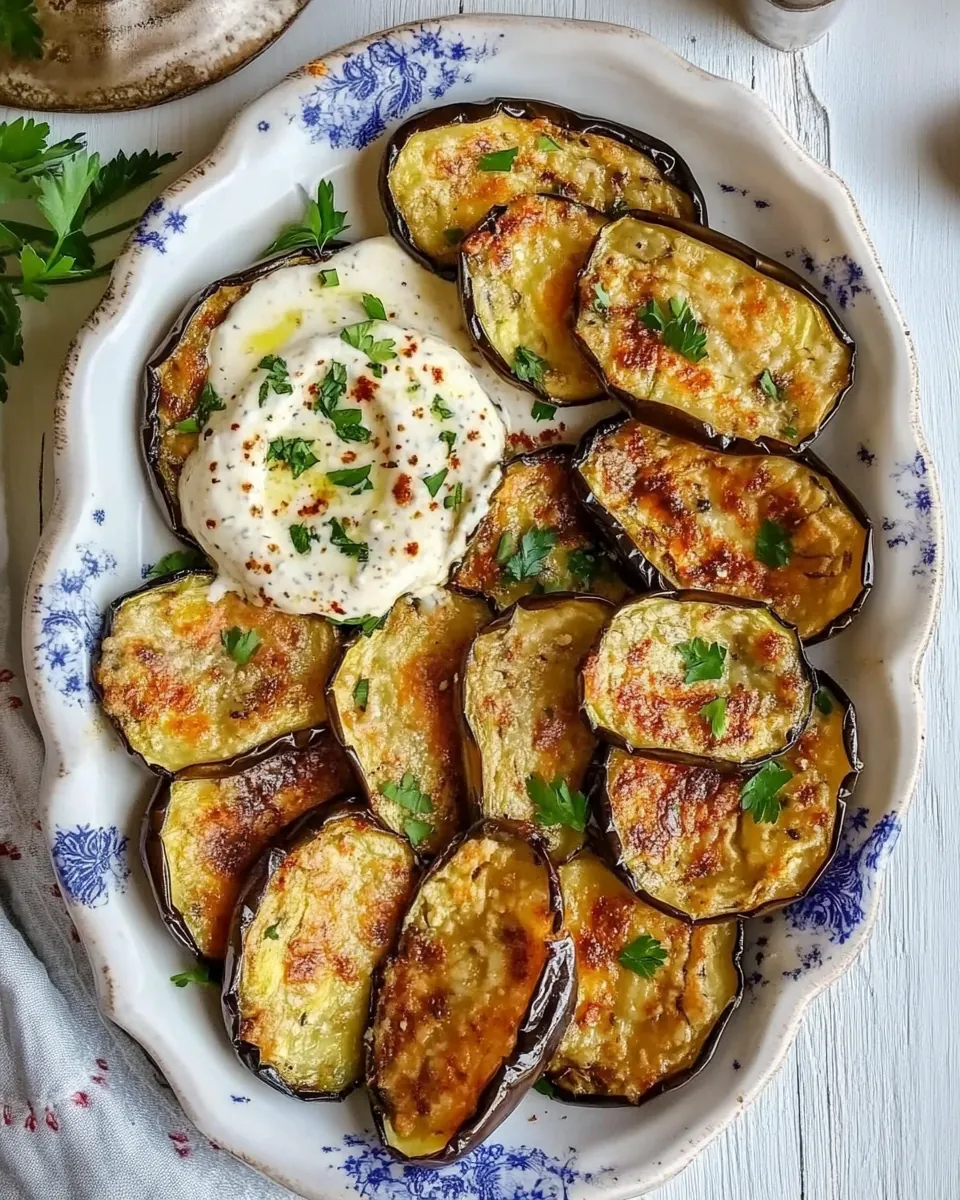
These ingredients are deliberately chosen to create contrast and harmony. The star is the eggplant, which provides a meaty, tender base. Coating ingredients like flour and eggs give structure and crunch once baked, while the seasonings bring savory warmth. The yogurt based sauce, brightened with lemon and punched up by garlic, cools the palette and ties everything together. Each item plays a clear role, from texture to acid to aromatic lift.
- 1 large eggplant or 2 small eggplants: Slice and prepare to be the main component of the dish, providing a meaty texture and base for crisping; peel or leave skin as preferred and cut into rounds or lengthwise slices. Salt and rest to draw out bitterness and moisture, then pat dry before coating and baking for a tender interior and crunchy exterior. Absorbent flesh soaks up seasonings and coatings, allowing a flavorful crust to form while keeping the inside creamy.
- 1 tsp salt: Season liberally to help draw out excess moisture from the vegetable and enhance overall flavor; sprinkle over cut surfaces and let rest before rinsing or wiping off. Aid in texture transformation by encouraging the eggplant to become firmer and less watery, which improves browning and helps the coating adhere. Add a savory note that balances the sweetness of roasted flesh and the tang of accompanying sauce.
- 2 eggs: Beat and use as a binding agent to help flour and seasonings adhere to the eggplant slices; whisk until smooth and slightly frothy for even coating. Provide moisture and protein that contribute to a golden, crisp crust when baked, creating a stable layer that browns evenly. Combine with spices if desired to infuse extra flavor into the coating.
- 200 g flour: Dredge and coat the eggplant pieces to form the primary dry layer that creates a crisp outer shell when baked; sift or shake to remove lumps for even coverage. Create structure for the final texture, trapping air pockets that crisp in the oven while keeping the inside tender. Offer a neutral base that allows spices and eggs to shine without overpowering.
- 1 tsp sweet/smoked paprika: Season the coating with a warm, slightly smoky and sweet depth; mix into the flour or sprinkle over the egg wash to distribute flavor. Enhance roasted and baked notes of the eggplant, contributing a subtle color and complexity that complements the yogurt sauce. Balance savory and smoky elements so the finished bites taste rounded rather than flat.
- 1 tsp oregano: Add herbaceous, slightly minty and earthy flavor to the coating or sprinkle over baked pieces as a finishing touch; mix into the dry flour for even distribution. Provide Mediterranean character that pairs well with lemon and yogurt, cutting through richness and tying together seasonings. Offer aromatic complexity that brightens the overall dish without dominating.
- 1 lemon: Zest and juice to introduce bright acidity that lifts the richness of the fried-style coating and creamy sauce; use juice in the yogurt sauce and zest as garnish or mixed into the batter. Balance fatty and starchy textures by adding sparkling citrus notes that enhance freshness. Act as a finishing element that sharpens flavors and provides contrast.
- 150 ml Greek yogurt: Whisk into a smooth, tangy sauce that offers cooling contrast to crisp, warm eggplant; choose full-fat Greek yogurt for thickness and creamy mouthfeel. Add body and slight tartness that complements garlic and lemon, helping to mellow spices and provide a luscious dipping sauce. Serve chilled or at room temperature to maintain its texture alongside warm eggplant.
- 2 garlic cloves: Crush or mince to infuse pungent, aromatic bite into the yogurt sauce; press the garlic for a more intense, integrated flavor or mince for slight texture. Provide sharpness that contrasts creamy yogurt and starchy eggplant, creating a classic Mediterranean flavor profile. Adjust quantity to taste to avoid overpowering while ensuring a noticeable savory note.
- 1 tsp salt: Season the sauce and slices with a pinch to enhance salinity and round out flavors; use separate portions to season both the eggplant and the yogurt mixture as listed. Reinforce other seasonings and ensure the overall dish tastes balanced, as salt amplifies aromatics and textures. Distribute evenly to prevent under-seasoned components in the finished plate.
- 1 tbsp sweet mustard: Stir in to the yogurt sauce to add a sweet, tangy, and slightly piquant element that deepens flavor complexity; whisk thoroughly for a harmonious blend. Cut through richness with a touch of sweetness and mustard's mild heat, creating interplay between savory and bright components. Help emulsify the sauce slightly, improving coating and cling to the eggplant.
- 1 tsp paprika: Sprinkle to provide additional mild smoky warmth or use as a garnish to echo flavors in the coating; incorporate into the flour or finishing sprinkle for consistency. Reinforce paprika notes already present and bring visual color appeal with a red hue that signals savory seasoning. Tie together the smoky-sweet theme across both coating and sauce for cohesion.
Step by Step Guide for Crispy Baked Eggplant with Yogurt Garlic Sauce

These directions will walk you through the full process with detail and sensory cues so you know when each stage is done. I walk you step by step from prepping the eggplant to finishing the sauce, and I call out what to look for so nothing becomes guesswork.
- Wash and slice the eggplants, sprinkle with salt, and place the slices on a paper towel to draw out excess moisture.: You will notice a faint metallic scent and dampness on the paper towels as the salted eggplant releases liquid, which is exactly what you want because it concentrates the vegetable s natural flavors and reduces sogginess when baked. Press the slices gently between layers of kitchen paper to help absorb moisture, and let them rest for at least 10 to 15 minutes until the surface feels less tacky. The reason this matters is that a drier surface allows the flour and egg coating to adhere and crisp rather than steam. A common pitfall here is rushing this step, which leads to limp, oily slices instead of crisp ones; take the time to blot thoroughly and you ll be rewarded with much better texture.
- Beat the eggs with a pinch of salt.: As you whisk the eggs , you ll see them become frothy and slightly pale, a cue that air has been incorporated which helps create a lighter bind for the coating. The pinch of salt seasons the eggs and aids in drawing out subtle flavors, ensuring the crust is not bland. Use a fork or whisk and beat until the mixture is uniformly smooth, with no streaks of yolk. One mistake is underbeating, which can make the coating patchy and cause the flour to clump; beat until silky to ensure an even barrier for the eggplant .
- Dip each eggplant slice in flour, then in the beaten eggs, and repeat the process.: You ll feel the texture change under your fingers as the dry flour creates a dusty surface, and then the eggs make it tacky, allowing a second dusting of flour to build up a sturdier crust. This double dredge is what delivers that gratifying crunch when baked. Shake off excess each time so the layer bakes evenly and does not clump into dense pockets. If you skip the second pass, the coating will be thin and fragile, so take this repetitive step patiently to get sustained crispness.
- Arrange the slices on a tray lined with parchment paper, then sprinkle with paprika. For extra crunch, drizzle with a few drops of olive oil.: Laying slices in a single layer with some space between them allows hot air to circulate and promotes even browning; you should hear a light sizzle if you add the tiny drops of oil and place the tray in a hot oven, which signals the crust beginning to roast. The paprika on top will bloom color and aroma as it cooks, turning slightly darker and fragrant. Avoid crowding the pan, or the slices steam and never crisp properly, which is an easy trap when you try to fit too many on one tray.
- Bake in the preheated oven at 200°C (390°F) for 20-25 minutes, flipping the slices halfway through, until golden and crispy.: As the eggplant bakes, you ll see the edges redden and turn golden, and the surface will firm to the touch; flipping ensures both sides brown evenly and develop that toasted, nutty aroma. The oven s dry heat transforms the starches in the flour into a toasty crust while rendering the eggplant flesh into a creamy interior. A telltale error is leaving slices too long without flipping, which causes one side to overbrown while the other stays pale. Check visually for an even golden color and a slightly rigid feel before removing from the oven.
- In a bowl, combine the yogurt with a pinch of salt, minced garlic, mustard, and paprika. Stir well until all ingredients are evenly incorporated. Taste and adjust seasoning as needed.: The moment you mix these, the kitchen fills with bright, pungent garlic aromatics and the yogurt becomes silky and slightly glossy, showing it s emulsified with the mustard . Stir until the textures are smooth and the flavors mingle; the paprika will lend a whisper of warmth and color. Taste carefully, because the sauce saltiness must complement, not overwhelm, the salted eggplant . Over seasoning here is common, so start with less and ramp up as needed.
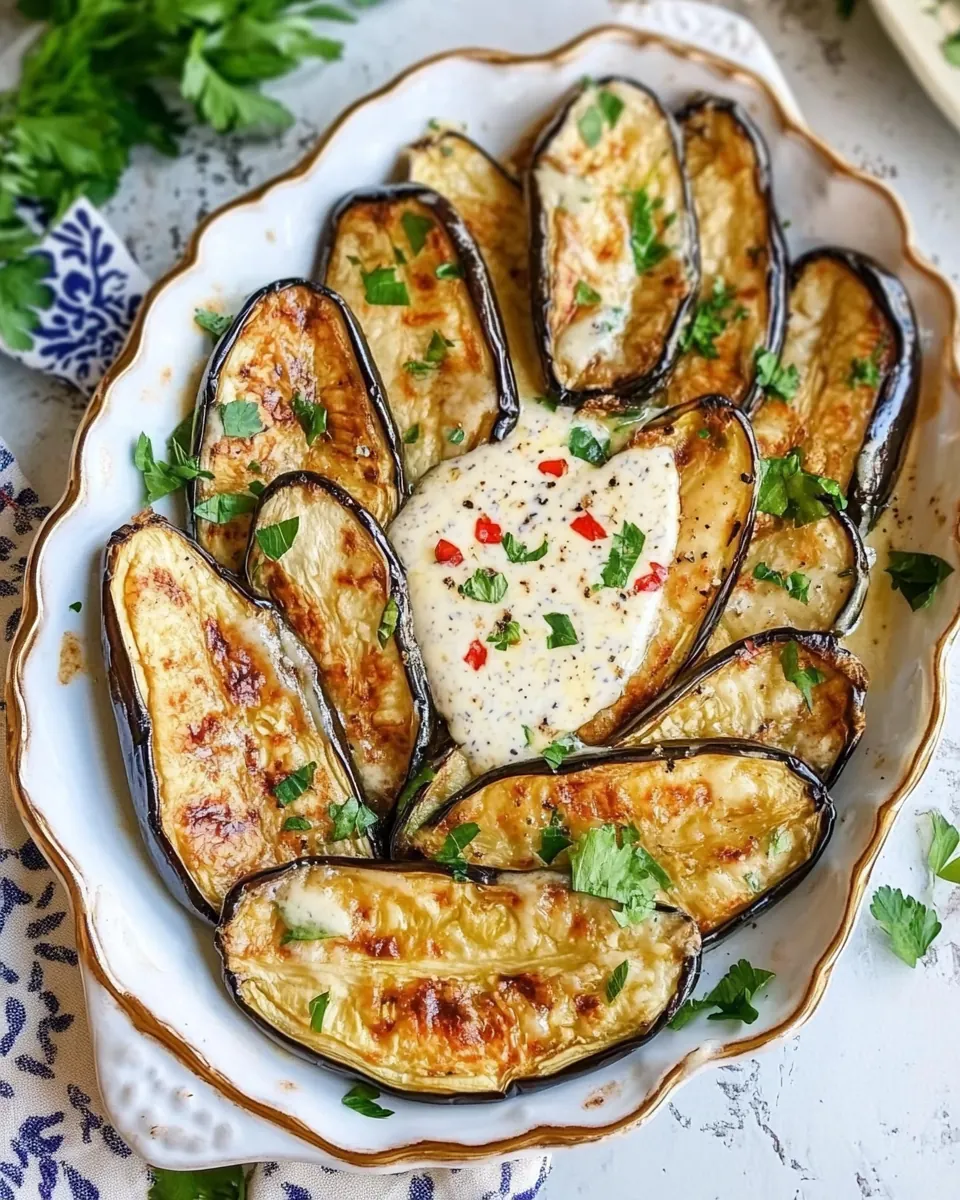
- Serve the baked eggplant with a squeeze of lemon on top and plenty of delicious garlic yogurt sauce.: When you plate, the contrast is immediately visible the golden, crisp slices against creamy white sauce, finished with a bright sheen of lemon juice that lifts the whole plate. The first bite should present a textural interplay between crunch and softness, with a tangy, garlicky counterpoint from the sauce. If your presentation looks flat, a final grind of fresh pepper or a little extra lemon brightens everything. A mistake to avoid is serving while the slices are still steaming hot from baking, which can make the sauce runny and dilute flavors; allow a short rest so textures remain distinct.
Making Adjustments
This section covers practical ways to tweak flavors, textures, and quantities for different situations. I ve expanded each note into a usable tip you can apply depending on time, equipment, and audience.
- Scale easily Use the same ratios for larger batches, keeping the dredging and spacing rules the same so the slices still bake up crisp. When increasing the quantity, use multiple trays and rotate them between racks to maintain even heat distribution.
- Adjust salt mindfully Because the eggplant is salted to remove moisture, taste the yogurt before adding the full amount of salt called for. If you over salt the sauce, a little extra yogurt or a squeeze of lemon can rebalance it.
- Boost smokiness Swap sweet paprika for smoked paprika in the coating and sauce to deepen the flavor. Use it sparingly to avoid masking the delicate eggplant flavor.
- Crispness cheat If you want an even crisper finish, spray or dot the slices with a small amount of oil before baking. This helps the crust brown more evenly, but too much oil will make the coating heavy.
- Make ahead You can prepare the yogurt sauce a day ahead to let flavors meld. Keep it refrigerated in an airtight container and bring it back to cool room temperature before serving to preserve texture and brightness.
- Customize heat Add a pinch more paprika or a small dash of your preferred mild chili to the sauce if you d like a gentle kick. Add incrementally to avoid overpowering the cooling yogurt.
Serving Options for Crispy Baked Eggplant with Yogurt Garlic Sauce
This recipe is versatile, and how you serve it can shape the entire meal vibe. Below are detailed serving suggestions, from casual lunches to more formal dinners, along with storage and pairing ideas to make the most of leftovers.
- As a shared appetizer Arrange the slices on a large platter with a shallow bowl of the yogurt sauce in the center. This communal presentation encourages dipping and conversation, making it ideal for parties or relaxed gatherings.
- Weeknight main with grains Serve the baked slices alongside fluffy rice or warm bulgur, spooning the yogurt sauce over the top. The starch helps stretch the dish into a more filling option perfect for a simple dinner.
- Brunch addition Add these slices to a brunch spread with fresh salads and crusty bread. The tangy yogurt and bright lemon make the dish a lively complement to eggs and lighter breakfast items.
- Occasion pairing For Ramadan iftar or family dinners, this dish works well as part of a larger spread, offering a vegetable based option that still feels indulgent while being easy to share.
- Make ahead and storage Store leftover baked slices in an airtight container for up to two days. Recrisp them briefly in a hot oven for a few minutes before serving, and keep the yogurt sauce chilled separately, stirring it before serving to refresh the texture.
- Seasonal pairing In summer, pair with a simple tomato and cucumber salad for a light meal. In cooler months, serve with warm whole grains and roasted vegetables to create a heartier plate.
FAQ
Conclusion
What makes this recipe special is the way simple pantry staples transform into a dish with striking texture and bright flavor. The golden, crisp coating on the eggplant paired with the cool, tangy yogurt garlic sauce creates a balanced bite that feels both comforting and elegant. Give it a try the next time you want something easy to pull together that still impresses guests or lifts a quiet weeknight. I m confident you ll come back to this technique again and again because it s dependable, flavorful, and just plain satisfying.

Crispy Baked Eggplant with Yogurt Garlic Sauce
Equipment
- Oven
- Baking Tray
- Parchment Paper
- Mixing Bowl
- Whisk
Ingredients
- 1 large eggplant or 2 small eggplants Slice and prepare to be the main component of the dish, providing a meaty texture and base for crisping; peel or leave skin as preferred and cut into rounds or lengthwise slices. Salt and rest to draw out bitterness and moisture, then pat dry before coating and baking for a tender interior and crunchy exterior. Absorbent flesh soaks up seasonings and coatings, allowing a flavorful crust to form while keeping the inside creamy.
- 1 tsp salt Season liberally to help draw out excess moisture from the vegetable and enhance overall flavor; sprinkle over cut surfaces and let rest before rinsing or wiping off. Aid in texture transformation by encouraging the eggplant to become firmer and less watery, which improves browning and helps the coating adhere. Add a savory note that balances the sweetness of roasted flesh and the tang of accompanying sauce.
- 2 eggs Beat and use as a binding agent to help flour and seasonings adhere to the eggplant slices; whisk until smooth and slightly frothy for even coating. Provide moisture and protein that contribute to a golden, crisp crust when baked, creating a stable layer that browns evenly. Combine with spices if desired to infuse extra flavor into the coating.
- 200 g flour Dredge and coat the eggplant pieces to form the primary dry layer that creates a crisp outer shell when baked; sift or shake to remove lumps for even coverage. Create structure for the final texture, trapping air pockets that crisp in the oven while keeping the inside tender. Offer a neutral base that allows spices and eggs to shine without overpowering.
- 1 tsp sweet/smoked paprika Season the coating with a warm, slightly smoky and sweet depth; mix into the flour or sprinkle over the egg wash to distribute flavor. Enhance roasted and baked notes of the eggplant, contributing a subtle color and complexity that complements the yogurt sauce. Balance savory and smoky elements so the finished bites taste rounded rather than flat.
- 1 tsp oregano Add herbaceous, slightly minty and earthy flavor to the coating or sprinkle over baked pieces as a finishing touch; mix into the dry flour for even distribution. Provide Mediterranean character that pairs well with lemon and yogurt, cutting through richness and tying together seasonings. Offer aromatic complexity that brightens the overall dish without dominating.
- 1 lemon Zest and juice to introduce bright acidity that lifts the richness of the fried-style coating and creamy sauce; use juice in the yogurt sauce and zest as garnish or mixed into the batter. Balance fatty and starchy textures by adding sparkling citrus notes that enhance freshness. Act as a finishing element that sharpens flavors and provides contrast.
- 150 ml Greek yogurt Whisk into a smooth, tangy sauce that offers cooling contrast to crisp, warm eggplant; choose full-fat Greek yogurt for thickness and creamy mouthfeel. Add body and slight tartness that complements garlic and lemon, helping to mellow spices and provide a luscious dipping sauce. Serve chilled or at room temperature to maintain its texture alongside warm eggplant.
- 2 garlic cloves Crush or mince to infuse pungent, aromatic bite into the yogurt sauce; press the garlic for a more intense, integrated flavor or mince for slight texture. Provide sharpness that contrasts creamy yogurt and starchy eggplant, creating a classic Mediterranean flavor profile. Adjust quantity to taste to avoid overpowering while ensuring a noticeable savory note.
- 1 tsp salt Season the sauce and slices with a pinch to enhance salinity and round out flavors; use separate portions to season both the eggplant and the yogurt mixture as listed. Reinforce other seasonings and ensure the overall dish tastes balanced, as salt amplifies aromatics and textures. Distribute evenly to prevent under-seasoned components in the finished plate.
- 1 tbsp sweet mustard Stir in to the yogurt sauce to add a sweet, tangy, and slightly piquant element that deepens flavor complexity; whisk thoroughly for a harmonious blend. Cut through richness with a touch of sweetness and mustard's mild heat, creating interplay between savory and bright components. Help emulsify the sauce slightly, improving coating and cling to the eggplant.
- 1 tsp paprika Sprinkle to provide additional mild smoky warmth or use as a garnish to echo flavors in the coating; incorporate into the flour or finishing sprinkle for consistency. Reinforce paprika notes already present and bring visual color appeal with a red hue that signals savory seasoning. Tie together the smoky-sweet theme across both coating and sauce for cohesion.
Instructions
- Wash and slice the eggplants, sprinkle with salt, and place the slices on a paper towel to draw out excess moisture.: You will notice a faint metallic scent and dampness on the paper towels as the salted eggplant releases liquid, which is exactly what you want because it concentrates the vegetable s natural flavors and reduces sogginess when baked. Press the slices gently between layers of kitchen paper to help absorb moisture, and let them rest for at least 10 to 15 minutes until the surface feels less tacky. The reason this matters is that a drier surface allows the flour and egg coating to adhere and crisp rather than steam. A common pitfall here is rushing this step, which leads to limp, oily slices instead of crisp ones; take the time to blot thoroughly and you ll be rewarded with much better texture.
- Beat the eggs with a pinch of salt.: As you whisk the eggs , you ll see them become frothy and slightly pale, a cue that air has been incorporated which helps create a lighter bind for the coating. The pinch of salt seasons the eggs and aids in drawing out subtle flavors, ensuring the crust is not bland. Use a fork or whisk and beat until the mixture is uniformly smooth, with no streaks of yolk. One mistake is underbeating, which can make the coating patchy and cause the flour to clump; beat until silky to ensure an even barrier for the eggplant .
- Dip each eggplant slice in flour, then in the beaten eggs, and repeat the process.: You ll feel the texture change under your fingers as the dry flour creates a dusty surface, and then the eggs make it tacky, allowing a second dusting of flour to build up a sturdier crust. This double dredge is what delivers that gratifying crunch when baked. Shake off excess each time so the layer bakes evenly and does not clump into dense pockets. If you skip the second pass, the coating will be thin and fragile, so take this repetitive step patiently to get sustained crispness.
- Arrange the slices on a tray lined with parchment paper, then sprinkle with paprika. For extra crunch, drizzle with a few drops of olive oil.: Laying slices in a single layer with some space between them allows hot air to circulate and promotes even browning; you should hear a light sizzle if you add the tiny drops of oil and place the tray in a hot oven, which signals the crust beginning to roast. The paprika on top will bloom color and aroma as it cooks, turning slightly darker and fragrant. Avoid crowding the pan, or the slices steam and never crisp properly, which is an easy trap when you try to fit too many on one tray.
- Bake in the preheated oven at 200°C (390°F) for 20-25 minutes, flipping the slices halfway through, until golden and crispy.: As the eggplant bakes, you ll see the edges redden and turn golden, and the surface will firm to the touch; flipping ensures both sides brown evenly and develop that toasted, nutty aroma. The oven s dry heat transforms the starches in the flour into a toasty crust while rendering the eggplant flesh into a creamy interior. A telltale error is leaving slices too long without flipping, which causes one side to overbrown while the other stays pale. Check visually for an even golden color and a slightly rigid feel before removing from the oven.
- In a bowl, combine the yogurt with a pinch of salt, minced garlic, mustard, and paprika. Stir well until all ingredients are evenly incorporated. Taste and adjust seasoning as needed.: The moment you mix these, the kitchen fills with bright, pungent garlic aromatics and the yogurt becomes silky and slightly glossy, showing it s emulsified with the mustard . Stir until the textures are smooth and the flavors mingle; the paprika will lend a whisper of warmth and color. Taste carefully, because the sauce saltiness must complement, not overwhelm, the salted eggplant . Over seasoning here is common, so start with less and ramp up as needed.
- Serve the baked eggplant with a squeeze of lemon on top and plenty of delicious garlic yogurt sauce.: When you plate, the contrast is immediately visible the golden, crisp slices against creamy white sauce, finished with a bright sheen of lemon juice that lifts the whole plate. The first bite should present a textural interplay between crunch and softness, with a tangy, garlicky counterpoint from the sauce. If your presentation looks flat, a final grind of fresh pepper or a little extra lemon brightens everything. A mistake to avoid is serving while the slices are still steaming hot from baking, which can make the sauce runny and dilute flavors; allow a short rest so textures remain distinct.
Notes
- Scale easily Use the same ratios for larger batches, keeping the dredging and spacing rules the same so the slices still bake up crisp. When increasing the quantity, use multiple trays and rotate them between racks to maintain even heat distribution.
- Adjust salt mindfully Because the eggplant is salted to remove moisture, taste the yogurt before adding the full amount of salt called for. If you over salt the sauce, a little extra yogurt or a squeeze of lemon can rebalance it.
- Boost smokiness Swap sweet paprika for smoked paprika in the coating and sauce to deepen the flavor. Use it sparingly to avoid masking the delicate eggplant flavor.
- Crispness cheat If you want an even crisper finish, spray or dot the slices with a small amount of oil before baking. This helps the crust brown more evenly, but too much oil will make the coating heavy.
- Make ahead You can prepare the yogurt sauce a day ahead to let flavors meld. Keep it refrigerated in an airtight container and bring it back to cool room temperature before serving to preserve texture and brightness.
- Customize heat Add a pinch more paprika or a small dash of your preferred mild chili to the sauce if you d like a gentle kick. Add incrementally to avoid overpowering the cooling yogurt.