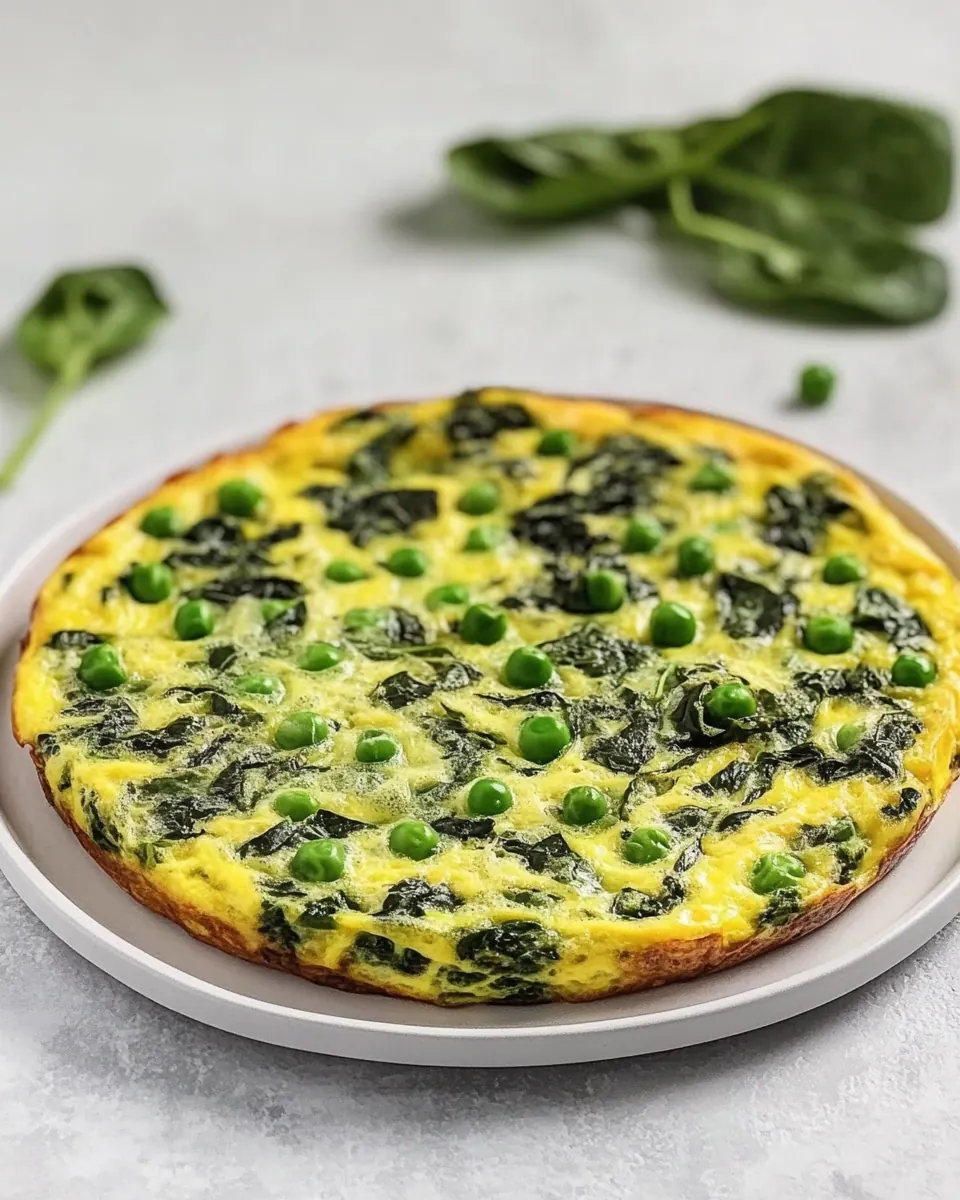
Italian Frittata with Spinach and Peas
Italian Frittata with Spinach and Peas is one of those recipes I turn to when I want something honest and unfussy that still feels special. The first time I made it, I was coming home from a wet farmers market with a bag of bright baby spinach and a pouch of sweet peas. I didn’t want to fuss, yet I wanted a meal that tasted like the market, so I pulled out a dozen eggs, some fragrant extra virgin olive oil, and a wedge of Parmigiano Reggiano. I loved how the kitchen filled with a warm, savory aroma as the onion softened, a scent that promised comfort and freshness.
That evening I learned to relish the small rituals that make this dish shine. Sweating the onion slowly coaxed out sweetness, while the brief wilting of the spinach kept it bright and tender. Folding everything into whisked eggs and finely grated Parmigiano felt like assembling a little edible bouquet, one that sets the table without ceremony. Over time I’ve played with finishing methods, sometimes broiling the top for a touch of golden color, sometimes doing the old flip-and-finish move for a rustic result. Both ways are lovely, they just tell different stories.
I bring this frittata to casual brunches and weeknight dinners because it travels well from skillet to plate, and it slices into neat wedges that look inviting on a board. I also appreciate that it highlights simple, seasonal produce, which is why I reach for it in spring, when baby leaves are at their best and peas are sweet. Every time I serve it I notice conversations start around the table, people drawn in by the savory perfume and the way the Parmesan melts into the eggs. It’s a humble recipe, yet it sings when the ingredients are respected and handled with care.
Recipe Snapshot
20 mins
5 mins
15 mins
Medium
250 kcal
Italian
Gluten-Free, Keto
Breakfast
6 inch 16 cm skillet, Mixing bowl, Spatula, Microplane or fine grater
Why This Italian Frittata with Spinach and Peas Shines
Bright seasonal flavors
I adore how Italian Frittata with Spinach and Peas showcases seasonal produce. When spinach is tender and peas are sweet, the contrast against the creamy eggs is simply irresistible. It’s a reminder that a few fresh components can outshine complicated preparations.
Speed without sacrifice
This dish comes together quickly, yet it never tastes rushed. The technique of gently cooking the onion and wilting the spinach locks in flavor, while a brief oven finish or flip brings a pleasing texture. I value recipes that save time but still deliver layered taste.
Comfort that’s elegant
There’s a homey quality to a skillet of set eggs, but the addition of finely grated Parmigiano lends a savory lift. I like serving this when I want something comforting that still reads as thoughtful and a little refined.
Versatile at the table
I’ve served this frittata for casual lunches, light dinners, and spring gatherings. It pairs well with simple salads, crusty bread, or a bowl of olives. Its wedge format makes it an easy centerpiece, and it travels well if you’re bringing a dish to share.
Minimal fuss, maximum payoff
Finally, I appreciate that this recipe relies on technique more than gear. With a bit of attention to heat and timing, you get a lovely set texture, bright vegetables, and a golden top. It rewards patience in small, precise moments, and that’s why I keep making it.
Italian Frittata with Spinach and Peas Ingredients
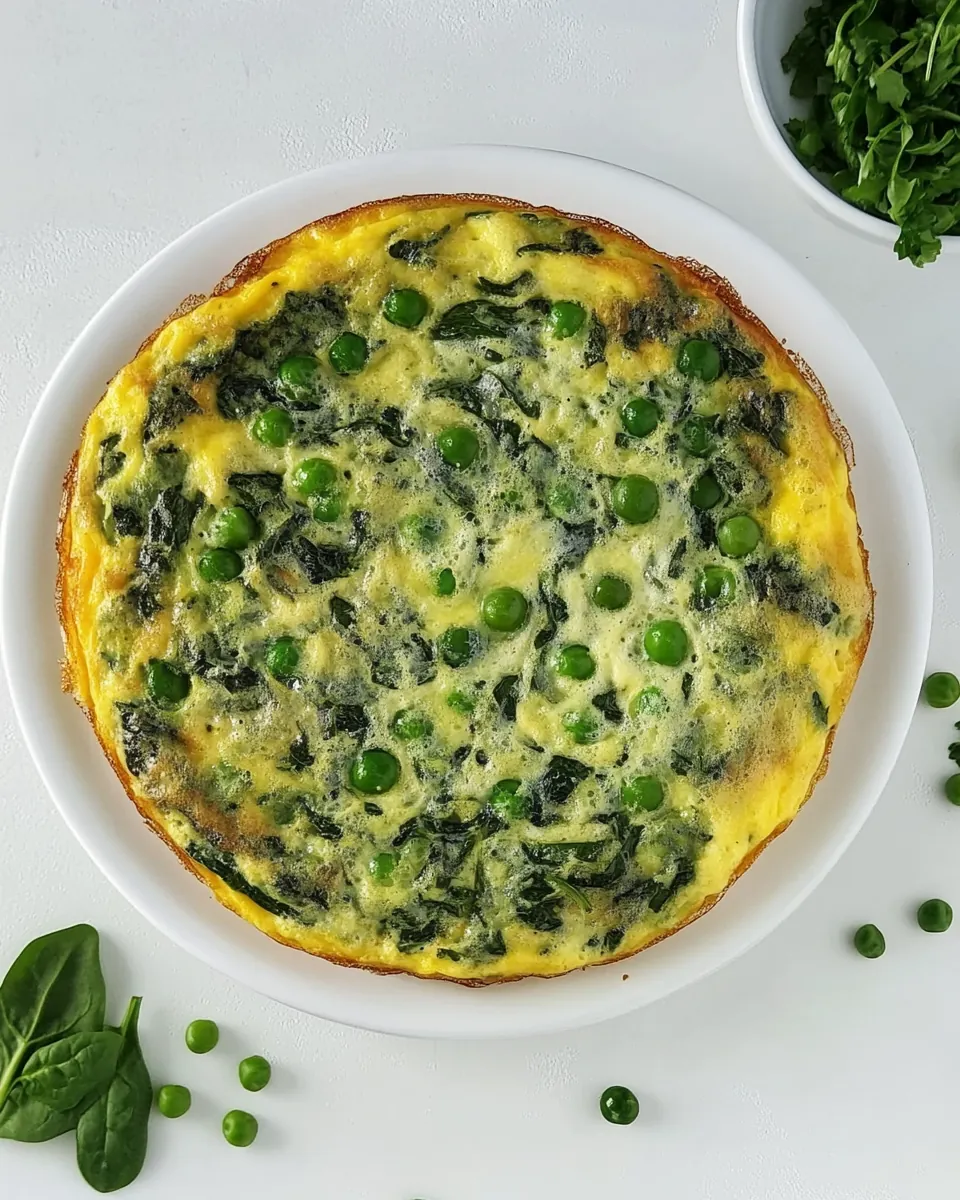
The ingredients for Italian Frittata with Spinach and Peas are intentionally simple, each playing a supporting role. The eggs provide the creamy, custardy structure, while the spinach and peas bring freshness and a sweet vegetal note. Parmesan melts into the eggs to add umami and a fine salty backbone, and the extra virgin olive oil carries flavor and helps create those golden edges. Together they create a balanced dish that is both rustic and refined.
- 3 tablespoon extra-virgin olive oil: Enhances flavor and prevents sticking by gently sautéing aromatics; use for frying the onion and finishing the frittata with a light glossy sheen. Adds fruitiness and mouthfeel that complements eggs and spinach, and helps crisp the base when cooked over medium heat.
- 1 small red onion, finely chopped: Provides sweetness and savory depth when finely chopped and softened; cook until translucent to release sugars and build the frittata’s flavor foundation. Contributes texture contrast and aromatic complexity that balances the richness of the eggs and cheese.
- 150 g baby spinach leaves: Adds tender leafy greens and moisture that wilts quickly into the egg mixture; stir through the softened onion or layer into the pan to maintain vibrant color. Supplies mild, slightly earthy notes and boosts volume and nutritional value without overpowering other flavors.
- 6 free-range large eggs: Binds the dish and creates a custardy structure when whisked and combined with the other ingredients; beat until homogenous for even texture. Supplies richness, protein, and body to the frittata, and sets into a firm yet tender cake when cooked gently.
- 2 tablespoon Parmigiano Reggiano (parmesan cheese), finely grated: Contributes salty umami and nutty complexity when finely grated into the eggs or sprinkled on top before serving. Helps elevate overall savory profile, promote browning, and add a sharp finishing note that complements spinach and peas.
- 150 g frozen or fresh peas: Introduces pops of sweetness, color, and texture; add thawed or fresh peas to warm the filling or scatter on top before cooking. Balances the dish with starchy-sweet burst, enhances visual appeal, and pairs well with the creamy eggs and salty cheese.
- Sea salt and freshly cracked black pepper: Seasoning to enhance and balance overall flavors; add to taste during whisking and after cooking to finish. Use freshly cracked black pepper for slight heat and aroma, and sea salt for clean salinity that lifts all other components.
Step by Step Guide for Italian Frittata with Spinach and Peas
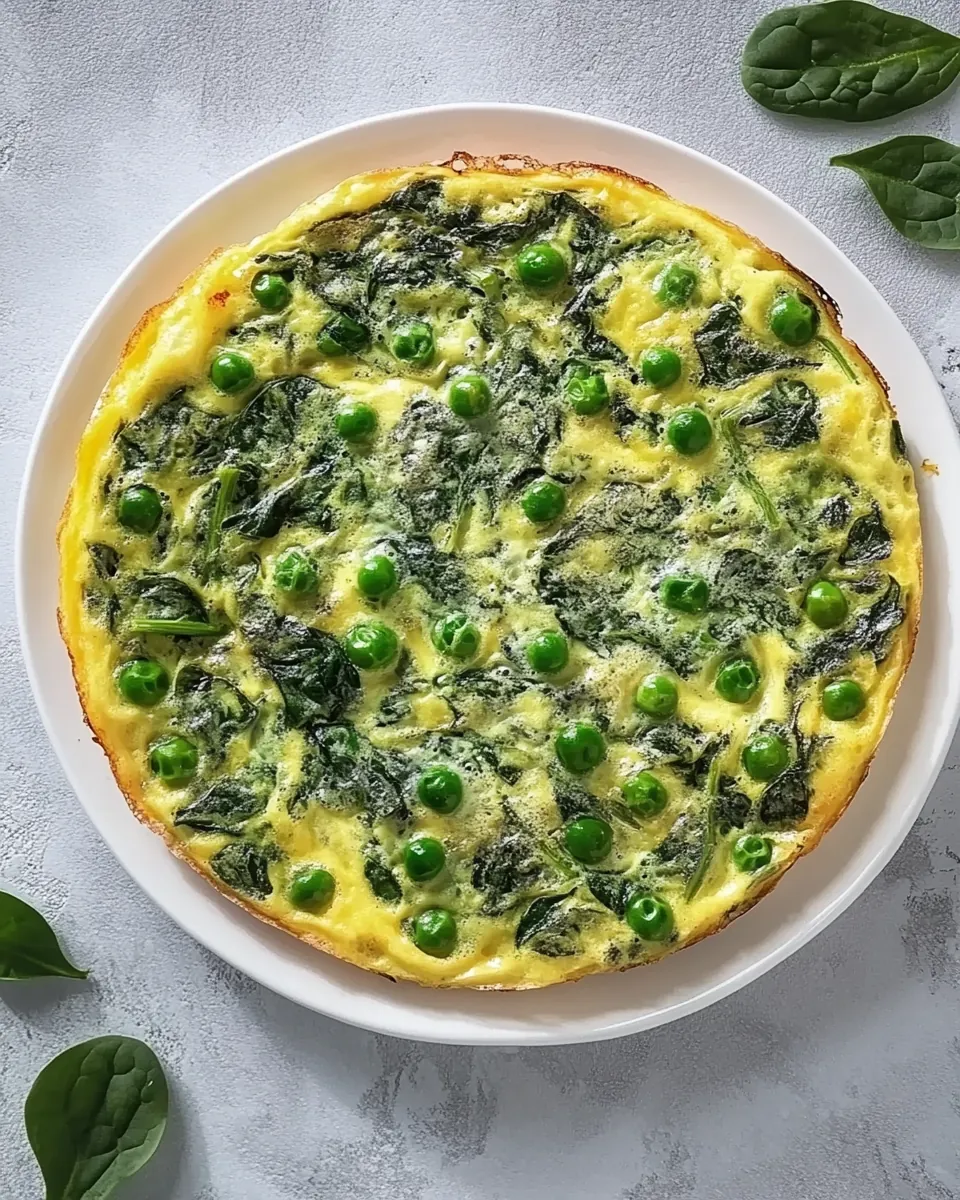
We’ll walk through each stage of the process with close attention to sensory cues and small techniques that make a big difference. Follow these steps and pay attention to textures, sounds, and look for the visual signs that tell you when to move on to the next step.
- Heat a 6-inch (16 cm) skillet over medium heat, and drizzle evenly with 2 tablespoons of extra-virgin olive oil. Fold in the finely chopped onion, followed by the spinach leaves and cook with the lid on for about 2-3 minutes, stirring occasionally, then season with salt and black pepper to taste.: Warmth should spread evenly across the pan, and the oil will shimmer slightly when it is ready. You want a steady medium heat so the onion softens without burning; listen for a gentle faint sizzle when you add the onion . The reason this matters is slow gentle heat draws out sweetness from the onion while keeping the oil from smoking, which preserves a clean flavor. A common mistake is turning the heat too high, which creates bitter notes and uneven cooking.
- In a medium-sized bowl, beat the eggs together with the Parmigiano Reggiano cheese.: You should notice the onion becoming translucent and soft, and the spinach wilting quickly into a deep green, collapsing into moist ribbons. Covering helps the spinach release steam and wilt evenly, while stirring prevents scorching. This step builds the flavor base, and the steam preserves the brightness of the greens. Avoid overcooking the spinach to the point it becomes mushy, which will make the final texture heavy and watery.
- Fold the cooked spinach and frozen/fresh peas into the egg and cheese mixture, and give it a quick mix, then season with sea salt and freshly cracked black pepper.: As you whisk the eggs and grated Parmesan , you’ll see the mixture lighten slightly and take on a silky sheen. This aeration gives a tender set without being spongy. The cheese melts into the liquid, enriching the batter and adding depth. Overbeating introduces too much air, which can create large holes in the set; whisk until combined and smooth.
- Return the skillet over medium-low heat, and drizzle with the remaining 1 tablespoon of extra-virgin olive oil. Pour in the frittata mixture, cover the skillet with a lid and cook for 10 minutes, gently shaking the pan every now and then.: The peas and wilted spinach should feel warm, and folding them gently preserves their shape and texture. You’ll see the vibrant green flecks through the pale eggs , and the mixture should be cohesive but not soupy. This folding step distributes ingredients for an even bite. A frequent error is adding cold frozen peas straight into the eggs without warming them, which can lower the mixture temperature and affect the cook.
- When the surface of the frittata looks cooked through, the frittata is almost ready. To give your frittata that golden colour, you can transfer the skillet (in this case, make sure you’re using a cast iron skillet) into a hot oven and broil for 2 minutes.: The pan will regain its gentle warmth, and the additional oil prevents sticking and helps the frittata develop a golden edge. Medium-low heat ensures the interior cooks through without the exterior burning too quickly. You should hear a low sizzle as you pour the batter in later, which signals proper contact. Too high heat here causes the bottom to char before the center sets.
- Alternatively, you can go the traditional route, and flip the frittata. Slide a spatula beneath the frittata to separate it from the skillet, then place a plate with the same diameter of the frittata, on top of the frittata, and flip the frittata onto the plate. Slide the frittata back into the skillet, and cook without the lid, for a further 2 minutes, then remove from the heat.: As the eggs begin to set you’ll notice the edges firming and the center losing its glossy sheen. Gently shaking helps redistribute uncooked egg to the edges so the frittata cooks evenly. Covering creates a moist environment that cooks the top from steam, yielding a tender interior. If you lift the lid and the center still looks liquid after the time, continue cooking a little longer; rushing to finish with high heat leads to a dry edge and an undercooked middle.
- Carefully slide the frittata onto a serving plate and serve nicely hot with your favorite salad or sides.: Look for an overall matte surface with only the faintest wobble in the very center. That slight wobble indicates a custardy finish rather than a rubbery one. At this point you can choose to finish in the oven or flip it, and your choice will change the final texture and appearance. A common misstep is misreading the wobble and finishing too soon, which leaves the center overly loose.
- To give your frittata that golden colour, you can transfer the skillet into a hot oven and broil for 2 minutes: Under the broiler the top will take on a pleasing golden brown and a slightly crisp edge, and you’ll smell a toasty Parmesan aroma. Keep the oven rack close to the broiler so the top browns quickly, and watch carefully because it can go from perfect to overdone in moments. This technique gives a gentle crust and a beautiful presentation; the risk is leaving it under the broiler too long, resulting in dryness and an overly browned surface.
- Alternatively, you can go the traditional route, and flip the frittata: The sizzle when the frittata hits the plate is satisfying, and sliding it back into the skillet to finish will crisp the second side. Flipping preserves a homier look and gives you a slightly more caramelized bottom. It’s important to separate the edges with a spatula so the frittata releases cleanly; failure to do so can tear the set and lead to a messy finish.
- Carefully slide the frittata onto a serving plate and serve nicely hot with your favorite salad or sides: As you slide it out, note the golden edges and custardy interior, and let the dish rest a minute for cleaner slices. Serving hot highlights the melty Parmesan and the sweet bursts of peas . Avoid cutting immediately if it is still too jiggly in the center, because the wedges will not hold their shape.
How to Switch It Up
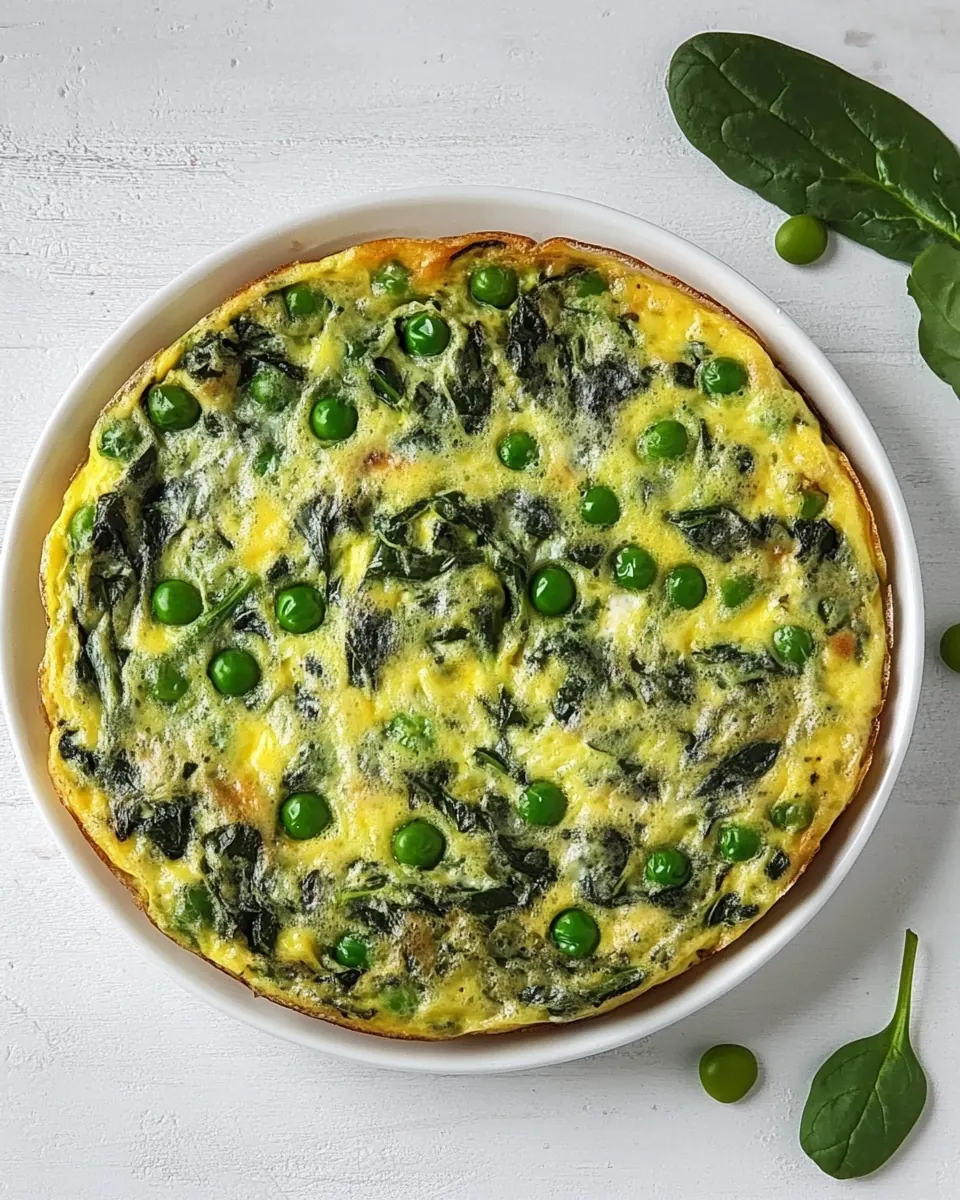
This section offers ideas to vary the dish while keeping the core flavors intact. Use these tips to adjust texture, finish, and presentation without changing the essential ingredient list.
- Finish under the broiler for a golden, slightly crisp top that adds texture and visual appeal when serving wedges.
- Try the flip method for a rustic presentation and a more caramelized bottom, ideal if you like a homier look.
- Use thawed frozen peas warmed briefly in the pan so they retain sweetness and do not cool the egg mixture, keeping an even cook.
- Whisk eggs gently until combined and silky to avoid over aeration which can make the frittata too spongy when set.
- Serve warm or at room temperature depending on your gathering, both temperatures highlight different textures and make transport easier.
Pairing Suggestions for Italian Frittata with Spinach and Peas
This frittata is flexible at the table, matching casual lunches, light dinners, and springtime gatherings. The suggestions below focus on complementary textures, seasonal pairings, and practical serving ideas to make the most of the dish.
- Light green salad with a lemony vinaigrette provides acidity that cuts through the richness of the eggs and Parmesan, offering a fresh counterpoint.
- Crusty bread or a sliced baguette is perfect for sopping up any leftover egg and adds a pleasant chew to the meal.
- Simple roasted vegetables such as asparagus or carrots pair nicely in season, bringing earthy notes that complement the bright spinach and sweet peas.
- Brunch board with olives, marinated vegetables, and sliced cheese makes the frittata a star on a shared spread, easy to slice and pass around.
- Occasion ideas include casual spring lunches, light family dinners, potlucks, or Ramadan if seeking a gentle savory option to begin a meal.
- Storage tips include refrigerating in an airtight container for up to three days, and reheating gently in a low oven to preserve texture.
- Seasonal pairing recommends enjoying this in spring when baby greens and fresh peas are at their peak for the best flavor.
FAQ
Conclusion
This recipe stands out because it transforms a handful of simple ingredients into a satisfying, elegant dish that celebrates spring produce. Try making it the next time you want a meal that feels both effortless and thoughtfully prepared. Share it warm with friends or slice it for a casual family dinner, and enjoy how the bright spinach and sweet peas play against the creamy eggs and savory Parmesan—it’s a small ritual that always brings people to the table.
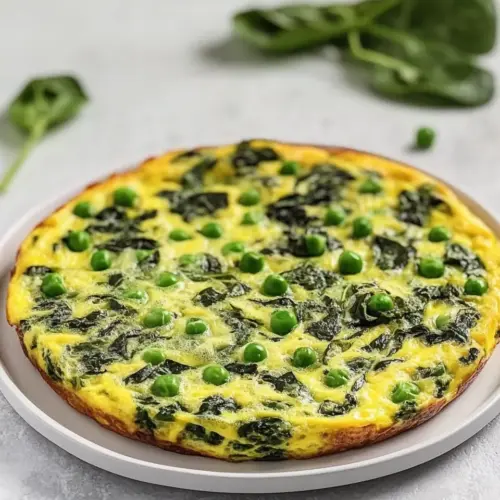
Italian Frittata with Spinach and Peas
Equipment
- 6 inch 16 cm skillet
- Mixing Bowl
- Spatula
- Microplane or fine grater
Ingredients
- 3 tablespoon extra-virgin olive oil Enhances flavor and prevents sticking by gently sautéing aromatics; use for frying the onion and finishing the frittata with a light glossy sheen. Adds fruitiness and mouthfeel that complements eggs and spinach, and helps crisp the base when cooked over medium heat.
- 1 small red onion, finely chopped Provides sweetness and savory depth when finely chopped and softened; cook until translucent to release sugars and build the frittata’s flavor foundation. Contributes texture contrast and aromatic complexity that balances the richness of the eggs and cheese.
- 150 g baby spinach leaves Adds tender leafy greens and moisture that wilts quickly into the egg mixture; stir through the softened onion or layer into the pan to maintain vibrant color. Supplies mild, slightly earthy notes and boosts volume and nutritional value without overpowering other flavors.
- 6 free-range large eggs Binds the dish and creates a custardy structure when whisked and combined with the other ingredients; beat until homogenous for even texture. Supplies richness, protein, and body to the frittata, and sets into a firm yet tender cake when cooked gently.
- 2 tablespoon Parmigiano Reggiano (parmesan cheese), finely grated Contributes salty umami and nutty complexity when finely grated into the eggs or sprinkled on top before serving. Helps elevate overall savory profile, promote browning, and add a sharp finishing note that complements spinach and peas.
- 150 g frozen or fresh peas Introduces pops of sweetness, color, and texture; add thawed or fresh peas to warm the filling or scatter on top before cooking. Balances the dish with starchy-sweet burst, enhances visual appeal, and pairs well with the creamy eggs and salty cheese.
- Sea salt and freshly cracked black pepper Seasoning to enhance and balance overall flavors; add to taste during whisking and after cooking to finish. Use freshly cracked black pepper for slight heat and aroma, and sea salt for clean salinity that lifts all other components.
Instructions
- Heat a 6-inch (16 cm) skillet over medium heat, and drizzle evenly with 2 tablespoons of extra-virgin olive oil. Fold in the finely chopped onion, followed by the spinach leaves and cook with the lid on for about 2-3 minutes, stirring occasionally, then season with salt and black pepper to taste.: Warmth should spread evenly across the pan, and the oil will shimmer slightly when it is ready. You want a steady medium heat so the onion softens without burning; listen for a gentle faint sizzle when you add the onion . The reason this matters is slow gentle heat draws out sweetness from the onion while keeping the oil from smoking, which preserves a clean flavor. A common mistake is turning the heat too high, which creates bitter notes and uneven cooking.
- In a medium-sized bowl, beat the eggs together with the Parmigiano Reggiano cheese.: You should notice the onion becoming translucent and soft, and the spinach wilting quickly into a deep green, collapsing into moist ribbons. Covering helps the spinach release steam and wilt evenly, while stirring prevents scorching. This step builds the flavor base, and the steam preserves the brightness of the greens. Avoid overcooking the spinach to the point it becomes mushy, which will make the final texture heavy and watery.
- Fold the cooked spinach and frozen/fresh peas into the egg and cheese mixture, and give it a quick mix, then season with sea salt and freshly cracked black pepper.: As you whisk the eggs and grated Parmesan , you’ll see the mixture lighten slightly and take on a silky sheen. This aeration gives a tender set without being spongy. The cheese melts into the liquid, enriching the batter and adding depth. Overbeating introduces too much air, which can create large holes in the set; whisk until combined and smooth.
- Return the skillet over medium-low heat, and drizzle with the remaining 1 tablespoon of extra-virgin olive oil. Pour in the frittata mixture, cover the skillet with a lid and cook for 10 minutes, gently shaking the pan every now and then.: The peas and wilted spinach should feel warm, and folding them gently preserves their shape and texture. You’ll see the vibrant green flecks through the pale eggs , and the mixture should be cohesive but not soupy. This folding step distributes ingredients for an even bite. A frequent error is adding cold frozen peas straight into the eggs without warming them, which can lower the mixture temperature and affect the cook.
- When the surface of the frittata looks cooked through, the frittata is almost ready. To give your frittata that golden colour, you can transfer the skillet (in this case, make sure you’re using a cast iron skillet) into a hot oven and broil for 2 minutes.: The pan will regain its gentle warmth, and the additional oil prevents sticking and helps the frittata develop a golden edge. Medium-low heat ensures the interior cooks through without the exterior burning too quickly. You should hear a low sizzle as you pour the batter in later, which signals proper contact. Too high heat here causes the bottom to char before the center sets.
- Alternatively, you can go the traditional route, and flip the frittata. Slide a spatula beneath the frittata to separate it from the skillet, then place a plate with the same diameter of the frittata, on top of the frittata, and flip the frittata onto the plate. Slide the frittata back into the skillet, and cook without the lid, for a further 2 minutes, then remove from the heat.: As the eggs begin to set you’ll notice the edges firming and the center losing its glossy sheen. Gently shaking helps redistribute uncooked egg to the edges so the frittata cooks evenly. Covering creates a moist environment that cooks the top from steam, yielding a tender interior. If you lift the lid and the center still looks liquid after the time, continue cooking a little longer; rushing to finish with high heat leads to a dry edge and an undercooked middle.
- Carefully slide the frittata onto a serving plate and serve nicely hot with your favorite salad or sides.: Look for an overall matte surface with only the faintest wobble in the very center. That slight wobble indicates a custardy finish rather than a rubbery one. At this point you can choose to finish in the oven or flip it, and your choice will change the final texture and appearance. A common misstep is misreading the wobble and finishing too soon, which leaves the center overly loose.
- To give your frittata that golden colour, you can transfer the skillet into a hot oven and broil for 2 minutes: Under the broiler the top will take on a pleasing golden brown and a slightly crisp edge, and you’ll smell a toasty Parmesan aroma. Keep the oven rack close to the broiler so the top browns quickly, and watch carefully because it can go from perfect to overdone in moments. This technique gives a gentle crust and a beautiful presentation; the risk is leaving it under the broiler too long, resulting in dryness and an overly browned surface.
- Alternatively, you can go the traditional route, and flip the frittata: The sizzle when the frittata hits the plate is satisfying, and sliding it back into the skillet to finish will crisp the second side. Flipping preserves a homier look and gives you a slightly more caramelized bottom. It’s important to separate the edges with a spatula so the frittata releases cleanly; failure to do so can tear the set and lead to a messy finish.
- Carefully slide the frittata onto a serving plate and serve nicely hot with your favorite salad or sides: As you slide it out, note the golden edges and custardy interior, and let the dish rest a minute for cleaner slices. Serving hot highlights the melty Parmesan and the sweet bursts of peas . Avoid cutting immediately if it is still too jiggly in the center, because the wedges will not hold their shape.
Notes
- Finish under the broiler for a golden, slightly crisp top that adds texture and visual appeal when serving wedges.
- Try the flip method for a rustic presentation and a more caramelized bottom, ideal if you like a homier look.
- Use thawed frozen peas warmed briefly in the pan so they retain sweetness and do not cool the egg mixture, keeping an even cook.
- Whisk eggs gently until combined and silky to avoid over aeration which can make the frittata too spongy when set.
- Serve warm or at room temperature depending on your gathering, both temperatures highlight different textures and make transport easier.
