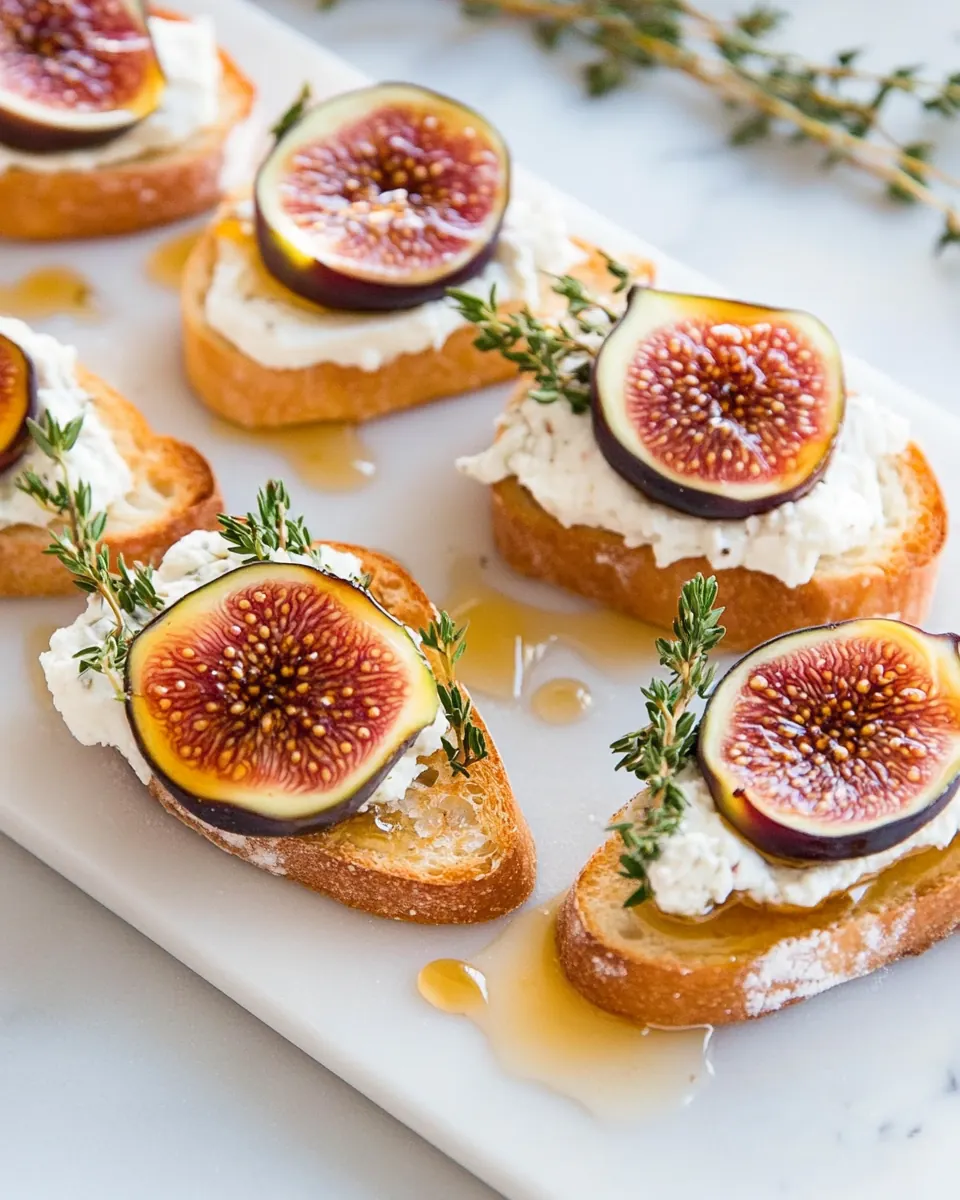
Fig and Goat Cheese Crostini with Honey
Fig and Goat Cheese Crostini with Honey came into my life on a crisp fall evening when I had a last minute request to bring something elegant to a casual get together. I remember standing at my counter with a baguette, a log of soft goat cheese, and a pint of ripe figs, wondering how a few simple ingredients could feel so luxurious. The first bite, warm bread yielding to creamy goat cheese and the bright pop of fresh fig, sealed it for me as a small plate easy to love and even easier to share.
That night I learned to trust contrasts. The crispness of toasted French baguette slices playing off the airy tang of goat cheese, and then a silky thread of honey tying everything together taught me how restrained flavors can sing when combined properly. I also realized that seasoning, a few quick turns of pepper and a light dusting of salt, makes the sweet and savory notes feel deliberate instead of accidental.
I’ve made these crostini for impromptu wine night, holiday trays, and midday treats when I crave something special with almost no fuss. Each time I tweak little things, like how thin I slice the figs or how long I leave the toasts under the broiler. Those micro adjustments change the texture, so the recipe feels alive and personal rather than prescribed. I love sharing this with friends because it’s proof that a handful of pantry pieces can transform into a tiny celebration.
Recipe Snapshot
13 mins
5 mins
8 mins
Easy
150 kcal
Mediterranean
Gluten-Free, Paleo
Appetizers
Oven broiler, Baking sheet, Knife, Spoon
The Beauty of This Fig and Goat Cheese Crostini with Honey
Bright contrast of flavors
I love how Fig and Goat Cheese Crostini with Honey balances sweet and tangy. The ripe figs bring a subtle jammy sweetness, while the goat cheese adds creamy, slightly tart notes. That interplay is why I reach for this recipe when I want something that feels sophisticated without being fussy.
Textures that feel special
Crunch from toasted French baguette slices paired with the soft, spreadable goat cheese gives every bite contrast. I find that the tiny crunch of the edges and the melt of the cheese right under the warm honey is what makes people go back for seconds.
Fast to assemble, impressive to serve
When friends drop by unexpectedly, I can brush a few slices with olive oil and broil them while I slice figs. The whole thing comes together in under twenty minutes, yet it reads like something you spent hours on. That efficiency is a big reason I keep this recipe in rotation.
Flexible and forgiving
You can scale the recipe up or down and it still tastes great. I often make a tray for a crowd or just a couple for a cozy night. If a fig is not perfectly ripe, the honey helps round the flavor and the cheese maintains the savory anchor.
Visually lovely and shareable
These crostini look as good as they taste. A scatter of sliced figs and a glossy drizzle of honey on golden toasts makes a simple platter feel festive. I love how it elevates a table with minimal effort.
What to Buy for Fig and Goat Cheese Crostini with Honey
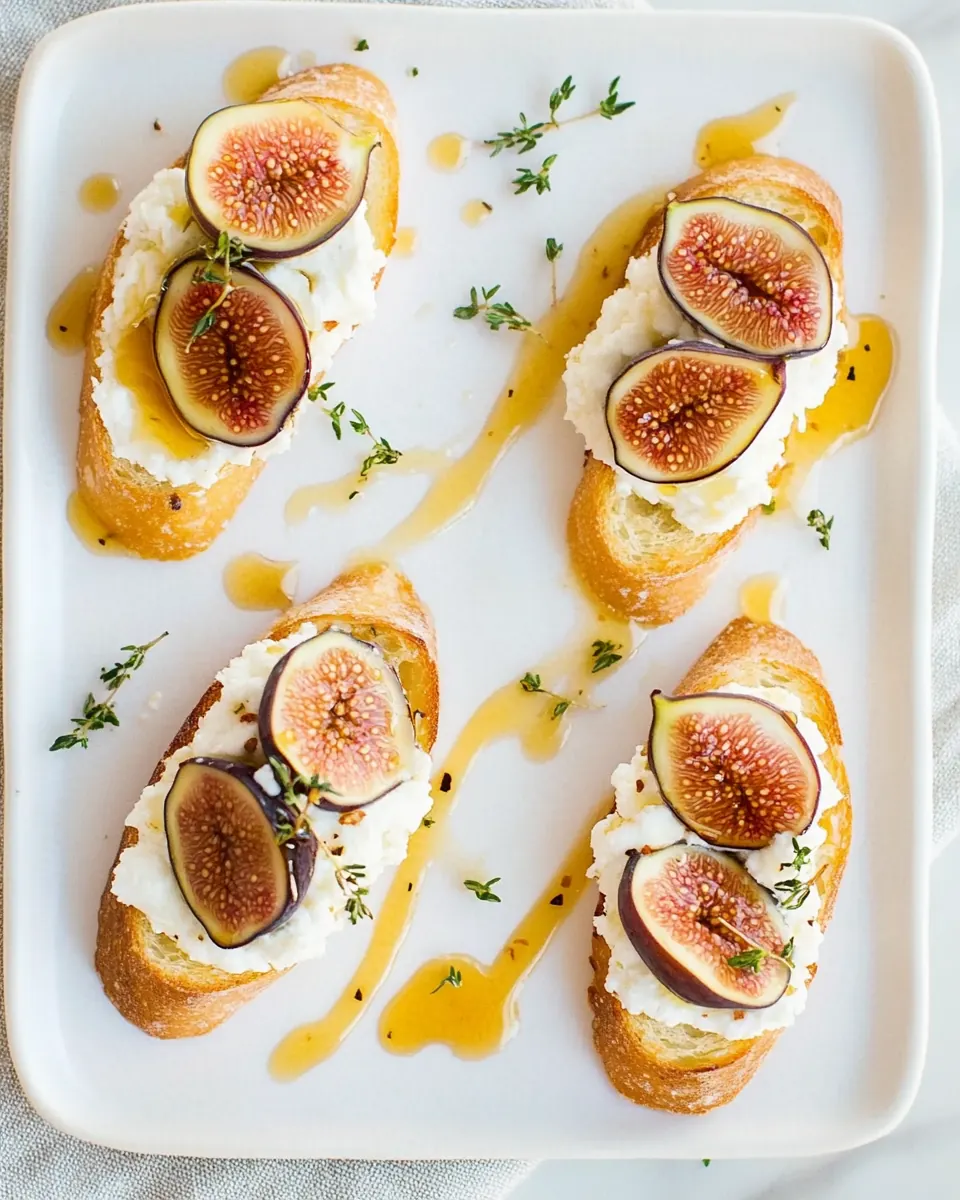
These ingredients are intentionally minimal so each one has a clear job. The crusty French baguette provides crunch, the soft goat cheese delivers creamy tang, and the fresh figs add natural sweetness. A ribbon of honey brightens and melds flavors, while a touch of olive oil, salt, and pepper rounds everything out. Together they create a balanced bite that is textural, seasonal, and utterly shareable.
- 1/2 French baguette sliced: Sliced and toasted for crunch and a base texture, provides a sturdy vehicle for toppings while offering a mild, slightly sweet bread flavor that complements creamy and fruity components. Can be lightly brushed with oil before toasting to enhance browning and crispness. Ideal to prepare just before serving to maintain crunch.
- 2 tablespoons olive oil: Lightly drizzled or brushed onto baguette slices to aid in browning and to add a subtle fruity, peppery fat that helps meld flavors. Helps prevent the bread from becoming soggy by creating a protective, crisping layer when toasted. Use sparingly to keep crostini crisp and flavorful.
- 4 ounces soft goat cheese chevre: Soft and spreadable for creamy richness, contributes tangy, slightly earthy flavors that contrast the sweetness of figs and honey while adding silkiness. Can be softened to room temperature for easy spreading and dolloped or piped for an attractive presentation. Pairs well with a sprinkle of pepper or a drizzle of honey.
- 1 pint fresh figs sliced: Sliced and arranged on top for juicy, sweet, and slightly floral notes that bring freshness and texture; skin adds color contrast while flesh adds succulence. Ripe figs provide natural sweetness that balances the tangy cheese and savory crostini. Best sliced thinly to evenly distribute fruit across crostini.
- 2 tablespoons honey: Drizzled over assembled crostini to add glossy sweetness and to bind flavors together, enhancing the figs' natural sugars and accentuating the cheese's tang. Provides aroma and a pleasant sticky finish that elevates overall presentation. Can be warmed slightly for easier pouring.
- salt: Lightly pinched or ground to taste to enhance and balance the dish by elevating underlying flavors and reducing perceived sweetness, contributing mineral notes. Used sparingly to avoid overpowering delicate fig and goat cheese flavors. Finely ground sea salt or kosher salt works well.
- pepper: Freshly ground or cracked to taste to introduce mild heat and aromatic bite that complements creamy cheese and sweet figs without overwhelming them. Adds complexity and a subtle savory counterpoint to the honeyed finish. Adjust coarseness for desired texture and visual appeal.
The Method for Fig and Goat Cheese Crostini with Honey
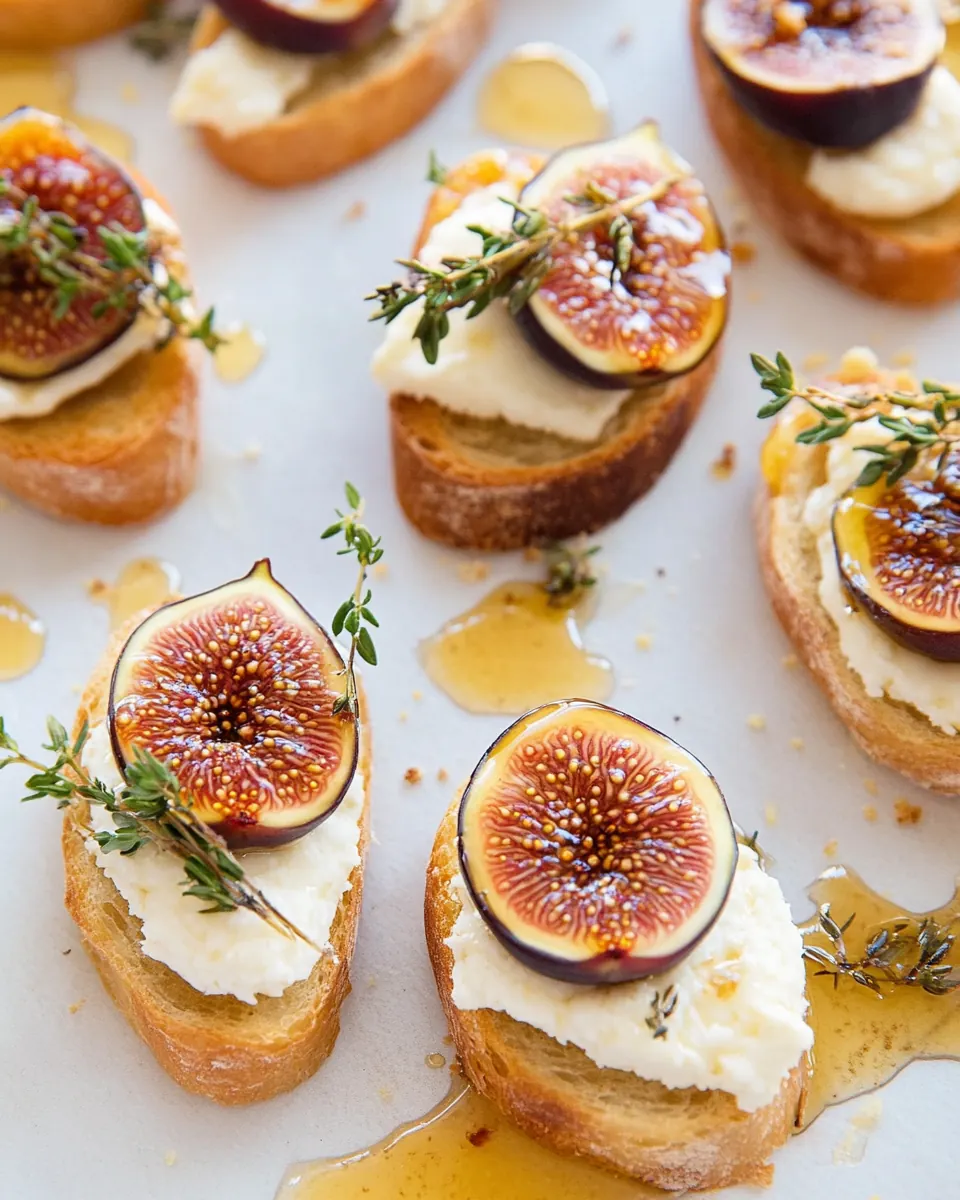
Working quickly and purposefully makes these crostini sing. I like to set up everything so I can move the toasts in and out of the oven with confidence. Below I expand each direction into detailed, sensory driven steps so you can reproduce the exact texture and balance I aim for.
- Brush the bread slices with olive oil, season with salt and pepper. Place in the oven under the broiler for about 5 minutes, or until just starting to toast. Remove from oven.: The moment you slide the tray under the broiler you will smell the warm, toasty aroma of the French baguette as the edges begin to darken, a sound like a faint crackle may whisper from the crust as air pockets tighten. This initial toast is about building structure, so the bread becomes crisp enough to hold toppings while still retaining some chew. If the slices brown too fast at the edges, pull them out briefly and rotate the tray, because uneven broiling is the most common trap. I avoid leaving the oven door open too long when checking, since the shift in heat can change the browning speed. Aim for a pale golden blush rather than deep brown at this stage so the final broil can finish the job.
- Spread goat cheese on toasts. Top each with a few slices of figs, then drizzle with honey. Season lightly with fresh cracked pepper (one or two turns of the grinder, not too much).: When you spread the soft goat cheese onto warm toasts you should notice it soften and slightly melt into crevices, creating a plush, tangy layer that cushions the figs . Lay thin, glossy slices of fig so they overlap slightly and create a pretty mosaic; this also helps them cling to the cheese. Drizzling honey at this point gives a floral sweetness that glistens in the light. The aroma shifts toward honeyed fruit, and the pepper becomes a whisper of warmth. Avoid piling too many figs, as that can make the toast soggy and mask the cheese's tang. If your figs look wet, pat them lightly on a paper towel first.
- Place back under the broiler for 2 or 3 minutes, until honey is just starting to bubble and edges of bread are browning. Remove from oven and serve right away.: The second broil is where textures coalesce, and you will see tiny bubbles of honey sheen and hear a low sizzle as the sugars warm. Edges should deepen to a golden brown, adding nutty notes and extra crunch. This step is fast, so stay attentive; it takes only a couple of minutes. One common mistake is leaving the crostini too long, which can burn the honey and dry the cheese. Once you see a gentle bubbling and the bread edges are toasted, remove the tray immediately and let the crostini rest a moment so toppings settle before serving warm.
Pro Tips and Tweaks
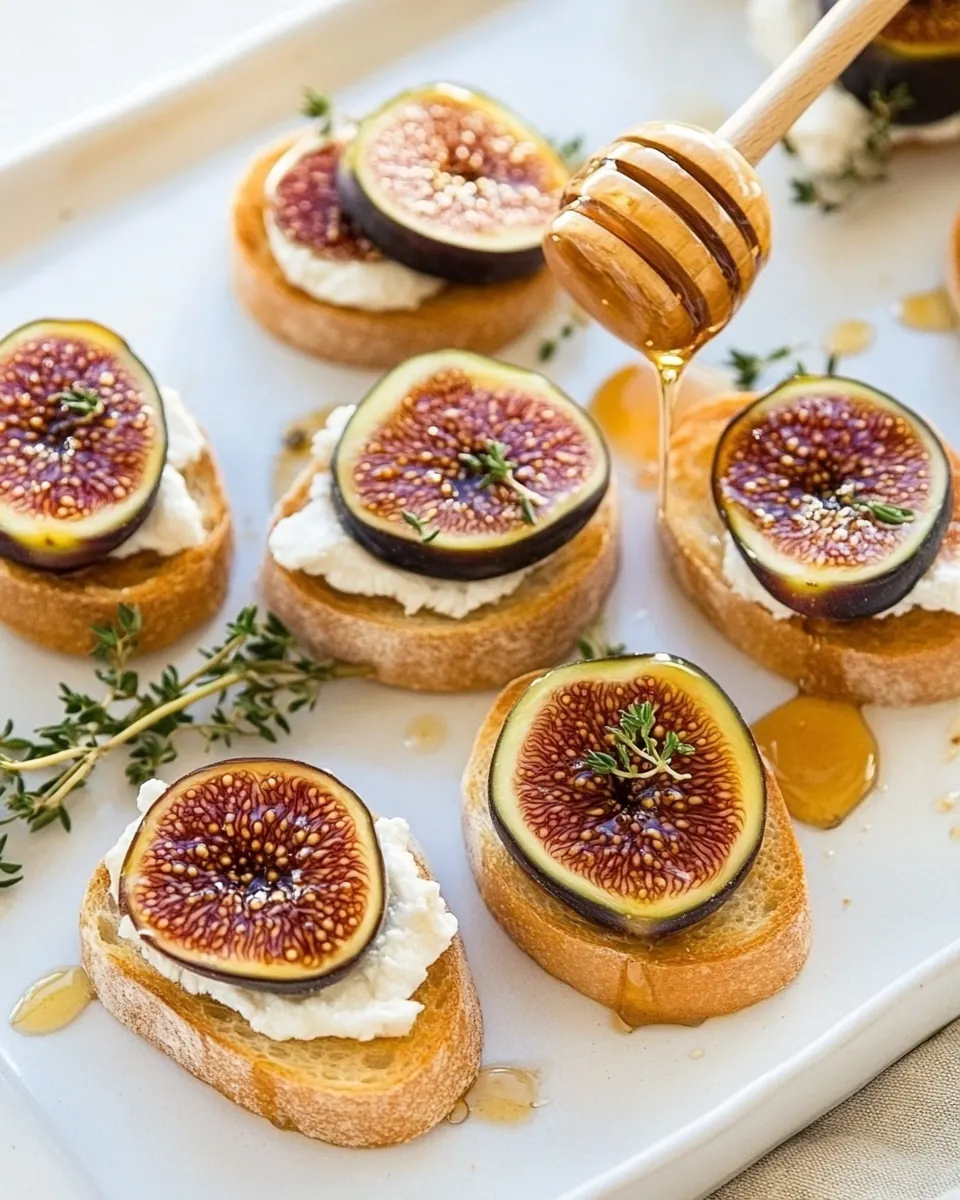
I keep these tips practical so your crostini are consistently excellent. Small adjustments in prep, timing, and ingredient handling make a big difference. Below are focused, actionable pointers I use every time.
- Toast evenness: If your oven has hot spots rotate the tray halfway through the first broil to avoid uneven browning and ensure all slices crisp uniformly.
- Cheese temperature: Let the goat cheese sit at room temperature for five to ten minutes before spreading so it spreads smoothly and melds with the warm toast.
- Fig prep: Slice figs thinly and arrange them to overlap slightly, which helps the fruit stay in place and creates a nicer presentation.
- Honey viscosity: If your honey is thick, warm it gently in a bowl set over hot water so it drizzles easily without pooling awkwardly on the toasts.
- Seasoning restraint: Apply only a small grind of fresh pepper after adding the honey, because too much pepper can compete with the sweet elements.
Perfect Matches for Fig and Goat Cheese Crostini with Honey
These crostini fit many occasions, and how you serve them can elevate the same simple recipe. Below are serving ideas that cover timing, pairings, and storage so you can present them beautifully.
- Casual get together: Arrange the crostini on a wide wooden board for easy passing, and place small bowls of reserved honey for guests who want extra drizzle.
- Appetizer for dinner: Serve warm as a starter for a fall dinner, placing a few crostini per person so they complement rather than overshadow main courses.
- Holiday platter: For holiday gatherings make multiple batches and keep the first tray warm in a low oven, replenishing as needed so every plate feels fresh and crunchy.
- Lunch or light bite: Pair with a simple green salad and you have a light, elegant midday meal; the crostini provide protein from the goat cheese and fruit sweetness from the figs.
- Storage tips: Toast the French baguette slices ahead and store them airtight; assemble just before serving to keep textures crisp. Any leftover components should be refrigerated and used within a day for best quality.
- Seasonal pairing: This feels especially at home in fall when figs are abundant, though it works whenever fresh figs are available.
FAQ
Conclusion
Fig and Goat Cheese Crostini with Honey stands out because of its elegant contrast of textures and flavors, combining crisp toasted bread, tangy goat cheese, jammy figs, and a glossy honey finish. It is an effortless way to make a gathering feel special, whether for a casual snack or a holiday appetizer. Give it a try the next time you want something quick to assemble that still looks and tastes intentional. You may find it becomes your go to small plate whenever you want to impress with minimal effort.
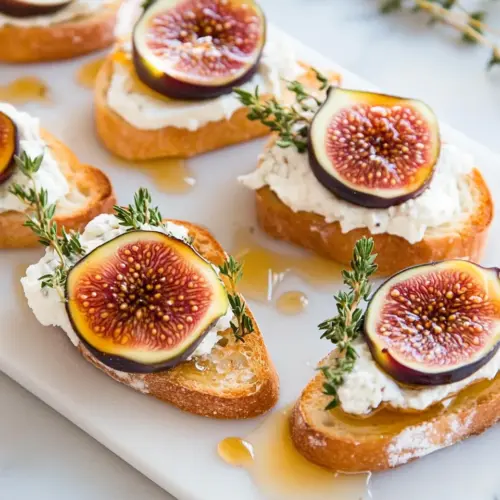
Fig and Goat Cheese Crostini with Honey
Equipment
- Oven Broiler
- Baking Sheet
- Knife
- Spoon
Ingredients
- 1/2 French baguette sliced Sliced and toasted for crunch and a base texture, provides a sturdy vehicle for toppings while offering a mild, slightly sweet bread flavor that complements creamy and fruity components. Can be lightly brushed with oil before toasting to enhance browning and crispness. Ideal to prepare just before serving to maintain crunch.
- 2 tablespoons olive oil Lightly drizzled or brushed onto baguette slices to aid in browning and to add a subtle fruity, peppery fat that helps meld flavors. Helps prevent the bread from becoming soggy by creating a protective, crisping layer when toasted. Use sparingly to keep crostini crisp and flavorful.
- 4 ounces soft goat cheese chevre Soft and spreadable for creamy richness, contributes tangy, slightly earthy flavors that contrast the sweetness of figs and honey while adding silkiness. Can be softened to room temperature for easy spreading and dolloped or piped for an attractive presentation. Pairs well with a sprinkle of pepper or a drizzle of honey.
- 1 pint fresh figs sliced Sliced and arranged on top for juicy, sweet, and slightly floral notes that bring freshness and texture; skin adds color contrast while flesh adds succulence. Ripe figs provide natural sweetness that balances the tangy cheese and savory crostini. Best sliced thinly to evenly distribute fruit across crostini.
- 2 tablespoons honey Drizzled over assembled crostini to add glossy sweetness and to bind flavors together, enhancing the figs' natural sugars and accentuating the cheese's tang. Provides aroma and a pleasant sticky finish that elevates overall presentation. Can be warmed slightly for easier pouring.
- salt Lightly pinched or ground to taste to enhance and balance the dish by elevating underlying flavors and reducing perceived sweetness, contributing mineral notes. Used sparingly to avoid overpowering delicate fig and goat cheese flavors. Finely ground sea salt or kosher salt works well.
- pepper Freshly ground or cracked to taste to introduce mild heat and aromatic bite that complements creamy cheese and sweet figs without overwhelming them. Adds complexity and a subtle savory counterpoint to the honeyed finish. Adjust coarseness for desired texture and visual appeal.
Instructions
- Brush the bread slices with olive oil, season with salt and pepper. Place in the oven under the broiler for about 5 minutes, or until just starting to toast. Remove from oven.: The moment you slide the tray under the broiler you will smell the warm, toasty aroma of the French baguette as the edges begin to darken, a sound like a faint crackle may whisper from the crust as air pockets tighten. This initial toast is about building structure, so the bread becomes crisp enough to hold toppings while still retaining some chew. If the slices brown too fast at the edges, pull them out briefly and rotate the tray, because uneven broiling is the most common trap. I avoid leaving the oven door open too long when checking, since the shift in heat can change the browning speed. Aim for a pale golden blush rather than deep brown at this stage so the final broil can finish the job.
- Spread goat cheese on toasts. Top each with a few slices of figs, then drizzle with honey. Season lightly with fresh cracked pepper (one or two turns of the grinder, not too much).: When you spread the soft goat cheese onto warm toasts you should notice it soften and slightly melt into crevices, creating a plush, tangy layer that cushions the figs . Lay thin, glossy slices of fig so they overlap slightly and create a pretty mosaic; this also helps them cling to the cheese. Drizzling honey at this point gives a floral sweetness that glistens in the light. The aroma shifts toward honeyed fruit, and the pepper becomes a whisper of warmth. Avoid piling too many figs, as that can make the toast soggy and mask the cheese's tang. If your figs look wet, pat them lightly on a paper towel first.
- Place back under the broiler for 2 or 3 minutes, until honey is just starting to bubble and edges of bread are browning. Remove from oven and serve right away.: The second broil is where textures coalesce, and you will see tiny bubbles of honey sheen and hear a low sizzle as the sugars warm. Edges should deepen to a golden brown, adding nutty notes and extra crunch. This step is fast, so stay attentive; it takes only a couple of minutes. One common mistake is leaving the crostini too long, which can burn the honey and dry the cheese. Once you see a gentle bubbling and the bread edges are toasted, remove the tray immediately and let the crostini rest a moment so toppings settle before serving warm.
Notes
- Toast evenness: If your oven has hot spots rotate the tray halfway through the first broil to avoid uneven browning and ensure all slices crisp uniformly.
- Cheese temperature: Let the goat cheese sit at room temperature for five to ten minutes before spreading so it spreads smoothly and melds with the warm toast.
- Fig prep: Slice figs thinly and arrange them to overlap slightly, which helps the fruit stay in place and creates a nicer presentation.
- Honey viscosity: If your honey is thick, warm it gently in a bowl set over hot water so it drizzles easily without pooling awkwardly on the toasts.
- Seasoning restraint: Apply only a small grind of fresh pepper after adding the honey, because too much pepper can compete with the sweet elements.