Caprese Wreath
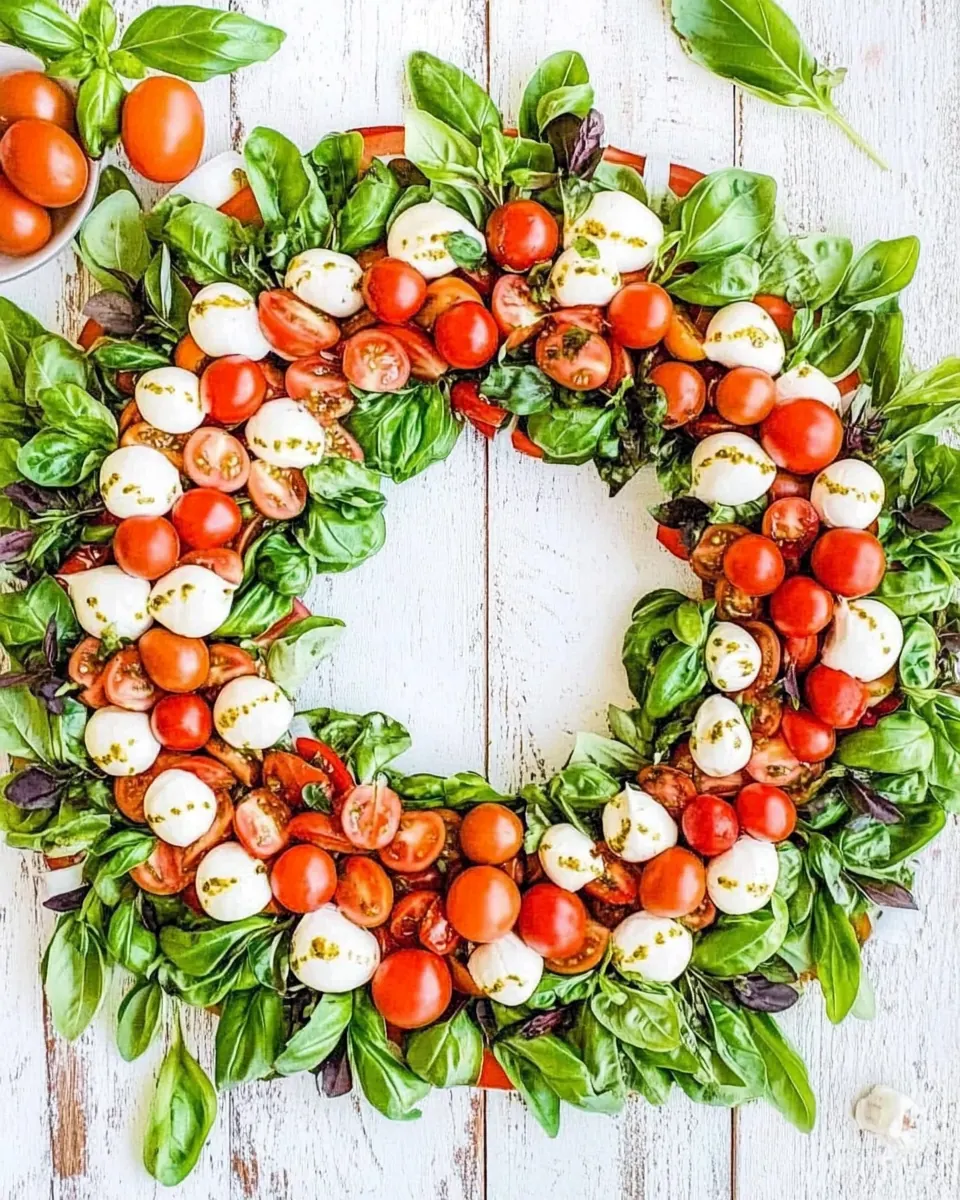
Caprese Wreath has been one of those recipes that shows up whenever I want something effortless yet showstopping for summer gatherings.
I remember the first time I made a version of this, bringing a ring of bright tomatoes and soft cheese to a backyard party, and watching neighbors gravitate toward it like it had its own gravity. I liked arranging the colors like a painter, tucking basil leaves between poppy red and golden cherry tomatoes, and the small bocconcini balls felt like little clouds scattered across a garden. Preparing the platter felt meditative, and serving it felt celebratory, which is why this particular presentation became a favorite for casual dinners and holiday get togethers.
Over the years I refined the sequence of skewering and the tiny details that make the platter practical as well as pretty. I learned to balance the flavors so each bite has a fresh herb note, juicy tomato burst, and milky cheese that melts on the tongue with just a drizzle of olive oil and balsamic syrup. Friends always ask for tips about keeping the basil bright and preventing the cheese from sliding, so I keep a dedicated set of skewers and a chilled bowl for the dressing at the center. When guests arrive, the wreath invites them to pick a skewer and mingle, which is more fun than a static salad bowl in my book.
Recipe Snapshot
15 mins
15 mins
Medium
150 kcal
Italian
Gluten-Free, Low FODMAP
Appetizers
Skewers, Serving board or large round platter, Glass bowl
The Beauty of This Caprese Wreath
Vibrant visual impact
I love how the Caprese Wreath looks on the table, it draws a crowd before anyone tastes it. Bright cherry tomatoes in different colors, white bocconcini, and ribbons of green basil create an immediate festive mood. People eat with their eyes, and this arrangement turns a classic salad into a centerpiece.
Simple, high quality ingredients
One of the reasons I return to the Caprese Wreath is the ingredient clarity. When you use good olive oil, ripe tomatoes, and fresh basil, the flavors sing without complicated steps. I find it satisfying that a handful of excellent components produces such a layered taste experience.
Easy to scale and transport
Whether Im hosting a small dinner or bringing something to a potluck, this recipe scales gracefully. Skewering the components keeps them intact during transport, and the wreath format stays composed on a platter. I appreciate how forgiving it is when assembled ahead of time, making party logistics simpler.
Interactive and shareable
The format encourages guests to mingle and serve themselves. I like watching people choose their favorite color tomato or compare bites. The communal nature of the Caprese Wreath turns a snack into a shared moment, which is often the best part of entertaining for me.
Flexible dressing and presentation
I value the freedom to dress it up or keep it minimalist. A drizzle of balsamic syrup and a splash of olive oil highlight the ingredients, but you can also place the dressing in the center and let people add what they like. That small choice makes it friendly for picky eaters and enhances the overall experience.
Ingredients for Caprese Wreath
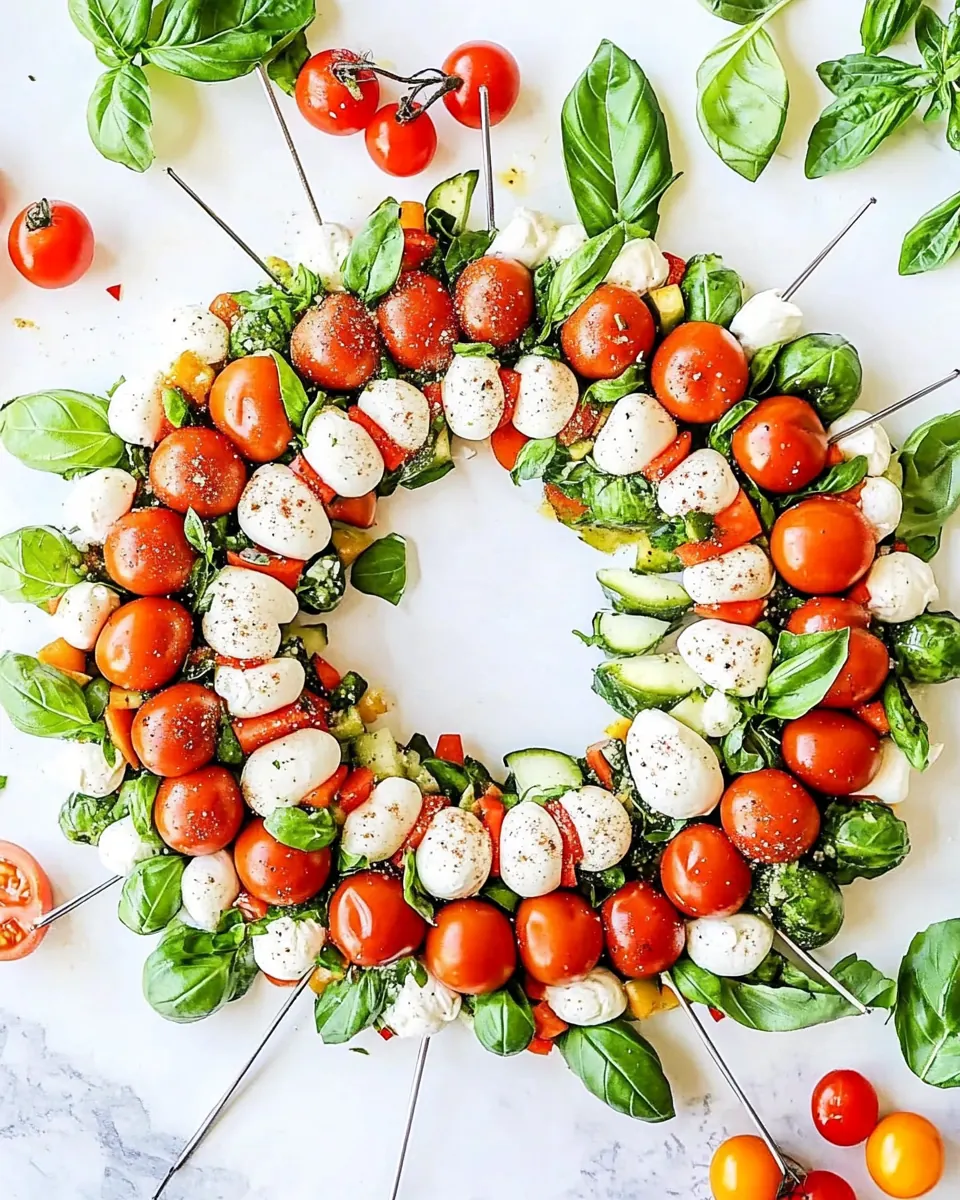
I treat these ingredients as a small orchestra, each player doing one job to create a balanced bite. The star notes are freshness and contrast, where aromatic basil lifts the sweet cherry tomatoes and the creamy bocconcini rounds everything out. The finishing touches of olive oil and balsamic syrup add a glossy mouthfeel and a little sweet acidity that ties the ensemble together.
- 1 cup basil leaves: Bright and aromatic, used to infuse fresh herbal flavor and garnish the wreath; tender leaves provide visual contrast and a fragrant burst when torn over the salad. Handle gently to avoid bruising and add at the end to preserve vibrant color and aroma.
- 4 cups cherry tomatoes different colors: Colorful and juicy, offering sweet acidity and a variety of textures that create visual appeal and bite-sized convenience for assembling the wreath. Choose ripe tomatoes of different colors to enhance presentation and balance sweetness with acidity for the salad.
- 2 cups Bocconcini cheese: Creamy and mild, providing a soft, milky texture that complements tomatoes and basil while adding a delicate richness to each bite. Drain before use and distribute evenly to ensure small pockets of creamy cheese throughout the wreath.
- 1 teaspoon ea salt and pepper: Balanced and essential for seasoning, enhancing natural flavors while moderating acidity and brightness; combined salt and pepper provide foundational taste harmony. Use sparingly and adjust to taste after assembling to avoid over-seasoning delicate ingredients.
- 2 tablespoons balsamic syrup: Sweet and tangy glaze used to add concentrated balsamic flavor and glossy finish, drizzled over the assembled wreath for a polished look and flavor boost. Apply sparingly to avoid overpowering fresh flavors and to accentuate both color and taste.
- 4 tablespoons olive oil: Fruity and rich, used to dress the tomatoes and cheese with a silky mouthfeel and to bring out savory notes; olive oil also helps meld flavors together. Opt for extra-virgin for best flavor and drizzle evenly to coat ingredients without pooling.
- 3 cups basil leaves: Aromatic and abundant, used to layer additional fresh herbal character throughout the wreath and strengthen basil presence for garnish and flavor. Add more leaves to enhance fragrance and to ensure every portion contains bright herbal notes.
Instructions for Caprese Wreath
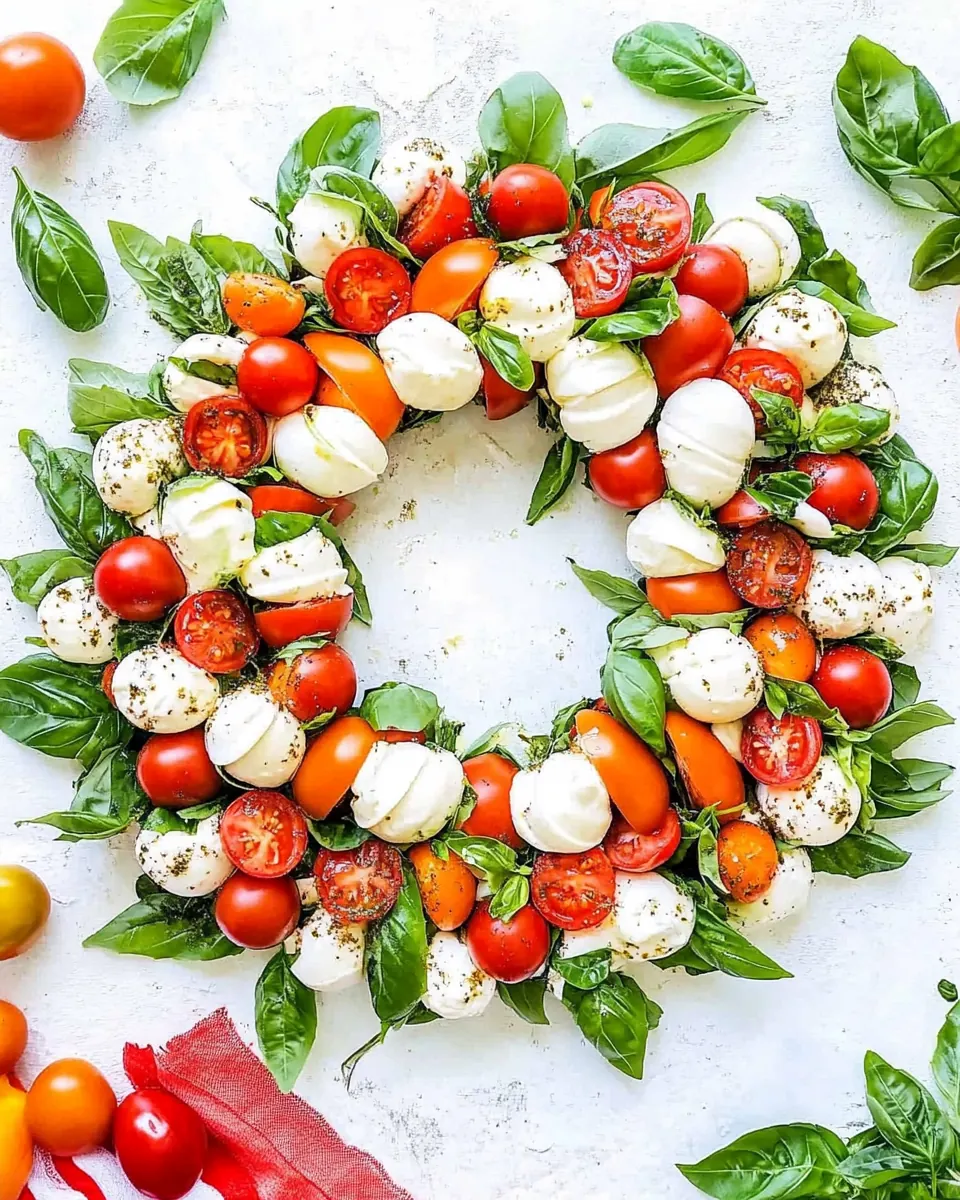
This recipe assembles into a beautiful platter with minimal fuss, and I like to guide you through each tactile moment so you know when it feels right. Keep your skewers and a chilled bowl for dressing nearby, and give yourself a calm surface to build the wreath.
- Start by choosing the serving plate or board. We love a large round wooden board for this recipe, as it feels more welcoming in our opinion. But, it's completely your choice.: The first sensory cue is the weight and look of the board, a round wooden surface gives warmth and absorbs glare so colors pop, while a ceramic platter gives a crisp backdrop. I prefer wood because it hums a little of home and helps the arrangement sit naturally on a table. When you're deciding, test how the board balances, and listen for the hollow sound when tapped to ensure it is sturdy. A common mishap is picking a board that is too small, causing items to scrape and topple, so allow some breathing room around the circle.
- Once you have your board, you're going to take the abundance of basil leaves, and arrange them in a circle. Make the basil feel like the border of your wreath, all around the board leaving the center empty.: The tactile feel of the leaves against the board is vivid, soft and slightly cool, and as you place them one by one the ring begins to look lush. Layer leaves in offset directions so the edges overlap, creating volume without compacting them, and press each leaf gently so it adheres without bruising. Visually aim for a consistent width so the wreath reads as intentional, not haphazard. Avoid piling leaves too high, which can collapse under skewers, and check for wetness that could make the basil wilt prematurely.
- Then you're going to skewer your caprese.: As you spear the ingredients, you will hear a slight resistance as the skewer passes through the tomato skin, then a softer give as it enters the bocconcini , and a fragrant burst from the tucked basil . Keep your wrist steady to thread the pieces in sequence, and use even pressure so the skewer does not split small tomatoes. If the skewer spins too easily, the bite will be unstable when guests pick it up. A common error is using oversized skewers that feel clumsy; choose a length that fits the board comfortably.
- Start with a basil leaf, a cherry tomato, a bocconcini, another basil leaf, baby yellow or orange tomatoes, and finally another basil leaf.: The rhythm of assembly creates alternating textures and flavors in each bite, a bright herb followed by juicy tomato and creamy cheese, finishing with herb to refresh the palate. Pay attention to balance so no single skewer has too much cheese or too many tomatoes, aiming for harmony. Notice the slight aroma released as you press basil against the tomato, it signals freshness. One pitfall is inconsistent sizes, so select tomatoes and cheese of similar scale for comfortable chewing.
- The arrangement is also up to your taste, we love a variety of tomatoes, bocconcini and plenty of basil leaves in between.: When you place skewers around the wreath, alternate colors and textures to keep the eye moving, and angle them outward slightly so handles are accessible. The sound of wooden skewers lightly tapping the board is oddly satisfying as you build the ring. If you prefer a denser look, nestle skewers closer together, but watch for overcrowding which makes it hard for guests to pick individual skewers cleanly.
- Place the dressing you're using in a glass bowl and put it in the center of the wreath.: The glass bowl should feel cool to the touch, and the glossy surface of the balsamic syrup and olive oil will catch light, beckoning guests to drizzle. Serving dressing separately preserves texture, letting guests choose how much to add. I always taste the dressing on a skewer first to ensure seasoning, and avoid heavy pouring which can overpower the delicate bocconcini . Keep a small spoon handy for controlled drizzling to prevent a slicked board.
- Your Caprese wreath is now ready to serve or keep in the fridge.: At serving time, the initial aroma should be herbal and bright, and the platter will invite gentle picking, each bite offering a cool, creamy center and a sweet tomato burst. If refrigerating, cover tightly to protect the basil from drying while the bocconcini stays firm, and bring out the board about ten to fifteen minutes before serving so flavors loosen up. A frequent slip is leaving dressed skewers too long, which can make basil limp, so consider storing the dressing separately if you plan to hold the wreath for hours.
Ways to Customize
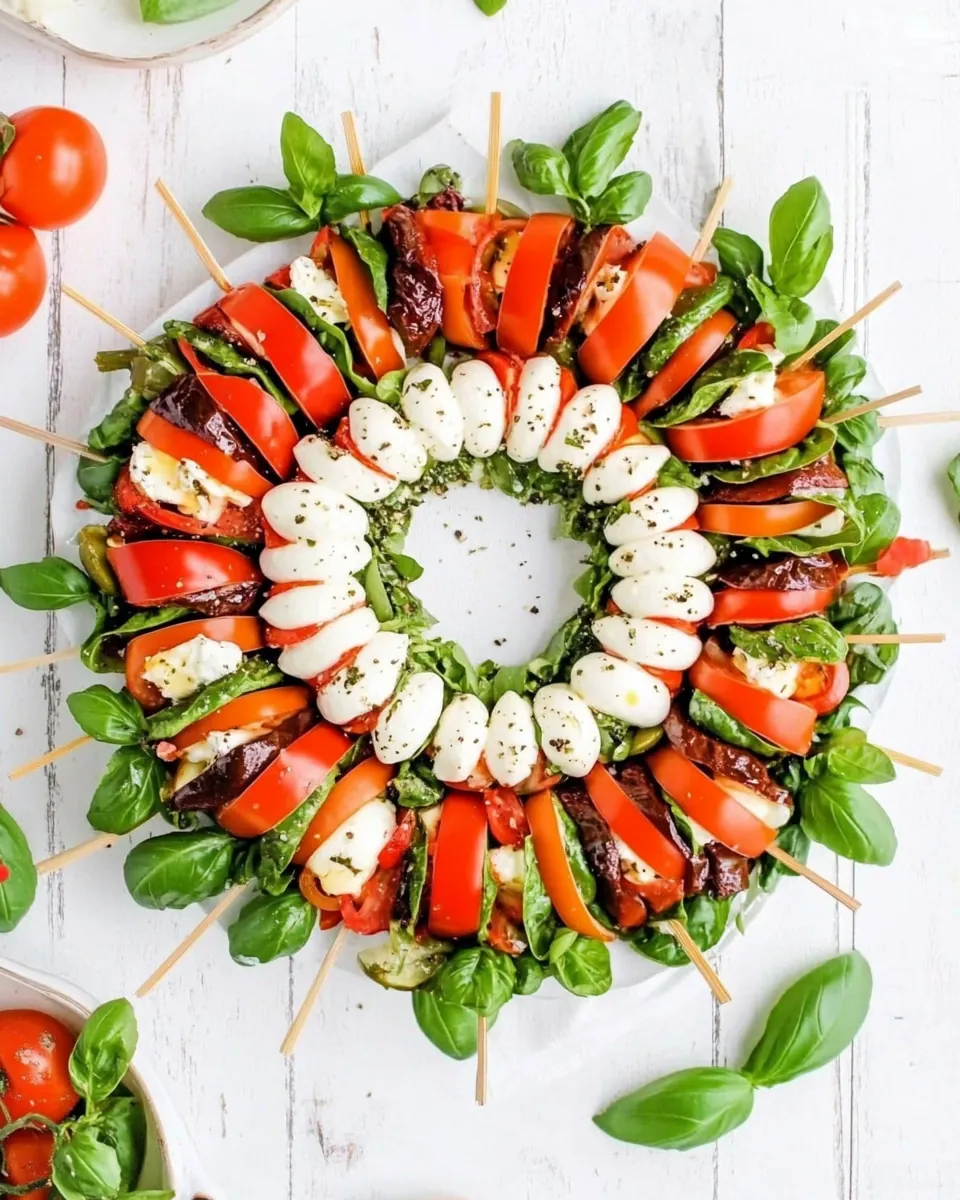
I like to tweak the Caprese Wreath to suit mood and occasion, and small swaps can shift the vibe from rustic to refined. Below are practical, tested ideas that keep the core flavor intact while offering new textures and presentations.
- Swap cheese format: Use larger balls of bocconcini cut into uniform pieces if you prefer chunkier bites, which also makes assembly quicker and is easier for guests who want substantial cheese without too many skewers.
- Serve dressing separately: Place balsamic syrup and olive oil in the center so guests control seasoning, which is excellent for mixed dietary preferences and prevents the basil from wilting if you assemble ahead.
- Make it herb-forward: Add extra layers of basil between skewers or tuck small leaf sprigs under each skewer head to amplify aroma and create more herbal pockets as people pick through the wreath.
- Choose color play: Prioritize yellow and orange cherry tomatoes alternated with red to make the wreath pop, a technique that elevates the platter for festive occasions like Christmas or summer parties.
- Alternate presentation: Skip skewers and arrange the cherry tomatoes and bocconcini directly on the basil base in overlapping rows for a softer, more rustic presentation that is quicker to assemble.
- Prep for travel: Assemble skewers and refrigerate them laid flat in a sealed container with parchment between layers, carrying the dressing in a separate jar to prevent sogginess during transport.
Side Dish Ideas for Caprese Wreath
The Caprese Wreath shines as a starter or part of a larger spread, and pairing it thoughtfully will elevate the entire meal. Below are serving ideas, occasions, and storage notes to help you plan menus around this crowd pleaser.
- Simple bread accompaniment: Serve with crusty bread or crostini on the side so guests can build open faced bites, adding texture to the creamy bocconcini.
- Light lunch: Pair with a bowl of chilled soup or a grain salad for an easy summer lunch where the wreath provides freshness and visual appeal.
- Holiday appetizer: For Christmas or other festive gatherings, place the wreath at the center of the table as an edible centerpiece, allowing guests to nibble while mingling.
- Ramadan iftar option: Use the wreath as a refreshing starter to break fast, offering gentle hydration and quick energy from the cherry tomatoes and olive oil.
- Picnic friendly: Transport skewered wreath components in a sealed container and keep the dressing chilled, assembling the wreath on site for a beautiful outdoor meal.
- Storage tip: If you need to store leftovers, keep them refrigerated for up to two days, with dressing separate to maintain the basil‘s texture and the overall presentation.
- Seasonal pairings: In summer, pair with fresh peaches or grilled vegetables; in cooler months, include heartier sides like roasted root vegetables for contrast.
- Leftover ideas: Transform leftover skewers into sandwiches or scatter contents over toasted pizza dough for a warm Caprese inspired meal.
- Serving style: Encourage guests to take one skewer at a time, keeping the wreath tidy and making it easy to replenish from a reserve platter as needed.
- Occasion matching: Works well for brunch spreads, cocktail parties, potlucks, and intimate dinners where simplicity and presentation matter.
FAQ
Conclusion
The Caprese Wreath is special because it transforms a classic salad into an inviting centerpiece thats as delicious as it is beautiful. I encourage you to try it at your next gathering, whether youre hosting a casual brunch or a festive holiday table. Its simple harmony of basil, cherry tomatoes, and bocconcini, finished with olive oil and balsamic syrup, makes for a memorable dish that requires minimal hands on time. Enjoy the process of arranging and sharing it, and savor how a few quality ingredients can create a standout moment for friends and family.
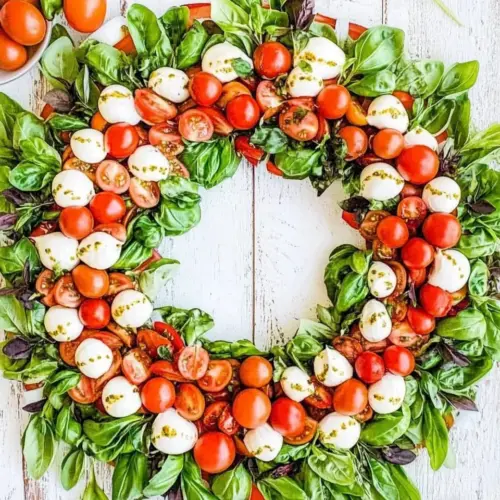
Caprese Wreath
Equipment
- Skewers
- Serving board or large round platter
- Glass bowl
Ingredients
- 1 cup basil leaves Bright and aromatic, used to infuse fresh herbal flavor and garnish the wreath; tender leaves provide visual contrast and a fragrant burst when torn over the salad. Handle gently to avoid bruising and add at the end to preserve vibrant color and aroma.
- 4 cups cherry tomatoes different colors Colorful and juicy, offering sweet acidity and a variety of textures that create visual appeal and bite-sized convenience for assembling the wreath. Choose ripe tomatoes of different colors to enhance presentation and balance sweetness with acidity for the salad.
- 2 cups Bocconcini cheese Creamy and mild, providing a soft, milky texture that complements tomatoes and basil while adding a delicate richness to each bite. Drain before use and distribute evenly to ensure small pockets of creamy cheese throughout the wreath.
- 1 teaspoon ea salt and pepper Balanced and essential for seasoning, enhancing natural flavors while moderating acidity and brightness; combined salt and pepper provide foundational taste harmony. Use sparingly and adjust to taste after assembling to avoid over-seasoning delicate ingredients.
- 2 tablespoons balsamic syrup Sweet and tangy glaze used to add concentrated balsamic flavor and glossy finish, drizzled over the assembled wreath for a polished look and flavor boost. Apply sparingly to avoid overpowering fresh flavors and to accentuate both color and taste.
- 4 tablespoons olive oil Fruity and rich, used to dress the tomatoes and cheese with a silky mouthfeel and to bring out savory notes; olive oil also helps meld flavors together. Opt for extra-virgin for best flavor and drizzle evenly to coat ingredients without pooling.
- 3 cups basil leaves Aromatic and abundant, used to layer additional fresh herbal character throughout the wreath and strengthen basil presence for garnish and flavor. Add more leaves to enhance fragrance and to ensure every portion contains bright herbal notes.
Instructions
- Start by choosing the serving plate or board. We love a large round wooden board for this recipe, as it feels more welcoming in our opinion. But, it's completely your choice.: The first sensory cue is the weight and look of the board, a round wooden surface gives warmth and absorbs glare so colors pop, while a ceramic platter gives a crisp backdrop. I prefer wood because it hums a little of home and helps the arrangement sit naturally on a table. When you're deciding, test how the board balances, and listen for the hollow sound when tapped to ensure it is sturdy. A common mishap is picking a board that is too small, causing items to scrape and topple, so allow some breathing room around the circle.
- Once you have your board, you're going to take the abundance of basil leaves, and arrange them in a circle. Make the basil feel like the border of your wreath, all around the board leaving the center empty.: The tactile feel of the leaves against the board is vivid, soft and slightly cool, and as you place them one by one the ring begins to look lush. Layer leaves in offset directions so the edges overlap, creating volume without compacting them, and press each leaf gently so it adheres without bruising. Visually aim for a consistent width so the wreath reads as intentional, not haphazard. Avoid piling leaves too high, which can collapse under skewers, and check for wetness that could make the basil wilt prematurely.
- Then you're going to skewer your caprese.: As you spear the ingredients, you will hear a slight resistance as the skewer passes through the tomato skin, then a softer give as it enters the bocconcini , and a fragrant burst from the tucked basil . Keep your wrist steady to thread the pieces in sequence, and use even pressure so the skewer does not split small tomatoes. If the skewer spins too easily, the bite will be unstable when guests pick it up. A common error is using oversized skewers that feel clumsy; choose a length that fits the board comfortably.
- Start with a basil leaf, a cherry tomato, a bocconcini, another basil leaf, baby yellow or orange tomatoes, and finally another basil leaf.: The rhythm of assembly creates alternating textures and flavors in each bite, a bright herb followed by juicy tomato and creamy cheese, finishing with herb to refresh the palate. Pay attention to balance so no single skewer has too much cheese or too many tomatoes, aiming for harmony. Notice the slight aroma released as you press basil against the tomato, it signals freshness. One pitfall is inconsistent sizes, so select tomatoes and cheese of similar scale for comfortable chewing.
- The arrangement is also up to your taste, we love a variety of tomatoes, bocconcini and plenty of basil leaves in between.: When you place skewers around the wreath, alternate colors and textures to keep the eye moving, and angle them outward slightly so handles are accessible. The sound of wooden skewers lightly tapping the board is oddly satisfying as you build the ring. If you prefer a denser look, nestle skewers closer together, but watch for overcrowding which makes it hard for guests to pick individual skewers cleanly.
- Place the dressing you're using in a glass bowl and put it in the center of the wreath.: The glass bowl should feel cool to the touch, and the glossy surface of the balsamic syrup and olive oil will catch light, beckoning guests to drizzle. Serving dressing separately preserves texture, letting guests choose how much to add. I always taste the dressing on a skewer first to ensure seasoning, and avoid heavy pouring which can overpower the delicate bocconcini . Keep a small spoon handy for controlled drizzling to prevent a slicked board.
- Your Caprese wreath is now ready to serve or keep in the fridge.: At serving time, the initial aroma should be herbal and bright, and the platter will invite gentle picking, each bite offering a cool, creamy center and a sweet tomato burst. If refrigerating, cover tightly to protect the basil from drying while the bocconcini stays firm, and bring out the board about ten to fifteen minutes before serving so flavors loosen up. A frequent slip is leaving dressed skewers too long, which can make basil limp, so consider storing the dressing separately if you plan to hold the wreath for hours.
Notes
- Swap cheese format: Use larger balls of bocconcini cut into uniform pieces if you prefer chunkier bites, which also makes assembly quicker and is easier for guests who want substantial cheese without too many skewers.
- Serve dressing separately: Place balsamic syrup and olive oil in the center so guests control seasoning, which is excellent for mixed dietary preferences and prevents the basil from wilting if you assemble ahead.
- Make it herb-forward: Add extra layers of basil between skewers or tuck small leaf sprigs under each skewer head to amplify aroma and create more herbal pockets as people pick through the wreath.
- Choose color play: Prioritize yellow and orange cherry tomatoes alternated with red to make the wreath pop, a technique that elevates the platter for festive occasions like Christmas or summer parties.
- Alternate presentation: Skip skewers and arrange the cherry tomatoes and bocconcini directly on the basil base in overlapping rows for a softer, more rustic presentation that is quicker to assemble.
- Prep for travel: Assemble skewers and refrigerate them laid flat in a sealed container with parchment between layers, carrying the dressing in a separate jar to prevent sogginess during transport.