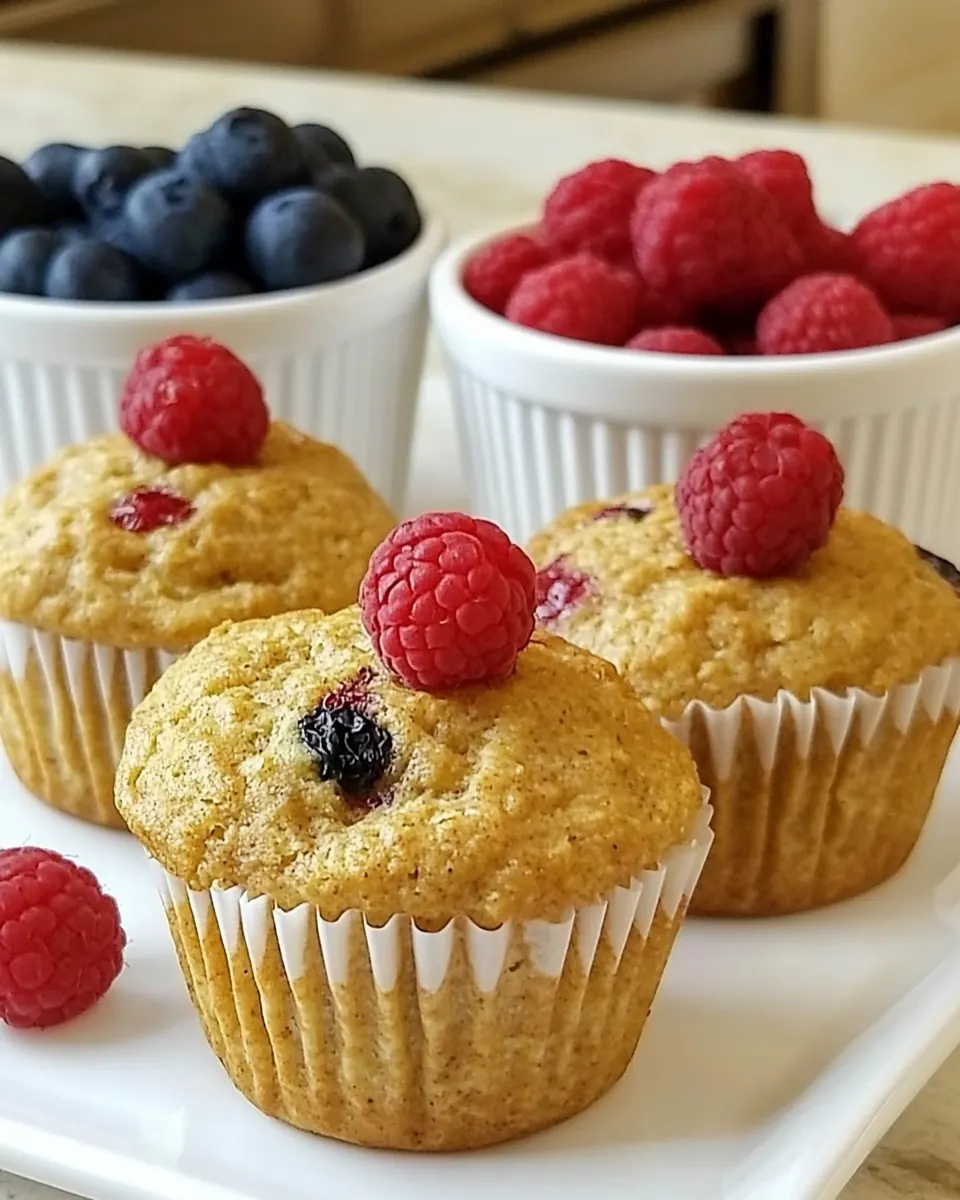
Homemade Master Muffin Mix
Homemade Master Muffin Mix feels like the kind of pantry secret I tuck into handwritten recipe cards and pass to friends on rainy afternoons.
I first developed this mix while trying to simplify weekend mornings, when the house smelled like warm batter and the kids were still half asleep. I wanted a reliable base that let me improvise with what I had on hand, so I measured, tested, and adjusted until the texture was tender yet sturdy enough to hold juicy fruit or a scattering of spice. Over time this mix became my go to because it saved time without sacrificing that homemade touch.
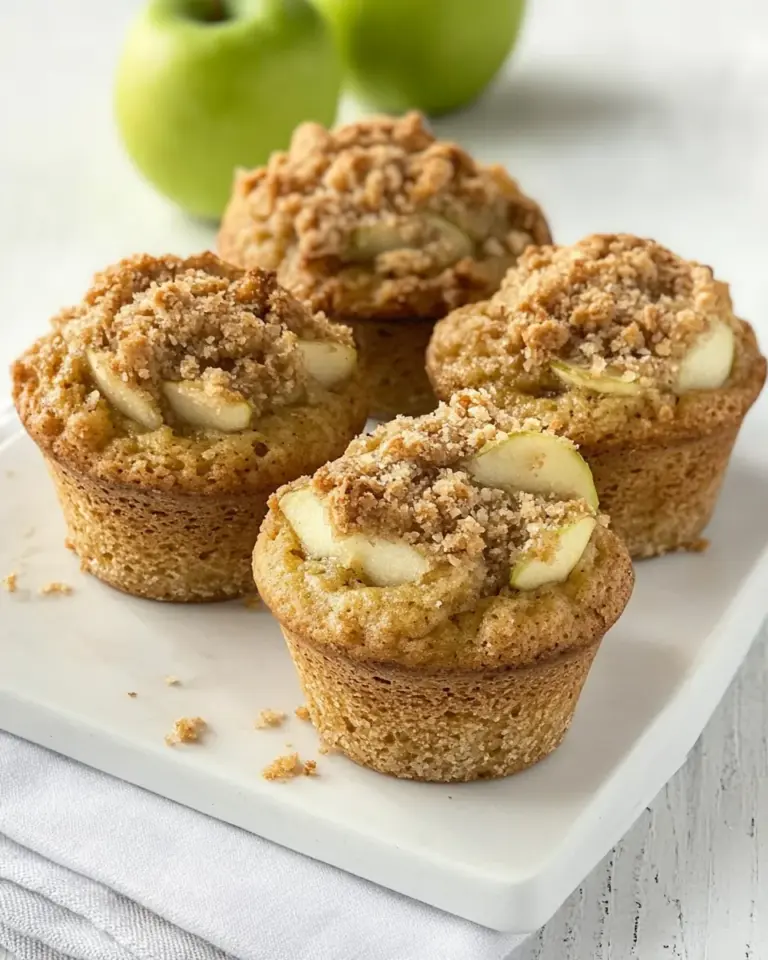
On one particularly hectic morning I prepped a batch the night before, and by sunrise I was folding in dried cranberries and a hit of cinnamon. The muffins came out with browned tops, a slightly crackled crown, and a soft, crumbly interior that kept everyone reaching for more. That memory is stamped into the recipe for me, and it’s why I love having a jar of this mix on the shelf.
Recipe Snapshot
37 mins
15 mins
22 mins
Medium
200 kcal
American
Gluten-Free, Vegan
Breakfast
Mixing bowl, Pastry blender, Muffin pan, Muffin liners, Measuring cups
Why Try This Homemade Master Muffin Mix
Reliable Convenience
I love how the Homemade Master Muffin Mix turns a busy morning into something calm. Having a preblended dry mix means I can move from cupboard to oven in minutes, and I still get a fresh baked aroma that fills the kitchen. It saves time, reduces measuring mistakes, and makes weekday baking approachable.
Customizable Flavor
One of the best parts is flexibility. Once you have the base, you can personalize each batch depending on what you crave. I often add spices or fruit and the muffin texture holds up well, giving you a consistent crumb whether you fold in fresh berries or dried fruit.
Great for Gifting and Prep
I find this mix is perfect for gifting, stashed in mason jars with simple instructions. It also keeps well, which means I can make large batches ahead and pull together muffins for unexpected guests. That practicality makes it a staple in my kitchen rotation.
Balanced Ingredients for Texture
The ratio of flour, baking powder, and a moderate amount of oil produces muffins that are tender yet not greasy. The mix is forgiving, so small differences in liquid or stirring technique won’t ruin the final product. That reliability is why I reach for it when I want something comforting without fuss.
Perfect Crumb and Hold
Because the mix was designed to be mixed with milk and an egg at baking time, it yields a muffin with a moist interior and a nicely domed top. I appreciate that the structure is sturdy enough to support add ins like dried cranberries, and it slices well for breakfast sandwiches if you want to get creative.
Recipe Ingredients for Homemade Master Muffin Mix
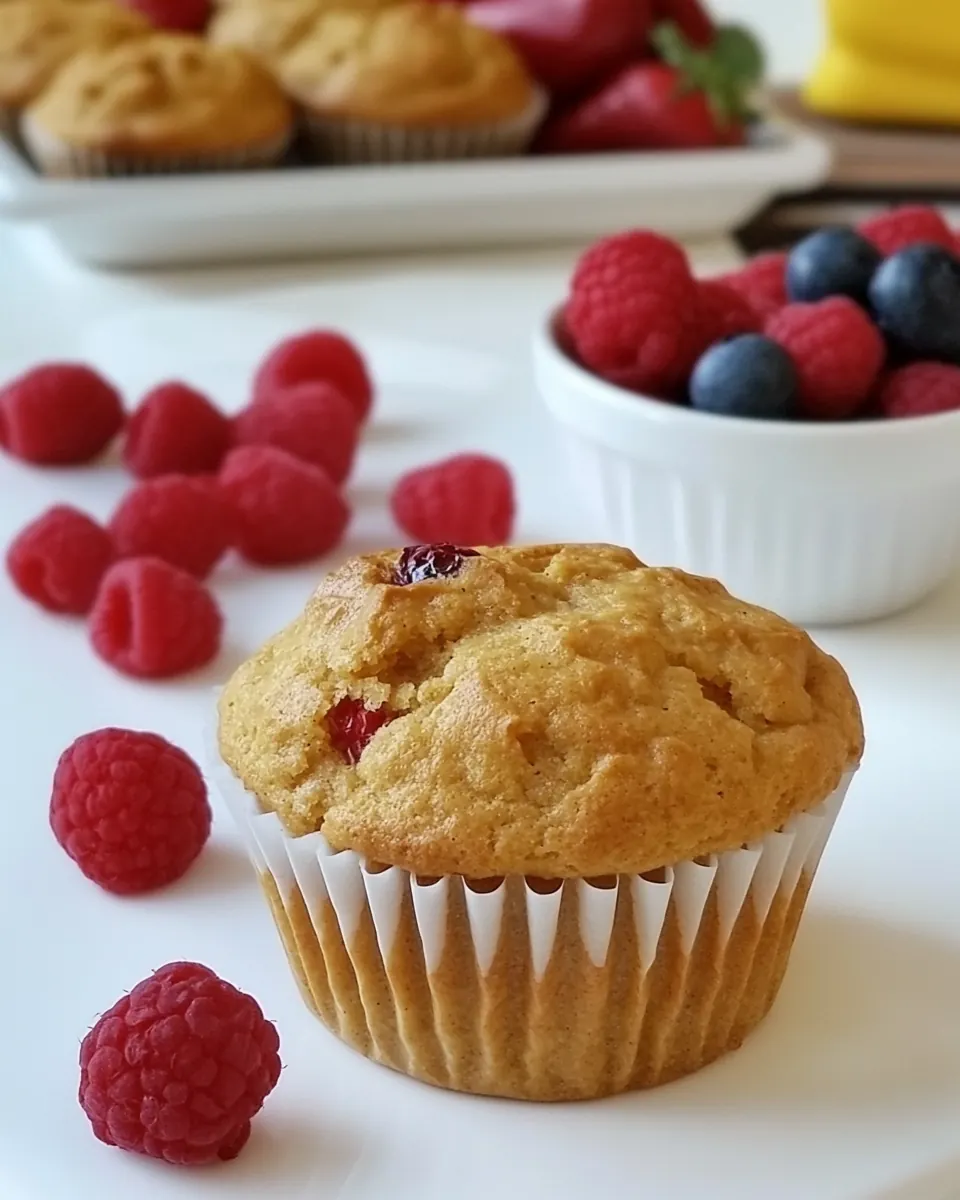
The philosophy behind these ingredients is simple, focused on pantry stability and dependable structure. The dry components form the backbone so you can store a big batch, then add a few wet items when you are ready to bake. The key players are the flour for body, baking powder for lift, and a neutral fat like coconut oil to keep the crumb tender while allowing the mix to sit at room temperature.
- 12 standard cupcake liners: Line cupcake tin with liners to prevent sticking and make muffins easy to remove; liners also provide portion control and neater presentation. Choose standard cupcake liners to match typical muffin tin sizes and ensure even baking.
- 8 cup flour, whole wheat: Provide bulk structure and whole-grain nutrition to the muffins by using whole wheat flour; it contributes fiber and a slightly nutty flavor. Measure carefully and sift if needed to avoid lumps and ensure even distribution with dry leavening agents.
- 1/2 cup coconut sugar: Add natural sweetness and a subtle caramel flavor using coconut sugar; it helps balance tartness from cranberries and enhances browning. Substitute granulated sugar 1:1 if unavailable, and mix with dry ingredients to distribute evenly.
- 5 1/2 tablespoon baking powder: Leaven muffins and create lift by incorporating baking powder; it reacts with moisture and heat to produce a light, tender crumb. Use the measured amount precisely to avoid over-rising or a metallic aftertaste.
- 3 teaspoons salt: Enhance overall flavor and balance sweetness by adding salt; it also strengthens gluten structure and improves dough handling. Dissolve or mix thoroughly with dry ingredients to ensure consistent seasoning.
- 1 cup coconut oil: Provide richness and moisture through coconut oil, contributing a subtle tropical aroma and tender texture; it can be melted or softened for easier mixing. Use as the fat component to improve shelf life and mouthfeel of the muffins.
- 1 cup milk: Tenderize the crumb and add moisture using milk; it hydrates dry ingredients and helps dissolve sugar and salt. Use room-temperature milk for better emulsion with fats and eggs, promoting uniform texture.
- 1 large egg: Bind ingredients together and add lift by incorporating a large egg; it contributes protein for structure and helps trap air during baking. Beat or whisk slightly before adding to ensure even distribution throughout the batter.
- 1/2 teaspoon nutmeg: Add warm, aromatic depth with nutmeg; use sparingly to avoid overpowering other flavors and to complement cinnamon and cranberries. Grind fresh if possible for the brightest spice flavor and mix with dry ingredients.
- 1 teaspoon cinnamon: Introduce warm, sweet-spicy flavor with cinnamon to complement whole wheat and cranberries; it enhances overall aroma and perceived sweetness. Combine with other spices in the dry mix for even flavor distribution.
- 3/4 cup cranberries, dried, sweetened: Contribute chewy texture and tart-sweet bursts using sweetened dried cranberries; they balance the nutty whole wheat and add visual appeal. Fold gently into batter to prevent sinking and ensure even fruit distribution.
Putting Together Homemade Master Muffin Mix
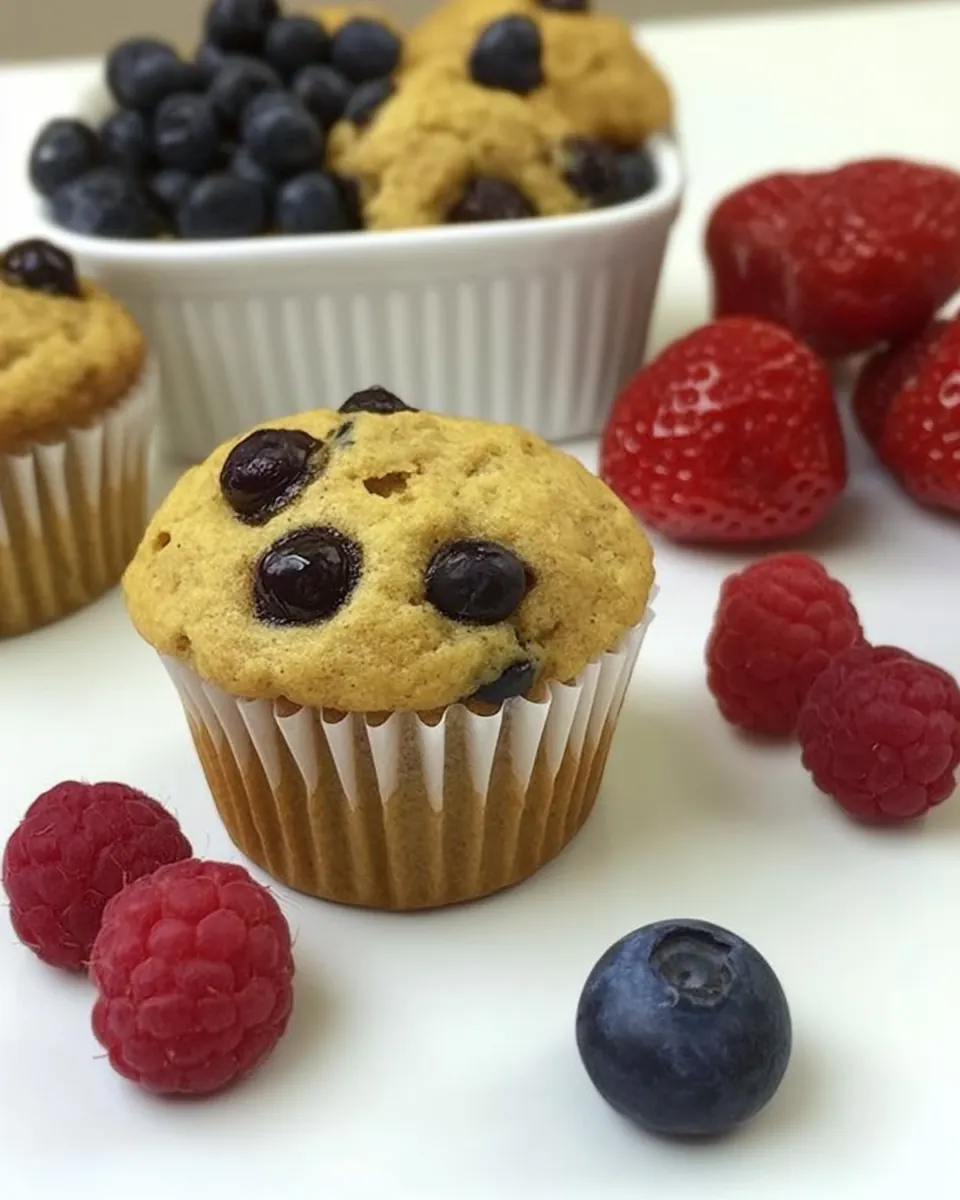
Bringing this mix to life is a satisfying ritual. Below I expand each direction into thoughtful steps that guide your senses and help you avoid common pitfalls. Follow them and you will end up with consistently great muffins.
- Mix together dry ingredients. Use a pastry blender to cut in the solid coconut oil until well incorporated (same as you would with shortening).: You will notice the aroma of the coconut oil become gentle as you work it into the dry flour , and the texture changes from powdery to a sandy, crumb like mixture, which is the visual cue you are aiming for. The sound of the pastry blender shifting through the bowl is subtle, and you should see small pea sized bits of oil coated in the flour, which helps produce a tender crumb. This technique prevents large pockets of fat that would otherwise create greasy muffins, and it ensures the liquid you add later disperses evenly. A common mistake is overworking the mix so the oil melts from your hands, which can make the crumb heavy; keep your hands cool and work quickly.
- Store your mix at or below room temperature (any warmer and the coconut oil will become soft and liquid. If you live in a very warm climate, storing in the fridge is probably best). Makes about 10 cups of mix.: After combining, the packable texture should hold without clumping if kept cool, and you will notice the mix stays loose rather than congealing. The smell remains mildly nutty from the flour , and the shelf stability is excellent when stored properly, which is why I recommend a cool, dry place. If the environment is warm and the oil softens, the mix can cake and lose its aeration, which will reduce lift at bake time. Avoid storing near the stove or sunlight and seal it airtight to keep moisture out.
- When you are ready to make muffins: Preheat oven 400°F. Place liners into muffin pan.: Preheat oven 400°F. Place liners into muffin pan. : You will feel the immediate change as you set the oven temperature and hear the fan or element click on, creating a warm, anticipatory hum. Preheating ensures the batter meets an immediate hot environment, which jumpstarts rise and produces a crisp top. The visual cue for a properly preheated oven is an even, steady heat reading and no cold spots when you briefly open the door. A common error is skipping full preheat, which leads to pale, unevenly risen muffins; wait until the oven reaches the correct temperature.
- Preheat oven 400°F. Place liners into muffin pan.: At this stage the muffin tins should feel cool to the touch and the liners should sit flush in each cavity, ready to receive batter. The repetition emphasizes readiness; handling liners gently prevents tearing, and an even arrangement helps muffins bake uniformly. If liners are uneven or wrinkled, they can cause irregular baking, so smooth them before filling. Avoid overfilling the cups which leads to spilling centers.
- Mix 2 1/3 cup muffin mix together with 1 cup milk and 1 egg, slightly beaten.: When you combine these wet items with the dry mix, listen for the quiet folding sound and watch as the batter comes together into a thick, scoopable texture. The surface should be glossy with gentle ribbons when stirred, indicating a balanced hydration. Mixing just until combined is important to prevent toughness; small streaks of flour are acceptable because the batter will even out while resting briefly. A frequent mistake is vigorous mixing, which activates too much gluten and yields dense muffins, so fold with a gentle hand.
- Add any mix-ins per this chart. (Note: what is included as “optional” in this recipe is what is called for in the current meal plan. For March 12 th, your add ins are cranberries, nutmeg and cinnamon).: what is included as “optional” in this recipe is what is called for in the current meal plan. For March 12 th, your add ins are cranberries, nutmeg and cinnamon). : When you fold in the dried cranberries and spices, inhale the warming scent of cinnamon and nutmeg that lifts from the bowl, a strong indicator of good distribution. The visual contrast of crimson flecks against tan batter tells you the add ins are evenly mixed. Overmixing at this point can break up fruit or cause streaks, so fold gently to keep pockets of flavor intact. A common oversight is adding too many mix ins, which alters batter balance and can cause muffins to collapse.
- Scoop batter into prepared muffin cups, and bake for 20-22 minutes.: As the muffins bake you will notice the kitchen fill with a warm, spiced aroma and the tops turn a golden brown around the edges. The sound is mostly silent, but the visual cues are clear: domed tops, slight cracking, and set centers. Use a toothpick to test doneness, looking for a few moist crumbs rather than wet batter. If you underbake, centers will be gummy; if you overbake, the muffins dry out and become crumbly. Rotate the pan midway if your oven has hot spots, and remove the muffins promptly to cool on a rack so steam does not condense and soften the tops.
Pro Tips and Tweaks
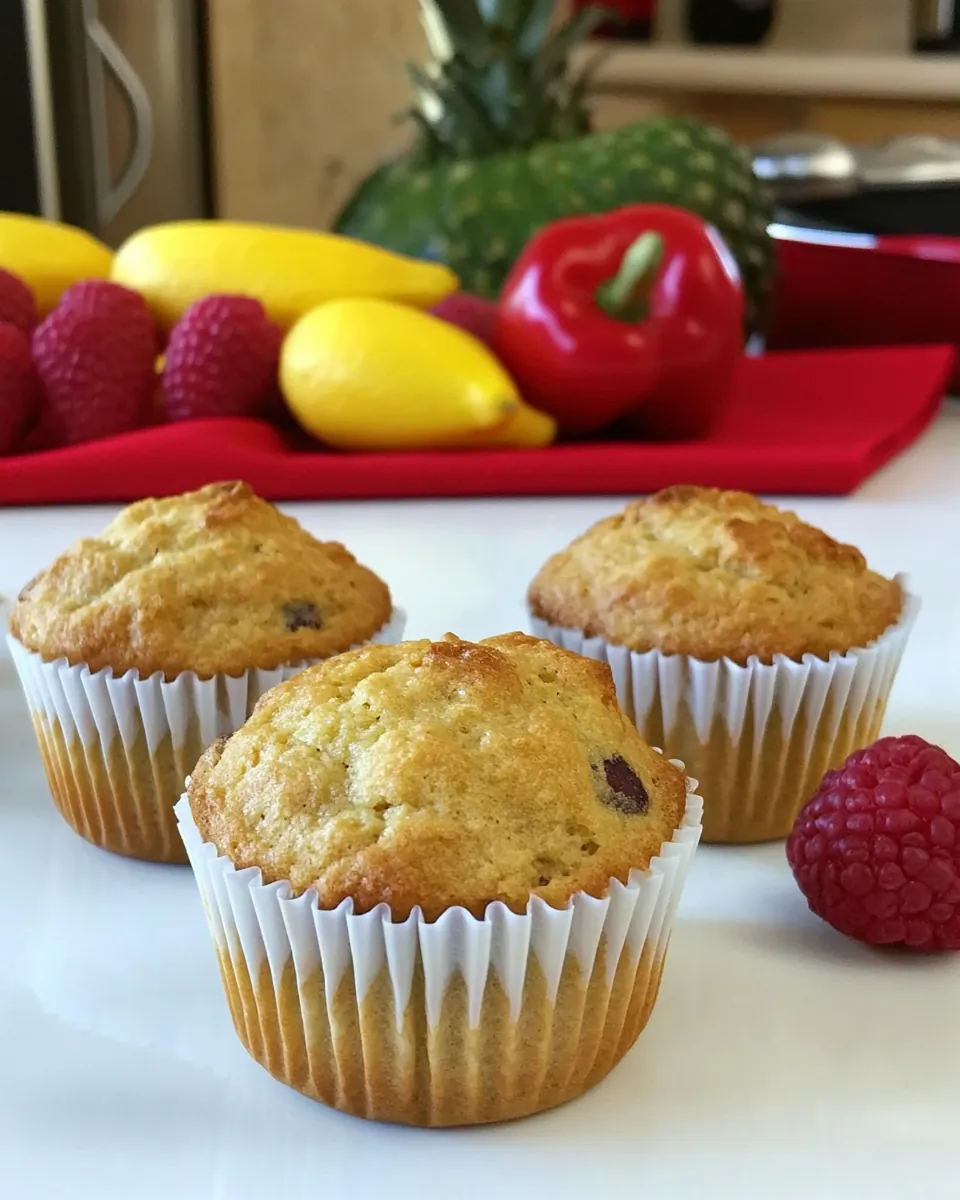
These pro tips help you make the most of a big batch of Homemade Master Muffin Mix. Read them, then pick the few that match your kitchen and schedule.
- Cool Storage: Keep the mix in a sealed jar or container and store it in a cool pantry or fridge in warm climates to prevent the coconut oil from melting and the mix from clumping.
- Measure Carefully: Spoon and level the whole wheat flour when measuring to avoid compacting, which can make the muffins dense rather than tender.
- Room Temperature Wet Ingredients: Use room temperature milk and a slightly warmed egg if possible, which helps the batter emulsify more smoothly and bake evenly.
- Custom Mix ins: Fold in dried cranberries or similar additions last and only until evenly distributed to preserve texture and prevent overmixing.
- Baking Consistency: If muffin tops color too quickly, lower the oven by 10 to 15 degrees and extend bake time slightly to ensure the interiors are fully cooked without burning the tops.
Perfect Matches for Homemade Master Muffin Mix
This mix pairs beautifully with simple, comforting accompaniments and suits many occasions. Below I outline serving ideas, storage tips, and occasions where these muffins shine, presented as a list for easy scanning.
- Breakfast Spread: Serve warm with a pat of butter or a smear of jam for a classic morning option that pairs well with coffee or tea.
- Brunch Table: Arrange on a platter alongside fruit and yogurt for a casual brunch; the whole wheat base provides a hearty counterpoint to lighter items.
- Snack Packs: Wrap individual muffins for school or work snacks; they travel well and stay moist for a day when stored in airtight containers.
- Meal Prep: Make a double batch of mix and portion it into jars to accelerate weekday baking, then combine with wet ingredients when needed.
- Seasonal Variations: In cooler months emphasize spices like cinnamon and nutmeg, while in warmer months you may prefer fruit forward additions for brightness.
- Occasions: Great for casual gatherings, potlucks, or Ramadan if you need an easy baked item to break a fast with something wholesome and not overly sweet.
- Storage Tips: Store finished muffins in an airtight container for up to two days at room temperature, or freeze them individually for longer keeping and thaw as needed.
FAQ
Conclusion
The Homemade Master Muffin Mix stands out for its convenience, versatility, and reliably comforting results. It protects busy mornings and gifts alike by transforming pantry staples into warm, tender muffins with minimal effort. Try making a jar for your shelf this weekend, and you will be surprised how often you reach for it when you want fresh baked goodness without the fuss. I hope you enjoy the ritual of folding in your favorite add ins and sharing the results with people you care about.
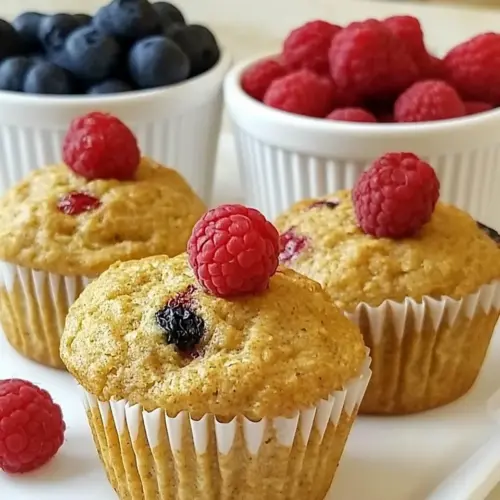
Homemade Master Muffin Mix
Equipment
- Mixing Bowl
- Pastry blender
- Muffin Pan
- Muffin liners
- Measuring Cups
Ingredients
- 12 standard cupcake liners Line cupcake tin with liners to prevent sticking and make muffins easy to remove; liners also provide portion control and neater presentation. Choose standard cupcake liners to match typical muffin tin sizes and ensure even baking.
- 8 cup flour, whole wheat Provide bulk structure and whole-grain nutrition to the muffins by using whole wheat flour; it contributes fiber and a slightly nutty flavor. Measure carefully and sift if needed to avoid lumps and ensure even distribution with dry leavening agents.
- 1/2 cup coconut sugar Add natural sweetness and a subtle caramel flavor using coconut sugar; it helps balance tartness from cranberries and enhances browning. Substitute granulated sugar 1:1 if unavailable, and mix with dry ingredients to distribute evenly.
- 5 1/2 tablespoon baking powder Leaven muffins and create lift by incorporating baking powder; it reacts with moisture and heat to produce a light, tender crumb. Use the measured amount precisely to avoid over-rising or a metallic aftertaste.
- 3 teaspoons salt Enhance overall flavor and balance sweetness by adding salt; it also strengthens gluten structure and improves dough handling. Dissolve or mix thoroughly with dry ingredients to ensure consistent seasoning.
- 1 cup coconut oil Provide richness and moisture through coconut oil, contributing a subtle tropical aroma and tender texture; it can be melted or softened for easier mixing. Use as the fat component to improve shelf life and mouthfeel of the muffins.
- 1 cup milk Tenderize the crumb and add moisture using milk; it hydrates dry ingredients and helps dissolve sugar and salt. Use room-temperature milk for better emulsion with fats and eggs, promoting uniform texture.
- 1 large egg Bind ingredients together and add lift by incorporating a large egg; it contributes protein for structure and helps trap air during baking. Beat or whisk slightly before adding to ensure even distribution throughout the batter.
- 1/2 teaspoon nutmeg Add warm, aromatic depth with nutmeg; use sparingly to avoid overpowering other flavors and to complement cinnamon and cranberries. Grind fresh if possible for the brightest spice flavor and mix with dry ingredients.
- 1 teaspoon cinnamon Introduce warm, sweet-spicy flavor with cinnamon to complement whole wheat and cranberries; it enhances overall aroma and perceived sweetness. Combine with other spices in the dry mix for even flavor distribution.
- 3/4 cup cranberries, dried, sweetened Contribute chewy texture and tart-sweet bursts using sweetened dried cranberries; they balance the nutty whole wheat and add visual appeal. Fold gently into batter to prevent sinking and ensure even fruit distribution.
Instructions
- Mix together dry ingredients. Use a pastry blender to cut in the solid coconut oil until well incorporated (same as you would with shortening).: You will notice the aroma of the coconut oil become gentle as you work it into the dry flour , and the texture changes from powdery to a sandy, crumb like mixture, which is the visual cue you are aiming for. The sound of the pastry blender shifting through the bowl is subtle, and you should see small pea sized bits of oil coated in the flour, which helps produce a tender crumb. This technique prevents large pockets of fat that would otherwise create greasy muffins, and it ensures the liquid you add later disperses evenly. A common mistake is overworking the mix so the oil melts from your hands, which can make the crumb heavy; keep your hands cool and work quickly.
- Store your mix at or below room temperature (any warmer and the coconut oil will become soft and liquid. If you live in a very warm climate, storing in the fridge is probably best). Makes about 10 cups of mix.: After combining, the packable texture should hold without clumping if kept cool, and you will notice the mix stays loose rather than congealing. The smell remains mildly nutty from the flour , and the shelf stability is excellent when stored properly, which is why I recommend a cool, dry place. If the environment is warm and the oil softens, the mix can cake and lose its aeration, which will reduce lift at bake time. Avoid storing near the stove or sunlight and seal it airtight to keep moisture out.
- When you are ready to make muffins: Preheat oven 400°F. Place liners into muffin pan.: Preheat oven 400°F. Place liners into muffin pan. : You will feel the immediate change as you set the oven temperature and hear the fan or element click on, creating a warm, anticipatory hum. Preheating ensures the batter meets an immediate hot environment, which jumpstarts rise and produces a crisp top. The visual cue for a properly preheated oven is an even, steady heat reading and no cold spots when you briefly open the door. A common error is skipping full preheat, which leads to pale, unevenly risen muffins; wait until the oven reaches the correct temperature.
- Preheat oven 400°F. Place liners into muffin pan.: At this stage the muffin tins should feel cool to the touch and the liners should sit flush in each cavity, ready to receive batter. The repetition emphasizes readiness; handling liners gently prevents tearing, and an even arrangement helps muffins bake uniformly. If liners are uneven or wrinkled, they can cause irregular baking, so smooth them before filling. Avoid overfilling the cups which leads to spilling centers.
- Mix 2 1/3 cup muffin mix together with 1 cup milk and 1 egg, slightly beaten.: When you combine these wet items with the dry mix, listen for the quiet folding sound and watch as the batter comes together into a thick, scoopable texture. The surface should be glossy with gentle ribbons when stirred, indicating a balanced hydration. Mixing just until combined is important to prevent toughness; small streaks of flour are acceptable because the batter will even out while resting briefly. A frequent mistake is vigorous mixing, which activates too much gluten and yields dense muffins, so fold with a gentle hand.
- Add any mix-ins per this chart. (Note: what is included as “optional” in this recipe is what is called for in the current meal plan. For March 12 th, your add ins are cranberries, nutmeg and cinnamon).: what is included as “optional” in this recipe is what is called for in the current meal plan. For March 12 th, your add ins are cranberries, nutmeg and cinnamon). : When you fold in the dried cranberries and spices, inhale the warming scent of cinnamon and nutmeg that lifts from the bowl, a strong indicator of good distribution. The visual contrast of crimson flecks against tan batter tells you the add ins are evenly mixed. Overmixing at this point can break up fruit or cause streaks, so fold gently to keep pockets of flavor intact. A common oversight is adding too many mix ins, which alters batter balance and can cause muffins to collapse.
- Scoop batter into prepared muffin cups, and bake for 20-22 minutes.: As the muffins bake you will notice the kitchen fill with a warm, spiced aroma and the tops turn a golden brown around the edges. The sound is mostly silent, but the visual cues are clear: domed tops, slight cracking, and set centers. Use a toothpick to test doneness, looking for a few moist crumbs rather than wet batter. If you underbake, centers will be gummy; if you overbake, the muffins dry out and become crumbly. Rotate the pan midway if your oven has hot spots, and remove the muffins promptly to cool on a rack so steam does not condense and soften the tops.
Notes
- Cool Storage: Keep the mix in a sealed jar or container and store it in a cool pantry or fridge in warm climates to prevent the coconut oil from melting and the mix from clumping.
- Measure Carefully: Spoon and level the whole wheat flour when measuring to avoid compacting, which can make the muffins dense rather than tender.
- Room Temperature Wet Ingredients: Use room temperature milk and a slightly warmed egg if possible, which helps the batter emulsify more smoothly and bake evenly.
- Custom Mix ins: Fold in dried cranberries or similar additions last and only until evenly distributed to preserve texture and prevent overmixing.
- Baking Consistency: If muffin tops color too quickly, lower the oven by 10 to 15 degrees and extend bake time slightly to ensure the interiors are fully cooked without burning the tops.