Applesauce Cake
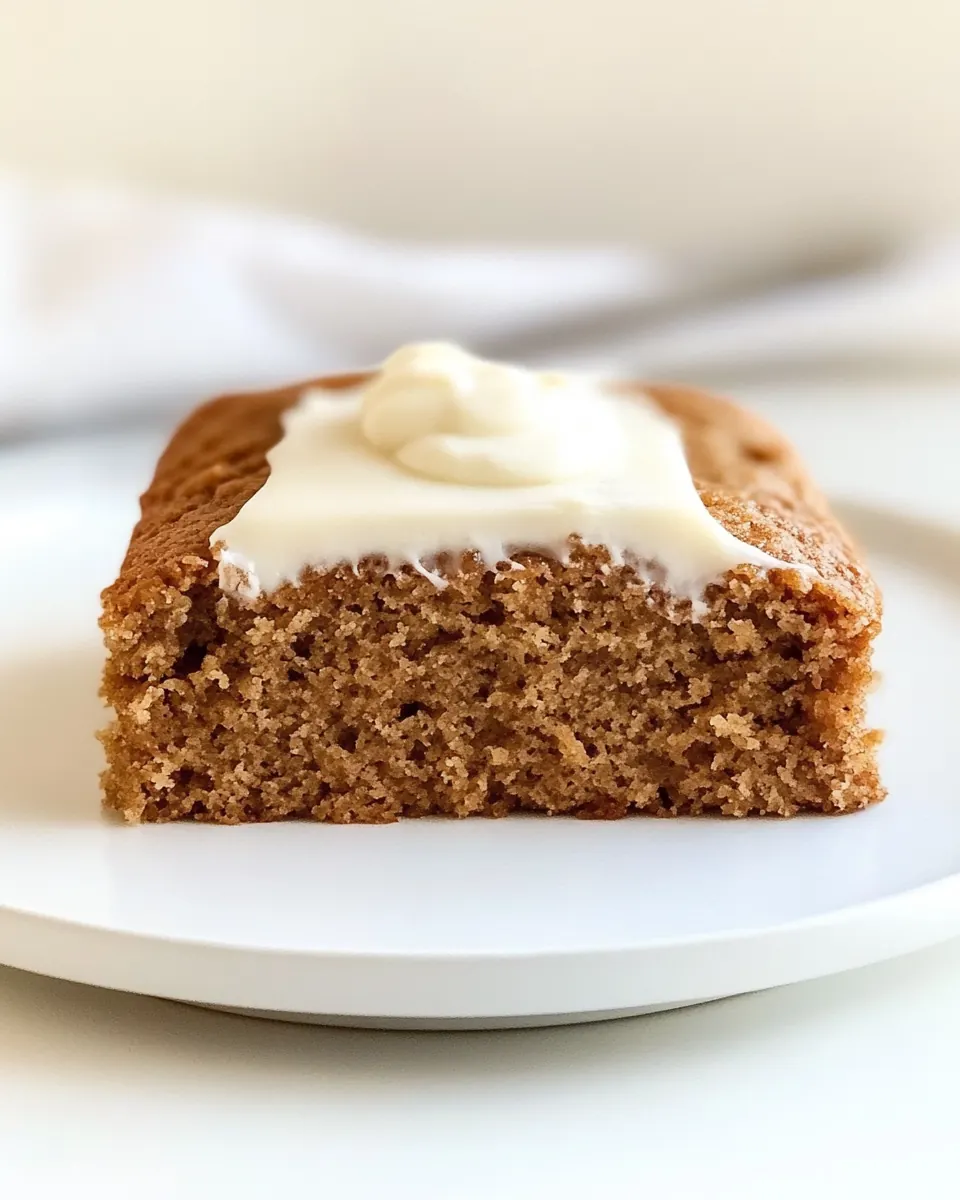
Applesauce Cake is one of those recipes that feels like a warm note passed from one kitchen to another, a humble square of comfort that always brings people together. I first fell for this cake on a rainy afternoon when I had a jar of unsweetened applesauce and a craving for something lightly spiced, not overly sweet, and easy to pull together. The texture surprised me then, soft and tender, with a gentle crumb that tasted like autumn in every bite.
Since that day I’ve adapted the recipe to celebrate pantry staples and simple swaps that keep the cake moist and naturally sweet. I love how the applesauce stands in for oil without drying the crumb out, and how oat flour gives it a rustic, comforting mouthfeel. When friends ask for a dessert that travels well, this is what I bring: it slices neatly, pairs perfectly with coffee, and even holds up as a snack in a lunchbox. I tend to top it with toasted walnuts when I want crunch, or a light cream cheese frosting when the occasion calls for something a bit fancier.
What I appreciate most is how forgiving the recipe is, especially on busy days. You can whisk the batter by hand, and the cake still turns out with a golden top and a tender interior. Over the years I’ve learned a few small habits that make the results consistently good, and I enjoy sharing those practical tricks so you can recreate that same cozy, aromatic experience in your own kitchen.
Recipe Snapshot
45 mins
15 mins
30 mins
Medium
180 kcal
American
Gluten-Free, Paleo
Desserts
8-inch square baking pan, Parchment paper, Mixing bowl, Whisk
Why This Applesauce Cake Works
Comforting texture without fuss
I adore how Applesauce Cake delivers a soft, moist crumb while staying effortless. The oat flour creates a tender, slightly chewy texture that feels homey, and the applesauce keeps the cake naturally moist, so you do not need heavy oils or a complicated technique to get great results. I find this particularly appealing when I want dessert that is relaxed but reliably good.
Bright, warm spice profile
The combination of ground cinnamon with the apple notes brings warmth without overpowering sweetness. I often notice the scent first, a cozy aroma that fills the kitchen and signals comfort. This spice mix complements the applesauce and maple syrup, giving each bite a layered flavor that tastes thoughtful yet simple.
Pantry friendly and flexible
This recipe uses ingredients I usually have on hand, which is why it has become a go to for me on busy evenings. With modest swaps like certified gluten free oat flour or a different nut topping, it adapts to dietary needs and preferences. I appreciate how it invites creativity without being fussy.
Great for gatherings and everyday moments
Slice it into squares for a potluck, or keep it simple for an afternoon coffee break. The cake travels well, stores easily, and still tastes fresh the next day when refrigerated. I like to bring it to casual get togethers because it suits many occasions, from a quiet morning to an informal holiday table.
Simple technique, striking results
The recipe rewards gentle mixing and mindful baking rather than precision baking equipment. I love that small touches like pressing parchment into the pan and checking the center for firmness make a big difference. These practical choices help you achieve a golden top and tender center every time.
What You’ll Need for Applesauce Cake
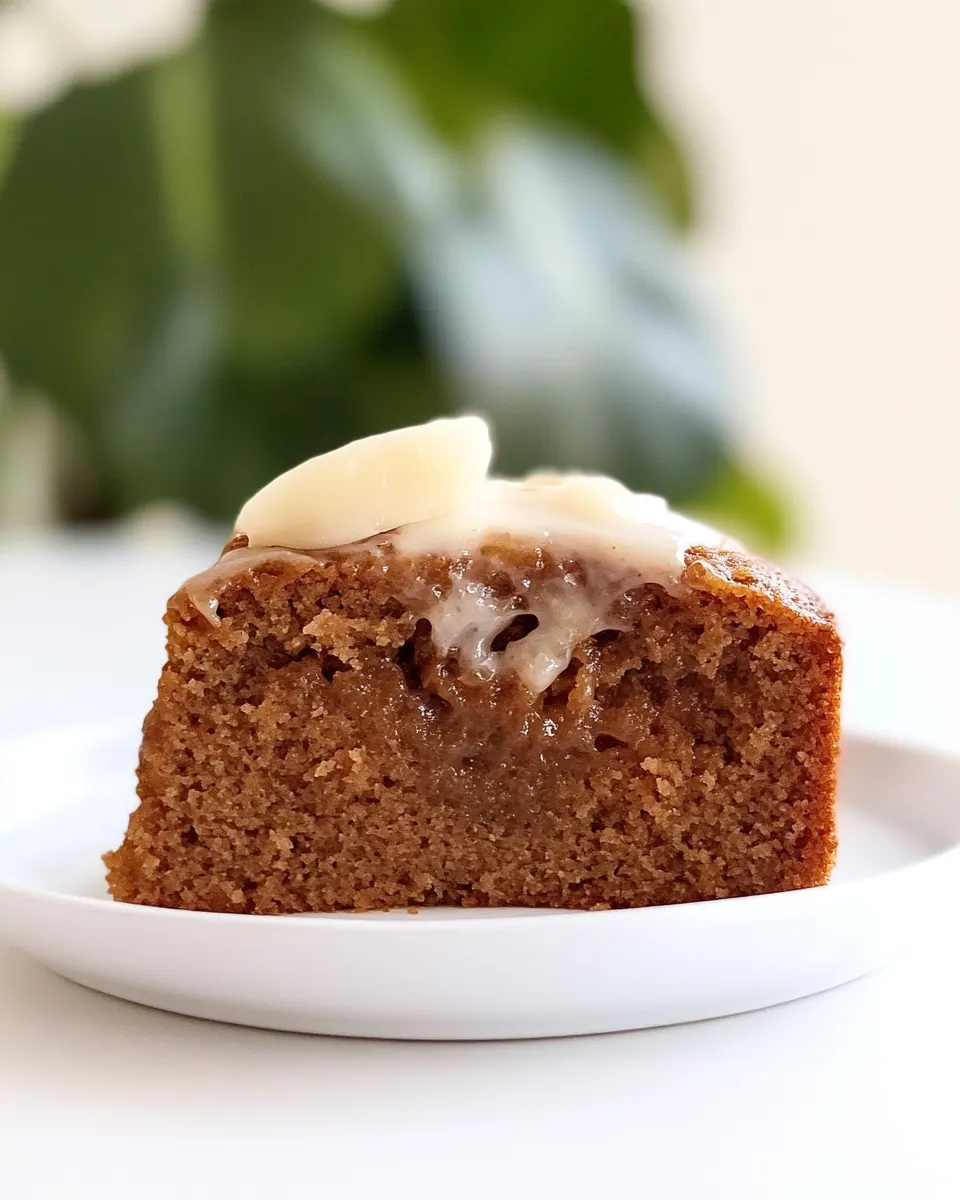
These ingredients are chosen for harmony and simplicity. The oat flour forms a tender, wholesome base while baking powder gives the cake a gentle lift. Ground cinnamon and a pinch of fine sea salt balance the sweetness from the applesauce and maple syrup. The eggs provide structure and richness, while a touch of avocado oil keeps the crumb silky. Finally, the optional chopped walnuts add texture and a toasty finish.
- 1 1/4 cups oat flour (see notes): Provide structure and a tender crumb by supplying gluten-free body; oat flour absorbs moisture and contributes a mild, slightly nutty flavor that complements applesauce. Ensure it is measured properly and sifted if clumpy to avoid dense spots in the cake.
- 2 teaspoons baking powder: Leaven the batter and create lift so the cake rises evenly; baking powder reacts with wet ingredients to produce air bubbles during baking. Use fresh powder for best results and distribute it evenly through the dry ingredients to prevent uneven texture.
- 2 teaspoons ground cinnamon: Impart warm, aromatic flavor and depth by adding cinnamon; it enhances the apple profile and balances sweetness. Stir it into the dry mix to ensure consistent spice throughout the cake.
- 1/2 teaspoon fine sea salt: Enhance overall flavor and balance sweetness while strengthening gluten-free structure slightly by improving dough handling; salt also heightens other flavors. Dissolve it evenly in the dry ingredients to avoid salty pockets.
- 1 cup unsweetened applesauce: Provide natural moisture and fruity sweetness while reducing the need for added fats; applesauce keeps the cake tender and moist. Choose unsweetened applesauce to control total sweetness and mix it well with the wet ingredients for uniform texture.
- 3 large eggs: Bind ingredients and contribute lift and richness by incorporating eggs; they help set the crumb and give the cake structure. Beat eggs lightly before adding to ensure even distribution and stable emulsion with wet ingredients.
- 1/2 cup maple syrup: Sweeten naturally and contribute subtle maple flavor while adding moisture; maple syrup dissolves readily into the batter for consistent sweetness. Pour it in with the other wet ingredients and mix gently to avoid overworking the batter.
- 2 tablespoons avocado oil: Add a light, healthy fat that promotes moistness and tenderness without heavy flavor; avocado oil blends smoothly and tolerates baking temperatures well. Measure accurately and whisk into the wet mixture for even incorporation.
- 1 teaspoon vanilla extract: Enhance aroma and provide a background vanilla note that complements apples and maple; vanilla extract rounds out the flavor profile. Add it with the other liquid ingredients so the scent disperses evenly through the batter.
- 1/4 cup chopped walnuts ( topping) (optional): Provide a crunchy, toasty topping option that contrasts the cake’s moist crumb; chopped walnuts add texture and a slightly bitter, nutty flavor. Sprinkle them on top before baking or toast lightly first to intensify flavor and crunch.
Preparation Steps for Applesauce Cake
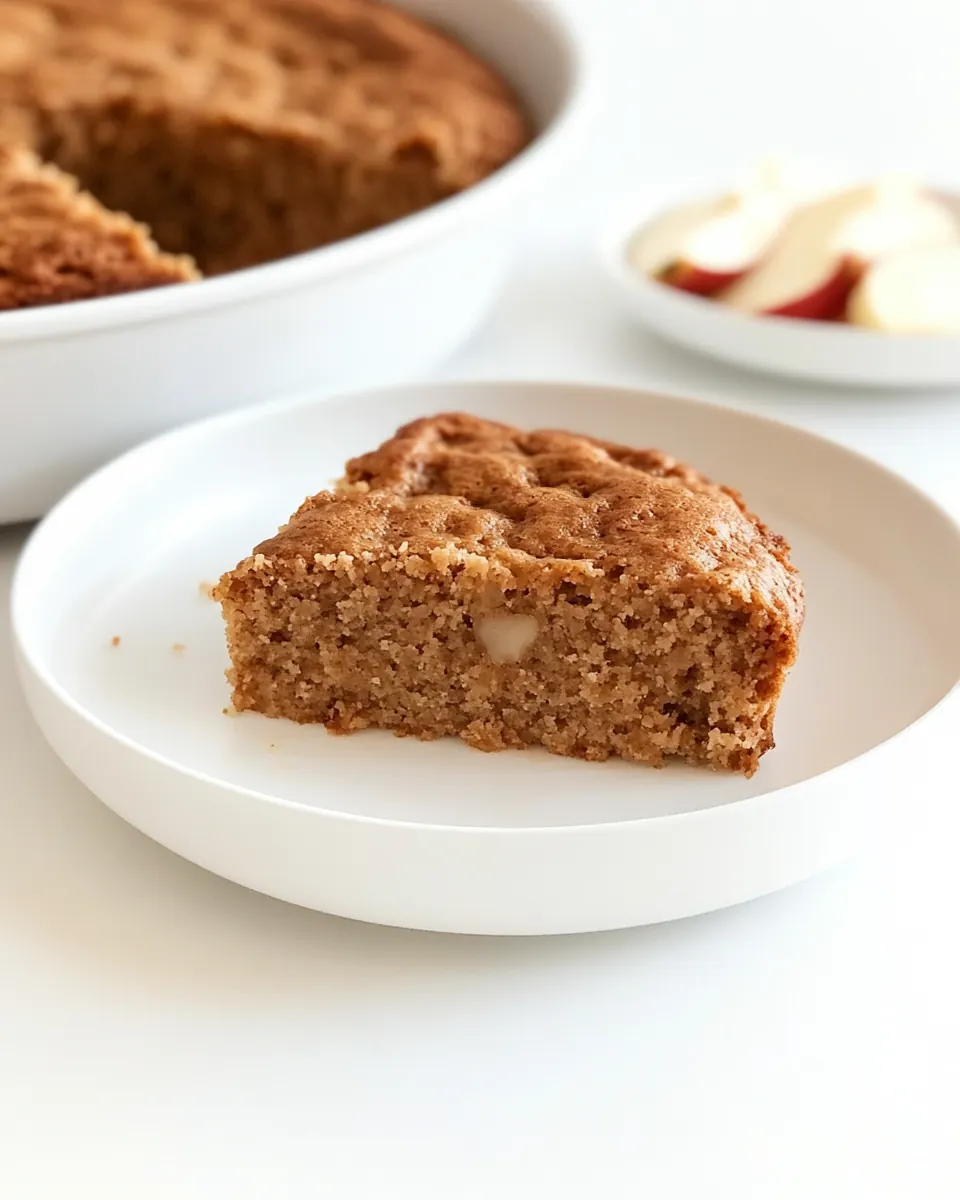
These steps are straightforward and forgiving, but small choices make a big difference. I like to prepare the pan and ingredients in advance so the actual baking process feels calm. Read through each step so you can notice the sensory cues that signal success.
- Preheat the oven to 350ºF and lightly grease an 8-inch square baking pan. Press a piece of parchment paper into the bottom of the pan for easier clean up. (Tip: A metal pan will give you better baking results than a glass or ceramic pan.): You'll smell the faint warmth as the oven comes up to temperature, which helps develop an even bake and a golden top. Proper pan preparation prevents sticking, and parchment gives you a clean release and tidy slices afterward. Using a metal pan encourages crisper edges and a shorter bake time than glass, which stays cooler; watch for a gently domed, lightly browned top. A common mistake is skipping the parchment, which can cause the cake to tear when removed, so take the extra minute to line the pan carefully and lightly grease the sides so the parchment adheres.
- In a large bowl, combine the oat flour, baking powder, cinnamon, and salt. Whisk well to break up any clumps. Add in the applesauce, eggs, maple syrup, avocado oil, and vanilla extract. Whisk again until smooth.: As you whisk the dry ingredients you will notice the flour becoming aerated and the batter smells faintly of spice, which is a good sign of even distribution. Adding the wet ingredients and whisking until smooth creates a glossy, unified batter with no streaks of flour. This blending step matters because it ensures even rise and consistent texture; pockets of powder can create dry spots. A common error is over mixing after adding wet ingredients, which can tighten the texture, so whisk just until uniform and stop when the batter looks smooth and slightly thickened.
- Pour the batter into the prepared pan. Sprinkle chopped walnuts over the top, if you like. (Chopped apple would also be nice!) Bake at 350ºF for 30 minutes, or until the center feels firm to the touch.: Pouring the batter in reveals a batter that is thick but pourable, and you should spread it gently to the corners for even thickness. The walnuts give a visual cue and aroma as they toast; you will hear tiny crackles as they warm. During baking the kitchen will fill with the scent of cinnamon and maple, and the surface should become light golden. The center feeling firm to the touch indicates set crumb, while a wobbly center means it needs more time. Avoid opening the oven repeatedly, as that can drop the temperature and lead to uneven baking.
- Let the cake cool in the pan for at least 30 minutes. Then slice it into 16 squares and serve. Top with cream cheese frosting, if desired. (Recipe in notes) Leftover cake can be stored in an airtight container in the fridge for up to a week. The top of the cake may become sticky if you leave it out at room temperature for a while. (This is normal!): Cooling is where the cake finishes setting, and the residual heat evens out the crumb. After 30 minutes the edges will slightly pull away from the pan, and the surface will have a matte finish rather than shiny. This resting time helps produce clean slices, so resist slicing while it is still warm, which can lead to a gummy texture and crumbly pieces. A common oversight is impatiently cutting too early, which makes the cake fall apart, so plan to let it rest for the recommended time.
- Then slice it into 16 squares and serve. Top with cream cheese frosting, if desired.: When you slice the cake into 16 squares you should feel a slight resistance as the knife passes through the tender crumb, leaving neat edges if cooled properly. Serving it plain showcases the gentle spice and apple notes, while a light cream cheese frosting adds tang and creaminess. If you choose frosting, allow the cake to cool completely, otherwise the frosting can melt and slide. A trap to avoid is adding frosting too soon, which will make it run and create an overly sweet finish rather than a balanced one.
- Leftover cake can be stored in an airtight container in the fridge for up to a week. The top of the cake may become sticky if you leave it out at room temperature for a while.: Stored chilled, the cake retains moisture and the flavors meld for even tastier slices over the following days, though refrigeration can slightly firm the crumb. If you prefer softer slices, bring squares to room temperature before serving, which revives the mouthfeel. Leaving the cake uncovered at room temperature can cause the top to become sticky from the maple and apple sugars; this is normal but can be mitigated by refrigeration. A common mistake is leaving it on the counter uncovered overnight, which can accelerate stickiness and attract humidity, so use an airtight container for best results.
Pro Tips and Tweaks
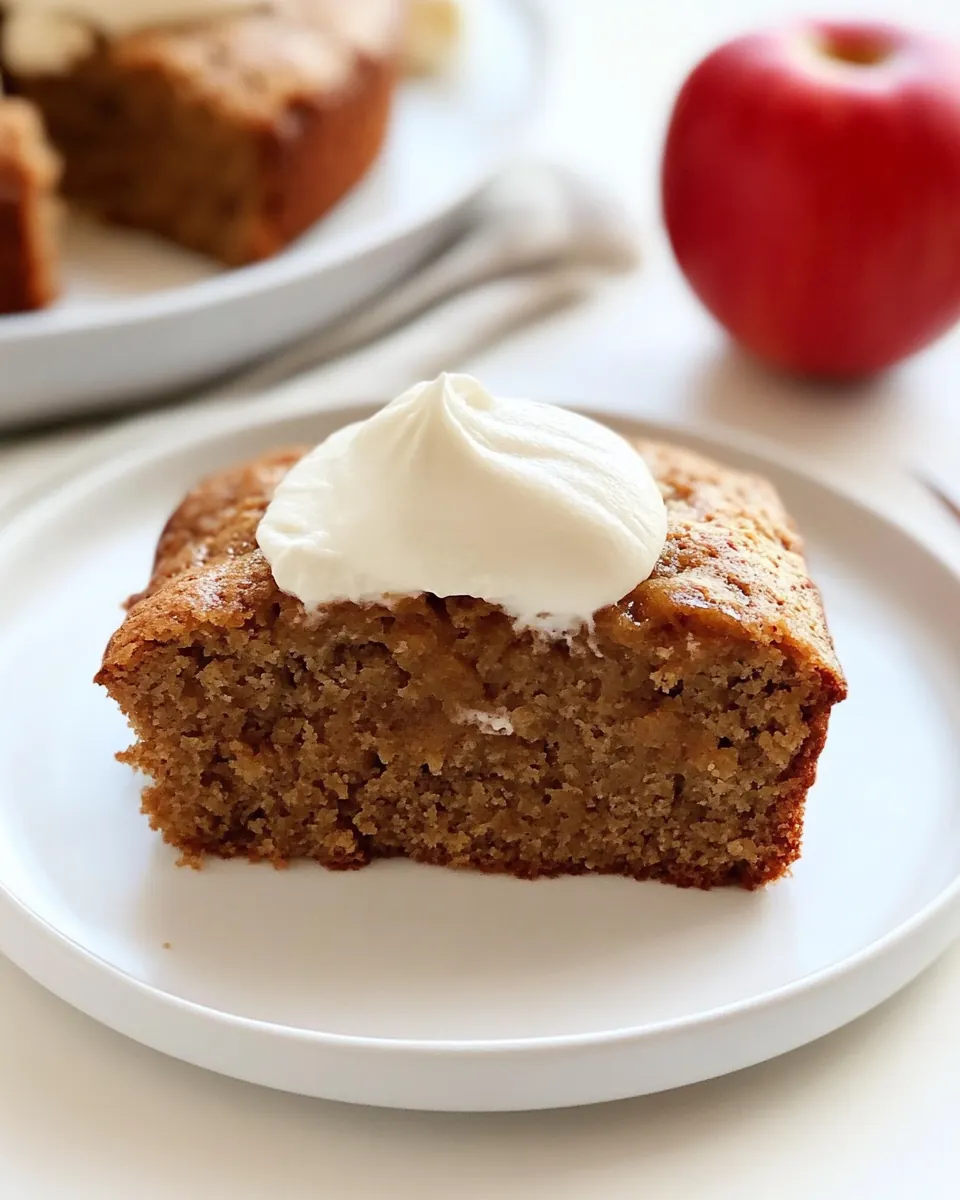
I like to think of these tips as small nudges that make a big difference. They focus on timing, texture, and simple flavor boosts so the cake comes out reliably tender and flavorful.
- Room temperature eggs: Let the eggs sit out for 15 minutes to blend smoothly with the other wet ingredients, which promotes a consistent batter and better rise.
- Fresh baking powder: If your baking powder is older than six months, replace it to ensure the cake lifts properly; stale leavening can result in a dense crumb.
- Do not overmix: Whisk the batter until it is just combined; overworking the oat flour can make the cake gummy or dense rather than tender.
- Toast walnuts first: Briefly toasting the chopped walnuts in a dry pan amplifies their aroma and adds a pleasant crunch to contrast the soft cake.
- Check with touch: Use the gentle press test for doneness; a firm center signals readiness better than strictly following minutes, because oven temperatures vary.
- Store properly: Keep leftovers in an airtight container in the fridge to maintain moisture, and bring to room temperature before serving for the best texture.
Perfect Pairings for Applesauce Cake
This cake is versatile at the table, and small serving choices change the mood. I often pair it with warm beverages for a cozy snack or present it with a light frosting for a casual dessert at gatherings. Here are ways I like to serve it and the occasions that suit each style.
- Morning coffee or tea: Serve a square with a hot cup for a comforting breakfast or brunch option, the gentle sweetness balances well with bitter coffee notes.
- Afternoon snack: Pack a slice in a lunchbox or serve with yogurt for a midday treat, it travels nicely and remains moist when refrigerated.
- Casual potlucks: Cut into 16 even squares so guests can serve themselves; the cake is easy to plate and pairs well with other baked goods.
- Holiday gatherings: Present with a light cream cheese frosting for a slightly elevated dessert that still feels homey and approachable for fall celebrations.
- Serving styles: Offer optional toppings like chopped walnuts for texture or a small dollop of the healthier cream cheese frosting mentioned in the notes for a tangy contrast, while keeping most slices plain for those who prefer less sweetness.
- Storage tip: Refrigerate in an airtight container for up to a week, and bring slices to room temperature before serving to revive the tender crumb and flavor.
- Seasonal pairing: This cake is ideal in fall, when apple flavors feel timely; serve alongside spiced teas or warm cider for an autumnal spread.
FAQ
Conclusion
This Applesauce Cake stands out for its cozy spice, tender oat flour crumb, and effortless technique, making it a welcome addition to your baking rotation. Give it a try when you want a simple dessert that travels well and comforts without fuss. I hope you enjoy the warm aromas and soft texture as much as I do, and that it becomes a go to treat in your home for casual gatherings and quiet afternoons alike.
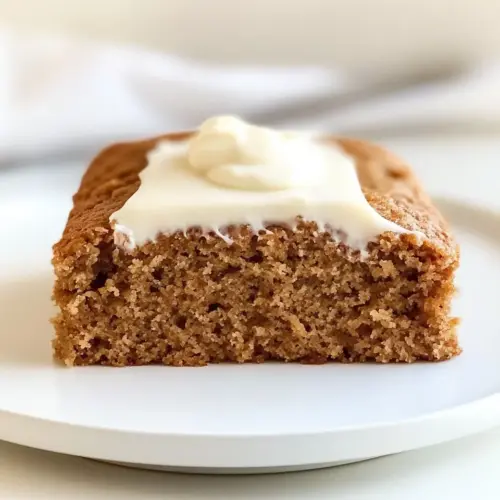
Applesauce Cake
Equipment
- 8-inch square baking pan
- Parchment Paper
- Mixing Bowl
- Whisk
Ingredients
- 1 1/4 cups oat flour (see notes) Provide structure and a tender crumb by supplying gluten-free body; oat flour absorbs moisture and contributes a mild, slightly nutty flavor that complements applesauce. Ensure it is measured properly and sifted if clumpy to avoid dense spots in the cake.
- 2 teaspoons baking powder Leaven the batter and create lift so the cake rises evenly; baking powder reacts with wet ingredients to produce air bubbles during baking. Use fresh powder for best results and distribute it evenly through the dry ingredients to prevent uneven texture.
- 2 teaspoons ground cinnamon Impart warm, aromatic flavor and depth by adding cinnamon; it enhances the apple profile and balances sweetness. Stir it into the dry mix to ensure consistent spice throughout the cake.
- 1/2 teaspoon fine sea salt Enhance overall flavor and balance sweetness while strengthening gluten-free structure slightly by improving dough handling; salt also heightens other flavors. Dissolve it evenly in the dry ingredients to avoid salty pockets.
- 1 cup unsweetened applesauce Provide natural moisture and fruity sweetness while reducing the need for added fats; applesauce keeps the cake tender and moist. Choose unsweetened applesauce to control total sweetness and mix it well with the wet ingredients for uniform texture.
- 3 large eggs Bind ingredients and contribute lift and richness by incorporating eggs; they help set the crumb and give the cake structure. Beat eggs lightly before adding to ensure even distribution and stable emulsion with wet ingredients.
- 1/2 cup maple syrup Sweeten naturally and contribute subtle maple flavor while adding moisture; maple syrup dissolves readily into the batter for consistent sweetness. Pour it in with the other wet ingredients and mix gently to avoid overworking the batter.
- 2 tablespoons avocado oil Add a light, healthy fat that promotes moistness and tenderness without heavy flavor; avocado oil blends smoothly and tolerates baking temperatures well. Measure accurately and whisk into the wet mixture for even incorporation.
- 1 teaspoon vanilla extract Enhance aroma and provide a background vanilla note that complements apples and maple; vanilla extract rounds out the flavor profile. Add it with the other liquid ingredients so the scent disperses evenly through the batter.
- 1/4 cup chopped walnuts (optional topping) Provide a crunchy, toasty topping option that contrasts the cake’s moist crumb; chopped walnuts add texture and a slightly bitter, nutty flavor. Sprinkle them on top before baking or toast lightly first to intensify flavor and crunch.
Instructions
- Preheat the oven to 350ºF and lightly grease an 8-inch square baking pan. Press a piece of parchment paper into the bottom of the pan for easier clean up. (Tip: A metal pan will give you better baking results than a glass or ceramic pan.): You'll smell the faint warmth as the oven comes up to temperature, which helps develop an even bake and a golden top. Proper pan preparation prevents sticking, and parchment gives you a clean release and tidy slices afterward. Using a metal pan encourages crisper edges and a shorter bake time than glass, which stays cooler; watch for a gently domed, lightly browned top. A common mistake is skipping the parchment, which can cause the cake to tear when removed, so take the extra minute to line the pan carefully and lightly grease the sides so the parchment adheres.
- In a large bowl, combine the oat flour, baking powder, cinnamon, and salt. Whisk well to break up any clumps. Add in the applesauce, eggs, maple syrup, avocado oil, and vanilla extract. Whisk again until smooth.: As you whisk the dry ingredients you will notice the flour becoming aerated and the batter smells faintly of spice, which is a good sign of even distribution. Adding the wet ingredients and whisking until smooth creates a glossy, unified batter with no streaks of flour. This blending step matters because it ensures even rise and consistent texture; pockets of powder can create dry spots. A common error is over mixing after adding wet ingredients, which can tighten the texture, so whisk just until uniform and stop when the batter looks smooth and slightly thickened.
- Pour the batter into the prepared pan. Sprinkle chopped walnuts over the top, if you like. (Chopped apple would also be nice!) Bake at 350ºF for 30 minutes, or until the center feels firm to the touch.: Pouring the batter in reveals a batter that is thick but pourable, and you should spread it gently to the corners for even thickness. The walnuts give a visual cue and aroma as they toast; you will hear tiny crackles as they warm. During baking the kitchen will fill with the scent of cinnamon and maple, and the surface should become light golden. The center feeling firm to the touch indicates set crumb, while a wobbly center means it needs more time. Avoid opening the oven repeatedly, as that can drop the temperature and lead to uneven baking.
- Let the cake cool in the pan for at least 30 minutes. Then slice it into 16 squares and serve. Top with cream cheese frosting, if desired. (Recipe in notes) Leftover cake can be stored in an airtight container in the fridge for up to a week. The top of the cake may become sticky if you leave it out at room temperature for a while. (This is normal!): Cooling is where the cake finishes setting, and the residual heat evens out the crumb. After 30 minutes the edges will slightly pull away from the pan, and the surface will have a matte finish rather than shiny. This resting time helps produce clean slices, so resist slicing while it is still warm, which can lead to a gummy texture and crumbly pieces. A common oversight is impatiently cutting too early, which makes the cake fall apart, so plan to let it rest for the recommended time.
- Then slice it into 16 squares and serve. Top with cream cheese frosting, if desired.: When you slice the cake into 16 squares you should feel a slight resistance as the knife passes through the tender crumb, leaving neat edges if cooled properly. Serving it plain showcases the gentle spice and apple notes, while a light cream cheese frosting adds tang and creaminess. If you choose frosting, allow the cake to cool completely, otherwise the frosting can melt and slide. A trap to avoid is adding frosting too soon, which will make it run and create an overly sweet finish rather than a balanced one.
- Leftover cake can be stored in an airtight container in the fridge for up to a week. The top of the cake may become sticky if you leave it out at room temperature for a while.: Stored chilled, the cake retains moisture and the flavors meld for even tastier slices over the following days, though refrigeration can slightly firm the crumb. If you prefer softer slices, bring squares to room temperature before serving, which revives the mouthfeel. Leaving the cake uncovered at room temperature can cause the top to become sticky from the maple and apple sugars; this is normal but can be mitigated by refrigeration. A common mistake is leaving it on the counter uncovered overnight, which can accelerate stickiness and attract humidity, so use an airtight container for best results.
Notes
- Room temperature eggs: Let the eggs sit out for 15 minutes to blend smoothly with the other wet ingredients, which promotes a consistent batter and better rise.
- Fresh baking powder: If your baking powder is older than six months, replace it to ensure the cake lifts properly; stale leavening can result in a dense crumb.
- Do not overmix: Whisk the batter until it is just combined; overworking the oat flour can make the cake gummy or dense rather than tender.
- Toast walnuts first: Briefly toasting the chopped walnuts in a dry pan amplifies their aroma and adds a pleasant crunch to contrast the soft cake.
- Check with touch: Use the gentle press test for doneness; a firm center signals readiness better than strictly following minutes, because oven temperatures vary.
- Store properly: Keep leftovers in an airtight container in the fridge to maintain moisture, and bring to room temperature before serving for the best texture.