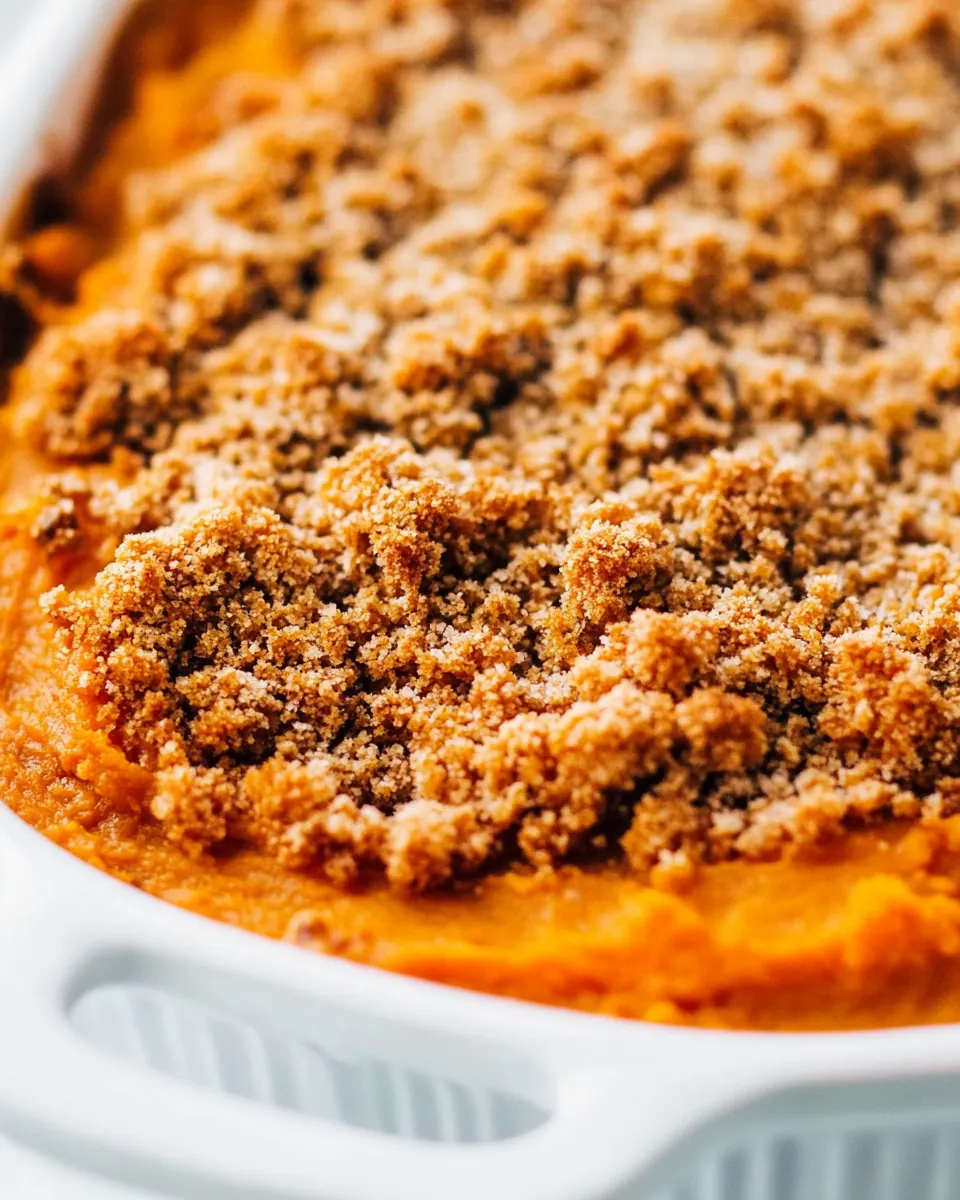
Sweet Potato Casserole
Sweet Potato Casserole is one of those dishes I reach for when I want comfort that feels homemade and a little indulgent, the kind that announces itself the moment it comes out of the oven with cozy spice notes and warm sweetness.
Growing up, this casserole was the recipe my aunt brought to every family gathering, and I can still recall the soft, creamy texture of the mashed sweet potatoes and the satisfying crackle of the streusel topping. Over the years I tweaked the balance of orange juice and spices until it tasted like what I wanted it to be: neither too sweet nor too plain, but perfectly balanced so every forkful felt complete. When I make Sweet Potato Casserole now, I slow down and savor the ritual of scooping the baked flesh from the skins and beating it until it is lush and velvety.
There is also a practical side to this dish that I admire. It stores beautifully, and I love preparing the base ahead of time, then adding the streusel just before baking so the top stays crisp and golden. That trick has saved me on busy holiday afternoons, and I find myself recommending it to friends who want great flavor without last minute stress. Even my neighbor, who rarely bakes, has admitted it makes their house smell like a holiday.
Recipe Snapshot
2 hr 15 mins
30 mins
105 mins
Hard
250 kcal
American
Gluten-Free, Vegan
Side Dishes
9 x 13 inch ceramic baking pan, Large sheet pan (15″ x 21″), Aluminum foil or parchment paper, Hand mixer or stand mixer with whisk attachment
Why This Sweet Potato Casserole Works
Comforting texture and familiar flavors
I love how Sweet Potato Casserole brings together a silky sweet potatoes base with a crunchy streusel, creating a contrast that makes every bite interesting. The cream, butter, and brown sugar fold into the flesh to produce a rich mouthfeel, while the orange brightens the overall profile so it never feels cloying. For me, this mix of textures and balanced sweetness is what keeps guests coming back for seconds.
Easy to scale and prep ahead
One thing I always mention is the dish scales up effortlessly. Because the components are straightforward, you can make the mashed sweet potatoes a few days in advance and keep the streusel separate. That flexibility makes this casserole a go to for holiday planning, and I often prepare it the day before to save time on a busy dinner day.
Family friendly and crowd pleasing
I’ve served Sweet Potato Casserole at weekday dinners and large gatherings, and it hits the right notes with kids and adults alike. The gentle spices, sweet depth from the brown sugar, and creamy texture are universally appealing. I often get compliments on how homey it feels, and that makes me happy as a cook because it’s an easy win.
Reliable technique with forgiving steps
Roasting the sweet potatoes whole concentrates their flavor and makes the flesh easy to mash, and there is some latitude in timings which is great for busy cooks. Even if baking times vary slightly, the outcome is predictable: soft, fragrant potato flesh ready to be whipped into a luscious base. I appreciate recipes with that kind of margin for error.
Textural contrast from a simple streusel
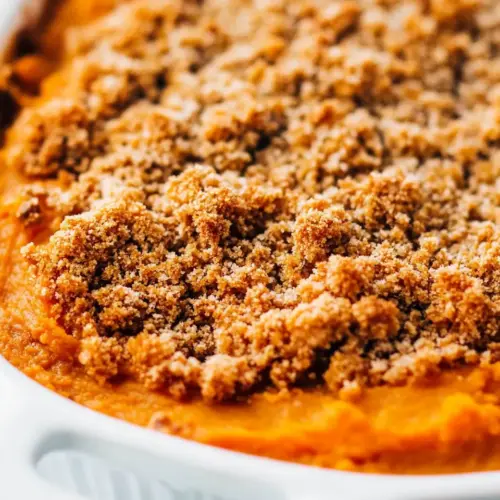
The streusel delivers a golden, crumbly top that complements the smooth sweet potatoes. With just all purpose flour, brown sugar, butter, and a pinch of spice, you get a top that sets beautifully during baking. I love that such a small component can dramatically elevate the finished dish.
Main Ingredients for Sweet Potato Casserole
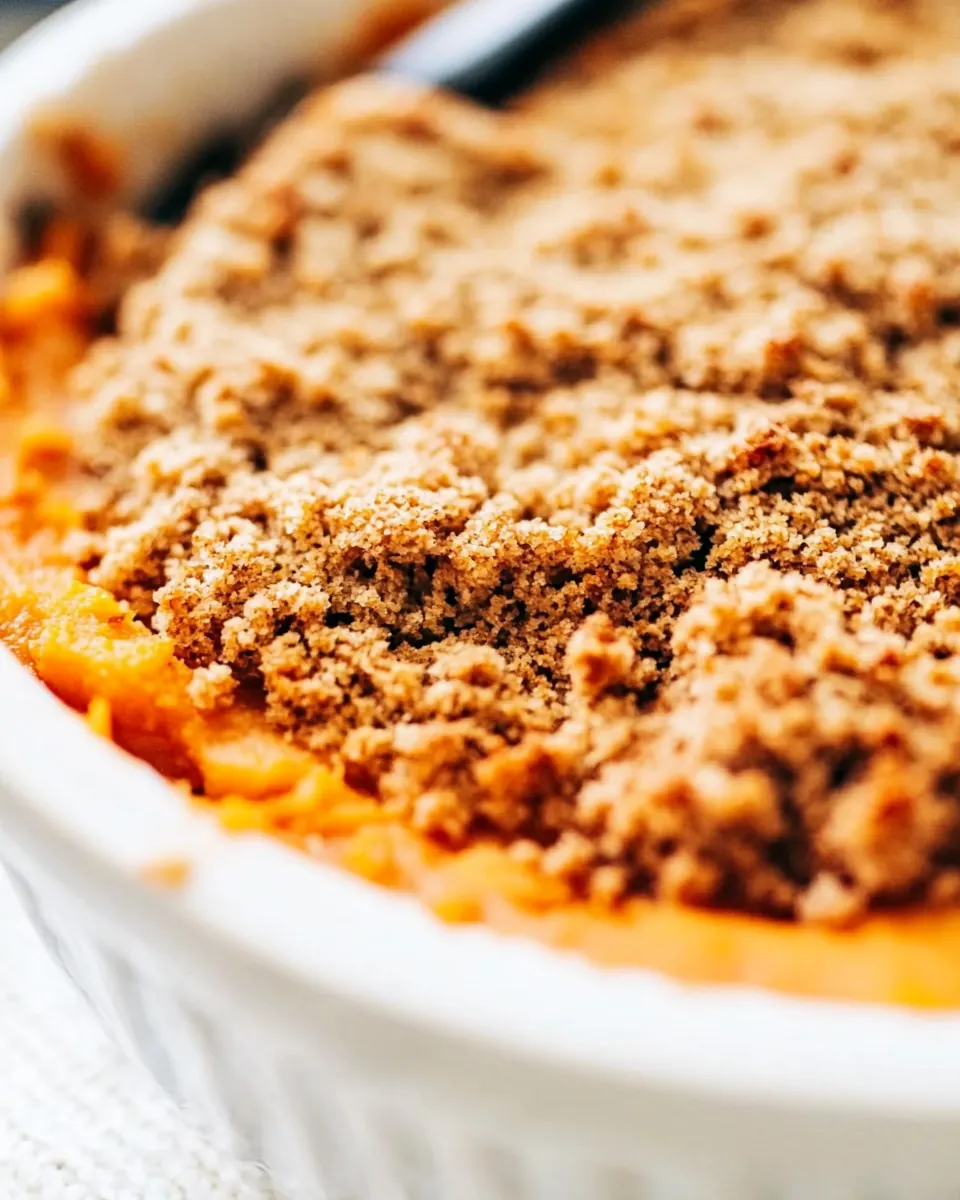
These ingredients work together to make a creamy, comforting casserole that balances sweet, citrus, and warm spice. The mash is the foundation, built on soft, roasted sweet potatoes, enriched with cream and butter, and brightened by orange. The streusel is a crunchy counterpoint using simple pantry staples to create texture and a toasty finish.
- Cooking spray: Lightly coat the baking dish to prevent sticking and help the casserole release cleanly after baking, ensuring even browning around the edges.
- 4 pounds sweet potatoes about 6 large, 5-3/4 cups when mashed: Cook and mash to provide the sweet, creamy base of the casserole; contributes body, moisture, and natural sweetness when combined with dairy and seasonings.
- 1 orange: Zest and juice to add bright citrus aroma and acidity that balances the richness of the potatoes and enhances the overall flavor profile.
- 2/3 cup heavy cream: Warm gently and stir in to add richness and a silky texture to the mashed sweet potatoes, helping achieve a smooth, creamy consistency.
- 4 tablespoons unsalted butter melted and cooled: Melt and cool before folding in to add buttery flavor and fat that enriches the mash without causing separation or greasiness.
- 1/3 cup light brown sugar lightly packed: Measure and mix into the sweet potato base to introduce mellow caramel notes and gentle sweetness that complements the natural sugars.
- 3/4 teaspoon ground cinnamon: Sprinkle and blend to provide warm, aromatic spice that deepens the flavor and pairs well with the sweet potatoes and brown sugar.
- 1/4 teaspoon ground nutmeg: Grate or measure and incorporate to add a subtle nutty warmth and complexity that enhances the holiday-style flavors of the casserole.
- 1 1/4 teaspoon vanilla extract: Add for its aromatic vanilla sweetness which rounds and elevates the overall flavor, providing a pleasant background note.
- 1 teaspoon salt: Dissolve into the mixture to enhance all flavors and balance sweetness; also helps with seasoning the potatoes uniformly.
- 6 tablespoons unsalted butter melted and cooled: Melt and cool before combining to create a crunchy, buttery topping when mixed with flour and sugar and baked until golden.
- 1 cup all-purpose flour: Whisk together for the streusel topping to provide structure and allow the butter to coat the dry ingredients, forming tender crumbs.
- 1/2 cup light brown sugar firmly packed: Pack lightly into the topping mixture to contribute deep molasses-like sweetness and moisture that caramelizes during baking.
- 3/4 teaspoon ground cinnamon: Combine with the flour and butter to add warm, spiced flavor to the streusel, mirroring the spices used in the potato mixture.
- 1/8 heaping teaspoon salt: Pinch into the topping to lightly season and contrast the sweet elements, enhancing overall flavor complexity without overwhelming it.
Cooking Method for Sweet Potato Casserole
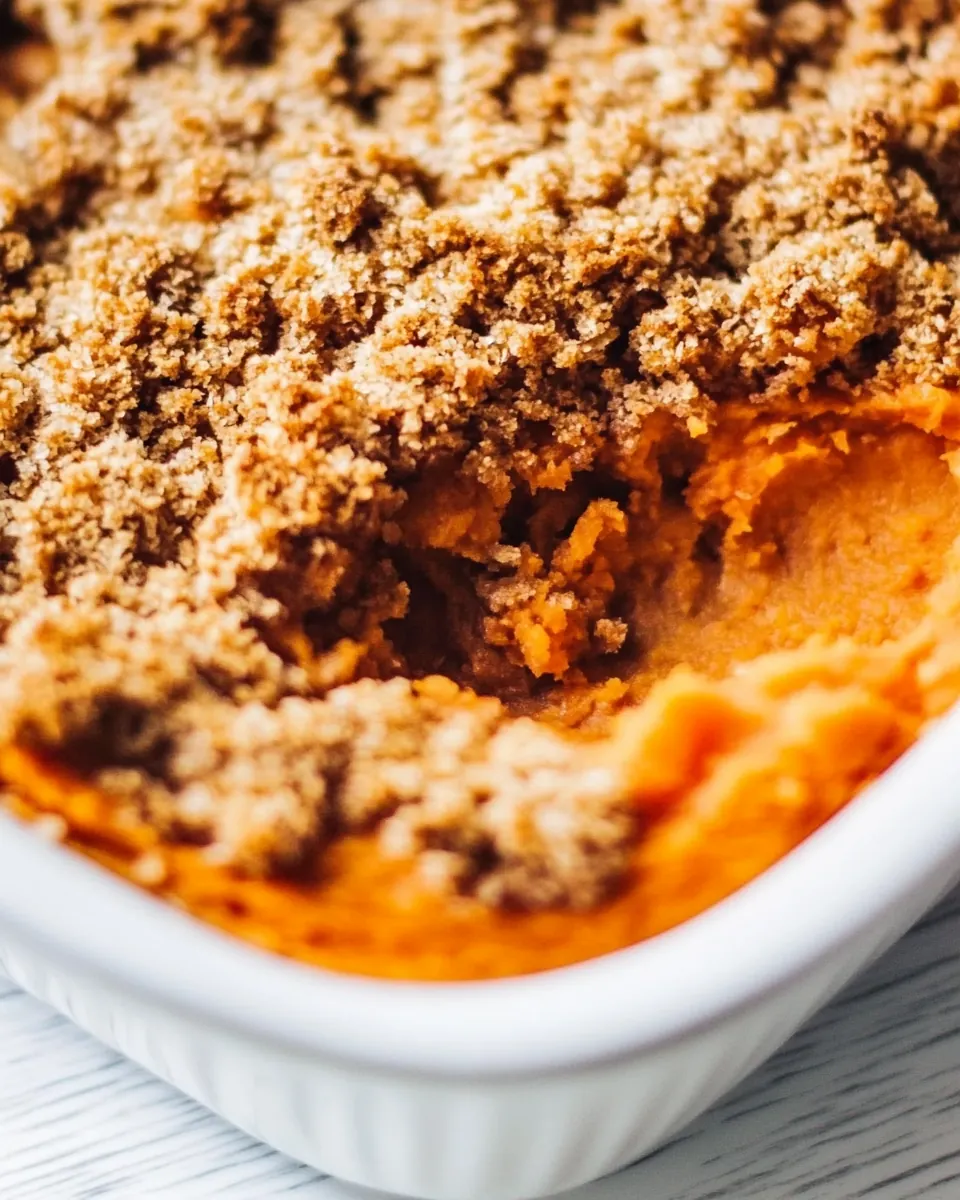
These steps guide you from oven to table with sensory cues and practical notes so the final dish looks and tastes its best. I write them from the perspective of someone standing at the counter, stirring and testing as they go, and I include troubleshooting to help you avoid common pitfalls.
- Preheat oven to 350°F and grease a ceramic 9 x 13-inch pan with cooking spray. Scrub sweet potatoes, but don’t peel them. Pierce them all over with a fork. Place them on a large sheet pan lined with foil or parchment paper and bake until very tender, approximately 60–90 minutes (variation depending on size/thickness). Remove potatoes from oven and slice them in half. Let cool until you can handle them easily.: The oven should be fully heated so the casserole cooks evenly, and greasing the pan prevents sticking and helps edges crisp. You'll notice the oven air warming and the metal racks slightly hot when you place the pan in; that's the cue the environment is stable. A common mistake is placing the dish in a not fully hot oven, which can lengthen baking and affect streusel browning. If your oven runs hot or cool, use an oven thermometer to verify the true temperature.
- Once cool, scoop out the flesh of the sweet potatoes, measuring to get 5-3/4 cups. Add to a large bowl or bowl attached to a stand mixer. Add remaining ingredients for the sweet potato base, including 1/4 cup freshly squeezed orange juice, and use a hand mixer or a whisk attachment on a stand mixer to beat until smooth. Transfer mixture to prepared baking dish and smooth it into an even layer using a spatula. See note 1 for a make ahead option.: Scrubbing removes dirt while leaving the skin intact, which protects the flesh during long roasting and concentrates flavor. As the potatoes roast, the skin will pucker slightly and the flesh inside will scent the kitchen with sweet, earthy aroma. Avoid peeling before roasting because the skins help trap moisture, producing a creamier interior. Under scrubbing can leave grit, so rinse thoroughly and dry before piercing.
- In a separate bowl, melt butter under streusel topping in the microwave and let cool. Add flour, brown sugar, cinnamon, and salt to the melted butter and mix until evenly combined and forms small clumps. Use your fingers to knead into clumps if needed. If streusel is too wet, add more flour, 1 tablespoon at a time.: Piercing lets steam escape during baking so the potatoes do not burst, and the sounds are subtle, just the quiet hiss of escaping steam when you remove them. Proper piercing also shortens baking time a touch by offering steam channels. One oversight is not piercing deeply enough, which risks bursts; ensure multiple pierces across each potato.
- Sprinkle streusel evenly over sweet potato base; don’t press it in. Bake 35–45 minutes or until streusel is set and golden brown. Remove from oven and let cool 5 minutes before serving.: The long roast time allows the natural sugars to caramelize inside, creating a deep, roasted aroma that fills the kitchen. You'll know they are done when a paring knife slides through easily and the flesh feels soft to the touch. Baking times vary by size, so test by inserting a skewer near the thickest part. If you underbake, the mash will be lumpy; if you overbake greatly, they can dry out slightly, so monitor doneness.
- Remove potatoes from oven and slice them in half: Slicing releases steam and makes scooping the flesh easier, and you may notice a sweet, roasted perfume escape when the skins part. Allowing them to cool until you can handle them keeps you safe from steam burns. A frequent error is trying to scoop while too hot, which is difficult and messy; wait until they are comfortably cool to handle.
- Let cool until you can handle them easily: Cooling makes the flesh firmer to scoop and stops the steam from making the mash watery, and during this time the sugars relax and the potatoes become easier to mix. If you rush this step, hot steam can make the added liquids separate slightly. Patience here leads to a smoother texture.
- Once cool, scoop out the flesh of the sweet potatoes measuring to get 5 3/4 cups: Accurate volume ensures the balance of wet to dry ingredients stays correct, and scooping reveals the vibrant orange flesh ready to be mashed. The tactile step of scooping gives you a sense of readiness; the flesh should be soft, velvety, and fragrant. A common misstep is eyeballing and ending up with too much or too little, which will skew consistency, so measure if possible.
- Add to a large bowl or bowl attached to a stand mixer: Using a large bowl gives you space to beat the mash without splatter, and a stand mixer yields a very smooth mixture. As you beat, you will hear the whir of the mixer and see the potatoes transform into a silkier mass. If using a mixer, start slow to avoid splatter, and scrape the sides to ensure even mixing. Mixing too vigorously can make the mash gluey, so moderate speed is best.
- Add remaining ingredients for the sweet potato base including 1 4 cup freshly squeezed orange juice and use a hand mixer or a whisk attachment on a stand mixer to beat until smooth: The wet ingredients smooth the texture and distribute flavor; as you blend you'll perceive a sweet citrus aroma from the orange and a richer sheen from the cream and butter. Beating until smooth creates a cohesive base that will hold the streusel without collapsing. A common issue is underbeating, which leaves lumps, so take the extra minute to ensure uniformity. If the mixture seems too loose, a short rest allows starches to absorb moisture for a thicker result.
- Transfer mixture to prepared baking dish and smooth it into an even layer using a spatula: Spreading the mash evenly promotes uniform baking and an attractive presentation, and as you smooth you can see any air pockets that need settling. The surface should be level to allow the streusel to distribute and bake evenly into a golden top. Pressing too hard can compact the mash, changing the mouthfeel, so spread gently. If the mash seems cold from refrigeration, let it come to room temperature briefly for even baking.
- See note 1 for a make ahead option: Making ahead is convenient because the flavors can meld overnight, and refrigeration firms the mash slightly which can make assembly easier. When making ahead, keep the streusel separate so it stays crisp when baked. A pitfall is leaving the assembled casserole too long before baking with the streusel on, which can soften the topping, so follow the recommended storage window in the notes.
- In a separate bowl melt butter under streusel topping in the microwave and let cool: Melting the butter produces a glossy liquid that, when cooled slightly, helps bind the dry streusel components without turning them gummy. The scent of warm butter is inviting and signals readiness to combine. Avoid overheating to the point of browning, which changes flavor; brief 10 to 15 second bursts work well. If the butter is too hot when mixed with sugar and flour, it can create a paste instead of crumbs.
- Add flour brown sugar cinnamon and salt to the melted butter and mix until evenly combined and forms small clumps: Combining these components by hand yields the characteristic crumb structure, and you will feel small clumps as you mix, which is the desired texture. The streusel should hold together lightly when pressed between fingers but break apart easily. Overmixing will make it too uniform and cakey, while undermixing leaves dry pockets; aim for even distribution with visible clumps.
- Use your fingers to knead into clumps if needed: Manual kneading allows you to form crumbs of various sizes that toast differently, creating pleasing contrast. The tactile feedback helps you stop at the right moment, and the resulting streusel will brown and crackle in the oven. A hygiene note is to have clean hands when doing this, and a common mistake is overworking which can turn the topping past crumbly into doughy, so be gentle.
- If streusel is too wet add more flour 1 tablespoon at a time: Adjusting with small additions of all purpose flour helps you reach the ideal crumbly texture without overshooting. Add gradually and test by pinching to ensure it forms small clumps. The correction is forgiving but adding too much flour will make the topping dry and pasty, so increase in small increments.
- Sprinkle streusel evenly over sweet potato base don’t press it in: Sprinkling leaves the crumbs loose so they can toast into a crisp shell while the mash beneath remains soft, and you will hear a faint rustle as crumbs land on the surface. Not pressing preserves the contrast between creamy base and crunchy top. Pressing would pack the topping and reduce its ability to brown evenly, so let it rest loosely distributed.
- Bake 35 to 45 minutes or until streusel is set and golden brown: As it bakes, the kitchen fills with caramel and spice notes, and the streusel will darken to a nutty golden color while the edges of the mash bubble slightly. The visual cue of golden brown streusel is key to doneness. Watch closely in the last 10 minutes to avoid burning; ovens vary and the sugars can quickly move from golden to charred.
- Remove from oven and let cool 5 minutes before serving: A brief rest allows the casserole to settle and the streusel to firm just enough for cleaner portions, and the steam will subside so flavors concentrate. Serving too hot can lead to loose portions, while a short rest enhances texture and presentation. If you wait much longer, the streusel will lose some crispness, so aim for that sweet spot when plating.
Change It Up
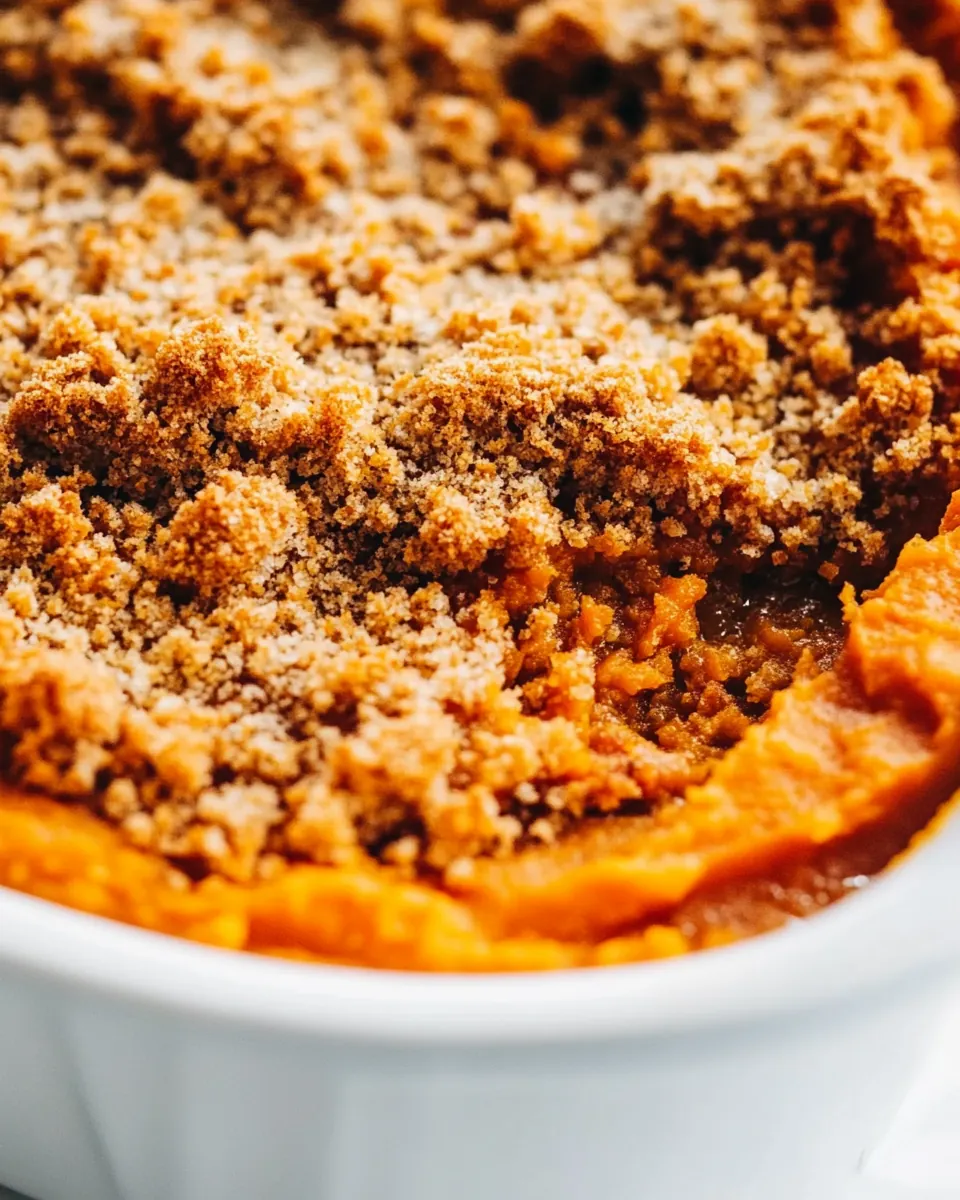
Small adjustments can personalize this casserole while keeping its classic appeal. Below are practical, tested tips that I use or recommend, each with a clear starting phrase to guide you.
- Make ahead strategy Cover the prepared mash without streusel and refrigerate up to 3 to 4 days, storing the streusel separately in an airtight container to keep it crisp until bake day.
- Texture control If your mash becomes too loose after adding liquids, let it rest for 10 minutes so the starches absorb moisture, resulting in a firmer consistency before baking.
- Streusel tweaks If the topping seems too wet, add up to 1 tablespoon more all purpose flour at a time until it forms loose clumps that will brown rather than bake into a paste.
- Presentation tip For a decorative finish, use the back of a spoon to create gentle swirls in the mash before sprinkling streusel, which catches light and makes the top look more rustic once baked.
- Temperature check Use an oven thermometer to ensure your oven is at the correct 350°F because streusel browning is sensitive to small temperature shifts and can burn if the oven runs hot.
- Serving timing Allow a five minute rest after baking to let the casserole set for cleaner slices while preserving a warm center that pleases guests.
Accompaniments for Sweet Potato Casserole
This casserole pairs well with savory mains and seasonal sides, and the list below offers serving ideas for different occasions, storage notes, and seasonal touches to elevate the meal.
- Holiday dinners Serve the casserole alongside roast poultry for a classic Thanksgiving or holiday spread, where its sweet and spiced profile complements savory mains.
- Weeknight meals Pair with a simple roasted protein and a green vegetable for an easy weeknight dinner that feels a little special without too much effort.
- Buffet style Keep the casserole warm in a shallow pan on a low oven setting and offer small serving spoons so guests can help themselves, making it perfect for crowd feeding.
- Make ahead and store Cool completely before covering and refrigerate up to four days, or wrap well and freeze for up to three months; thaw in the fridge overnight before baking with the streusel.
- Seasonal pairings In fall, accent the meal with roasted root vegetables and a bright salad that offers acid to cut through the richness of the casserole.
- Portioning advice For gatherings, consider individual ramekins for personal servings that showcase the golden streusel and make plating effortless.
- Leftover ideas Reheat gently in a moderate oven to restore crispness to the streusel, and serve alongside a fresh citrus salad to refresh the palate.
FAQ
Conclusion
This Sweet Potato Casserole shines because of its balance between a velvety mashed base and a crunchy streusel topping, making it reliably comforting and appealing for gatherings. Give it a try when you want a side that feels classic but is forgiving to prepare. Each bite offers warm spices, sweet roasted sweet potatoes, and a toasty finish that makes it a favorite to bring to the table.
Sweet Potato Casserole
Equipment
- 9 x 13 inch ceramic baking pan
- Large sheet pan (15" x 21")
- aluminum foil or parchment paper
- Hand mixer or stand mixer with whisk attachment
Ingredients
- Cooking spray Lightly coat the baking dish to prevent sticking and help the casserole release cleanly after baking, ensuring even browning around the edges.
- 4 pounds sweet potatoes about 6 large, 5-3/4 cups when mashed Cook and mash to provide the sweet, creamy base of the casserole; contributes body, moisture, and natural sweetness when combined with dairy and seasonings.
- 1 orange Zest and juice to add bright citrus aroma and acidity that balances the richness of the potatoes and enhances the overall flavor profile.
- 2/3 cup heavy cream Warm gently and stir in to add richness and a silky texture to the mashed sweet potatoes, helping achieve a smooth, creamy consistency.
- 4 tablespoons unsalted butter melted and cooled Melt and cool before folding in to add buttery flavor and fat that enriches the mash without causing separation or greasiness.
- 1/3 cup light brown sugar lightly packed Measure and mix into the sweet potato base to introduce mellow caramel notes and gentle sweetness that complements the natural sugars.
- 3/4 teaspoon ground cinnamon Sprinkle and blend to provide warm, aromatic spice that deepens the flavor and pairs well with the sweet potatoes and brown sugar.
- 1/4 teaspoon ground nutmeg Grate or measure and incorporate to add a subtle nutty warmth and complexity that enhances the holiday-style flavors of the casserole.
- 1 -1/4 teaspoon vanilla extract Add for its aromatic vanilla sweetness which rounds and elevates the overall flavor, providing a pleasant background note.
- 1 teaspoon salt Dissolve into the mixture to enhance all flavors and balance sweetness; also helps with seasoning the potatoes uniformly.
- 6 tablespoons unsalted butter melted and cooled Melt and cool before combining to create a crunchy, buttery topping when mixed with flour and sugar and baked until golden.
- 1 cup all-purpose flour Whisk together for the streusel topping to provide structure and allow the butter to coat the dry ingredients, forming tender crumbs.
- 1/2 cup light brown sugar firmly packed Pack lightly into the topping mixture to contribute deep molasses-like sweetness and moisture that caramelizes during baking.
- 3/4 teaspoon ground cinnamon Combine with the flour and butter to add warm, spiced flavor to the streusel, mirroring the spices used in the potato mixture.
- 1/8 heaping teaspoon salt Pinch into the topping to lightly season and contrast the sweet elements, enhancing overall flavor complexity without overwhelming it.
Instructions
- Preheat oven to 350°F and grease a ceramic 9 x 13-inch pan with cooking spray. Scrub sweet potatoes, but don’t peel them. Pierce them all over with a fork. Place them on a large sheet pan lined with foil or parchment paper and bake until very tender, approximately 60–90 minutes (variation depending on size/thickness). Remove potatoes from oven and slice them in half. Let cool until you can handle them easily.: The oven should be fully heated so the casserole cooks evenly, and greasing the pan prevents sticking and helps edges crisp. You'll notice the oven air warming and the metal racks slightly hot when you place the pan in; that's the cue the environment is stable. A common mistake is placing the dish in a not fully hot oven, which can lengthen baking and affect streusel browning. If your oven runs hot or cool, use an oven thermometer to verify the true temperature.
- Once cool, scoop out the flesh of the sweet potatoes, measuring to get 5-3/4 cups. Add to a large bowl or bowl attached to a stand mixer. Add remaining ingredients for the sweet potato base, including 1/4 cup freshly squeezed orange juice, and use a hand mixer or a whisk attachment on a stand mixer to beat until smooth. Transfer mixture to prepared baking dish and smooth it into an even layer using a spatula. See note 1 for a make ahead option.: Scrubbing removes dirt while leaving the skin intact, which protects the flesh during long roasting and concentrates flavor. As the potatoes roast, the skin will pucker slightly and the flesh inside will scent the kitchen with sweet, earthy aroma. Avoid peeling before roasting because the skins help trap moisture, producing a creamier interior. Under scrubbing can leave grit, so rinse thoroughly and dry before piercing.
- In a separate bowl, melt butter under streusel topping in the microwave and let cool. Add flour, brown sugar, cinnamon, and salt to the melted butter and mix until evenly combined and forms small clumps. Use your fingers to knead into clumps if needed. If streusel is too wet, add more flour, 1 tablespoon at a time.: Piercing lets steam escape during baking so the potatoes do not burst, and the sounds are subtle, just the quiet hiss of escaping steam when you remove them. Proper piercing also shortens baking time a touch by offering steam channels. One oversight is not piercing deeply enough, which risks bursts; ensure multiple pierces across each potato.
- Sprinkle streusel evenly over sweet potato base; don’t press it in. Bake 35–45 minutes or until streusel is set and golden brown. Remove from oven and let cool 5 minutes before serving.: The long roast time allows the natural sugars to caramelize inside, creating a deep, roasted aroma that fills the kitchen. You'll know they are done when a paring knife slides through easily and the flesh feels soft to the touch. Baking times vary by size, so test by inserting a skewer near the thickest part. If you underbake, the mash will be lumpy; if you overbake greatly, they can dry out slightly, so monitor doneness.
- Remove potatoes from oven and slice them in half: Slicing releases steam and makes scooping the flesh easier, and you may notice a sweet, roasted perfume escape when the skins part. Allowing them to cool until you can handle them keeps you safe from steam burns. A frequent error is trying to scoop while too hot, which is difficult and messy; wait until they are comfortably cool to handle.
- Let cool until you can handle them easily: Cooling makes the flesh firmer to scoop and stops the steam from making the mash watery, and during this time the sugars relax and the potatoes become easier to mix. If you rush this step, hot steam can make the added liquids separate slightly. Patience here leads to a smoother texture.
- Once cool, scoop out the flesh of the sweet potatoes measuring to get 5 3/4 cups: Accurate volume ensures the balance of wet to dry ingredients stays correct, and scooping reveals the vibrant orange flesh ready to be mashed. The tactile step of scooping gives you a sense of readiness; the flesh should be soft, velvety, and fragrant. A common misstep is eyeballing and ending up with too much or too little, which will skew consistency, so measure if possible.
- Add to a large bowl or bowl attached to a stand mixer: Using a large bowl gives you space to beat the mash without splatter, and a stand mixer yields a very smooth mixture. As you beat, you will hear the whir of the mixer and see the potatoes transform into a silkier mass. If using a mixer, start slow to avoid splatter, and scrape the sides to ensure even mixing. Mixing too vigorously can make the mash gluey, so moderate speed is best.
- Add remaining ingredients for the sweet potato base including 1 4 cup freshly squeezed orange juice and use a hand mixer or a whisk attachment on a stand mixer to beat until smooth: The wet ingredients smooth the texture and distribute flavor; as you blend you'll perceive a sweet citrus aroma from the orange and a richer sheen from the cream and butter. Beating until smooth creates a cohesive base that will hold the streusel without collapsing. A common issue is underbeating, which leaves lumps, so take the extra minute to ensure uniformity. If the mixture seems too loose, a short rest allows starches to absorb moisture for a thicker result.
- Transfer mixture to prepared baking dish and smooth it into an even layer using a spatula: Spreading the mash evenly promotes uniform baking and an attractive presentation, and as you smooth you can see any air pockets that need settling. The surface should be level to allow the streusel to distribute and bake evenly into a golden top. Pressing too hard can compact the mash, changing the mouthfeel, so spread gently. If the mash seems cold from refrigeration, let it come to room temperature briefly for even baking.
- See note 1 for a make ahead option: Making ahead is convenient because the flavors can meld overnight, and refrigeration firms the mash slightly which can make assembly easier. When making ahead, keep the streusel separate so it stays crisp when baked. A pitfall is leaving the assembled casserole too long before baking with the streusel on, which can soften the topping, so follow the recommended storage window in the notes.
- In a separate bowl melt butter under streusel topping in the microwave and let cool: Melting the butter produces a glossy liquid that, when cooled slightly, helps bind the dry streusel components without turning them gummy. The scent of warm butter is inviting and signals readiness to combine. Avoid overheating to the point of browning, which changes flavor; brief 10 to 15 second bursts work well. If the butter is too hot when mixed with sugar and flour, it can create a paste instead of crumbs.
- Add flour brown sugar cinnamon and salt to the melted butter and mix until evenly combined and forms small clumps: Combining these components by hand yields the characteristic crumb structure, and you will feel small clumps as you mix, which is the desired texture. The streusel should hold together lightly when pressed between fingers but break apart easily. Overmixing will make it too uniform and cakey, while undermixing leaves dry pockets; aim for even distribution with visible clumps.
- Use your fingers to knead into clumps if needed: Manual kneading allows you to form crumbs of various sizes that toast differently, creating pleasing contrast. The tactile feedback helps you stop at the right moment, and the resulting streusel will brown and crackle in the oven. A hygiene note is to have clean hands when doing this, and a common mistake is overworking which can turn the topping past crumbly into doughy, so be gentle.
- If streusel is too wet add more flour 1 tablespoon at a time: Adjusting with small additions of all purpose flour helps you reach the ideal crumbly texture without overshooting. Add gradually and test by pinching to ensure it forms small clumps. The correction is forgiving but adding too much flour will make the topping dry and pasty, so increase in small increments.
- Sprinkle streusel evenly over sweet potato base don’t press it in: Sprinkling leaves the crumbs loose so they can toast into a crisp shell while the mash beneath remains soft, and you will hear a faint rustle as crumbs land on the surface. Not pressing preserves the contrast between creamy base and crunchy top. Pressing would pack the topping and reduce its ability to brown evenly, so let it rest loosely distributed.
- Bake 35 to 45 minutes or until streusel is set and golden brown: As it bakes, the kitchen fills with caramel and spice notes, and the streusel will darken to a nutty golden color while the edges of the mash bubble slightly. The visual cue of golden brown streusel is key to doneness. Watch closely in the last 10 minutes to avoid burning; ovens vary and the sugars can quickly move from golden to charred.
- Remove from oven and let cool 5 minutes before serving: A brief rest allows the casserole to settle and the streusel to firm just enough for cleaner portions, and the steam will subside so flavors concentrate. Serving too hot can lead to loose portions, while a short rest enhances texture and presentation. If you wait much longer, the streusel will lose some crispness, so aim for that sweet spot when plating.
Notes
- Make ahead strategy Cover the prepared mash without streusel and refrigerate up to 3 to 4 days, storing the streusel separately in an airtight container to keep it crisp until bake day.
- Texture control If your mash becomes too loose after adding liquids, let it rest for 10 minutes so the starches absorb moisture, resulting in a firmer consistency before baking.
- Streusel tweaks If the topping seems too wet, add up to 1 tablespoon more all purpose flour at a time until it forms loose clumps that will brown rather than bake into a paste.
- Presentation tip For a decorative finish, use the back of a spoon to create gentle swirls in the mash before sprinkling streusel, which catches light and makes the top look more rustic once baked.
- Temperature check Use an oven thermometer to ensure your oven is at the correct 350°F because streusel browning is sensitive to small temperature shifts and can burn if the oven runs hot.
- Serving timing Allow a five minute rest after baking to let the casserole set for cleaner slices while preserving a warm center that pleases guests.