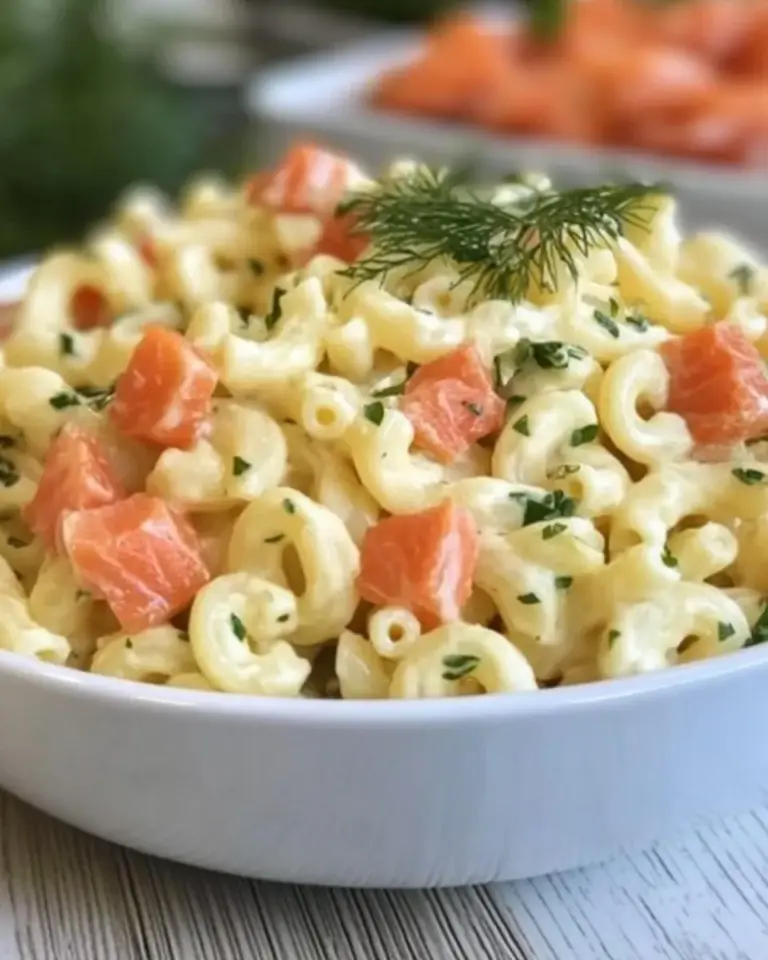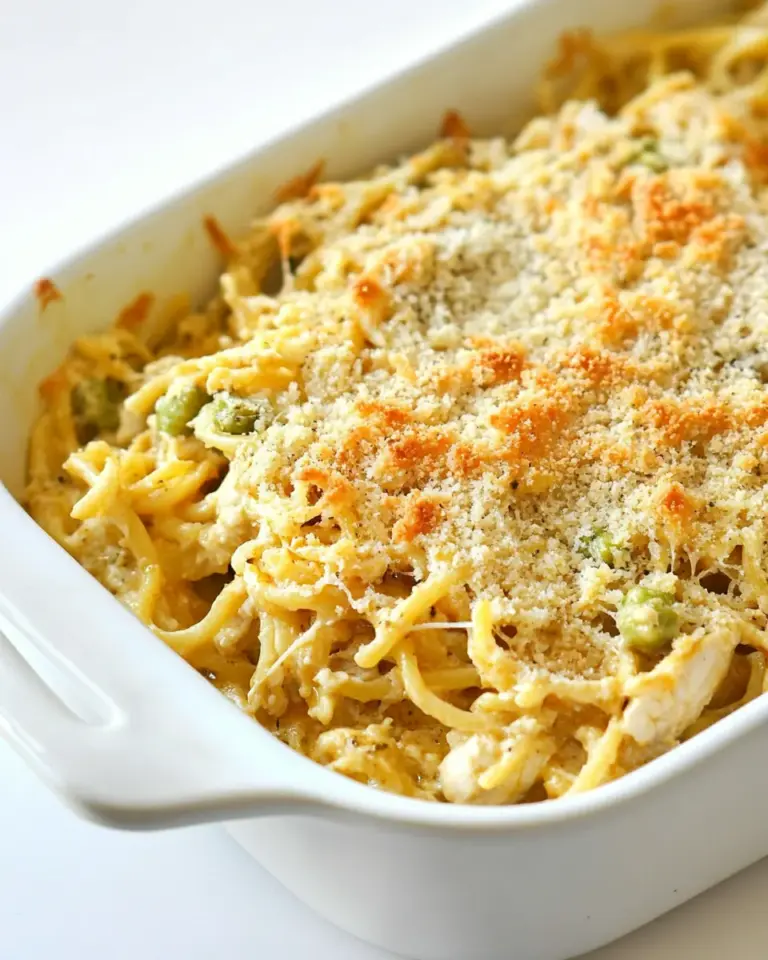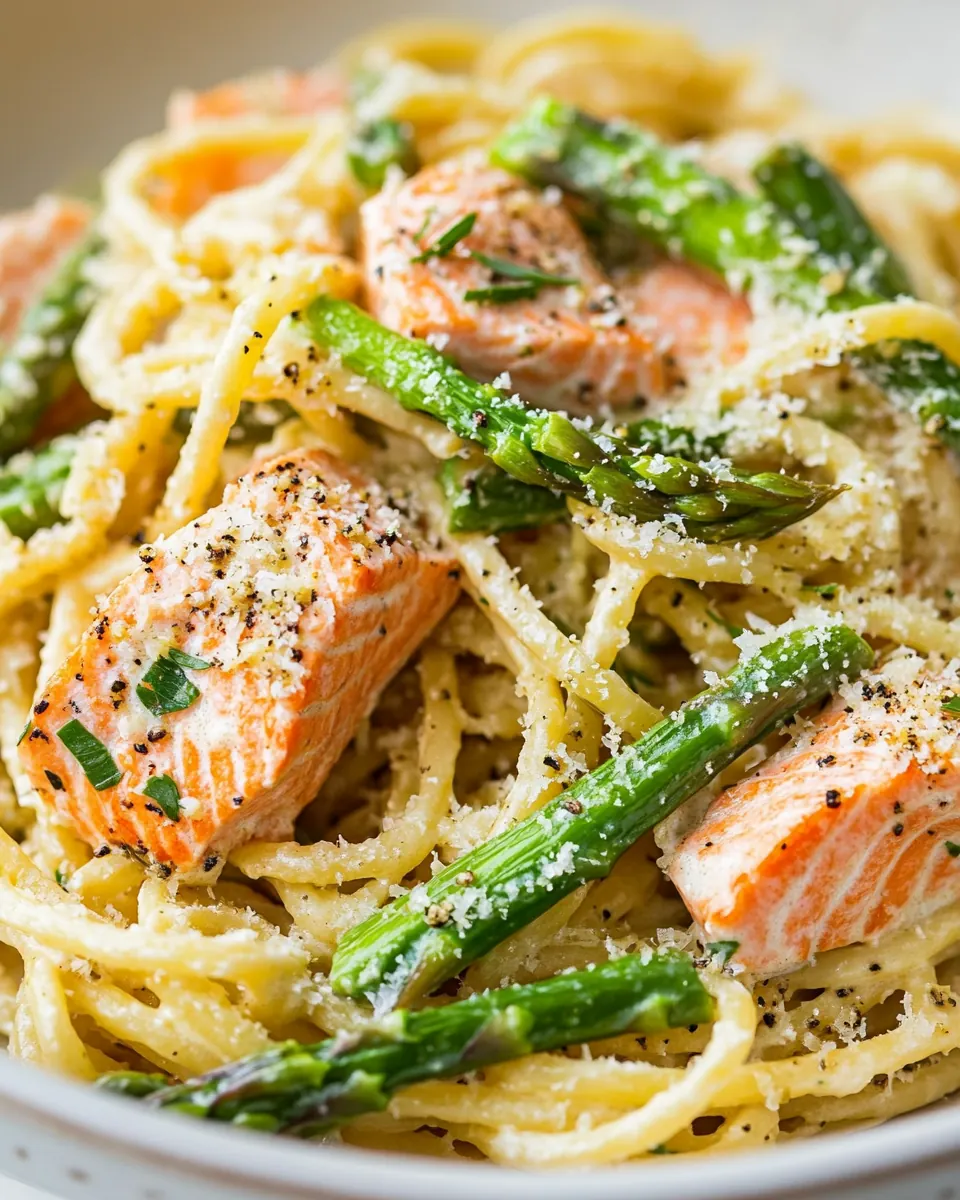
Creamy Salmon and Asparagus Pasta
Creamy Salmon and Asparagus Pasta has been one of those dishes that quietly became my weekday favorite, the kind I turn to when I want something that feels special without a lot of fuss.
I first made Creamy Salmon and Asparagus Pasta on a rainy spring evening after picking up a gorgeous bunch of asparagus at the market. I remember the bright green stalks against the pale pink of the salmon, and how the aroma of garlic and lemon filled the kitchen as the sauce came together. That night, I sat at the table with a bowl of steaming pasta and felt like I was getting restaurant quality at home.
Over time I’ve tweaked the little things, like cutting the asparagus a certain way and letting the salmon rest just off the heat so it stays tender, not dry. These small choices make a big difference when you want the sauce to be silky and the salmon to flake beautifully into the pasta.
When friends ask for a dinner I can whip up that still impresses, I always reach for Creamy Salmon and Asparagus Pasta. It’s surprisingly quick, yet it reads like effort was involved, which is the sweet spot for weeknight entertaining. The combination of creamy sauce, lemon brightness, and the pop of asparagus makes every bite interesting.
Recipe Snapshot
30 mins
10 mins
20 mins
Easy
600 kcal
Italian
Gluten-Free, Low FODMAP
Dinner
Large pot, Large skillet, Tongs or spoon, Grater
Why We Love This Creamy Salmon and Asparagus Pasta
1. Balanced textures and flavors
I love how Creamy Salmon and Asparagus Pasta pairs the silky, rich cream and parmesan cheese with the snap of bright asparagus. The contrast is what keeps me coming back, because each forkful has a little soft flaked salmon and a crisp green note that keeps the dish lively.
2. Fast but impressive
We all need recipes that look like you spent hours, yet are quick to assemble. This one takes about thirty minutes, and the timing means you can have a hot plate in front of guests while still being relaxed. I love serving it when friends drop by unexpectedly, because it feels indulgent without being complicated.
3. Versatile for seasons and occasions
I find this dish especially perfect for spring when asparagus is at its best, but the recipe adapts well year round. You can make it for a cozy family dinner, a casual date night, or a light celebratory meal. The flavors are familiar, and that makes it a crowd pleaser.
4. Simple ingredient list with big payoff
There are no obscure pantry items here, just staples like pasta, olive oil, and garlic, plus the star players, salmon and asparagus. That simplicity means every ingredient can shine, and you can rely on technique to elevate the final result.
5. Comfort and freshness together
For me, the creamy sauce feels comforting, while the lemon zest and fresh asparagus keep the dish from feeling heavy. It strikes a nice balance between comfort food and something bright and seasonal, which is exactly what I want on a weeknight when I crave both satisfaction and freshness.
What You Need for Creamy Salmon and Asparagus Pasta
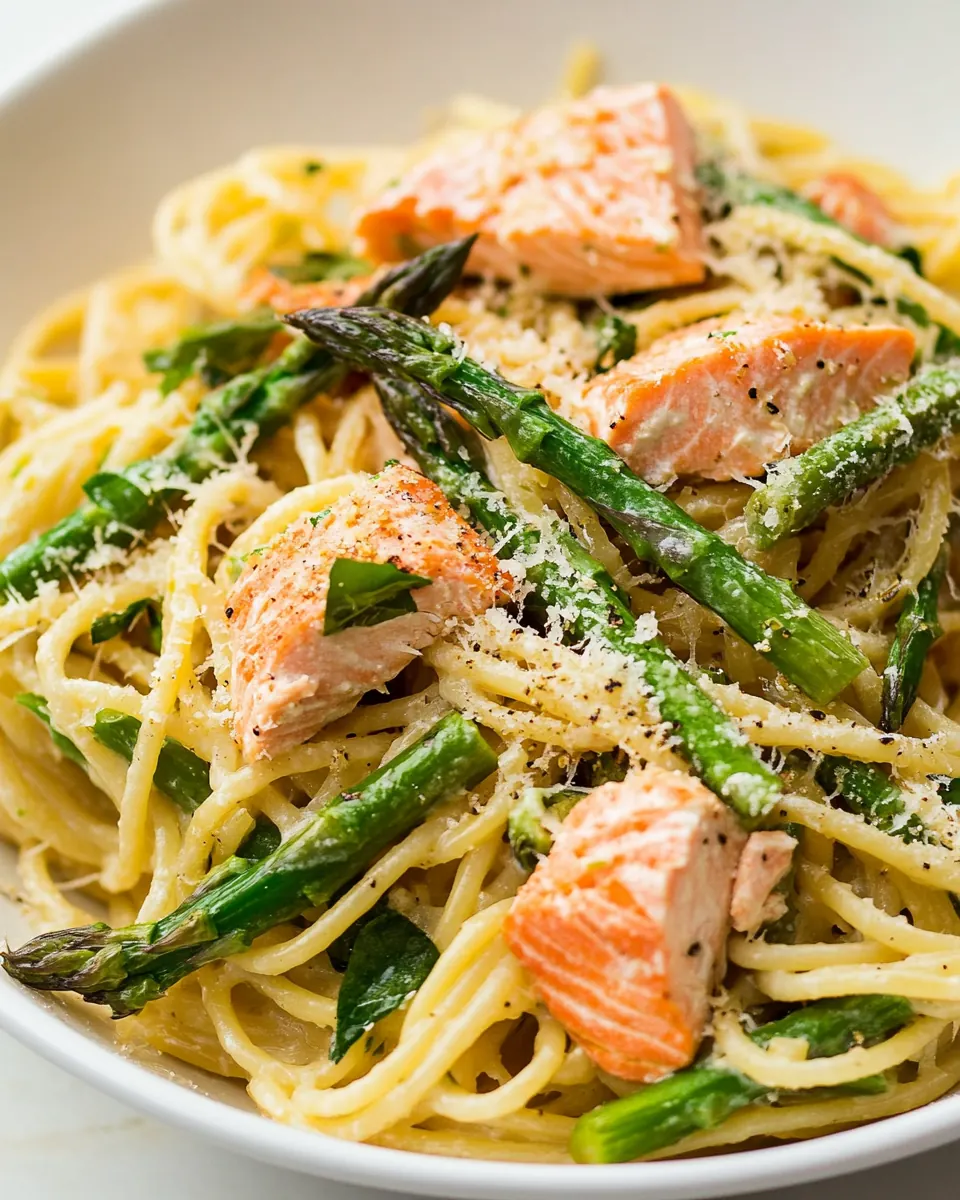
These ingredients are chosen to create a lush, balanced plate. The creamy base and parmesan cheese give body and savory depth, while the lemon juice and zest lift the flavors. The salmon is the protein star, providing richness and a tender texture, and the asparagus brings color and a bright counterpoint. Together, they form a straightforward but sophisticated ensemble that performs well with minimal effort.
- 8 ounces uncooked pasta: Boil until al dente to provide the hearty base that soaks up the creamy sauce and binds the dish together. Choose a shape like penne or fettuccine to catch bits of salmon and asparagus for balanced bites.
- 1 bunch asparagus ends trimmed: Trim and cut into bite-sized pieces so tender stalks add a bright, slightly crisp vegetable contrast to the richness of the pasta. Blanch or sauté briefly to preserve color and a pleasant snap without becoming mushy.
- 1 pound fresh salmon: Season and cook through then flake into large chunks to contribute succulent, protein-rich pieces and a mild, buttery flavor. Opt for skin-on to sear for extra flavor or skinless for easier portioning.
- Salt & pepper to taste: Season to taste during cooking to enhance all other flavors and balance the richness of cream and cheese. Use sparingly at first and adjust as the sauce develops to avoid over-salting.
- 1/4 teaspoon Italian seasoning: Sprinkle into the seasoning mix to introduce a warm, herby background note that complements both seafood and cream. Use measured amounts to provide subtle Mediterranean aromatics without overpowering delicate salmon.
- 1 tablespoon olive oil: Heat for searing salmon or sautéing aromatics to develop a lightly fruity, savory foundation. Use moderate heat to prevent burning and to carry flavors into the sauce.
- 1 tablespoon butter: Melt to enrich the sauce and add a silky mouthfeel while helping to brown the salmon and mellow the garlic. Combine with oil for a balanced cooking fat that delivers both flavor and smooth texture.
- 3 cloves garlic minced: Sauté briefly to release pungent, aromatic oils that flavor the entire dish and create depth in the cream sauce. Mince finely so garlic disperses evenly and doesn’t leave large, sharp bites.
- 1 tablespoon lemon juice + zest from 1/2 lemon: Add acidity and bright citrus aroma to cut through richness and lift the overall flavor profile; include both juice and zest for layered lemon notes. Stir in toward the end of cooking to preserve freshness and avoid bitterness.
- 1/2 cup freshly grated parmesan cheese: Stir in to provide savory umami and a nutty finish that thickens and enriches the sauce while binding ingredients. Grate fresh for best melting quality and maximum flavor impact.
- 3/4 cup heavy/whipping cream: Pour in to create the luscious, velvety sauce that coats pasta, salmon, and asparagus and delivers richness. Simmer gently to thicken and avoid curdling, producing a smooth, indulgent consistency.
How to Assemble Creamy Salmon and Asparagus Pasta
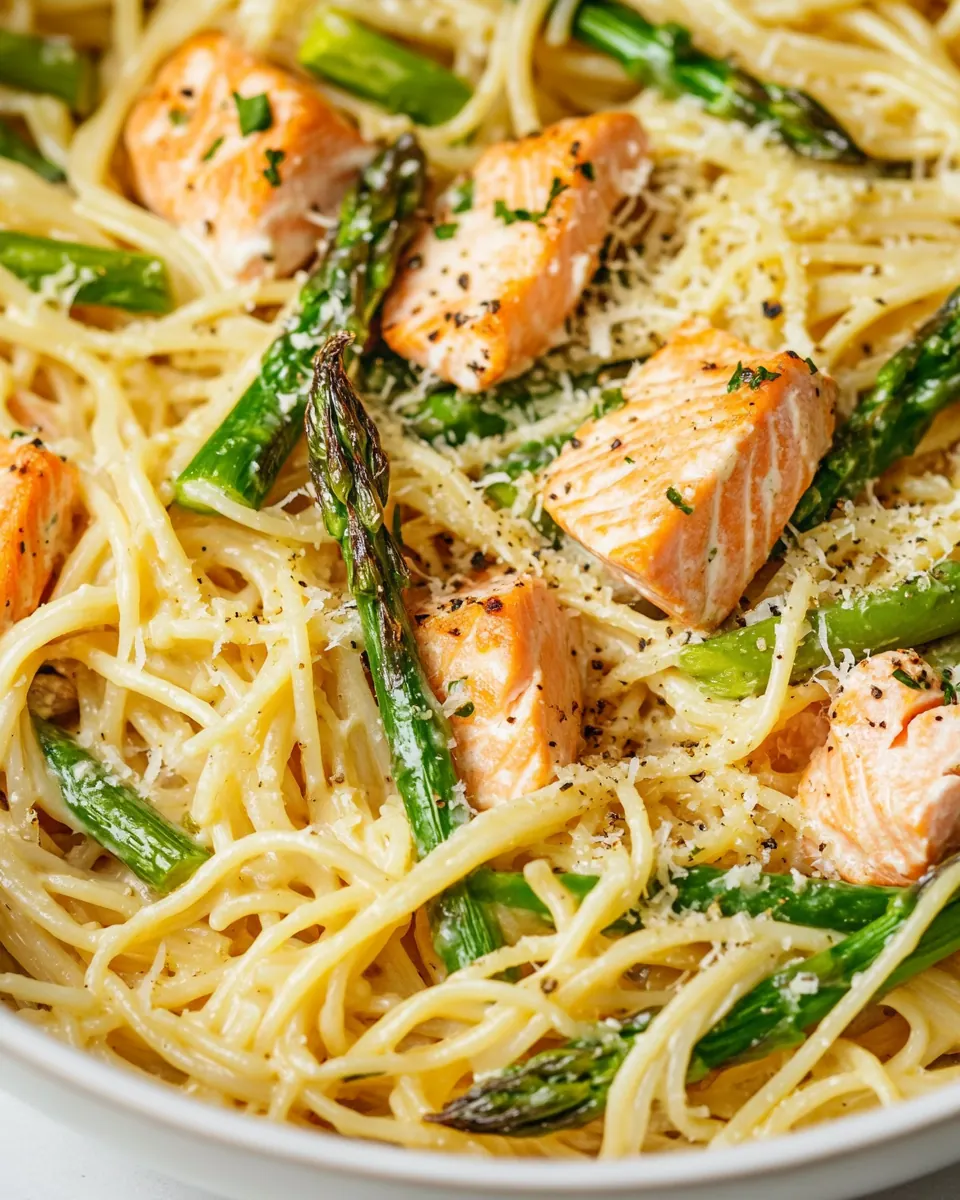
These steps will guide you through a relaxed, sensory approach to cooking. Keep your mise en place ready so you’re not scrambling, and listen and smell as much as you watch. The key is to treat each component with attention to timing so textures remain distinct, and the sauce comes together silky and fragrant.
- Boil a salted pot of water for your pasta. Cook it al dente according to package directions.: You'll notice the water bubbling steadily and the steam carrying a faint, clean scent. Salting the water is critical because it seasons the pasta from within, so add enough so it tastes slightly of the sea. Stir occasionally to prevent sticking, and test a strand or piece a minute or two before the package time to hit that perfect chew, firm to the bite. A common misstep is overcooking the pasta , which leads to a soft texture that will soak up too much sauce and collapse the contrast with the other ingredients. Reserve a cup of pasta water before draining, as the starchy water can help loosen and unify the sauce at the end.
- Meanwhile, trim your asparagus (I cut about 1.5" of the ends off while the asparagus is still tied up in a bunch to make it easy). Cut it into smaller pieces. Prep your other ingredients and sprinkle the salmon with salt & pepper and the Italian seasoning.: As you cut the asparagus , watch for a clean, bright green interior and snap that indicates freshness, the sound itself tells you it's not limp. Prepping the garlic, lemon, and cheese ahead keeps you moving smoothly at the stove. Pat the salmon dry so it sears instead of steaming, and the seasoning will create a welcoming savory layer. Avoid crowding the pan when you cook the fish, because that causes the temperature to drop and prevents a good sear.
- Add the butter and oil to a skillet over medium-high heat. Cook the salmon for 3 minutes/side and then take it out of the pan and set it aside.: You should hear an immediate sizzle when the salmon hits the hot fat, and a golden crust will form in about three minutes per side depending on thickness. That seared exterior locks in juices and adds a toasty aroma. After searing, move the fish to a plate to rest so the residual heat finishes cooking gently without drying it out. One mistake is flipping too often, which prevents that beautiful crust from developing.
- Add the asparagus to the skillet and cook for 2-3 minutes (3 minutes if it's on the thicker side or you like it softer).: The asparagus will sizzle and release a fresh green scent, and you should see the color brighten to vivid green with slightly crisp edges. Cook for two minutes for thinner spears or three for thicker ones, aiming for tender crispness, not mush. Stir gently so pieces cook evenly. Overcooking here yields limp stalks that lose their vibrant snap and visual appeal.
- Stir in the garlic and cook for 30 seconds.: The aroma of garlic blooming in warm fat is immediate and fragrant, a toasty, savory note that sets the stage for the sauce. Thirty seconds softens the raw sharpness while avoiding any browning, which would make it taste bitter. Move quickly at this stage because garlic can go from golden to burnt in moments; if you smell a harsh, acrid scent, reduce heat and continue carefully.
- Add the lemon juice + zest, cream, and parmesan to the pan. Give it a good stir then add the salmon back. Break it up into smaller pieces with your spoon. Cook the sauce for another few minutes until the salmon is fully cooked through, the asparagus is tender, and the sauce has reduced a bit. The sauce is not meant to be very thick in this recipe. Toss the sauce with the drained pasta and serve immediately.: The citrus brightens the pan with a fresh, zippy smell, while the cream starts to simmer and release a warm dairy aroma. As the parmesan cheese melts, the sauce becomes glossy and slightly thickened, coating the spoon. Adding the salmon back and breaking it up gently invites the fish to mingle with the sauce so every bite carries some flaked salmon . A frequent error is boiling the cream too vigorously, which can cause separation; keep the heat gentle so the sauce remains smooth and luxurious.
- Break it up into smaller pieces with your spoon and cook the sauce for another few minutes until the salmon is fully cooked through, the asparagus is tender, and the sauce has reduced a bit.: As you break the salmon into pieces, you will see flaky ribbons that soak up the sauce. The pan should whisper with small bubbles and a slightly thickened liquid that clings to the spoon. Taste and adjust seasoning, because reduction concentrates flavors; you may need a touch more salt or lemon. Avoid over reducing, which makes the sauce gluey instead of silky.
- Toss the sauce with the drained pasta and serve immediately.: The final moment brings everything together, and you should see a glossy coating of sauce on the strands or tubes of pasta . Toss gently to combine, adding a splash of reserved pasta water if the sauce needs loosening, which will create a silky emulsion. Serve right away so the textures remain distinct, the salmon warm and tender, and the asparagus crisp bright. Leaving it to sit will soften the asparagus and thicken the sauce too much, losing that freshly made quality.
Helpful Hints
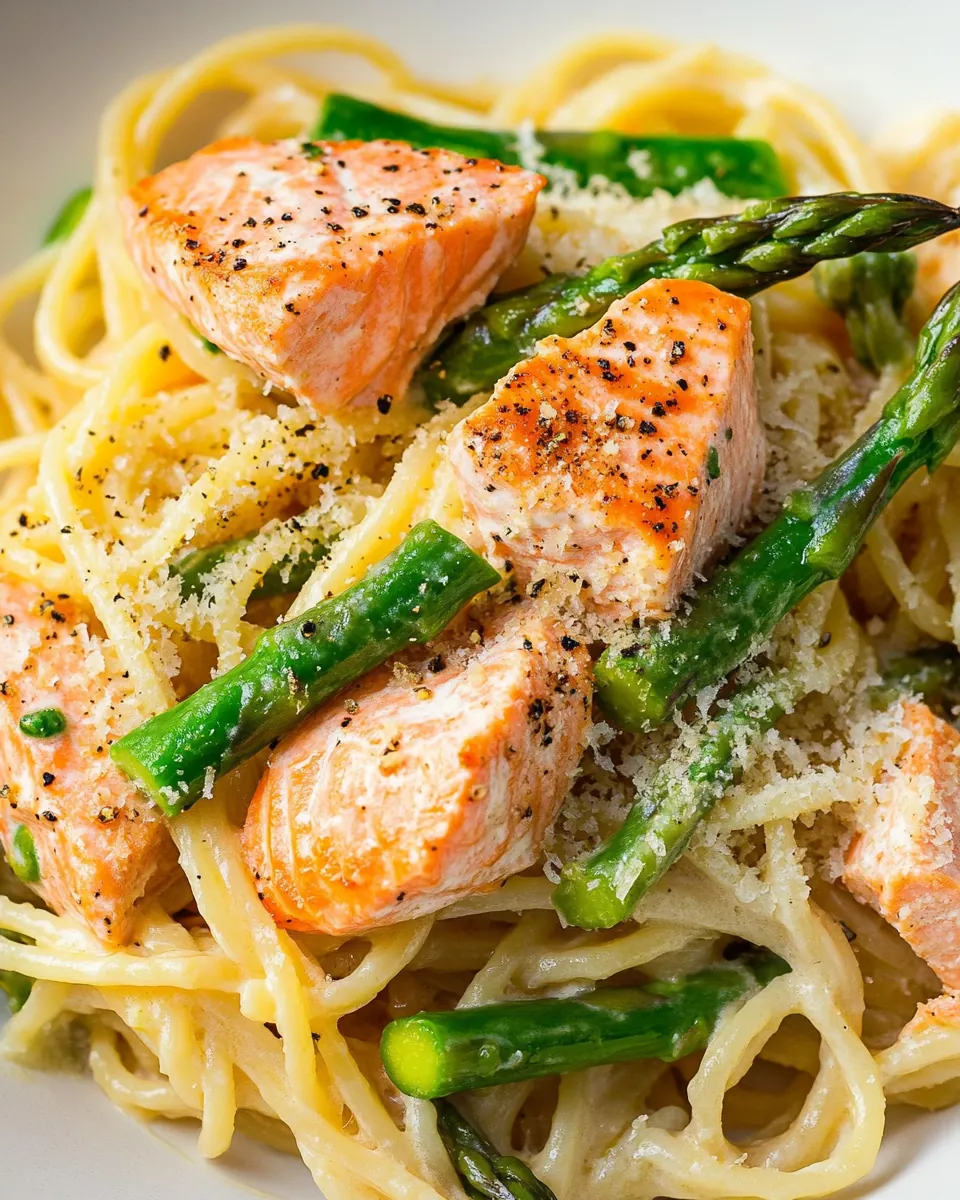
This list expands on the small, practical choices that elevate the dish. Each tip focuses on timing, texture, and flavor balance so you can execute Creamy Salmon and Asparagus Pasta with confidence. Little adjustments at the stove make a noticeable difference in the final plate.
- Mise en place matters: Have the garlic minced, lemon zested and juiced, and the parmesan cheese grated before you start cooking so the sauce comes together without rushing.
- Salt the pasta water generously: It seasons the pasta internally, which is the foundation for well balanced bites; the water should taste pleasantly seasoned.
- Use medium high heat for the sear: A hot pan gives the salmon a golden crust and locks in juices, just be careful not to let the fat smoke.
- Adjust asparagus timing by thickness: Thinner spears need less time, thicker ones need one extra minute or so, which keeps them vibrant and crisp.
- Reserve pasta water: The starchy water helps marry the creamy sauce and pasta, adding silkiness without extra cream.
- Finish off heat when adding cheese: Remove the pan from direct heat before stirring in the parmesan cheese to prevent graininess and ensure a smooth sauce.
- Serve immediately: The dish tastes best hot, with the sauce glossy and the textures distinct, so plate and enjoy as soon as it is tossed together.
How to Serve Creamy Salmon and Asparagus Pasta
Serving well is about timing and a few thoughtful touches. Aim to present the dish warm, with the sauce still glossy and the asparagus vibrant. Use simple garnishes and accompaniments that support, not overpower, the main flavors.
- Serve family style: Bring the pan to the table so everyone can help themselves, which keeps the pasta hot and creates a convivial feeling for dinner.
- Light salad on the side: Pair with a crisp green salad dressed simply in lemon and olive oil to echo the citrus in the pasta and add a cool contrast.
- Casual date night: Plate individually with a small spritz of fresh lemon juice and a few grinds of black pepper for a restaurant like finish.
- Weeknight comfort: Keep it simple and serve with warm crusty bread to mop up the sauce, making a satisfying and cozy meal.
- Storage tips: Cool leftovers quickly and store in an airtight container in the fridge for up to two days; reheat gently with a splash of cream or water to restore silkiness.
- Occasion suggestions: This recipe suits spring dinners when asparagus is in season, but it is also friendly for casual gatherings or special midweek meals.
- Portioning: For four servings, serve a modest portion of pasta with generous pieces of salmon so each person gets a good balance of protein and vegetables.
FAQ
Conclusion
This recipe is special because it balances a luxurious, creamy sauce with the fresh snap of asparagus and the tender flake of salmon to create an elegant yet approachable meal. Give it a try on a busy weeknight or when you want a quick dish that feels celebratory, and enjoy how little time it takes to produce something satisfying. I hope you find the same comfort and brightness in this pasta that I do, and that it becomes one of your go to recipes for easy, flavorful dinners.
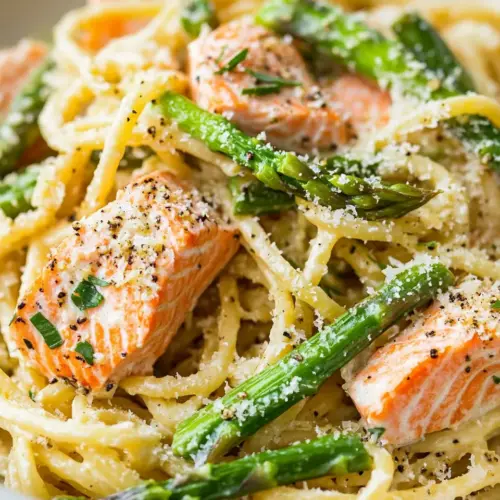
Creamy Salmon and Asparagus Pasta
Equipment
- Large Pot
- Large Skillet
- Tongs or spoon
- Grater
Ingredients
- 8 ounces uncooked pasta Boil until al dente to provide the hearty base that soaks up the creamy sauce and binds the dish together. Choose a shape like penne or fettuccine to catch bits of salmon and asparagus for balanced bites.
- 1 bunch asparagus ends trimmed Trim and cut into bite-sized pieces so tender stalks add a bright, slightly crisp vegetable contrast to the richness of the pasta. Blanch or sauté briefly to preserve color and a pleasant snap without becoming mushy.
- 1 pound fresh salmon Season and cook through then flake into large chunks to contribute succulent, protein-rich pieces and a mild, buttery flavor. Opt for skin-on to sear for extra flavor or skinless for easier portioning.
- Salt & pepper to taste Season to taste during cooking to enhance all other flavors and balance the richness of cream and cheese. Use sparingly at first and adjust as the sauce develops to avoid over-salting.
- 1/4 teaspoon Italian seasoning Sprinkle into the seasoning mix to introduce a warm, herby background note that complements both seafood and cream. Use measured amounts to provide subtle Mediterranean aromatics without overpowering delicate salmon.
- 1 tablespoon olive oil Heat for searing salmon or sautéing aromatics to develop a lightly fruity, savory foundation. Use moderate heat to prevent burning and to carry flavors into the sauce.
- 1 tablespoon butter Melt to enrich the sauce and add a silky mouthfeel while helping to brown the salmon and mellow the garlic. Combine with oil for a balanced cooking fat that delivers both flavor and smooth texture.
- 3 cloves garlic minced Sauté briefly to release pungent, aromatic oils that flavor the entire dish and create depth in the cream sauce. Mince finely so garlic disperses evenly and doesn’t leave large, sharp bites.
- 1 tablespoon lemon juice + zest from 1/2 lemon Add acidity and bright citrus aroma to cut through richness and lift the overall flavor profile; include both juice and zest for layered lemon notes. Stir in toward the end of cooking to preserve freshness and avoid bitterness.
- 1/2 cup freshly grated parmesan cheese Stir in to provide savory umami and a nutty finish that thickens and enriches the sauce while binding ingredients. Grate fresh for best melting quality and maximum flavor impact.
- 3/4 cup heavy/whipping cream Pour in to create the luscious, velvety sauce that coats pasta, salmon, and asparagus and delivers richness. Simmer gently to thicken and avoid curdling, producing a smooth, indulgent consistency.
Instructions
- Boil a salted pot of water for your pasta. Cook it al dente according to package directions.: You'll notice the water bubbling steadily and the steam carrying a faint, clean scent. Salting the water is critical because it seasons the pasta from within, so add enough so it tastes slightly of the sea. Stir occasionally to prevent sticking, and test a strand or piece a minute or two before the package time to hit that perfect chew, firm to the bite. A common misstep is overcooking the pasta , which leads to a soft texture that will soak up too much sauce and collapse the contrast with the other ingredients. Reserve a cup of pasta water before draining, as the starchy water can help loosen and unify the sauce at the end.
- Meanwhile, trim your asparagus (I cut about 1.5" of the ends off while the asparagus is still tied up in a bunch to make it easy). Cut it into smaller pieces. Prep your other ingredients and sprinkle the salmon with salt & pepper and the Italian seasoning.: As you cut the asparagus , watch for a clean, bright green interior and snap that indicates freshness, the sound itself tells you it's not limp. Prepping the garlic, lemon, and cheese ahead keeps you moving smoothly at the stove. Pat the salmon dry so it sears instead of steaming, and the seasoning will create a welcoming savory layer. Avoid crowding the pan when you cook the fish, because that causes the temperature to drop and prevents a good sear.
- Add the butter and oil to a skillet over medium-high heat. Cook the salmon for 3 minutes/side and then take it out of the pan and set it aside.: You should hear an immediate sizzle when the salmon hits the hot fat, and a golden crust will form in about three minutes per side depending on thickness. That seared exterior locks in juices and adds a toasty aroma. After searing, move the fish to a plate to rest so the residual heat finishes cooking gently without drying it out. One mistake is flipping too often, which prevents that beautiful crust from developing.
- Add the asparagus to the skillet and cook for 2-3 minutes (3 minutes if it's on the thicker side or you like it softer).: The asparagus will sizzle and release a fresh green scent, and you should see the color brighten to vivid green with slightly crisp edges. Cook for two minutes for thinner spears or three for thicker ones, aiming for tender crispness, not mush. Stir gently so pieces cook evenly. Overcooking here yields limp stalks that lose their vibrant snap and visual appeal.
- Stir in the garlic and cook for 30 seconds.: The aroma of garlic blooming in warm fat is immediate and fragrant, a toasty, savory note that sets the stage for the sauce. Thirty seconds softens the raw sharpness while avoiding any browning, which would make it taste bitter. Move quickly at this stage because garlic can go from golden to burnt in moments; if you smell a harsh, acrid scent, reduce heat and continue carefully.
- Add the lemon juice + zest, cream, and parmesan to the pan. Give it a good stir then add the salmon back. Break it up into smaller pieces with your spoon. Cook the sauce for another few minutes until the salmon is fully cooked through, the asparagus is tender, and the sauce has reduced a bit. The sauce is not meant to be very thick in this recipe. Toss the sauce with the drained pasta and serve immediately.: The citrus brightens the pan with a fresh, zippy smell, while the cream starts to simmer and release a warm dairy aroma. As the parmesan cheese melts, the sauce becomes glossy and slightly thickened, coating the spoon. Adding the salmon back and breaking it up gently invites the fish to mingle with the sauce so every bite carries some flaked salmon . A frequent error is boiling the cream too vigorously, which can cause separation; keep the heat gentle so the sauce remains smooth and luxurious.
- Break it up into smaller pieces with your spoon and cook the sauce for another few minutes until the salmon is fully cooked through, the asparagus is tender, and the sauce has reduced a bit.: As you break the salmon into pieces, you will see flaky ribbons that soak up the sauce. The pan should whisper with small bubbles and a slightly thickened liquid that clings to the spoon. Taste and adjust seasoning, because reduction concentrates flavors; you may need a touch more salt or lemon. Avoid over reducing, which makes the sauce gluey instead of silky.
- Toss the sauce with the drained pasta and serve immediately.: The final moment brings everything together, and you should see a glossy coating of sauce on the strands or tubes of pasta . Toss gently to combine, adding a splash of reserved pasta water if the sauce needs loosening, which will create a silky emulsion. Serve right away so the textures remain distinct, the salmon warm and tender, and the asparagus crisp bright. Leaving it to sit will soften the asparagus and thicken the sauce too much, losing that freshly made quality.
Notes
- Mise en place matters: Have the garlic minced, lemon zested and juiced, and the parmesan cheese grated before you start cooking so the sauce comes together without rushing.
- Salt the pasta water generously: It seasons the pasta internally, which is the foundation for well balanced bites; the water should taste pleasantly seasoned.
- Use medium high heat for the sear: A hot pan gives the salmon a golden crust and locks in juices, just be careful not to let the fat smoke.
- Adjust asparagus timing by thickness: Thinner spears need less time, thicker ones need one extra minute or so, which keeps them vibrant and crisp.
- Reserve pasta water: The starchy water helps marry the creamy sauce and pasta, adding silkiness without extra cream.
- Finish off heat when adding cheese: Remove the pan from direct heat before stirring in the parmesan cheese to prevent graininess and ensure a smooth sauce.
- Serve immediately: The dish tastes best hot, with the sauce glossy and the textures distinct, so plate and enjoy as soon as it is tossed together.