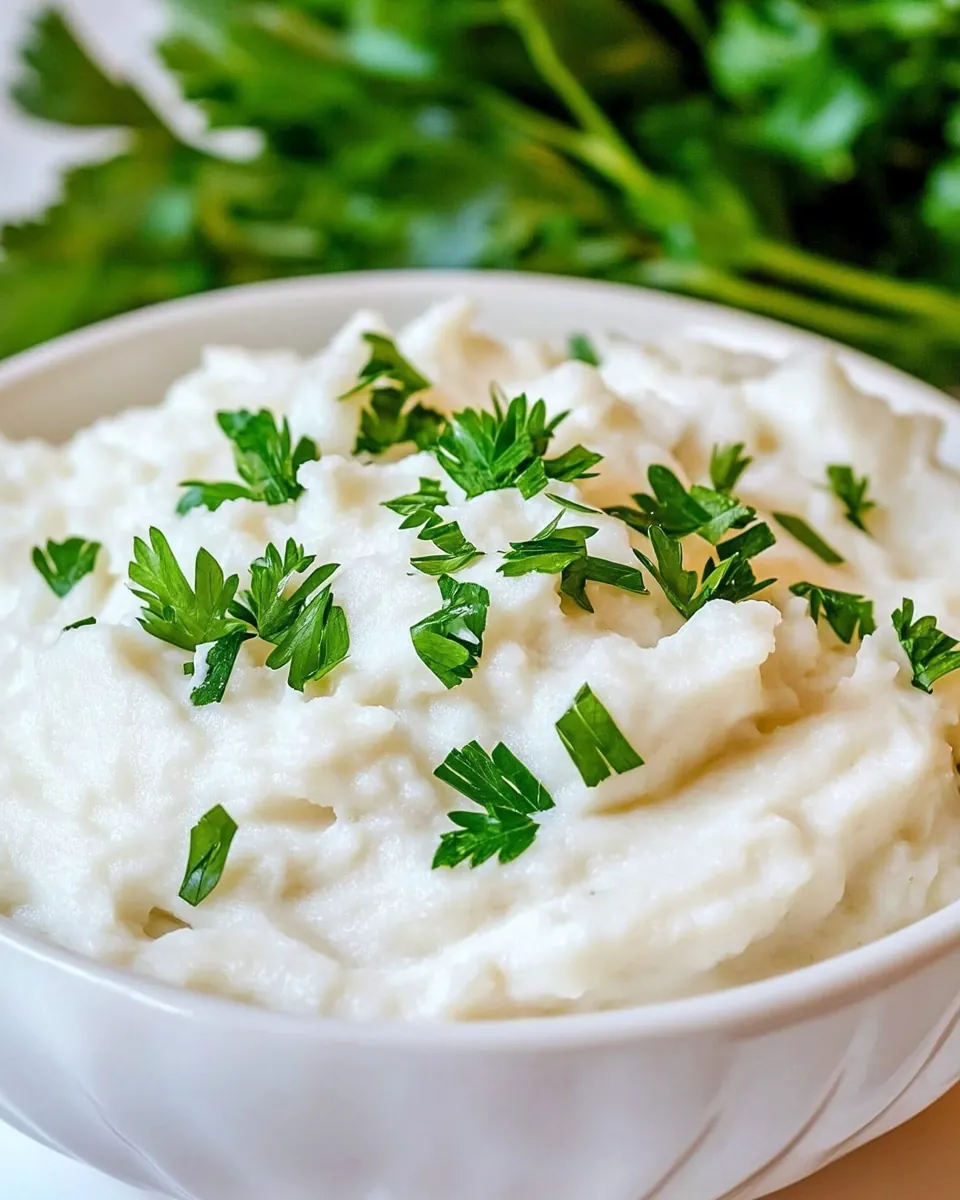
Creamy Garlic Mashed Cauliflower
Creamy Garlic Mashed Cauliflower has been a quiet favorite in my kitchen ever since I first made it on a weeknight when I needed something comforting and light. I remember the evening clearly, a rainy street outside and a small pile of cauliflower florets on my counter, and I wanted a side that felt indulgent without being heavy. I reached for a couple of cloves of garlic, a splash of milk, and a drizzle of extra virgin olive oil, and within minutes the house smelled warm and inviting. The first spoonful convinced me this was a keeper, and it has shown up on our table on busy nights and quieter get togethers ever since.
Over time I learned to read the texture and aroma, and I now trust this simple method when I want something silky and satisfying without dragging out a long recipe. I love how the natural sweetness of the cauliflower plays with the toasty notes of sautéed garlic, and how a tiny bit of salt and freshly ground black pepper brings everything into focus. It’s the kind of dish that comforts without overpowering, and it opens up possibilities to pair with bold mains or keep as the star of a light supper. I still smile when I serve it, because it feels like a small, clever triumph: humble ingredients, big payoff.
Recipe Snapshot
30 mins
10 mins
20 mins
Easy
150 kcal
American
Keto, Gluten-Free
Side Dishes
Large pot, Colander, Saute pan, Potato masher, Immersion blender or food processor
Why This Creamy Garlic Mashed Cauliflower Hits Different
Comfort without heaviness
I love that Creamy Garlic Mashed Cauliflower gives you the luxurious mouthfeel of a richer mash while staying light enough for everyday meals. The texture becomes velvety when you puree the cooked cauliflower, and that gives you the satisfaction of a comfort food without the usual weight. I often reach for this when I want something soothing but not sleep inducing after dinner.
Fast and forgiving
This recipe is wonderfully forgiving, so I rarely worry about minor timing slips. If you slightly overcook the cauliflower it still purees into a silkier finish, and if you undercook it a touch, a few extra pulses with the immersion blender smooth things out. That flexibility makes it ideal for weeknights when timing can be unpredictable.
Flavor packed with minimal ingredients
With so few components, each one matters. The toasty, fragrant note from sautéed garlic in extra virgin olive oil elevates the whole dish, and a small amount of milk gives the mash a creamy sheen without masking the bright vegetable flavor. I find this balance of simplicity and punch makes the dish feel thoughtful and intentional.
Versatile on the plate
Creamy Garlic Mashed Cauliflower adapts easily to many meals. It pairs beautifully with roasted vegetables, a hearty stew, or simply a crisp salad. Since it keeps its texture and flavor after reheating, it also works great for make ahead meals. I’ve taken it on picnics, used it as a base for a composed bowl, and even spooned it over grilled vegetables for a cozy lunch.
Healthy and satisfying
As someone who values flavor and nourishment, I appreciate that this mash offers fiber and a gentle dose of vitamins without relying on heavy cream or large amounts of butter. It’s a small change that makes my plate feel lighter and my body happier, and that’s a reason I keep this recipe in frequent rotation.
Shopping List for Creamy Garlic Mashed Cauliflower
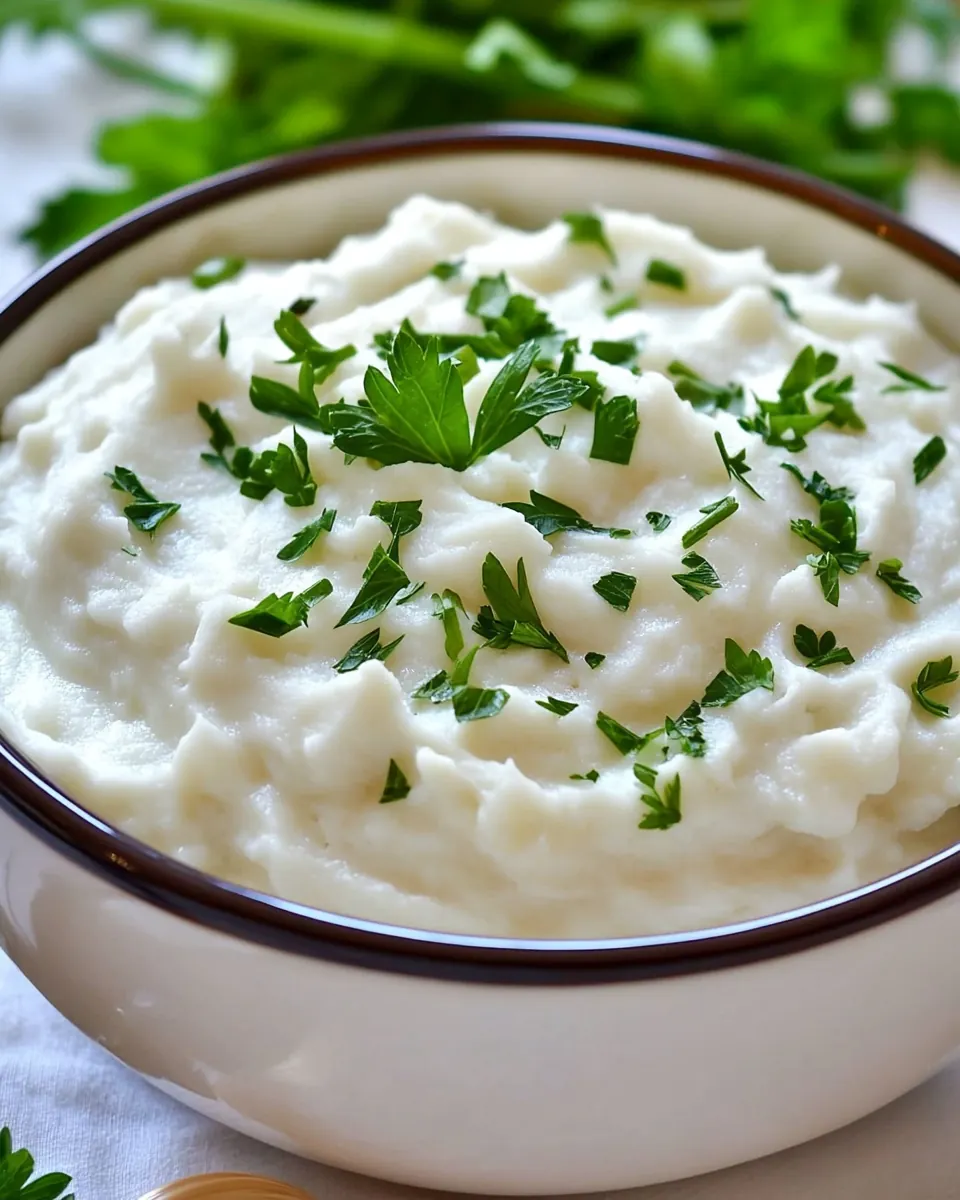
These ingredients are deliberately minimal, chosen to highlight the natural sweetness and creamy potential of cauliflower. The cast of key players includes the produce themselves, a touch of milk to build silkiness, and aromatic garlic finished with a little extra virgin olive oil. Each item plays a clear role, from texture to flavor to seasoning.
- 1 medium head cauliflower, cut into florets: Provide a tender, mild-flavored base when cooked, offering a low-carb alternative to potatoes and blending smoothly for a creamy texture; steam or boil until fork-tender to ensure easy mashing and uniform consistency. Retain some cooking liquid to adjust thickness if needed, and remove large stems for the best mouthfeel.
- 1/4 cup skim or reduced-fat milk; substitute with unsweetened non-dairy milk or 1/4 cup of the cooking liquid: Add thin creaminess and slight sweetness while thinning the mash; use skim or reduced-fat milk for lighter texture, or substitute unsweetened non-dairy milk for a lactose-free option. Alternatively, incorporate reserved cooking liquid to preserve flavor and reduce waste without adding fat.
- 1 tablespoon extra virgin olive oil: Contribute a subtle fruity richness and help carry flavors, creating a silkier mouthfeel in the final mash; warm the oil briefly to release aromatics from garlic before combining. Use measured amount to keep dish light while improving overall texture and preventing stickiness.
- 2 garlic cloves, minced: Impart bright, pungent aromatics and savory depth that elevate the mild cauliflower; mince finely to distribute flavor evenly and lightly sauté to mellow harshness if desired. Adjust amount to taste, remembering garlic intensifies as it cooks and blends with the mash.
- 1/2 teaspoon salt: Enhance and balance flavors by boosting the natural sweetness of cauliflower and taming bitterness; measure carefully to avoid over-salting and taste as you go. Dissolve into the warm mash for even seasoning and to help bring out other ingredients.
- black pepper, freshly ground, to taste: Season with freshly ground black pepper to add warmth and a gentle heat that contrasts the creamy base; grind just before serving for optimal aroma. Sprinkle to taste and mix thoroughly to ensure bright peppery notes throughout the dish.
Recipe Steps for Creamy Garlic Mashed Cauliflower
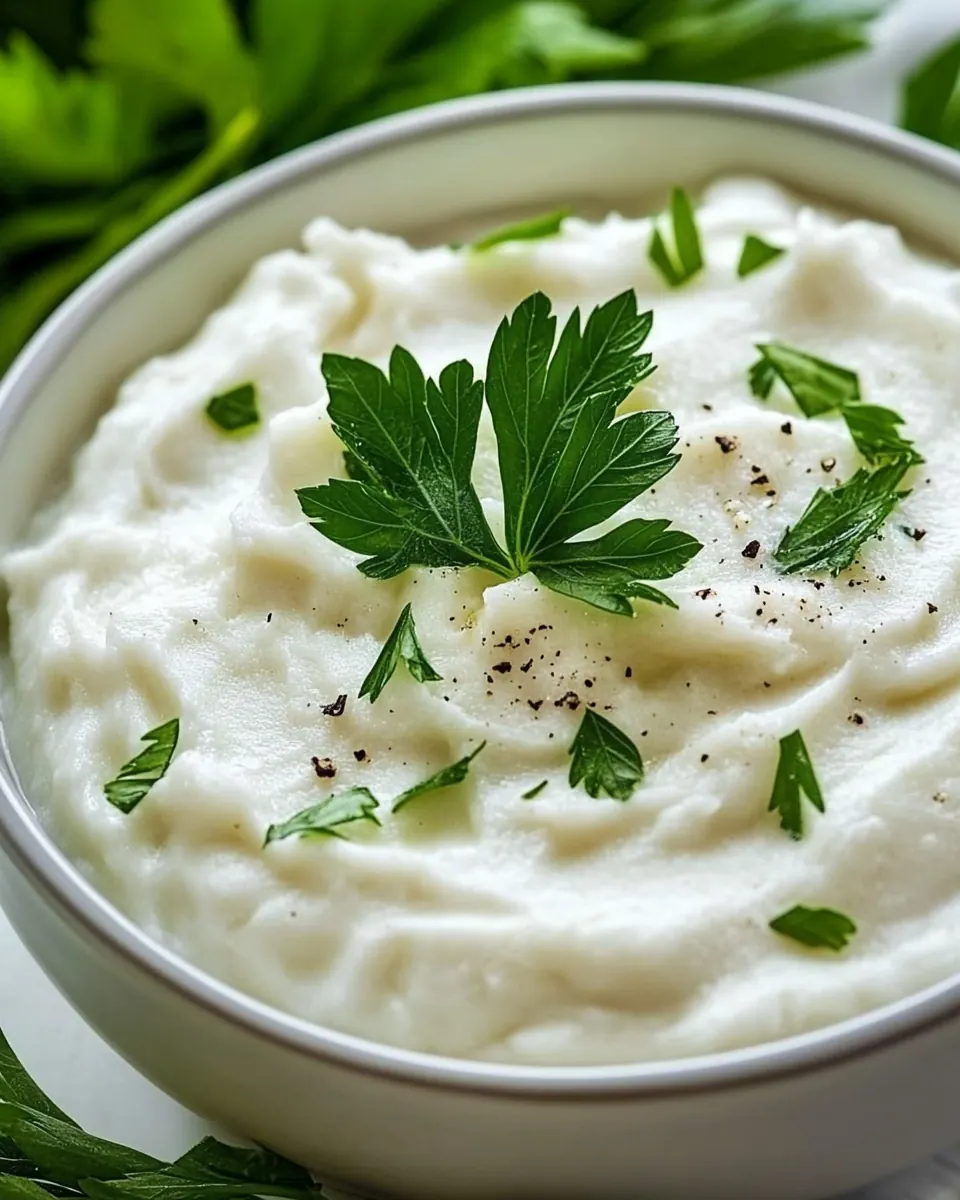
This recipe is straightforward, but I like to walk you through the sensory cues so you know you are on the right track. The directions below follow the original steps and expand them into detailed, hands on guidance that helps avoid common pitfalls.
- Boil a large pot of salted water. Add cauliflower and cook until very tender, about 10 minutes. Drain.: The pot should be large enough that the cauliflower florets can move freely while boiling, which ensures even cooking; you will notice the water gently rolling with a few livelier bubbles when it is ready. Salting the water seasons the cauliflower internally as it cooks, enhancing its sweetness. A common mistake is under salting the pot, which produces a bland mash, so be confident with the salt amount. Drain thoroughly when the florets are very tender and emit a soft, yielding sound when pierced with a fork.
- Meanwhile, in a separate saute pan, warm olive oil over medium-low heat, add garlic and saute for about 30 seconds, or until the garlic is golden and fragrant. Remove from the heat.: When the cauliflower reaches the right doneness, it should feel soft and almost falling apart when pierced, with steam carrying a mild vegetal sweetness. The timer is a guideline; thicker florets may need a touch longer. Overcooking can make the mash waterlogged, so drain promptly and let a little steam escape in the colander to prevent a watery final texture.
- Mash with a potato masher in a large bowl. For a smoother mashed cauliflower, use an immersion or hand blender to puree, or puree it in the food processor. While mixing, slowly add milk until the desired consistency is achieved. Mix in the salt and pepper and the minced garlic with the olive oil. Serve.: After boiling, let the cauliflower sit in the colander for a minute so excess water can evaporate, and if you want an even drier result, spread the florets on a clean towel to wick away remaining moisture. Too much water is the main reason purees turn thin, so be attentive here. You should aim for a warm, not steaming, texture before mashing or blending.
- Mashed cauliflower can be topped with chopped scallions if desired.: As the garlic hits the warm extra virgin olive oil , it will sizzle softly and release a fragrant, nutty aroma, signaling it is ready. Keep the heat modest so the garlic gently softens rather than browns too quickly, which can lead to a bitter taste. Remove from heat as soon as it turns lightly golden, then let it rest so the oil captures that toasty flavor without burning.
- Remove from the heat: Let the pan cool slightly after sautéing the garlic , so you don’t add overly hot oil to the mash which could thin it too much. The gentle cooling also lets the aromatic compounds settle into the oil, creating a mellower flavor. A common misstep is leaving the pan on residual heat, which can continue to cook and darken the garlic , changing the intended flavor profile.
- Mash with a potato masher in a large bowl: Use a sturdy masher and press firmly to break the florets down; you will feel the resistance lessen as the texture turns creamy and the sound will shift to a softer, quieter rhythm as the pieces collapse. Mashing by hand preserves a slightly rustic texture which can be very pleasing. If you prefer a smoother finish, move to an immersion blender or food processor, but stop as soon as it becomes silky to avoid gummy textures.
- For a smoother mashed cauliflower, use an immersion or hand blender to puree or puree it in the food processor: When pureeing, pulse in short bursts to control the consistency, listening for a more continuous, even hum from the motor that signals uniform blending. The visual cue is a glossy surface and no visible lumps. Over processing can make the mash gluey, so aim for smooth but still light and airy. If you see the mixture thickening and becoming sticky, pause and fold gently by hand to restore some loft.
- While mixing, slowly add milk until the desired consistency is achieved: Add the milk in small increments so you can watch the texture transform from grainy to velvety; you will see a slight sheen develop as the liquid incorporates. This gradual approach prevents over thinning and ensures you control richness. If your mash becomes too loose, a short simmer in the pan can concentrate it back down, but it is best to add liquid cautiously.
- Mix in the salt and pepper and the minced garlic with the olive oil: Fold the seasoned garlic and its infused oil into the mash so the aroma distributes evenly; you should immediately notice a rounded, savory lift and a warm, peppery finish from the freshly ground black pepper . Tasting after mixing is crucial because the flavors can intensify as the mash cools. A typical error is adding all seasoning before tasting, which can lead to over salted results, so adjust gradually and taste between additions.
- Serve: Spoon the Creamy Garlic Mashed Cauliflower into bowls or onto plates while it is warm, watching for a slight steam and a glossy surface that indicates ideal serving temperature. A final crack of black pepper and a light drizzle of extra virgin olive oil add an attractive finish and aroma. If you plan to hold it, keep it covered and warm, and gently reheat with a splash more milk or cooking liquid to restore creaminess, avoiding high heat that can dry it out.
- Mashed cauliflower can be topped with chopped scallions if desired: If you choose to add toppings such as chopped scallions, they introduce a fresh, crisp contrast and a bright, oniony note that complements the mellow mash; sprinkle them just before serving so they remain texturally distinct. Topping is optional but it can add color and a lively bite. Do not add them too early or they will wilt and lose that pleasant crunch and visual pop.
Recipe Tips about Creamy Garlic Mashed Cauliflower
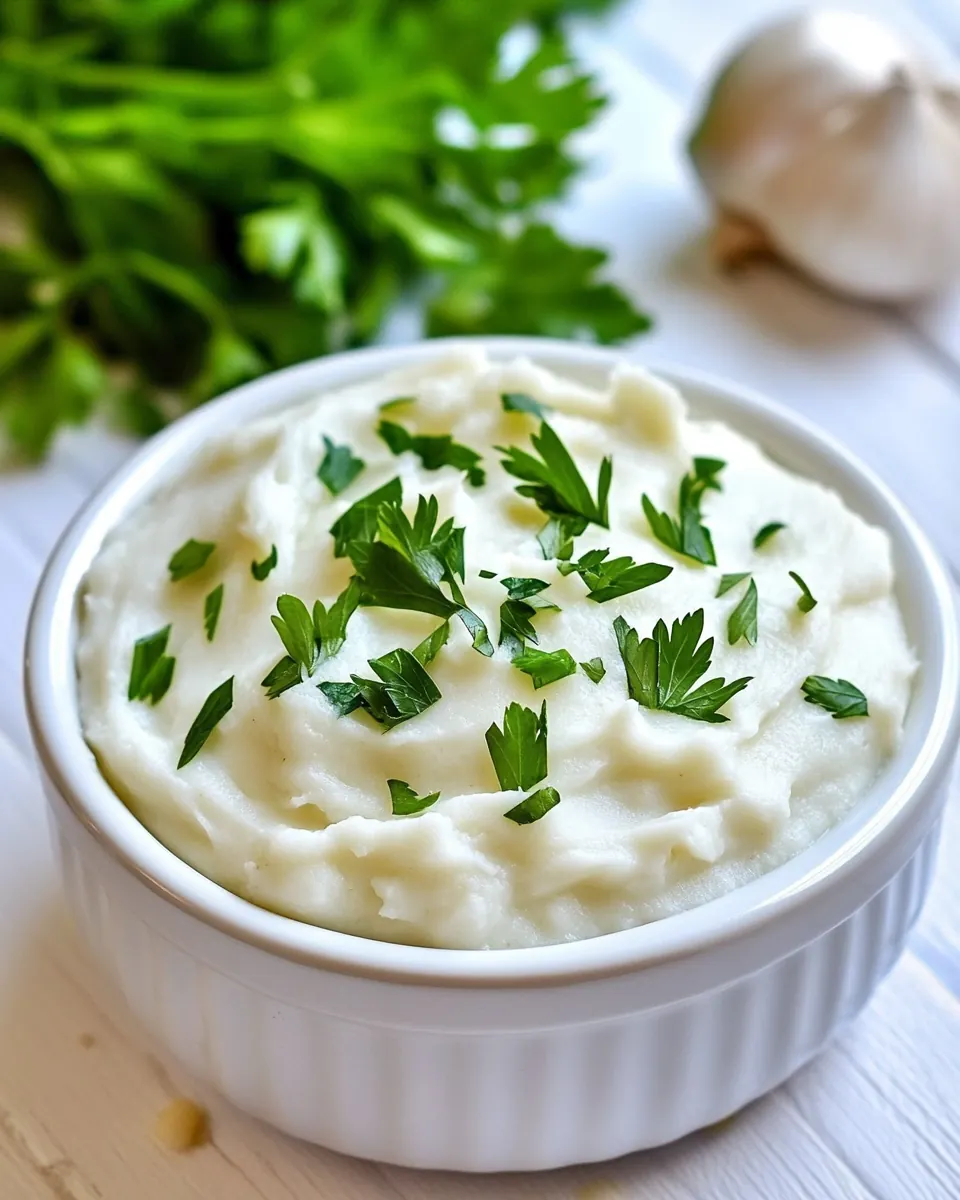
This section collects practical, hands on tips I use every time I make Creamy Garlic Mashed Cauliflower. They focus on texture, flavor balance, and simple techniques to get reliably good results.
- Choose a firm cauliflower: Pick a head that feels heavy and dense for its size, with tight, creamy white florets and minimal browning, which ensures a sweeter, less watery mash.
- Salt the cooking water well: Seasoning the water is the easiest way to ensure the cauliflower is flavorful from the inside out, and it reduces the need to over salt at the end.
- Sauté garlic gently: Warm the extra virgin olive oil over medium low heat and watch the garlic carefully, removing it once it becomes golden and fragrant to avoid bitterness from over browning.
- Control moisture carefully: Drain thoroughly and let the florets sit briefly to steam off excess water so your final mash is creamy not watery, which is the most common issue home cooks face.
- Add milk gradually: Incorporate the milk a little at a time while you blend so you can stop at the exact consistency you prefer, preventing an overly thin result.
- Finish with fresh pepper: Freshly ground black pepper at the end brightens the flavor and provides a gentle heat that complements the mellow cauliflower and garlicky oil.
What to Serve Alongside Creamy Garlic Mashed Cauliflower
This mash is versatile and pairs well with many main dishes and occasions. Below are ideas for what to serve, how to present it, and seasonal or storage suggestions to make the most of the recipe.
- Weeknight dinners: Serve alongside roasted vegetables or a simple pan seared fish for a light, balanced meal that feels satisfying without being heavy.
- Comfort meals: Plate the mash next to a rich stew or braised dish to offer a silky counterpoint that soaks up sauces and adds creaminess to each bite.
- Make ahead and reheat: Store the mash in an airtight container in the refrigerator for up to three days, and reheat gently on the stove with a splash of milk or reserved cooking liquid to refresh the texture.
- Seasonal pairings: In cooler months, serve with roasted root vegetables and warm, spiced sides; in spring and summer, pair with bright salads and grilled vegetables for a lighter plate.
- Special occasions: For holiday style dinners, present the mash in a warm serving bowl with a drizzle of extra virgin olive oil and a final crack of black pepper for an elegant, simple side that complements richer mains.
- Serving suggestions: Spoon into individual bowls for a cozy presentation or mound on the center of a plate as the base for composed dishes, letting pan sauces mingle into the mash for flavor harmony.
FAQ
Conclusion
This recipe shines because it turns simple ingredients into a creamy, satisfying side that still feels light and wholesome. I encourage you to give Creamy Garlic Mashed Cauliflower a try the next time you want comfort without heaviness; the flavor payoff is impressive for how little effort it requires. It’s forgiving, quick, and adaptable, so whether you are feeding family or cooking for yourself, this mash is an easy way to elevate a meal with minimal fuss and maximum heart.
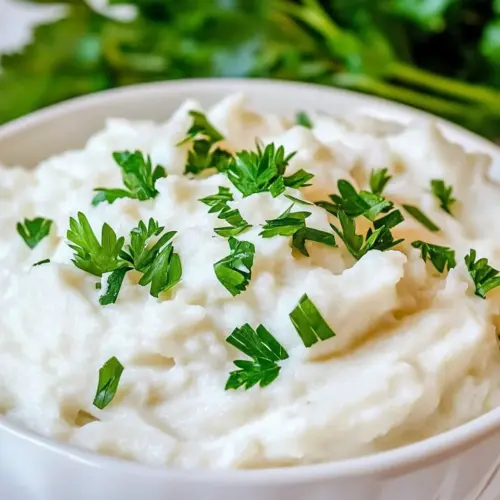
Creamy Garlic Mashed Cauliflower
Equipment
- Large Pot
- Colander
- Sauté Pan
- Potato Masher
- Immersion blender or food processor
Ingredients
- 1 medium head cauliflower, cut into florets Provide a tender, mild-flavored base when cooked, offering a low-carb alternative to potatoes and blending smoothly for a creamy texture; steam or boil until fork-tender to ensure easy mashing and uniform consistency. Retain some cooking liquid to adjust thickness if needed, and remove large stems for the best mouthfeel.
- 1/4 cup skim or reduced-fat milk; substitute with unsweetened non-dairy milk or 1/4 cup of the cooking liquid Add thin creaminess and slight sweetness while thinning the mash; use skim or reduced-fat milk for lighter texture, or substitute unsweetened non-dairy milk for a lactose-free option. Alternatively, incorporate reserved cooking liquid to preserve flavor and reduce waste without adding fat.
- 1 tablespoon extra virgin olive oil Contribute a subtle fruity richness and help carry flavors, creating a silkier mouthfeel in the final mash; warm the oil briefly to release aromatics from garlic before combining. Use measured amount to keep dish light while improving overall texture and preventing stickiness.
- 2 garlic cloves, minced Impart bright, pungent aromatics and savory depth that elevate the mild cauliflower; mince finely to distribute flavor evenly and lightly sauté to mellow harshness if desired. Adjust amount to taste, remembering garlic intensifies as it cooks and blends with the mash.
- 1/2 teaspoon salt Enhance and balance flavors by boosting the natural sweetness of cauliflower and taming bitterness; measure carefully to avoid over-salting and taste as you go. Dissolve into the warm mash for even seasoning and to help bring out other ingredients.
- black pepper, freshly ground, to taste Season with freshly ground black pepper to add warmth and a gentle heat that contrasts the creamy base; grind just before serving for optimal aroma. Sprinkle to taste and mix thoroughly to ensure bright peppery notes throughout the dish.
Instructions
- Boil a large pot of salted water. Add cauliflower and cook until very tender, about 10 minutes. Drain.: The pot should be large enough that the cauliflower florets can move freely while boiling, which ensures even cooking; you will notice the water gently rolling with a few livelier bubbles when it is ready. Salting the water seasons the cauliflower internally as it cooks, enhancing its sweetness. A common mistake is under salting the pot, which produces a bland mash, so be confident with the salt amount. Drain thoroughly when the florets are very tender and emit a soft, yielding sound when pierced with a fork.
- Meanwhile, in a separate saute pan, warm olive oil over medium-low heat, add garlic and saute for about 30 seconds, or until the garlic is golden and fragrant. Remove from the heat.: When the cauliflower reaches the right doneness, it should feel soft and almost falling apart when pierced, with steam carrying a mild vegetal sweetness. The timer is a guideline; thicker florets may need a touch longer. Overcooking can make the mash waterlogged, so drain promptly and let a little steam escape in the colander to prevent a watery final texture.
- Mash with a potato masher in a large bowl. For a smoother mashed cauliflower, use an immersion or hand blender to puree, or puree it in the food processor. While mixing, slowly add milk until the desired consistency is achieved. Mix in the salt and pepper and the minced garlic with the olive oil. Serve.: After boiling, let the cauliflower sit in the colander for a minute so excess water can evaporate, and if you want an even drier result, spread the florets on a clean towel to wick away remaining moisture. Too much water is the main reason purees turn thin, so be attentive here. You should aim for a warm, not steaming, texture before mashing or blending.
- Mashed cauliflower can be topped with chopped scallions if desired.: As the garlic hits the warm extra virgin olive oil , it will sizzle softly and release a fragrant, nutty aroma, signaling it is ready. Keep the heat modest so the garlic gently softens rather than browns too quickly, which can lead to a bitter taste. Remove from heat as soon as it turns lightly golden, then let it rest so the oil captures that toasty flavor without burning.
- Remove from the heat: Let the pan cool slightly after sautéing the garlic , so you don’t add overly hot oil to the mash which could thin it too much. The gentle cooling also lets the aromatic compounds settle into the oil, creating a mellower flavor. A common misstep is leaving the pan on residual heat, which can continue to cook and darken the garlic , changing the intended flavor profile.
- Mash with a potato masher in a large bowl: Use a sturdy masher and press firmly to break the florets down; you will feel the resistance lessen as the texture turns creamy and the sound will shift to a softer, quieter rhythm as the pieces collapse. Mashing by hand preserves a slightly rustic texture which can be very pleasing. If you prefer a smoother finish, move to an immersion blender or food processor, but stop as soon as it becomes silky to avoid gummy textures.
- For a smoother mashed cauliflower, use an immersion or hand blender to puree or puree it in the food processor: When pureeing, pulse in short bursts to control the consistency, listening for a more continuous, even hum from the motor that signals uniform blending. The visual cue is a glossy surface and no visible lumps. Over processing can make the mash gluey, so aim for smooth but still light and airy. If you see the mixture thickening and becoming sticky, pause and fold gently by hand to restore some loft.
- While mixing, slowly add milk until the desired consistency is achieved: Add the milk in small increments so you can watch the texture transform from grainy to velvety; you will see a slight sheen develop as the liquid incorporates. This gradual approach prevents over thinning and ensures you control richness. If your mash becomes too loose, a short simmer in the pan can concentrate it back down, but it is best to add liquid cautiously.
- Mix in the salt and pepper and the minced garlic with the olive oil: Fold the seasoned garlic and its infused oil into the mash so the aroma distributes evenly; you should immediately notice a rounded, savory lift and a warm, peppery finish from the freshly ground black pepper . Tasting after mixing is crucial because the flavors can intensify as the mash cools. A typical error is adding all seasoning before tasting, which can lead to over salted results, so adjust gradually and taste between additions.
- Serve: Spoon the Creamy Garlic Mashed Cauliflower into bowls or onto plates while it is warm, watching for a slight steam and a glossy surface that indicates ideal serving temperature. A final crack of black pepper and a light drizzle of extra virgin olive oil add an attractive finish and aroma. If you plan to hold it, keep it covered and warm, and gently reheat with a splash more milk or cooking liquid to restore creaminess, avoiding high heat that can dry it out.
- Mashed cauliflower can be topped with chopped scallions if desired: If you choose to add toppings such as chopped scallions, they introduce a fresh, crisp contrast and a bright, oniony note that complements the mellow mash; sprinkle them just before serving so they remain texturally distinct. Topping is optional but it can add color and a lively bite. Do not add them too early or they will wilt and lose that pleasant crunch and visual pop.
Notes
- Choose a firm cauliflower: Pick a head that feels heavy and dense for its size, with tight, creamy white florets and minimal browning, which ensures a sweeter, less watery mash.
- Salt the cooking water well: Seasoning the water is the easiest way to ensure the cauliflower is flavorful from the inside out, and it reduces the need to over salt at the end.
- Sauté garlic gently: Warm the extra virgin olive oil over medium low heat and watch the garlic carefully, removing it once it becomes golden and fragrant to avoid bitterness from over browning.
- Control moisture carefully: Drain thoroughly and let the florets sit briefly to steam off excess water so your final mash is creamy not watery, which is the most common issue home cooks face.
- Add milk gradually: Incorporate the milk a little at a time while you blend so you can stop at the exact consistency you prefer, preventing an overly thin result.
- Finish with fresh pepper: Freshly ground black pepper at the end brightens the flavor and provides a gentle heat that complements the mellow cauliflower and garlicky oil.