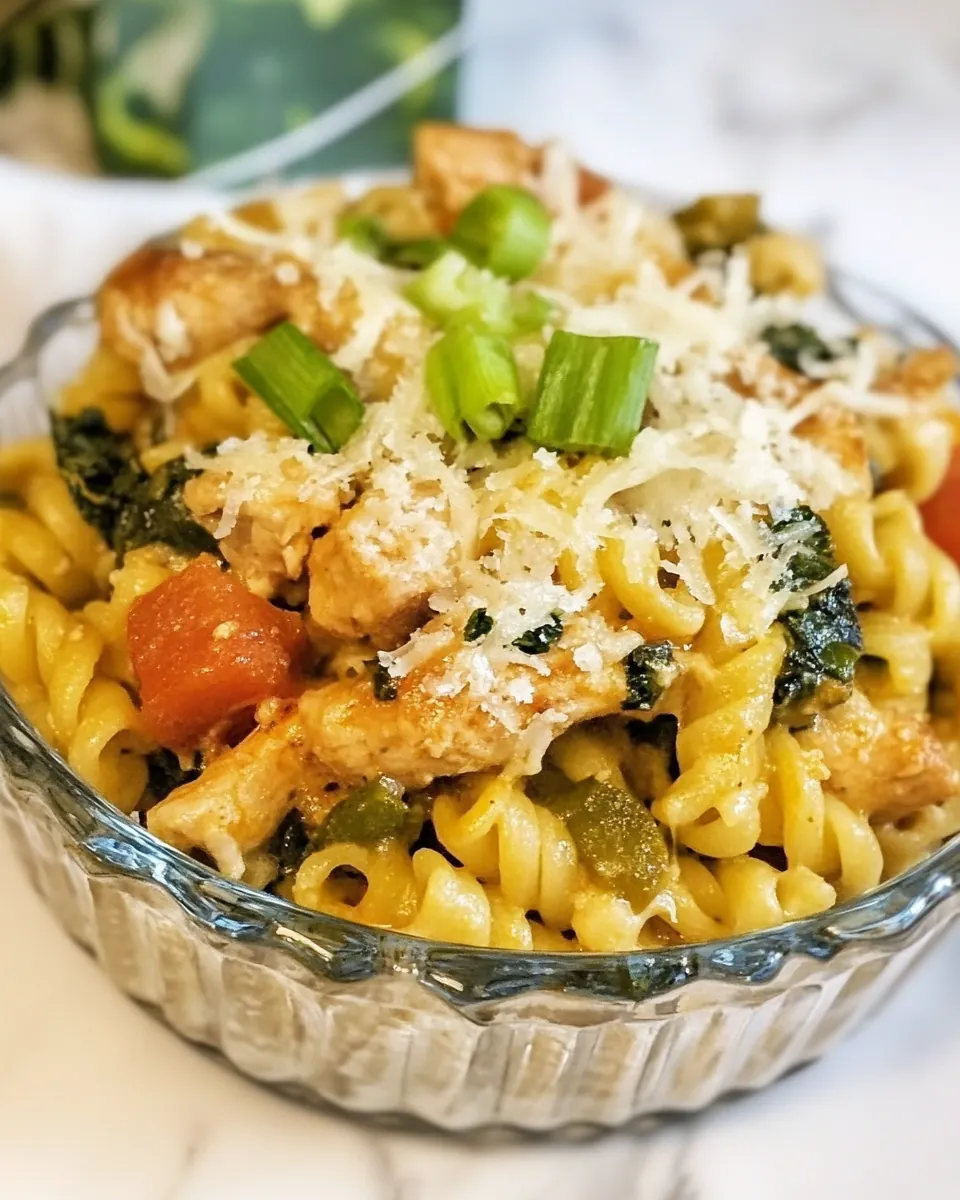
Overnight Monterey Chicken Pasta
Overnight Monterey Chicken Pasta is one of those recipes I reach for when life gets busy and I still want something comforting on the table. The very first time I made it, I came home late from work, exhausted, and grateful that a casserole I’d assembled the night before would pull dinner together without drama. The combination of creamy soup, tender chicken, and melty Monterey Jack cheese felt like a warm, familiar hug, and the crunchy fried onions on top gave it personality.
Over the years I’ve tweaked the technique to make sure the pasta soaks up enough flavor overnight without becoming gummy, and I always keep a rotisserie chicken in the fridge as a shortcut. Friends who try this dish ask for the recipe immediately, and I love watching skeptics become fans after the first cheesy bite. It’s a hands off, crowd friendly casserole that travels well to potlucks, and it’s forgiving enough for busy weeknights when you want to prep ahead.
Recipe Snapshot
1 hr 10 mins
10 mins
60 mins
Medium
500 kcal
American
Keto, Gluten-Free
Dinner
Chef Knives, Cutting Board, Mixing Bowls, 9×13-inch Baking Dish
What’s Great About This Overnight Monterey Chicken Pasta
One dish that saves time
I adore recipes that free up my evening, and Overnight Monterey Chicken Pasta does exactly that. You mix everything the night before, refrigerate, and wake up to a casserole that needs only topping and baking. For households juggling work, school, or late practices, this kind of make ahead magic is priceless.
Comforting textures and contrasts
The creamy base made from the soup and liquids keeps the interior rich and silky, while the final layer of Monterey Jack cheese melts into a gooey blanket. Then there’s the crunchy hit from the French fried onions, which add a toasted, savory snap. I love dishes that offer both softness and crunch in the same bite.
Simple pantry friendly ingredients
This recipe uses staples you likely already have: canned soup, dried pasta, milk, stock, and seasonings like garlic powder and onion powder. It’s forgiving if you swap similar soups or short pastas, and it’s a great way to use leftover cooked chicken without fuss. I often keep the components on hand for last minute dinners.
Reliable for feeding a crowd
I bring this casserole to family gatherings because it scales well and travels simply. The 9 by 13 pan holds enough for a group, and the flavors stay cozy even after reheating. If I need to multiply the recipe for a gathering, the straightforward proportions make scaling easy, and my oven time stays predictable.
Flexible and forgiving
If you prefer a little more green, you can switch in fresh spinach instead of frozen, or swap the soup type for a different cream base. The technique stays the same, and the result remains creamy and comforting. Over the years I’ve learned this casserole forgives minor timing and ingredient swaps, which is a real relief on busy nights.
Ingredients Required for Overnight Monterey Chicken Pasta
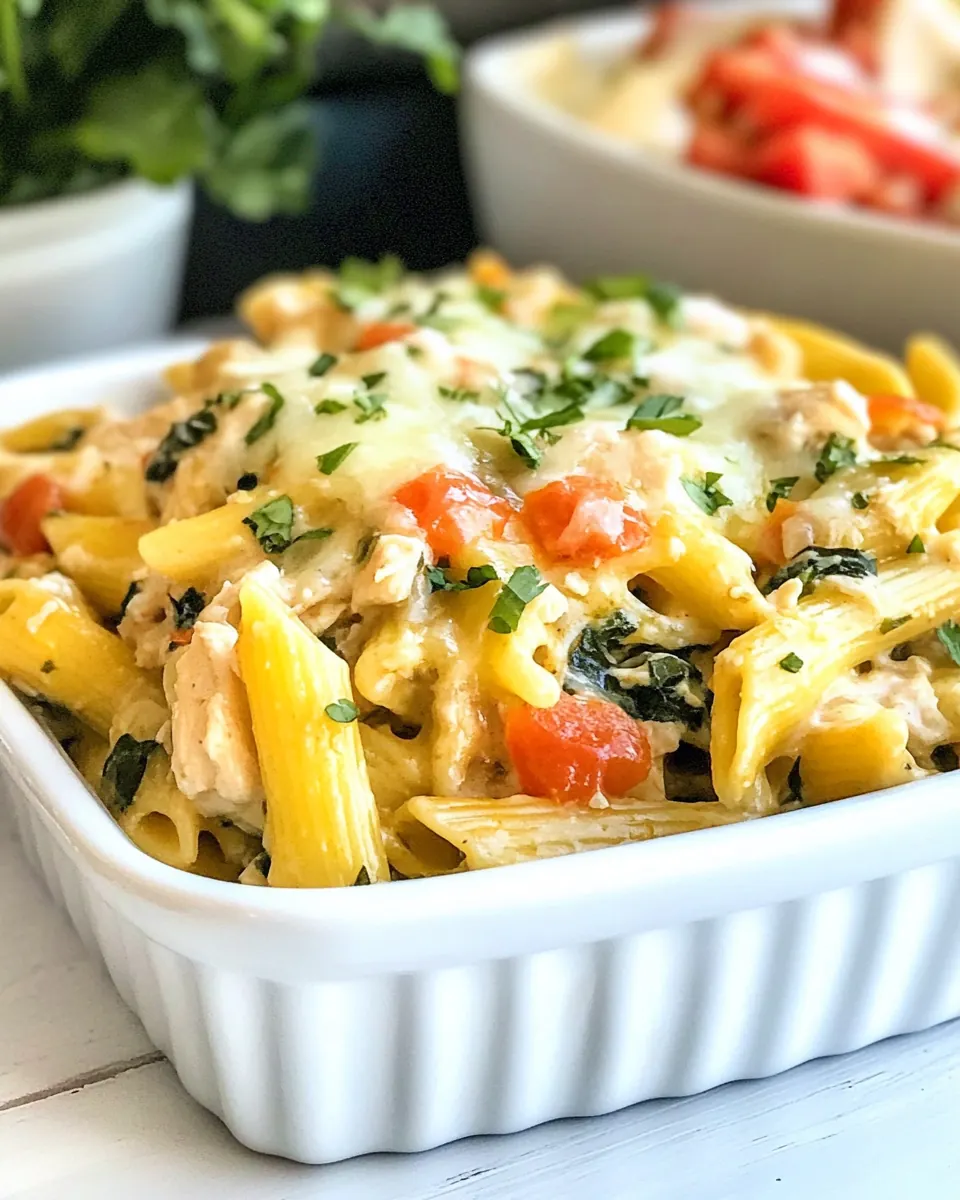
These ingredients are purposefully simple and cooperative. The canned soup and liquids create a rich, creamy matrix that hydrates the uncooked elbow macaroni overnight, while the shredded Monterey Jack cheese brings melt and richness. The frozen spinach adds color and a mild vegetal note that balances the dish, and the crunchy French fried onions deliver a final texture contrast. Each element plays a clear role, from body to brightness to crisp finish.
- 4 cups chopped cooked chicken: Provide shredded cooked chicken to add substantial protein and hearty texture, helping make the casserole filling and satisfying; distributes savory flavor throughout the dish when mixed with the creamy sauce.
- 2 (10.5-oz) cans Unsalted Cream of Chicken Soup: Contribute a smooth, concentrated creamy base that thickens the sauce and adds savory chicken flavor; helps bind the other components during baking for a cohesive, rich casserole.
- 1/2 (10-oz) package frozen chopped spinach, thawed and drained: Add lightly vegetal flavor and moistness while supplying color contrast; when thawed and drained, integrate into the sauce to boost nutrition without making the dish watery.
- 1 tsp garlic powder: Impart warm, mellow garlic aroma and depth to the sauce; enhances overall savory profile without adding moisture, blending seamlessly with other dry seasonings.
- 1 tsp onion powder: Deliver sweet, savory onion seasoning that rounds out the flavor profile; works as a gentle umami enhancer to complement the creamy soup and cheese.
- 1 1/4 cups milk: Provide dairy richness and adjust sauce consistency to a pourable texture; helps meld flavors and contributes a subtle creaminess to the finished casserole.
- 1 1/4 cups chicken broth: Introduce savory liquid with concentrated chicken flavor to deepen taste and thin the sauce to the proper cooking consistency; balances the milk for optimal texture.
- 2 cups shredded Monterey Jack cheese: Supply melting, gooey cheesiness and mild, slightly tangy flavor; creates a stretchy, golden layer when baked and enriches the casserole mouthfeel.
- 8 oz elbow macaroni, uncooked: Offer tender pasta structure and starchy body that absorbs the sauce and binds the casserole; cooking from uncooked allows noodles to finish absorbing flavors during the overnight bake.
- 1 (6-oz) can French fried onions: Deliver a crunchy, oniony topping that contrasts creamy interior textures and adds golden, crisp visual appeal when sprinkled over the finished casserole.
Cooking Instructions for Overnight Monterey Chicken Pasta
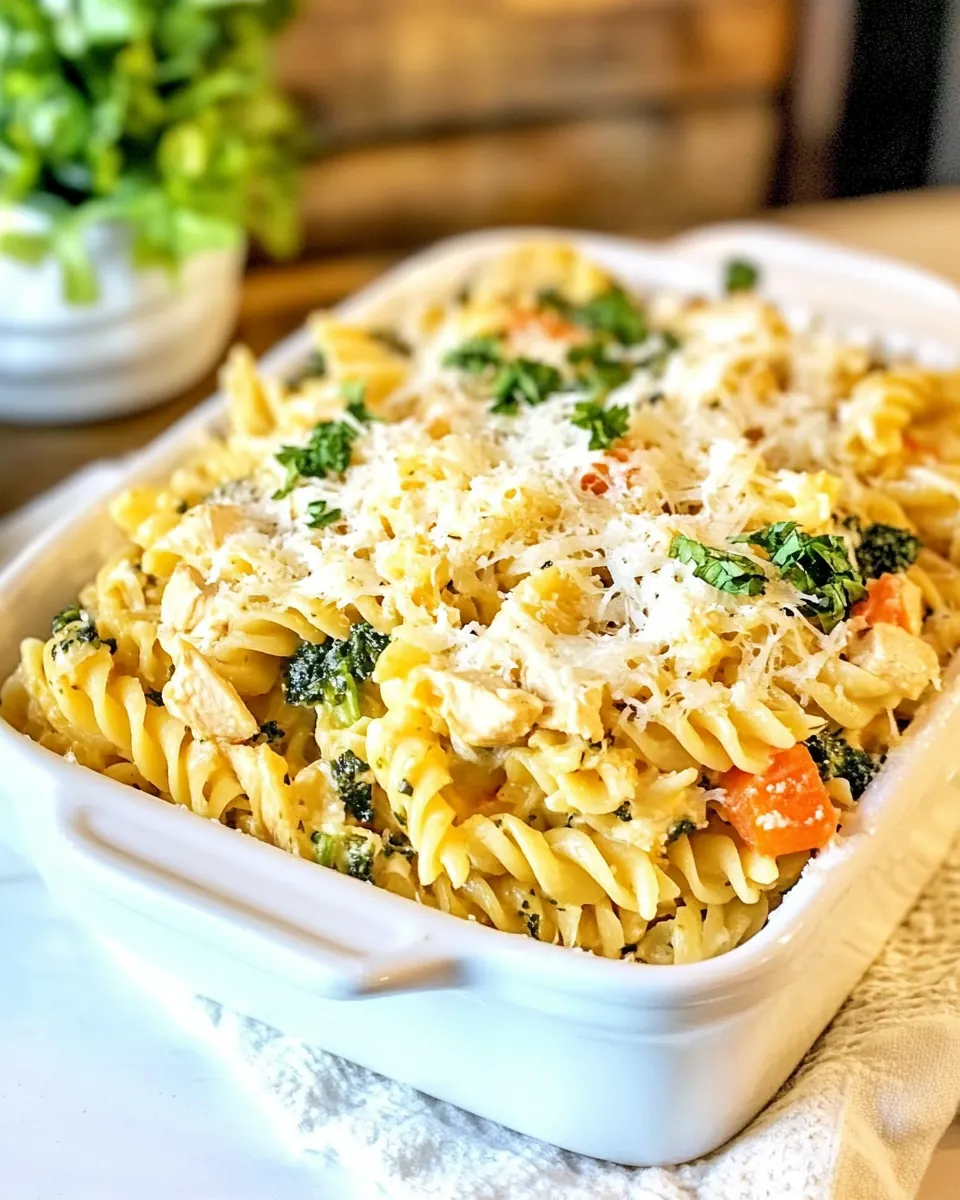
This casserole is straightforward to assemble and forgiving in execution. The overnight rest is the secret, allowing the uncooked elbow macaroni to absorb flavor and liquid so the oven finish is uniform. Below I convert the directions into expanded, sensory-rich steps so you know what to expect at each stage.
- Spray a 9×13-inch pan with cooking spray.: When you prepare the pan, you create a nonstick surface that makes serving and cleanup far easier. I like to evenly coat the bottom and sides so the bubbling casserole releases cleanly. You should hear a faint sputter when the spray hits a warm pan, though here it is simply an even mist on a cool dish. A common mistake is skimping on the spray, which can cause browned cheese or stuck edges, so be generous and wipe the rim free of excess to avoid burning.
- In a large bowl combine cooked chicken, cream of chicken soup, spinach, milk, chicken broth, garlic powder, onion powder, 1 cup Monterey Jack cheese, and half of the French fried onions. Stir in uncooked pasta.: As you fold these components, notice the mixture thicken and become glossy from the soup and dairy. The shredded chicken pieces will look moister as they soak up the sauce, and the flecks of green from the spinach will thread through the pasta. Stir until the pasta is evenly coated, and the mixture holds together without being soupy. The aroma of the powdered seasonings will rise gently when stirred, hinting at the savory profile to come. Avoid overmixing vigorously, which can break up the chicken and make the texture less satisfying.
- Pour pasta mixture into prepared pan. Cover and refrigerate overnight.: Pouring the mixture should feel satisfying as it fills the pan in a level layer, and the sauce settles around the pasta shapes. Cover tightly to prevent absorption of fridge smells and to allow the pasta to slowly hydrate. Overnight chilling lets the dried pasta swell and infuse with savory flavors, which results in a creamier casserole after baking. A typical oversight is leaving the dish uncovered, leading to a dry skin on top, so be sure the cover seals well.
- Remove casserole from refrigerator and uncover.: When you take the pan from the fridge, the surface will look set and slightly firmer from the chilled dairy. Leave it uncovered for a few minutes while you preheat the oven so it comes closer to room temperature, which promotes even baking. You might notice some liquids have pooled; that is normal, and the oven will incorporate them into a cohesive sauce. Don’t skip the brief rest, as a very cold center can lengthen bake time unevenly.
- Preheat oven to 350ºF.: Setting the oven to 350ºF ensures a steady, even heat so the pasta finishes cooking without the top burning. The moderate temperature allows the cheese to melt and the sauce to thicken gradually. When preheating, I give my oven at least ten minutes to reach temperature so the casserole starts cooking immediately and predictably. A common misstep is underestimating preheat time, which can make the casserole overbake while the center remains undercooked.
- Top the casserole with the remaining 1 cup of Monterey Jack cheese and the remaining half of the fried onions. Bake, uncovered, for 1 hour.: As the casserole bakes, the top will transform from pale to a bubbling, golden surface, with the cheese stretching and browning slightly around edges. The scent will shift to toasty, cheesy notes, and the fried onions will crisp and toast into a nutty, oniony crown. During the hour, check visually for bubbling at the center and a deeply warmed interior. Avoid opening the oven door repeatedly, because temperature swings can affect the final texture. If the top browns too fast, tent loosely with foil for the remaining time, but expect a satisfying sizzle when you remove it.
Helpful Hints
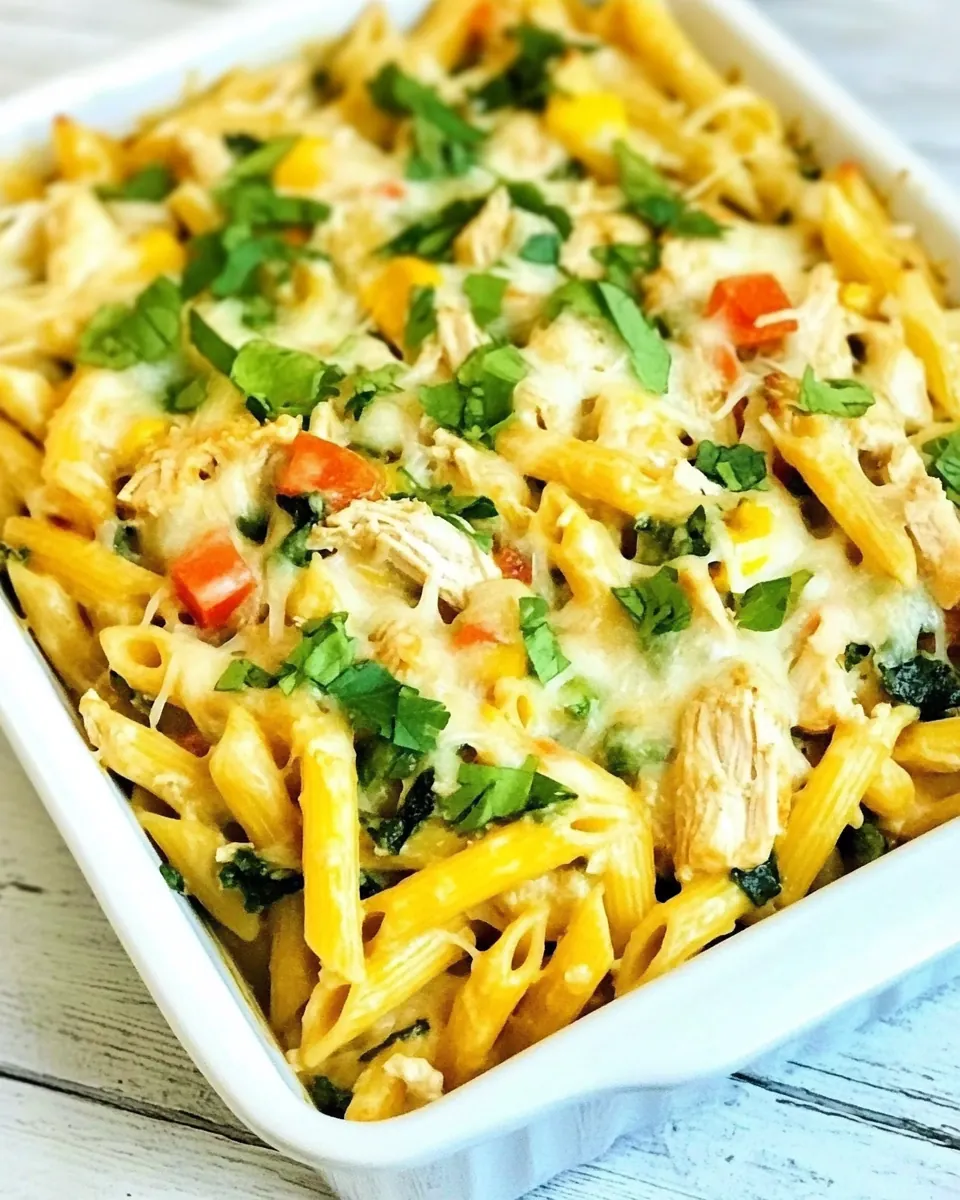
I like to keep these hints handy because they dramatically improve consistency and flavor without extra effort. Read them before assembling so you can plan substitutions and timing, and keep one tip in mind as you prep to avoid a common pitfall.
- Choose the right chicken: Rotisserie chicken saves time and delivers moist, seasoned meat. If using homemade cooked chicken, shred it so it disperses evenly through the casserole.
- Measure liquids accurately: The balance of milk and chicken broth determines how well the uncooked pasta hydrates overnight. Too much liquid can leave the filling soupy, too little can leave pasta underdone.
- Thaw and squeeze spinach well: Packaged frozen spinach often holds water after thawing. I press it in a clean towel to avoid diluting the sauce and weakening the final texture.
- Mix gently: Over stirring can break the chicken into small bits and make the casserole homogenous. Fold ingredients until evenly distributed but still distinct.
- Cover tightly for overnight: Sealing the pan prevents fridge odors and helps the pasta absorb liquids uniformly. I use cling film or a fitted lid for the best seal.
- Check internal temperature when baking: Aim for a hot, bubbling center rather than relying solely on the clock. A thermometer should register a hot casserole, and visual bubbling is a good cue.
Serving Ideas for Overnight Monterey Chicken Pasta
This casserole is hearty and versatile, perfect for family dinners, potlucks, or when you want a hands off meal that still feels special. Consider simple sides and practical serving strategies to round out the plate and adapt the dish to different occasions. Below are ways I like to serve and store it based on season and situation.
- Weeknight family dinner: Pair a slice with a crisp green salad dressed lightly to cut through the richness, and a loaf of crusty bread for scooping up any remaining sauce.
- Potluck or gathering: Keep the casserole warm in a low oven or an insulated carrier. Cut into squares before transporting and bring extra fried onions to top just before serving for maximal crunch.
- Make ahead strategy: Assemble the night before and refrigerate. Bake the next day while you finish other prep, which makes hosting relaxed and efficient.
- Leftover storage: Store in an airtight container in the refrigerator for up to four days. Reheat in a 350 degree oven until warmed through to regain a bit of crispness on top.
- Seasonal pairings: In winter I like the casserole with roasted root vegetables for an extra cozy plate. In spring, a tangy vinaigrette salad brightens the meal and keeps it feeling lighter.
- Occasion suggestions: This works well for casual lunches, family dinners, and Ramadan if you need a filling option for iftar after a day of fasting, since it’s easy to portion and reheat.
FAQ
Conclusion
This casserole’s combination of creamy sauce, tender chicken, and a crunchy onion topping is what makes Overnight Monterey Chicken Pasta so reliably comforting and crowd friendly. It’s a practical, make ahead solution that gives you dinner ready to bake after a busy day, and the simple ingredients work together to create layers of texture and flavor. Give it a try the next time you want a low stress, high comfort meal; you’ll appreciate how little active time it requires and how big the payoff tastes. Share it with friends or save portions for easy reheats during the week, and enjoy the warm, cheesy satisfaction it brings to the table.
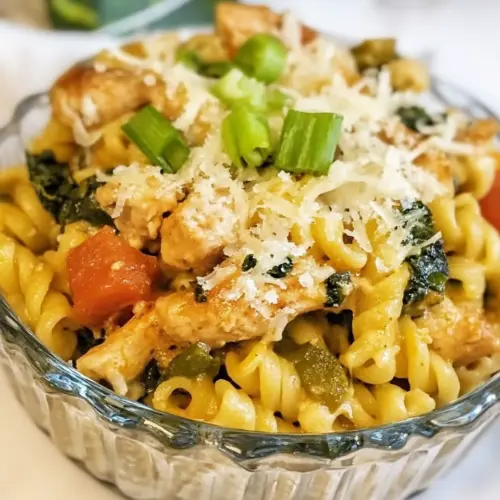
Overnight Monterey Chicken Pasta
Equipment
- Chef Knives
- Cutting Board
- Mixing Bowls
- 9x13-inch Baking Dish
Ingredients
- 4 cups chopped cooked chicken Provide shredded cooked chicken to add substantial protein and hearty texture, helping make the casserole filling and satisfying; distributes savory flavor throughout the dish when mixed with the creamy sauce.
- 2 (10.5-oz) cans Unsalted Cream of Chicken Soup Contribute a smooth, concentrated creamy base that thickens the sauce and adds savory chicken flavor; helps bind the other components during baking for a cohesive, rich casserole.
- 1/2 (10-oz) package frozen chopped spinach, thawed and drained Add lightly vegetal flavor and moistness while supplying color contrast; when thawed and drained, integrate into the sauce to boost nutrition without making the dish watery.
- 1 tsp garlic powder Impart warm, mellow garlic aroma and depth to the sauce; enhances overall savory profile without adding moisture, blending seamlessly with other dry seasonings.
- 1 tsp onion powder Deliver sweet, savory onion seasoning that rounds out the flavor profile; works as a gentle umami enhancer to complement the creamy soup and cheese.
- 1 1/4 cups milk Provide dairy richness and adjust sauce consistency to a pourable texture; helps meld flavors and contributes a subtle creaminess to the finished casserole.
- 1 1/4 cups chicken broth Introduce savory liquid with concentrated chicken flavor to deepen taste and thin the sauce to the proper cooking consistency; balances the milk for optimal texture.
- 2 cups shredded Monterey Jack cheese, Supply melting, gooey cheesiness and mild, slightly tangy flavor; creates a stretchy, golden layer when baked and enriches the casserole mouthfeel.
- 8 oz elbow macaroni, uncooked Offer tender pasta structure and starchy body that absorbs the sauce and binds the casserole; cooking from uncooked allows noodles to finish absorbing flavors during the overnight bake.
- 1 (6-oz) can French fried onions Deliver a crunchy, oniony topping that contrasts creamy interior textures and adds golden, crisp visual appeal when sprinkled over the finished casserole.
Instructions
- Spray a 9×13-inch pan with cooking spray.: When you prepare the pan, you create a nonstick surface that makes serving and cleanup far easier. I like to evenly coat the bottom and sides so the bubbling casserole releases cleanly. You should hear a faint sputter when the spray hits a warm pan, though here it is simply an even mist on a cool dish. A common mistake is skimping on the spray, which can cause browned cheese or stuck edges, so be generous and wipe the rim free of excess to avoid burning.
- In a large bowl combine cooked chicken, cream of chicken soup, spinach, milk, chicken broth, garlic powder, onion powder, 1 cup Monterey Jack cheese, and half of the French fried onions. Stir in uncooked pasta.: As you fold these components, notice the mixture thicken and become glossy from the soup and dairy. The shredded chicken pieces will look moister as they soak up the sauce, and the flecks of green from the spinach will thread through the pasta. Stir until the pasta is evenly coated, and the mixture holds together without being soupy. The aroma of the powdered seasonings will rise gently when stirred, hinting at the savory profile to come. Avoid overmixing vigorously, which can break up the chicken and make the texture less satisfying.
- Pour pasta mixture into prepared pan. Cover and refrigerate overnight.: Pouring the mixture should feel satisfying as it fills the pan in a level layer, and the sauce settles around the pasta shapes. Cover tightly to prevent absorption of fridge smells and to allow the pasta to slowly hydrate. Overnight chilling lets the dried pasta swell and infuse with savory flavors, which results in a creamier casserole after baking. A typical oversight is leaving the dish uncovered, leading to a dry skin on top, so be sure the cover seals well.
- Remove casserole from refrigerator and uncover.: When you take the pan from the fridge, the surface will look set and slightly firmer from the chilled dairy. Leave it uncovered for a few minutes while you preheat the oven so it comes closer to room temperature, which promotes even baking. You might notice some liquids have pooled; that is normal, and the oven will incorporate them into a cohesive sauce. Don’t skip the brief rest, as a very cold center can lengthen bake time unevenly.
- Preheat oven to 350ºF.: Setting the oven to 350ºF ensures a steady, even heat so the pasta finishes cooking without the top burning. The moderate temperature allows the cheese to melt and the sauce to thicken gradually. When preheating, I give my oven at least ten minutes to reach temperature so the casserole starts cooking immediately and predictably. A common misstep is underestimating preheat time, which can make the casserole overbake while the center remains undercooked.
- Top the casserole with the remaining 1 cup of Monterey Jack cheese and the remaining half of the fried onions. Bake, uncovered, for 1 hour.: As the casserole bakes, the top will transform from pale to a bubbling, golden surface, with the cheese stretching and browning slightly around edges. The scent will shift to toasty, cheesy notes, and the fried onions will crisp and toast into a nutty, oniony crown. During the hour, check visually for bubbling at the center and a deeply warmed interior. Avoid opening the oven door repeatedly, because temperature swings can affect the final texture. If the top browns too fast, tent loosely with foil for the remaining time, but expect a satisfying sizzle when you remove it.
Notes
- Choose the right chicken: Rotisserie chicken saves time and delivers moist, seasoned meat. If using homemade cooked chicken, shred it so it disperses evenly through the casserole.
- Measure liquids accurately: The balance of milk and chicken broth determines how well the uncooked pasta hydrates overnight. Too much liquid can leave the filling soupy, too little can leave pasta underdone.
- Thaw and squeeze spinach well: Packaged frozen spinach often holds water after thawing. I press it in a clean towel to avoid diluting the sauce and weakening the final texture.
- Mix gently: Over stirring can break the chicken into small bits and make the casserole homogenous. Fold ingredients until evenly distributed but still distinct.
- Cover tightly for overnight: Sealing the pan prevents fridge odors and helps the pasta absorb liquids uniformly. I use cling film or a fitted lid for the best seal.
- Check internal temperature when baking: Aim for a hot, bubbling center rather than relying solely on the clock. A thermometer should register a hot casserole, and visual bubbling is a good cue.
