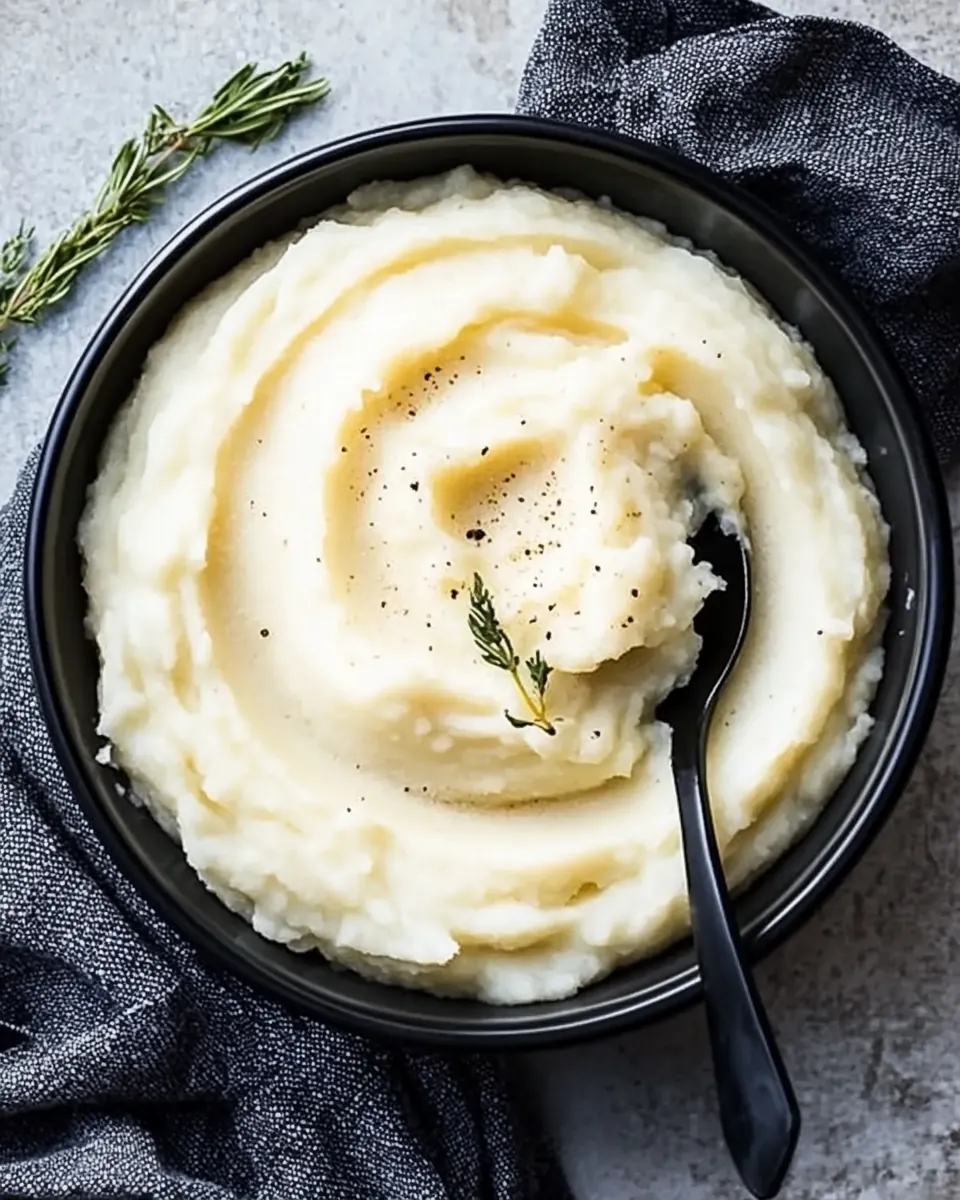
Creamy Mashed Potatoes
Creamy Mashed Potatoes are the kind of comfort food I reach for when I want everyone at the table to breathe a little easier. The first time I made this version I was chasing the memory of my grandmother’s bowl, but with a few small changes to heighten silkiness and flavor without fuss. I remember standing at the sink, hands in a steaming pot of peeled potatoes, thinking how simple ingredients can feel indulgent when treated with care.
Over the years I’ve learned little habits that make a big difference, like warming the heavy whipping cream and unsalted butter before they meet the hot potatoes, and finishing with a splash of olive oil for a glossy sheen. Those tiny details turn good into memorable, and they are why I keep this recipe in my regular rotation. When friends drop by unexpectedly, I can put a pot on the stove and feel confident the result will taste like I spent more time than I did.
Recipe Snapshot
35 mins
20 mins
15 mins
Medium
300 kcal
American
Gluten-Free, Low FODMAP
Side Dishes
Large pot, Colander, Hand beater or food mill
The Charm of This Creamy Mashed Potatoes
Silky, not gluey
I love how Creamy Mashed Potatoes can be unbelievably smooth while still staying light. By gently warming the heavy whipping cream and unsalted butter before folding them in, the starches relax and the texture becomes silkier. I prefer this method because it avoids the gummy mouthfeel that comes from overworking potatoes, and it rewards patience with a pillowy bite.
Deep flavor from simple moves
There is no heavy lifting needed for big flavor. Salting the boiling water seasons the potatoes from the inside out, and adding a little olive oil at the end brings a subtle fruitiness and sheen. I always taste as I go, and that small habit makes the difference between bland and balanced. These steps keep the recipe approachable, yet impressive.
Flexible for the moment
This recipe adapts to what I have on hand and how I plan the meal. I can peel for an ultra smooth finish or leave some skin for rustic charm, and both work beautifully. The method scales easily when I cook for a crowd, and the timing is forgiving enough that you can focus on the rest of the menu without sweating the details.
Reliable crowd pleaser
I bring these Creamy Mashed Potatoes to family dinners and potlucks because they vanish fast. They pair well with bold mains and delicate proteins alike. I like that they are familiar, which helps everyone relax into the meal, and that the recipe is comforting without being fussy.
Little tricks with big payoff
A few consistent habits, like draining well and returning the potatoes to their cooking pot to let excess steam escape, keep the texture right. I find these small acts protect my goal of fluffy, creamy results every time, and they are easy to learn and remember.
Everything You Need for Creamy Mashed Potatoes
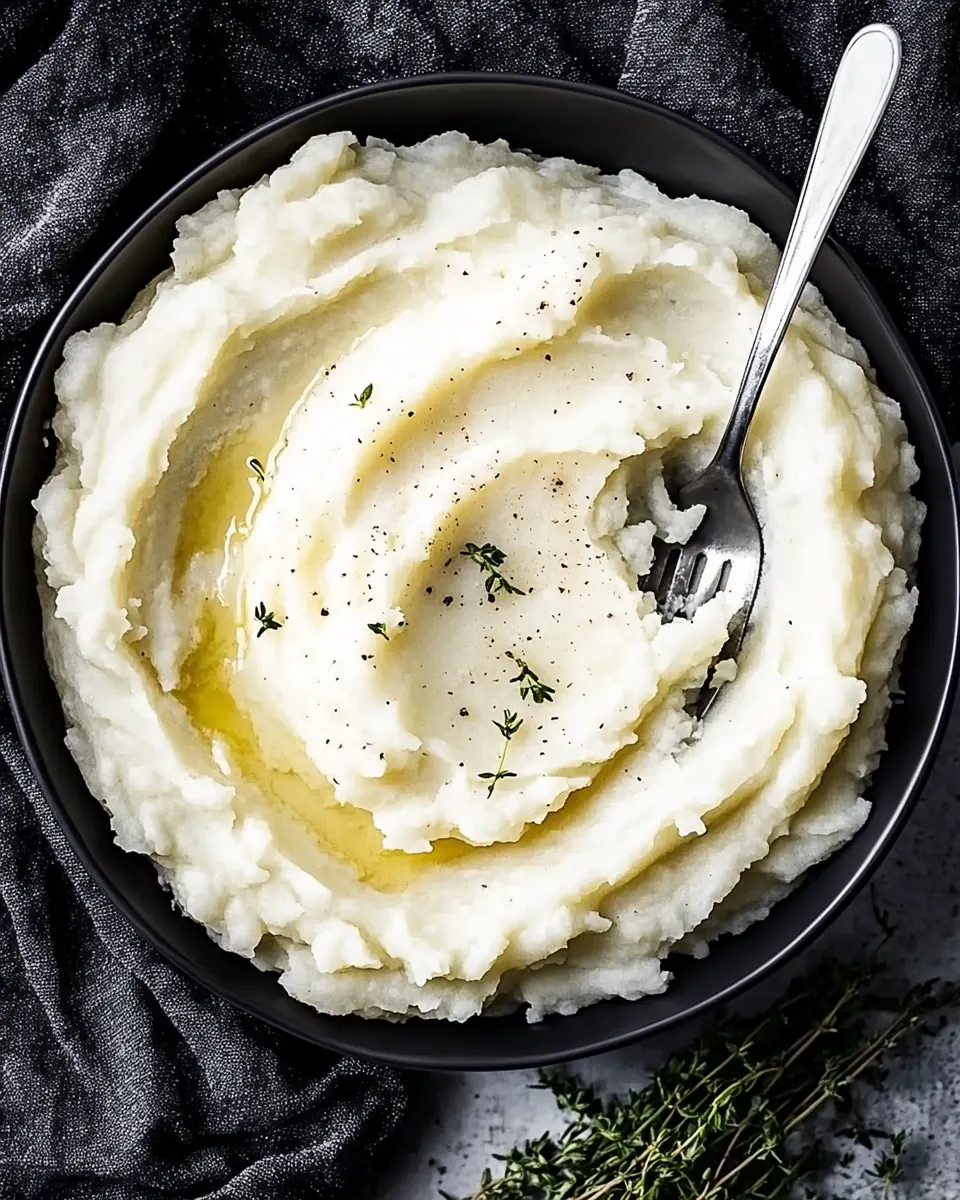
These ingredients are chosen to work together to create a rich, silky mash with balanced seasoning. The potatoes provide the starchy base, the heavy whipping cream and unsalted butter supply fat and silk, and the olive oil and seasonings add brightness and finish. Each component plays a clear role in texture and flavor, and small adjustments let you dial the mash toward rustic or elegant.
- 3 pounds russet potatoes: Boil until tender to provide the starchy base that yields fluffy, creamy mashed potatoes; peel and cut into uniform pieces for even cooking. Drain thoroughly and return to the pot to allow steam to escape before mashing for best texture.
- 1 cup heavy whipping cream: Warm gently and whisk into the mashed potatoes to add rich creaminess and a silky mouthfeel; adjust amount to reach desired consistency. Use near-simmering temperature so it incorporates smoothly without cooling the potatoes.
- 1 stick unsalted butter: Melt and fold into the mash to contribute a rich, buttery flavor and smooth texture; cut into cubes for even melting. Season it in stages and taste as you go to balance richness.
- 1/4 cup olive oil: Drizzle as an alternative fat to add a subtle fruity note and silky finish while slightly lightening the overall richness compared to using only butter. Use sparingly to adjust texture and to help achieve a smoother, less heavy mash.
- coarse salt and ground white pepper: Season generously with coarse salt and finely with ground white pepper to enhance and balance the flavors without visible black flecks; add gradually and taste after mixing. Use salt primarily for overall seasoning and white pepper for a mild, neutral heat.
How to Make Creamy Mashed Potatoes
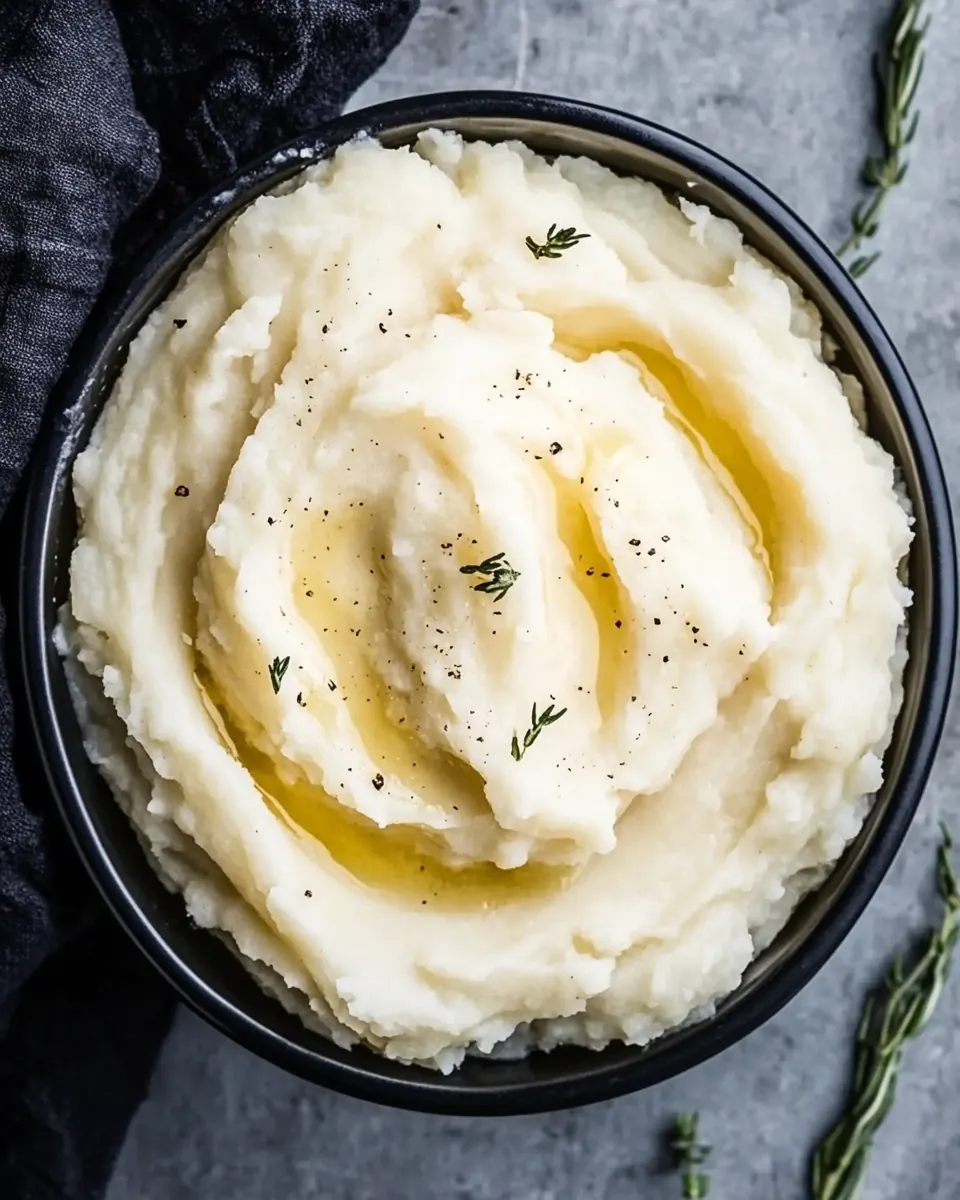
These steps guide you through a method that balances texture and flavor, with sensory cues so you know when you are on track. The order matters because of temperature control and ingredient incorporation, and following the rhythm here will reward you with a smooth, flavorful result.
- Bring a large pot of water to a boil.: The pot should sound like it is building energy, with lively but not violent bubbles breaking at the surface, and you will see steam rising steadily. Boiling the water vigorously ensures even cooking for the potatoes , which helps them soften uniformly without a mealy center. A common mistake is underpowered heat, which makes the potatoes cook unevenly and prolongs time on the stove, so make sure the flame or element is high enough to maintain a rolling boil.
- In the meantime, peel the potatoes and cut them into large chunks. Keep them in cold water if there’s a large gap in time from cutting to cooking.: When the potatoes are cut into even, large pieces you will notice their exposed flesh glistens and holds firm. Keeping the chunks similar in size ensures they cook at the same rate and reach tenderness together. If you leave them in cold water, it prevents discoloration, but avoid long sits since excess water can leach starch. One pitfall is irregular pieces, which lead to some overcooked and some undercooked bites.
- Season the boiling water with salt, add the potatoes, and cook for 12 to 15 minutes or just until tender. Do not under or overcook.: Properly seasoned water should taste slightly salty when you sip a drop, and that seasoning becomes the potato core flavor. The potatoes will shift from stiff to yielding, and a small fork should glide through with little resistance. Overcooking makes them waterlogged and prone to a gummy mash, while undercooking leaves hard pockets, so check early and often during the last minutes.
- In the meantime, add the cream and butter to a separate pot and cook over low heat until the butter is melted and the mixture is hot.: As the heavy whipping cream warms, steam will rise and the surface will show tiny shimmering ripples, and the unsalted butter will melt into a unified glossy liquid. Heating these together prevents cooling the potatoes and helps the fats blend seamlessly into the starch. A mistake is bringing the cream to a boil, which can alter texture, so keep the heat gentle and watch for a soft steam.
- Once the potatoes are cooked, drain them and return them to the pot they were cooked in.: After draining, you will hear the soft patter of residual water and see the steam dissipate; returning the potatoes to the empty pot lets trapped steam escape so excess moisture evaporates. This step tightens the texture so the mash does not become watery when you add the liquids. A common error is leaving them in the colander where they can cool and lose heat, making it harder for the cream to integrate warmly.
- Mash them using electric hand beaters or through a food mill.: As you work, listen for the gentle hum of beaters or the satisfying grind of a food mill; visually the potatoes will break into soft ribbons and small pillowy clumps. These tools give different textures, with a food mill creating the finest silk and beaters offering a slightly airier result. Overmixing with high speed can turn the potatoes gluey, so stop when they are mostly smooth and still tender to the touch.
- Fold in the hot cream and butter, along with olive oil, salt, and white pepper.: When the warm cream meets the mashed potatoes you will notice it absorb and create a glossy sheen, and the aroma will bloom with dairy richness. Folding slowly preserves air and fluffy texture while the olive oil adds a smooth finish. Avoid adding everything cold, which can make the mash clump and resist integrating properly.
- Adjust the seasonings and serve with additional melted butter over top.: Taste carefully, adjusting the coarse salt and ground white pepper to your preference; you might notice the flavors deepen after a minute resting. Serving with extra melted butter creates a luscious top layer that glistens and invites the first scoop. A mistake to avoid is over seasoning too early without re tasting after the cream is folded in, since the richness can mute or amplify salt.
Variations to Try
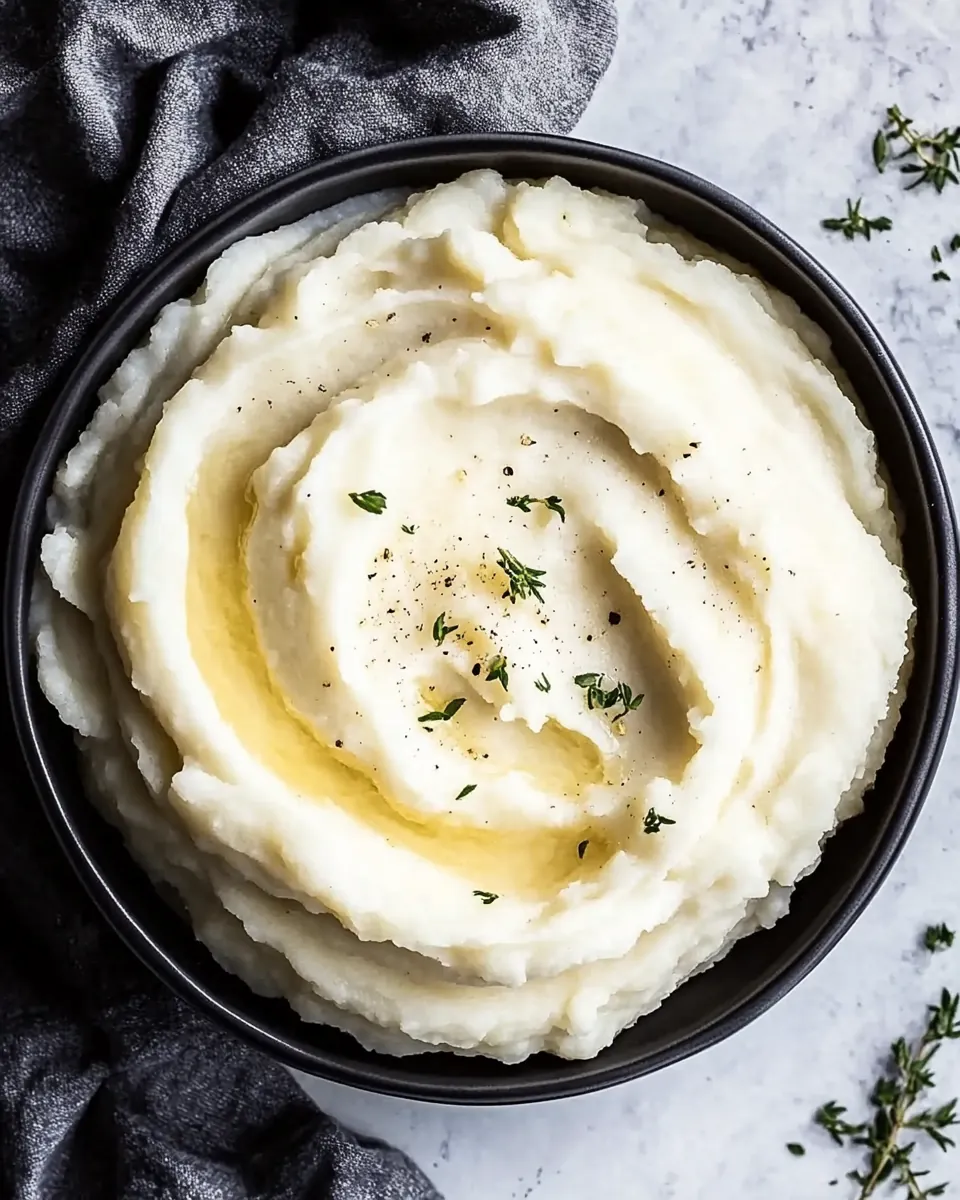
There are small variations that can transform Creamy Mashed Potatoes to suit mood or menu. Below are practical ideas I use depending on whether I want ultra smooth results or rustic character, each expanded into a helpful tip.
- Swap texture Keep the skins on a few potatoes for rustic character and a bit of chew while leaving others peeled for creaminess, which creates a pleasing contrast in the bowl.
- Finish with oil Fold in olive oil at the end for a shiny surface and a slightly fruity note that cuts the dairy richness without thinning the mash.
- Tool flexibility Use a food mill for silk or a hand masher for body, and if you must use an electric mixer, pulse gently to avoid a gluey texture.
- Make ahead Hold the finished mash in a covered pot on low for up to one hour, or transfer to a warm slow cooker to keep it ready without drying.
- Reheat gently When reheating, add a splash of warmed heavy whipping cream or a knob of unsalted butter and heat slowly so the starches relax back into a creamy state.
Perfect Pairings for Creamy Mashed Potatoes
Creamy Mashed Potatoes are versatile and pair beautifully with bold mains and simple proteins alike. Below I explain how to serve them across occasions, and offer storage and seasonal notes so you can plan meals confidently.
- Weeknight dinners Serve a generous scoop alongside roasted or pan seared mains for a cozy, balanced meal that comes together quickly.
- Holiday feasts These mash potatoes fit seamlessly into holiday spreads where they act as a comforting neutral that complements richer entrées and gravies.
- Potlucks and gatherings Keep them in a covered dish or slow cooker to stay warm and crowd pleasing through the event, they travel well and are widely loved.
- Storage tips Cool completely then refrigerate in an airtight container for up to four days, or freeze for up to two months; thaw in the fridge before gentle reheating with cream or butter.
- Seasonal pairing In winter, pair with hearty roasted vegetables and warming sauces; in cooler evenings they provide the comforting base the rest of the plate can play off.
- Serving style Spoon into a warm bowl, make a small well and add a pat of melted unsalted butter or a drizzle of olive oil for a glossy, inviting finish.
FAQ
Conclusion
These Creamy Mashed Potatoes stand out for their simple technique and luxurious texture, achieved by warming dairy and folding gently into hot potatoes. Try them the next time you want a comforting, crowd pleasing side that feels elevated without fuss. I hope you enjoy the balance of silk and flavor, and that this becomes a recipe you turn to whenever you want a reliable, satisfying dish.
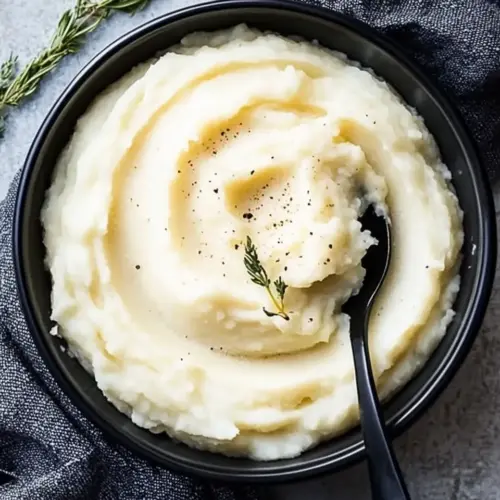
Creamy Mashed Potatoes
Equipment
- Large Pot
- Colander
- Hand beater or food mill
Ingredients
- 3 pounds russet potatoes Boil until tender to provide the starchy base that yields fluffy, creamy mashed potatoes; peel and cut into uniform pieces for even cooking. Drain thoroughly and return to the pot to allow steam to escape before mashing for best texture.
- 1 cup heavy whipping cream Warm gently and whisk into the mashed potatoes to add rich creaminess and a silky mouthfeel; adjust amount to reach desired consistency. Use near-simmering temperature so it incorporates smoothly without cooling the potatoes.
- 1 stick unsalted butter Melt and fold into the mash to contribute a rich, buttery flavor and smooth texture; cut into cubes for even melting. Season it in stages and taste as you go to balance richness.
- 1/4 cup olive oil Drizzle as an alternative fat to add a subtle fruity note and silky finish while slightly lightening the overall richness compared to using only butter. Use sparingly to adjust texture and to help achieve a smoother, less heavy mash.
- coarse salt and ground white pepper Season generously with coarse salt and finely with ground white pepper to enhance and balance the flavors without visible black flecks; add gradually and taste after mixing. Use salt primarily for overall seasoning and white pepper for a mild, neutral heat.
Instructions
- Bring a large pot of water to a boil.: The pot should sound like it is building energy, with lively but not violent bubbles breaking at the surface, and you will see steam rising steadily. Boiling the water vigorously ensures even cooking for the potatoes , which helps them soften uniformly without a mealy center. A common mistake is underpowered heat, which makes the potatoes cook unevenly and prolongs time on the stove, so make sure the flame or element is high enough to maintain a rolling boil.
- In the meantime, peel the potatoes and cut them into large chunks. Keep them in cold water if there’s a large gap in time from cutting to cooking.: When the potatoes are cut into even, large pieces you will notice their exposed flesh glistens and holds firm. Keeping the chunks similar in size ensures they cook at the same rate and reach tenderness together. If you leave them in cold water, it prevents discoloration, but avoid long sits since excess water can leach starch. One pitfall is irregular pieces, which lead to some overcooked and some undercooked bites.
- Season the boiling water with salt, add the potatoes, and cook for 12 to 15 minutes or just until tender. Do not under or overcook.: Properly seasoned water should taste slightly salty when you sip a drop, and that seasoning becomes the potato core flavor. The potatoes will shift from stiff to yielding, and a small fork should glide through with little resistance. Overcooking makes them waterlogged and prone to a gummy mash, while undercooking leaves hard pockets, so check early and often during the last minutes.
- In the meantime, add the cream and butter to a separate pot and cook over low heat until the butter is melted and the mixture is hot.: As the heavy whipping cream warms, steam will rise and the surface will show tiny shimmering ripples, and the unsalted butter will melt into a unified glossy liquid. Heating these together prevents cooling the potatoes and helps the fats blend seamlessly into the starch. A mistake is bringing the cream to a boil, which can alter texture, so keep the heat gentle and watch for a soft steam.
- Once the potatoes are cooked, drain them and return them to the pot they were cooked in.: After draining, you will hear the soft patter of residual water and see the steam dissipate; returning the potatoes to the empty pot lets trapped steam escape so excess moisture evaporates. This step tightens the texture so the mash does not become watery when you add the liquids. A common error is leaving them in the colander where they can cool and lose heat, making it harder for the cream to integrate warmly.
- Mash them using electric hand beaters or through a food mill.: As you work, listen for the gentle hum of beaters or the satisfying grind of a food mill; visually the potatoes will break into soft ribbons and small pillowy clumps. These tools give different textures, with a food mill creating the finest silk and beaters offering a slightly airier result. Overmixing with high speed can turn the potatoes gluey, so stop when they are mostly smooth and still tender to the touch.
- Fold in the hot cream and butter, along with olive oil, salt, and white pepper.: When the warm cream meets the mashed potatoes you will notice it absorb and create a glossy sheen, and the aroma will bloom with dairy richness. Folding slowly preserves air and fluffy texture while the olive oil adds a smooth finish. Avoid adding everything cold, which can make the mash clump and resist integrating properly.
- Adjust the seasonings and serve with additional melted butter over top.: Taste carefully, adjusting the coarse salt and ground white pepper to your preference; you might notice the flavors deepen after a minute resting. Serving with extra melted butter creates a luscious top layer that glistens and invites the first scoop. A mistake to avoid is over seasoning too early without re tasting after the cream is folded in, since the richness can mute or amplify salt.
Notes
- Swap texture Keep the skins on a few potatoes for rustic character and a bit of chew while leaving others peeled for creaminess, which creates a pleasing contrast in the bowl.
- Finish with oil Fold in olive oil at the end for a shiny surface and a slightly fruity note that cuts the dairy richness without thinning the mash.
- Tool flexibility Use a food mill for silk or a hand masher for body, and if you must use an electric mixer, pulse gently to avoid a gluey texture.
- Make ahead Hold the finished mash in a covered pot on low for up to one hour, or transfer to a warm slow cooker to keep it ready without drying.
- Reheat gently When reheating, add a splash of warmed heavy whipping cream or a knob of unsalted butter and heat slowly so the starches relax back into a creamy state.