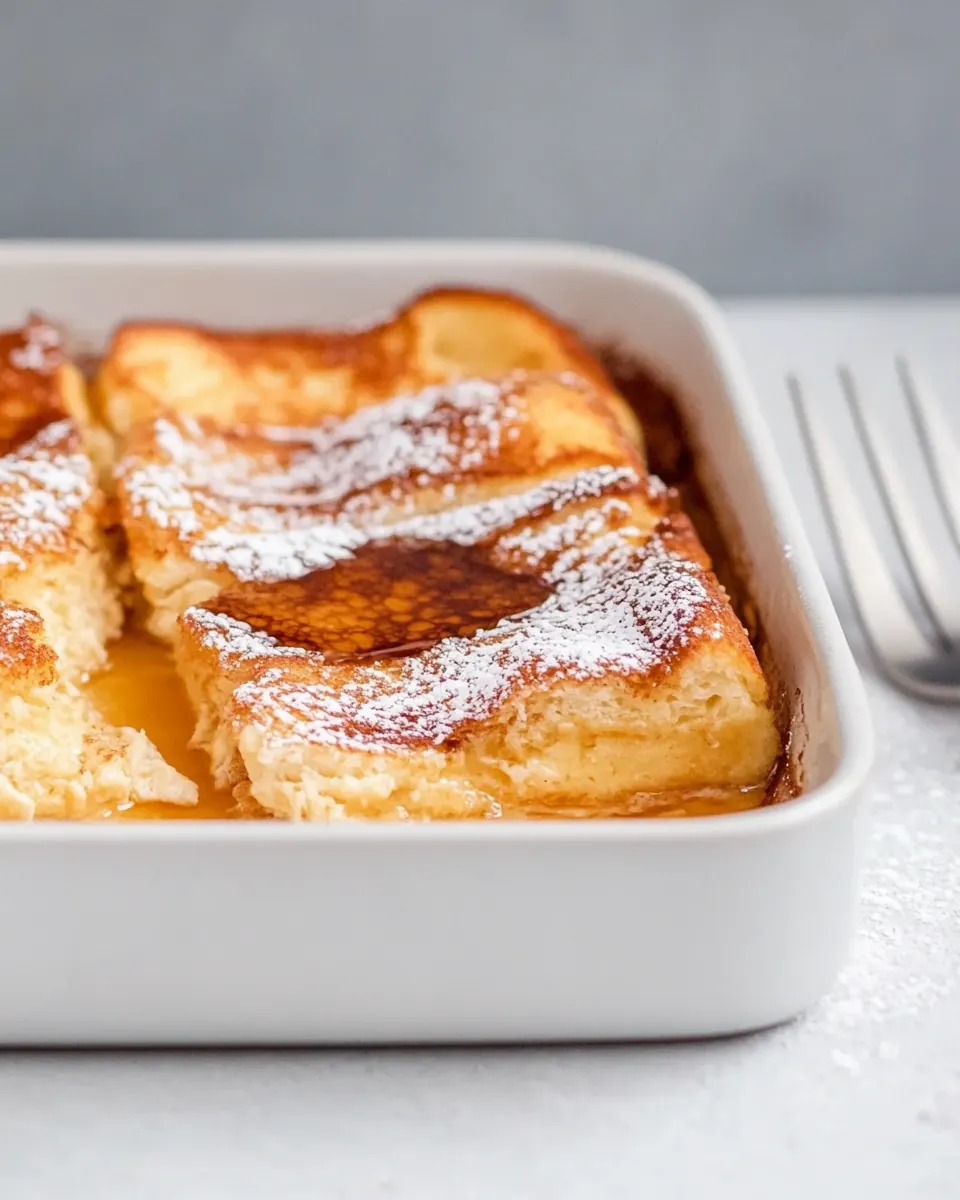
Overnight French Toast
Overnight French Toast has been my weekend secret for years, the recipe I turn to when I want something cozy without rushing around the kitchen. I first learned it on a rainy morning when a friend dropped off a loaf of day old bread, and we decided to let the day slow down. That relaxed, slow-from-the-fridge rhythm is exactly what makes this dish feel like a warm hug, and it quickly became my go to when guests sleep over.
Some mornings call for fuss, and some mornings call for a simple, confident dish that does the work while you sip coffee. I love how Overnight French Toast lets the custard soak in, so each slice comes out tender but with soft edges that brown in the oven. Over time I’ve learned small touches that make a difference, and I enjoy telling the story of why this version always works in my kitchen.
What keeps me coming back is how forgiving this recipe is. I often swap a loaf or adjust dairy ratios depending on what I have, yet the end result remains comforting and reliable. Sharing it feels like offering a quiet ritual, the kind that invites conversation and slow mornings. When I serve it, people notice the aroma of warm cinnamon and the shine of maple syrup, and that reaction never gets old.
Recipe Snapshot
60 mins
15 mins
45 mins
Medium
300 kcal
American
Gluten-Free, Low FODMAP
Breakfast
9 x 13 inch baking pan, Large bowl, Whisk, Plastic wrap, Oven
The Charm of This Overnight French Toast
I love how effortless it is
There is something wonderful about preparing Overnight French Toast the night before and waking up to a kitchen that practically cooks itself. I can prep the custard in a single bowl, nestle the bread into the pan, and let time do the rest. The convenience means I can focus on coffee, conversation, and not a frantic morning scramble.
The texture wins every time
When the custard soaks overnight, the crumb soaks up flavor and moisture without turning mushy. I get tender, custardy interiors and edges that brown to a gentle golden color. That contrast between soft center and browned top is why I return to this technique again and again.
Flavor that feels familiar but refined
I appreciate how the balance of eggs, milk, half and half, sugar, and cinnamon creates a comforting blend that tastes homemade, never cloying. The vanilla note rounds things out, giving each bite a warm, bakery like quality that guests always ask about.
Perfect for company or quiet mornings
I’ve served this for sleepy brunches and casual holiday mornings, and it fits both. It scales easily, so feeding a crowd feels manageable. Because much of the work happens ahead of time, I can greet people without being stuck by the oven.
So adaptable and forgiving
Leftover crusty bread, different milks, or a little extra cinnamon all work here. I’ve learned to lean into the forgiving nature of this recipe, which makes it ideal when life is busy but you still want to share something special.
Everything You Need for Overnight French Toast
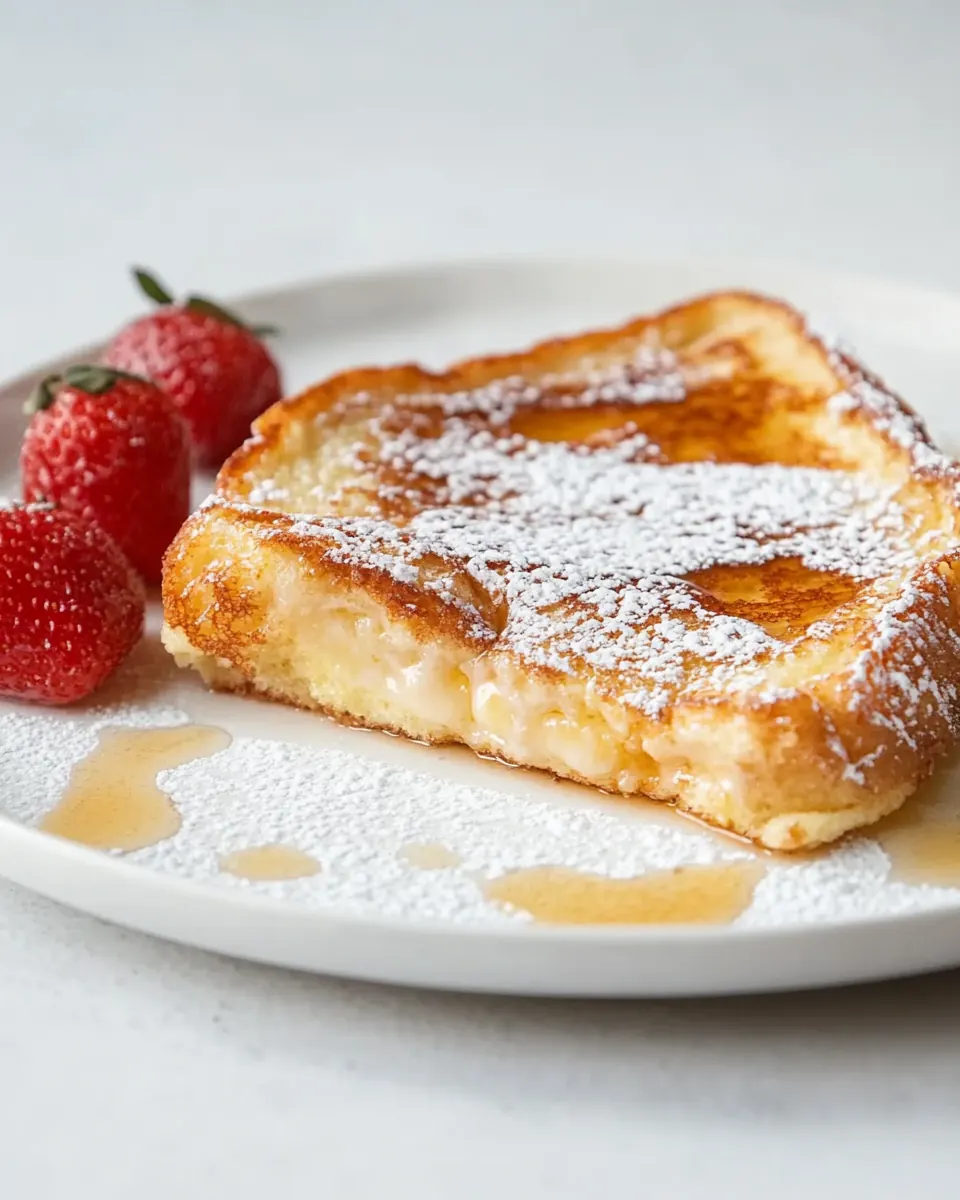
These ingredients form a simple, harmonious custard soaked into bread. The key players are the custard base of eggs, milk, and half and half, which provide richness and structure, while sugar, vanilla, and cinnamon give warm, familiar flavor. The bread acts as the sponge, and butter helps with browning during baking. Together they create a balance of soft, custardy interior and a gently caramelized top.
- 1 loaf French bread sliced into 1-inch thick pieces: Sliced into 1-inch thick pieces, provides a sturdy, slightly crunchy base that soaks up the custard while keeping some texture; ideal for overnight absorption without becoming mushy. Acts as the primary carbohydrate and vehicle for flavors, yielding classic French toast slices once baked or reheated. Stales slightly beforehand if possible to improve custard absorption and overall structure.
- 6 large eggs: Whisked with the liquids to create a rich custard that binds and sets the bread; contributes structure, richness, and protein to the final dish. Helps create a tender interior and golden exterior when baked or cooked, and supports browning and caramelization during cooking. Adjusts custard firmness depending on quantity used.
- 1 cup whole milk: Poured into the egg mixture to add creaminess and a mild dairy sweetness that lightens the custard texture; contributes moisture and helps produce a tender custard set. Adds subtle milk sugars and fat that improve mouthfeel and help achieve a slightly custardy interior. Works well combined with half-and-half for balanced richness.
- 1 1/2 cups half-and-half: Combined with milk and eggs to boost richness and produce a luxurious, creamy custard that yields a custard-like interior; heightens fat content for a silkier texture. Enhances flavor depth and improves browning and mouthfeel, making the finished dish more indulgent. Adjusts overall richness depending on ratio used.
- 1/3 cup granulated sugar: Dissolved into the custard to provide sweetness and aid caramelization on baking or cooking; balances the eggy flavor and enhances browning. Also helps create a lightly sweetened interior that complements toppings like syrup or powdered sugar. Can be adjusted for desired sweetness level.
- 2 teaspoons vanilla extract: Added to the custard to infuse a warm, floral vanilla aroma and deepen overall flavor; acts as a key aromatic that complements the sugar and cinnamon. Enhances the perception of sweetness without adding sugar and ties flavors together for a classic French toast profile. Use pure vanilla extract for best flavor clarity.
- 3/4 teaspoon ground cinnamon: Sprinkled into the custard to introduce warm, aromatic spice notes that complement the vanilla and sugar; provides a subtle depth and seasonal character. Contributes mild warmth and complexity without overpowering the custard, enhancing overall flavor balance. Can be adjusted to taste for more or less spiciness.
- 1/4 teaspoons salt: Mixed into the custard to enhance and balance flavors by providing a subtle savory contrast; helps elevate sweetness and spice while promoting overall taste harmony. Also supports the perception of depth in the finished dish and can slightly influence protein behavior during cooking. Use sparingly to avoid noticeable saltiness.
- Butter as needed: Used as needed for greasing the pan or skillet to promote even browning and prevent sticking; contributes a buttery flavor and helps develop a golden crust. Can be melted and dotted on top before baking or used to grease the cooking surface when pan-frying slices. Adjust quantity to control richness and browning.
- Maple syrup and powdered sugar for garnish: Served as finishing touches to add sweetness, moisture, and visual appeal; maple syrup provides rich, caramel-like sweetness while powdered sugar adds a delicate dusting and extra sweetness. Both elevate presentation and offer complementary textures and flavors to the custardy French toast. Use to taste when plating.
How to Cook Overnight French Toast
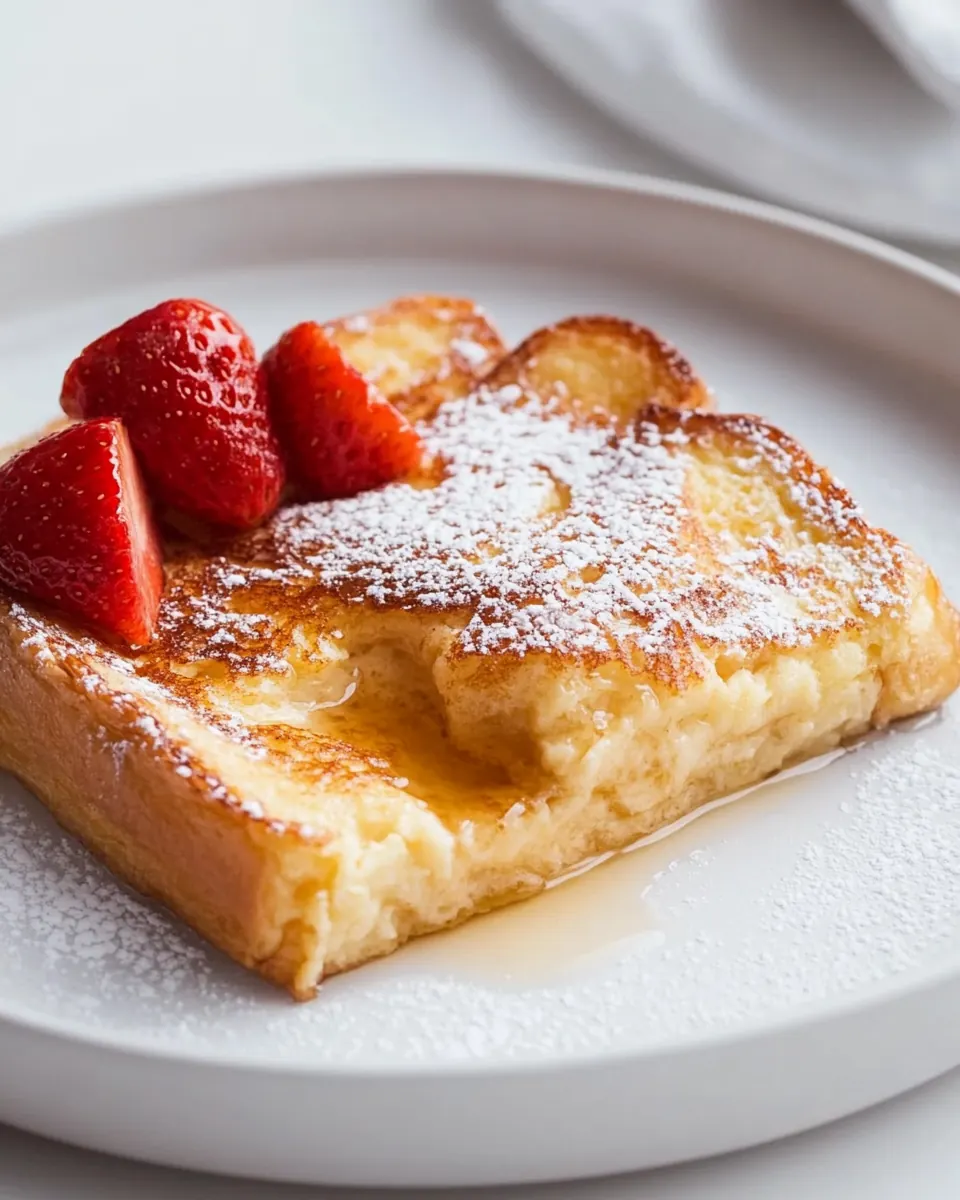
This method is designed to be calm and patient, letting the custard fully soak into the bread overnight for the best texture. Follow each step and pay attention to the sensory cues, and you will be rewarded with golden, custardy slices that smell like a warm kitchen. I recommend reading through all steps before you begin so you know what to expect.
- Grease a 9 x 13 inch pan with butter, then layer the slices of bread overlapping each other slightly.: As you press the bread into the buttered pan, you should feel the slight tack of the butter against the crusts, and the pan will have a faint, glossy sheen. The overlapping gives the slices room to expand while staying snug enough for the custard to weave between them. If the loaf is slightly stale, it will soften as it soaks, producing a pillow like interior. A common mistake here is overcrowding the pan so the custard cannot circulate, which can leave some slices under soaked and others soggy. Make sure the bread sits level, and if any pieces are much larger, tuck them in so the top surface remains even.
- In a large bowl, whisk together eggs, milk, half-and-half, sugar, vanilla extract, salt and cinnamon until well combined.: When you whisk, you will notice a pale, slightly frothy surface and the aroma of cinnamon and vanilla will rise, signaling the flavors are marrying. The custard should look smooth, with no streaks of egg white, and have a silky viscosity that will coat the back of a spoon. Whisking just until combined avoids incorporating too much air, which helps the finished texture stay dense and creamy. Over whisking is a frequent error that leads to a more cake like crumb, so stop once everything is uniform and aromatic.
- Pour the custard mixture over the bread slices, ensuring all are evenly soaked. Cover the dish with plastic wrap and refrigerate overnight.: As you pour, watch the custard seep into the nooks of the bread, darkening the crumb and softening the crust. Gently press a few slices down so the liquid reaches the center, but do not mash the bread. Covering keeps the aromas locked in and prevents the top from drying out in the fridge. Avoid the temptation to bake immediately; the overnight rest time is what produces the best custardy interior. A typical oversight is not fully submerging some pieces, which can result in uneven texture after baking.
- Preheat the oven to 350°F. Remove the plastic wrap and bake the French toast for 45 minutes, or until golden brown and set.: The kitchen will fill with a hint of anticipation as the oven warms and you prepare to bake. Preheating ensures the pan goes into a stable environment so the custard sets slowly rather than cooking too fast on the edges. If the oven is not fully up to temperature, the center may take longer to set while the top over browns. Use an oven thermometer if your oven runs hot or cold to avoid inconsistent results.
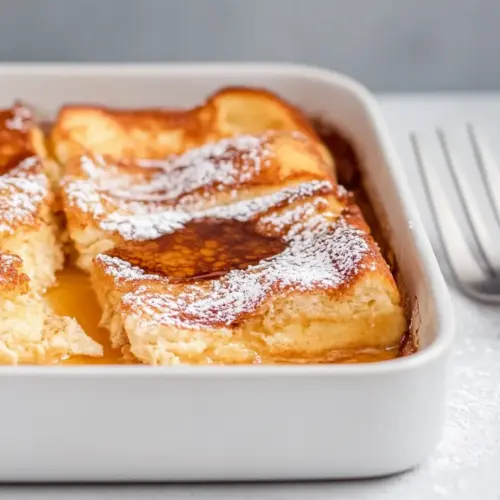
- Serve hot with a drizzle of maple syrup and a dusting of powdered sugar for added sweetness.: When the casserole is done, the top will be a warm golden brown with a faint sheen from the custard, and you may hear a gentle crackle as the edges crisp. Insert a knife in the center to check for a slight resistance and no liquid custard, the aroma of baked cinnamon and toasted bread will be pronounced. Letting it bake the full time ensures the interior is set yet still tender. A common pitfall is removing it too early, which yields a runny center; if in doubt, add 5 to 10 minutes and monitor closely to avoid over browning.
- Serve hot with a drizzle of maple syrup and a dusting of powdered sugar for added sweetness: As you plate the slices, the maple syrup will soak briefly into the top, adding glossy sweetness and a scent that complements the cinnamon. The powdered sugar provides a soft, snowy finish that contrasts with the warm toast. Serve while warm to enjoy the contrast between the crisped top and the custardy interior. Avoid leaving it out too long, as the texture will firm and lose that just baked tenderness.
Ways to Customize
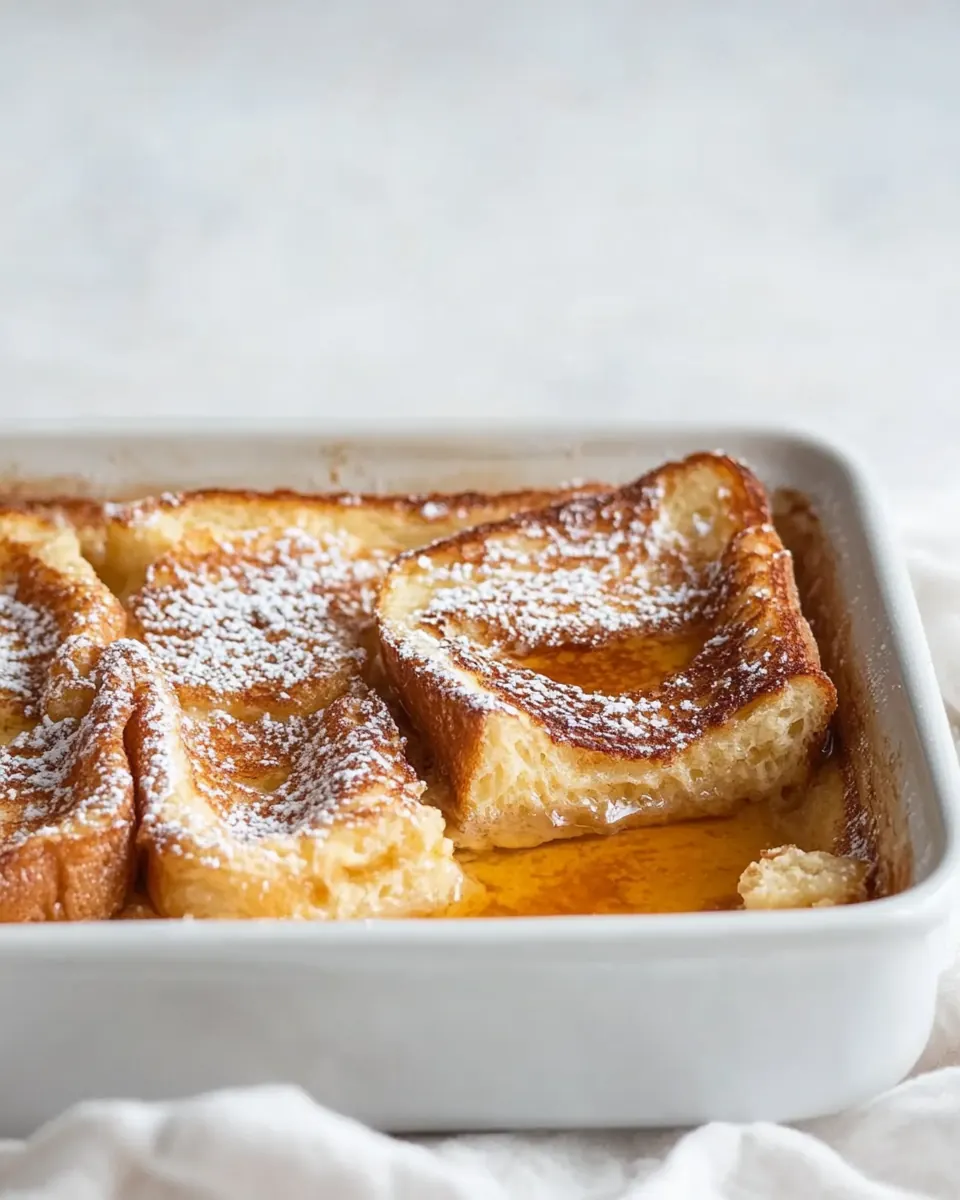
This dish is wonderfully adaptable, letting you tweak texture and flavor without breaking the base formula. Below are practical ways I change things up depending on what I have on hand and the occasion. Each tip opens with a short bold phrase for clarity.
- Swap the bread style Try brioche or challah for a richer result when available, these breads will soak and yield an extra tender interior.
- Adjust sweetness Reduce the sugar slightly if you plan to serve with a very sweet syrup, this keeps the balance from becoming cloying.
- Make it dairy richer Increase the proportion of half and half for a creamier custard but be mindful of a denser finish.
- Spice it up Add a pinch more cinnamon or a tiny dash of nutmeg to deepen the warm spice profile without overwhelming the vanilla.
- Butter the top Dot a little butter across the top before baking for extra browning and a slightly crisp finish.
Serving Suggestions
Overnight French Toast shines at slow weekend breakfasts and relaxed brunches, and it pairs well with simple accompaniments that let its warm flavors shine. Below are serving ideas, storage tips, and occasion suggestions presented in a list for easy reading.
- Classic plating Serve slices warm with a generous drizzle of maple syrup and a light dusting of powdered sugar for immediate visual appeal and balanced sweetness.
- Fruit sides Offer berries or sliced fruit on the side to provide acidity and freshness that contrast the rich custard.
- For brunch gatherings Prepare the night before and keep warm in a low oven so guests can serve themselves without the host being stuck at the stove.
- Holiday mornings This recipe scales well for holiday breakfasts, making it ideal for celebratory occasions when you want a hearty yet homey dish.
- Storage tips Cool leftovers quickly, then refrigerate in an airtight container for up to three days; reheat gently in an oven to regain the crisp top.
- Make ahead strategy Assemble and refrigerate overnight, then bake in the morning for maximum convenience and flavor development.
- Seasonal pairing In colder months, serve with warm spiced fruit compote; in warmer months, fresh berries and citrus offer a bright counterpoint.
FAQ
Conclusion
This recipe stands out for its comforting, custardy interior and effortless overnight prep that lets the flavors deepen while you sleep. I hope you give Overnight French Toast a try the next time you want a relaxed, delicious brunch that feels special without a lot of last minute work. It brings warm spices and familiar sweetness to the table, and once you’ve tried the overnight method you’ll appreciate how reliably it delivers tender slices with a golden top.
Overnight French Toast
Equipment
- 9 x 13-inch baking pan
- Large Bowl
- Whisk
- Plastic Wrap
- Oven
Ingredients
- 1 loaf French bread sliced into 1-inch thick pieces Sliced into 1-inch thick pieces, provides a sturdy, slightly crunchy base that soaks up the custard while keeping some texture; ideal for overnight absorption without becoming mushy. Acts as the primary carbohydrate and vehicle for flavors, yielding classic French toast slices once baked or reheated. Stales slightly beforehand if possible to improve custard absorption and overall structure.
- 6 large eggs Whisked with the liquids to create a rich custard that binds and sets the bread; contributes structure, richness, and protein to the final dish. Helps create a tender interior and golden exterior when baked or cooked, and supports browning and caramelization during cooking. Adjusts custard firmness depending on quantity used.
- 1 cup whole milk Poured into the egg mixture to add creaminess and a mild dairy sweetness that lightens the custard texture; contributes moisture and helps produce a tender custard set. Adds subtle milk sugars and fat that improve mouthfeel and help achieve a slightly custardy interior. Works well combined with half-and-half for balanced richness.
- 1 1/2 cups half-and-half Combined with milk and eggs to boost richness and produce a luxurious, creamy custard that yields a custard-like interior; heightens fat content for a silkier texture. Enhances flavor depth and improves browning and mouthfeel, making the finished dish more indulgent. Adjusts overall richness depending on ratio used.
- 1/3 cup granulated sugar Dissolved into the custard to provide sweetness and aid caramelization on baking or cooking; balances the eggy flavor and enhances browning. Also helps create a lightly sweetened interior that complements toppings like syrup or powdered sugar. Can be adjusted for desired sweetness level.
- 2 teaspoons vanilla extract Added to the custard to infuse a warm, floral vanilla aroma and deepen overall flavor; acts as a key aromatic that complements the sugar and cinnamon. Enhances the perception of sweetness without adding sugar and ties flavors together for a classic French toast profile. Use pure vanilla extract for best flavor clarity.
- 3/4 teaspoon ground cinnamon Sprinkled into the custard to introduce warm, aromatic spice notes that complement the vanilla and sugar; provides a subtle depth and seasonal character. Contributes mild warmth and complexity without overpowering the custard, enhancing overall flavor balance. Can be adjusted to taste for more or less spiciness.
- 1/4 teaspoons salt Mixed into the custard to enhance and balance flavors by providing a subtle savory contrast; helps elevate sweetness and spice while promoting overall taste harmony. Also supports the perception of depth in the finished dish and can slightly influence protein behavior during cooking. Use sparingly to avoid noticeable saltiness.
- Butter as needed Used as needed for greasing the pan or skillet to promote even browning and prevent sticking; contributes a buttery flavor and helps develop a golden crust. Can be melted and dotted on top before baking or used to grease the cooking surface when pan-frying slices. Adjust quantity to control richness and browning.
- Maple syrup and powdered sugar for garnish Served as finishing touches to add sweetness, moisture, and visual appeal; maple syrup provides rich, caramel-like sweetness while powdered sugar adds a delicate dusting and extra sweetness. Both elevate presentation and offer complementary textures and flavors to the custardy French toast. Use to taste when plating.
Instructions
- Grease a 9 x 13 inch pan with butter, then layer the slices of bread overlapping each other slightly.: As you press the bread into the buttered pan, you should feel the slight tack of the butter against the crusts, and the pan will have a faint, glossy sheen. The overlapping gives the slices room to expand while staying snug enough for the custard to weave between them. If the loaf is slightly stale, it will soften as it soaks, producing a pillow like interior. A common mistake here is overcrowding the pan so the custard cannot circulate, which can leave some slices under soaked and others soggy. Make sure the bread sits level, and if any pieces are much larger, tuck them in so the top surface remains even.
- In a large bowl, whisk together eggs, milk, half-and-half, sugar, vanilla extract, salt and cinnamon until well combined.: When you whisk, you will notice a pale, slightly frothy surface and the aroma of cinnamon and vanilla will rise, signaling the flavors are marrying. The custard should look smooth, with no streaks of egg white, and have a silky viscosity that will coat the back of a spoon. Whisking just until combined avoids incorporating too much air, which helps the finished texture stay dense and creamy. Over whisking is a frequent error that leads to a more cake like crumb, so stop once everything is uniform and aromatic.
- Pour the custard mixture over the bread slices, ensuring all are evenly soaked. Cover the dish with plastic wrap and refrigerate overnight.: As you pour, watch the custard seep into the nooks of the bread, darkening the crumb and softening the crust. Gently press a few slices down so the liquid reaches the center, but do not mash the bread. Covering keeps the aromas locked in and prevents the top from drying out in the fridge. Avoid the temptation to bake immediately; the overnight rest time is what produces the best custardy interior. A typical oversight is not fully submerging some pieces, which can result in uneven texture after baking.
- Preheat the oven to 350°F. Remove the plastic wrap and bake the French toast for 45 minutes, or until golden brown and set.: The kitchen will fill with a hint of anticipation as the oven warms and you prepare to bake. Preheating ensures the pan goes into a stable environment so the custard sets slowly rather than cooking too fast on the edges. If the oven is not fully up to temperature, the center may take longer to set while the top over browns. Use an oven thermometer if your oven runs hot or cold to avoid inconsistent results.
- Serve hot with a drizzle of maple syrup and a dusting of powdered sugar for added sweetness.: When the casserole is done, the top will be a warm golden brown with a faint sheen from the custard, and you may hear a gentle crackle as the edges crisp. Insert a knife in the center to check for a slight resistance and no liquid custard, the aroma of baked cinnamon and toasted bread will be pronounced. Letting it bake the full time ensures the interior is set yet still tender. A common pitfall is removing it too early, which yields a runny center; if in doubt, add 5 to 10 minutes and monitor closely to avoid over browning.
- Serve hot with a drizzle of maple syrup and a dusting of powdered sugar for added sweetness: As you plate the slices, the maple syrup will soak briefly into the top, adding glossy sweetness and a scent that complements the cinnamon. The powdered sugar provides a soft, snowy finish that contrasts with the warm toast. Serve while warm to enjoy the contrast between the crisped top and the custardy interior. Avoid leaving it out too long, as the texture will firm and lose that just baked tenderness.
Notes
- Swap the bread style Try brioche or challah for a richer result when available, these breads will soak and yield an extra tender interior.
- Adjust sweetness Reduce the sugar slightly if you plan to serve with a very sweet syrup, this keeps the balance from becoming cloying.
- Make it dairy richer Increase the proportion of half and half for a creamier custard but be mindful of a denser finish.
- Spice it up Add a pinch more cinnamon or a tiny dash of nutmeg to deepen the warm spice profile without overwhelming the vanilla.
- Butter the top Dot a little butter across the top before baking for extra browning and a slightly crisp finish.
