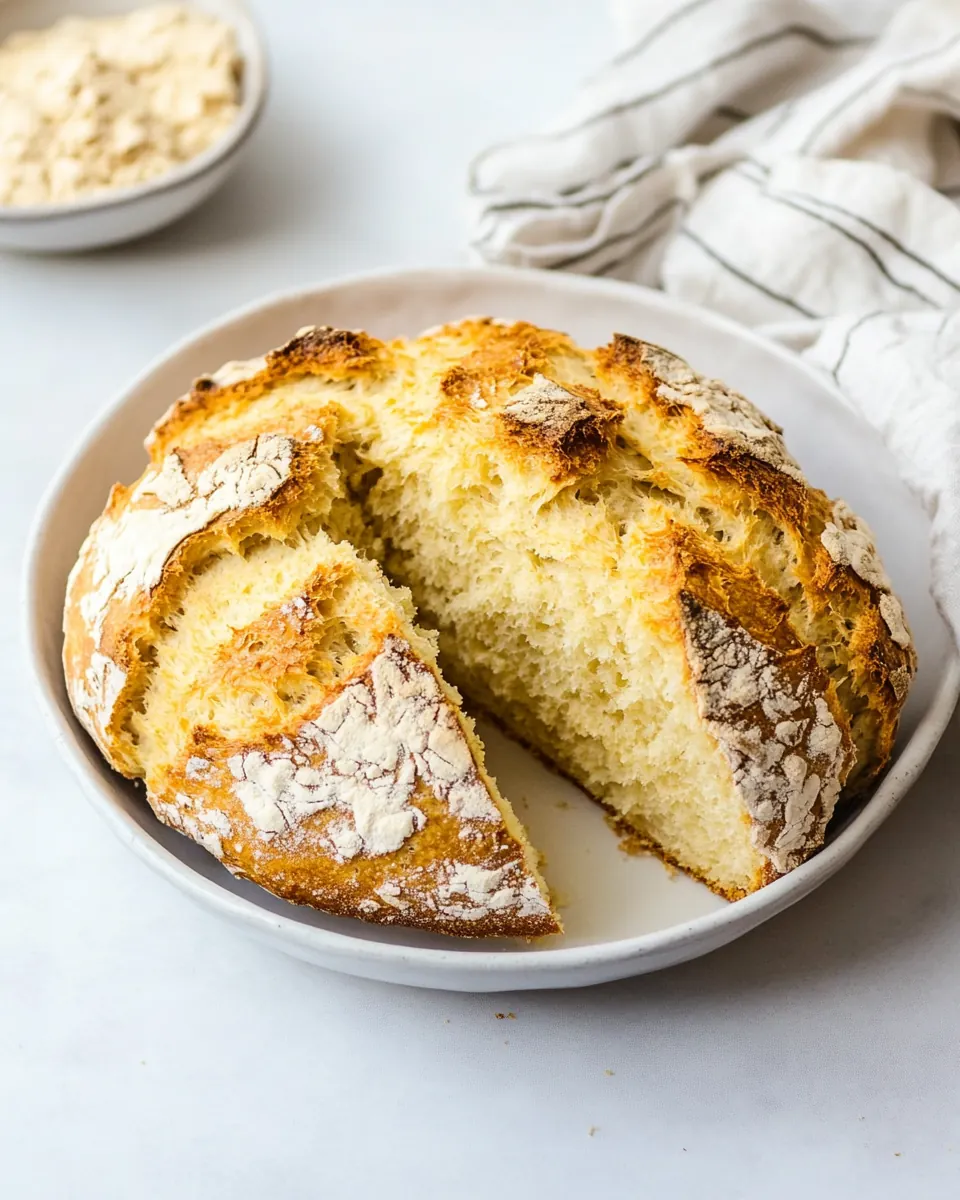
The Best Irish Soda Bread
The Best Irish Soda Bread is the loaf I reach for when I want something warm, rustic, and honestly a little forgiving. The first time I baked this, a friend brought a jar of tangy homemade buttermilk and insisted we make something simple, so we mixed flour and baking soda, folded in the buttermilk, and ended up with a crust that crackled when cut, and a soft crumb that soaked up butter in the best way. Ever since then, this bread has been my comfort baking when I want something honest and unfussy.
That afternoon turned into an afternoon of stories, laughter, and a loaf shared over tea. I remember pressing the knife into the top to make that traditional X, feeling oddly ceremonial about it, then carrying the hot skillet to the table with a tea towel wrapped around my hands. When the crust browned and the kitchen filled with a bready, slightly sweet aroma, everyone fell quiet for a moment, tearing into the bread while it was still warm. It felt like creating a small celebration from pantry staples.
Recipe Snapshot
45 mins
5 mins
40 mins
Medium
200 kcal
Irish
Gluten-Free, Low FODMAP
Breakfast
Cast iron skillet, Mixing bowls, Rubber spatula, Knife
The Charm of This The Best Irish Soda Bread
Simple pantry chemistry
I love how The Best Irish Soda Bread showcases the magic of baking soda reacting with acidic buttermilk. You do not need yeast or long rises, and that makes this recipe accessible. I enjoy the way a few ingredients combine to produce a loaf with a crisp exterior and tender interior, proof that technique can outshine complexity.
Quick and reliable
One of the main reasons I keep returning to The Best Irish Soda Bread is its speed. From mixing to the oven is delightfully short, so when I want fresh bread the same day, this recipe delivers. I appreciate a recipe that respects busy mornings while still rewarding you with bakery style results.
Comforting texture and flavor
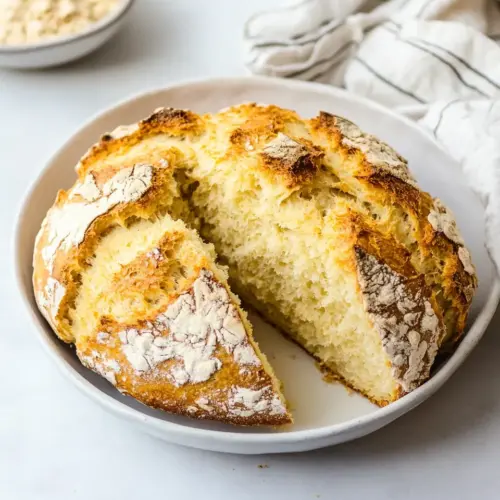
The texture is what sells it to me, a crunchy top that gives way to a moist, slightly tangy crumb. The tiny bit of granulated sugar adds just a touch of sweetness, balancing the salt, while the melted butter and egg enrich the dough so each slice feels indulgent without being heavy.
Versatile and approachable
I find The Best Irish Soda Bread perfect for many occasions. Serve it at breakfast with jam, bring it to a potluck, or slice it for a cozy dinner side. Because it uses everyday staples like all purpose flour and kosher salt, it’s a recipe I can make without a grocery run, which I truly value.
Great for bakers of all levels
When I teach friends to bake, this is often the first loaf I demonstrate. The steps are clear, the sensory cues are satisfying, and there are few ways to go wrong. It builds confidence, so novices leave the kitchen proud, and experienced bakers appreciate the earned simplicity.
Recipe Ingredients for The Best Irish Soda Bread
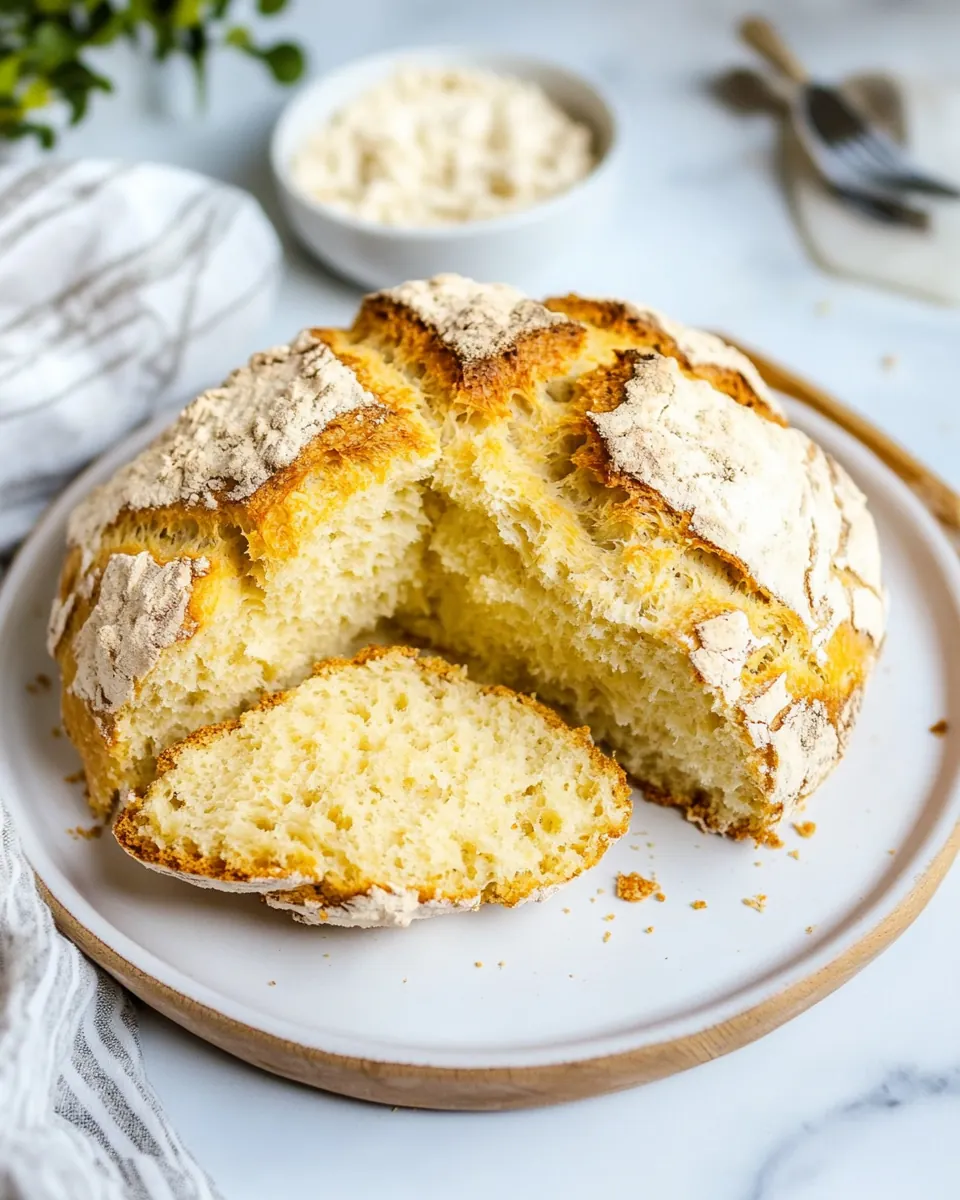
These ingredients form a tight, purpose driven team. The balance between the dry players and the wet players is what gives The Best Irish Soda Bread its signature texture. Each item has a clear role, whether it is providing structure, acidity, leavening, or richness.
- 4 cups all-purpose flour: Provide structure and bulk to the loaf, creating the framework that traps gases during baking for a tender crumb; sift or whisk to remove lumps and ensure even mixing with dry ingredients.
- 2 teaspoons kosher salt: Enhance flavor balance and control yeast-like reactions in quick breads, helping to strengthen gluten slightly and season the dough evenly; measure accurately for consistent results.
- 1 teaspoon baking soda: React with acidic buttermilk to produce carbon dioxide, giving the bread its lift and open crumb; distribute evenly by sifting or mixing thoroughly with the flour.
- 1 tablespoon granulated sugar: Add a touch of sweetness to round out savory flavors and promote a slight browning of the crust; dissolve into the dry mix for even flavor distribution.
- 1 and 3/4 cups buttermilk: Provide acidity that activates the baking soda, contributing moisture and a tender, slightly tangy crumb; gently fold in to avoid overworking the dough while ensuring even hydration.
- 2 tablespoons melted butter: Contribute richness, tenderizing the crumb and adding a subtle buttery flavor to the crust; incorporate melted form into wet ingredients to ensure uniform texture and moisture.
- 1 egg: Bind ingredients together and add richness, improving structure and giving the loaf a softer, more cohesive crumb; beat lightly before adding to wet ingredients for even incorporation.
Recipe Steps for The Best Irish Soda Bread
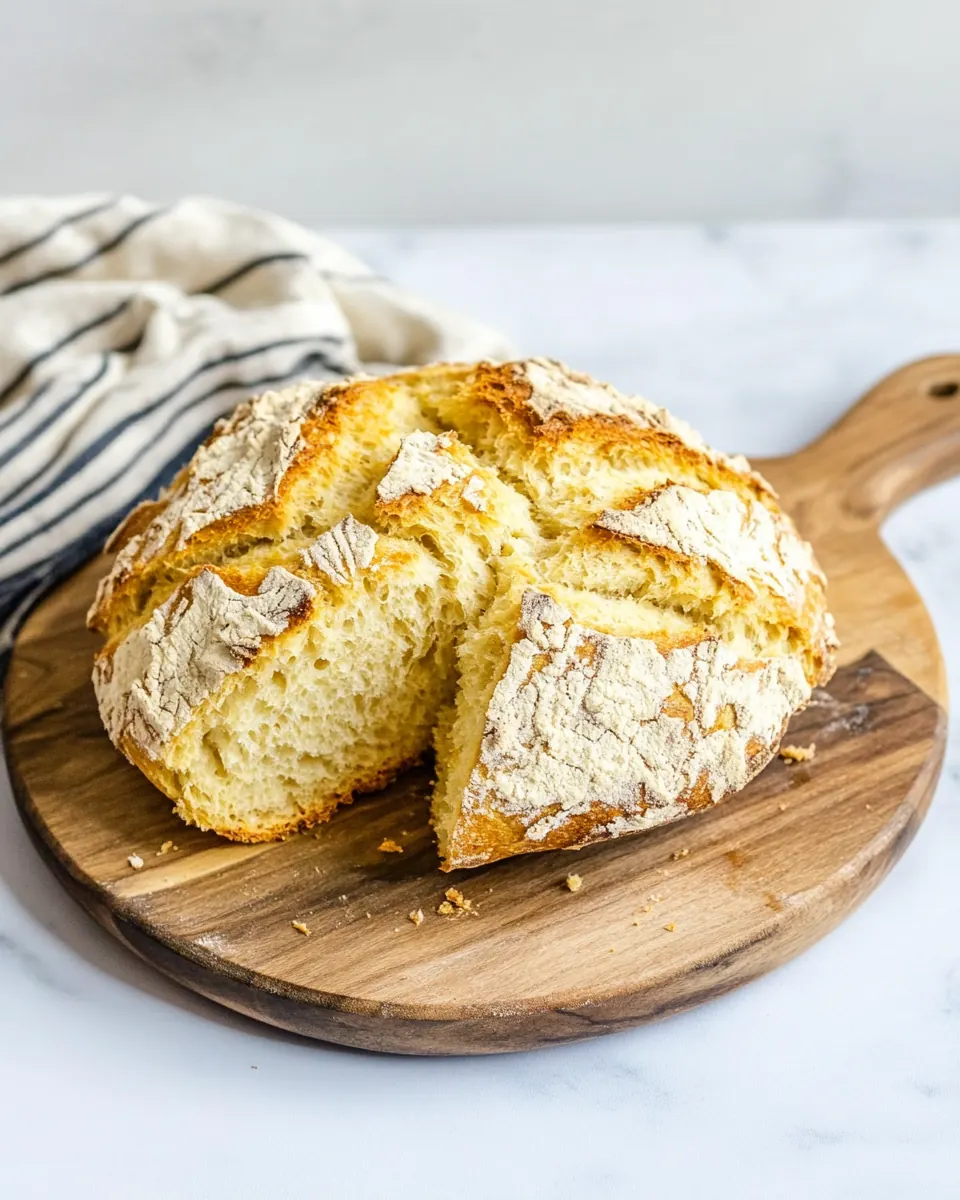
I like to move confidently but gently through these steps, paying attention to texture and small sensory cues. Below I expand each direction into a detailed, personal guide that helps you know what to expect and how to troubleshoot along the way.
- Preheat oven to 400 degrees F and butter a 10 inch cast iron skillet (or similar baking dish).: As the oven warms to 400 degrees F , you will notice the kitchen begin to heat and carry a dry warmth that readies the crust formation. Preparing a 10 inch cast iron skillet by rubbing it with butter ensures the loaf will release easily and develop a nicely crisp bottom. The hot skillet helps start crust development immediately on contact, creating contrast with the tender interior. A common mistake is skipping the butter or using too little, which can lead to the loaf sticking; be generous but not excessive. If you do not have cast iron, any ovenproof baking dish will work but the skillet helps conduct heat evenly and offers a deeper, rustic crust. Listen for a faint metallic hum as the oven elements cycle, and when the oven reaches temperature, the air will feel more stifling and ready to transform the dough.
- In one bowl, whisk together the flour, salt, baking soda and sugar.: The dry mix should look homogenous, a pale landscape of all purpose flour flecked with granules of granulated sugar and the fine dust of baking soda . Whisking aerates the flour slightly and distributes the kosher salt and leavening, which is crucial for even rise. You will notice a faint, dry scent of flour and a slight sparkle from the sugar. Avoid over measuring the all purpose flour by scooping directly with the cup; instead spoon into the cup and level for accurate texture. Clumping of baking soda is a sign to re whisk, as clumps can create uneven pockets of lift.
- In another bowl, whisk together the buttermilk, egg and melted butter.: Combine buttermilk , a beaten egg , and warmed but not hot melted butter into a glossy mixture. The aroma will be tangy and milky, and the liquid will shine from the fat. The egg helps emulsify the liquid, while the melted butter contributes richness. If the melted butter is too hot, it can scramble the egg , so let it cool slightly before whisking. A common error is adding very hot fat to the mixture, so if you notice any congealing, whisk vigorously to re combine.
- Pour liquid mixture into flour mixture. Use a rubber spatula to mix into a shaggy dough.: When you pour the wet into the dry, the bowl will release a faint hiss as the buttermilk meets the baking soda , and small bubbles may form. Use a flexible rubber spatula to fold and scrape, bringing the ingredients together into a rough, shaggy dough that looks uneven and a bit rustic. This stage is about gentle combining, not perfect smoothness; over mixing will tighten the crumb. A common mistake is to switch to vigorous kneading here; instead, limit your action to a few folds until the dough holds together with no large dry patches.
- If dough is sticky, sprinkle with a little flour, shape into a ball with your hands.: Touch the dough; it should be tacky but manageable. If it clings to your fingers, dust your hands and the surface with a little all purpose flour to shape it into a cohesive ball. The tactile feel is important—the dough should hold its shape without feeling dry. Press lightly with your fingertips to form a round loaf, avoiding heavy kneading. Over flouring here can dry the crumb, so add sparingly. A frequent slip is adding too much flour thinking it will make the dough neater; instead, aim for slightly tacky and shapable.
- Transfer dough ball to prepared skillet. Use a knife to score an X in the top of the bread loaf (this will help the center bake).: Place the shaped dough into the buttered cast iron skillet , patting gently to form an even round. With a sharp knife, make a confident X across the top; you will feel the blade glide through the surface, and the scored lines will open as the loaf expands in the oven. This classic mark does more than decorate, it gives the steam a place to escape so the center cooks through. If the cut is too shallow, the loaf may split unpredictably; if too deep, it can collapse slightly. Aim for a quarter inch to three eighths inch depth for even expansion.
- Bake for 35-40 minutes, until loaf is golden. To test for doneness, tap the bottom of the loaf – it should sound hollow. Allow to cool slightly before slicing.: As the loaf bakes, the kitchen fills with a nutty, toasty aroma and the crust will deepen to a warm golden brown. The sound of the oven cycles blends with a low popping from steam escaping the scored top. After about thirty five minutes start checking; a hollow thud when tapping the base signals a fully baked interior. The crust should be firm and crackly to the touch. Letting the bread rest for a short time makes slicing cleaner and preserves crumb texture. A common pitfall is slicing too quickly, which can cause a gummy center; patience yields cleaner slices and better texture.
Making Adjustments
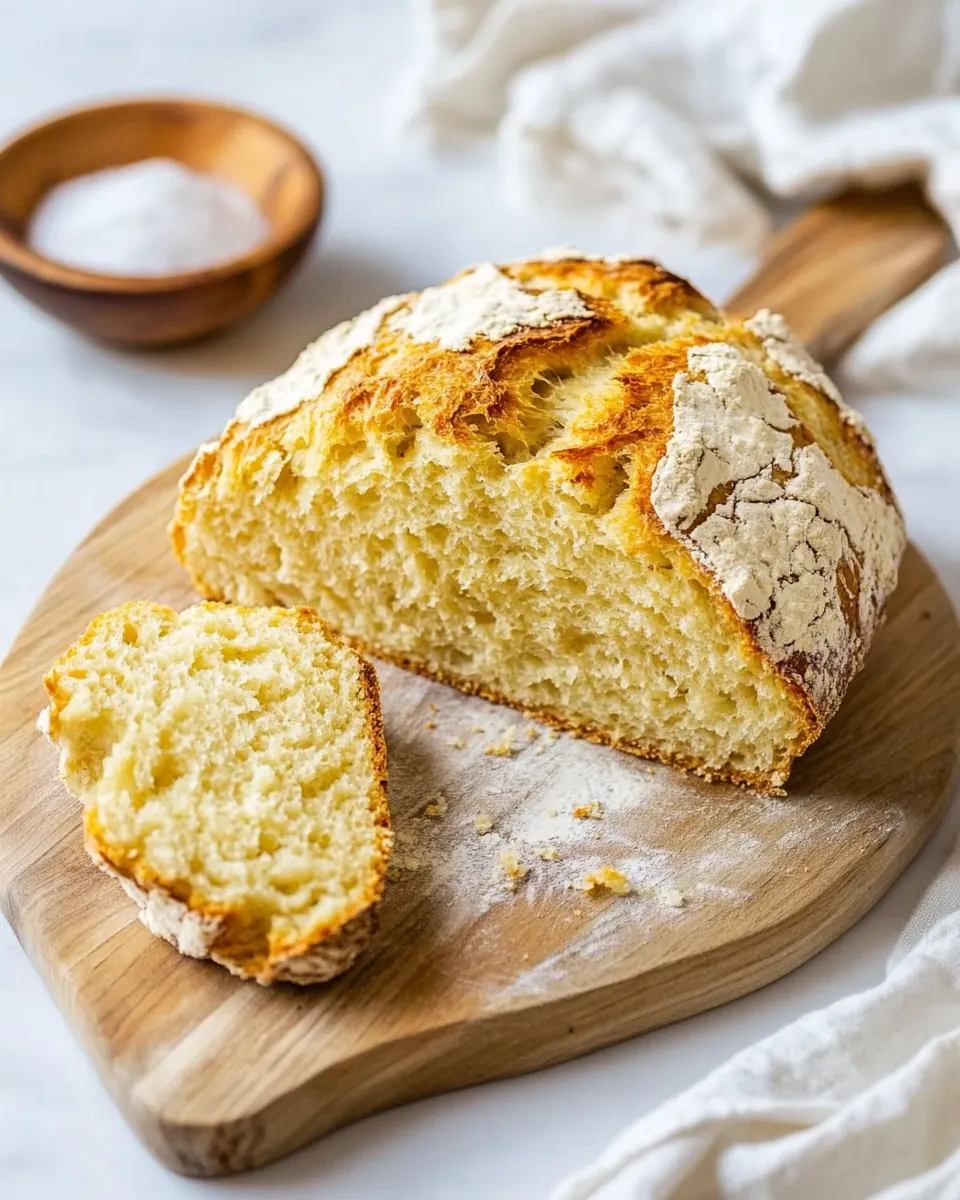
Small changes can shift texture and flavor in meaningful ways. Below are practical tips I use when I want to adjust crumb, crust, or overall richness. Each starts with a clear action phrase to guide you.
- Adjust hydration carefully — If the dough feels stiff, add a tablespoon of buttermilk at a time until it becomes tacky; avoid adding too much which can make the loaf heavy.
- Enhance richness — For a slightly richer loaf, brush the top with a little additional melted butter just after baking to create a glossy, flavored crust.
- Control browning — If the crust is browning too quickly, tent the loaf loosely with foil during the last ten minutes of baking to prevent overcoloring while the center finishes.
- Fix a dry crumb — If your slices seem dry, slice and toast them lightly, then spread with softened butter to restore moisture and flavor.
- Make it portable — Cool completely before wrapping in parchment and a loose towel, this keeps crust texture intact while making the loaf easy to transport.
How to Serve The Best Irish Soda Bread
This bread is wonderfully versatile. Below I outline serving styles, pairings, and storage ideas to help you present it beautifully for different occasions.
- Breakfast serving: Slice warm and serve with soft butter and your favorite jam alongside a hot cup of tea for a comforting morning option.
- Brunch idea: Offer slices with a small board of cheeses, seasonal fruit, and preserves for a relaxed midday gathering that feels special.
- Dinner accompaniment: Serve as a rustic side for soups or stews, its crumb soaks up brothy sauces beautifully during cooler evenings.
- Occasion suggestions: Bring this loaf to a potluck or casual holiday table, it pairs well with community style meals and adds homey charm to the spread.
- Storage tips: Keep wrapped at room temperature for one to two days, or slice and freeze wrapped for up to one month, toasting slices later brings back fresh texture.
- Seasonal pairing: In autumn serve with spiced preserves, while in spring pair with lighter spreads and fresh fruit for a brighter plate.
FAQ
Conclusion
The Best Irish Soda Bread stands out for its simplicity, satisfying crust, and tender, tangy crumb, making it a recipe I return to again and again. Give it a try—its approachable ingredients and quick method make it perfect for weeknight baking or sharing with friends. I hope you enjoy the ritual of scoring the top and the aroma that fills your kitchen as much as I do, and that this loaf becomes a comforting staple in your baking repertoire.
The Best Irish Soda Bread
Equipment
- Cast-Iron Skillet
- Mixing Bowls
- Rubber spatula
- Knife
Ingredients
- 4 cups all-purpose flour Provide structure and bulk to the loaf, creating the framework that traps gases during baking for a tender crumb; sift or whisk to remove lumps and ensure even mixing with dry ingredients.
- 2 teaspoons kosher salt Enhance flavor balance and control yeast-like reactions in quick breads, helping to strengthen gluten slightly and season the dough evenly; measure accurately for consistent results.
- 1 teaspoon baking soda React with acidic buttermilk to produce carbon dioxide, giving the bread its lift and open crumb; distribute evenly by sifting or mixing thoroughly with the flour.
- 1 tablespoon granulated sugar Add a touch of sweetness to round out savory flavors and promote a slight browning of the crust; dissolve into the dry mix for even flavor distribution.
- 1 and 3/4 cups buttermilk Provide acidity that activates the baking soda, contributing moisture and a tender, slightly tangy crumb; gently fold in to avoid overworking the dough while ensuring even hydration.
- 2 tablespoons melted butter Contribute richness, tenderizing the crumb and adding a subtle buttery flavor to the crust; incorporate melted form into wet ingredients to ensure uniform texture and moisture.
- 1 egg Bind ingredients together and add richness, improving structure and giving the loaf a softer, more cohesive crumb; beat lightly before adding to wet ingredients for even incorporation.
Instructions
- Preheat oven to 400 degrees F and butter a 10 inch cast iron skillet (or similar baking dish).: As the oven warms to 400 degrees F , you will notice the kitchen begin to heat and carry a dry warmth that readies the crust formation. Preparing a 10 inch cast iron skillet by rubbing it with butter ensures the loaf will release easily and develop a nicely crisp bottom. The hot skillet helps start crust development immediately on contact, creating contrast with the tender interior. A common mistake is skipping the butter or using too little, which can lead to the loaf sticking; be generous but not excessive. If you do not have cast iron, any ovenproof baking dish will work but the skillet helps conduct heat evenly and offers a deeper, rustic crust. Listen for a faint metallic hum as the oven elements cycle, and when the oven reaches temperature, the air will feel more stifling and ready to transform the dough.
- In one bowl, whisk together the flour, salt, baking soda and sugar.: The dry mix should look homogenous, a pale landscape of all purpose flour flecked with granules of granulated sugar and the fine dust of baking soda . Whisking aerates the flour slightly and distributes the kosher salt and leavening, which is crucial for even rise. You will notice a faint, dry scent of flour and a slight sparkle from the sugar. Avoid over measuring the all purpose flour by scooping directly with the cup; instead spoon into the cup and level for accurate texture. Clumping of baking soda is a sign to re whisk, as clumps can create uneven pockets of lift.
- In another bowl, whisk together the buttermilk, egg and melted butter.: Combine buttermilk , a beaten egg , and warmed but not hot melted butter into a glossy mixture. The aroma will be tangy and milky, and the liquid will shine from the fat. The egg helps emulsify the liquid, while the melted butter contributes richness. If the melted butter is too hot, it can scramble the egg , so let it cool slightly before whisking. A common error is adding very hot fat to the mixture, so if you notice any congealing, whisk vigorously to re combine.
- Pour liquid mixture into flour mixture. Use a rubber spatula to mix into a shaggy dough.: When you pour the wet into the dry, the bowl will release a faint hiss as the buttermilk meets the baking soda , and small bubbles may form. Use a flexible rubber spatula to fold and scrape, bringing the ingredients together into a rough, shaggy dough that looks uneven and a bit rustic. This stage is about gentle combining, not perfect smoothness; over mixing will tighten the crumb. A common mistake is to switch to vigorous kneading here; instead, limit your action to a few folds until the dough holds together with no large dry patches.
- If dough is sticky, sprinkle with a little flour, shape into a ball with your hands.: Touch the dough; it should be tacky but manageable. If it clings to your fingers, dust your hands and the surface with a little all purpose flour to shape it into a cohesive ball. The tactile feel is important—the dough should hold its shape without feeling dry. Press lightly with your fingertips to form a round loaf, avoiding heavy kneading. Over flouring here can dry the crumb, so add sparingly. A frequent slip is adding too much flour thinking it will make the dough neater; instead, aim for slightly tacky and shapable.
- Transfer dough ball to prepared skillet. Use a knife to score an X in the top of the bread loaf (this will help the center bake).: Place the shaped dough into the buttered cast iron skillet , patting gently to form an even round. With a sharp knife, make a confident X across the top; you will feel the blade glide through the surface, and the scored lines will open as the loaf expands in the oven. This classic mark does more than decorate, it gives the steam a place to escape so the center cooks through. If the cut is too shallow, the loaf may split unpredictably; if too deep, it can collapse slightly. Aim for a quarter inch to three eighths inch depth for even expansion.
- Bake for 35-40 minutes, until loaf is golden. To test for doneness, tap the bottom of the loaf – it should sound hollow. Allow to cool slightly before slicing.: As the loaf bakes, the kitchen fills with a nutty, toasty aroma and the crust will deepen to a warm golden brown. The sound of the oven cycles blends with a low popping from steam escaping the scored top. After about thirty five minutes start checking; a hollow thud when tapping the base signals a fully baked interior. The crust should be firm and crackly to the touch. Letting the bread rest for a short time makes slicing cleaner and preserves crumb texture. A common pitfall is slicing too quickly, which can cause a gummy center; patience yields cleaner slices and better texture.
Notes
- Adjust hydration carefully — If the dough feels stiff, add a tablespoon of buttermilk at a time until it becomes tacky; avoid adding too much which can make the loaf heavy.
- Enhance richness — For a slightly richer loaf, brush the top with a little additional melted butter just after baking to create a glossy, flavored crust.
- Control browning — If the crust is browning too quickly, tent the loaf loosely with foil during the last ten minutes of baking to prevent overcoloring while the center finishes.
- Fix a dry crumb — If your slices seem dry, slice and toast them lightly, then spread with softened butter to restore moisture and flavor.
- Make it portable — Cool completely before wrapping in parchment and a loose towel, this keeps crust texture intact while making the loaf easy to transport.