Pomegranate Christmas Cake
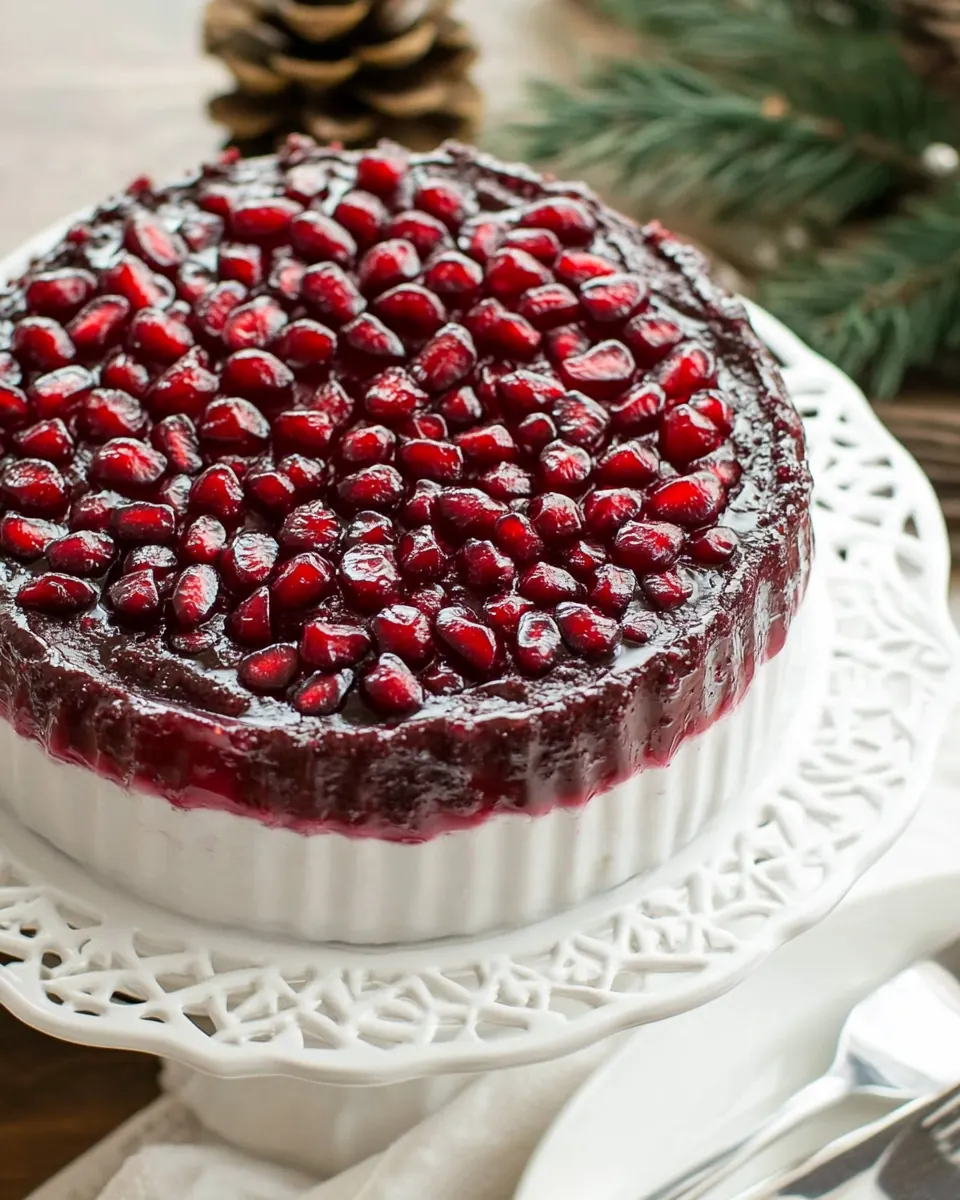
Pomegranate Christmas Cake is the kind of dessert that turned my chaotic holiday afternoons into calm, celebratory rituals. The first time I made this cake I was juggling a frantic grocery run and a playlist of old carols, and somehow the bright ruby seeds and glossy topping grounded me, turning a stressful evening into a memory I keep returning to. I love how the pomegranate seeds look like tiny ornaments scattered across a snowy frosting, and how their tart pop cuts through the sweet, creamy layers.
Over the years I have tweaked my approach to this Pomegranate Christmas Cake so it is both showy and forgiving. I learned to trust a light, airy batter and to treat the frosting like a stable canvas for the jewel like topping. Friends always ask how I get the layers even and how the topping stays glossy rather than weeping, so I started keeping a bowl of chilled water nearby and timing each step the way a conductor keeps time.
Recipe Snapshot
2 hr 30 mins
120 mins
30 mins
Hard
350 kcal
American
Gluten-Free, Low FODMAP
Desserts
Electric mixer, Stand mixer, 9 inch cake pans, Parchment paper, Wire racks, Small saucepan
The Best Thing About This Pomegranate Christmas Cake
Seasonal Showstopper
I adore this cake because it captures the spirit of winter without feeling heavy. The pomegranate seeds bring bright acidity and a festive look that makes it a natural centerpiece when the temperatures drop, and I find guests immediately drawn to the color and texture contrast.
Textural Harmony
There is a delightful interplay between the spongy cake, the silky cream cheese frosting, and the jewel like, slightly gelatinous pomegranate topping. When I slice into the layers I listen for a clean cut, that soft give followed by a slight pop from the seeds, and my family knows the slice is going to be worth it.
Make Ahead Friendly
I often assemble most of the cake a day ahead. The components hold well in the fridge, and the resting time actually helps flavors marry. I appreciate that I can prepare the cake layers, the frosting, and even the topping in advance, which makes hosting much less stressful.
Visually Impressive, Technically Accessible
While the cake looks like something from a pastry shop, the techniques are approachable. Whipping eggs with sugar to create an airy sponge and chilling the frosting to firm up are simple skills that reward attention. I like teaching these small techniques to friends who are intimidated by layered cakes.
Balanced Sweetness
The recipe balances sweet and tart so that every bite feels refined, not cloying. The pomegranate syrup and seeds add brightness, while the frosting keeps things creamy and smooth. For me this balance is the reason people come back for seconds.
What You’ll Need for Pomegranate Christmas Cake
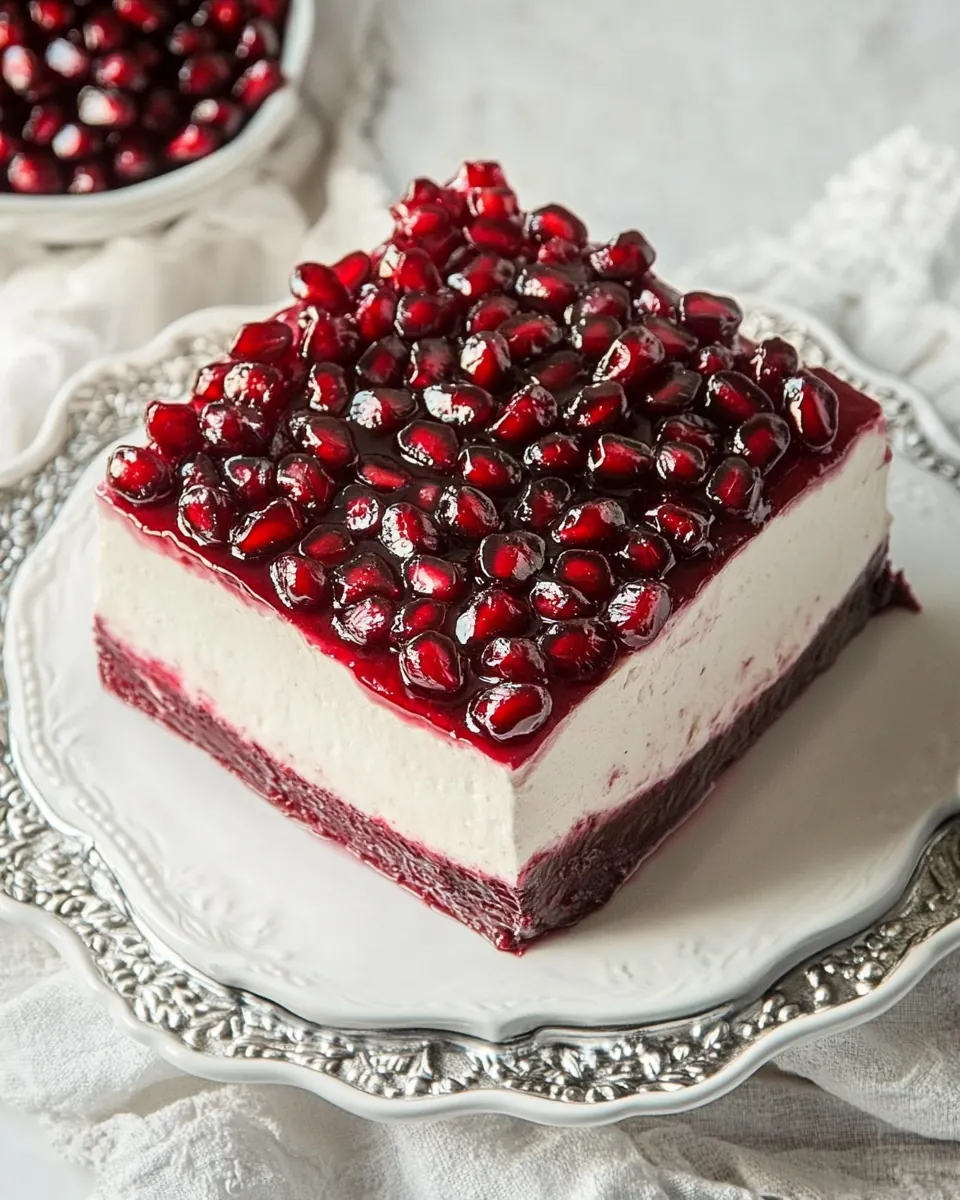
These ingredients are carefully chosen to create a stable, airy sponge, a silky frosting, and a jewel like topping. The eggs and sugar form the backbone of the cake, the flour and baking powder give structure, and the various forms of pomegranate juice and seeds deliver layered bursts of flavor. The cream cheese and butter collaborate to make a frosting that is rich yet supple enough to cradle the topping.
- 6 large eggs, room temp (if cold, put them in warm water 15 min): Whisk vigorously to incorporate air and provide structure and lift to the cake batter; using room-temperature eggs ensures even emulsification and proper volume when beaten.
- 1 cup sugar: Sweeten the batter and contribute to tenderness, also aiding in moisture retention and caramelization during baking for color and flavor development.
- 1 cup unbleached all-purpose flour: Provide the primary structure and crumb of the cake with gluten content appropriate for a tender crumb while balancing dry-to-wet ratios.
- 1/2 tsp baking powder: Leaven the batter slightly by releasing trapped gases during baking, helping achieve a light texture without overpowering rise.
- 1/2 tsp vanilla extract: Enhance aromatic profile and add subtle sweet-floral notes that complement the pomegranate flavors, contributing to overall depth.
- 6 oz 3/4 cup pomegranate juice (Pom Wonderful): Concentrate pomegranate flavor and add acidity and color; measured volume impacts both sweetness balance and liquid ratios in the recipe.
- 2 tsp unflavored gelatin powder, I used Knox brand: Set and stabilize the pomegranate layer by thickening liquids into a gel, adding body without altering flavor when dissolved and chilled.
- 1 tsp vanilla extract: Boost the dessert's fragrance and reinforce vanilla notes in the cream or batter, deepening the overall flavor profile.
- 2 tbsp sugar: Adjust sweetness levels for the pomegranate gel or glaze, helping to balance tartness and ensure palatable sweetness.
- Seeds of one large pomegranate, 1 1/4 to 1 1/2 cups: Provide fresh pomegranate texture and bursts of tart-sweet juice; seeds contribute color, crunch, and visual appeal to the finished cake.
- 1 1/2 cups pomegranate juice, POM brand: Supply additional pomegranate flavor and liquid for glazes or fillings; helps achieve the desired consistency and bright fruity taste.
- 2 tbsp sugar: Fine-tune sweetness in the pomegranate component, balancing acidity and enhancing the fruit's natural flavors without overpowering.
- 2 sticks unsalted butter, softened to room temp: Add richness and fat to the frosting or batter, creating a smooth, creamy mouthfeel and aiding in aeration when creamed with sugar.
- 3 cups powdered sugar: Sweeten and structure the frosting by providing bulk and stability; powdered sugar dissolves easily for a silky finish.
- 1/4 tsp fine sea salt: Counterbalance sweetness and enhance overall flavor complexity; a small amount of fine sea salt brightens and rounds out other tastes.
- 16 oz cream cheese, (2 blocks) softened at room temp and cut into 16 pieces: Provide creaminess and tang to the frosting, contributing to a smooth, stable texture and rich flavor when softened and beaten.
- 4 tbsp of pomegranate juice, POM brand: Concentrate pomegranate flavor in the frosting or finishing glaze, adding brightness and a hint of acidity to complement the cream cheese.
Recipe Directions for Pomegranate Christmas Cake
This is the section where you will move methodically, embracing sensory cues and simple checks so each stage yields reliable results. Keep your tools handy and work in stages, letting chilled components rest as directed so assembly is calm and confident.
- Preheat Oven to 350˚F. Line the bottoms of two 9" cake pans with parchment paper.: Warmth from a properly preheated oven creates the initial lift in the batter, and lining pans with parchment ensures easy release. As the oven comes to temperature you will smell a faint dry warmth, and the air in the oven will feel steadily hot if you briefly open it. I always preheat for at least 10 minutes so the internal temperature stabilizes, otherwise the cakes may bake unevenly. A common mistake is placing pans in an oven that is still warming, which can cause incorrect rise and texture.
- Combine 6 eggs and 1 cup sugar in the bowl of your electric mixer and beat on high speed for 12 minutes or until tripled in volume and fluffy. Whisk together 1 cup flour and 1/2 tsp baking powder then sift it into the beaten eggs in 2 additions, folding it in with a spatula just until all of the flour is incorporated. Add 1/2 tsp vanilla and blend together. Remember that you are relying on the fluffy air-infused batter for the cake to rise. DO NOT OVERMIX or your cake won't rise well. Transfer your batter to your lined cake pans. Set aside.: When you beat the eggs with sugar you will notice the mixture become pale and ribbon like, and when you lift the whisk it should fall back in slow ribbons. This aeration is the structure of the cake, so be patient and let the mixer do the work. Sifting the flour and folding it in preserves that air; look for streaks to disappear rather than constantly stirring. The batter should feel light and airy, not dense, and will pour gently into pans. Avoid the temptation to overwork the batter, as overmixing will deflate it and produce a dense cake. If you see the mix losing volume while folding, stop immediately and bake promptly to capture the trapped air.
- Bake at 350˚F for 25-28 minutes or until the top is golden brown and a toothpick comes out clean (poke the side, not the center so your center won't cave) and don't open the oven until 25 minutes have past. Let the cakes cool down on wire racks, then remove from the pans.: As the cakes bake you will watch the tops transform from pale to golden brown and you may hear a faint settling sound as steam escapes. The edges will pull slightly away from the pan, signaling they are nearly done. Using the toothpick on the side ensures the fragile center does not cave in while testing. Resist opening the oven early, since sudden temperature shifts can cause collapse. If the cake looks wet in the center after the time window, give it an additional few minutes while watching closely to avoid overbrowning.
- Combine 1 1/2 cups pomegranate juice (POM brand) with 2 Tbsp sugar and stir to combine. Set aside to and stir occasionally until sugar is all dissolved.: The syrup will smell bright and fruity as the pomegranate juice blends with sugar , and stirring helps the crystals dissolve fully. A clear syrup will soak into the crumb evenly, imparting moisture and flavor. If the sugar is not fully dissolved you might end up with a grainy mouthfeel in the soaked layers. Keep stirring and taste a small bit to ensure the sweetness is balanced.
- In the bowl of a stand mixer fitted with the whisk attachment, mix the 2 sticks of butter with 3 cups powdered sugar and salt on low speed or until combined (1 min). Increase speed to medium-high and beat until the mixture is pale and fluffy (2 min).: The butter will begin to look whipped and light as tiny air pockets form, and the powdered sugar will lend a cottony texture. The mixture should become noticeably paler and smell sweetly buttery. If it looks greasy, the butter may have been too warm; chill briefly and re whip. A greasy appearance signals you should firm up the mixture before continuing.
- Add cream cheese 1-piece at a time and mix until combined. (I waited maybe 3 seconds in between each piece; it's one after another really. Once all of the cream cheese is incorporated, continue to beat 1 more minute.: As you incorporate the cream cheese the frosting will smooth and gain a tangy aroma, and any small lumps should disappear with steady mixing. Work with softened cream cheese to prevent curdling, and scrape the bowl to ensure everything is evenly combined. If you add cold pieces the mixture can seize and become lumpy; warm slightly and beat gently to recover.
- Add 4 Tbsp POM juice, 1 Tbsp at a time and mix until combined (1 min). Refrigerate frosting until ready to use.: Adding pomegranate juice gives the frosting a delicate flavor and tint, and adding it in small amounts prevents the frosting from becoming too loose. You will sense a fruity lift in the aroma and a softer mouthfeel when you taste a bit. If the frosting becomes too soft, chill it to firm up before piping; that will restore pipeability and prevent sliding when assembled.
- Cut the cake layers in half so you end up with 4 layers. Place the first layer, cut-side-up on your serving platter. Brush 1/4 of the POM/sugar syrup over the first layer. Frost the top. Do this with all 4 layers. You only need a very small amount of frosting on the very top of the cake since you are going to have the pomegranate topping.: When you slice the layers you will expose a fresh crumb that drinks in the syrup quickly, and brushing while the cake is cool helps even absorption. Use a gentle hand so the layers do not tear; a serrated knife in a gentle sawing motion works best. Avoid oversaturating any single layer, as that can make the cake soggy and unstable.
- Wipe any excess syrup from the cake platter, then frost the sides. I used my large Wilton 1 M star tip. You want a border that will contain a generous layer of pomegranate topping. Refrigerate your cake for at least 30 minutes before adding the pomegranate topping.: Smoothing the sides creates a tidy surface for the topping to rest on, and the piped border acts like a shallow dam to hold the mixture. When piping you will notice the frosting holds its shape, indicating it is properly chilled and stable. If the frosting is too soft to pipe, return the cake to the fridge for a short time; soft frosting will slump and lose definition.
- Place 3/4 cup of POM juice in a small sauce pan, add the 1 tsp vanilla and sprinkle in 2 tsp gelatin, then let stand 1 minute to soften gelatin before putting it on the heat.: This blooming step lets the gelatin hydrate so it dissolves smoothly when warmed. The mixture will smell aromatic from the vanilla , and the surface should look slightly matte after it sits. If you skip blooming, gelatin can clump or fail to set properly, resulting in a topping that never firms.
- Wisk in 2 Tbsp sugar and cook over medium heat, stirring, until sugar dissolves and mixture is steaming.: As the mixture warms you will see faint steam and the sugar will vanish into the liquid, leaving a glossy sheen. Stir continuously to prevent localized overheating and scorching. Do not let it reach a rolling boil, as vigorous boiling can break down the gelatin and weaken its setting ability.
- Remove from heat and let it cool down a bit (or transfer into a mixing bowl if you don't want to wait) then set the saucepan into a larger bowl of ice water, stirring gently until it is cold and slightly thickened but not set. It doesn't take long so stay with it. Remove from the ice bath.: Cooling gradually keeps the gelatin functional while tempering the mixture so it will set properly once combined with the seeds. You will feel the syrup becoming slipperier and slightly thicker as it cools. If you let it set too far it will be difficult to spoon, so watch closely and stop when it is still pourable but viscous.
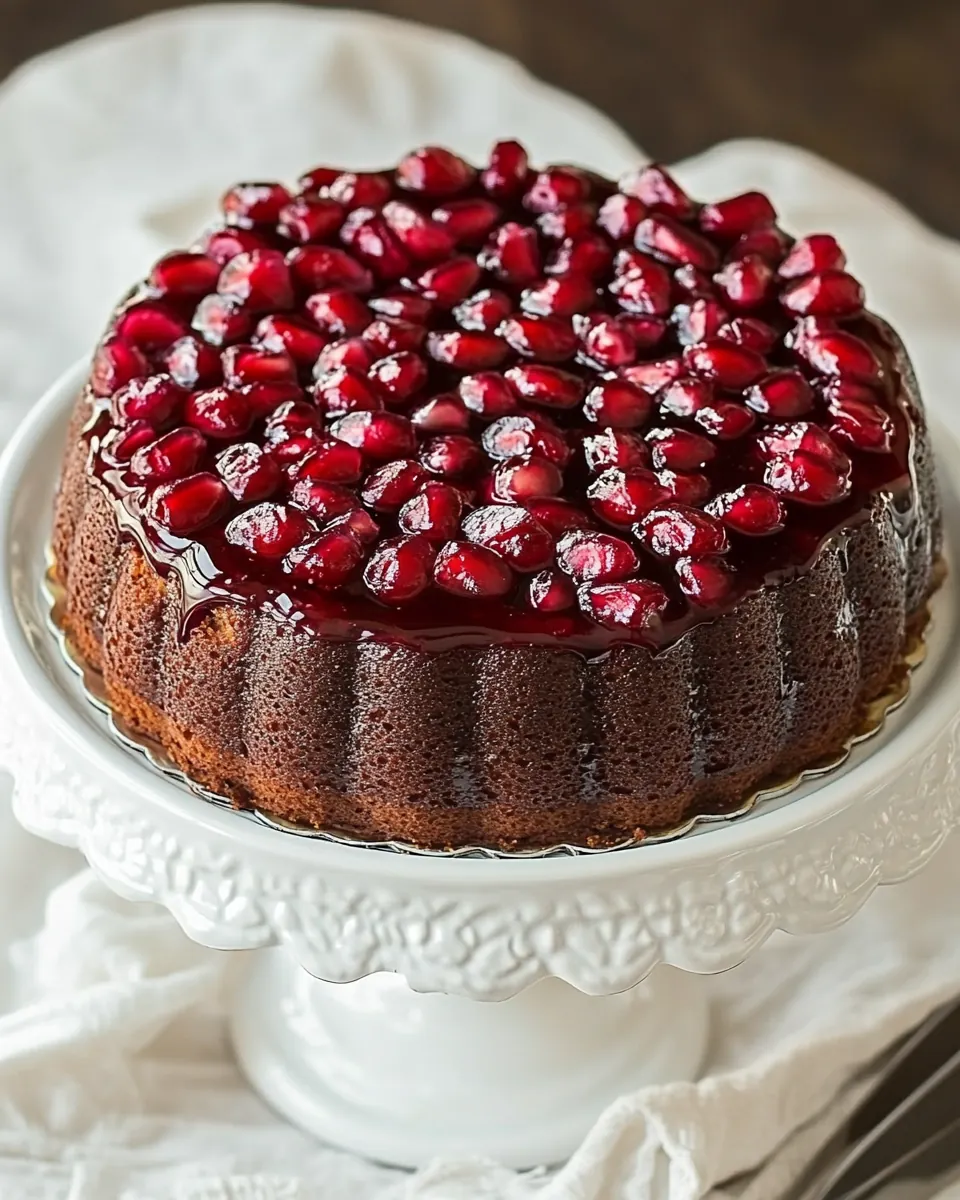
- Stir in pomegranate seeds and immediately spoon topping onto the chilled cake. Refrigerate your cake until the topping is set (about 1 hour).: The final topping glistens as the seeds catch the light and release a fresh, tart scent. Spoon quickly so the mixture does not begin to set before it is in place. The cake should go into the fridge level to prevent the topping from sliding; a sudden slope will cause the glossy mixture to migrate. If any liquid pools on the platter, gently blot to keep the presentation clean.
Make It Your Own
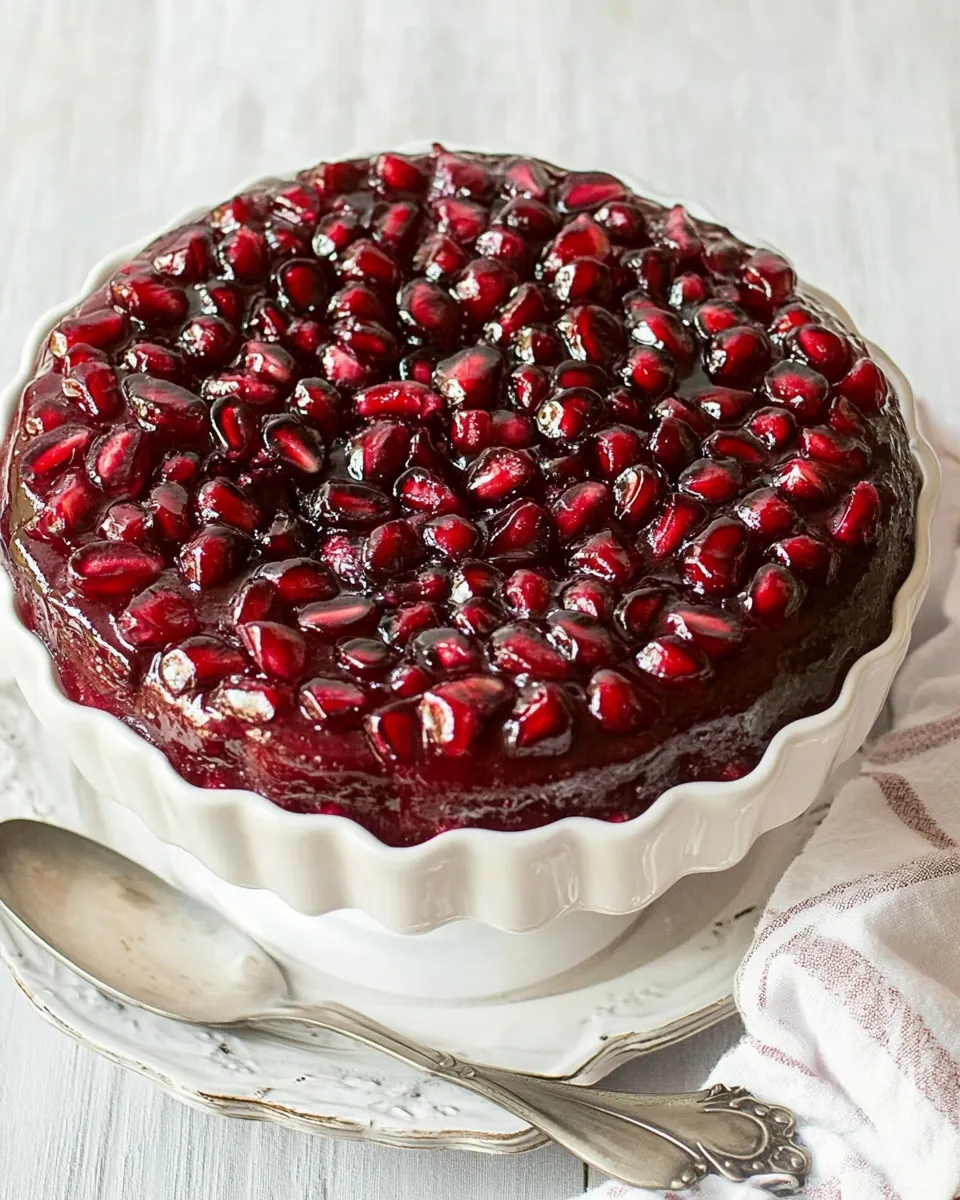
I like offering small changes that preserve the spirit of the cake while letting you make it feel personal. These tips will help with timing, texture, and presentation so the final cake feels like yours.
- Control the soak Use a light hand when brushing the pomegranate syrup so the crumb stays tender and not soggy, and aim for even coverage rather than saturation.
- Stabilize the frosting Chill the frosting briefly if it appears too soft before piping, this will ensure your border holds the topping securely.
- Timing the topping Add the pomegranate seeds to the syrup just before spooning so they keep their snap and do not bleed color into the liquid.
- Even layers Use a serrated knife and a steady sawing motion to split layers, and check that each layer sits flat before stacking to avoid a leaning cake.
- Make ahead You can bake the layers a day ahead and wrap them tightly, then frost and top on the day of serving for fresher seeds and better presentation.
Serving Ideas for Pomegranate Christmas Cake
This cake feels right at holiday dinners and winter gatherings, and I love suggesting pairings and occasions that let it shine. Think about temperature contrasts and visual styling to make serving effortless and festive.
- Holiday centerpiece Present the cake as the visual focal point at a Christmas dessert table, surrounded by simple white plates and a few sprigs of evergreen for color contrast.
- After dinner treat Serve slices chilled for a cool, creamy mouthfeel after a hearty holiday meal, and offer forks and small dessert plates so guests can enjoy a measured portion.
- Special occasion brunch Pair with light tea or coffee for a celebratory brunch where the cake’s bright acidity balances richer morning dishes.
- Storage tips Keep leftovers tightly covered in the refrigerator, where the cake will hold for two to three days; the topping will remain glossy if chilled, but seeds may soften over time.
- Seasonal pairing Serve alongside roasted fruit or simple whipped cream if you want more contrast, and use extra pomegranate seeds as a garnish for a vibrant finish.
FAQ
Conclusion
This Pomegranate Christmas Cake stands out because it pairs a light, airy sponge with a creamy frosting and a jewel like, tart topping. It is festive visually, balanced in flavor, and manageable even for home bakers who want an impressive dessert. Give it a try at your next winter gathering, and you may find it becomes your new holiday tradition. I always enjoy hearing how bakers personalize their decorations, so tuck a note about your favorite tweak into the recipe when you make it next.
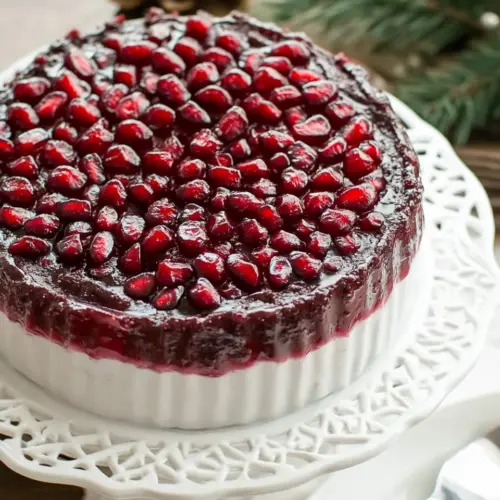
Pomegranate Christmas Cake
Equipment
- Electric Mixer
- Stand mixer
- 9-inch cake pans
- Parchment Paper
- Wire racks
- Small Saucepan
Ingredients
- 6 large eggs, room temp (if cold, put them in warm water 15 min) Whisk vigorously to incorporate air and provide structure and lift to the cake batter; using room-temperature eggs ensures even emulsification and proper volume when beaten.
- 1 cup sugar Sweeten the batter and contribute to tenderness, also aiding in moisture retention and caramelization during baking for color and flavor development.
- 1 cup unbleached all-purpose flour Provide the primary structure and crumb of the cake with gluten content appropriate for a tender crumb while balancing dry-to-wet ratios.
- 1/2 tsp baking powder Leaven the batter slightly by releasing trapped gases during baking, helping achieve a light texture without overpowering rise.
- 1/2 tsp vanilla extract Enhance aromatic profile and add subtle sweet-floral notes that complement the pomegranate flavors, contributing to overall depth.
- 6 oz 3/4 cup pomegranate juice (Pom Wonderful) Concentrate pomegranate flavor and add acidity and color; measured volume impacts both sweetness balance and liquid ratios in the recipe.
- 2 tsp unflavored gelatin powder, I used Knox brand Set and stabilize the pomegranate layer by thickening liquids into a gel, adding body without altering flavor when dissolved and chilled.
- 1 tsp vanilla extract Boost the dessert's fragrance and reinforce vanilla notes in the cream or batter, deepening the overall flavor profile.
- 2 tbsp sugar Adjust sweetness levels for the pomegranate gel or glaze, helping to balance tartness and ensure palatable sweetness.
- Seeds of one large pomegranate, 1 1/4 to 1 1/2 cups Provide fresh pomegranate texture and bursts of tart-sweet juice; seeds contribute color, crunch, and visual appeal to the finished cake.
- 1 1/2 cups pomegranate juice, POM brand Supply additional pomegranate flavor and liquid for glazes or fillings; helps achieve the desired consistency and bright fruity taste.
- 2 tbsp sugar Fine-tune sweetness in the pomegranate component, balancing acidity and enhancing the fruit's natural flavors without overpowering.
- 2 sticks unsalted butter, softened to room temp Add richness and fat to the frosting or batter, creating a smooth, creamy mouthfeel and aiding in aeration when creamed with sugar.
- 3 cups powdered sugar Sweeten and structure the frosting by providing bulk and stability; powdered sugar dissolves easily for a silky finish.
- 1/4 tsp fine sea salt Counterbalance sweetness and enhance overall flavor complexity; a small amount of fine sea salt brightens and rounds out other tastes.
- 16 oz cream cheese, (2 blocks) softened at room temp and cut into 16 pieces Provide creaminess and tang to the frosting, contributing to a smooth, stable texture and rich flavor when softened and beaten.
- 4 tbsp of pomegranate juice, POM brand Concentrate pomegranate flavor in the frosting or finishing glaze, adding brightness and a hint of acidity to complement the cream cheese.
Instructions
- Preheat Oven to 350˚F. Line the bottoms of two 9" cake pans with parchment paper.: Warmth from a properly preheated oven creates the initial lift in the batter, and lining pans with parchment ensures easy release. As the oven comes to temperature you will smell a faint dry warmth, and the air in the oven will feel steadily hot if you briefly open it. I always preheat for at least 10 minutes so the internal temperature stabilizes, otherwise the cakes may bake unevenly. A common mistake is placing pans in an oven that is still warming, which can cause incorrect rise and texture.
- Combine 6 eggs and 1 cup sugar in the bowl of your electric mixer and beat on high speed for 12 minutes or until tripled in volume and fluffy. Whisk together 1 cup flour and 1/2 tsp baking powder then sift it into the beaten eggs in 2 additions, folding it in with a spatula just until all of the flour is incorporated. Add 1/2 tsp vanilla and blend together. Remember that you are relying on the fluffy air-infused batter for the cake to rise. DO NOT OVERMIX or your cake won't rise well. Transfer your batter to your lined cake pans. Set aside.: When you beat the eggs with sugar you will notice the mixture become pale and ribbon like, and when you lift the whisk it should fall back in slow ribbons. This aeration is the structure of the cake, so be patient and let the mixer do the work. Sifting the flour and folding it in preserves that air; look for streaks to disappear rather than constantly stirring. The batter should feel light and airy, not dense, and will pour gently into pans. Avoid the temptation to overwork the batter, as overmixing will deflate it and produce a dense cake. If you see the mix losing volume while folding, stop immediately and bake promptly to capture the trapped air.
- Bake at 350˚F for 25-28 minutes or until the top is golden brown and a toothpick comes out clean (poke the side, not the center so your center won't cave) and don't open the oven until 25 minutes have past. Let the cakes cool down on wire racks, then remove from the pans.: As the cakes bake you will watch the tops transform from pale to golden brown and you may hear a faint settling sound as steam escapes. The edges will pull slightly away from the pan, signaling they are nearly done. Using the toothpick on the side ensures the fragile center does not cave in while testing. Resist opening the oven early, since sudden temperature shifts can cause collapse. If the cake looks wet in the center after the time window, give it an additional few minutes while watching closely to avoid overbrowning.
- Combine 1 1/2 cups pomegranate juice (POM brand) with 2 Tbsp sugar and stir to combine. Set aside to and stir occasionally until sugar is all dissolved.: The syrup will smell bright and fruity as the pomegranate juice blends with sugar , and stirring helps the crystals dissolve fully. A clear syrup will soak into the crumb evenly, imparting moisture and flavor. If the sugar is not fully dissolved you might end up with a grainy mouthfeel in the soaked layers. Keep stirring and taste a small bit to ensure the sweetness is balanced.
- In the bowl of a stand mixer fitted with the whisk attachment, mix the 2 sticks of butter with 3 cups powdered sugar and salt on low speed or until combined (1 min). Increase speed to medium-high and beat until the mixture is pale and fluffy (2 min).: The butter will begin to look whipped and light as tiny air pockets form, and the powdered sugar will lend a cottony texture. The mixture should become noticeably paler and smell sweetly buttery. If it looks greasy, the butter may have been too warm; chill briefly and re whip. A greasy appearance signals you should firm up the mixture before continuing.
- Add cream cheese 1-piece at a time and mix until combined. (I waited maybe 3 seconds in between each piece; it's one after another really. Once all of the cream cheese is incorporated, continue to beat 1 more minute.: As you incorporate the cream cheese the frosting will smooth and gain a tangy aroma, and any small lumps should disappear with steady mixing. Work with softened cream cheese to prevent curdling, and scrape the bowl to ensure everything is evenly combined. If you add cold pieces the mixture can seize and become lumpy; warm slightly and beat gently to recover.
- Add 4 Tbsp POM juice, 1 Tbsp at a time and mix until combined (1 min). Refrigerate frosting until ready to use.: Adding pomegranate juice gives the frosting a delicate flavor and tint, and adding it in small amounts prevents the frosting from becoming too loose. You will sense a fruity lift in the aroma and a softer mouthfeel when you taste a bit. If the frosting becomes too soft, chill it to firm up before piping; that will restore pipeability and prevent sliding when assembled.
- Cut the cake layers in half so you end up with 4 layers. Place the first layer, cut-side-up on your serving platter. Brush 1/4 of the POM/sugar syrup over the first layer. Frost the top. Do this with all 4 layers. You only need a very small amount of frosting on the very top of the cake since you are going to have the pomegranate topping.: When you slice the layers you will expose a fresh crumb that drinks in the syrup quickly, and brushing while the cake is cool helps even absorption. Use a gentle hand so the layers do not tear; a serrated knife in a gentle sawing motion works best. Avoid oversaturating any single layer, as that can make the cake soggy and unstable.
- Wipe any excess syrup from the cake platter, then frost the sides. I used my large Wilton 1 M star tip. You want a border that will contain a generous layer of pomegranate topping. Refrigerate your cake for at least 30 minutes before adding the pomegranate topping.: Smoothing the sides creates a tidy surface for the topping to rest on, and the piped border acts like a shallow dam to hold the mixture. When piping you will notice the frosting holds its shape, indicating it is properly chilled and stable. If the frosting is too soft to pipe, return the cake to the fridge for a short time; soft frosting will slump and lose definition.
- Place 3/4 cup of POM juice in a small sauce pan, add the 1 tsp vanilla and sprinkle in 2 tsp gelatin, then let stand 1 minute to soften gelatin before putting it on the heat.: This blooming step lets the gelatin hydrate so it dissolves smoothly when warmed. The mixture will smell aromatic from the vanilla , and the surface should look slightly matte after it sits. If you skip blooming, gelatin can clump or fail to set properly, resulting in a topping that never firms.
- Wisk in 2 Tbsp sugar and cook over medium heat, stirring, until sugar dissolves and mixture is steaming.: As the mixture warms you will see faint steam and the sugar will vanish into the liquid, leaving a glossy sheen. Stir continuously to prevent localized overheating and scorching. Do not let it reach a rolling boil, as vigorous boiling can break down the gelatin and weaken its setting ability.
- Remove from heat and let it cool down a bit (or transfer into a mixing bowl if you don't want to wait) then set the saucepan into a larger bowl of ice water, stirring gently until it is cold and slightly thickened but not set. It doesn't take long so stay with it. Remove from the ice bath.: Cooling gradually keeps the gelatin functional while tempering the mixture so it will set properly once combined with the seeds. You will feel the syrup becoming slipperier and slightly thicker as it cools. If you let it set too far it will be difficult to spoon, so watch closely and stop when it is still pourable but viscous.
- Stir in pomegranate seeds and immediately spoon topping onto the chilled cake. Refrigerate your cake until the topping is set (about 1 hour).: The final topping glistens as the seeds catch the light and release a fresh, tart scent. Spoon quickly so the mixture does not begin to set before it is in place. The cake should go into the fridge level to prevent the topping from sliding; a sudden slope will cause the glossy mixture to migrate. If any liquid pools on the platter, gently blot to keep the presentation clean.
Notes
- Control the soak Use a light hand when brushing the pomegranate syrup so the crumb stays tender and not soggy, and aim for even coverage rather than saturation.
- Stabilize the frosting Chill the frosting briefly if it appears too soft before piping, this will ensure your border holds the topping securely.
- Timing the topping Add the pomegranate seeds to the syrup just before spooning so they keep their snap and do not bleed color into the liquid.
- Even layers Use a serrated knife and a steady sawing motion to split layers, and check that each layer sits flat before stacking to avoid a leaning cake.
- Make ahead You can bake the layers a day ahead and wrap them tightly, then frost and top on the day of serving for fresher seeds and better presentation.