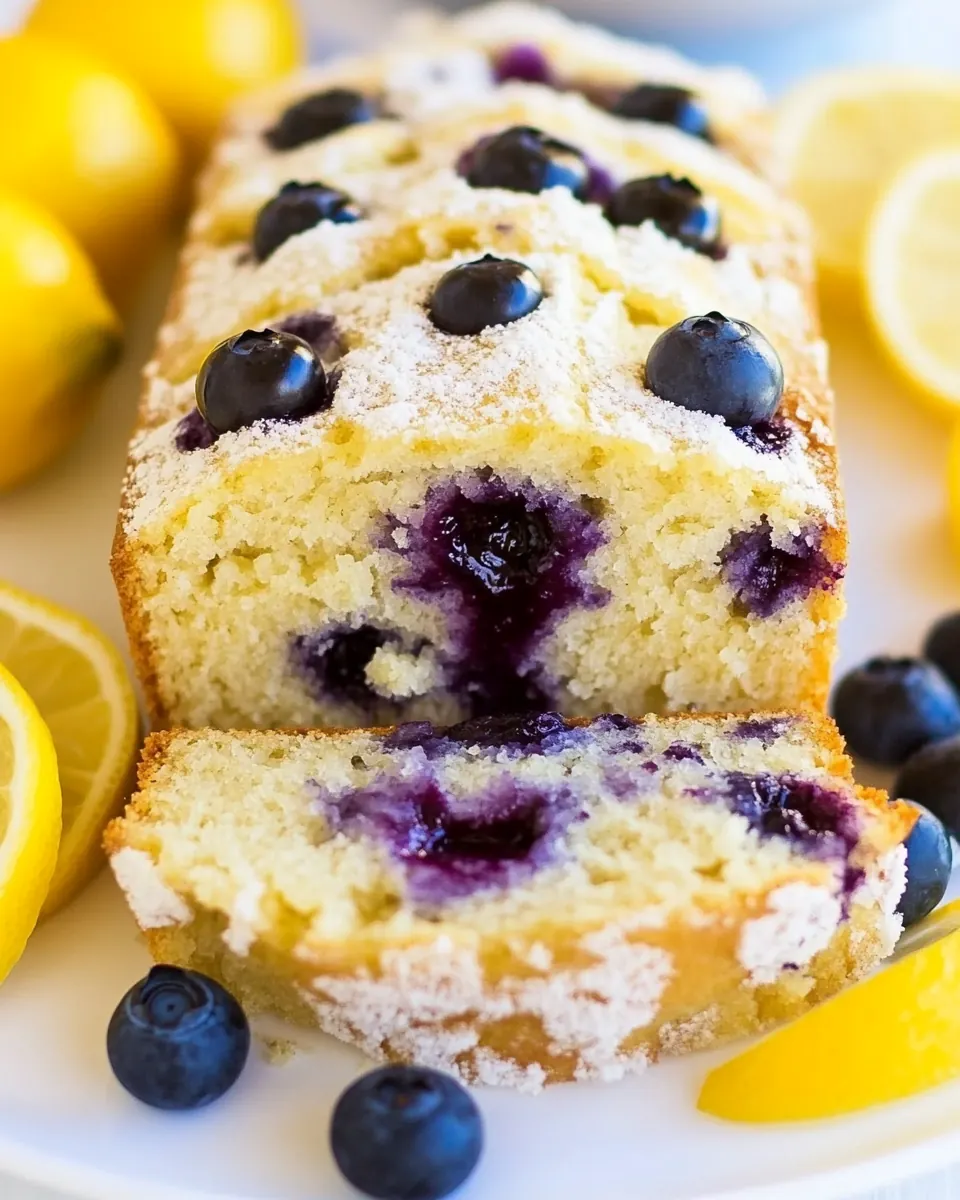
Vegan Lemon Blueberry Bread
Vegan Lemon Blueberry Bread is the loaf I reach for when I want something bright, tender, and unfussy on the counter.
I first made this loaf on a damp spring morning after a farmer’s market run when the blueberries were glaringly ripe and the lemons smelled like sunlight. I was chasing a slice that felt like both breakfast and dessert, something you could butter, toast, or simply eat straight from the pan with your fingers. That first loaf came out with a crackled top and a soft crumb that kept me stealing slices all day, and I have been refining the balance of lemon and berry ever since.
Over time I learned small things about how the batter behaves, and those lessons make a difference. For example, very cold blueberries will sink and burst less, while gently folding the berries preserves their shape and creates pretty pockets of color. I also confess I often swap the fat depending on the mood of the kitchen; oil keeps the crumb silky, while applesauce makes it lighter and fruitier, though a touch firmer.
Every time I slice this loaf I remember that market morning, and I hope you find a similar comfort in the citrus notes and juicy bursts of berry. Make a loaf for brunch company, or keep it to yourself with a mug of tea. Either way, the combination of tender crumb and tart lemon is hard to beat.
Recipe Snapshot
55 mins
5 mins
50 mins
Medium
180 kcal
American
Vegan, Gluten-Free
Breakfast
9×5 loaf pan, Mixing bowls, Spatula, Whisk, Oven
Why This Vegan Lemon Blueberry Bread Hits Different
Bright, natural flavor
I love how Vegan Lemon Blueberry Bread balances tart lemon juice and delicate blueberries, so each bite sings without being cloying. The citrus cuts through sweetness, and that contrast makes the loaf feel fresh rather than heavy.
Simple pantry ingredients
Most of the ingredients are staples like flour, sugar, and oil or applesauce. I appreciate recipes I can pull together after a quick grocery run, and this one rarely asks me for anything exotic.
Flexible and forgiving
I’ve tested this with different flours and plant milks, and the loaf adapts. Use spelt, white, oat, or a gluten free blend, and it still bakes into a tender, satisfying crumb. That versatility is why I recommend it for cooks of all levels.
Great for many occasions
This bread works for weekend brunch, a picnic, or a light dessert. It stores well, and leftover slices toast up beautifully, so you get repeatable enjoyment over several days.
Quick to pull together
With minimal prep, the batter comes together fast, which makes it my go to when I want a homemade treat without a long commitment. The texture is rewarding, and the aroma while it bakes is impossible not to appreciate.
Ingredients for Vegan Lemon Blueberry Bread
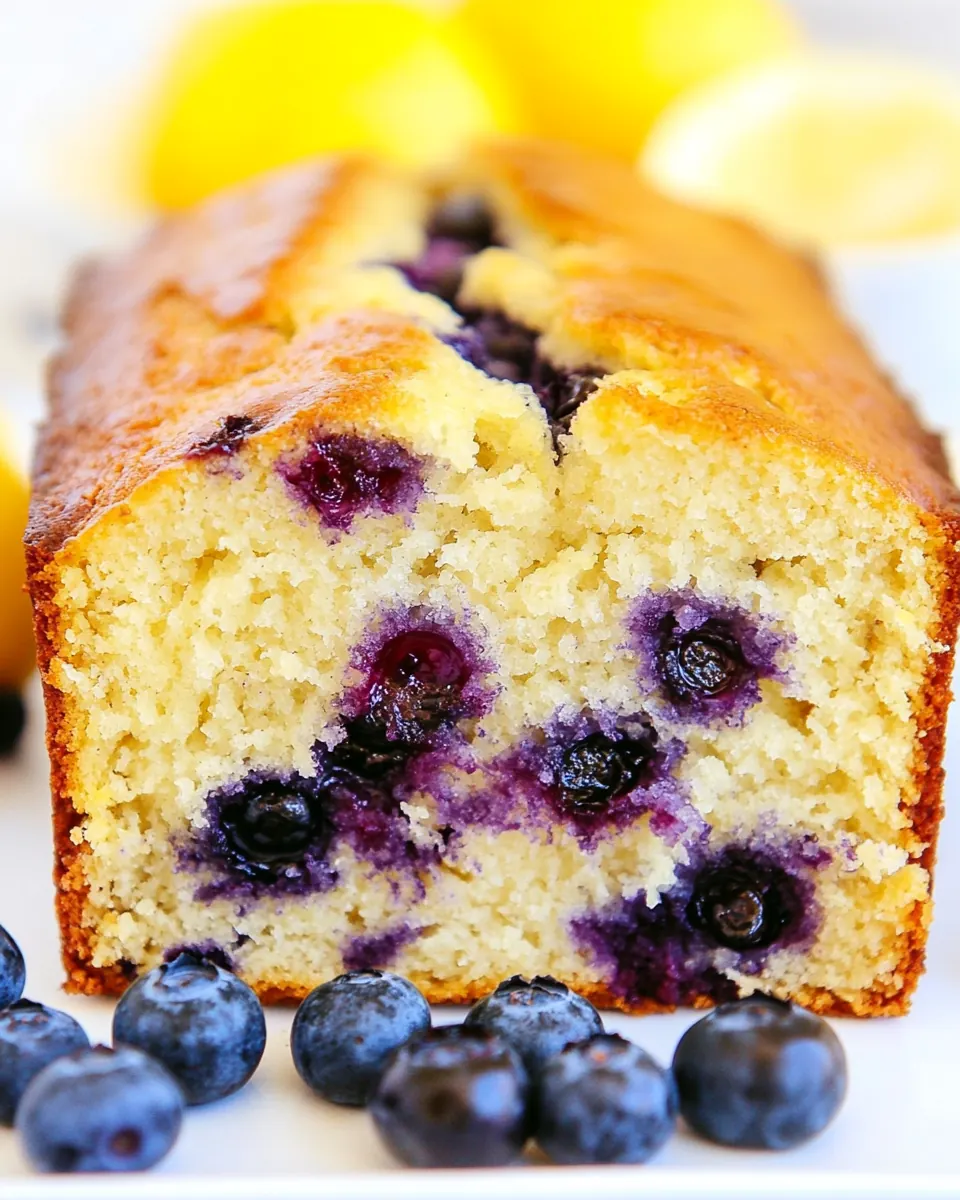
These ingredients are intentionally straightforward, letting the two stars lemon and blueberries shine. The dry and wet players work together to produce a tender crumb with bright flavor. Flour and leavening build structure and lift, while sugar and oil contribute tenderness and moistness. The lemon juice and zest provide acidity that wakes the palate and complements the blueberries.
- 2 cups flour: Provide structure and bulk to the loaf by forming the dry framework that binds with wet ingredients; use all-purpose or whole wheat flour depending on desired texture and nutrition. Sift or whisk before measuring to ensure even mixing and avoid dense spots in the bread. Adjust quantity slightly for high-altitude baking if needed.
- 1 1/2 tsp baking powder: Lighten the crumb and help the bread rise by releasing carbon dioxide when heated, creating a tender texture and lift. Ensure even distribution by whisking into the dry ingredients to avoid uneven pockets of leavening. Check freshness periodically, as expired baking powder can lead to flat baked goods.
- 3/4 tsp salt: Enhance and balance flavors while strengthening gluten slightly to improve dough structure; also helps control fermentation and browning. Dissolve or mix thoroughly into dry ingredients to ensure even seasoning throughout the loaf. Adjust modestly if using salted plant-based milks or other salty add-ins.
- 1/4 tsp baking soda: React with acidic components to produce additional lift and counteract potential bitterness from leavening; contributes to a finer crumb and gentle rise. Measure precisely and mix with the dry ingredients to activate properly with the lemon juice and milk. Avoid overuse, which can create off-flavors.
- 1 cup sugar, or xylitol for sugar free: Sweeten the bread, contribute to moisture retention, and promote golden crust development through caramelization during baking; choose xylitol if pursuing sugar–free options. Dissolve into wet ingredients for even sweetness and to prevent grainy texture, noting that sugar alternatives may alter browning and hydration. Taste-adjust only slightly to keep balance with lemon and blueberries.
- 3/4 cup milk of choice: Provide liquid for hydration, help develop gluten, and contribute tenderness while supporting leavening reactions; select any plant-based milk to keep the loaf vegan. Warm slightly if using frozen ingredients to avoid shocking batter temperature, and consider fortified milks for added calcium and B vitamins. Use milk temperature and viscosity to influence final crumb density.
- 1 cup blueberries, fresh or thawed frozen: Add juicy bursts of flavor, natural sweetness, and visual appeal while contributing moisture pockets inside the loaf; use fresh or thawed frozen berries to avoid excess bleed. Toss berries lightly in a bit of flour before folding into batter to prevent sinking to the bottom. Gently fold to preserve their shape and minimize color streaking.
- 1/4 cup oil, or sub applesauce for fat free: Provide fat that tenderizes the crumb, adds moisture, and aids in heat transfer for even baking; substitute applesauce to reduce fat and calories while retaining moisture. Emulsify with wet ingredients to ensure uniform distribution and prevent greasy pockets, adjusting baking time slightly if using applesauce. Choose neutral oils to let lemon and blueberry flavors shine.
- 1/4 cup lemon juice: Contribute bright acidity and citrus flavor that enhances overall aroma and activates baking soda for additional lift; freshly squeezed lemon juice offers the cleanest taste. Mix into wet ingredients to distribute acidity evenly and to avoid localized reaction with baking soda. Adjust to taste, keeping in mind that juice also adds liquid volume.
- zest of 1 large or 2 small lemons (1 tbsp total – don’t omit): Provide concentrated citrus oils and aromatic compounds that intensify lemon flavor and fragrance without adding extra liquid; finely grate to capture the most aroma. Incorporate zest into the batter or sugar to release oils and boost brightness, ensuring zest is free of bitter white pith. Use the specified amount for balanced lemon intensity in the loaf.
Vegan Lemon Blueberry Bread Instructions
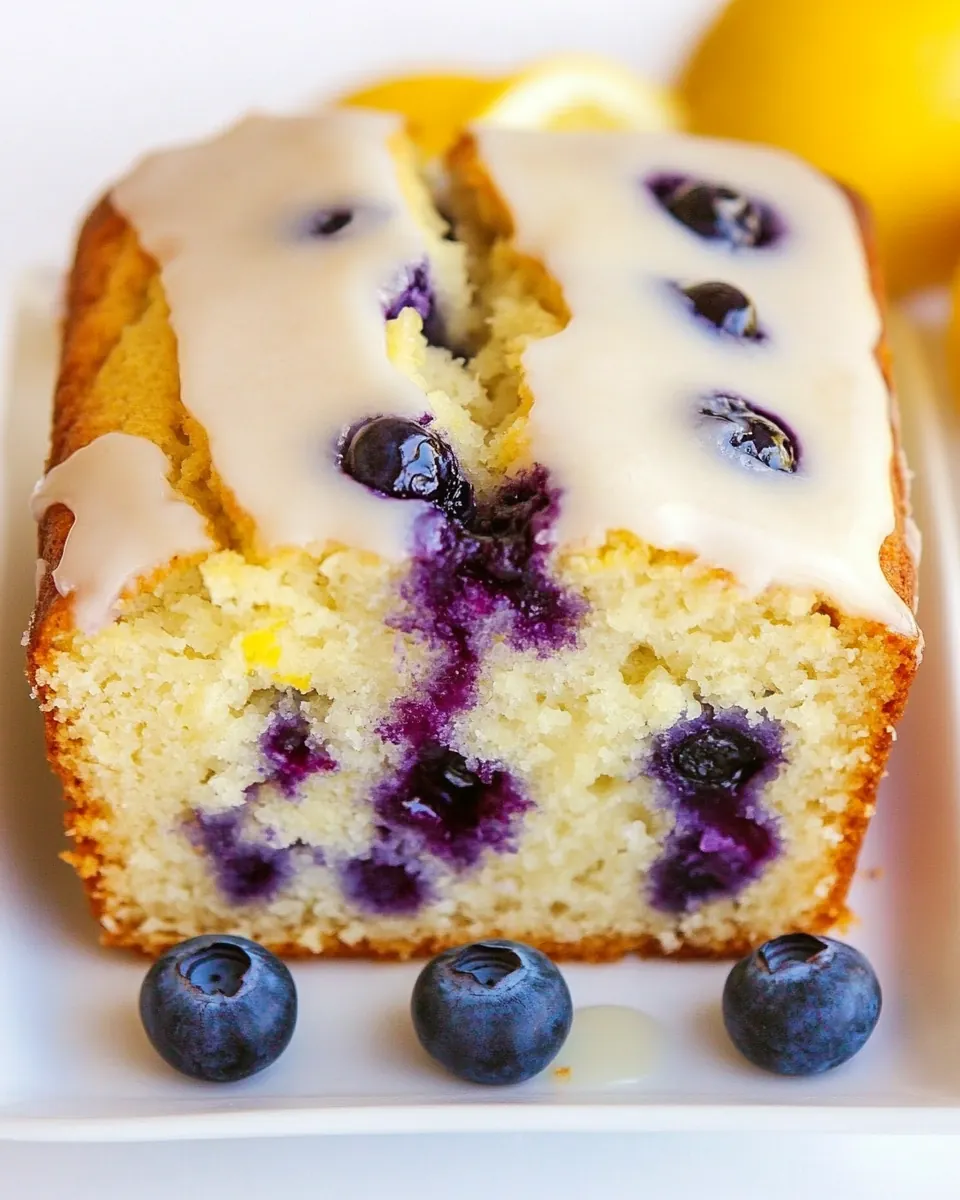
This recipe is straightforward, and the directions focus on gentle handling to keep the berries intact and the crumb tender. Read each step before starting so you can work confidently and avoid common mistakes like over mixing or overheating the oven.
- The bread works with spelt, white, oat, or gf all purpose flour. I prefer the oil version's flavor and texture, but if you're used to the texture of fat free baked goods then it's fine to sub applesauce or mashed banana. Preheat the oven to 350 F. Grease a 9×5 loaf pan. Stir dry ingredients in a large bowl, then whisk in everything but the blueberries. Add the berries, stirring very gently so they don't break and turn the loaf purple (which would still taste good, so no worries if they do burst). Smooth into the pan. Bake 50-55 minutes or until a toothpick inserted into the center comes out clean. If desired, frost the loaf with either melted coconut butter or 1/2 cup powdered sugar combined with 1 tbsp milk of choice or lemon juice.: When you mix the batter, you'll notice a different texture depending on the flour, from slightly denser with spelt to lighter with white all purpose. The scent will be subtly grainy before baking, and the dough should feel cohesive not dry. Why it matters, the flour choice alters gluten development and final crumb; choose what you prefer for chew and structure. Common trouble is overworking, which can make it tough, so mix just until combined.
- I prefer the oil version's flavor and texture, but if you're used to the texture of fat free baked goods then it's fine to sub applesauce or mashed banana: You may detect a softer mouthfeel with oil, while applesauce brings a slightly fibrous feel and less sheen. The aroma will be fruitier when using applesauce, and the surface may appear less glossy. This matters because fat contributes to tenderness and shelf life; omitting it can dry the loaf sooner. A frequent mistake is swapping without adjusting liquid ratios, which can create a gummy crumb.
- Preheat the oven to 350 F: Warmth fills the kitchen with a toasty scent as the oven reaches temperature, and this step ensures even rise from the start. Proper preheat prevents underbaked centers and uneven crust. An oven that is cooler than indicated can make the loaf dense, so use an oven thermometer if you suspect inaccuracies.
- Grease a 9×5 loaf pan: Rubbing oil or lining the pan helps the loaf release cleanly, and you will see the edges pull away as it cools. Greasing also encourages even browning along the sides. Forgetting to grease risks sticking and lost slices, so give the pan a thorough coating.
- Stir dry ingredients in a large bowl: As you whisk together flour , baking powder , salt , and baking soda , the air will lighten the mixture and distribute leavening evenly. This step creates a uniform base so the batter sets predictably in the oven. Skipping thorough stirring can leave pockets of baking powder which cause uneven bubbles and texture.
- Then whisk in everything but the blueberries: Adding the wet mix to the dry yields a batter that should look thick and slightly lumpy without visible streaks of flour. The aroma of lemon juice will become pronounced and mingle with the sweetness. This matters because over mixing at this stage develops gluten and tightens crumb; gently combine until just combined to avoid toughness.
- Add the berries, stirring very gently so they don't break and turn the loaf purple (which would still taste good, so no worries if they do burst): As you fold in the blueberries , you will feel the batter resist slightly, and the visual cue is intact pockets of dark blue. Folding preserves appearance and prevents the batter from becoming streaked. A common error is stirring vigorously, which causes the berries to burst and color the loaf uniformly, changing its look and texture.
- Smooth into the pan: Spoon the batter into the prepared pan and even the top with a spatula, which should show a glossy, slightly domed surface. The loaf will bake into a uniform shape when the top is smooth. If the batter is uneven, the loaf can rise irregularly and create tunnels, so level it carefully before baking.
- Bake 50 to 55 minutes or until a toothpick inserted into the center comes out clean: While baking, the kitchen fills with a citrus aroma and a golden crust forms. Look for gentle browning at the edges and slight spring back at the center. The toothpick test tells you the inside is set; remove it when it comes out mostly clean with a few moist crumbs. Underbaking leaves a gummy center, and overbaking dries the loaf, so check as it nears the lower end of the time range.
- If desired, frost the loaf with either melted coconut butter or 1/2 cup powdered sugar combined with 1 tbsp milk of choice or lemon juice: A glossy finish brightens both taste and presentation, and the frosting adds a sweet contrast to the tart crumb. If you use melted coconut butter , it will firm as it cools, giving a slightly creamy sheen; the powdered sugar glaze will set into a thin shell. A typical pitfall is applying glaze while the loaf is too hot, which causes it to run off, so let the loaf cool enough to hold a glaze without it soaking away.
Helpful Hints
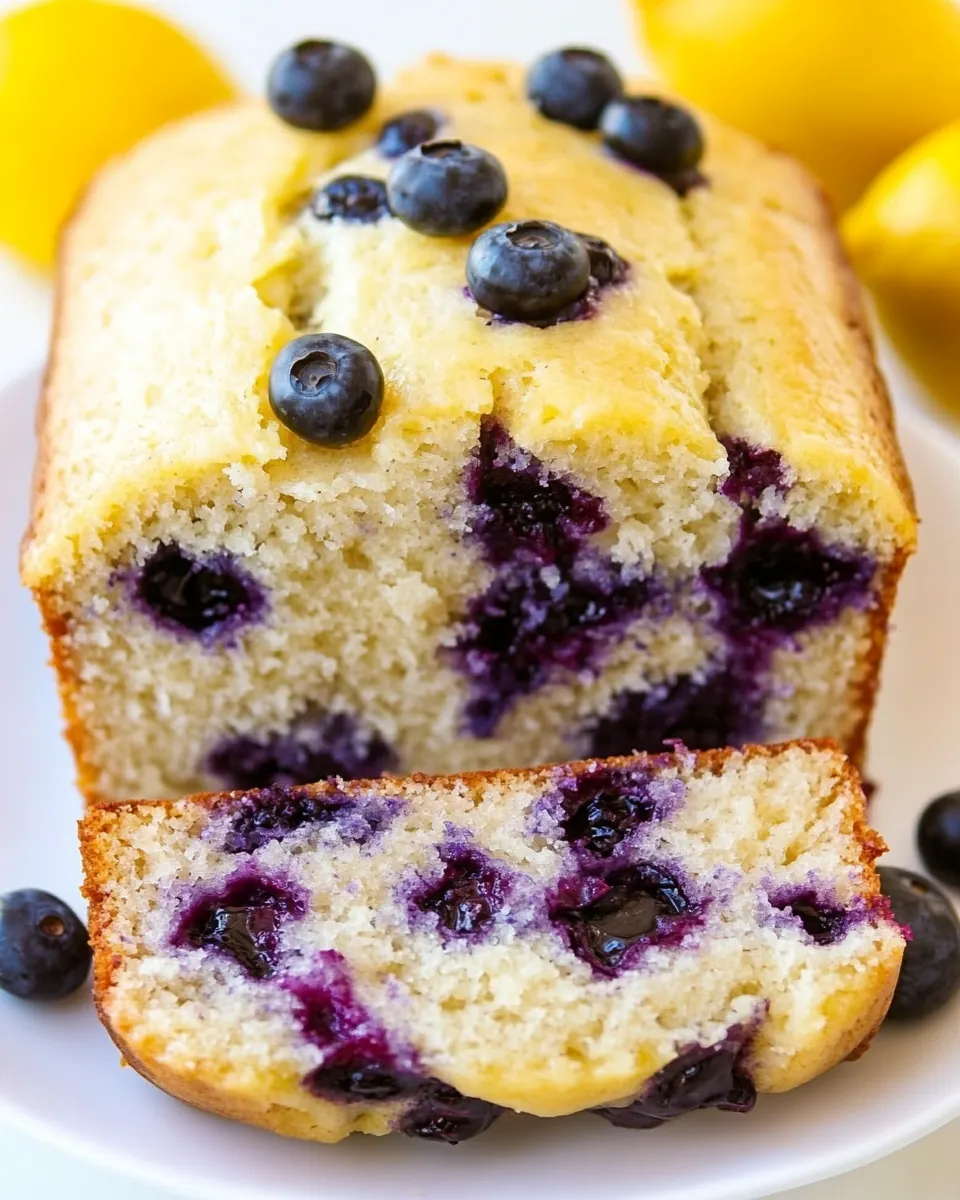
These hints gather practical knowledge I use when I bake this loaf, from small swaps to presentation. Each tip begins with a bold prompt to make it scannable while you work.
- Use room temperature wet ingredients: If your milk of choice or oil is cold, let it come to room temperature to help the batter blend smoothly without clumping, which prevents uneven baking.
- Prevent berry sinking: Toss blueberries in a teaspoon of flour before folding them in to help suspend them in the batter and avoid all the fruit sinking to the bottom.
- Fresh zest matters: Grate the outer yellow only of the lemon for concentrated aroma and flavor, and avoid the bitter white pith which can dull the citrus notes.
- Try different milks: Use oat or soy for a creamier texture, almond for a lighter crumb; each plant milk subtly changes mouthfeel and aroma.
- Store properly: Wrap cooled slices tightly or keep in an airtight container at room temperature for up to three days, or freeze sliced portions for longer storage.
Serving This Vegan Lemon Blueberry Bread
This loaf serves many roles from morning to after dinner, and I like to think about temperature and accompaniments when planning service. Slices toast up nicely, and the bread pairs well with both sweet and savory additions depending on the occasion.
- Breakfast pairing: Serve slightly warmed with a smear of plant butter or a light drizzle of agave for a simple morning treat that highlights the lemon aroma.
- Brunch occasion: Present sliced on a platter with fresh berries on the side, allowing guests to top their own pieces for a relaxed gathering.
- Light dessert: Offer a thin glaze of powdered sugar and lemon juice for a dessert option that is not overly sweet, finishing with a few extra blueberries on the plate.
- Picnic friendly: Wrap slices individually for an easy to transport snack that travels well, staying moist and flavorful without refrigeration for several hours.
- Storage guidance: For short term keep at room temperature in an airtight container up to three days; for longer life freeze slices and thaw in the toaster or at room temperature.
- Occasions: Great for spring brunches, casual get togethers, Ramadan if you need a sweet morning option, or a cozy tea time on a cool afternoon.
FAQ
Conclusion
Vegan Lemon Blueberry Bread stands out for its bright citrus notes and tender, moist crumb, making it a reliable favorite for brunch, snacks, or a gentle dessert. The loaf’s adaptability to different flours and simple pantry ingredients means you can tailor it to your pantry and still get excellent results. I encourage you to try this recipe when you want a small baking win that feels both fresh and comforting. Slice it warm, share it with friends, or savor it slowly with tea; this loaf rewards both casual and celebratory moments with its sunny flavor.
Vegan Lemon Blueberry Bread
Equipment
- 9×5 Loaf Pan
- Mixing Bowls
- Spatula
- Whisk
- Oven
Ingredients
- 2 cups flour Provide structure and bulk to the loaf by forming the dry framework that binds with wet ingredients; use all-purpose or whole wheat flour depending on desired texture and nutrition. Sift or whisk before measuring to ensure even mixing and avoid dense spots in the bread. Adjust quantity slightly for high-altitude baking if needed.
- 1 1/2 tsp baking powder Lighten the crumb and help the bread rise by releasing carbon dioxide when heated, creating a tender texture and lift. Ensure even distribution by whisking into the dry ingredients to avoid uneven pockets of leavening. Check freshness periodically, as expired baking powder can lead to flat baked goods.
- 3/4 tsp salt Enhance and balance flavors while strengthening gluten slightly to improve dough structure; also helps control fermentation and browning. Dissolve or mix thoroughly into dry ingredients to ensure even seasoning throughout the loaf. Adjust modestly if using salted plant-based milks or other salty add-ins.
- 1/4 tsp baking soda React with acidic components to produce additional lift and counteract potential bitterness from leavening; contributes to a finer crumb and gentle rise. Measure precisely and mix with the dry ingredients to activate properly with the lemon juice and milk. Avoid overuse, which can create off-flavors.
- 1 cup sugar, or xylitol for sugar free Sweeten the bread, contribute to moisture retention, and promote golden crust development through caramelization during baking; choose xylitol if pursuing sugar-free options. Dissolve into wet ingredients for even sweetness and to prevent grainy texture, noting that sugar alternatives may alter browning and hydration. Taste-adjust only slightly to keep balance with lemon and blueberries.
- 3/4 cup milk of choice Provide liquid for hydration, help develop gluten, and contribute tenderness while supporting leavening reactions; select any plant-based milk to keep the loaf vegan. Warm slightly if using frozen ingredients to avoid shocking batter temperature, and consider fortified milks for added calcium and B vitamins. Use milk temperature and viscosity to influence final crumb density.
- 1 cup blueberries, fresh or thawed frozen Add juicy bursts of flavor, natural sweetness, and visual appeal while contributing moisture pockets inside the loaf; use fresh or thawed frozen berries to avoid excess bleed. Toss berries lightly in a bit of flour before folding into batter to prevent sinking to the bottom. Gently fold to preserve their shape and minimize color streaking.
- 1/4 cup oil, or sub applesauce for fat free Provide fat that tenderizes the crumb, adds moisture, and aids in heat transfer for even baking; substitute applesauce to reduce fat and calories while retaining moisture. Emulsify with wet ingredients to ensure uniform distribution and prevent greasy pockets, adjusting baking time slightly if using applesauce. Choose neutral oils to let lemon and blueberry flavors shine.
- 1/4 cup lemon juice Contribute bright acidity and citrus flavor that enhances overall aroma and activates baking soda for additional lift; freshly squeezed lemon juice offers the cleanest taste. Mix into wet ingredients to distribute acidity evenly and to avoid localized reaction with baking soda. Adjust to taste, keeping in mind that juice also adds liquid volume.
- zest of 1 large or 2 small lemons (1 tbsp total – don’t omit) Provide concentrated citrus oils and aromatic compounds that intensify lemon flavor and fragrance without adding extra liquid; finely grate to capture the most aroma. Incorporate zest into the batter or sugar to release oils and boost brightness, ensuring zest is free of bitter white pith. Use the specified amount for balanced lemon intensity in the loaf.
Instructions
- The bread works with spelt, white, oat, or gf all purpose flour. I prefer the oil version's flavor and texture, but if you're used to the texture of fat free baked goods then it's fine to sub applesauce or mashed banana. Preheat the oven to 350 F. Grease a 9×5 loaf pan. Stir dry ingredients in a large bowl, then whisk in everything but the blueberries. Add the berries, stirring very gently so they don't break and turn the loaf purple (which would still taste good, so no worries if they do burst). Smooth into the pan. Bake 50-55 minutes or until a toothpick inserted into the center comes out clean. If desired, frost the loaf with either melted coconut butter or 1/2 cup powdered sugar combined with 1 tbsp milk of choice or lemon juice.: When you mix the batter, you'll notice a different texture depending on the flour, from slightly denser with spelt to lighter with white all purpose. The scent will be subtly grainy before baking, and the dough should feel cohesive not dry. Why it matters, the flour choice alters gluten development and final crumb; choose what you prefer for chew and structure. Common trouble is overworking, which can make it tough, so mix just until combined.
- I prefer the oil version's flavor and texture, but if you're used to the texture of fat free baked goods then it's fine to sub applesauce or mashed banana: You may detect a softer mouthfeel with oil, while applesauce brings a slightly fibrous feel and less sheen. The aroma will be fruitier when using applesauce, and the surface may appear less glossy. This matters because fat contributes to tenderness and shelf life; omitting it can dry the loaf sooner. A frequent mistake is swapping without adjusting liquid ratios, which can create a gummy crumb.
- Preheat the oven to 350 F: Warmth fills the kitchen with a toasty scent as the oven reaches temperature, and this step ensures even rise from the start. Proper preheat prevents underbaked centers and uneven crust. An oven that is cooler than indicated can make the loaf dense, so use an oven thermometer if you suspect inaccuracies.
- Grease a 9×5 loaf pan: Rubbing oil or lining the pan helps the loaf release cleanly, and you will see the edges pull away as it cools. Greasing also encourages even browning along the sides. Forgetting to grease risks sticking and lost slices, so give the pan a thorough coating.
- Stir dry ingredients in a large bowl: As you whisk together flour , baking powder , salt , and baking soda , the air will lighten the mixture and distribute leavening evenly. This step creates a uniform base so the batter sets predictably in the oven. Skipping thorough stirring can leave pockets of baking powder which cause uneven bubbles and texture.
- Then whisk in everything but the blueberries: Adding the wet mix to the dry yields a batter that should look thick and slightly lumpy without visible streaks of flour. The aroma of lemon juice will become pronounced and mingle with the sweetness. This matters because over mixing at this stage develops gluten and tightens crumb; gently combine until just combined to avoid toughness.
- Add the berries, stirring very gently so they don't break and turn the loaf purple (which would still taste good, so no worries if they do burst): As you fold in the blueberries , you will feel the batter resist slightly, and the visual cue is intact pockets of dark blue. Folding preserves appearance and prevents the batter from becoming streaked. A common error is stirring vigorously, which causes the berries to burst and color the loaf uniformly, changing its look and texture.
- Smooth into the pan: Spoon the batter into the prepared pan and even the top with a spatula, which should show a glossy, slightly domed surface. The loaf will bake into a uniform shape when the top is smooth. If the batter is uneven, the loaf can rise irregularly and create tunnels, so level it carefully before baking.
- Bake 50 to 55 minutes or until a toothpick inserted into the center comes out clean: While baking, the kitchen fills with a citrus aroma and a golden crust forms. Look for gentle browning at the edges and slight spring back at the center. The toothpick test tells you the inside is set; remove it when it comes out mostly clean with a few moist crumbs. Underbaking leaves a gummy center, and overbaking dries the loaf, so check as it nears the lower end of the time range.
- If desired, frost the loaf with either melted coconut butter or 1/2 cup powdered sugar combined with 1 tbsp milk of choice or lemon juice: A glossy finish brightens both taste and presentation, and the frosting adds a sweet contrast to the tart crumb. If you use melted coconut butter , it will firm as it cools, giving a slightly creamy sheen; the powdered sugar glaze will set into a thin shell. A typical pitfall is applying glaze while the loaf is too hot, which causes it to run off, so let the loaf cool enough to hold a glaze without it soaking away.
Notes
- Use room temperature wet ingredients: If your milk of choice or oil is cold, let it come to room temperature to help the batter blend smoothly without clumping, which prevents uneven baking.
- Prevent berry sinking: Toss blueberries in a teaspoon of flour before folding them in to help suspend them in the batter and avoid all the fruit sinking to the bottom.
- Fresh zest matters: Grate the outer yellow only of the lemon for concentrated aroma and flavor, and avoid the bitter white pith which can dull the citrus notes.
- Try different milks: Use oat or soy for a creamier texture, almond for a lighter crumb; each plant milk subtly changes mouthfeel and aroma.
- Store properly: Wrap cooled slices tightly or keep in an airtight container at room temperature for up to three days, or freeze sliced portions for longer storage.