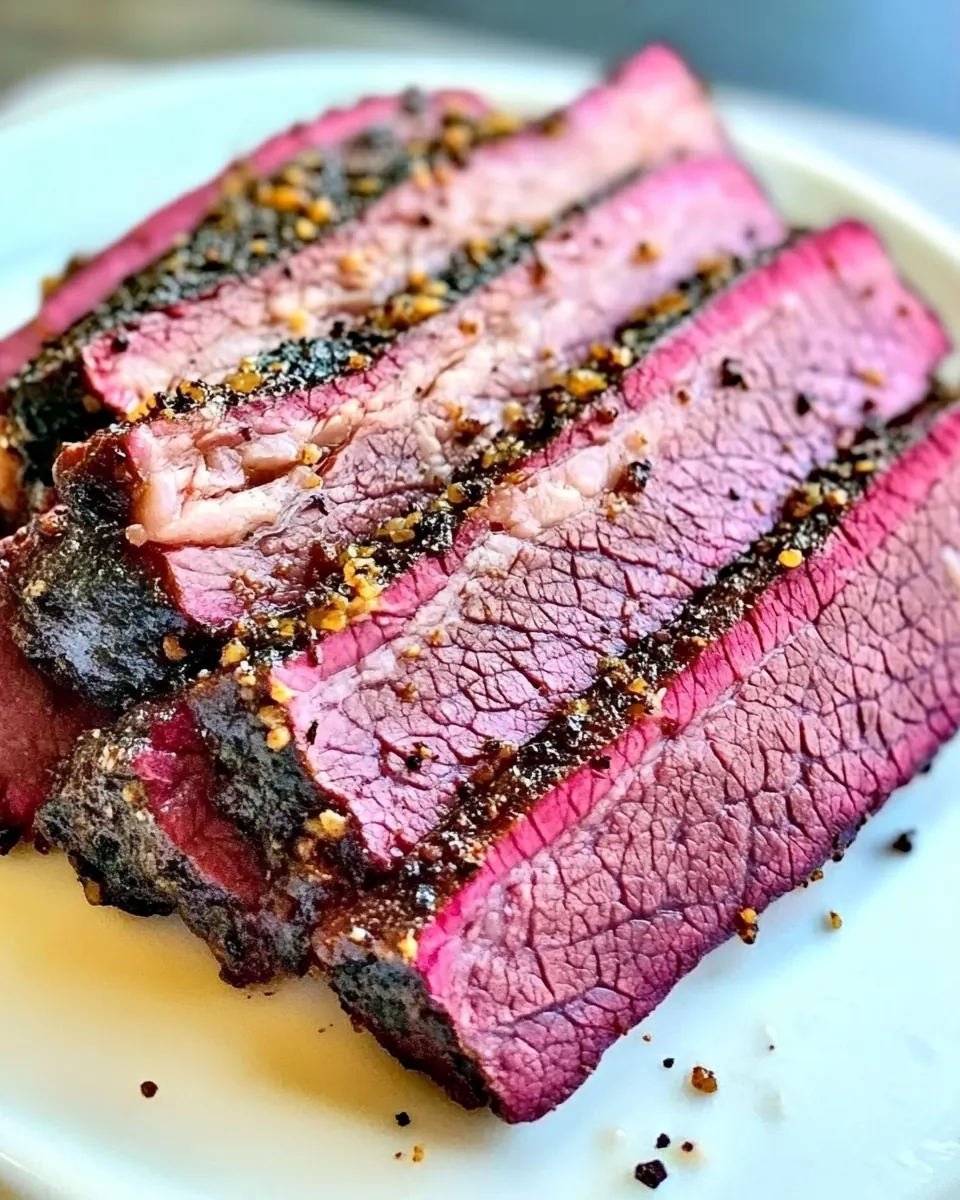
Smoked Corned Beef Brisket
Smoked Corned Beef Brisket was the kind of recipe that first grabbed my attention because it combined two things I love, slow smoke and the comforting saltiness of corned beef. The first time I tried it I was on an autumn weekend getaway, standing next to a pellet smoker while the air smelled like maple and spice, and I remember thinking that the ritual of smoking felt almost ceremonial. I like to tell stories through food, so this brisket quickly became one I share when friends ask for something bold and unpretentious.
Over the years I’ve dialed in a method that balances a crisp smoke crust with a tender, almost shreddable interior, and that journey taught me to respect small details. I learned when to trust the thermometer, why a short rest matters, and how a homemade pickling spice rub can lift the whole experience. Each attempt taught me something new about patience and timing, and I nowadays think of this dish as both a weekend project and a centerpiece that invites conversation.
When I serve Smoked Corned Beef Brisket I try to create a lingering moment, one where people linger over the plate and ask for just one more slice. I won’t pretend it’s quick, it rewards attention, but it’s forgiving when you know the essential cues to look for. The smell, the slight crackle of the bark as you slice, the steam rising off a warm slice, these are the small victories that make this recipe worth doing again and again.
Recipe Snapshot
8 hr 10 mins
10 mins
480 mins
Hard
300 kcal
American
Gluten-Free, Low FODMAP
Dinner
Smoker
The Best Thing About This Smoked Corned Beef Brisket
Rich, layered flavor from smoking
I love how smoking transforms the savory profile of corned beef. The long, low heat lets smoke penetrate the meat slowly, adding complexity without overpowering the brine cured flavor. You get a crust that is deeply flavored, and each bite has whispered layers of spice and smoke that keep you coming back.
Textural contrast that delights
One reason I come back to this method is the contrast between the crust and the interior. The outer bark has a firm, slightly chewy bite while the inner meat stays tender and moist. That textural play makes each slice satisfying to eat and easy to pair with simple sides.
Customizable spice profile
I appreciate that the spice rub and pickling spices are flexible. You can toast whole spices to highlight aromatic notes, or rely on the packet that comes with the beef for convenience. I like having control, and this recipe gives you that without being fussy.
Make ahead friendly and crowd pleasing
This recipe is forgiving for entertaining. You can smoke and then keep the brisket warm in the pan it rested in, and it holds up well for slicing and serving. I frequently make it for a small gathering, knowing people will enjoy the hearty, familiar taste.
Simple technique with big payoff
You do not need a complicated set up to get great results. A smoker, a good thermometer, and patience will take you far. I enjoy that it rewards attention to a few core moments, like reaching target temperatures and letting the meat rest before slicing.
What You’ll Need for Smoked Corned Beef Brisket
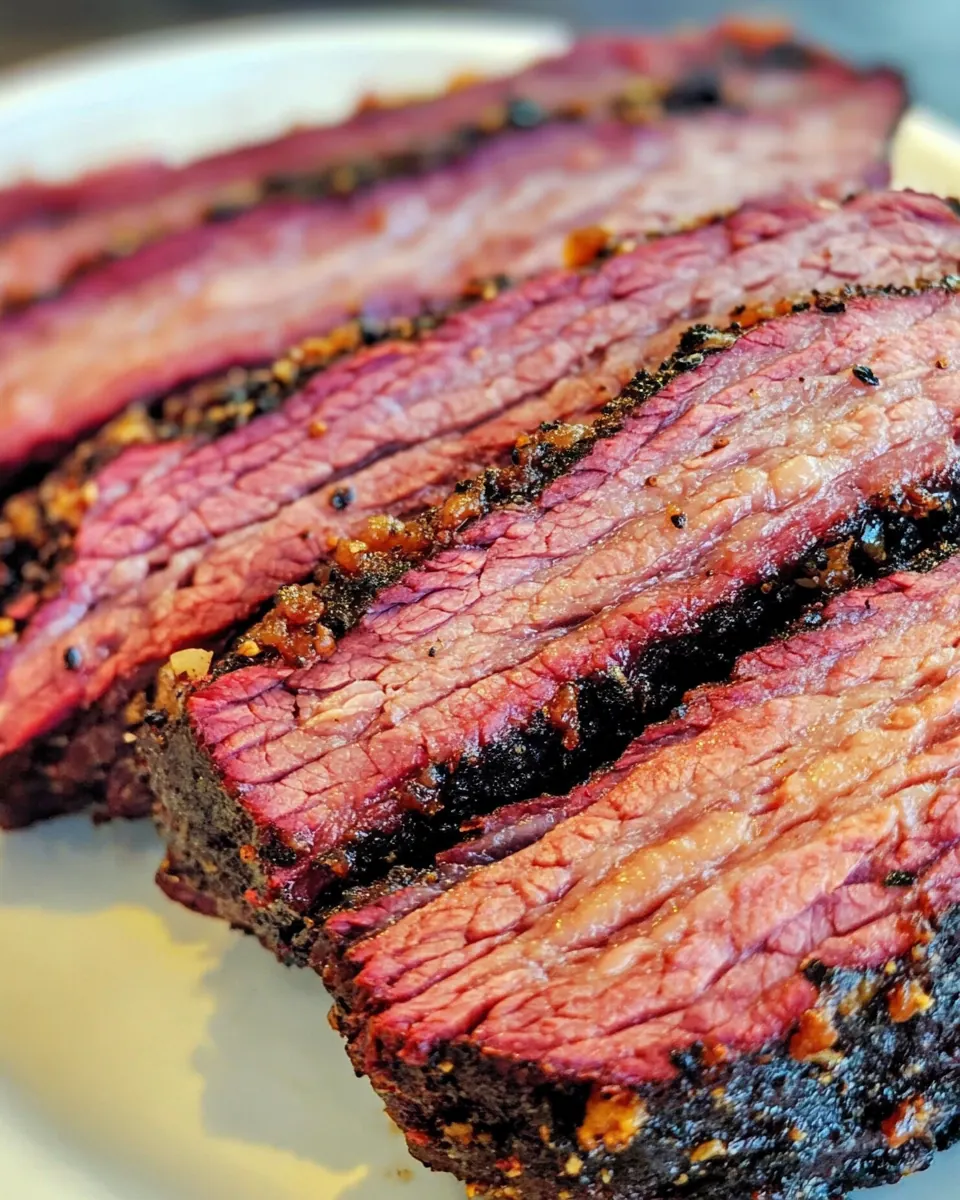
These ingredients are chosen to complement the cure of the corned beef and to create a fragrant, balanced smoke profile. The key players are the brisket itself, a robust beef stock to braise, and a broad mix of whole spices that toast up into a vibrant rub. Together they build a savory backbone, fragrant top notes, and enough liquid to keep the meat tender during the long cook.
- 3 lb corned beef: Provide a flavorful, salty foundation and tenderizing effect for the brisket; corned beef brings cured, beefy richness that becomes smoky and succulent when cooked slowly. Balance saltiness with the braising liquid to avoid over-seasoning while preserving traditional brisket texture. Slice against the grain after resting to maintain tenderness and present attractive, juicy pieces.
- pickling spices (packet that comes with beef, or homemade blend below): Add aromatic warmth and layered complexity when using the included pickling spices or a homemade blend; these spices infuse the cooking liquid with bright, sweet, and savory notes. Tie together individual aromatics so the final dish gains a cohesive, spiced profile without any single element overpowering the meat. Use whole or contained in a spice bag for easy removal before serving.
- 2 cups beef stock: Provide a moist cooking medium and concentrated beef flavor to braise the corned beef; beef stock helps carry and amplify the spices into the meat. Maintain enough liquid to partially submerge the brisket for even heat distribution during smoking or slow cooking. Choose low-sodium stock if the corned beef is already quite salty to control final seasoning.
- 1/2 cinnamon stick about 1 1/2 inches: Impart subtle sweet and woody aromatics when simmered with the other spices; a short cinnamon stick adds depth without overt sweetness. Break or bruise slightly to release oils, but avoid grinding so flavor remains gentle and integrated. Remove after cooking to prevent bitterness from prolonged simmering.
- 1 bay leaf dried, whole: Contribute a mild herbal, slightly floral background aroma; a dried bay leaf supports savory dishes by enhancing overall aroma and taste. Add whole to the braising liquid for gentle infusion and discard before slicing to avoid leathery pieces. Combine with other whole spices to create a balanced, aromatic broth for the brisket.
- 3 chiles de arbol dried and seeded, or 1 tbsp red pepper flakes: Deliver concentrated heat and smoky chili flavor when using dried chiles de arbol, or substitute with red pepper flakes for consistent heat; seeding reduces bitterness. Adjust quantity to control spiciness and complement the cure’s saltiness and the smoking process. Toast briefly to amplify smoky, nutty notes before adding to the cooking liquid.
- 1 tbsp black peppercorns whole: Provide bright, sharp piquancy and occasional bursts of heat when added whole; black peppercorns supply classic peppery flavor that complements beef. Bruise slightly to release essential oils or leave whole for restrained, slow-infused spice. Remove with other whole aromatics for a smooth, peppery finish without gritty texture.
- 1 1/2 tbsp mustard seeds whole: Offer tangy, slightly bitter pops of flavor with mustard seeds; when toasted or steeped they contribute nutty, pungent layers to the pickling blend. Use whole seeds to slowly release essential oils during braising, creating a rounded, complex spice profile. Balance mustard intensity with sweeter or floral aromatics in the mix.
- 5 cardamom pods whole: Add sweet, floral, and citrusy top notes with cardamom pods that brighten the rich beef and smoky elements; whole pods release delicate aromatics gently. Lightly crush to enhance oil release without turning to powder, ensuring subtle fragrant bursts through cooking. Pair with warm spices to craft a nuanced, aromatic base for the brisket.
- 1 tbsp coriander seeds whole: Introduce citrusy, slightly floral, and warm undertones with coriander seeds; when toasted, they develop a fragrant, nutty character that complements beef. Add whole for gradual infusion and mild complexity, enhancing the overall balance of the pickling blend. Use in combination with other seeds to support both savory and sweet spice elements.
- 1/2 tbsp juniper berries whole: Contribute resinous, pine-like freshness and a slightly fruity bitterness with juniper berries; they cut through the richness of the brisket and add classic cured-meat notes. Lightly bruise to release aromatic oils while keeping pieces whole to prevent overpowering the dish. Combine sparingly due to their strong, distinctive flavor.
- 1 tsp cloves whole: Provide aromatic, sweet-warm, and slightly bitter notes with whole cloves that deepen the spice profile and add fragrant intensity to the cooking liquid. Use sparingly and whole to avoid sharpness; cloves are potent and pair well with cinnamon and cardamom. Remove before serving to prevent concentrated pockets of flavor.
- 1/2 tbsp allspice berries whole: Bring warm, slightly sweet, and peppery depth with allspice berries that echo cloves, cinnamon, and nutmeg; whole allspice integrates seamlessly into braising liquids. Toast lightly to unlock essential oils and enhance complexity, then steep with other spices for a well-rounded profile. Strain out after cooking to leave a balanced, aromatic finish.
Instructions for Smoked Corned Beef Brisket
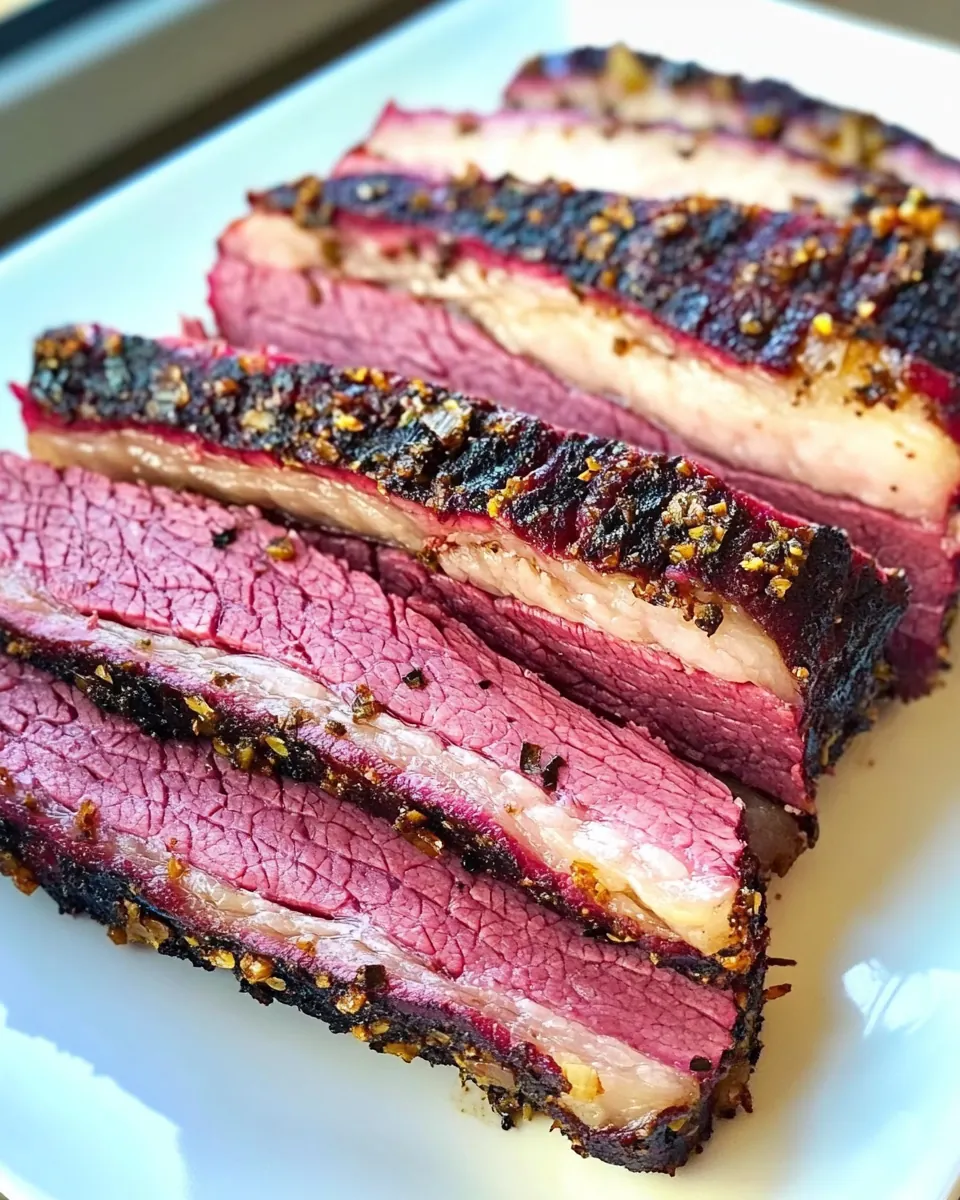
These directions move from prep to smoking to resting, and they are forgiving if you stay attentive to temperature and sensory cues. I like to work methodically, enjoying the process of toasting spices and monitoring the smoker. Keep your thermometer close, and remember that the aroma and feel of the meat are as informative as any clock.
- Preheat your smoker to 250° F.: The air becomes quietly fragrant as the smoker comes to temperature, with a gentle warmth that sets the tone. I watch the built in thermometer and my probe closely, because consistency matters for smoke absorption and even cooking. You want a steady 250° F so the smoke can penetrate without drying the exterior, which helps build a good bark. A common mistake is rushing and setting a higher temperature, which leads to a crust that forms too fast and a drier interior.
- Remove corned beef from packaging, rinse with cold water, and pat dry with paper towels.: The rinse resets excess surface brine and reduces surface saltiness, while patting dry helps the rub adhere later on. As you pat you can feel the texture of the meat, and a damp surface will prevent a crisp bark from forming. If you skip drying, the exterior may steam and you will lose smoke contact with the surface.
- Place all rub ingredients in small dry skillet and toast over medium heat, shaking pan occasionally being careful not to burn (do not walk away!). This should only take 2-3 minutes.: Toasting releases essential oils and deepens the spices, producing a heady, warm aroma that fills the kitchen. The sound will be a light, intermittent crackle as moisture leaves the seeds, and visually you will notice a slightly darker color within 2 to 3 minutes. This step creates depth in the rub, which is why I never rush it. Burning the spices will introduce bitterness and ruin the balance, so keep the heat moderate and move them often.
- Transfer spices to a spice grinder to achieve semi-fine powder. Alternatively, you can use a mortar and pestle if you prefer a rough grind. You will now have about 1 cup of ground spice rub.: The grinding creates a cohesive rub that clings to the meat, and the scent intensifies when the spices are ground fresh. You will see a uniform, sandy texture that makes about 1 cup of rub, which ensures even coverage. Using a mortar and pestle produces a more rustic texture that still works well if you prefer some chunkiness. Over grinding to a powder can concentrate flavors too sharply, so aim for semi fine.
- Rub 1/2 cup (half of the total rub) all over meat.: When you apply the rub, it should feel slightly tacky and fragrant, forming a thin coating that will crisp in the smoker. Press it gently to help it adhere to the surface without compacting the spices into a paste. The rub seals in aromatic compounds and builds the crust during the first hours of smoking, which enhances both flavor and texture. Using too much rub at once can create an overly thick crust that masks the meat's natural flavor.
- Place corned beef directly on the smoker grate, fat side up and insert your smoker’s thermometer probe. Smoke for 3-4 hours until the meat reaches an internal temperature of 165° F.: As the meat hits the grate you'll hear a faint hiss and sense the immediate shift in aroma as smoke meets the rub. Positioning the fat side up allows rendered fat to baste the meat, keeping the interior moist, and the probe placement ensures you monitor the thickest part for accurate readings. Leaving the probe out or misplaced can give false readings and lead to under or overcooking.
- Once your meat reaches 165° F, mix beef broth and pickling spices (either the other half your homemade blend from above or the packet that comes with your beef) in an aluminum pan.: During this phase you will notice the surface darkening and the bark forming, while the smoker emits steady, clean smoke. The smell will be richly spiced and savory, and you may catch hints of sweetness from the cinnamon and allspice. This intermediate temperature is important because it helps set the proteins before the braising stage, which aids tenderness. A typical error here is opening the smoker too often, which lets heat and smoke escape and prolongs cooking.
- Take the corned beef off the smoker grate and place in the aluminum pan. Reinsert your smoker’s meat thermometer probe into the thickest part of the brisket. Cover tightly with aluminum foil.: Combining the broth and spices creates a fragrant braising liquid that will infuse the meat during the next stage. The steam will carry spice aromas and help break down connective tissue for a tender finish. If the liquid is too hot when added, it can cause flare ups or sudden temperature shifts, so add it carefully. Using plain water instead of stock will lessen the overall savory impact.
- Smoke for another 3-4 hours until the meat reaches an internal temperature of 203° F.: As you transfer the brisket you will notice the weight and the way the meat yields slightly under your hands, a sign it is starting to tenderize. Reinsert the thermometer into the thickest part so you can track progress accurately during braising, and wrap tightly with foil to trap steam. Wrapping too loosely lets moisture escape and will slow the tenderizing process.
- Remove from smoker and let rest for 30 minutes.: Sealing the pan creates a humid environment that promotes gentle, thorough cooking and helps the spice infused broth circulate around the meat. You may hear soft bubbling and smell intensified spice aromatics as the contained steam works. If the seal is not tight, the liquid can evaporate and concentrate salts, potentially over seasoning the meat.
- Thinly slice corned beef against the grain with a sharp knife and serve warm.: This long, slow finish is where connective tissues break down and the meat becomes tender enough to slice thinly. The internal aroma will be deep and savory, and the exterior will have a richly colored, slightly tacky bark. Reaching 203° F signals that collagen has converted, delivering that pull apart tenderness; stopping earlier may leave the meat chewy, and going far beyond can make it dry.
- Remove from smoker and let rest for 30 minutes: Resting lets juices redistribute, so the slices remain moist when carved. You will see the surface relax and the internal juices settle, often forming a glossy sheen on the meat. Cutting too soon will cause liquids to run out and leave drier slices, so patience here preserves texture and flavor.
- Thinly slice corned beef against the grain with a sharp knife and serve warm: Slicing against the grain shortens muscle fibers, producing tender bites, and a sharp knife gives clean edges that hold juices. The visual of thin, ribbon like slices and the warm steam rising makes the presentation inviting. Cutting with the grain will yield chewier pieces, so pay attention to the direction of the fibers as you slice.
Tips for Success
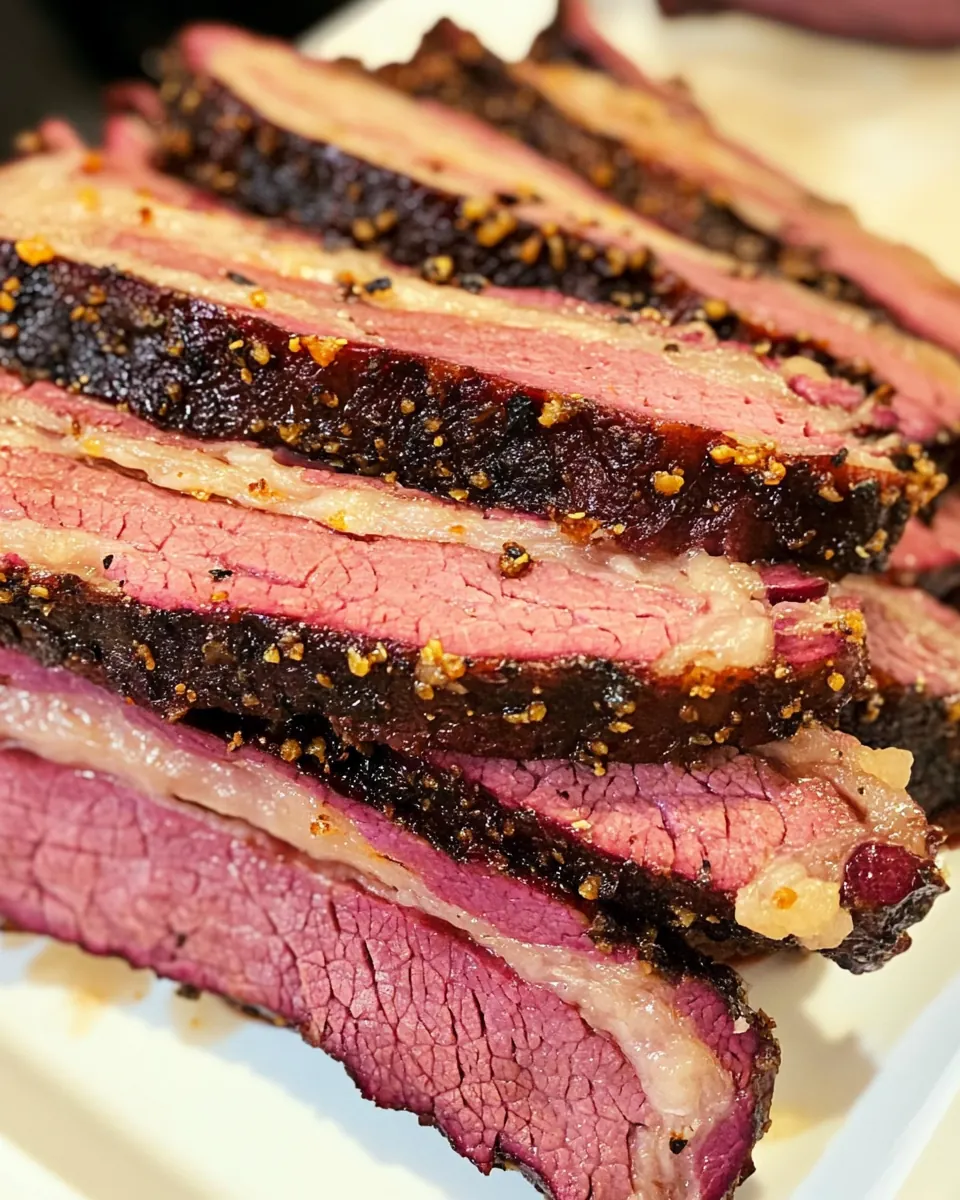
This recipe rewards attention to detail and a measured approach. Below are practical tips I use to ensure consistent results, from spice handling to temperature monitoring. Each tip highlights a single action that makes a noticeable difference.
- Monitor internal temperature: Use a probe thermometer in the thickest section to avoid overcooking, and trust the reading more than time estimates.
- Control smoke intensity: Keep a steady, thin blue smoke for clean flavor, avoiding heavy white smoke that can taste bitter.
- Toast spices gently: Move them frequently in the pan, and remove them as soon as they become fragrant to prevent burning.
- Use the right pan for braising: Choose an aluminum pan large enough for liquid and ventilation when covered tightly to create a humid finish.
- Trim minimally: Leave a reasonable fat cap to render and baste the meat, cutting only excess that would prevent even cooking.
- Slice cold if needed: For ultra thin slices, chilling the rested meat briefly firms it up for cleaner cuts with a sharp knife.
What Goes Well With This Smoked Corned Beef Brisket
This dish pairs well with simple, textural sides that complement the rich, smoky meat. Think of bright, acidic components and creamy, comforting sides that balance salt and spice. Below I outline servings, occasions, and storage ideas to help you plan a meal.
- Traditional sides: Serve with boiled potatoes and braised cabbage for a classic approach that echoes corned beef heritage.
- Sandwich styling: Thin slices make excellent sandwiches with mustard and pickles for a casual lunch option.
- Holiday centerpiece: This brisket works for gatherings in cooler seasons, offering a hearty main for fall or winter meals.
- Storage tips: Keep leftovers in an airtight container with a little braising liquid to preserve moisture, refrigerating for up to four days.
- Seasonal pairings: Bright vinegary slaws or quick pickles add contrast in autumn when you want fresher notes alongside the smoke.
FAQ
Conclusion
This Smoked Corned Beef Brisket stands out because it marries the bold, briny character of corned beef with the deep nuance of slow smoking, producing slices that are both richly flavored and tender. The process takes time, but the sensory rewards from the toasted spice rub, the steady smoke, and the juicy interior make it worth the effort. Give it a try on a relaxed weekend or for a small gathering, and enjoy the ritual of tending the smoker and savoring the results.
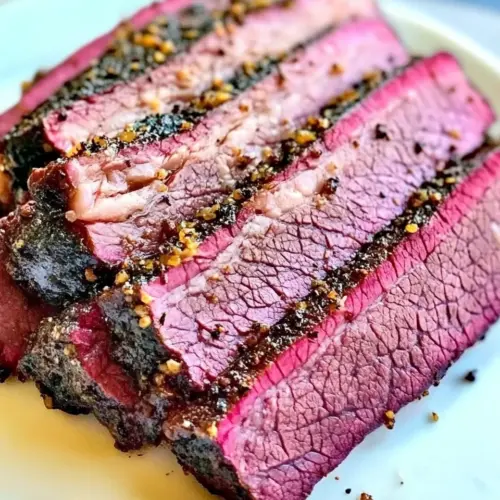
Smoked Corned Beef Brisket
Equipment
- Smoker
Ingredients
- 3 lb corned beef Provide a flavorful, salty foundation and tenderizing effect for the brisket; corned beef brings cured, beefy richness that becomes smoky and succulent when cooked slowly. Balance saltiness with the braising liquid to avoid over-seasoning while preserving traditional brisket texture. Slice against the grain after resting to maintain tenderness and present attractive, juicy pieces.
- pickling spices (packet that comes with beef, or homemade blend below) Add aromatic warmth and layered complexity when using the included pickling spices or a homemade blend; these spices infuse the cooking liquid with bright, sweet, and savory notes. Tie together individual aromatics so the final dish gains a cohesive, spiced profile without any single element overpowering the meat. Use whole or contained in a spice bag for easy removal before serving.
- 2 cups beef stock Provide a moist cooking medium and concentrated beef flavor to braise the corned beef; beef stock helps carry and amplify the spices into the meat. Maintain enough liquid to partially submerge the brisket for even heat distribution during smoking or slow cooking. Choose low-sodium stock if the corned beef is already quite salty to control final seasoning.
- 1/2 cinnamon stick about 1 1/2 inches Impart subtle sweet and woody aromatics when simmered with the other spices; a short cinnamon stick adds depth without overt sweetness. Break or bruise slightly to release oils, but avoid grinding so flavor remains gentle and integrated. Remove after cooking to prevent bitterness from prolonged simmering.
- 1 bay leaf dried, whole Contribute a mild herbal, slightly floral background aroma; a dried bay leaf supports savory dishes by enhancing overall aroma and taste. Add whole to the braising liquid for gentle infusion and discard before slicing to avoid leathery pieces. Combine with other whole spices to create a balanced, aromatic broth for the brisket.
- 3 chiles de arbol dried and seeded, or 1 tbsp red pepper flakes Deliver concentrated heat and smoky chili flavor when using dried chiles de arbol, or substitute with red pepper flakes for consistent heat; seeding reduces bitterness. Adjust quantity to control spiciness and complement the cure’s saltiness and the smoking process. Toast briefly to amplify smoky, nutty notes before adding to the cooking liquid.
- 1 tbsp black peppercorns whole Provide bright, sharp piquancy and occasional bursts of heat when added whole; black peppercorns supply classic peppery flavor that complements beef. Bruise slightly to release essential oils or leave whole for restrained, slow-infused spice. Remove with other whole aromatics for a smooth, peppery finish without gritty texture.
- 1 1/2 tbsp mustard seeds whole Offer tangy, slightly bitter pops of flavor with mustard seeds; when toasted or steeped they contribute nutty, pungent layers to the pickling blend. Use whole seeds to slowly release essential oils during braising, creating a rounded, complex spice profile. Balance mustard intensity with sweeter or floral aromatics in the mix.
- 5 cardamom pods whole Add sweet, floral, and citrusy top notes with cardamom pods that brighten the rich beef and smoky elements; whole pods release delicate aromatics gently. Lightly crush to enhance oil release without turning to powder, ensuring subtle fragrant bursts through cooking. Pair with warm spices to craft a nuanced, aromatic base for the brisket.
- 1 tbsp coriander seeds whole Introduce citrusy, slightly floral, and warm undertones with coriander seeds; when toasted, they develop a fragrant, nutty character that complements beef. Add whole for gradual infusion and mild complexity, enhancing the overall balance of the pickling blend. Use in combination with other seeds to support both savory and sweet spice elements.
- 1/2 tbsp juniper berries whole Contribute resinous, pine-like freshness and a slightly fruity bitterness with juniper berries; they cut through the richness of the brisket and add classic cured-meat notes. Lightly bruise to release aromatic oils while keeping pieces whole to prevent overpowering the dish. Combine sparingly due to their strong, distinctive flavor.
- 1 tsp cloves whole Provide aromatic, sweet-warm, and slightly bitter notes with whole cloves that deepen the spice profile and add fragrant intensity to the cooking liquid. Use sparingly and whole to avoid sharpness; cloves are potent and pair well with cinnamon and cardamom. Remove before serving to prevent concentrated pockets of flavor.
- 1/2 tbsp allspice berries whole Bring warm, slightly sweet, and peppery depth with allspice berries that echo cloves, cinnamon, and nutmeg; whole allspice integrates seamlessly into braising liquids. Toast lightly to unlock essential oils and enhance complexity, then steep with other spices for a well-rounded profile. Strain out after cooking to leave a balanced, aromatic finish.
Instructions
- Preheat your smoker to 250° F.: The air becomes quietly fragrant as the smoker comes to temperature, with a gentle warmth that sets the tone. I watch the built in thermometer and my probe closely, because consistency matters for smoke absorption and even cooking. You want a steady 250° F so the smoke can penetrate without drying the exterior, which helps build a good bark. A common mistake is rushing and setting a higher temperature, which leads to a crust that forms too fast and a drier interior.
- Remove corned beef from packaging, rinse with cold water, and pat dry with paper towels.: The rinse resets excess surface brine and reduces surface saltiness, while patting dry helps the rub adhere later on. As you pat you can feel the texture of the meat, and a damp surface will prevent a crisp bark from forming. If you skip drying, the exterior may steam and you will lose smoke contact with the surface.
- Place all rub ingredients in small dry skillet and toast over medium heat, shaking pan occasionally being careful not to burn (do not walk away!). This should only take 2-3 minutes.: Toasting releases essential oils and deepens the spices, producing a heady, warm aroma that fills the kitchen. The sound will be a light, intermittent crackle as moisture leaves the seeds, and visually you will notice a slightly darker color within 2 to 3 minutes. This step creates depth in the rub, which is why I never rush it. Burning the spices will introduce bitterness and ruin the balance, so keep the heat moderate and move them often.
- Transfer spices to a spice grinder to achieve semi-fine powder. Alternatively, you can use a mortar and pestle if you prefer a rough grind. You will now have about 1 cup of ground spice rub.: The grinding creates a cohesive rub that clings to the meat, and the scent intensifies when the spices are ground fresh. You will see a uniform, sandy texture that makes about 1 cup of rub, which ensures even coverage. Using a mortar and pestle produces a more rustic texture that still works well if you prefer some chunkiness. Over grinding to a powder can concentrate flavors too sharply, so aim for semi fine.
- Rub 1/2 cup (half of the total rub) all over meat.: When you apply the rub, it should feel slightly tacky and fragrant, forming a thin coating that will crisp in the smoker. Press it gently to help it adhere to the surface without compacting the spices into a paste. The rub seals in aromatic compounds and builds the crust during the first hours of smoking, which enhances both flavor and texture. Using too much rub at once can create an overly thick crust that masks the meat's natural flavor.
- Place corned beef directly on the smoker grate, fat side up and insert your smoker’s thermometer probe. Smoke for 3-4 hours until the meat reaches an internal temperature of 165° F.: As the meat hits the grate you'll hear a faint hiss and sense the immediate shift in aroma as smoke meets the rub. Positioning the fat side up allows rendered fat to baste the meat, keeping the interior moist, and the probe placement ensures you monitor the thickest part for accurate readings. Leaving the probe out or misplaced can give false readings and lead to under or overcooking.
- Once your meat reaches 165° F, mix beef broth and pickling spices (either the other half your homemade blend from above or the packet that comes with your beef) in an aluminum pan.: During this phase you will notice the surface darkening and the bark forming, while the smoker emits steady, clean smoke. The smell will be richly spiced and savory, and you may catch hints of sweetness from the cinnamon and allspice. This intermediate temperature is important because it helps set the proteins before the braising stage, which aids tenderness. A typical error here is opening the smoker too often, which lets heat and smoke escape and prolongs cooking.
- Take the corned beef off the smoker grate and place in the aluminum pan. Reinsert your smoker’s meat thermometer probe into the thickest part of the brisket. Cover tightly with aluminum foil.: Combining the broth and spices creates a fragrant braising liquid that will infuse the meat during the next stage. The steam will carry spice aromas and help break down connective tissue for a tender finish. If the liquid is too hot when added, it can cause flare ups or sudden temperature shifts, so add it carefully. Using plain water instead of stock will lessen the overall savory impact.
- Smoke for another 3-4 hours until the meat reaches an internal temperature of 203° F.: As you transfer the brisket you will notice the weight and the way the meat yields slightly under your hands, a sign it is starting to tenderize. Reinsert the thermometer into the thickest part so you can track progress accurately during braising, and wrap tightly with foil to trap steam. Wrapping too loosely lets moisture escape and will slow the tenderizing process.
- Remove from smoker and let rest for 30 minutes.: Sealing the pan creates a humid environment that promotes gentle, thorough cooking and helps the spice infused broth circulate around the meat. You may hear soft bubbling and smell intensified spice aromatics as the contained steam works. If the seal is not tight, the liquid can evaporate and concentrate salts, potentially over seasoning the meat.
- Thinly slice corned beef against the grain with a sharp knife and serve warm.: This long, slow finish is where connective tissues break down and the meat becomes tender enough to slice thinly. The internal aroma will be deep and savory, and the exterior will have a richly colored, slightly tacky bark. Reaching 203° F signals that collagen has converted, delivering that pull apart tenderness; stopping earlier may leave the meat chewy, and going far beyond can make it dry.
- Remove from smoker and let rest for 30 minutes: Resting lets juices redistribute, so the slices remain moist when carved. You will see the surface relax and the internal juices settle, often forming a glossy sheen on the meat. Cutting too soon will cause liquids to run out and leave drier slices, so patience here preserves texture and flavor.
- Thinly slice corned beef against the grain with a sharp knife and serve warm: Slicing against the grain shortens muscle fibers, producing tender bites, and a sharp knife gives clean edges that hold juices. The visual of thin, ribbon like slices and the warm steam rising makes the presentation inviting. Cutting with the grain will yield chewier pieces, so pay attention to the direction of the fibers as you slice.
Notes
- Monitor internal temperature: Use a probe thermometer in the thickest section to avoid overcooking, and trust the reading more than time estimates.
- Control smoke intensity: Keep a steady, thin blue smoke for clean flavor, avoiding heavy white smoke that can taste bitter.
- Toast spices gently: Move them frequently in the pan, and remove them as soon as they become fragrant to prevent burning.
- Use the right pan for braising: Choose an aluminum pan large enough for liquid and ventilation when covered tightly to create a humid finish.
- Trim minimally: Leave a reasonable fat cap to render and baste the meat, cutting only excess that would prevent even cooking.
- Slice cold if needed: For ultra thin slices, chilling the rested meat briefly firms it up for cleaner cuts with a sharp knife.