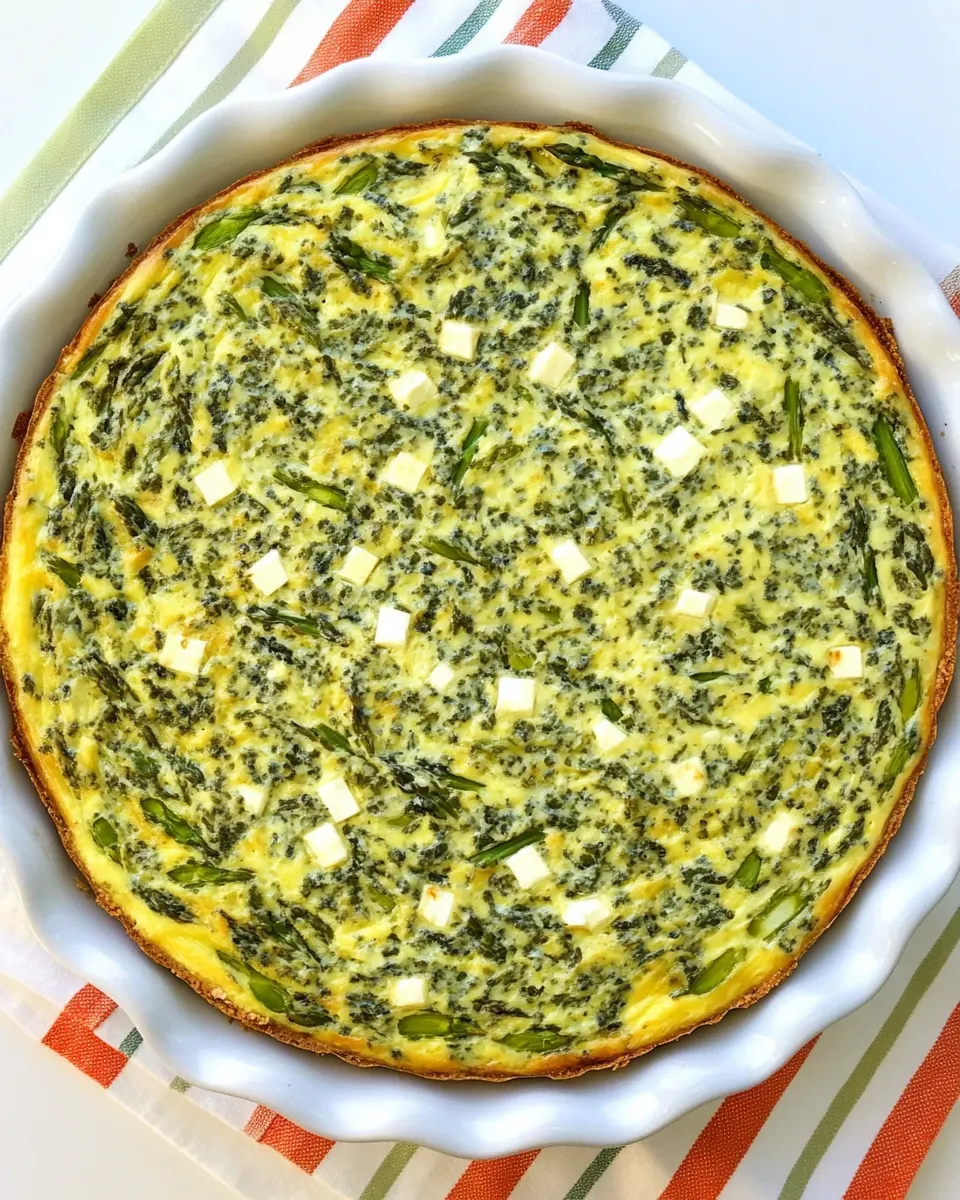
Crustless Quiche with Feta and Asparagus
Crustless Quiche with Feta and Asparagus has been one of my go to easy brunch dishes ever since a friend handed me a warm wedge at a springtime potluck years ago.
I remember standing in the kitchen, holding that slightly warm slice, as the tang of feta cheese and the bright green snap of roasted asparagus convinced me this was the kind of recipe I wanted in heavy rotation. Over the years I have tuned the balance of creamy custard to tangy cheese and verdant herbs so the textures sing together instead of competing.
Every time I make Crustless Quiche with Feta and Asparagus I find a new small detail worth tweaking, whether that is the moment I pull the skillet off the heat so the asparagus keeps its bite or the way I let the quiche rest so it slices clean. I like to make it when I have guests arriving, because it keeps well and it looks impressive without demanding last minute attention.
On a quiet morning I also enjoy reheated slices with a simple salad and a cup of coffee, and sometimes I turn leftovers into a quick scramble for weekday breakfasts, folding in small bits and finishing them in a hot pan. It is reliable comfort food that still feels fresh and seasonal to me, a great reason to celebrate spring flavors.
Recipe Snapshot
50 mins
10 mins
40 mins
Medium
250 kcal
American
Keto, Gluten-Free
Breakfast
Skillet, Mixing bowl, Whisk, 9 inch pie dish
Why You’ll Love This Crustless Quiche with Feta and Asparagus
Bright seasonal flavor
I love how Crustless Quiche with Feta and Asparagus captures the brightness of spring. The fresh snap of sautéed asparagus cuts through a rich egg custard, giving every bite a lively, vegetal note that keeps the dish from feeling heavy.
Effortless elegance
This quiche is deceptively simple to make, yet it presents beautifully. I often bring it to gatherings because it slices neatly and looks like I spent much more time on it than I did, which is always satisfying.
Versatile serving options
You can serve Crustless Quiche with Feta and Asparagus warm, at room temperature, or chilled. I have served it as a centerpiece for brunch, a light dinner, and even packed slices for a picnic. The texture adapts well to each context, and the tangy feta cheese remains a compelling anchor.
Balanced nutrition
Between the protein rich eggs and the vegetable contribution from asparagus, the quiche feels like a thoughtful meal. It provides sustained energy without weighing you down, which is why I reach for it when I want something both satisfying and bright.
Make ahead friendly
I particularly value how well this quiche stores. You can make it a day or two ahead, and reheating is forgiving. That flexibility means less stress on event day, and more time to enjoy company or other dishes.
Ingredients Overview for Crustless Quiche with Feta and Asparagus
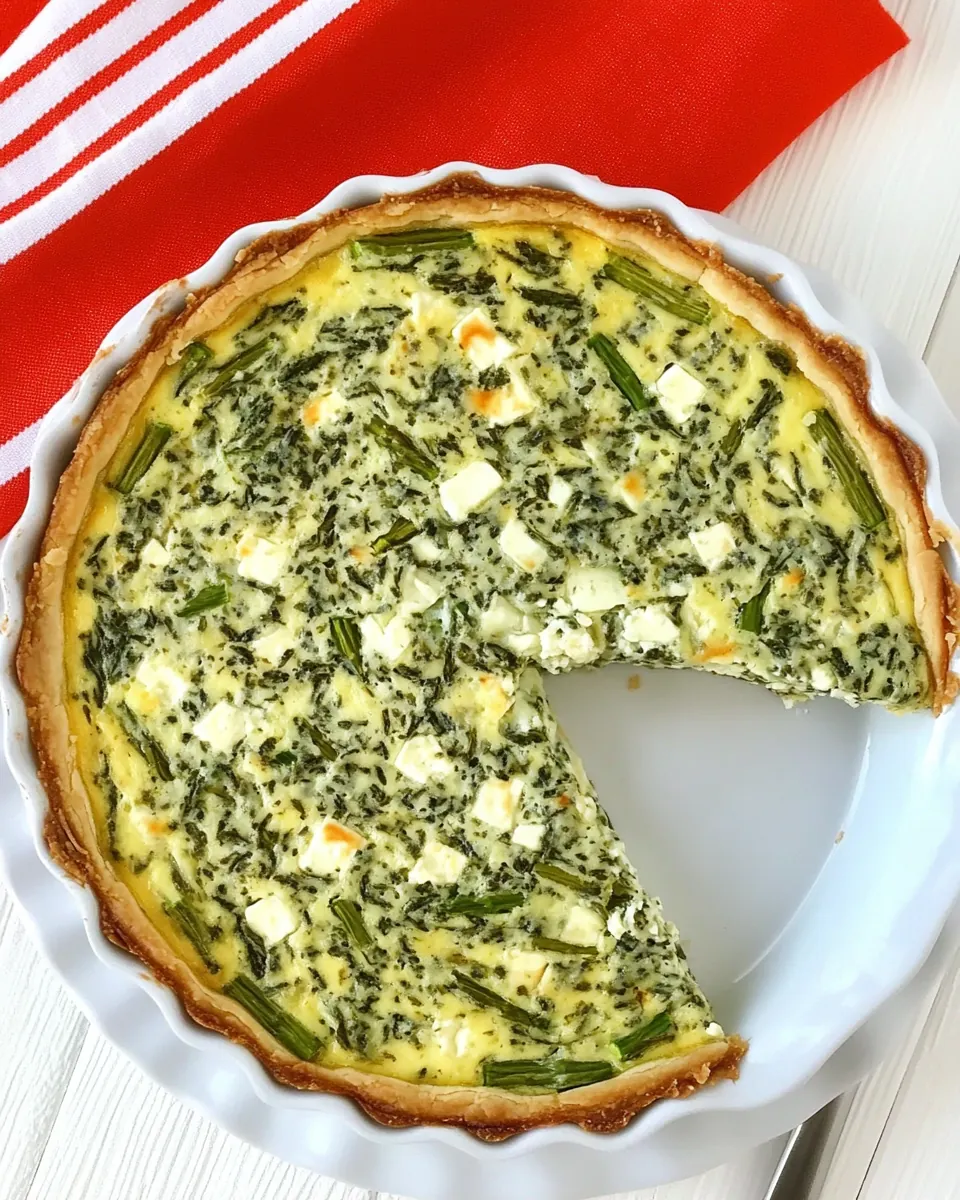
The ingredients for Crustless Quiche with Feta and Asparagus are straightforward and purposeful. I choose items that contribute distinct roles: the eggs form a creamy custard base, the dairy adds silkiness, the feta cheese brings salty tang, and the asparagus gives fresh green notes and texture. Scallions and parsley lift the overall aroma and color, while a touch of nutmeg and seasoning rounds the flavor.
- 1 tablespoon butter: Melted in the pan to sauté vegetables and add a rich, slightly nutty flavor; helps prevent sticking and contributes to a tender quiche texture when combined with eggs and dairy.
- 16 stalks asparagus: Trimmed and blanched or roasted to provide a fresh, slightly grassy crunch and bright green color; adds a seasonal vegetable element and contrasts the creamy custard.
- 5 large eggs: Beaten together to form the custardy base that sets the quiche; supplies structure, protein, and richness that bind the other ingredients.
- 1/2 cup half and half: Whisked with eggs to create a silky, creamy custard; lightens the texture compared with milk while contributing subtle richness.
- 1/2 cup low fat sour cream: Folded into the egg mixture to add tang and creaminess; balances the richness of eggs and feta while lending a smooth, slightly tart profile.
- Pinch nutmeg: Sprinkled sparingly to introduce warm, aromatic complexity; enhances the custard’s depth without overpowering the delicate flavors.
- 3/4 cup crumbled feta cheese (sheep or goat milk is best): Crumbling over the filling to add salty, tangy, and slightly briny notes; provides savory contrast and melts into pockets of creamy flavor throughout the quiche.
- 1/2 cup chopped scallions (both green and white parts): Chopped and scattered through the filling to contribute mild oniony flavor and tender green color; brightens the dish with a fresh, aromatic bite.
- 1/4 cup minced fresh parsley: Minced and mixed into the custard to impart fresh herbaceousness and a clean, slightly peppery finish; balances richness and adds visual appeal.
- Salt and pepper: Seasoned to taste to enhance and balance all flavors; salt elevates savory elements while pepper adds mild heat and complexity.
- Butter or nonstick cooking oil spray to grease the dish: Used to grease the dish so the quiche releases easily and the bottom browns evenly; prevents sticking and ensures a clean presentation.
Making Crustless Quiche with Feta and Asparagus
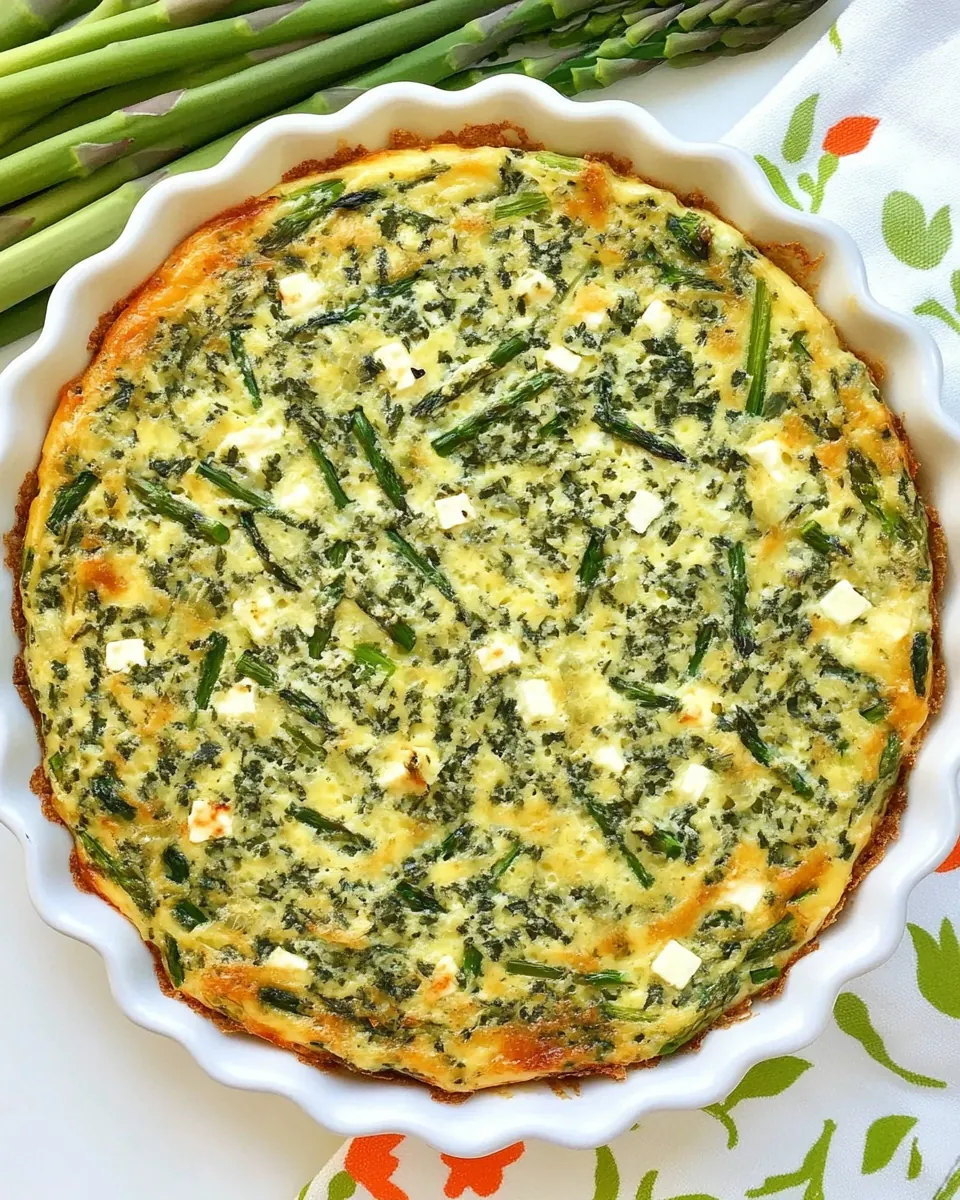
This recipe is approachable and forgiving, but the little moments matter. Follow these steps carefully to capture the right textures and flavors, and you will be rewarded with a creamy, well set quiche with bright vegetable notes.
- Preheat oven to 350°F. Cut 2 inches off the thick ends of the asparagus spears, then discard those tough ends. Chop the asparagus into 1/2-inch pieces. Melt butter in a skillet over medium heat. Add the asparagus pieces to the skillet. Season lightly with salt and pepper, then sauté them for about 5 minutes until tender-crisp. Remove from heat and allow asparagus to cool.: The warm oven scent begins to form in the kitchen, a faint toasted note that signals baking is imminent. Preheating ensures even cooking from the moment the quiche goes in, so the center sets at the same pace as the edges. A common mistake is placing the dish in a cold oven, which can make the custard weep and produce uneven texture. If your oven runs hot, consider an oven thermometer to avoid overbrowning the top.
- In a medium mixing bowl, beat the eggs.: You will notice a fibrous texture and sometimes an earthy aroma when trimming those ends. Removing them keeps the quiche tender rather than stringy. If you forget to trim, the cooked pieces can be chewy and detract from the soft custard. Feel the cut ends with your fingers; they should not be tough.
- Whisk in the half and half, sour cream, 1/4 tsp salt, 1/4 tsp black pepper, and nutmeg.: The small, uniform pieces create consistent bites and distribute green flavor throughout the quiche. Visually, the pale green cross sections look appealing once the quiche is sliced. If pieces vary too widely, some may overcook while others remain underdone. Aim for consistent size for even texture.
- Incorporate the crumbled feta, scallions, parsley and asparagus pieces into the egg mixture with a large spoon.: The butter will foam and give off a nutty aroma as the milk solids brown slightly, signaling it is ready. This step adds a toasty flavor layer to the vegetables and helps the asparagus develop gentle caramelization. A frequent error is overheating so the butter smokes, which can impart a bitter taste. Keep the heat moderate and watch for a light foam, not dark browning.
- Liberally grease a 9-inch ceramic or glass pie dish with butter or nonstick cooking oil spray. Pour the quiche mixture directly into the pie dish.: As the asparagus hits the pan, you should hear a soft sizzle and see the pieces glisten. Sauté briefly to soften while retaining a bright color and slight bite. Overcrowding the skillet will steam the pieces, leading to limp texture instead of the slight snap you want. Use a single layer if possible.
- Bake for 35-45 minutes, until the quiche is nicely browned and pulls away from the sides of the pie dish. Stick a sharp knife or toothpick in the center of the quiche to test for doneness–if it comes out clean, it's done. Don't stop cooking till your test comes out clean, otherwise it won't be fully cooked. Let quiche settle at least 10 minutes before serving. Serve warm, at room temperature, or chilled depending on your preference.: The seasoning will coax out natural juices and lift the vegetable aromas, making the asparagus more vibrant. Salt enhances sweetness, while pepper adds a hint of warmth. Avoid over salting, particularly if using salty feta cheese later, as it can lead to an overly briny final dish.
- MAKE AHEAD: Once it has cooled, quiche can be stored covered with plastic wrap for up to 4 days in the refrigerator. To reheat, place it in a 350°F oven for 10-15 minutes. Quiche will warm up more evenly if you cut it into individual pieces prior to reheating.: You will see the edges take on a slight gloss and the color deepen; the pieces should yield to the fork but still have a bite. This timing preserves texture inside the custard, so the asparagus does not become mushy after baking. Cooking too long will leave the pieces dull and soft, losing that fresh counterpoint to the creamy eggs.
- Remove from heat and allow asparagus to cool: Cooling stops carryover cooking and keeps the custard from becoming watery. You might notice a faint steam and a concentrated green scent as they cool. If you skip the cooling step, the warm asparagus can raise the temperature of the egg mixture and affect how the custard sets, sometimes leading to a slightly curdled texture.
- In a medium mixing bowl, beat the eggs: Whisking the eggs until homogenous creates a smooth base for the custard and helps incorporate air that yields lightness. Properly beaten eggs mix seamlessly with dairy and result in an even texture. Under beaten eggs can leave streaks of yolk and an inconsistent bake. Use a fork or whisk until the color evens out.
- Whisk in the half and half, sour cream, 1/4 tsp salt, 1/4 tsp black pepper, and nutmeg: When these ingredients combine, you will see a silky, ribbon like mixture that smells creamy and faintly spiced. This blend is what gives the quiche its custardy body and balanced tang. Adding the dairy slowly ensures a cohesive emulsion; adding all at once while whisking helps prevent lumps and separation. Overmixing is not harmful, but under whisking can leave texture inconsistencies.
- Incorporate the crumbled feta, scallions, parsley and asparagus pieces into the egg mixture with a large spoon: Folding distributes pockets of salty feta cheese and bright herb fragments so each slice is flavorful. The aroma becomes more complex, with herbaceous and briny notes intermingling. Stir gently to avoid breaking down the asparagus, which preserves pleasing texture contrasts. A common oversight is stirring too vigorously, which can bruise herbs and make the filling visually flat.
- Liberally grease a 9 inch ceramic or glass pie dish with butter or nonstick cooking oil spray: A well greased dish ensures the quiche releases cleanly and the edges develop a nice golden rim. You might notice the butter pooling slightly and providing a glossy surface for the mixture. Insufficient greasing can cause sticking and tearing when you slice, so be generous but even in coverage.
- Pour the quiche mixture directly into the pie dish: As you pour, the mixture should flow smoothly and settle into an even layer, with visible specks of green and white from the asparagus and feta cheese . The visual cue of an even surface indicates a balanced distribution of ingredients. If the mixture is uneven, gently shake the dish to level it, but avoid over handling which can create bubbles.
- Bake for 35 to 45 minutes until the quiche is nicely browned and pulls away from the sides of the pie dish: The top will take on a golden tone and a gentle aroma of cooked eggs and butter will fill the kitchen. The edges firm first and the center should wobble slightly but not be liquid. A common mistake is underbaking, which yields a custard that will not hold slices; overbaking dries the texture and can make the top rubbery. Aim for a gentle jiggle in the center.
- Stick a sharp knife or toothpick in the center of the quiche to test for doneness: When the tester comes out clean the custard is set; a few moist crumbs are acceptable but avoid a wet coating. This test is the most reliable signal because ovens vary. Relying solely on color can mislead you, since the top may brown before the center finishes. If the tester shows uncooked custard, return the quiche to the oven and check again in a few minutes.
- Let quiche settle at least 10 minutes before serving: As it rests, the custard finishes setting and slicing becomes tidy, with clean wedges that hold shape. The aroma mellows and flavors unify during this brief pause. Cutting too soon risks a runny center and messy slices. Use the rest time to prepare any accompaniments or a simple salad.
- Serve warm, at room temperature, or chilled depending on your preference: Each serving temperature offers a different experience; warm highlights creaminess, room temperature showcases balance, and chilled offers a firmer texture. I often serve slices warm for immediate company and refrigerate leftovers. If refrigerating, allow the quiche to cool fully before covering to prevent condensation and soggy edges.
- MAKE AHEAD store cooled quiche covered with plastic wrap for up to 4 days in the refrigerator: Chilling concentrates flavors and makes reheating simple. When you reheat slices in a 350 F oven for 10 to 15 minutes they warm evenly and regain a fresh finish. A common issue is reheating straight from the fridge without covering, which can dry the surface; tent loosely with foil for best results.
Substitutions and Tips
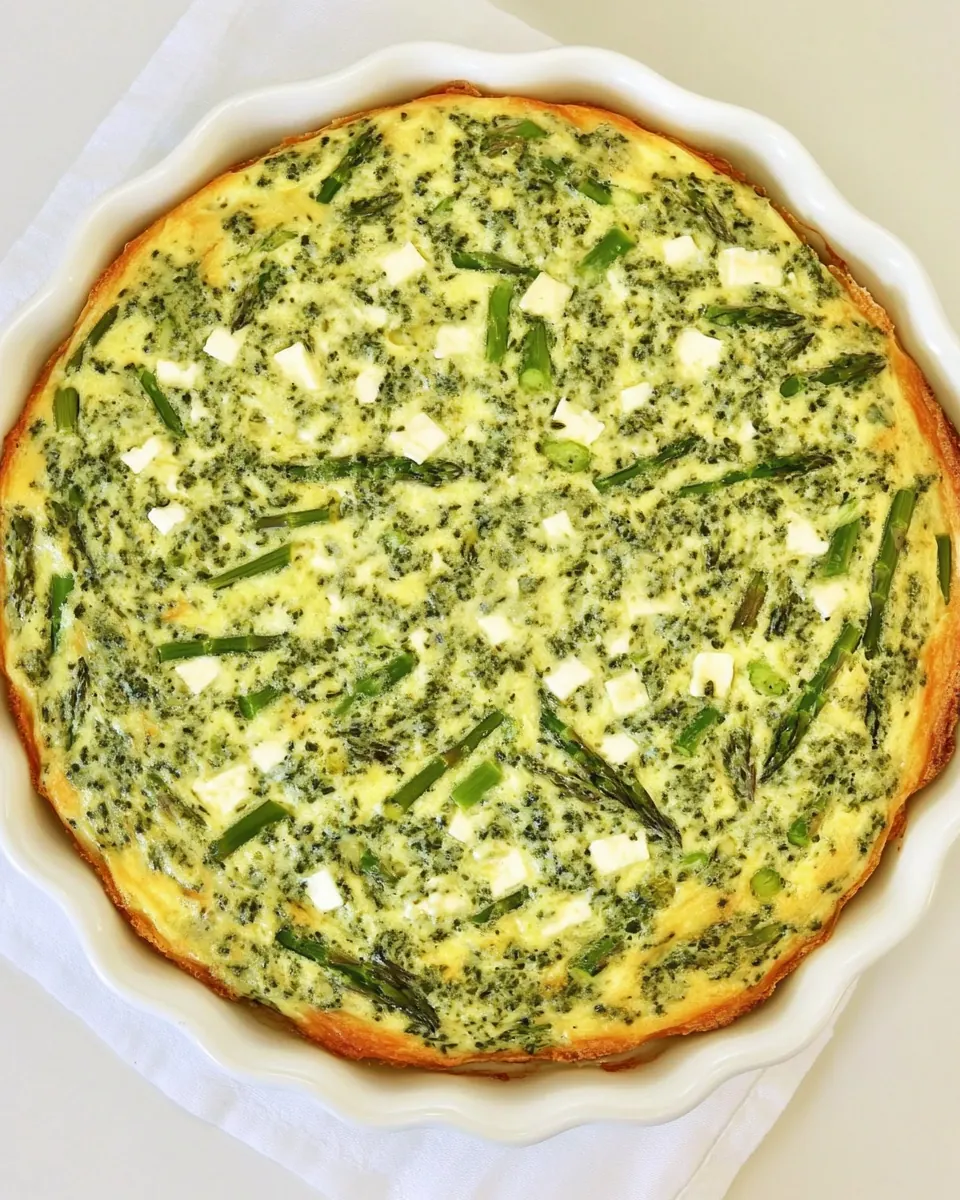
This section expands practical tips and substitutions that respect the recipe ingredients and boost success. The suggestions below focus on technique, timing, and small swaps I have used to tailor texture and flavor.
- Use room temperature eggs to help the custard emulsify evenly, which leads to a silkier texture and more uniform bake.
- Cool sautéed asparagus before folding into the egg mixture to prevent added moisture from making the custard runny.
- Choose a crumbly feta for even pockets of salty flavor; softer or watery feta can release excess moisture during baking.
- Grease the dish generously so the quiche releases cleanly and the edges brown attractively without sticking.
- Test for doneness with a knife not just color; a clean tester means the center is set and the texture will be right.
- Slice after resting at least 10 minutes to get neat wedges, and store leftovers properly covered in the refrigerator for up to four days.
Serving Ideas for Crustless Quiche with Feta and Asparagus
This quiche fits many occasions, and the serving options below give you flexibility. Pairings emphasize balance, freshness, and seasonal appeal, and I include storage ideas so you can plan ahead with confidence.
- Brunch spread: Serve slices alongside a mixed green salad with a lemon vinaigrette and warm crusty bread for a leisurely late morning gathering.
- Light dinner: Pair with roasted new potatoes and a simple cucumber salad to keep the meal satisfying without feeling heavy.
- Picnic or potluck: Bring the quiche at room temperature; it travels well and slices neatly for shared plates.
- Holiday brunch: For spring gatherings like a Mother s Day or Easter buffet, present wedges on a platter garnished with parsley and extra scallion rings.
- Storage: Wrap cooled slices tightly in plastic or place in an airtight container; keep refrigerated up to four days, or freeze portions wrapped well for up to two months.
- Reheating: Warm individual slices in a 350 F oven for 10 to 15 minutes for even heating, or microwave briefly for a quick fix though texture will be softer.
- Seasonal pairing: Emphasize spring produce by serving with other fresh vegetables such as sugar snap peas or a radish salad for added crunch.
FAQ
Conclusion
This Crustless Quiche with Feta and Asparagus shines because it balances creamy custard with bright vegetables and tangy cheese for a dish that feels both comforting and fresh. Try it for brunch, a light dinner, or to simplify entertaining, because it stores well and slices beautifully for guests. I hope you enjoy how the flavors come together and find yourself returning to this recipe whenever asparagus is at its peak. It s an easy, satisfying way to celebrate seasonal produce with minimal fuss and maximum flavor.
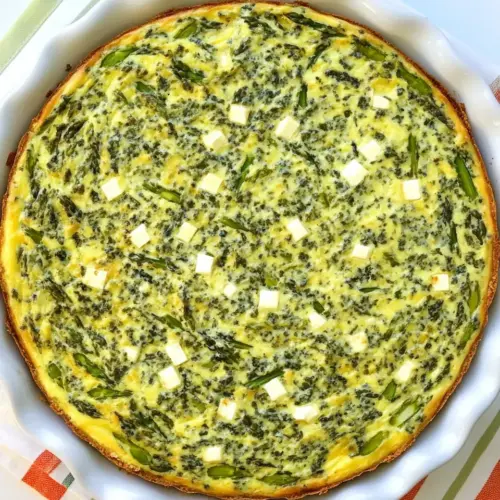
Crustless Quiche with Feta and Asparagus
Equipment
- Skillet
- Mixing Bowl
- Whisk
- 9-inch pie dish
Ingredients
- 1 tablespoon butter Melted in the pan to sauté vegetables and add a rich, slightly nutty flavor; helps prevent sticking and contributes to a tender quiche texture when combined with eggs and dairy.
- 16 stalks asparagus Trimmed and blanched or roasted to provide a fresh, slightly grassy crunch and bright green color; adds a seasonal vegetable element and contrasts the creamy custard.
- 5 large eggs Beaten together to form the custardy base that sets the quiche; supplies structure, protein, and richness that bind the other ingredients.
- 1/2 cup half and half Whisked with eggs to create a silky, creamy custard; lightens the texture compared with milk while contributing subtle richness.
- 1/2 cup low fat sour cream Folded into the egg mixture to add tang and creaminess; balances the richness of eggs and feta while lending a smooth, slightly tart profile.
- Pinch nutmeg Sprinkled sparingly to introduce warm, aromatic complexity; enhances the custard’s depth without overpowering the delicate flavors.
- 3/4 cup crumbled feta cheese (sheep or goat milk is best) Crumbling over the filling to add salty, tangy, and slightly briny notes; provides savory contrast and melts into pockets of creamy flavor throughout the quiche.
- 1/2 cup chopped scallions (both green and white parts) Chopped and scattered through the filling to contribute mild oniony flavor and tender green color; brightens the dish with a fresh, aromatic bite.
- 1/4 cup minced fresh parsley Minced and mixed into the custard to impart fresh herbaceousness and a clean, slightly peppery finish; balances richness and adds visual appeal.
- Salt and pepper Seasoned to taste to enhance and balance all flavors; salt elevates savory elements while pepper adds mild heat and complexity.
- Butter or nonstick cooking oil spray to grease the dish Used to grease the dish so the quiche releases easily and the bottom browns evenly; prevents sticking and ensures a clean presentation.
Instructions
- Preheat oven to 350°F. Cut 2 inches off the thick ends of the asparagus spears, then discard those tough ends. Chop the asparagus into 1/2-inch pieces. Melt butter in a skillet over medium heat. Add the asparagus pieces to the skillet. Season lightly with salt and pepper, then sauté them for about 5 minutes until tender-crisp. Remove from heat and allow asparagus to cool.: The warm oven scent begins to form in the kitchen, a faint toasted note that signals baking is imminent. Preheating ensures even cooking from the moment the quiche goes in, so the center sets at the same pace as the edges. A common mistake is placing the dish in a cold oven, which can make the custard weep and produce uneven texture. If your oven runs hot, consider an oven thermometer to avoid overbrowning the top.
- In a medium mixing bowl, beat the eggs.: You will notice a fibrous texture and sometimes an earthy aroma when trimming those ends. Removing them keeps the quiche tender rather than stringy. If you forget to trim, the cooked pieces can be chewy and detract from the soft custard. Feel the cut ends with your fingers; they should not be tough.
- Whisk in the half and half, sour cream, 1/4 tsp salt, 1/4 tsp black pepper, and nutmeg.: The small, uniform pieces create consistent bites and distribute green flavor throughout the quiche. Visually, the pale green cross sections look appealing once the quiche is sliced. If pieces vary too widely, some may overcook while others remain underdone. Aim for consistent size for even texture.
- Incorporate the crumbled feta, scallions, parsley and asparagus pieces into the egg mixture with a large spoon.: The butter will foam and give off a nutty aroma as the milk solids brown slightly, signaling it is ready. This step adds a toasty flavor layer to the vegetables and helps the asparagus develop gentle caramelization. A frequent error is overheating so the butter smokes, which can impart a bitter taste. Keep the heat moderate and watch for a light foam, not dark browning.
- Liberally grease a 9-inch ceramic or glass pie dish with butter or nonstick cooking oil spray. Pour the quiche mixture directly into the pie dish.: As the asparagus hits the pan, you should hear a soft sizzle and see the pieces glisten. Sauté briefly to soften while retaining a bright color and slight bite. Overcrowding the skillet will steam the pieces, leading to limp texture instead of the slight snap you want. Use a single layer if possible.
- Bake for 35-45 minutes, until the quiche is nicely browned and pulls away from the sides of the pie dish. Stick a sharp knife or toothpick in the center of the quiche to test for doneness--if it comes out clean, it's done. Don't stop cooking till your test comes out clean, otherwise it won't be fully cooked. Let quiche settle at least 10 minutes before serving. Serve warm, at room temperature, or chilled depending on your preference.: The seasoning will coax out natural juices and lift the vegetable aromas, making the asparagus more vibrant. Salt enhances sweetness, while pepper adds a hint of warmth. Avoid over salting, particularly if using salty feta cheese later, as it can lead to an overly briny final dish.
- MAKE AHEAD: Once it has cooled, quiche can be stored covered with plastic wrap for up to 4 days in the refrigerator. To reheat, place it in a 350°F oven for 10-15 minutes. Quiche will warm up more evenly if you cut it into individual pieces prior to reheating.: You will see the edges take on a slight gloss and the color deepen; the pieces should yield to the fork but still have a bite. This timing preserves texture inside the custard, so the asparagus does not become mushy after baking. Cooking too long will leave the pieces dull and soft, losing that fresh counterpoint to the creamy eggs.
- Remove from heat and allow asparagus to cool: Cooling stops carryover cooking and keeps the custard from becoming watery. You might notice a faint steam and a concentrated green scent as they cool. If you skip the cooling step, the warm asparagus can raise the temperature of the egg mixture and affect how the custard sets, sometimes leading to a slightly curdled texture.
- In a medium mixing bowl, beat the eggs: Whisking the eggs until homogenous creates a smooth base for the custard and helps incorporate air that yields lightness. Properly beaten eggs mix seamlessly with dairy and result in an even texture. Under beaten eggs can leave streaks of yolk and an inconsistent bake. Use a fork or whisk until the color evens out.
- Whisk in the half and half, sour cream, 1/4 tsp salt, 1/4 tsp black pepper, and nutmeg: When these ingredients combine, you will see a silky, ribbon like mixture that smells creamy and faintly spiced. This blend is what gives the quiche its custardy body and balanced tang. Adding the dairy slowly ensures a cohesive emulsion; adding all at once while whisking helps prevent lumps and separation. Overmixing is not harmful, but under whisking can leave texture inconsistencies.
- Incorporate the crumbled feta, scallions, parsley and asparagus pieces into the egg mixture with a large spoon: Folding distributes pockets of salty feta cheese and bright herb fragments so each slice is flavorful. The aroma becomes more complex, with herbaceous and briny notes intermingling. Stir gently to avoid breaking down the asparagus, which preserves pleasing texture contrasts. A common oversight is stirring too vigorously, which can bruise herbs and make the filling visually flat.
- Liberally grease a 9 inch ceramic or glass pie dish with butter or nonstick cooking oil spray: A well greased dish ensures the quiche releases cleanly and the edges develop a nice golden rim. You might notice the butter pooling slightly and providing a glossy surface for the mixture. Insufficient greasing can cause sticking and tearing when you slice, so be generous but even in coverage.
- Pour the quiche mixture directly into the pie dish: As you pour, the mixture should flow smoothly and settle into an even layer, with visible specks of green and white from the asparagus and feta cheese . The visual cue of an even surface indicates a balanced distribution of ingredients. If the mixture is uneven, gently shake the dish to level it, but avoid over handling which can create bubbles.
- Bake for 35 to 45 minutes until the quiche is nicely browned and pulls away from the sides of the pie dish: The top will take on a golden tone and a gentle aroma of cooked eggs and butter will fill the kitchen. The edges firm first and the center should wobble slightly but not be liquid. A common mistake is underbaking, which yields a custard that will not hold slices; overbaking dries the texture and can make the top rubbery. Aim for a gentle jiggle in the center.
- Stick a sharp knife or toothpick in the center of the quiche to test for doneness: When the tester comes out clean the custard is set; a few moist crumbs are acceptable but avoid a wet coating. This test is the most reliable signal because ovens vary. Relying solely on color can mislead you, since the top may brown before the center finishes. If the tester shows uncooked custard, return the quiche to the oven and check again in a few minutes.
- Let quiche settle at least 10 minutes before serving: As it rests, the custard finishes setting and slicing becomes tidy, with clean wedges that hold shape. The aroma mellows and flavors unify during this brief pause. Cutting too soon risks a runny center and messy slices. Use the rest time to prepare any accompaniments or a simple salad.
- Serve warm, at room temperature, or chilled depending on your preference: Each serving temperature offers a different experience; warm highlights creaminess, room temperature showcases balance, and chilled offers a firmer texture. I often serve slices warm for immediate company and refrigerate leftovers. If refrigerating, allow the quiche to cool fully before covering to prevent condensation and soggy edges.
- MAKE AHEAD store cooled quiche covered with plastic wrap for up to 4 days in the refrigerator: Chilling concentrates flavors and makes reheating simple. When you reheat slices in a 350 F oven for 10 to 15 minutes they warm evenly and regain a fresh finish. A common issue is reheating straight from the fridge without covering, which can dry the surface; tent loosely with foil for best results.
Notes
- Use room temperature eggs to help the custard emulsify evenly, which leads to a silkier texture and more uniform bake.
- Cool sautéed asparagus before folding into the egg mixture to prevent added moisture from making the custard runny.
- Choose a crumbly feta for even pockets of salty flavor; softer or watery feta can release excess moisture during baking.
- Grease the dish generously so the quiche releases cleanly and the edges brown attractively without sticking.
- Test for doneness with a knife not just color; a clean tester means the center is set and the texture will be right.
- Slice after resting at least 10 minutes to get neat wedges, and store leftovers properly covered in the refrigerator for up to four days.
