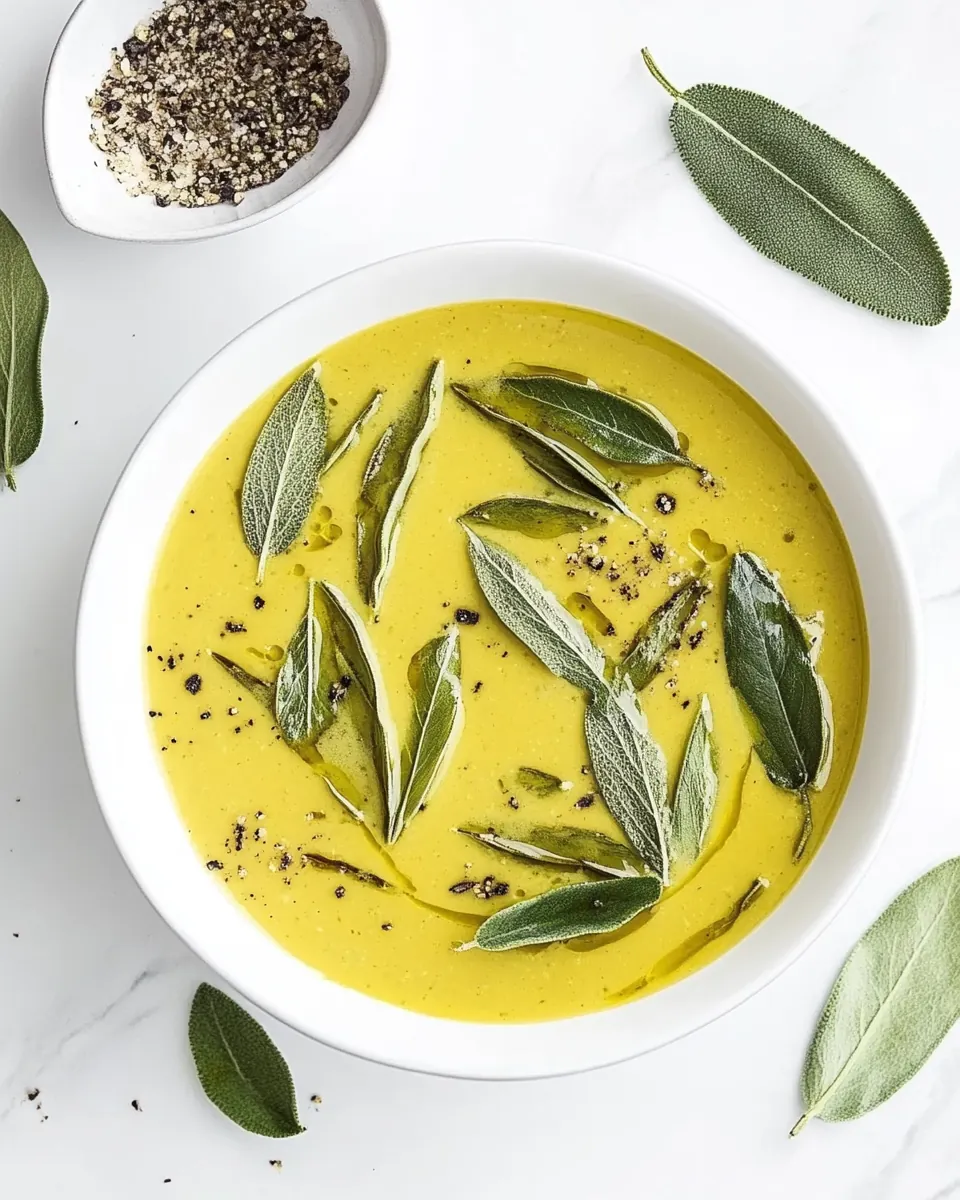
Sage Butter Sauce
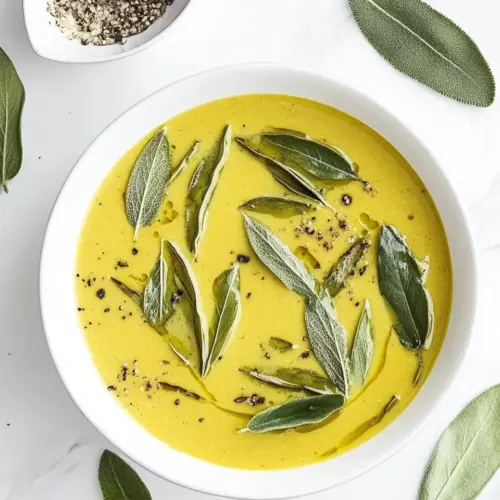
Sage Butter Sauce is one of those tiny luxuries I turn to when I want to elevate a simple weeknight meal into something memorable.
I first learned to make this sauce on a rainy autumn evening while trying to use up a small bunch of sage from my windowsill herb pot. The kitchen smelled like toasted butter and fresh herbs within minutes, and I remember thinking how a few humble ingredients could feel so luxurious. I served it over warm pasta and watched everyone go quiet as they twirled their forks, savoring the nutty aroma and silky texture. That quiet approval has stuck with me, and whenever I need a quick, comforting boost, I reach for this little pan and a handful of leaves.
Over the years I developed small rituals around the recipe. I always bring the butter to room temperature first so it melts evenly, and I grate the garlic fine to ensure it blends into the sauce rather than appearing as bits. I also keep a small metal spoon handy to skim off the foam if I want the sauce clarified. Those tiny steps change the final result, making the sauce glossy and translucent, with the sage leaving perfumed pockets of flavor.
Recipe Snapshot
10 mins
4 mins
6 mins
Easy
400 kcal
American
Keto, Gluten-Free
Dinner
Medium Skillet, Large Metal Spoon, Grater
Why This Sage Butter Sauce Is So Good
Pure, focused flavor
I love how Sage Butter Sauce concentrates the essence of three ingredients into one bright, savory finish. The combination of warm butter and crisped sage creates an aroma that feels classic and comforting at the same time.
Speed and simplicity
One of the reasons I keep this recipe in my back pocket is how fast it comes together. This sauce takes only minutes to prepare, which makes it perfect for busy evenings when you still want something special without a long fuss.
Textural magic
The way the butter shifts from creamy to nutty adds depth, while the softened sage leaves provide gentle herbaceous bites. I enjoy that contrast, it makes a simple bowl feel layered and well thought out.
Versatility on the plate
We use this sauce in so many ways. Spoon it over roasted vegetables, toss it with pasta, or drizzle it on gnocchi. It lifts so many dishes with minimal effort, which is why I keep making it again and again.
Comfort with a chefly touch
What keeps me coming back is how approachable the technique is, yet how professional the outcome feels. Once you master the timing and learn to watch for the right visual cues, you can rely on this sauce to make weeknight dinners taste intentional and special.
Shopping List for Sage Butter Sauce
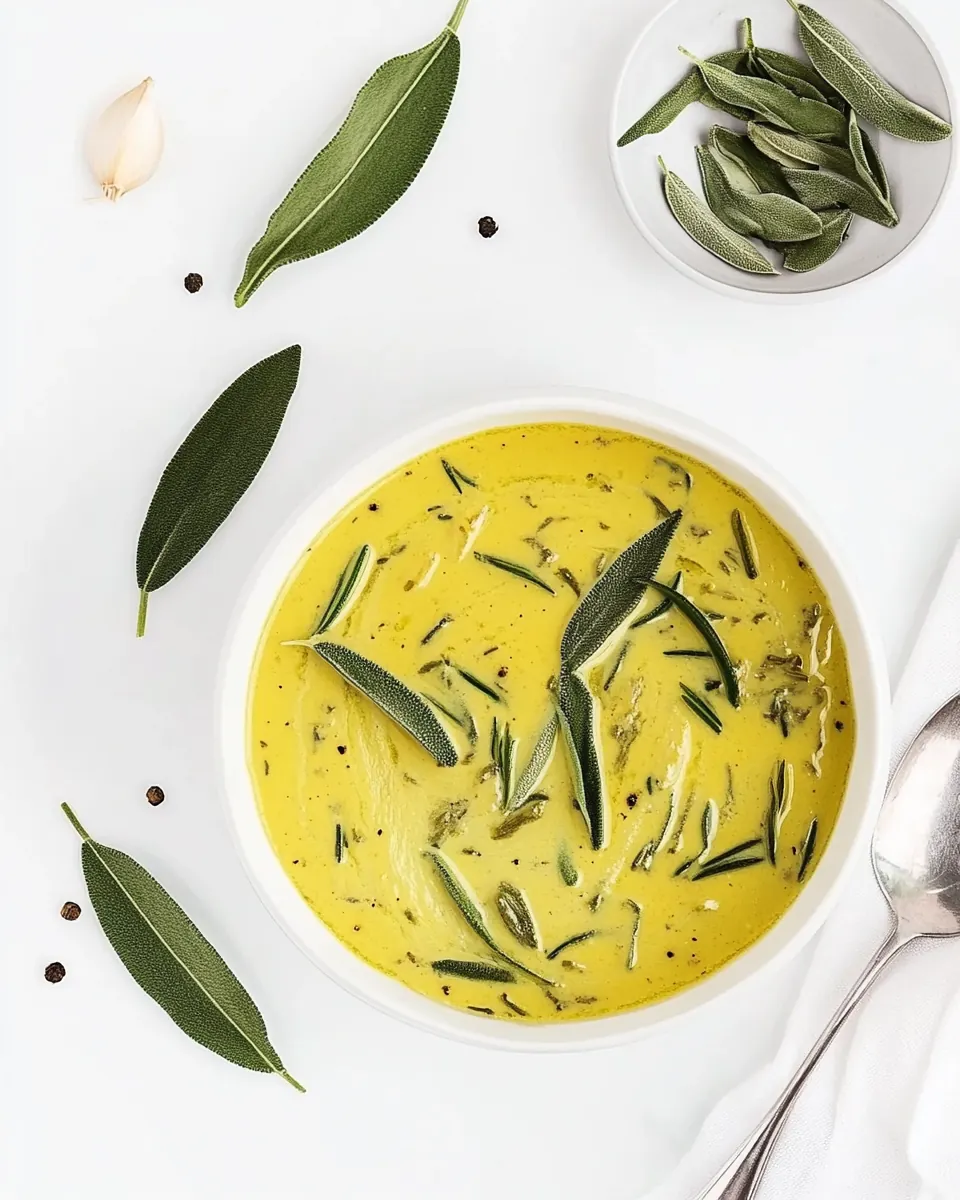
These ingredients are intentionally few and focused, each playing a clear role in the final sauce. The butter provides richness and a toasty backbone, the garlic adds a mellow savory note, the sage injects earthy perfume, and a pinch of black pepper lifts the flavors. When used together they create a balanced, luxurious sauce that feels greater than the sum of its parts.
- 1 cups salted sweet cream butter (room temperature): Adds richness and a silky mouthfeel to the sauce while providing a golden base for browning; use room–temperature salted sweet cream butter to ensure even melting and emulsification, and allow it to gently foam to develop a nutty, caramelized complexity.
- 1 teaspoon fresh grated garlic (1 large clove): Provides a sharp, aromatic punch that brightens the butter and complements the sage; grate fresh garlic finely to release its oils and gently cook briefly to mellow harsh raw bite without burning to preserve a fragrant, savory note.
- 1/4 cup fresh sage leaves (loosely packed (leaves removed from the stem)): Contributes an earthy, slightly peppery herbal character and aromatic lift that defines the sauce; loosely packed fresh sage leaves release volatile oils when bruised or chopped and should be added to infuse the butter with concentrated savory aroma.
- 1/8 teaspoon black pepper: Seasoning that balances and enhances the overall flavor profile by adding subtle heat and depth; use freshly ground black pepper sparingly to avoid overpowering the delicate butter and herb interplay.
Step by Step Guide for Sage Butter Sauce
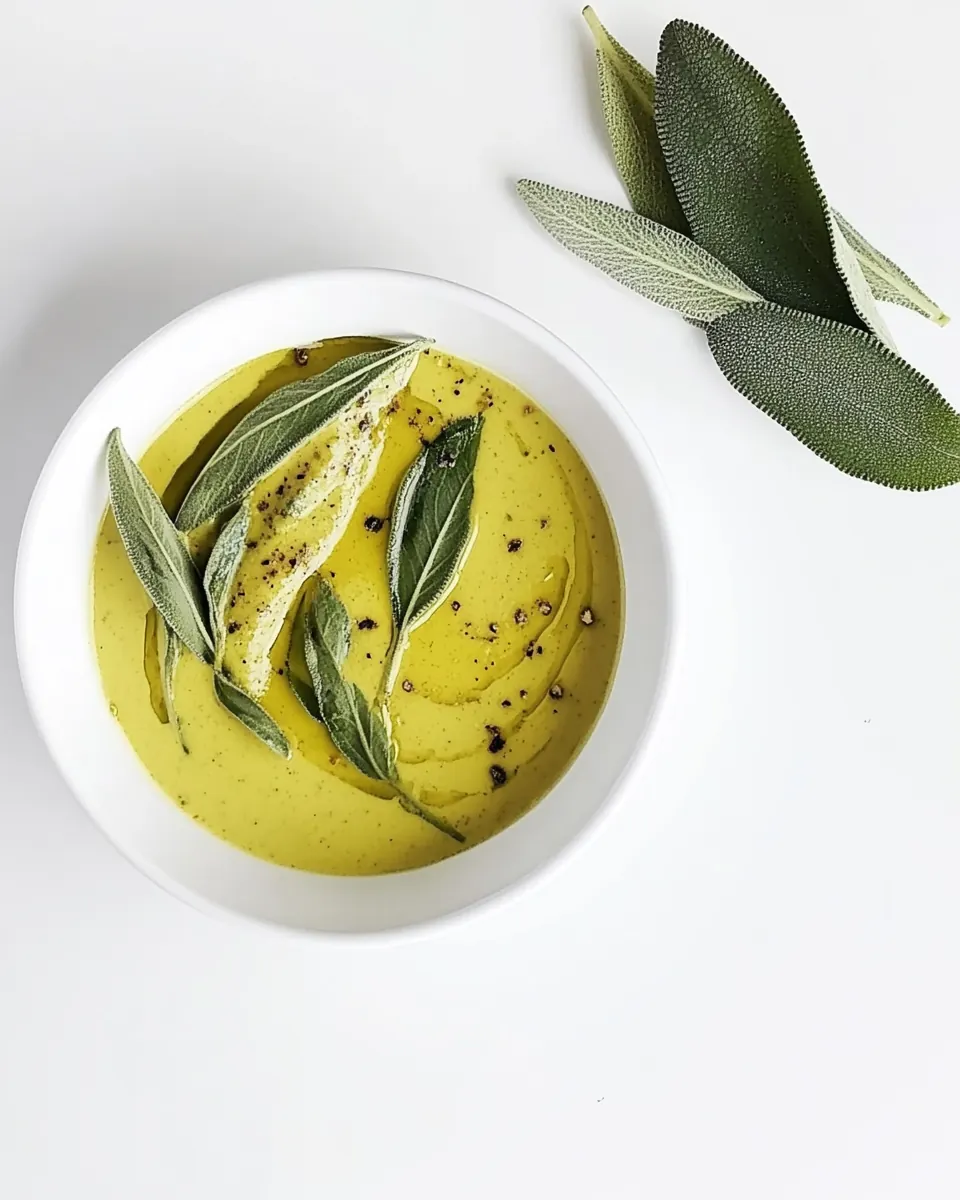
This sauce is quick and intuitive, but I like to walk through every moment so you can recognize the right visual and aromatic cues. The steps below expand on each instruction with sensory notes, the reason behind the technique, and one common mistake to avoid.
- Add the salted sweet cream butter, freshly grated garlic, sage leaves, and black pepper to a medium skillet on medium heat.: As the ingredients hit the warm pan you'll hear a gentle hiss and smell an immediate wave of dairy and herb. The sight of pale butter beginning to liquefy signals the start, and the grated garlic will bloom, releasing a mellow, fragrant steam. I like to use a medium skillet so the ingredients have room to spread, ensuring even contact with the heat. This step matters because starting everything together lets the flavors marry slowly rather than shocking the garlic into burning. A common mistake is using too high a flame, which can scorch the garlic and turn the butter bitter.
- Cook and melt the butter for 4 to 6 minutes or just until the butter starts to turn a very light brown. Be sure to whisk or stir continuously as you just barely want to brown the butter.: As you stir, watch for the butter to shift from opaque to translucent, then to a pale golden hue, releasing a nutty scent that is unmistakable. The sound will soften from a hiss to a low, steady sizzle as moisture evaporates. Continuous stirring evens the heat distribution and prevents hot spots that cause burning, which preserves the garlic and lets the butter develop that toasted aroma. The reason this timing is important is that those milk solids turning golden create the sauce's signature flavor, while overcooking will make it taste bitter. A typical error here is walking away, which risks turning golden brown into burned.
- Turn off the heat to the skillet and skim the milk solids from the surface of the sage butter sauce with a large metal spoon. The milk solids will create a “foamy” layer on top of the melted butter.: When you remove the pan from the heat, the sizzling will calm and the aroma will concentrate, with the sage and toasted butter notes becoming more pronounced. The foamy milk solids float as a pale layer, and skimming them yields a clearer, glossy sauce with a cleaner finish. I often describe this moment as revealing the sauce's clarity, because the remaining liquid looks almost glassy. Skimming also produces clarified butter , which keeps longer and has a cleaner taste. If you prefer, whisking vigorously instead of skimming will reincorporate those solids, resulting in a cloudier but still delicious sauce. The mistake I see most is not removing the pan from heat first, which makes the foam harder to separate and can continue browning the solids unintentionally.
Recipe Tips about Sage Butter Sauce
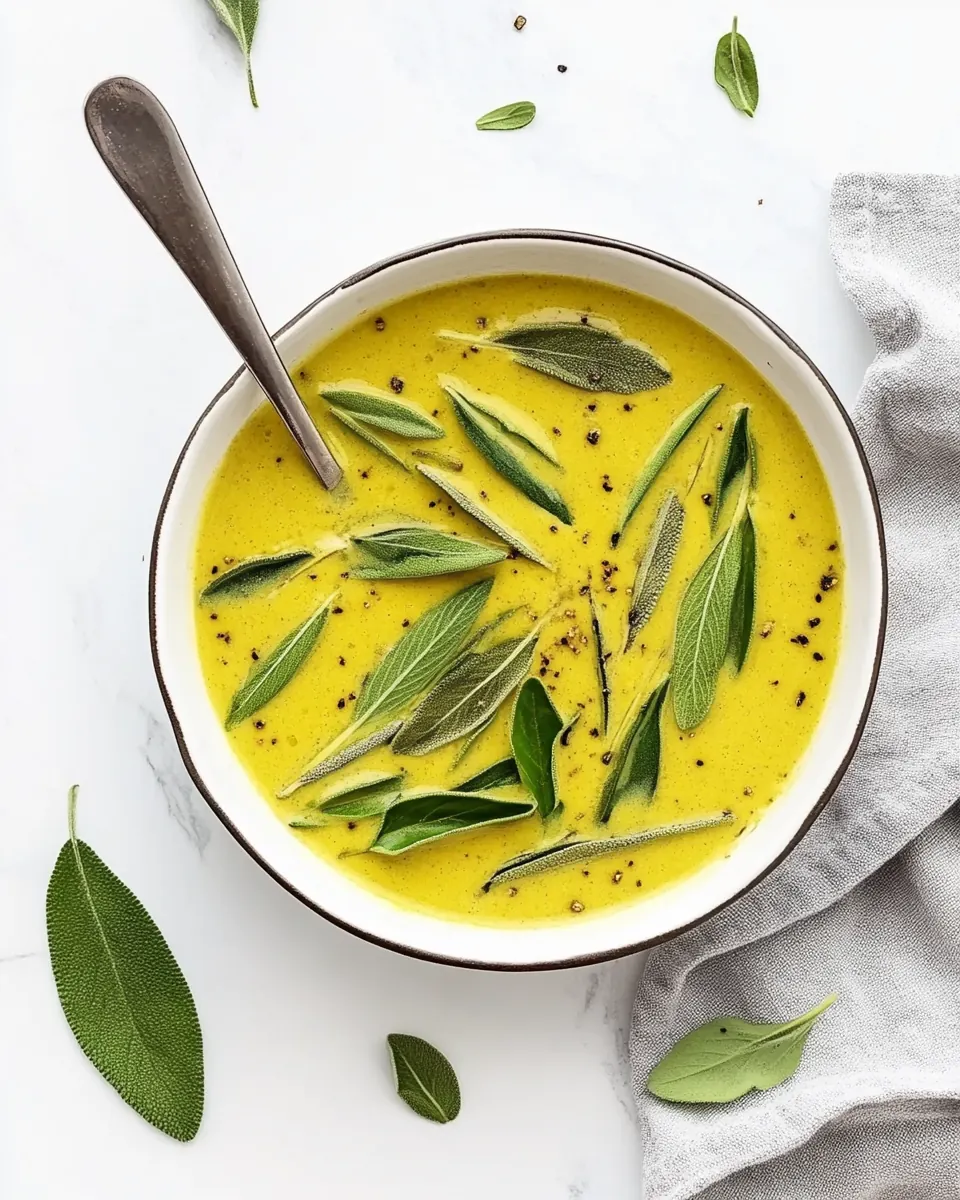
This sauce is forgiving, yet a couple of refinements will make it shine. Below I expand practical tips that I rely on whenever I make Sage Butter Sauce, from measuring techniques to texture adjustments and storage thoughts.
- Room Temperature Butter: Let the butter sit at room temperature so it melts uniformly, which prevents cold pockets that can cause uneven browning.
- Grate Garlic Finely: Use a small grater or microplane for the garlic so it dissolves into the sauce and avoids raw bites.
- Loose Measurement for Sage: Add the sage leaves loosely to the measuring cup so you capture their airy volume, preserving their delicate oils.
- Watch the Heat: Keep the skillet at medium heat and stir constantly while browning so the milk solids toast rather than burn.
- Skim or Whisk: Decide whether you want a clarified finish by skimming the foam, or a rustic sauce by whisking the solids back in; both are delicious.
- Serve Immediately: This sauce is best hot and glossy, so spoon it over your dish right away for the best texture and aroma.
Serving Options for Sage Butter Sauce
This sauce pairs beautifully with many preparations and can be adapted to different occasions. Below are detailed serving ideas, storage suggestions, and seasonal pairings to help you plan a full dish around the sauce.
- Over Pasta: Toss with cooked pasta such as simple strands for an elegant, speedy dinner that highlights the sauce’s glossy finish.
- With Gnocchi: Spoon the warm sauce over soft gnocchi so each pillow gets coated, creating a comforting main course for cool evenings.
- Drizzle Over Roasted Vegetables: Use as a finishing sauce on roasted squash or root vegetables to add richness and herbal lift.
- On Seasonal Occasions: Serve during fall gatherings when sage is in season, as its earthy notes pair well with roasted and squash forward menus.
- Storage Tip: Refrigerate leftover sauce in a sealed container for up to three days, then gently rewarm over low heat, whisking to recombine.
- Special Meals: Use it for a quiet date night or a cozy family dinner to add a small chefly flourish without much effort.
FAQ
Conclusion
This recipe stands out for its simplicity and the way a handful of ingredients create a deeply satisfying sauce. The nutty aroma of browned butter combined with the earthy perfume of sage makes it an instant family favorite. Give it a try tonight, whether tossed with pasta or spooned over roasted vegetables, and enjoy how a few small steps transform everyday food into something special. I hope this sauce becomes one of your quick go-to finishes for meals that need a little extra warmth and sophistication.
Sage Butter Sauce
Equipment
- Medium skillet
- Large Metal Spoon
- Grater
Ingredients
- 1 cups salted sweet cream butter (room temperature) Adds richness and a silky mouthfeel to the sauce while providing a golden base for browning; use room-temperature salted sweet cream butter to ensure even melting and emulsification, and allow it to gently foam to develop a nutty, caramelized complexity.
- 1 teaspoon fresh grated garlic (1 large clove) Provides a sharp, aromatic punch that brightens the butter and complements the sage; grate fresh garlic finely to release its oils and gently cook briefly to mellow harsh raw bite without burning to preserve a fragrant, savory note.
- 1/4 cup fresh sage leaves (loosely packed (leaves removed from the stem)) Contributes an earthy, slightly peppery herbal character and aromatic lift that defines the sauce; loosely packed fresh sage leaves release volatile oils when bruised or chopped and should be added to infuse the butter with concentrated savory aroma.
- 1/8 teaspoon black pepper Seasoning that balances and enhances the overall flavor profile by adding subtle heat and depth; use freshly ground black pepper sparingly to avoid overpowering the delicate butter and herb interplay.
Instructions
- Add the salted sweet cream butter, freshly grated garlic, sage leaves, and black pepper to a medium skillet on medium heat.: As the ingredients hit the warm pan you'll hear a gentle hiss and smell an immediate wave of dairy and herb. The sight of pale butter beginning to liquefy signals the start, and the grated garlic will bloom, releasing a mellow, fragrant steam. I like to use a medium skillet so the ingredients have room to spread, ensuring even contact with the heat. This step matters because starting everything together lets the flavors marry slowly rather than shocking the garlic into burning. A common mistake is using too high a flame, which can scorch the garlic and turn the butter bitter.
- Cook and melt the butter for 4 to 6 minutes or just until the butter starts to turn a very light brown. Be sure to whisk or stir continuously as you just barely want to brown the butter.: As you stir, watch for the butter to shift from opaque to translucent, then to a pale golden hue, releasing a nutty scent that is unmistakable. The sound will soften from a hiss to a low, steady sizzle as moisture evaporates. Continuous stirring evens the heat distribution and prevents hot spots that cause burning, which preserves the garlic and lets the butter develop that toasted aroma. The reason this timing is important is that those milk solids turning golden create the sauce's signature flavor, while overcooking will make it taste bitter. A typical error here is walking away, which risks turning golden brown into burned.
- Turn off the heat to the skillet and skim the milk solids from the surface of the sage butter sauce with a large metal spoon. The milk solids will create a “foamy” layer on top of the melted butter.: When you remove the pan from the heat, the sizzling will calm and the aroma will concentrate, with the sage and toasted butter notes becoming more pronounced. The foamy milk solids float as a pale layer, and skimming them yields a clearer, glossy sauce with a cleaner finish. I often describe this moment as revealing the sauce's clarity, because the remaining liquid looks almost glassy. Skimming also produces clarified butter , which keeps longer and has a cleaner taste. If you prefer, whisking vigorously instead of skimming will reincorporate those solids, resulting in a cloudier but still delicious sauce. The mistake I see most is not removing the pan from heat first, which makes the foam harder to separate and can continue browning the solids unintentionally.
Notes
- Room Temperature Butter: Let the butter sit at room temperature so it melts uniformly, which prevents cold pockets that can cause uneven browning.
- Grate Garlic Finely: Use a small grater or microplane for the garlic so it dissolves into the sauce and avoids raw bites.
- Loose Measurement for Sage: Add the sage leaves loosely to the measuring cup so you capture their airy volume, preserving their delicate oils.
- Watch the Heat: Keep the skillet at medium heat and stir constantly while browning so the milk solids toast rather than burn.
- Skim or Whisk: Decide whether you want a clarified finish by skimming the foam, or a rustic sauce by whisking the solids back in; both are delicious.
- Serve Immediately: This sauce is best hot and glossy, so spoon it over your dish right away for the best texture and aroma.