Shakshuka
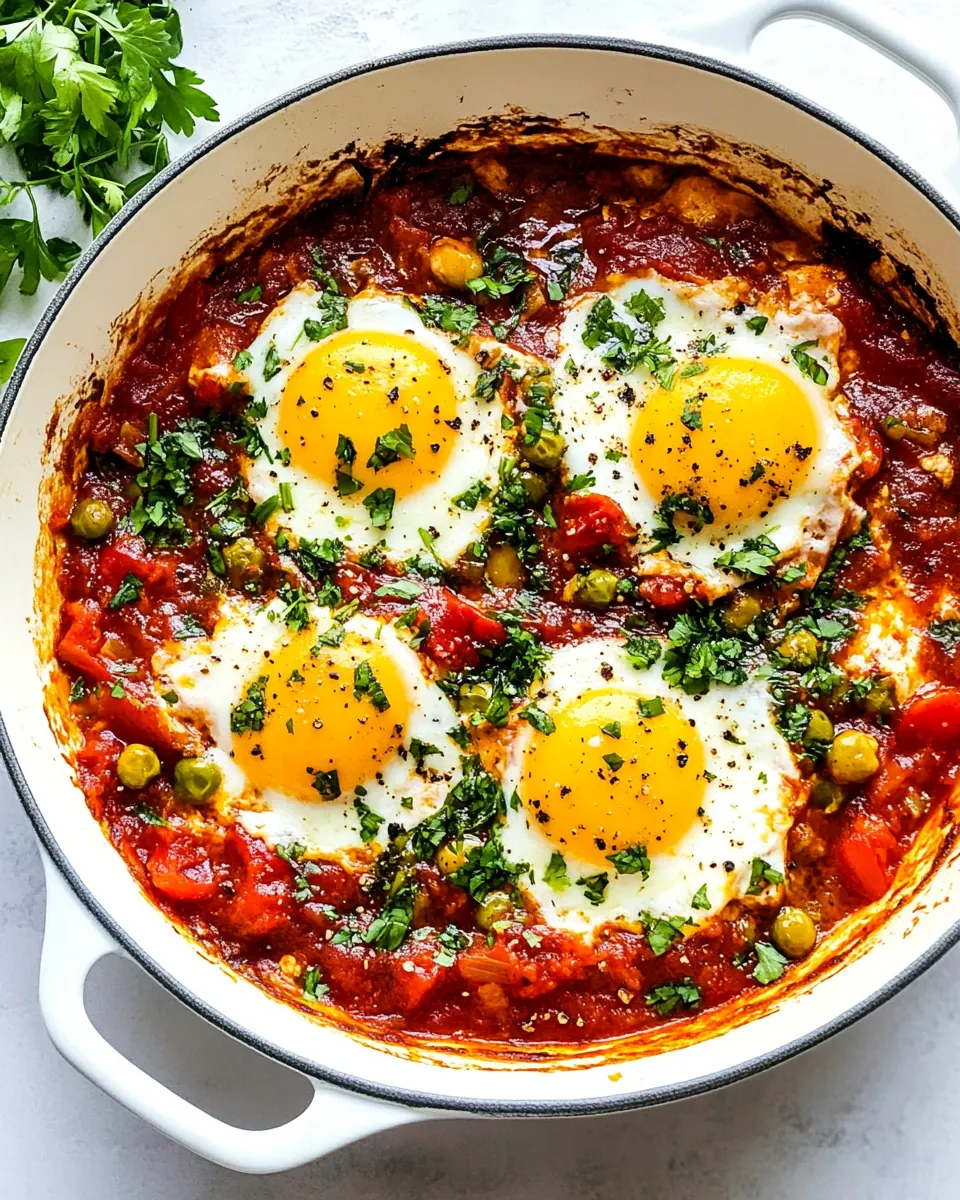
Shakshuka is the kind of dish I turn to when I want something honest, sizzling, and full of warmth.
My first memory of Shakshuka is from a cramped kitchen where a friend taught me how to coax sweetness out of onions and peppers until the whole room smelled like a spice market. I remember the sound of the skillet as the vegetables hit the hot oil, a satisfying little hiss that always makes me smile. Over the years I have refined that panful of tomatoes and spices into a meal that welcomes company and forgives small mistakes. Sometimes I make it for a lazy weekend brunch, and other times it becomes the centerpiece of a weekday dinner when I need something comforting yet bright.
When I serve Shakshuka, I like to tell the story of how simple pantry items become something unexpectedly grand. The eggs slid into the bubbling tomato sauce feel like a promise, and the salty crumble of cheese at the end ties everything together. I love that the recipe scales up without losing its soul, and that each spoonful delivers a little heat, a little tang, and a lot of heart. This dish is one of those that feels at home in any season, and I reach for it all year long whenever I want food that is both rustic and celebratory.
Recipe Snapshot
45 mins
5 mins
40 mins
Medium
300 kcal
Mediterranean
Keto, Gluten-Free
Dinner
Large skillet, Wooden spoon, Lid, Potato masher
Why Try This Shakshuka
Hearty and Handheld Friendly
I adore that Shakshuka is both filling and portable if you like dipping warm bread into the sauce. The combination of soft, cooked eggs and a saucy, spiced tomato base makes it a satisfying single-skillet meal, and I turn to it when I want something that feels like a hug in a bowl.
Layered, Balanced Flavors
The layering of sweet bell pepper, aromatic onion, and warming spices like paprika and cumin creates depth without being fussy. I love how the harissa paste adds a gentle, smoky heat, lifting the acidic tomatoes into something bright and nuanced.
Flexible for Any Occasion
Shakshuka adapts to a slow morning or a busy evening. You can make it for a cozy breakfast with friends or for a weeknight dinner when you want minimal cleanup. I particularly like serving it straight from the skillet, so everyone can dig in together.
Textural Contrast
The creamy, just set eggs against the chunky, slightly reduced tomato sauce is what keeps me coming back. The final crumble of feta cheese brings a salty contrast that makes each bite more interesting and layered.
Simple Technique, Big Payoff
What I appreciate most is that a few intentional steps deliver a complex result. Slow sautéing the veggies until they are sweet, and simmering the tomatoes until the sauce thickens, are little investments that reward you with maximum flavor.
What You’ll Need for Shakshuka
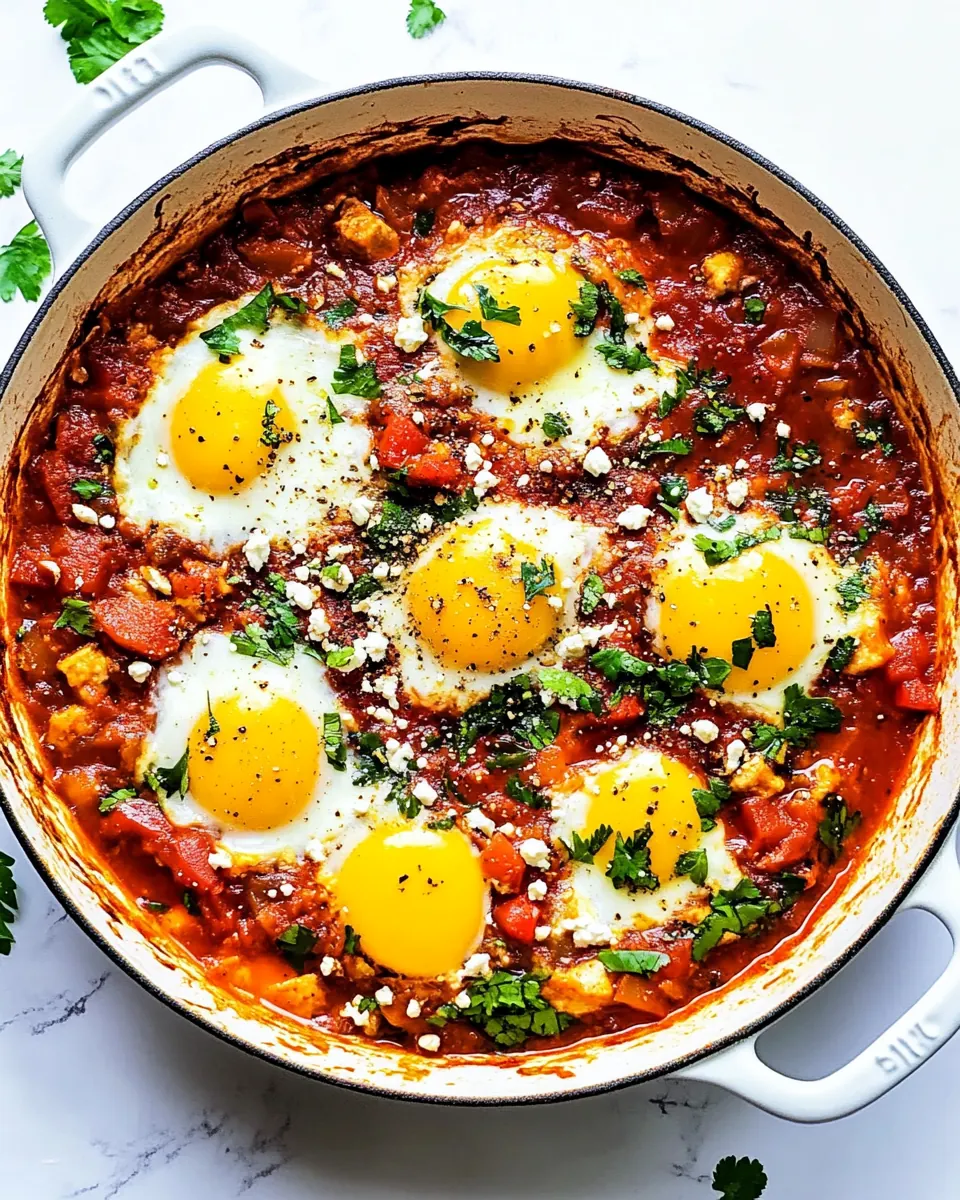
These ingredients work together to build a stew that is vibrant, textured, and balanced. The star players are the tomatoes which form the saucy backbone, the aromatics like onion and garlic that bring depth, and the spices plus harissa paste which give warmth and a touch of heat. The eggs add creaminess and richness, while the feta cheese and fresh herbs finish with salty and herbal notes. Taken together, they create a dish that is rustic yet refined.
- 3 tablespoons extra-virgin olive oil: Coat the pan and provide a fruity, peppery base for frying; extra–virgin olive oil adds depth and helps soften vegetables while melding spices into the sauce. Use a moderate amount to prevent sticking and to carry flavors without overpowering the dish.
- 1 large red bell pepper, seeded, cored, and chopped: Add sweet, crunchy texture and bright flavor when sautéed; red bell pepper contributes body and natural sweetness that balances the tomatoes and spices. Remove seeds and core to avoid bitterness and chop to a uniform size for even cooking.
- 1 medium to large yellow onion, chopped: Provide savory sweetness and aromatic structure when caramelized; yellow onion builds the sauce’s flavor foundation and helps create a rich, slightly sweet backdrop for tomatoes and spices. Chop to consistent pieces so it softens evenly alongside the pepper.
- 1 teaspoon kosher salt, divided: Season and enhance all components while helping to extract moisture from vegetables; kosher salt distributed across steps layers savory flavor and balances acidity. Use the divided portion to season during cooking and again to finish eggs and feta as needed.
- 3 garlic cloves, minced: Introduce pungent, aromatic heat and deepen savory notes when minced; garlic brightens the sauce and complements the sweetness of onions and peppers. Add early enough to mellow and release its oils but avoid burning to prevent bitterness.
- 1 teaspoon sweet or smoked paprika: Contribute warm, smoky-sweet aroma that complements tomatoes and peppers; paprika adds color and a gentle background spice without heat. Choose sweet or smoked variety to suit your flavor preference and stir in with other spices to bloom in the oil.
- 1 teaspoon coriander: Provide citrusy, slightly floral warmth and subtle earthiness; coriander seeds ground or pre-ground brighten the sauce and pair well with cumin and paprika. Sprinkle in with the spices to build a layered Middle Eastern-North African flavor profile.
- 1/2 teaspoon cumin: Offer warm, earthy, slightly bitter notes that ground the spice mix; cumin intensifies savory depth and enhances tomato richness. Use sparingly to avoid overpowering other spices and toast briefly in oil to release its essential oils.
- 1 tablespoon harissa paste: Bring concentrated heat and smoky complexity while adding fermented chile depth; harissa paste amplifies spice level and gives the sauce an authentic North African kick. Stir into the base sauce to distribute heat evenly and adjust quantity to taste.
- 128 ounce can of whole plum tomatoes, in their juices: Supply the saucy, tangy tomato backbone with body and acidity; whole plum tomatoes break down into a chunky, flavorful sauce when simmered with spices and vegetables. Crush by hand or with a spoon into the pan to control texture and simmer until thickened.
- 6 eggs: Set gently into the simmering sauce to create silky, runny yolks and tender whites; eggs provide protein and richness that meld with the spiced tomato base. Crack directly into wells in the sauce and cover briefly to poach to desired doneness.
- 3/4 cup crumbled feta cheese: Add salty, creamy, tangy contrast when crumbled over the finished dish; feta contributes bright, briny notes that cut through the tomato richness. Scatter evenly after eggs are nearly set so it softens slightly without melting completely.
- 1/4 cup chopped parsley or cilantro: Offer fresh herbaceous lift and a pop of color when chopped and sprinkled; parsley or cilantro brightens flavors and balances the richness of eggs and feta. Add at the end of cooking to preserve vibrancy and aroma.
Recipe Directions for Shakshuka
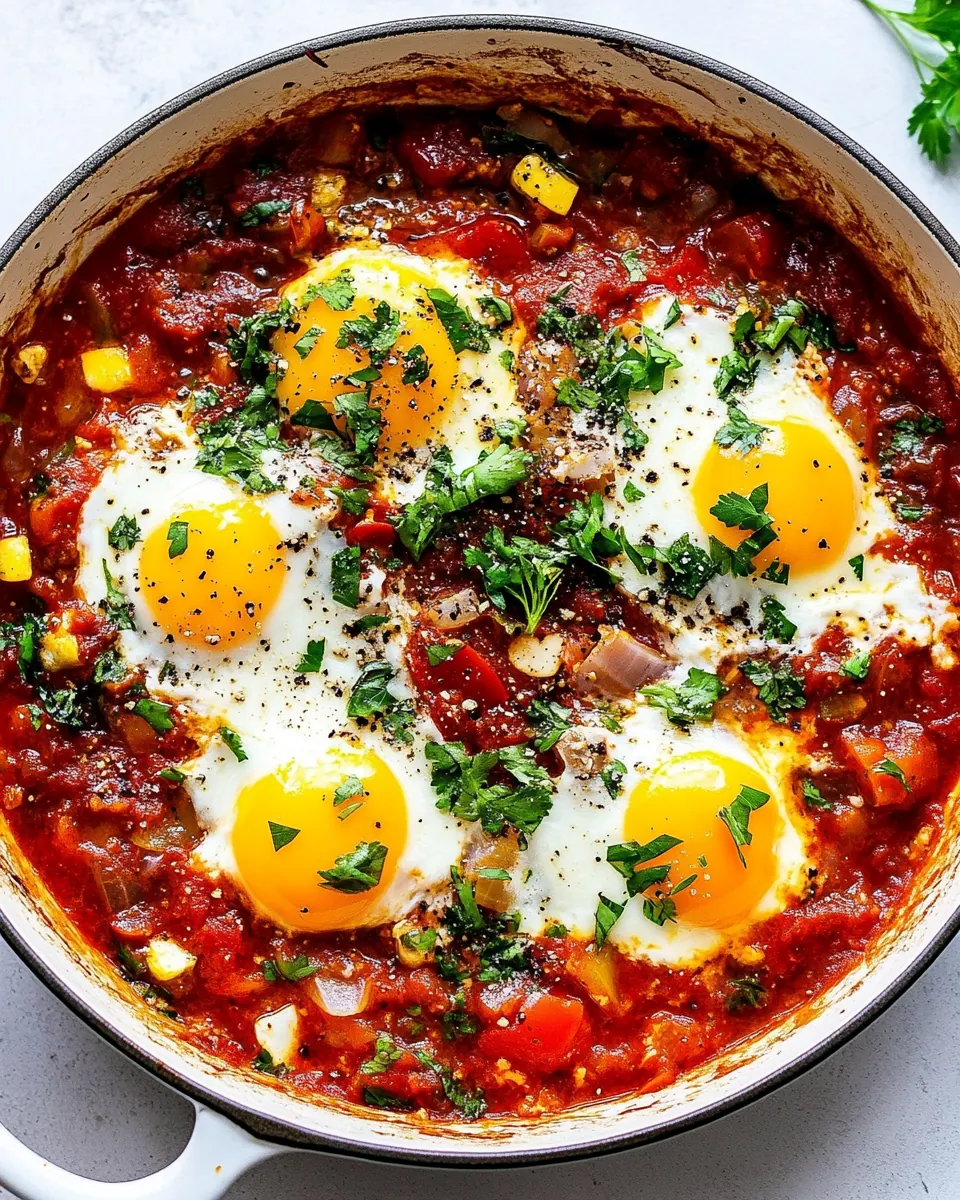
I like to think of these directions as a guided conversation with the skillet, where small adjustments yield big results. Move with intention, pay attention to color and scent, and let the sauce tell you when it is ready for the eggs. Below I expand each step into sensory cues, troubleshooting, and reasoning so you know what to watch for.
- Heat a large skillet over medium-low and add the olive oil. Once the oil is hot, add the bell pepper and onion, and season with 1/2 teaspoon of salt. Stir and sauté until the veggies have softened, about 20 minutes, stirring periodically. Stir in the garlic and continue to cook for another minute. Add the paprika, coriander, cumin, and harissa paste, and stir and cook for another minute. Add the tomatoes and remaining 1/2 teaspoon of salt, and stir to combine. Use a wooden spoon or a potato masher to carefully break up the tomatoes. Simmer for about 10 minutes or until the sauce has thickened.: When the oil is shimmering gently, you will hear a soft whisper of sizzle as the first vegetables hit the pan, which signals even heat distribution. The aroma will be neutral at first, but as soon as the bell pepper and onion touch the surface, their sugars begin to caramelize and release a sweet scent. The why here is simple, warm oil helps transfer heat and prevents sticking, while allowing the vegetables to slowly soften. A common mistake is overheating the oil, which causes the outsides to brown too quickly while the interiors remain undercooked. Keep the flame moderate, and if the oil starts to smoke, reduce the heat and let the pan cool slightly.
- Use the back of your spoon to create 6 little wells in the sauce for the eggs to nestle into. Carefully crack an egg into each well and season each with a tiny sprinkle of salt. Cover the skillet with a lid, reduce the heat to low, and let the eggs cook undisturbed until the whites have set (about 5-8 minutes). You want to cook the eggs until the whites have just set and the yolk is still runny. Remove the lid, sprinkle the crumbled feta over the skillet, and top with fresh parsley or cilantro before serving.: The initial contact creates a lively sizzle and within minutes you will notice the vegetables sweating and softening, releasing sweet, caramel notes. The salt draws moisture, hastening the softening and concentrating flavor. Cooking them about 20 minutes allows connective tissues to break down so the texture becomes tender and almost jam like, which helps the sauce thicken later. If you rush this step by turning the heat too high, the outsides may brown unevenly and you will lose that mellow sweetness. Stir periodically so nothing sticks, and aim for translucence and occasional flecks of color on the edges.
- Stir and sauté until the veggies have softened, about 20 minutes, stirring periodically: As you sauté, listen for the change from sharp hissing to a softer, deeper sizzle, and watch the vegetables collapse slightly into the pan. You want a glossy, softened mix, not raw crunch. This slow transformation builds the base and allows the spices to later adhere better. A frequent error is impatience, which leaves the mixture tasting green. Keep stirring periodically to ensure even cooking and to scrape up any browned bits that add flavor.
- Stir in the garlic and continue to cook for another minute: The scent will shift as the garlic releases its aromatic oils, becoming floral and pungent for a fleeting moment. This brief cook time ensures the garlic mellows without turning bitter, which happens when it burns. The reason for adding it now is that minced garlic cooks faster than the diced vegetables, so a minute is enough to integrate its flavor. If you smell a harsh, acrid note, the garlic is burning and you should remove the pan from heat briefly.
- Add the paprika, coriander, cumin, and harissa paste, and stir and cook for another minute: Browning the spices briefly in the oil unlocks their essential oils and deepens the overall flavor. You will notice the aroma grow complex, with smoky, warm, and floral layers unfolding. This step is crucial because raw spices taste flat, and the short toast in oil enhances their impact in the finished sauce. A common misstep is adding spices to a cold pan, which will not release their flavors properly. Stir quickly so the paste integrates and do not let it sit long enough to burn.
- Add the tomatoes and remaining 1/2 teaspoon of salt, and stir to combine: When the tomatoes hit the warm spices, steam and a bright acidic perfume will rise, and the mixture will loosen into a stew like consistency. The additional salt helps balance the tomato acidity and draws out the juices for a cohesive sauce. The why here is that the tomato liquid will carry the spices throughout the pan, unifying the flavors. A mistake to avoid is adding tomatoes that are too cold from the fridge, which can shock the pan and slow cooking; let them sit at room temperature for a few minutes if possible.
- Use a wooden spoon or a potato masher to carefully break up the tomatoes: As you press the tomatoes, you will hear a gentle squish and see chunks give way to softer pieces, creating a rustic texture that is perfect for nesting eggs. Breaking them up allows the sauce to thicken evenly and exposes more surface area so it can reduce. Avoid overmashing into complete purée, because some chunk provides welcome texture. If you press too hard, seeds and excess watery pulp can make the sauce thin, so aim for a balance of broken chunks and saucy bits.
- Simmer for about 10 minutes or until the sauce has thickened: The pan will go from a loose stew to a glossy, reduced sauce that coats a spoon, and you will detect the sugars concentrating into a sweeter scent. Simmering concentrates flavors and helps the spices meld. The visual cue is when bubbles move more slowly and the sauce clings to the back of a spoon. A typical error is boiling aggressively which can separate the sauce or burn it; maintain a gentle simmer and stir occasionally.
- Use the back of your spoon to create 6 little wells in the sauce for the eggs to nestle into: Pressing wells creates cozy pockets where the eggs can set without sliding into the edges, and you will see the sauce cradle each egg like a nest. This technique ensures even cooking and a pretty presentation. Be gentle so the wells hold shape without collapsing. If you make the wells too shallow, the eggs will spread thin and cook unevenly.
- Carefully crack an egg into each well and season each with a tiny sprinkle of salt: As you crack the eggs , you will hear a delicate plop as the whites hit the warm sauce and begin to firm at the edges. The salt draws out proteins slightly, helping the whites set. The reason for individual wells is to keep the eggs distinct so each diner can choose their preferred doneness. A common mistake is cracking eggs directly from the shell over the pan which risks shell fragments; crack into a small bowl first if you are unsure.
- Cover the skillet with a lid, reduce the heat to low, and let the eggs cook undisturbed until the whites have set about 5 to 8 minutes: With the lid on, steam will gently cook the tops of the eggs , and you will notice the whites go from glossy to opaque while the yolks remain vibrantly golden. This gentle method yields tender whites and runny yolks if you watch closely. The why is that steam provides even heat without drying the eggs. Avoid lifting the lid frequently, as escaping heat will lengthen cooking time and can lead to overcooked yolks.
- You want to cook the eggs until the whites have just set and the yolk is still runny: At this final moment the surface of the whites should be matte and hold shape, while the yolks should wobble when you tilt the pan, promising lusciousness. This contrast is what makes each bite indulgent. If the yolks feel firm to the touch, they are overdone; shorten the next cook time by a minute or two. If the whites are still translucent, give them another minute under the lid.
- Remove the lid, sprinkle the crumbled feta over the skillet, and top with fresh parsley or cilantro before serving: The salty feta cheese will soften slightly into the warm sauce, adding bright bursts of tang, while the chopped parsley or cilantro brings freshness and color. The sound here is quiet, just the soft settling of cheese into sauce, and the aroma lifts with herbaceous notes. Add these last so their flavors remain vibrant. A common mistake is melting the cheese too early, which dulls its texture and freshness; wait until the end for the best contrast.
Tips for Success
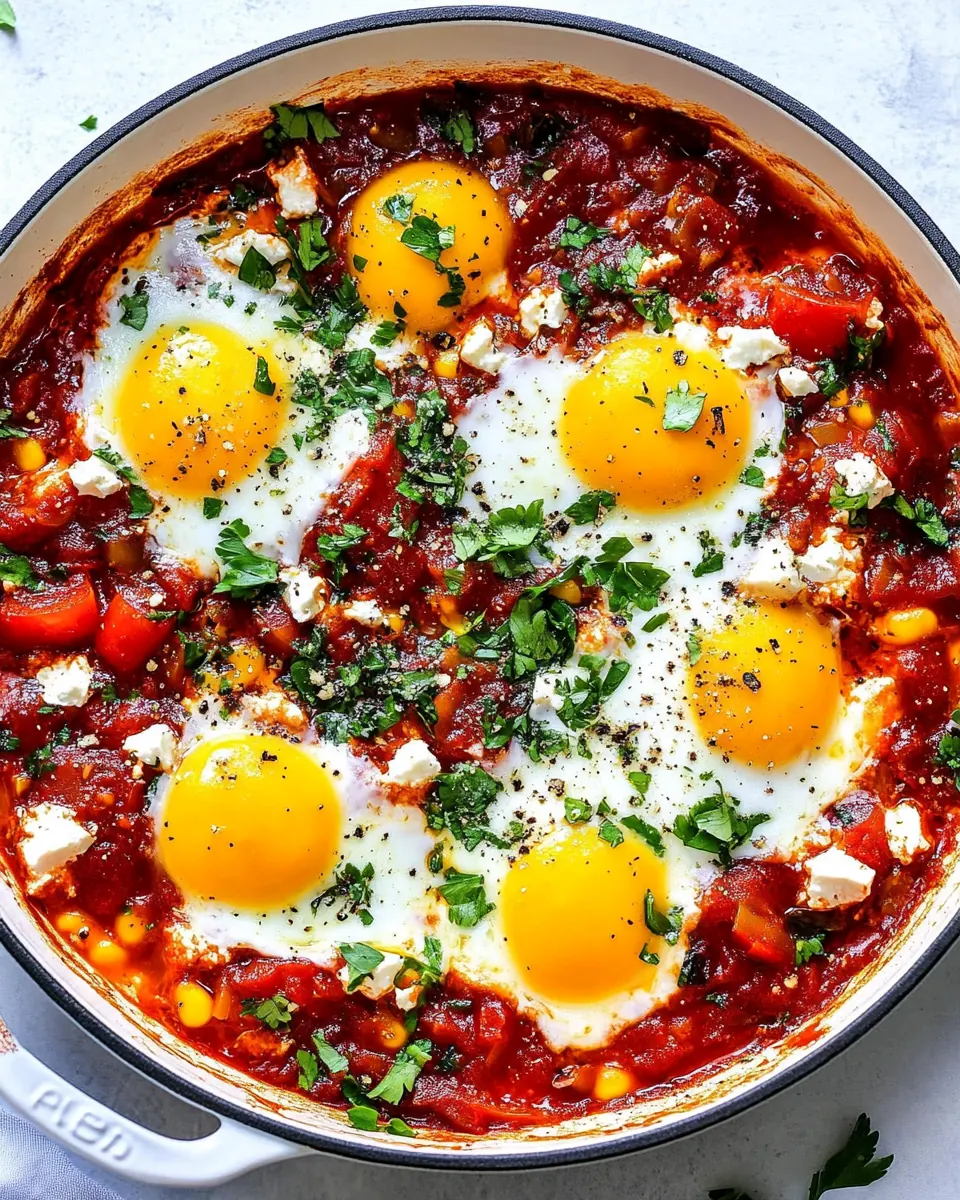
I keep these tips handy whenever I cook Shakshuka, because small choices yield big rewards. Below are practical pointers that address timing, texture, and flavor balance so your skillet turns out reliably great every time.
- Choose a quality canned tomato because good tomatoes make a huge difference in depth and brightness; I prefer whole plum tomatoes with their juices for better texture.
- Give the vegetables time as slowly caramelized onion and bell pepper create the hearty backbone of the sauce and result in sweeter, more complex flavors.
- Bloom your spices by stirring them briefly in hot oil so their essential oils release and the sauce gains a richer aroma and taste.
- Control the heat keeping a gentle simmer prevents separation and allows the sauce to reduce evenly without scorching on the bottom.
- Crack eggs into wells to keep them neat and ensure even cooking, and consider cracking into a small bowl first to avoid shells in the pan.
- Add cheese at the end so the feta cheese keeps its crumbly texture and salty brightness rather than dissolving completely into the sauce.
What Complements This Shakshuka
Shakshuka pairs beautifully with simple sides that let its bold sauce shine. Think warm breads for dipping, light salads for contrast, and beverages that refresh the palate. Below I outline pairing ideas, occasion notes, and storage suggestions so you can serve it with confidence.
- Warm crusty bread or pita for scooping the sauce and creamy eggs, ideally toasted briefly in a skillet with a little oil to crisp the edges.
- Simple green salad dressed with lemon and olive oil to cut through the richness and add a bright, vegetal note.
- Serve for brunch or dinner because Shakshuka transitions easily between a leisurely morning meal and a relaxed evening gathering.
- Ramadan and festive meals it works well for communal dining, offering a warm, shareable dish that is easy to scale up for guests.
- Storage tip store the sauce separately from the eggs in an airtight container in the refrigerator for up to three days, then reheat gently and poach fresh eggs when ready to serve.
- Seasonal pairings add a squeeze of lemon or extra chopped herbs in summer for brightness, or accompany with roasted root vegetables in colder months for heartiness.
FAQ
Conclusion
Shakshuka stands out because it transforms humble pantry ingredients into a vibrant, saucy skillet meal that is both comforting and celebratory. Its combination of slow softened vegetables, spiced tomato base, and gently poached eggs delivers contrasting textures and bold, layered flavors. Give it a try this week whether you need a nourishing breakfast or a low fuss dinner, and enjoy how a little attention at each step yields a dish that feels special. Invite friends or keep it for yourself, either way it is reliably satisfying and easy to love.
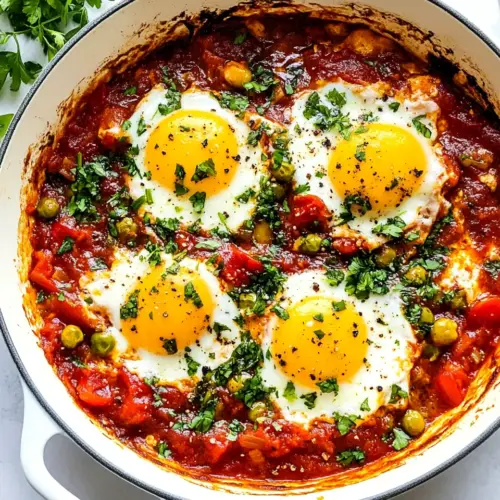
Shakshuka
Equipment
- Large Skillet
- Wooden Spoon
- Lid
- Potato Masher
Ingredients
- 3 tablespoons extra-virgin olive oil Coat the pan and provide a fruity, peppery base for frying; extra-virgin olive oil adds depth and helps soften vegetables while melding spices into the sauce. Use a moderate amount to prevent sticking and to carry flavors without overpowering the dish.
- 1 large red bell pepper, seeded, cored, and chopped Add sweet, crunchy texture and bright flavor when sautéed; red bell pepper contributes body and natural sweetness that balances the tomatoes and spices. Remove seeds and core to avoid bitterness and chop to a uniform size for even cooking.
- 1 medium to large yellow onion, chopped Provide savory sweetness and aromatic structure when caramelized; yellow onion builds the sauce’s flavor foundation and helps create a rich, slightly sweet backdrop for tomatoes and spices. Chop to consistent pieces so it softens evenly alongside the pepper.
- 1 teaspoon kosher salt, divided Season and enhance all components while helping to extract moisture from vegetables; kosher salt distributed across steps layers savory flavor and balances acidity. Use the divided portion to season during cooking and again to finish eggs and feta as needed.
- 3 garlic cloves, minced Introduce pungent, aromatic heat and deepen savory notes when minced; garlic brightens the sauce and complements the sweetness of onions and peppers. Add early enough to mellow and release its oils but avoid burning to prevent bitterness.
- 1 teaspoon sweet or smoked paprika Contribute warm, smoky-sweet aroma that complements tomatoes and peppers; paprika adds color and a gentle background spice without heat. Choose sweet or smoked variety to suit your flavor preference and stir in with other spices to bloom in the oil.
- 1 teaspoon coriander Provide citrusy, slightly floral warmth and subtle earthiness; coriander seeds ground or pre-ground brighten the sauce and pair well with cumin and paprika. Sprinkle in with the spices to build a layered Middle Eastern-North African flavor profile.
- 1/2 teaspoon cumin Offer warm, earthy, slightly bitter notes that ground the spice mix; cumin intensifies savory depth and enhances tomato richness. Use sparingly to avoid overpowering other spices and toast briefly in oil to release its essential oils.
- 1 tablespoon harissa paste Bring concentrated heat and smoky complexity while adding fermented chile depth; harissa paste amplifies spice level and gives the sauce an authentic North African kick. Stir into the base sauce to distribute heat evenly and adjust quantity to taste.
- 128 ounce can of whole plum tomatoes, in their juices Supply the saucy, tangy tomato backbone with body and acidity; whole plum tomatoes break down into a chunky, flavorful sauce when simmered with spices and vegetables. Crush by hand or with a spoon into the pan to control texture and simmer until thickened.
- 6 eggs Set gently into the simmering sauce to create silky, runny yolks and tender whites; eggs provide protein and richness that meld with the spiced tomato base. Crack directly into wells in the sauce and cover briefly to poach to desired doneness.
- 3/4 cup crumbled feta cheese Add salty, creamy, tangy contrast when crumbled over the finished dish; feta contributes bright, briny notes that cut through the tomato richness. Scatter evenly after eggs are nearly set so it softens slightly without melting completely.
- 1/4 cup chopped parsley or cilantro Offer fresh herbaceous lift and a pop of color when chopped and sprinkled; parsley or cilantro brightens flavors and balances the richness of eggs and feta. Add at the end of cooking to preserve vibrancy and aroma.
Instructions
- Heat a large skillet over medium-low and add the olive oil. Once the oil is hot, add the bell pepper and onion, and season with 1/2 teaspoon of salt. Stir and sauté until the veggies have softened, about 20 minutes, stirring periodically. Stir in the garlic and continue to cook for another minute. Add the paprika, coriander, cumin, and harissa paste, and stir and cook for another minute. Add the tomatoes and remaining 1/2 teaspoon of salt, and stir to combine. Use a wooden spoon or a potato masher to carefully break up the tomatoes. Simmer for about 10 minutes or until the sauce has thickened.: When the oil is shimmering gently, you will hear a soft whisper of sizzle as the first vegetables hit the pan, which signals even heat distribution. The aroma will be neutral at first, but as soon as the bell pepper and onion touch the surface, their sugars begin to caramelize and release a sweet scent. The why here is simple, warm oil helps transfer heat and prevents sticking, while allowing the vegetables to slowly soften. A common mistake is overheating the oil, which causes the outsides to brown too quickly while the interiors remain undercooked. Keep the flame moderate, and if the oil starts to smoke, reduce the heat and let the pan cool slightly.
- Use the back of your spoon to create 6 little wells in the sauce for the eggs to nestle into. Carefully crack an egg into each well and season each with a tiny sprinkle of salt. Cover the skillet with a lid, reduce the heat to low, and let the eggs cook undisturbed until the whites have set (about 5-8 minutes). You want to cook the eggs until the whites have just set and the yolk is still runny. Remove the lid, sprinkle the crumbled feta over the skillet, and top with fresh parsley or cilantro before serving.: The initial contact creates a lively sizzle and within minutes you will notice the vegetables sweating and softening, releasing sweet, caramel notes. The salt draws moisture, hastening the softening and concentrating flavor. Cooking them about 20 minutes allows connective tissues to break down so the texture becomes tender and almost jam like, which helps the sauce thicken later. If you rush this step by turning the heat too high, the outsides may brown unevenly and you will lose that mellow sweetness. Stir periodically so nothing sticks, and aim for translucence and occasional flecks of color on the edges.
- Stir and sauté until the veggies have softened, about 20 minutes, stirring periodically: As you sauté, listen for the change from sharp hissing to a softer, deeper sizzle, and watch the vegetables collapse slightly into the pan. You want a glossy, softened mix, not raw crunch. This slow transformation builds the base and allows the spices to later adhere better. A frequent error is impatience, which leaves the mixture tasting green. Keep stirring periodically to ensure even cooking and to scrape up any browned bits that add flavor.
- Stir in the garlic and continue to cook for another minute: The scent will shift as the garlic releases its aromatic oils, becoming floral and pungent for a fleeting moment. This brief cook time ensures the garlic mellows without turning bitter, which happens when it burns. The reason for adding it now is that minced garlic cooks faster than the diced vegetables, so a minute is enough to integrate its flavor. If you smell a harsh, acrid note, the garlic is burning and you should remove the pan from heat briefly.
- Add the paprika, coriander, cumin, and harissa paste, and stir and cook for another minute: Browning the spices briefly in the oil unlocks their essential oils and deepens the overall flavor. You will notice the aroma grow complex, with smoky, warm, and floral layers unfolding. This step is crucial because raw spices taste flat, and the short toast in oil enhances their impact in the finished sauce. A common misstep is adding spices to a cold pan, which will not release their flavors properly. Stir quickly so the paste integrates and do not let it sit long enough to burn.
- Add the tomatoes and remaining 1/2 teaspoon of salt, and stir to combine: When the tomatoes hit the warm spices, steam and a bright acidic perfume will rise, and the mixture will loosen into a stew like consistency. The additional salt helps balance the tomato acidity and draws out the juices for a cohesive sauce. The why here is that the tomato liquid will carry the spices throughout the pan, unifying the flavors. A mistake to avoid is adding tomatoes that are too cold from the fridge, which can shock the pan and slow cooking; let them sit at room temperature for a few minutes if possible.
- Use a wooden spoon or a potato masher to carefully break up the tomatoes: As you press the tomatoes, you will hear a gentle squish and see chunks give way to softer pieces, creating a rustic texture that is perfect for nesting eggs. Breaking them up allows the sauce to thicken evenly and exposes more surface area so it can reduce. Avoid overmashing into complete purée, because some chunk provides welcome texture. If you press too hard, seeds and excess watery pulp can make the sauce thin, so aim for a balance of broken chunks and saucy bits.
- Simmer for about 10 minutes or until the sauce has thickened: The pan will go from a loose stew to a glossy, reduced sauce that coats a spoon, and you will detect the sugars concentrating into a sweeter scent. Simmering concentrates flavors and helps the spices meld. The visual cue is when bubbles move more slowly and the sauce clings to the back of a spoon. A typical error is boiling aggressively which can separate the sauce or burn it; maintain a gentle simmer and stir occasionally.
- Use the back of your spoon to create 6 little wells in the sauce for the eggs to nestle into: Pressing wells creates cozy pockets where the eggs can set without sliding into the edges, and you will see the sauce cradle each egg like a nest. This technique ensures even cooking and a pretty presentation. Be gentle so the wells hold shape without collapsing. If you make the wells too shallow, the eggs will spread thin and cook unevenly.
- Carefully crack an egg into each well and season each with a tiny sprinkle of salt: As you crack the eggs , you will hear a delicate plop as the whites hit the warm sauce and begin to firm at the edges. The salt draws out proteins slightly, helping the whites set. The reason for individual wells is to keep the eggs distinct so each diner can choose their preferred doneness. A common mistake is cracking eggs directly from the shell over the pan which risks shell fragments; crack into a small bowl first if you are unsure.
- Cover the skillet with a lid, reduce the heat to low, and let the eggs cook undisturbed until the whites have set about 5 to 8 minutes: With the lid on, steam will gently cook the tops of the eggs , and you will notice the whites go from glossy to opaque while the yolks remain vibrantly golden. This gentle method yields tender whites and runny yolks if you watch closely. The why is that steam provides even heat without drying the eggs. Avoid lifting the lid frequently, as escaping heat will lengthen cooking time and can lead to overcooked yolks.
- You want to cook the eggs until the whites have just set and the yolk is still runny: At this final moment the surface of the whites should be matte and hold shape, while the yolks should wobble when you tilt the pan, promising lusciousness. This contrast is what makes each bite indulgent. If the yolks feel firm to the touch, they are overdone; shorten the next cook time by a minute or two. If the whites are still translucent, give them another minute under the lid.
- Remove the lid, sprinkle the crumbled feta over the skillet, and top with fresh parsley or cilantro before serving: The salty feta cheese will soften slightly into the warm sauce, adding bright bursts of tang, while the chopped parsley or cilantro brings freshness and color. The sound here is quiet, just the soft settling of cheese into sauce, and the aroma lifts with herbaceous notes. Add these last so their flavors remain vibrant. A common mistake is melting the cheese too early, which dulls its texture and freshness; wait until the end for the best contrast.
Notes
- Choose a quality canned tomato because good tomatoes make a huge difference in depth and brightness; I prefer whole plum tomatoes with their juices for better texture.
- Give the vegetables time as slowly caramelized onion and bell pepper create the hearty backbone of the sauce and result in sweeter, more complex flavors.
- Bloom your spices by stirring them briefly in hot oil so their essential oils release and the sauce gains a richer aroma and taste.
- Control the heat keeping a gentle simmer prevents separation and allows the sauce to reduce evenly without scorching on the bottom.
- Crack eggs into wells to keep them neat and ensure even cooking, and consider cracking into a small bowl first to avoid shells in the pan.
- Add cheese at the end so the feta cheese keeps its crumbly texture and salty brightness rather than dissolving completely into the sauce.