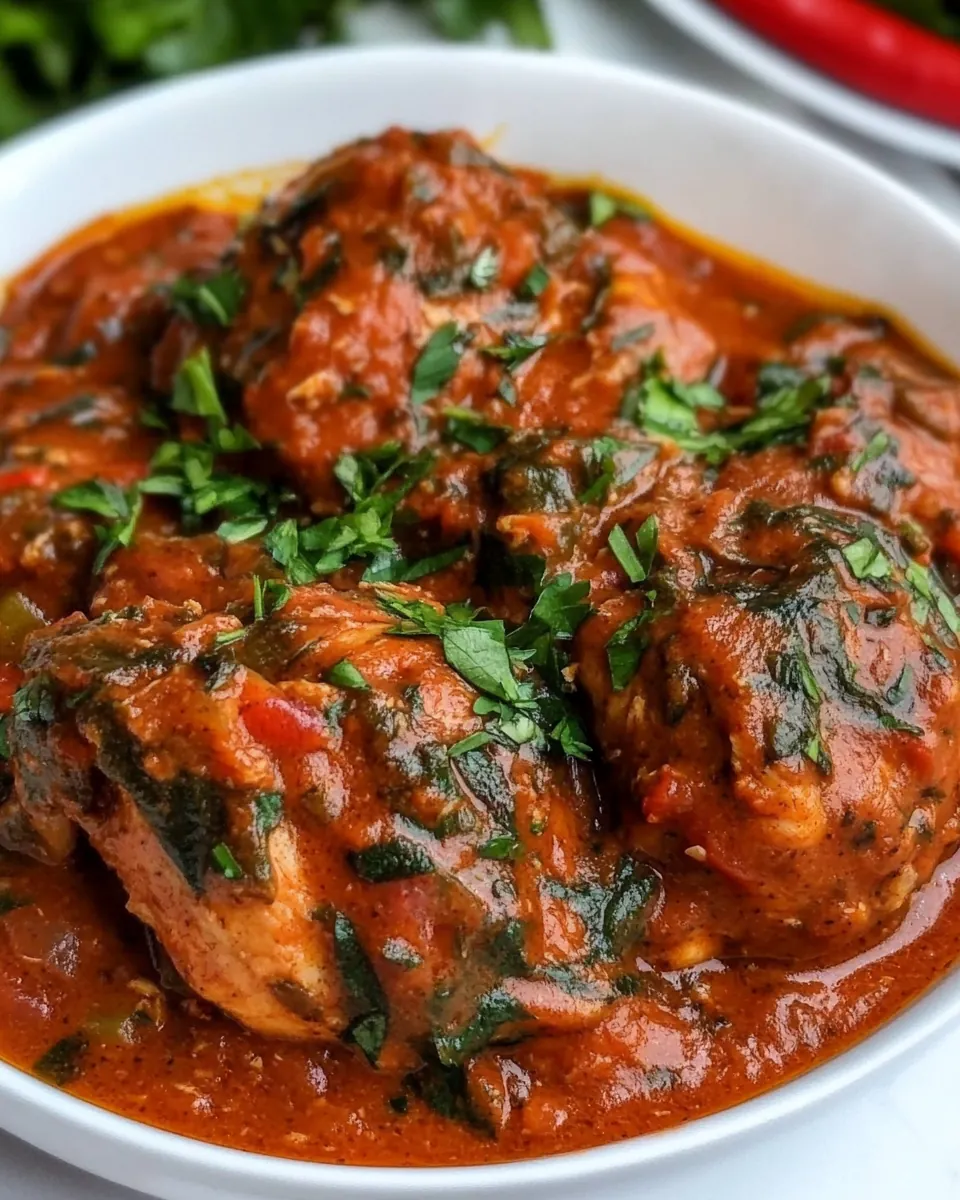
African Chicken Peanut Stew
African Chicken Peanut Stew has been one of those cozy, stick-to-your-ribs dishes that I reach for when the nights get long and I want something comforting yet adventurous. The first time I made it I remember the kitchen filling up with a warm, nutty aroma that made everyone hover at the doorway, forks in hand. I love how a handful of humble pantry staples transforms into something deeply layered, savory and slightly sweet at once.
Over the years I have tinkered with the balance, sometimes browning the meat a hair longer for extra caramelized bits, other times stirring a spoonful more peanut butter at the end for silkier texture. When I serve African Chicken Peanut Stew, people ask for seconds and the leftovers always taste richer the next day, making it an ideal make-ahead dish for casual dinners or festive family evenings. I remember serving it once during a snowy evening, and the bowl felt like a warm blanket, every bite full of personality.
What I appreciate most is the way the dish both soothes and surprises. The combination of browned chicken, tangy tomatoes, and creamy peanut butter creates a harmony that feels familiar yet new. I like to keep the heat adjustable, so everyone at the table can tailor their bowl to taste. Every time I cook African Chicken Peanut Stew I learn a small thing that improves the balance, and I love sharing those moments with people who enjoy bold, comforting food.
Recipe Snapshot
1 hr 25 mins
10 mins
75 mins
Medium
450 kcal
African
Gluten-Free, Keto
Dinner
Heavy pot or Dutch oven, Spatula or wooden spoon
What Sets This African Chicken Peanut Stew Apart
Rich, layered flavor
I adore how African Chicken Peanut Stew builds flavor in stages. Browning the chicken creates deep savory notes, while the caramelized onion adds sweetness and body. The integration of peanut butter with the tomato base produces a creamy, slightly nutty sauce that lingers pleasantly on the palate. I find this layering gives the stew a complexity that keeps people coming back for another spoonful.
Comforting and filling
This stew is the kind of dish that feels like a hug in a bowl. The combination of protein from the chicken and the comforting starch of rice or fufu makes it satisfying for a family dinner. I like serving it when guests need something warming and substantial, because it satisfies without being heavy in an unpleasant way.
Make-ahead advantage
I always tell friends that this recipe tastes even better the next day. Resting allows the flavors to meld and intensify, especially the interplay between the tomatoes and peanut butter. If I have time, I make it a day ahead and simply reheat gently, and the results are markedly improved.
Flexible and approachable
One reason I reach for African Chicken Peanut Stew is that it adapts easily to what you have. While the original uses bone in chicken, you can adjust pieces for faster cooking or deeper flavor. You can also dial up the heat with chilis or keep it mild for kids. I love recipes that feel forgiving, and this one does.
Cultural richness
Beyond taste, this stew carries a bit of culinary storytelling. Ingredients like tomato bouillon cubes are common in West African kitchens, and they lend an authentic background taste that I appreciate. When I serve this, I enjoy sharing that small culinary history with guests, it makes the meal more memorable.
Main Ingredients for African Chicken Peanut Stew
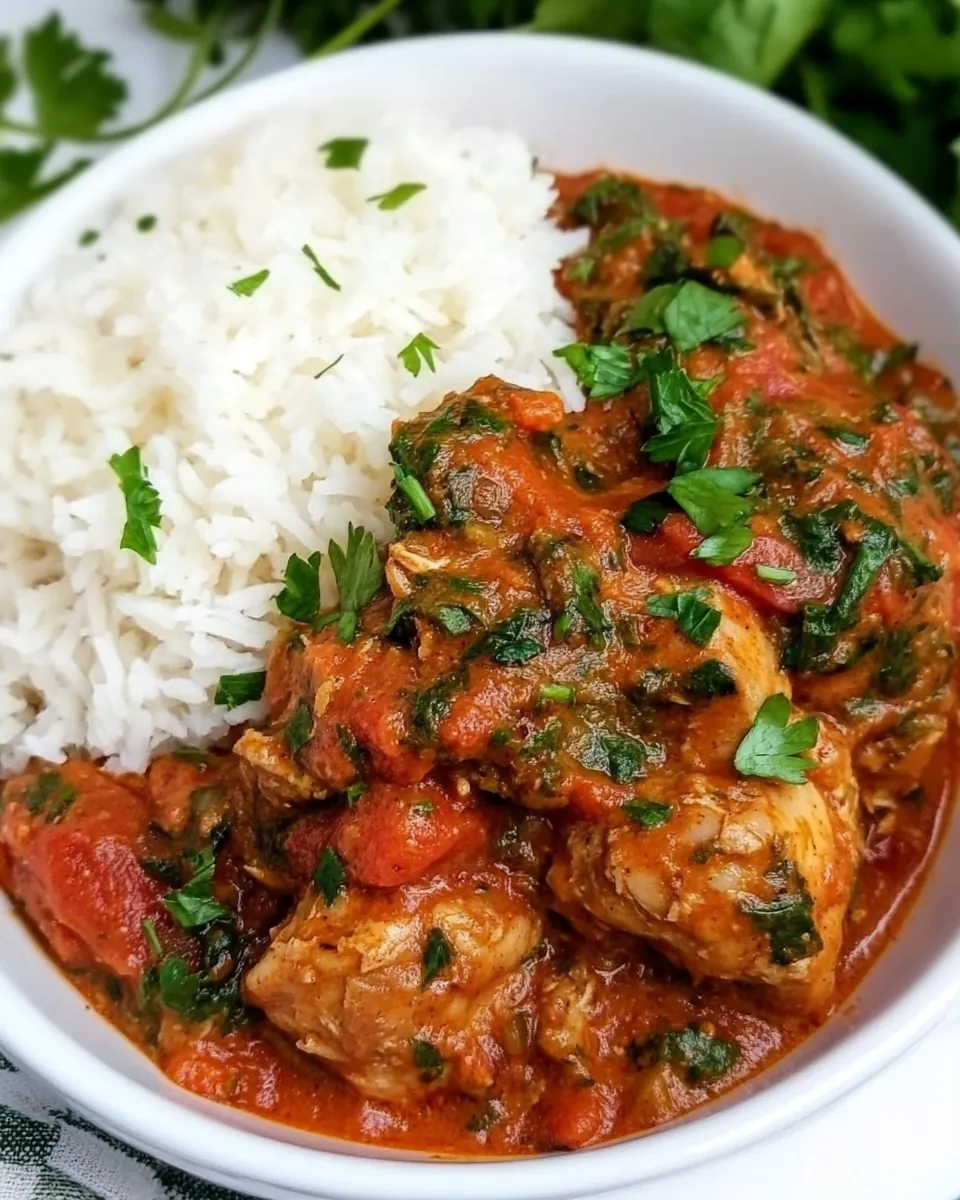
The ingredients here are straightforward and purposeful. Each item plays a clear role, from the rich body of the peanut butter to the savory base built by the chicken and tomatoes. Together they produce a sauce that is creamy, hearty, and aromatic. The key players are the proteins and the tomato peanut liaison, with aromatics and bouillon lifting everything into a satisfying whole.
- 1 1/2 2 pounds bone-in and skin-on chicken pieces (alternatively beef is also commonly used): Provide hearty protein and rich flavor to the stew; bone-in, skin-on pieces yield gelatinous, collagen-rich broth when simmered for depth and mouthfeel. Brown thoroughly to develop Maillard flavors that form the savory base of the dish.
- coconut oil for frying: Add a high-heat cooking fat that imparts subtle coconut aroma and prevents sticking; use sparingly to brown the chicken and sauté aromatics without overpowering the other flavors. Melt gently and monitor temperature to avoid burning.
- 1 large yellow onion, chopped: Build aromatic sweetness and savory complexity when sautéed; chopped yellow onion softens and caramelizes, contributing natural sugars that balance the tomato acidity. Add early in the cooking process to extract maximum flavor.
- 28 ounces canned diced tomatoes: Contribute acidity, body, and tomato-forward character to the stew; canned diced tomatoes provide liquid and chunky texture that melds with the other ingredients. Pour in with juices to help deglaze the pan and form the tomato base.
- 6 ounce can tomato paste (not tomato sauce): Deliver concentrated tomato flavor and thicken the sauce; tomato paste intensifies umami and reduces watery consistency of the stew. Stir in and cook briefly to remove raw flavors and integrate fully.
- 10 ounce package frozen spinach, fully thawed and drained: Introduce leafy green nutrients, color, and mild earthy flavor; fully thawed and drained frozen spinach blends into the stew and adds body without excessive water. Fold in near the end of cooking to preserve texture and nutrients.
- 1/3 cup unsweetened peanut butter: Provide creamy richness and nutty depth while thickening the sauce; unsweetened peanut butter contributes the characteristic West African peanut flavor and smooth mouthfeel. Whisk thoroughly to ensure even distribution and prevent clumping.
- 3 Maggie or Knorr tomato bouillon cubes (a popular ingredient in West African cooking): Impart concentrated savory, tomato-forward seasoning commonly used in West African kitchens; tomato bouillon cubes boost depth and deliver layered umami. Crumble and dissolve into the broth for consistent seasoning.
- 1 teaspoon salt: Enhance overall seasoning balance and help elevate other flavors; measured salt brings out the natural tastes of the ingredients without dominating. Add gradually and adjust to taste as the stew reduces.
- 1/2 teaspoon freshly ground black pepper: Add gentle heat and aromatic complexity while highlighting other seasonings; freshly ground black pepper provides subtle pungency and brightness. Grind just before use for peak flavor.
- 1 cup chicken broth: Supply additional savory liquid and help control stew consistency; chicken broth complements the chicken and enriches the cooking liquid with meaty depth. Use low-sodium if monitoring salt additions from bouillon and paste.
- For some heat add some red chilis or hot sauce (optional): Offer optional spicy kick or tang to suit personal preference; red chilis or hot sauce can be added to introduce heat and brighten flavors. Use cautiously and taste as you go to achieve the desired spice level.
Recipe Directions for African Chicken Peanut Stew
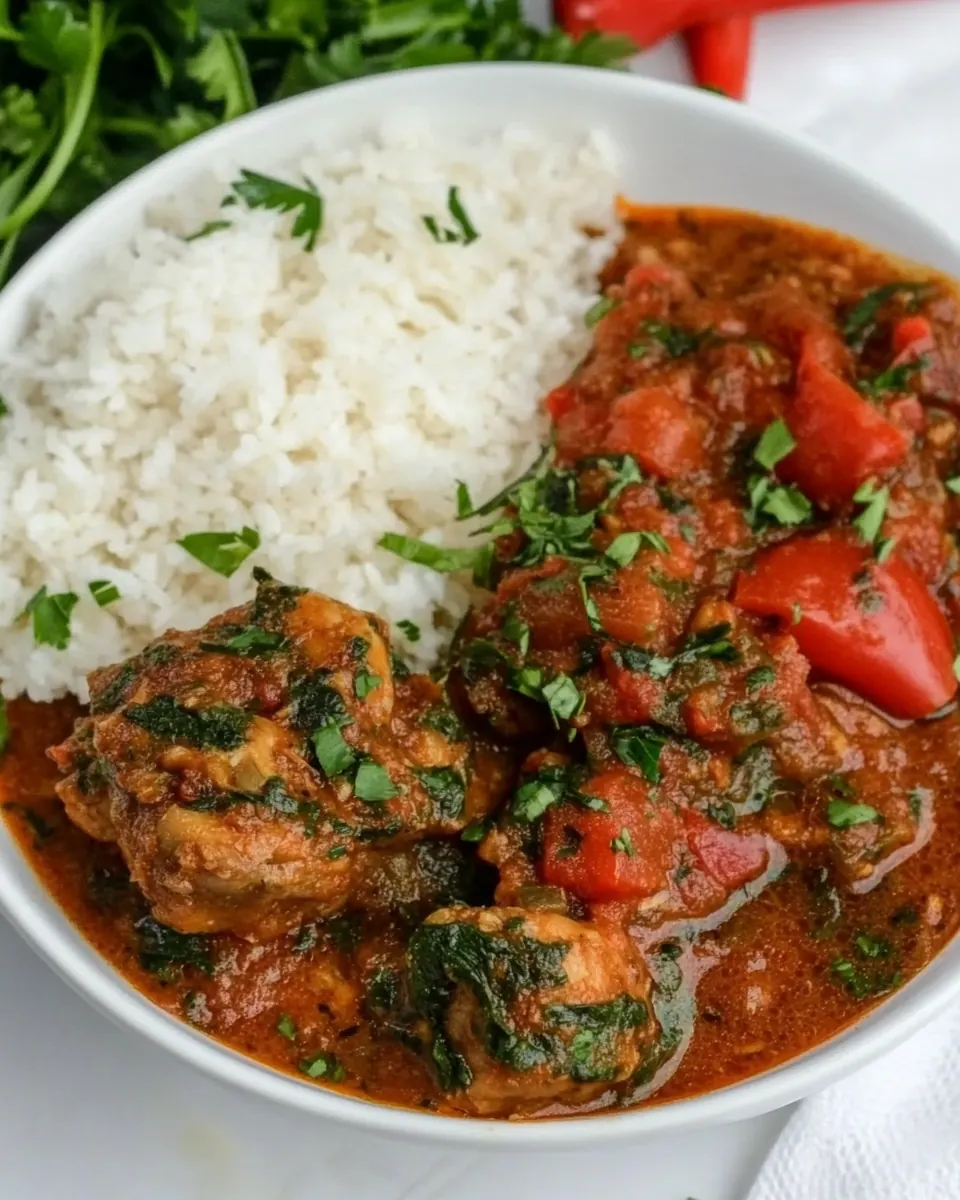
I like to approach the cooking rhythmically, first building the browned notes, then coaxing the sauce into a silky, cohesive finish. The following steps are written so you can rely on sensory cues, and so you know what to watch for at every stage.
- Heat some oil in a heavy pot or Dutch oven until very hot. Generously brown the chicken pieces on all sides (crucial for the flavor of the sauce). Remove the chicken. In the same pot, add some more oil and cook the onions until caramelized. Add the remaining ingredients and bring to a simmer, stirring until the peanut butter is fully incorporated. Return the chicken to the sauce, nestling it in the sauce. Cover and simmer over low for at least one hour. Add salt and pepper to taste.: The moment the oil shimmers and becomes just shy of smoking, you will know it is ready, and that high heat is what creates a flavorful crust on the chicken . You should hear an audible sizzle when the meat hits the surface, which is the sound of flavor forming. If the oil does not sizzle, the meat will absorb oil and steam instead, so raise the heat slightly but avoid letting the oil smoke, which will give a bitter edge. A common mistake is adding too much chicken at once and cooling the oil; work in batches if needed to preserve that hot surface.
- Serve with steamed rice or Fufu (see blog post for explanation). Note: This dish tastes even better the next day after the flavors have had more time to meld.: As the chicken sears, look for a deep golden to mahogany color and a crisped skin texture, that caramelized crust is crucial for enriching the sauce. The pot will develop fond, those browned bits stuck to the bottom are flavor gold, and you should not scrape them away; instead deglaze later. Avoid crowding the pot since that causes steaming and prevents proper browning, which would yield a weaker flavored sauce.
- Remove the chicken: When the pieces reach a deep color, transfer them to a plate to rest briefly, retaining the browned bits in the pot. The residual heat will carry on cooking the meat slightly and keep it juicy, while the fond left in the pot becomes the flavor base for the sauce. A frequent error is skipping this rest and adding underbrowned meat back into the liquid, which reduces the overall depth of flavor.
- In the same pot, add some more oil and cook the onions until caramelized: Use the rendered fat and a touch of added coconut oil to gently soften and then caramelize the onion , stirring periodically until they turn a deep golden brown. This process creates sweet, savory layers and mellows the raw edge of the onions, contributing to the stew s roundness. If the onions stick or scorch, lower the heat and stir more often, because burned onion will make the sauce bitter.
- Add the remaining ingredients and bring to a simmer, stirring until the peanut butter is fully incorporated: Once the onion is ready, add the tomatoes , tomato paste , drained spinach , bouillon cubes, peanut butter , and chicken broth . The mixture should bubble gently, and as you stir the peanut butter in, you will see the sauce thicken and become glossy, with a uniform texture. A lumpy or separated sauce means the peanut butter was added too quickly or the heat was too high; fix by lowering the heat and whisking or stirring steadily until smooth. Watch salt levels since bouillon cubes add concentrated sodium.
- Return the chicken to the sauce, nestling it in the sauce: Tuck each piece of chicken back into the simmering sauce so it is partially submerged, which allows the flavors to penetrate the meat as it finishes cooking. You will see the fat from the skin mingle with the sauce and help it gain body. Keep the simmer gentle, because a vigorous boil can toughen the meat and break the sauce emulsion. One common mistake here is rushing the simmer; a low and steady simmer yields the tenderest results.
- Cover and simmer over low for at least one hour: During this time, the sauce reduces slightly and concentrates, and the chicken becomes fall off the bone tender, releasing juices that deepen the sauce. You will notice a thickened, cohesive sauce and intensified aroma as minutes pass. If the sauce reduces too much, add a splash of chicken broth to loosen it; conversely, if it seems thin, simmer uncovered briefly to concentrate. Avoid lifting the lid often, as that releases heat and prolongs cooking.
- Add salt and pepper to taste: Near the end, taste the stew and adjust with the teaspoon of salt and the half teaspoon of freshly ground black pepper, balancing seasoning carefully because bouillon cubes contributed salt earlier. Season slowly and re-taste after each small adjustment; over-salting is hard to correct. If the stew tastes flat, a squeeze of acidity or a touch more peanut butter can brighten the profile.
- Serve with steamed rice or Fufu: Spoon the stew over steaming hot rice or traditional fufu, letting the sauce soak into the starch for the perfect bite. The contrast of the creamy sauce and the neutral starch is essential for balance, and you can top with extra pepper if you want more heat. A simple error is serving on cold or undercooked starch, which dulls the textural harmony; always serve hot.
- Note This dish tastes even better the next day after the flavors have had more time to meld: If you can, refrigerate leftovers and reheat gently the next day, the flavors will have woven together and the sauce will feel more integrated and rounded. Reheating slowly preserves texture and avoids breaking the emulsion, add a splash of broth if the sauce tightens up. Avoid overheating which can cause the peanut butter to separate and become oily.
Tips for Success
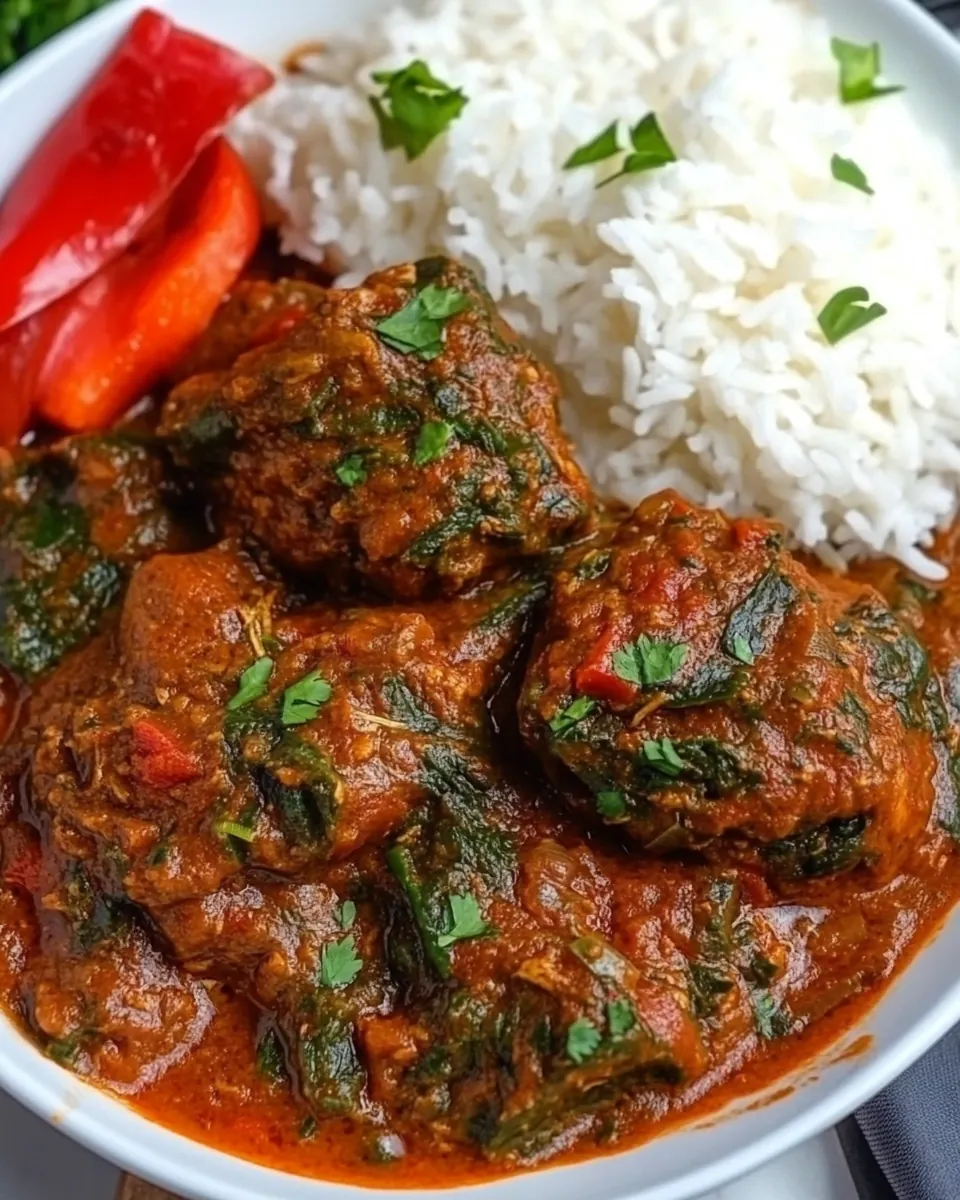
I like to share small, practical tips that make a big difference when preparing this stew. These focus on technique, timing, and ingredient handling so the final bowl is balanced, silky, and full of depth.
- Brown in batches: Work in batches when searing the chicken to keep the oil hot enough for proper browning and to avoid steaming, which results in weaker flavor.
- Use unsweetened peanut butter: Choose unsweetened and unsalted peanut butter to control the stews sweetness and salt levels; sweet varieties will throw off the balance.
- Drain the spinach well: Squeeze out excess water from the thawed spinach to prevent watering down the sauce and to maintain a richer, more concentrated texture.
- Control the heat: Keep the final simmer low and steady to tenderize the chicken without breaking down the sauce emulsion, a gentle bubble is ideal.
- Adjust salt late: Add salt near the end after reduction, because evaporation intensifies seasoning and bouillon cubes already add concentrated salt.
Great Combinations for African Chicken Peanut Stew
This stew pairs beautifully with simple starches and fresh, bright sides that balance its richness. Below I list thoughtful serving ideas, occasions, and storage tips that help you enjoy it to the fullest.
- Steamed white rice: The classic and easiest pairing, rice soaks up the sauce and provides a neutral backdrop to highlight the nutty, tomato rich flavors.
- Fufu or pounded yam: Traditional West African starches like fufu absorb the sauce and provide a textural contrast, making the meal feel authentically comforting.
- Simple green salad: A crisp salad with lemon or vinegar dressing brightens the bowl and cuts through the richness, offering a refreshing counterpoint on warmer days.
- Family dinners and winter nights: This recipe shines for casual family meals and chilly evenings when you want something warming and substantial that can feed several people with ease.
- Make ahead and store: Refrigerate leftovers in an airtight container for up to three days; the stew often tastes better after a day. Reheat gently on the stove with a splash of chicken broth to loosen the sauce if needed.
- Seasonal pairing: In winter, serve alongside roasted root vegetables or steamed greens for a hearty, seasonal plate that feels homey and nourishing.
FAQ
Conclusion
What makes this recipe special is the way simple ingredients come together to create a deeply savory, nutty, and comforting stew. The combination of browned chicken, a tomato forward base, and creamy peanut butter produces a richly layered dish that tastes even better the next day. Give it a try for a satisfying family meal or for an easy make ahead dinner, I think you will love how the flavors deepen with time and how forgiving the technique is.
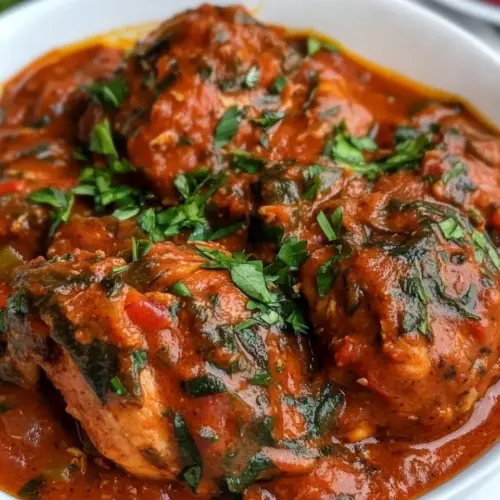
African Chicken Peanut Stew
Equipment
- Heavy pot or Dutch oven
- Spatula or wooden spoon
Ingredients
- 1 1/2 -2 pounds bone-in and skin-on chicken pieces (alternatively beef is also commonly used) Provide hearty protein and rich flavor to the stew; bone-in, skin-on pieces yield gelatinous, collagen-rich broth when simmered for depth and mouthfeel. Brown thoroughly to develop Maillard flavors that form the savory base of the dish.
- coconut oil for frying Add a high-heat cooking fat that imparts subtle coconut aroma and prevents sticking; use sparingly to brown the chicken and sauté aromatics without overpowering the other flavors. Melt gently and monitor temperature to avoid burning.
- 1 large yellow onion, chopped Build aromatic sweetness and savory complexity when sautéed; chopped yellow onion softens and caramelizes, contributing natural sugars that balance the tomato acidity. Add early in the cooking process to extract maximum flavor.
- 28 ounces canned diced tomatoes Contribute acidity, body, and tomato-forward character to the stew; canned diced tomatoes provide liquid and chunky texture that melds with the other ingredients. Pour in with juices to help deglaze the pan and form the tomato base.
- 6 ounce can tomato paste (not tomato sauce) Deliver concentrated tomato flavor and thicken the sauce; tomato paste intensifies umami and reduces watery consistency of the stew. Stir in and cook briefly to remove raw flavors and integrate fully.
- 10 ounce package frozen spinach, fully thawed and drained Introduce leafy green nutrients, color, and mild earthy flavor; fully thawed and drained frozen spinach blends into the stew and adds body without excessive water. Fold in near the end of cooking to preserve texture and nutrients.
- 1/3 cup unsweetened peanut butter Provide creamy richness and nutty depth while thickening the sauce; unsweetened peanut butter contributes the characteristic West African peanut flavor and smooth mouthfeel. Whisk thoroughly to ensure even distribution and prevent clumping.
- 3 Maggie or Knorr tomato bouillon cubes (a popular ingredient in West African cooking) Impart concentrated savory, tomato-forward seasoning commonly used in West African kitchens; tomato bouillon cubes boost depth and deliver layered umami. Crumble and dissolve into the broth for consistent seasoning.
- 1 teaspoon salt Enhance overall seasoning balance and help elevate other flavors; measured salt brings out the natural tastes of the ingredients without dominating. Add gradually and adjust to taste as the stew reduces.
- 1/2 teaspoon freshly ground black pepper Add gentle heat and aromatic complexity while highlighting other seasonings; freshly ground black pepper provides subtle pungency and brightness. Grind just before use for peak flavor.
- 1 cup chicken broth Supply additional savory liquid and help control stew consistency; chicken broth complements the chicken and enriches the cooking liquid with meaty depth. Use low-sodium if monitoring salt additions from bouillon and paste.
- Optional: For some heat add some red chilis or hot sauce Offer optional spicy kick or tang to suit personal preference; red chilis or hot sauce can be added to introduce heat and brighten flavors. Use cautiously and taste as you go to achieve the desired spice level.
Instructions
- Heat some oil in a heavy pot or Dutch oven until very hot. Generously brown the chicken pieces on all sides (crucial for the flavor of the sauce). Remove the chicken. In the same pot, add some more oil and cook the onions until caramelized. Add the remaining ingredients and bring to a simmer, stirring until the peanut butter is fully incorporated. Return the chicken to the sauce, nestling it in the sauce. Cover and simmer over low for at least one hour. Add salt and pepper to taste.: The moment the oil shimmers and becomes just shy of smoking, you will know it is ready, and that high heat is what creates a flavorful crust on the chicken . You should hear an audible sizzle when the meat hits the surface, which is the sound of flavor forming. If the oil does not sizzle, the meat will absorb oil and steam instead, so raise the heat slightly but avoid letting the oil smoke, which will give a bitter edge. A common mistake is adding too much chicken at once and cooling the oil; work in batches if needed to preserve that hot surface.
- Serve with steamed rice or Fufu (see blog post for explanation). Note: This dish tastes even better the next day after the flavors have had more time to meld.: As the chicken sears, look for a deep golden to mahogany color and a crisped skin texture, that caramelized crust is crucial for enriching the sauce. The pot will develop fond, those browned bits stuck to the bottom are flavor gold, and you should not scrape them away; instead deglaze later. Avoid crowding the pot since that causes steaming and prevents proper browning, which would yield a weaker flavored sauce.
- Remove the chicken: When the pieces reach a deep color, transfer them to a plate to rest briefly, retaining the browned bits in the pot. The residual heat will carry on cooking the meat slightly and keep it juicy, while the fond left in the pot becomes the flavor base for the sauce. A frequent error is skipping this rest and adding underbrowned meat back into the liquid, which reduces the overall depth of flavor.
- In the same pot, add some more oil and cook the onions until caramelized: Use the rendered fat and a touch of added coconut oil to gently soften and then caramelize the onion , stirring periodically until they turn a deep golden brown. This process creates sweet, savory layers and mellows the raw edge of the onions, contributing to the stew s roundness. If the onions stick or scorch, lower the heat and stir more often, because burned onion will make the sauce bitter.
- Add the remaining ingredients and bring to a simmer, stirring until the peanut butter is fully incorporated: Once the onion is ready, add the tomatoes , tomato paste , drained spinach , bouillon cubes, peanut butter , and chicken broth . The mixture should bubble gently, and as you stir the peanut butter in, you will see the sauce thicken and become glossy, with a uniform texture. A lumpy or separated sauce means the peanut butter was added too quickly or the heat was too high; fix by lowering the heat and whisking or stirring steadily until smooth. Watch salt levels since bouillon cubes add concentrated sodium.
- Return the chicken to the sauce, nestling it in the sauce: Tuck each piece of chicken back into the simmering sauce so it is partially submerged, which allows the flavors to penetrate the meat as it finishes cooking. You will see the fat from the skin mingle with the sauce and help it gain body. Keep the simmer gentle, because a vigorous boil can toughen the meat and break the sauce emulsion. One common mistake here is rushing the simmer; a low and steady simmer yields the tenderest results.
- Cover and simmer over low for at least one hour: During this time, the sauce reduces slightly and concentrates, and the chicken becomes fall off the bone tender, releasing juices that deepen the sauce. You will notice a thickened, cohesive sauce and intensified aroma as minutes pass. If the sauce reduces too much, add a splash of chicken broth to loosen it; conversely, if it seems thin, simmer uncovered briefly to concentrate. Avoid lifting the lid often, as that releases heat and prolongs cooking.
- Add salt and pepper to taste: Near the end, taste the stew and adjust with the teaspoon of salt and the half teaspoon of freshly ground black pepper, balancing seasoning carefully because bouillon cubes contributed salt earlier. Season slowly and re-taste after each small adjustment; over-salting is hard to correct. If the stew tastes flat, a squeeze of acidity or a touch more peanut butter can brighten the profile.
- Serve with steamed rice or Fufu: Spoon the stew over steaming hot rice or traditional fufu, letting the sauce soak into the starch for the perfect bite. The contrast of the creamy sauce and the neutral starch is essential for balance, and you can top with extra pepper if you want more heat. A simple error is serving on cold or undercooked starch, which dulls the textural harmony; always serve hot.
- Note This dish tastes even better the next day after the flavors have had more time to meld: If you can, refrigerate leftovers and reheat gently the next day, the flavors will have woven together and the sauce will feel more integrated and rounded. Reheating slowly preserves texture and avoids breaking the emulsion, add a splash of broth if the sauce tightens up. Avoid overheating which can cause the peanut butter to separate and become oily.
Notes
- Brown in batches: Work in batches when searing the chicken to keep the oil hot enough for proper browning and to avoid steaming, which results in weaker flavor.
- Use unsweetened peanut butter: Choose unsweetened and unsalted peanut butter to control the stews sweetness and salt levels; sweet varieties will throw off the balance.
- Drain the spinach well: Squeeze out excess water from the thawed spinach to prevent watering down the sauce and to maintain a richer, more concentrated texture.
- Control the heat: Keep the final simmer low and steady to tenderize the chicken without breaking down the sauce emulsion, a gentle bubble is ideal.
- Adjust salt late: Add salt near the end after reduction, because evaporation intensifies seasoning and bouillon cubes already add concentrated salt.
