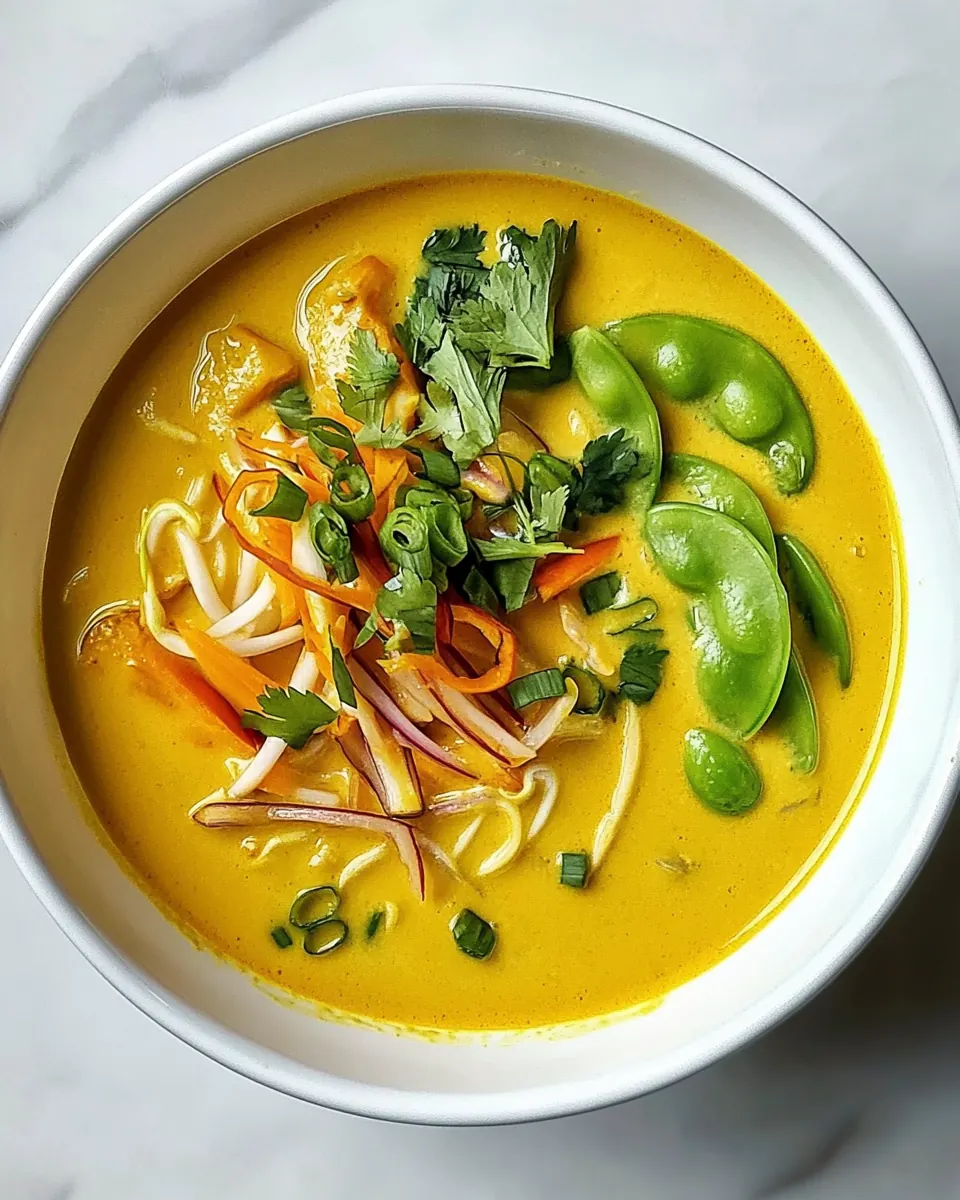
Thai Green Curry Soup
Thai Green Curry Soup has been one of those recipes I reach for when I want bold flavor with minimal fuss. The first time I made it, I was pulling ingredients together after a long day, tired but determined to salvage dinner with something bright and warming. That bowl delivered heat, creaminess, and a citrus lift that felt restorative, and since then it has become my go to when I want comfort without heaviness.
Over the years I have tweaked this soup in small ways, always keeping the heart of the dish intact. I love how a spoonful of Thai green curry paste transforms a simple pot of broth and coconut milk into something fragrant and layered. The memory of that first spoonful still makes me smile, especially when I add the finishing squeeze of lime juice and scatter fresh cilantro and sliced scallions on top.
What I appreciate most about Thai Green Curry Soup is how customizable it is. You can make it very simple with pantry staples or turn it into a full bowl meal with rice noodles and your choice of protein. My friends often ask for the recipe because it looks impressive but is surprisingly easy to pull together, and it stores well for lunches the next day. Over time this soup has become my fallback when I want big flavor on a weeknight.
Recipe Snapshot
25 mins
15 mins
10 mins
Medium
350 kcal
Thai
Gluten-Free, Vegan
Soups
Medium pot, Spatula or spoon
Why This Thai Green Curry Soup Stands Out
Bright, complex flavor in minutes
I love how Thai Green Curry Soup delivers a layered punch of flavor fast. The combination of green curry paste, ginger, and shallots creates an aromatic base that makes the whole kitchen smell like a restaurant. For busy evenings, this intensity without long hands on time is a huge win for me.
Comforting and light at once
This soup manages to be creamy from the coconut milk while staying light thanks to the broth and lime. I often want something soothing but not heavy, and this hits that sweet spot. The gentle heat from the curry paste warms you without overwhelming the other flavors.
Customizable bowls
I adore the way you can tailor each bowl. The recipe includes rice noodles as a canvas, and you can add tofu or shredded cooked chicken for protein. I frequently swap textures and find the soup plays nicely with extra herbs or an extra hit of sriracha sauce for spice lovers.
Simple pantry friendly ingredients
Most of the components are pantry staples: vegetable broth, coconut milk, soy sauce or Tamari, and a jar of green curry paste. I appreciate recipes that trust basic, accessible ingredients while still tasting elevated.
Great for leftovers and meal prep
I often make a pot on a Sunday and enjoy it across a few meals. The flavors meld and deepen, and reheating is straightforward. For busy weeks this soup becomes a reliable, delicious option that reduces stress without compromising taste.
What You Need for Thai Green Curry Soup
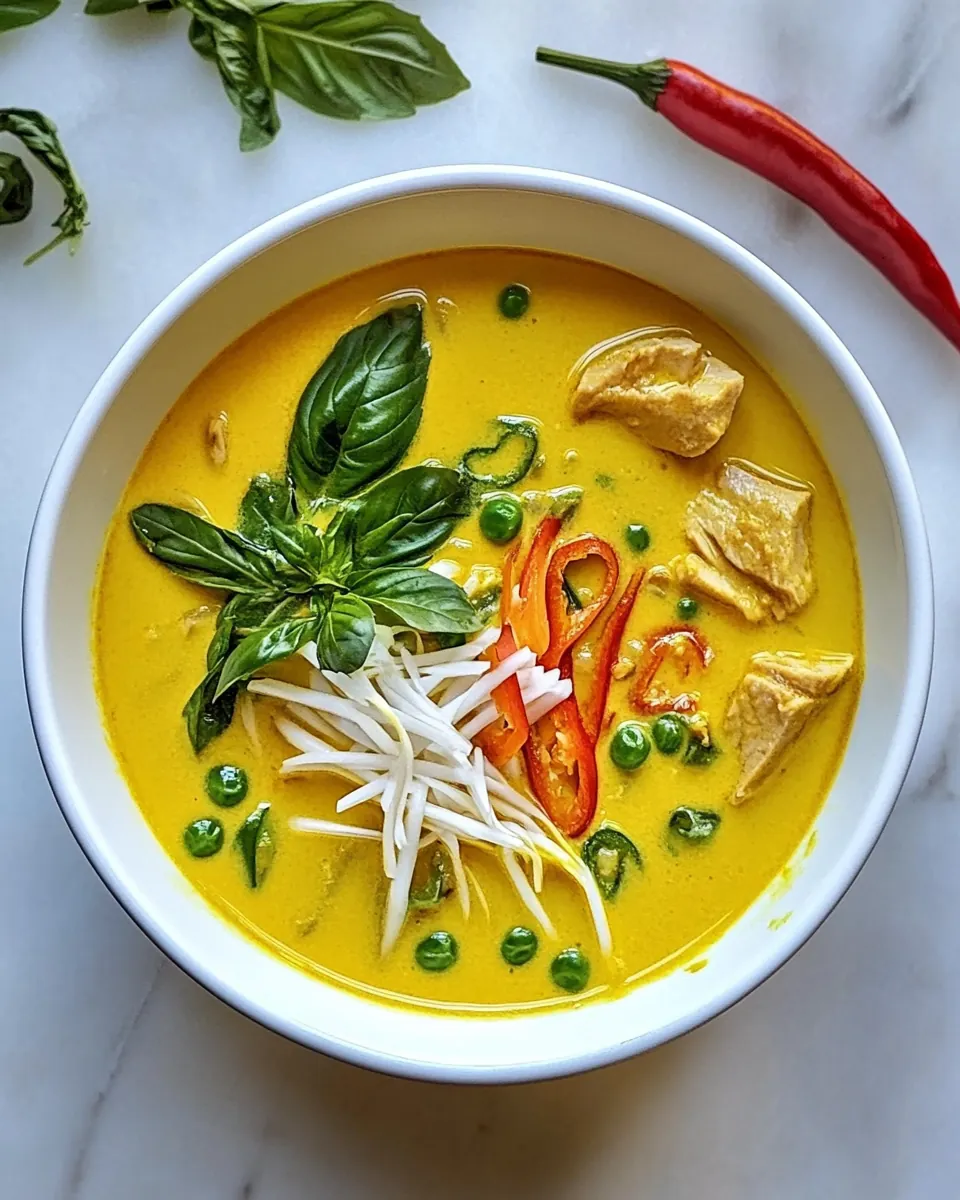
These ingredients work together to create a fragrant, balanced soup. The key players are the aromatic base of shallots and ginger, the bold umami of the green curry paste and soy sauce, and the creamy, silky body from the coconut milk. The rice noodles and fresh herbs finish each bowl with texture and brightness.
- 2 teaspoons canola oil or vegetable oil: Heat gently and provide a neutral cooking fat to sauté aromatics and prevent sticking while building flavor.
- 1/2 cup thinly sliced shallots (from 1-2 medium shallots): Slice thinly and add a sweet, mild oniony base that softens quickly and contributes delicate savory notes.
- 1 tablespoon minced fresh ginger (from about 1 thumb-sized piece): Mince finely and deliver warm, sharp, peppery heat with bright, aromatic complexity that lifts the broth.
- 2 tablespoons Thai green curry paste (I use Thai Kitchen brand which is vegan): Spoon in concentrated savory, herbal, and spicy flavor characteristic of Thai green curry; dissolves into the liquid to define the soup's profile.
- 1/4 teaspoon ground turmeric (; I just like it for color) (optional): Sprinkle sparingly to introduce warm, earthy color and a subtle bitter-sweet background note that enhances visual appeal.
- 4 cups low-sodium vegetable broth: Pour as the primary savory liquid to create body, dilute and carry flavors, and control the soup's saltiness.
- 14 ounces coconut milk (1 can): Shake into the pot to add creamy richness, tropical sweetness, and a silky mouthfeel that balances spicy elements.
- 1 tablespoon soy sauce or Tamari: Stir in to contribute umami and salty depth, rounding flavors and enhancing the overall savory balance.
- 1 tablespoon brown sugar: Measure and add to contribute gentle sweetness that counters heat and acid while promoting caramelized notes.
- 1/2 teaspoon kosher salt + more to taste: Season lightly to control the overall salt level and enhance other flavors; adjust later to taste for balance.
- 2 tablespoons fresh lime juice (from approx. 1 medium lime): Squeeze fresh to introduce bright acidity that lifts flavors, adds freshness, and balances richness and spice.
- 4 ounces thin rice noodles (prepped according to package instructions*): Prepare and add cooked to provide tender, satisfying carbohydrate texture that soaks up the flavorful broth.
- 1 bunch scallions (sliced): Slice and garnish to contribute a sharp mild onion crunch and fresh green color that complements the soup.
- 1/4 cup cilantro: Chop and sprinkle for a citrusy, herbaceous finish that adds freshness and aromatic brightness to each bowl.
- Sriracha sauce (to taste): Drizzle optionally to add concentrated chili heat and tang, allowing personalization of spice level per serving.
- Lime wedges: Serve alongside to provide an extra hit of fresh citrus acidity for squeezing over finished bowls to taste.
Recipe Steps for Thai Green Curry Soup
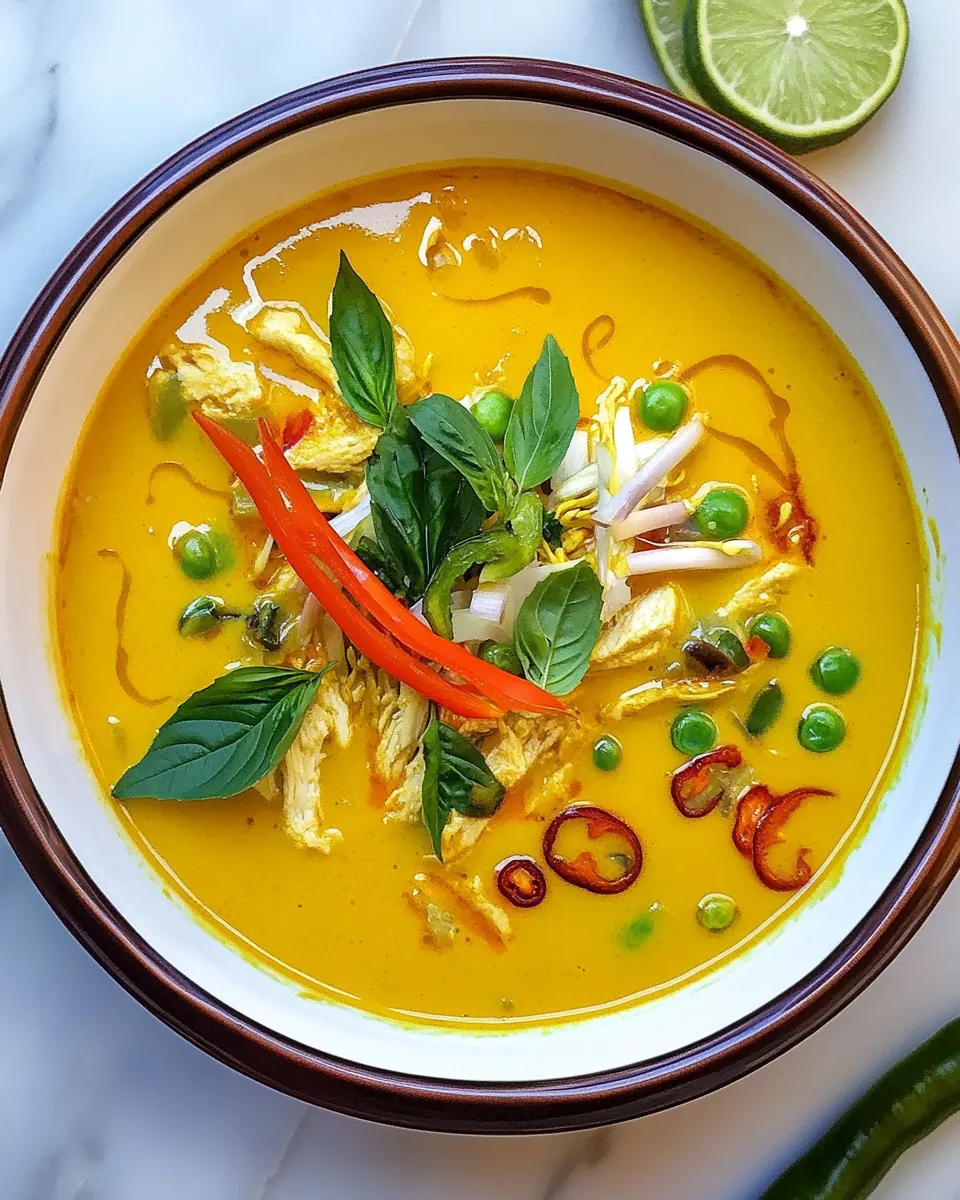
These steps are straightforward, aimed at building layers of flavor with a relatively quick finish. Read through them once, then cook confidently. Pay attention to the sensory cues and tasting moments I describe below.
- Set a medium pot over low heat. Add the oil. When hot, add the shallots and ginger. Cook, stirring frequently, until softened, about 5 minutes.: The moment the oil warms you will smell a neutral base that helps carry the aromatics. You want the oil hot enough that it becomes glossy but not smoking, which takes just a minute on low to medium low heat. The reason for starting gentle is to coax sweetness from the shallots and soften the ginger without browning, which keeps the soup mellow and fragrant. Listen for a faint shimmering sound, not a loud sizzle, and watch for a light ripple across the surface. A common mistake is cranking the heat which quickly browns the aromatics and creates bitterness. If that happens, lower the heat and add a splash of broth to rescue the pot.
- Add the green curry paste and turmeric (if using). Cook, stirring constantly, for one minute.: As the shallots and ginger soften you will notice a sweet, warm aroma that fills the kitchen, and the shallots turning translucent and glossy. Keep stirring every 20 to 30 seconds to ensure even softening, and use the back of a spatula to press the shallots lightly so they break down. The texture should be tender with no raw bite. If you see brown edges, the heat is too high; lower it and scrape those bits into the pan so they dissolve into the base rather than becoming crunchy fragments.
- Add the vegetable broth, coconut milk, soy sauce or Tamari, brown sugar, and 1/2 teaspoon kosher salt.: The green curry paste blooming in the hot oil will release an herbal, spicy fragrance that is the soul of the soup. Stirring constantly for about a minute helps the paste bloom and meld with the aromatics, releasing essential oils and deepening the flavor. You should see the paste become slightly darker and more integrated into the shallots. Avoid skipping this step because adding the paste directly to cold liquid prevents it from fully releasing its aromatics, making the soup flatter.
- Increase heat to medium and bring to a simmer. Reduce heat and simmer, uncovered, for 5 minutes.: When these liquids and seasonings hit the pot a soft hiss or gentle bubbling may start as temperatures equalize, and the aroma will open up into a layered perfume of coconut and curry. Stir to combine the ingredients fully so the coconut milk smooths into the broth and the soy sauce and brown sugar dissolve. The reason we add them now is to build a cohesive base that can then reduce slightly to concentrate flavors. A common pitfall is not stirring well enough, leaving thin streaks of coconut milk that avoid integrating; whisk or stir briskly to avoid that.
- Meanwhile, chop/shred your toppings and prepare the rice noodles according to package instructions.: As the pot comes to a simmer you will see small bubbles rising to the surface and the soup will start to steam, releasing an intensified aroma. Simmering for five minutes lets the flavors marry and the curry paste infuse the liquid. Keep the simmer gentle, not a rolling boil, to avoid breaking the coconut milk into oily patches. If the surface separates, lower the heat and whisk gently to reunite the broth. Over simmering aggressively can dull the bright notes, so stick close to the timing.
- Right before serving, stir lime juice into broth. Taste and add more salt if you like.: While the broth simmers, you will prep the fresh accents that give texture and freshness. Chopping the scallions and cilantro releases their aroma; keep them chilled until serving. Cooking the rice noodles per package ensures the right tender chew; they should be supple but not falling apart. A frequent error is over soaking or over boiling the noodles, which makes them mushy and they will soak up too much broth in the bowl. Rinse noodles under cool water after cooking to stop carryover cooking if the package suggests it.
- To serve, divide the noodles between four bowls. Add protein – chicken or tofu – to each bowl. Ladle the broth over the top. Scatter cilantro and scallions over the top and serve with additional lime wedges and sriracha.: Adding the lime juice at the end preserves its bright acidity, which sharpens flavors and balances the richness of the coconut milk . After stirring in the lime, taste the soup and adjust seasoning carefully; the interplay of soy sauce , broth, and lime may require a touch more salt or a little extra sugar to round edges. If you add acid too early, it can mute some aromatics, so reserve this step for the finish. A common misstep is over acidifying which flattens the curry, so add cautiously and taste between additions.
- To serve, divide the noodles between four bowls. Add protein – chicken or tofu – to each bowl. Ladle the broth over the top. Scatter cilantro and scallions over the top and serve with additional lime wedges and sriracha.: The final assembly is sensory rich, with steaming broth pooling around glossy rice noodles and the bright green scatter of cilantro and scallions . Ladling the hot broth over the noodles warms them and softens any crisp edges. If adding protein, place it in the bowl before the broth so it warms through. Finish with sriracha sauce and extra lime wedges on the side for guests to customize. Avoid assembling too far ahead because noodles can soak up liquid and herbs will wilt; serve promptly for the best contrast.
Expert Tips about Thai Green Curry Soup
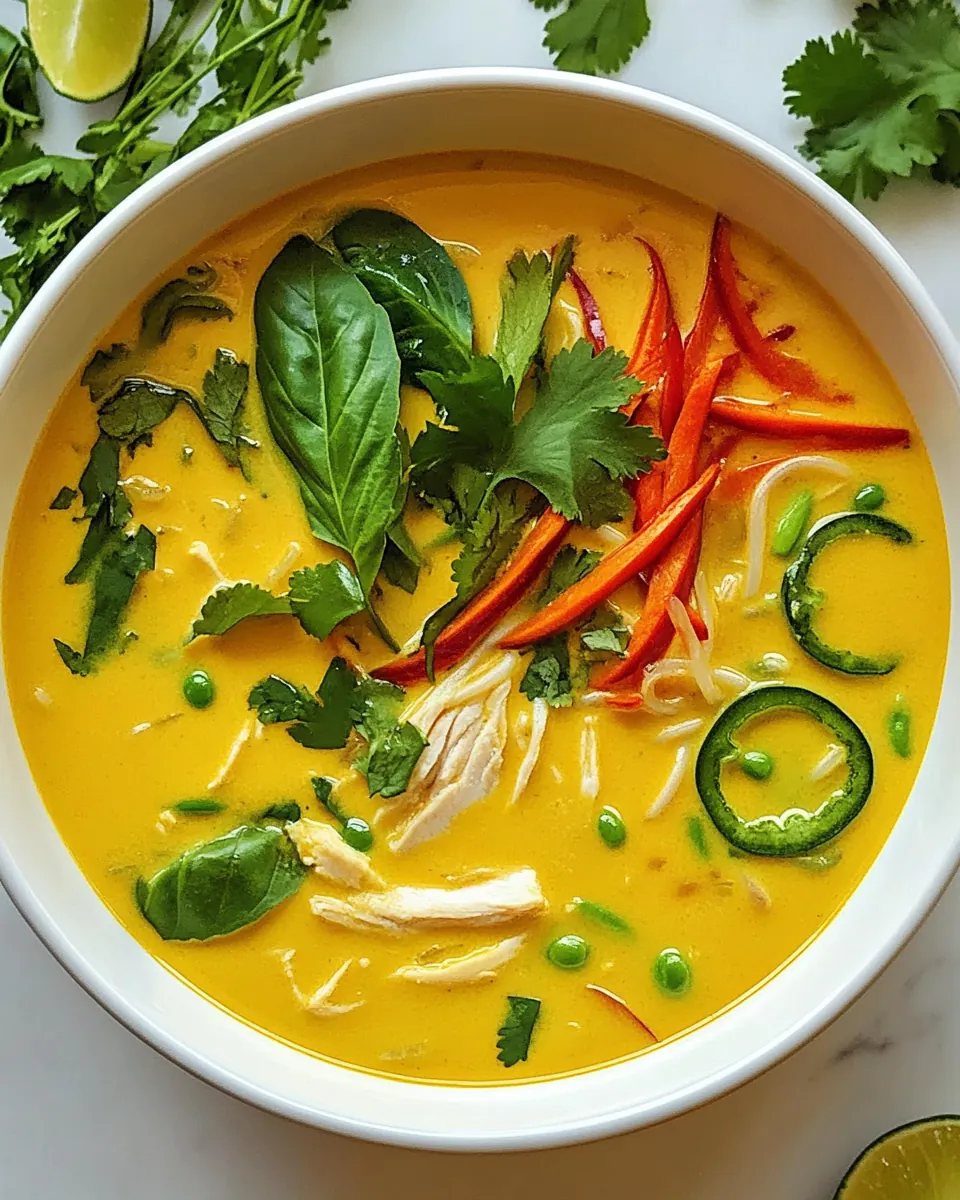
This recipe rewards attention to small details. Below I expand the notes field into practical tips that will help you make the best bowl possible, whether you are cooking for one or a crowd.
- Bloom the curry paste: Heat the paste briefly in oil with the aromatics to release essential oils and deepen flavor, which is what gives the soup its characteristic complexity.
- Choose the right coconut milk: Full fat coconut milk creates a creamy mouthfeel, while light versions will produce a thinner broth and less silkiness, so pick based on desired richness.
- Low sodium broth is your friend: It allows precise control over salt; you can always add more at the end but you cannot remove excess salt once added.
- Prep garnishes last minute: Slice scallions and chop cilantro right before serving to keep them bright and crunchy rather than wilting in the heat.
- Noodle timing: Follow package instructions carefully and test for tenderness, because overcooked rice noodles can become mushy and will absorb too much broth from the bowl.
What to Serve Alongside Thai Green Curry Soup
This soup works beautifully as a stand alone bowl or as part of a larger meal. Think about balance and texture when planning accompaniments. Here are a range of options and occasions where the soup shines.
- Steamed jasmine rice: A neutral starch that soaks up broth and makes the meal more filling for dinner service, perfect when serving to a group.
- Crisp cucumber salad: A cool, crunchy salad with a light vinegar dressing offers a refreshing contrast to the warm, spiced soup.
- Light green vegetables: Steamed or quickly sautéed greens like bok choy or baby spinach add color, nutrients, and a gentle vegetal counterpoint.
- Extra lime wedges and hot sauce: Let guests customize acidity and heat at the table, useful for family meals or entertaining when taste preferences vary.
- Occasions: This is ideal for weeknight dinners, casual dinner parties, or as a comforting lunch that reheats well, and it fits nicely into seasonal menus year round.
- Storage: Refrigerate leftovers in an airtight container for up to three days. Store noodles separately if possible to avoid them soaking up too much broth. Reheat gently on the stovetop to preserve texture.
- Serving style: Serve in deep bowls, offer garnishes in small dishes, and encourage guests to add herbs and hot sauce to taste for a personalized bowl experience.
FAQ
Conclusion
This soup stands out because it blends bold, aromatic curry with creamy coconut milk and bright lime for a bowl that feels both comforting and lively. You can easily adapt it to your pantry and preferences, making it a reliable choice for weeknights or casual entertaining. Give it a try the next time you want a fast, flavorful meal that still feels thoughtfully prepared. I hope it becomes one of your go to bowls as it has for me.
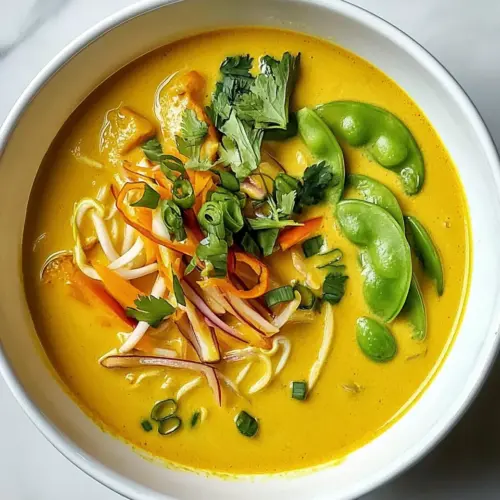
Thai Green Curry Soup
Equipment
- Medium Pot
- Spatula or spoon
Ingredients
- 2 teaspoons canola oil or vegetable oil Heat gently and provide a neutral cooking fat to sauté aromatics and prevent sticking while building flavor.
- 1/2 cup thinly sliced shallots (from 1-2 medium shallots) Slice thinly and add a sweet, mild oniony base that softens quickly and contributes delicate savory notes.
- 1 tablespoon minced fresh ginger (from about 1 thumb-sized piece) Mince finely and deliver warm, sharp, peppery heat with bright, aromatic complexity that lifts the broth.
- 2 tablespoons Thai green curry paste (I use Thai Kitchen brand which is vegan) Spoon in concentrated savory, herbal, and spicy flavor characteristic of Thai green curry; dissolves into the liquid to define the soup's profile.
- 1/4 teaspoon ground turmeric (optional; I just like it for color) Sprinkle sparingly to introduce warm, earthy color and a subtle bitter-sweet background note that enhances visual appeal.
- 4 cups low-sodium vegetable broth Pour as the primary savory liquid to create body, dilute and carry flavors, and control the soup's saltiness.
- 14 ounces coconut milk (1 can) Shake into the pot to add creamy richness, tropical sweetness, and a silky mouthfeel that balances spicy elements.
- 1 tablespoon soy sauce or Tamari Stir in to contribute umami and salty depth, rounding flavors and enhancing the overall savory balance.
- 1 tablespoon brown sugar Measure and add to contribute gentle sweetness that counters heat and acid while promoting caramelized notes.
- 1/2 teaspoon kosher salt + more to taste Season lightly to control the overall salt level and enhance other flavors; adjust later to taste for balance.
- 2 tablespoons fresh lime juice (from approx. 1 medium lime) Squeeze fresh to introduce bright acidity that lifts flavors, adds freshness, and balances richness and spice.
- 4 ounces thin rice noodles (prepped according to package instructions*) Prepare and add cooked to provide tender, satisfying carbohydrate texture that soaks up the flavorful broth.
- 1 bunch scallions (sliced) Slice and garnish to contribute a sharp mild onion crunch and fresh green color that complements the soup.
- 1/4 cup cilantro Chop and sprinkle for a citrusy, herbaceous finish that adds freshness and aromatic brightness to each bowl.
- Sriracha sauce (to taste) Drizzle optionally to add concentrated chili heat and tang, allowing personalization of spice level per serving.
- Lime wedges Serve alongside to provide an extra hit of fresh citrus acidity for squeezing over finished bowls to taste.
Instructions
- Set a medium pot over low heat. Add the oil. When hot, add the shallots and ginger. Cook, stirring frequently, until softened, about 5 minutes.: The moment the oil warms you will smell a neutral base that helps carry the aromatics. You want the oil hot enough that it becomes glossy but not smoking, which takes just a minute on low to medium low heat. The reason for starting gentle is to coax sweetness from the shallots and soften the ginger without browning, which keeps the soup mellow and fragrant. Listen for a faint shimmering sound, not a loud sizzle, and watch for a light ripple across the surface. A common mistake is cranking the heat which quickly browns the aromatics and creates bitterness. If that happens, lower the heat and add a splash of broth to rescue the pot.
- Add the green curry paste and turmeric (if using). Cook, stirring constantly, for one minute.: As the shallots and ginger soften you will notice a sweet, warm aroma that fills the kitchen, and the shallots turning translucent and glossy. Keep stirring every 20 to 30 seconds to ensure even softening, and use the back of a spatula to press the shallots lightly so they break down. The texture should be tender with no raw bite. If you see brown edges, the heat is too high; lower it and scrape those bits into the pan so they dissolve into the base rather than becoming crunchy fragments.
- Add the vegetable broth, coconut milk, soy sauce or Tamari, brown sugar, and 1/2 teaspoon kosher salt.: The green curry paste blooming in the hot oil will release an herbal, spicy fragrance that is the soul of the soup. Stirring constantly for about a minute helps the paste bloom and meld with the aromatics, releasing essential oils and deepening the flavor. You should see the paste become slightly darker and more integrated into the shallots. Avoid skipping this step because adding the paste directly to cold liquid prevents it from fully releasing its aromatics, making the soup flatter.
- Increase heat to medium and bring to a simmer. Reduce heat and simmer, uncovered, for 5 minutes.: When these liquids and seasonings hit the pot a soft hiss or gentle bubbling may start as temperatures equalize, and the aroma will open up into a layered perfume of coconut and curry. Stir to combine the ingredients fully so the coconut milk smooths into the broth and the soy sauce and brown sugar dissolve. The reason we add them now is to build a cohesive base that can then reduce slightly to concentrate flavors. A common pitfall is not stirring well enough, leaving thin streaks of coconut milk that avoid integrating; whisk or stir briskly to avoid that.
- Meanwhile, chop/shred your toppings and prepare the rice noodles according to package instructions.: As the pot comes to a simmer you will see small bubbles rising to the surface and the soup will start to steam, releasing an intensified aroma. Simmering for five minutes lets the flavors marry and the curry paste infuse the liquid. Keep the simmer gentle, not a rolling boil, to avoid breaking the coconut milk into oily patches. If the surface separates, lower the heat and whisk gently to reunite the broth. Over simmering aggressively can dull the bright notes, so stick close to the timing.
- Right before serving, stir lime juice into broth. Taste and add more salt if you like.: While the broth simmers, you will prep the fresh accents that give texture and freshness. Chopping the scallions and cilantro releases their aroma; keep them chilled until serving. Cooking the rice noodles per package ensures the right tender chew; they should be supple but not falling apart. A frequent error is over soaking or over boiling the noodles, which makes them mushy and they will soak up too much broth in the bowl. Rinse noodles under cool water after cooking to stop carryover cooking if the package suggests it.
- To serve, divide the noodles between four bowls. Add protein – chicken or tofu – to each bowl. Ladle the broth over the top. Scatter cilantro and scallions over the top and serve with additional lime wedges and sriracha.: Adding the lime juice at the end preserves its bright acidity, which sharpens flavors and balances the richness of the coconut milk . After stirring in the lime, taste the soup and adjust seasoning carefully; the interplay of soy sauce , broth, and lime may require a touch more salt or a little extra sugar to round edges. If you add acid too early, it can mute some aromatics, so reserve this step for the finish. A common misstep is over acidifying which flattens the curry, so add cautiously and taste between additions.
- To serve, divide the noodles between four bowls. Add protein – chicken or tofu – to each bowl. Ladle the broth over the top. Scatter cilantro and scallions over the top and serve with additional lime wedges and sriracha.: The final assembly is sensory rich, with steaming broth pooling around glossy rice noodles and the bright green scatter of cilantro and scallions . Ladling the hot broth over the noodles warms them and softens any crisp edges. If adding protein, place it in the bowl before the broth so it warms through. Finish with sriracha sauce and extra lime wedges on the side for guests to customize. Avoid assembling too far ahead because noodles can soak up liquid and herbs will wilt; serve promptly for the best contrast.
Notes
- Bloom the curry paste: Heat the paste briefly in oil with the aromatics to release essential oils and deepen flavor, which is what gives the soup its characteristic complexity.
- Choose the right coconut milk: Full fat coconut milk creates a creamy mouthfeel, while light versions will produce a thinner broth and less silkiness, so pick based on desired richness.
- Low sodium broth is your friend: It allows precise control over salt; you can always add more at the end but you cannot remove excess salt once added.
- Prep garnishes last minute: Slice scallions and chop cilantro right before serving to keep them bright and crunchy rather than wilting in the heat.
- Noodle timing: Follow package instructions carefully and test for tenderness, because overcooked rice noodles can become mushy and will absorb too much broth from the bowl.