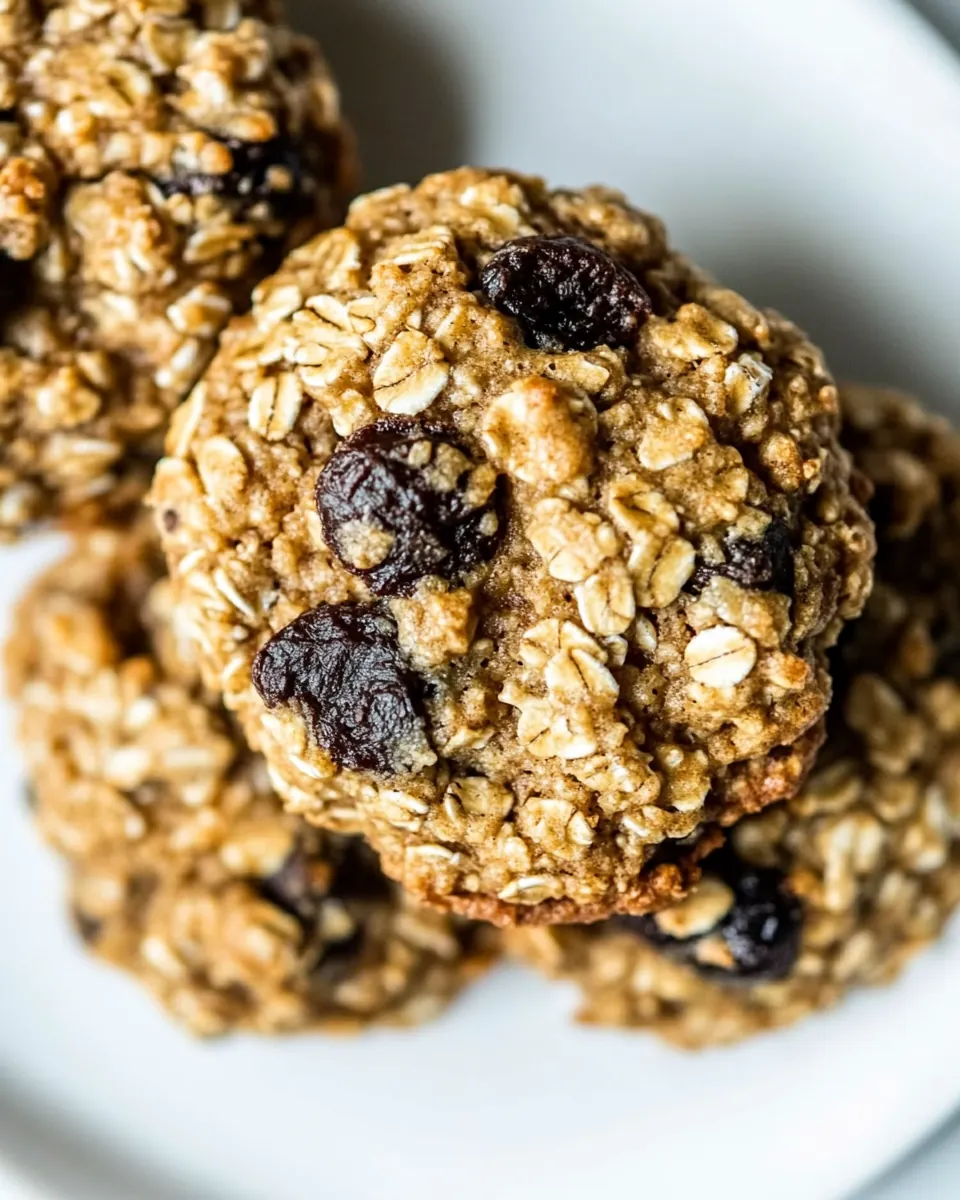
Oatmeal Cookies
Oatmeal Cookies have been my go to comfort treat since I learned to bake with my grandmother on rainy afternoons. The first time I tasted one straight from the oven, the edges were crisp, the center tender, and the aroma of cinnamon and butter wrapped around me like a warm blanket. I still remember balancing on a stool as a kid, eager to press dough into balls while she winked and warned me about getting flour everywhere.
Baking these Oatmeal Cookies became my ritual when I needed something grounding after a long day, or when I wanted a simple homemade gift to take to a neighbor. Over time I fiddled with textures and add ins, learning that a few small choices change everything, yet the soul of the cookie remains the same. I love how the chewy oats play with the soft, slightly caramelized brown sugar and the little pops of raisins or chips, creating a cookie that is at once nostalgic and endlessly adaptable.
Recipe Snapshot
25 mins
15 mins
10 mins
Medium
150 kcal
American
Gluten-Free, Low FODMAP
Desserts
Oven, Mixing bowls, Baking sheet, Parchment paper, Cookie scoop
What We Adore About This Oatmeal Cookies
Comforting Texture that Feels Homemade
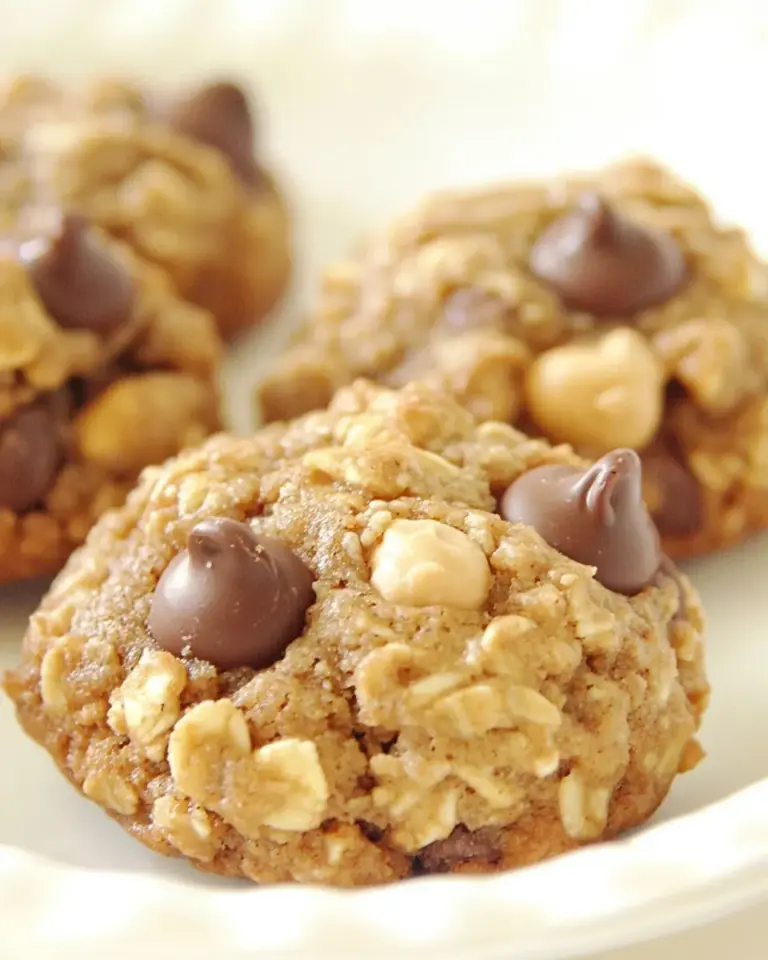
I love how these Oatmeal Cookies deliver a chewy center with lightly crisped edges, giving each bite texture contrast that feels like a hug. The old fashioned rolled oats hold moisture differently than quick oats, so the result is heartier and more satisfying, and the aroma as they bake signals you are about to enjoy something genuinely homemade.
Flexible Flavor Options
One reason I reach for this recipe often is how forgiving it is. You can play with raisins, chocolate chips, or toasted nuts to make the cookies more nutty, fruity, or decadent. I like mixing and matching depending on mood or who I am baking for, and it never feels like I am compromising the cookie’s core character.
Reliable and Quick
These are realistic cookies for busy days. The straightforward ingredient list and fast bake time make it easy to have warm treats within an hour. I value recipes that respect time yet deliver character, and these Oatmeal Cookies do exactly that, from measuring to the first bite.
Great for Sharing and Storing
Because they hold up well at room temperature and freeze beautifully, these cookies are perfect for gifting or preparing ahead. I often bake a double batch, set some aside for friends, and freeze the rest. The texture and flavor remain terrific after thawing, which makes them a practical favourite in my kitchen.
Balanced Sweetness and Spice
I appreciate the subtle warmth of ground cinnamon and the nuanced salt from kosher salt, which together keep the sweetness from overpowering the senses. The brown sugar adds a gentle molasses note, tying everything together so each bite feels rounded and intentional.
What You’ll Need for Oatmeal Cookies
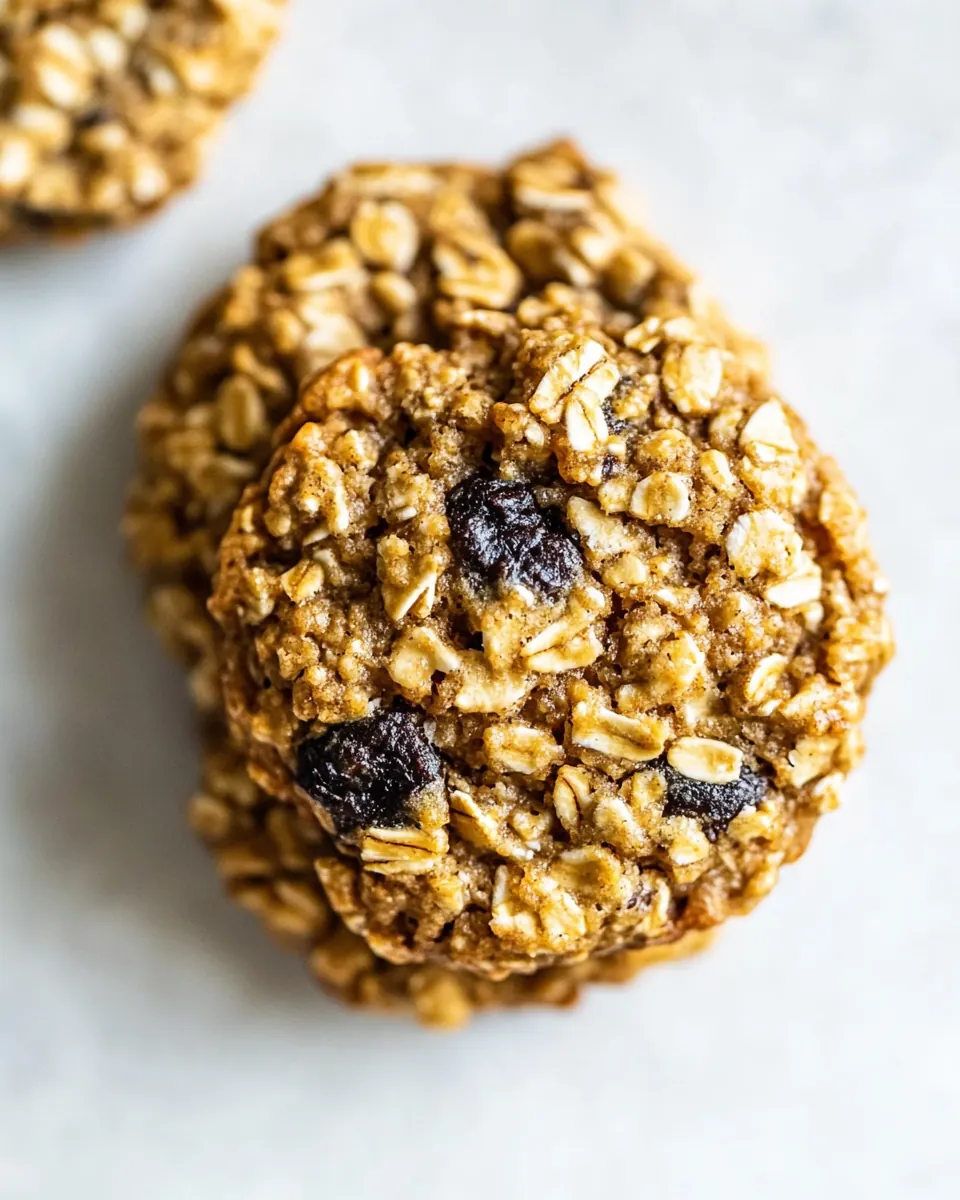
For these Oatmeal Cookies I like to think of the ingredient list as a small orchestra. Each player has a role: the butter brings richness and helps create crisp edges, while brown sugar lends chew and a toffee like depth. The dry players like all purpose flour, baking soda, and warm spices provide structure and lift, and the star, old fashioned rolled oats, gives that signature hearty chew. Together they hit the right notes to create a cookie that is more than the sum of its parts.
- 1/2 cup unsalted butter 1 stick: Soften until easily spreadable and provide a rich, tender texture to the cookies; creaming with sugar helps incorporate air for lightness and enhances flavor when browned during baking.
- 1/2 cup chopped pecans or walnuts (optional): Toast lightly to add crunchy texture and a nutty flavor contrast; chop to distribute evenly throughout the dough and boost overall mouthfeel, using pecans or walnuts based on preference.
- 3/4 cup all-purpose flour: Sift or whisk for an even, tender structure and to combine with leavening; provides the bulk and gluten necessary for chew and shape while balancing wet ingredients.
- 1/2 teaspoon baking soda: Dissolve into the dry mix to gently leaven and create subtle lift; helps produce a tender crumb and prevents overly dense cookies when used in small amount.
- 1/2 teaspoon kosher salt: Dissolve to enhance flavor depth and balance sweetness while strengthening gluten slightly; use kosher salt to brighten flavors and round out the overall taste profile.
- 1/2 teaspoon ground cinnamon: Sprinkle into the dough to impart warm, aromatic notes and complement the oats and brown sugar; ground cinnamon enhances perceived sweetness and adds complexity.
- 1/8 teaspoon ground nutmeg (optional): Grate or measure sparingly to lend warm, nutty undertones and aromatic depth; nutmeg pairs well with cinnamon and enriches the cookie's spiced character when used optionally.
- 3/4 cup packed light brown sugar: Cream with butter to provide moisture, deep caramel notes, and chewiness; packed light brown sugar contributes acidity that reacts with leavening and enhances color.
- 1 large egg at room temperature: Bring to room temperature to ensure even incorporation and structure; whole egg adds moisture, binding, and contributes to lift and browning during baking.
- 1 large egg yolk at room temperature: Temper to add concentrated richness and additional binding without excess liquid; yolk increases tenderness, fat content, and creates a chewier texture in the cookie.
- 1 teaspoon pure vanilla extract: Measure precisely to add floral and sweet aromatic complexity; pure vanilla extract rounds flavors, enhances perceived sweetness, and ties aromatic notes together.
- 2 cups old fashioned rolled oats: Fold in to supply hearty texture, chewiness, and oat flavor; old fashioned rolled oats retain structure during baking and contribute a rustic mouthfeel.
- 3/4 cup raisins or chocolate chips or a mix (see more ideas above): Stir in to introduce pockets of sweetness or chocolate richness and varied texture; raisins or chocolate chips (or a mix) create flavor contrast and bursts of gooeyness.
Directions for Oatmeal Cookies
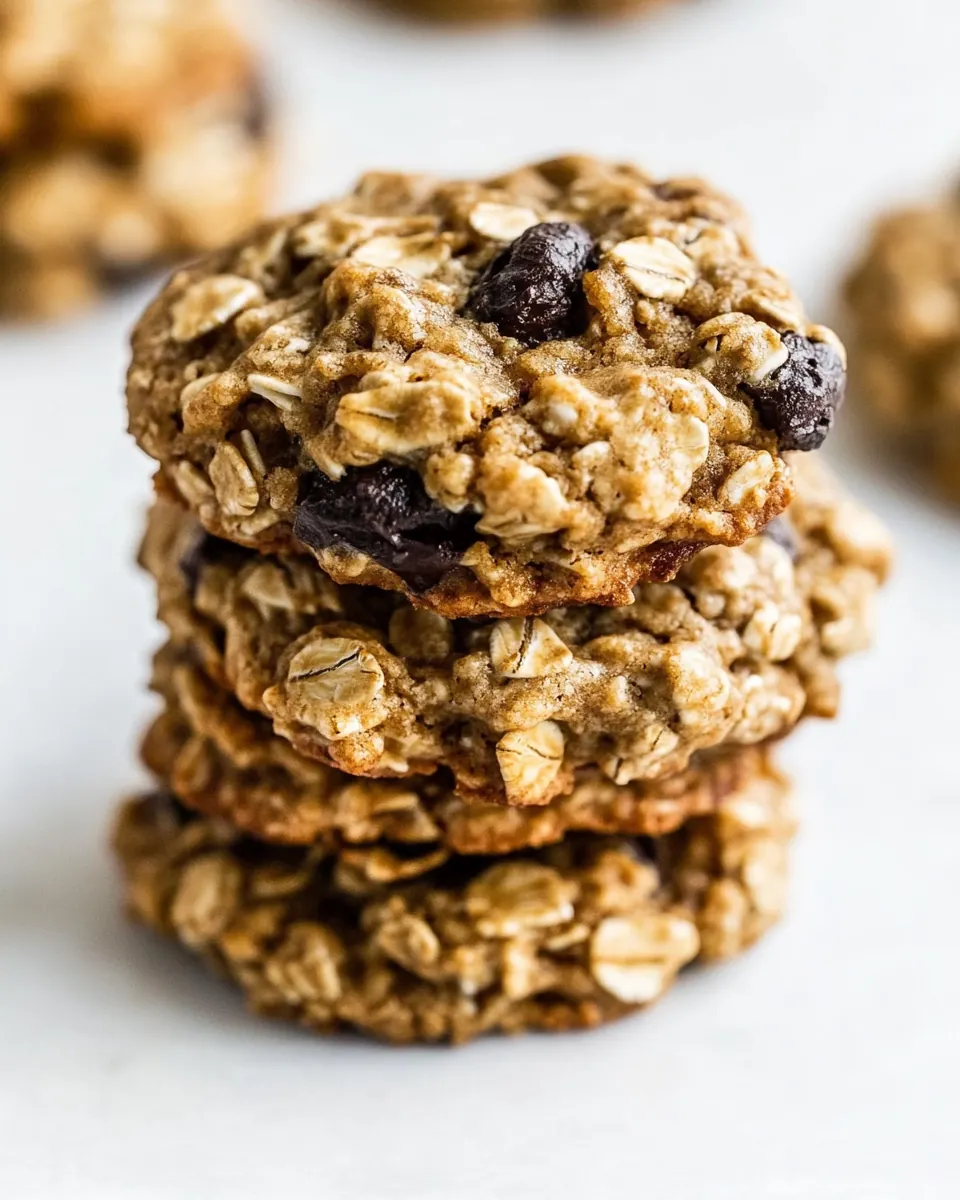
These directions will walk you through methodical, sensory rich steps so you can reproduce the texture and flavor I love. I approach baking like a rhythm, noticing sight and smell cues rather than counting blindly. Follow the sequence and pay attention to the little details that make the difference.
- In a medium bowl, melt the butter and let come to room temperature. Preheat the oven to 350 degrees F. Line a baking sheet with parchment paper. Spread the pecans in a single layer on a separate baking sheet. Roast in the oven until fragrant and toasted, about 8 minutes. Set aside to cool.: The moment you pour melted butter into a bowl the kitchen will fill with a toasty, rich scent, and letting it cool prevents stray heat from cooking the egg s when combined. You want it warm to the touch rather than steaming, so wait until it feels neutral on your wrist. This cooling also preserves the integrity of the emulsifiers, giving you a smoother batter. A common misstep is adding the eggs to hot butter, which can cause curdling and ruin the texture. If you notice the butter is still warm, let it rest on the counter for several minutes, stirring occasionally to release trapped heat. The goal is even incorporation and a stable dough that bakes into evenly textured cookies.
- In a large bowl, combine the flour, baking soda, salt, cinnamon, and nutmeg.: As the oven warms its dry heat will draw moisture out of the kitchen briefly and the air will smell faintly warm, signaling readiness. Preheating ensures the cookies begin baking immediately on contact, which contributes to proper rise and predictable spread. An oven that is too cool leads to pale, flat cookies, while an overheated oven can brown edges too quickly and leave centers underbaked. If your oven runs hot or cold, use an oven thermometer to check; err on the side of slightly lower temperature if unsure, and increase bake time by small increments while watching for golden edges.
- To the bowl with the melted butter, add the brown sugar, egg, egg yolk, and vanilla. Whisk briskly until well combined.: Parchment creates a nonstick surface so the bottoms brown evenly without sticking, and it helps with easy transfer to a cooling rack. As you place the sheet you'll notice a matte finish that allows dough to settle without sliding, which preserves round edges. Using an unlined pan or greased sheet can encourage excess spreading or uneven browning, so this small prep step protects your end result. If parchment is unavailable, a silicone baking mat is the best alternative, but avoid greasing pans which often cause more spreading.
- Pour the wet ingredients into a bowl with the dry ingredients. With a rubber spatula or wooden spoon, stir to combine.: When you spread out the chopped pecans each piece gets exposed to dry heat, which releases oils and creates a fragrant toasting aroma. Toasting on a sheet concentrates the scent and deepens the nutty flavor, making the final cookies more complex. If you pile the nuts they steam instead of toast, resulting in a mild, muted flavor. Watch them closely because nuts can go from browned to burnt quickly; remove them when they become fragrant and slightly darker, then let them cool before folding into dough.
- Stir in the oats, raisins, and walnuts. If your dough is too soft to scoop, refrigerate it for 20 to 30 minutes (or for optimum texture refrigerate a few hours. That said you can proceed right away and still have really delicious cookies!).: As the nuts roast, you'll hear a faint whisper of heat and smell that warm, toasty perfume that tells you they are nearly done. Timing can vary by oven and nut size, so check around the 6 minute mark to prevent burning. Let the toasted nuts cool completely so they do not melt butter in the dough or change the batter temperature. One mistake is folding warm nuts into chilled dough which can soften the dough and alter scoopability; cool fully for best texture.
- With a cookie scoop or spoon, portion the dough by 1 1/2-tablespoonfuls and roll into a ball (the balls will be about 1 1/2 inches wide and you will have about 22 cookies). If the dough sticks to your hands, very lightly moisten them with water. Place the balls on the parchment-lined cookie sheet, leaving an inch of space between them. Refrigerate the bowl with any unscooped cookie dough until you are ready to finish the following batches.: Dry ingredients blended together create a uniform base so leavening and spice distribute evenly, ensuring each cookie tastes balanced. When you whisk them the flour will look lighter and the specks of cinnamon and nutmeg will be dispersed throughout, which is an immediate visual cue that you mixed thoroughly. Overly vigorous mixing after adding wet ingredients can toughen cookies, but combining dry elements ahead of time prevents uneven pockets of leavening and spice. If you see clumps, break them up with a fork to ensure smooth incorporation later.
- Bake oatmeal cookies for 10 minutes, until they are golden on the top and edges, but still look underdone in the center. Let rest on the baking sheet for 5 minutes, then transfer to a rack to cool completely (or for as long as you can stand). Repeat with remaining cookie dough, ensuring that you let the baking sheet cool completely between batches or the cookies will spread.: The spooning of brown sugar into warm butter will release a molasses aroma and the mixture will look glossy as you whisk. Whisking briskly emulsifies the wet ingredients and dissolves sugar slightly, producing a cohesive batter that traps air and promotes tender crumb. If the butter is too hot the eggs may cook and scramble, so check temperature first. A common error is under whisking, which leaves greasy streaks and an uneven final texture, so whisk until smooth and homogenous.
- Whisk briskly until well combined.: As you whisk the bowl will click with the motion and the mixture will become slightly paler and thicker, showing signs of aeration. This aeration matters because it supports lift and produces a softer interior. If you stop too soon you may get dense cookies, while overbeating can incorporate too much air, changing chewiness. Aim for a glossy, cohesive mix without foam, and scrape the bowl to ensure all ingredients are folded in.
- Pour the wet ingredients into a bowl with the dry ingredients.: When the wet meets the dry, dust will rise briefly and a mosaic of beige and brown will form as you fold them together, signaling the dough is coming to life. Folding preserves some air and avoids overworking gluten, which keeps cookies tender. Resist vigorous beating which can make cookies tough; instead use a gentle folding motion until streaks disappear. If the dough seems crumbly, a splash of milk can rescue it, but only use tiny amounts to avoid overhydrating.
- With a rubber spatula or wooden spoon, stir to combine.: The scrape of the spatula against the bowl and the thickening sound of turning dough are sensory cues that you are close to the right consistency. Stir until there are no visible streaks of flour, but stop once uniformity is achieved to prevent gluten development. One common mistake is mixing on too high a speed with a mixer at this stage; it creates excessive gluten and alters chewiness. Use a hand tool and gentle pressure for the ideal texture.
- Stir in the oats, raisins, and walnuts.: As you fold in the oats the mixture will thicken and take on a rustic, chunky appearance, and the raisins or walnuts will tuck into the pockets of dough. The oats absorb moisture and create that classic chew, while the inclusions add pockets of flavor. If the dough becomes too loose, chilling helps firm it so you can scoop evenly. Avoid adding extra mix ins beyond the specified amount, as too many can make shaping difficult and lead to uneven baking.
- If your dough is too soft to scoop, refrigerate it for 20 to 30 minutes.: Chilling firms the fats and tightens the dough, making it easier to portion and helping cookies hold their shape in the oven. You will notice the dough become less sticky and more moldable after chilling, and the cookies will bake with a thicker profile and chewier center. A common mistake is refrigerating too briefly, which leaves dough still tacky and hard to work with, so be patient and test with a small scoop before proceeding.
- For optimum texture refrigerate a few hours.: Extended chilling deepens flavor as the flour hydrates and the sugars mellow, resulting in a more complex tasting cookie. The dough firms significantly, creating less spreading and a denser chew once baked. If time allows, overnight rest improves texture, but remember to keep the dough covered to prevent drying. Overchilling can make scooping harder, so allow the dough to sit at room temperature for several minutes before forming balls if it becomes rock solid.
- With a cookie scoop or spoon, portion the dough by 1 1/2-tablespoonfuls and roll into a ball.: When you portion the dough consistently the cookies will bake uniformly, and rolling into tidy balls creates rounded edges that bake into an attractive shape. The 1 1/2 tablespoon size produces cookies about 1 1/2 inches wide, a convenient single bite or two, and yields about 22 cookies. If your hands pick up too much dough, lightly wet them to prevent sticking, which preserves the dough texture. Inconsistent portioning leads to uneven bake times and mismatched textures across the batch.
- If the dough sticks to your hands, very lightly moisten them with water.: A light dab of water on your fingertips prevents sticking without adding moisture to the dough, and you will feel the surface become silky as you shape each ball. Avoid using oil or too much water which can alter the dough balance and create flatter cookies. One misstep is soaking hands in water which transfers excess moisture into the dough, so use just enough to make shaping comfortable.
- Place the balls on the parchment-lined cookie sheet, leaving an inch of space between them.: As you arrange the balls on the sheet you will see how spacing affects final spread; an inch allows the cookies to expand without merging, preserving rounded edges. Proper spacing ensures even browning across the tray. Overcrowding yields uneven heat circulation and can produce soft middles or joined cookies, so use multiple sheets if needed.
- Refrigerate the bowl with any unscooped cookie dough until you are ready to finish the following batches.: Keeping leftover dough chilled prevents it from warming and becoming sticky, which would change scoopability and bake characteristics. The chilled dough will give consistent cookies batch after batch. A frequent error is leaving dough at room temperature between batches which can cause varying spread and texture; keep it covered and cool.
- Bake oatmeal cookies for 10 minutes, until they are golden on the top and edges, but still look underdone in the center.: As they bake you will notice edges turning golden and a sweet, toasted aroma filling the kitchen; centers will remain slightly soft and pale which is exactly right. This contrast produces a cookie with crisp edges and a chewy center. Overbaking will dry them, so pull them at the moment the centers look just set but not browned. If you prefer firmer cookies, add a minute or two, but watch closely because color changes happen quickly near the end of baking.
- Let rest on the baking sheet for 5 minutes, then transfer to a rack to cool completely.: During this brief rest the cookies continue to set as residual heat finishes cooking the centers, and they firm enough to move without breaking. Transfer to a rack to prevent the bottoms from steaming and becoming soggy. Removing them too soon can cause them to fall apart, while leaving them too long on a hot sheet can overcook the bottom, so the five minute window is a good guideline.
- Repeat with remaining cookie dough, ensuring that you let the baking sheet cool completely between batches or the cookies will spread.: A cool baking surface preserves the dough shape when placed on the tray, preventing premature melting of fats and excess spreading. If the pan is warm, cookies will flatten and lose their chewier center. Use multiple sheets or cool the pan on a rack if you are baking many batches, and resist the urge to hurry this step for more consistent results.
Helpful Notes about Oatmeal Cookies
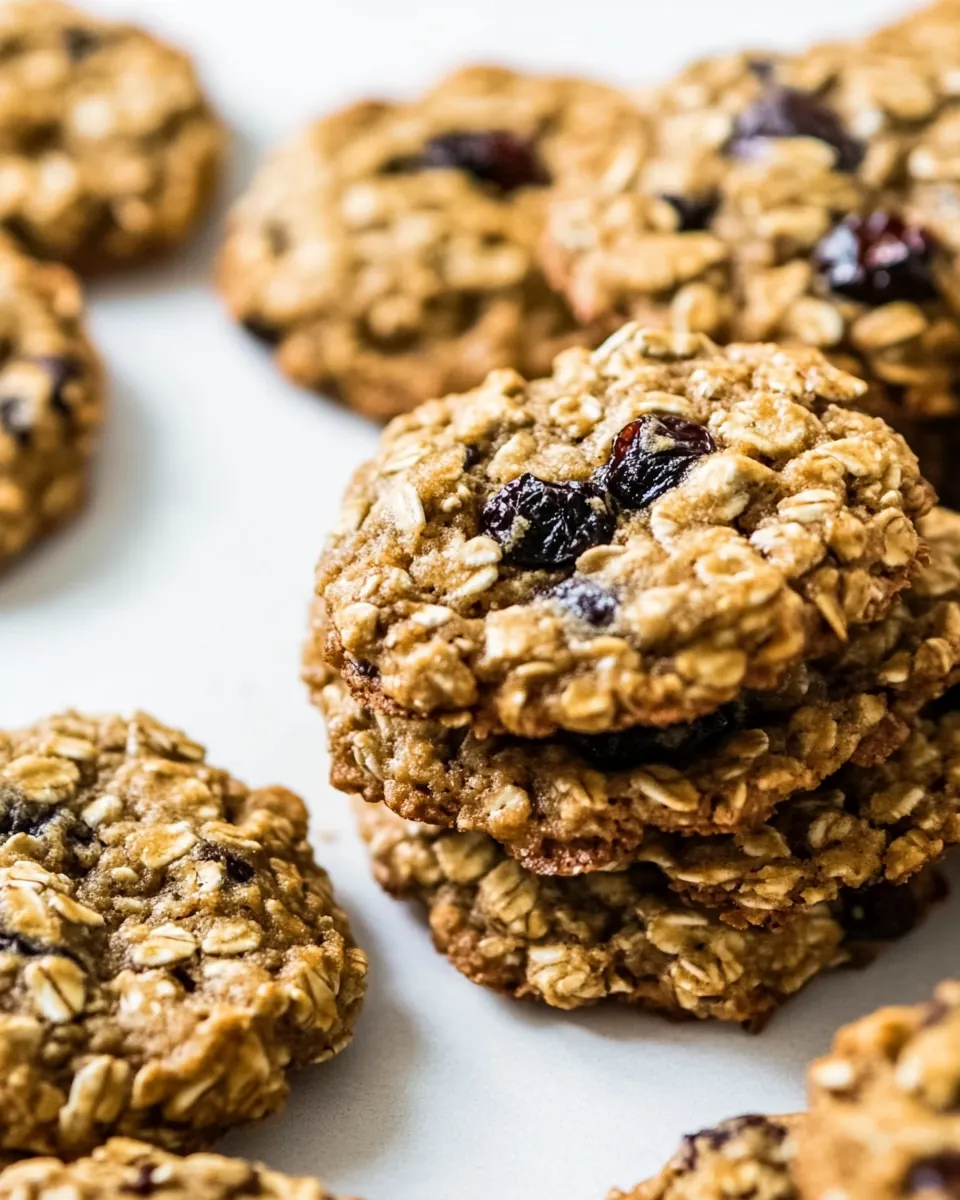
These notes expand on storage and practical fixes I lean on often. I find writing them down saves time later and helps preserve the cookie quality whether you are baking for a weeknight treat or a holiday platter.
- Storing at room temperature Store leftover Oatmeal Cookies in an airtight container at room temperature for up to one week to preserve chew and flavor.
- Freezing baked cookies Place cooled baked cookies in an airtight, freezer safe container for up to three months, layer with parchment to prevent sticking, and thaw overnight in the refrigerator before bringing to room temperature.
- Freezing dough Scoop dough onto a tray, freeze until firm, then transfer to a container for quick one step baking later; no need to thaw significantly, just add a minute to bake time if frozen solid.
- Reviving slightly stale cookies Warm cookies in a 300 degree F oven for a few minutes with a damp paper towel nearby to reintroduce moisture and soften centers.
- Swap mix ins thoughtfully Use the same listed volumes when choosing between raisins, chocolate chips, or nuts to keep balance and baking behavior consistent.
Serving This Oatmeal Cookies
These Oatmeal Cookies work beautifully as a casual snack, a lunchbox treat, or as part of a dessert spread. I like to present them on a simple platter for gatherings, then send extras home with guests. Their sturdy texture makes them ideal for travel and picnics, and they pair well with warm beverages.
- Casual snack Serve one or two cookies with a cup of tea or coffee for an afternoon pick me up.
- Lunchbox addition Pack a single cookie in a small container as a sweet finish to a packed lunch for kids or adults.
- Holiday platter Include these cookies on a dessert plate alongside other small bites for a crowd, they hold their shape and are easy to pick up.
- Gift jar Arrange a dozen cookies in a decorative tin or jar with parchment between layers for a homemade gift that travels well.
- Storage tips For longer keeping, freeze baked cookies in a single layer until firm then stack with parchment in airtight containers; thaw overnight in the fridge then bring to room temperature before serving.
- Seasonal pairing These cookies are versatile for year round occasions from casual weekend baking to festive gatherings, and they complement warm spices in fall and bright citrus notes in winter desserts.
FAQ
Conclusion
These Oatmeal Cookies shine because they balance comforting chew with crisp edges and offer flexible add in options to suit any mood. I encourage you to give them a try, whether you bake a single batch for a quiet afternoon or double the recipe to share with friends. The combination of old fashioned rolled oats, warm spices, and caramel like brown sugar is timeless, and small adjustments like chilling the dough or toasting nuts let you personalize the final result. Enjoy the process, savor the aroma while they bake, and take pleasure in sharing the warm cookies fresh from your oven.
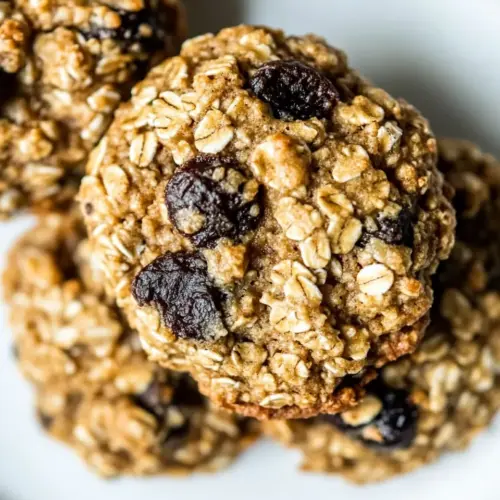
Oatmeal Cookies
Equipment
- Oven
- Mixing Bowls
- Baking Sheet
- Parchment Paper
- Cookie Scoop
Ingredients
- 1/2 cup unsalted butter 1 stick Soften until easily spreadable and provide a rich, tender texture to the cookies; creaming with sugar helps incorporate air for lightness and enhances flavor when browned during baking.
- 1/2 cup chopped pecans or walnuts optional Toast lightly to add crunchy texture and a nutty flavor contrast; chop to distribute evenly throughout the dough and boost overall mouthfeel, using pecans or walnuts based on preference.
- 3/4 cup all-purpose flour Sift or whisk for an even, tender structure and to combine with leavening; provides the bulk and gluten necessary for chew and shape while balancing wet ingredients.
- 1/2 teaspoon baking soda Dissolve into the dry mix to gently leaven and create subtle lift; helps produce a tender crumb and prevents overly dense cookies when used in small amount.
- 1/2 teaspoon kosher salt Dissolve to enhance flavor depth and balance sweetness while strengthening gluten slightly; use kosher salt to brighten flavors and round out the overall taste profile.
- 1/2 teaspoon ground cinnamon Sprinkle into the dough to impart warm, aromatic notes and complement the oats and brown sugar; ground cinnamon enhances perceived sweetness and adds complexity.
- 1/8 teaspoon ground nutmeg optional Grate or measure sparingly to lend warm, nutty undertones and aromatic depth; nutmeg pairs well with cinnamon and enriches the cookie's spiced character when used optionally.
- 3/4 cup packed light brown sugar Cream with butter to provide moisture, deep caramel notes, and chewiness; packed light brown sugar contributes acidity that reacts with leavening and enhances color.
- 1 large egg at room temperature Bring to room temperature to ensure even incorporation and structure; whole egg adds moisture, binding, and contributes to lift and browning during baking.
- 1 large egg yolk at room temperature Temper to add concentrated richness and additional binding without excess liquid; yolk increases tenderness, fat content, and creates a chewier texture in the cookie.
- 1 teaspoon pure vanilla extract Measure precisely to add floral and sweet aromatic complexity; pure vanilla extract rounds flavors, enhances perceived sweetness, and ties aromatic notes together.
- 2 cups old fashioned rolled oats Fold in to supply hearty texture, chewiness, and oat flavor; old fashioned rolled oats retain structure during baking and contribute a rustic mouthfeel.
- 3/4 cup raisins or chocolate chips or a mix (see more ideas above) Stir in to introduce pockets of sweetness or chocolate richness and varied texture; raisins or chocolate chips (or a mix) create flavor contrast and bursts of gooeyness.
Instructions
- In a medium bowl, melt the butter and let come to room temperature. Preheat the oven to 350 degrees F. Line a baking sheet with parchment paper. Spread the pecans in a single layer on a separate baking sheet. Roast in the oven until fragrant and toasted, about 8 minutes. Set aside to cool.: The moment you pour melted butter into a bowl the kitchen will fill with a toasty, rich scent, and letting it cool prevents stray heat from cooking the egg s when combined. You want it warm to the touch rather than steaming, so wait until it feels neutral on your wrist. This cooling also preserves the integrity of the emulsifiers, giving you a smoother batter. A common misstep is adding the eggs to hot butter, which can cause curdling and ruin the texture. If you notice the butter is still warm, let it rest on the counter for several minutes, stirring occasionally to release trapped heat. The goal is even incorporation and a stable dough that bakes into evenly textured cookies.
- In a large bowl, combine the flour, baking soda, salt, cinnamon, and nutmeg.: As the oven warms its dry heat will draw moisture out of the kitchen briefly and the air will smell faintly warm, signaling readiness. Preheating ensures the cookies begin baking immediately on contact, which contributes to proper rise and predictable spread. An oven that is too cool leads to pale, flat cookies, while an overheated oven can brown edges too quickly and leave centers underbaked. If your oven runs hot or cold, use an oven thermometer to check; err on the side of slightly lower temperature if unsure, and increase bake time by small increments while watching for golden edges.
- To the bowl with the melted butter, add the brown sugar, egg, egg yolk, and vanilla. Whisk briskly until well combined.: Parchment creates a nonstick surface so the bottoms brown evenly without sticking, and it helps with easy transfer to a cooling rack. As you place the sheet you'll notice a matte finish that allows dough to settle without sliding, which preserves round edges. Using an unlined pan or greased sheet can encourage excess spreading or uneven browning, so this small prep step protects your end result. If parchment is unavailable, a silicone baking mat is the best alternative, but avoid greasing pans which often cause more spreading.
- Pour the wet ingredients into a bowl with the dry ingredients. With a rubber spatula or wooden spoon, stir to combine.: When you spread out the chopped pecans each piece gets exposed to dry heat, which releases oils and creates a fragrant toasting aroma. Toasting on a sheet concentrates the scent and deepens the nutty flavor, making the final cookies more complex. If you pile the nuts they steam instead of toast, resulting in a mild, muted flavor. Watch them closely because nuts can go from browned to burnt quickly; remove them when they become fragrant and slightly darker, then let them cool before folding into dough.
- Stir in the oats, raisins, and walnuts. If your dough is too soft to scoop, refrigerate it for 20 to 30 minutes (or for optimum texture refrigerate a few hours. That said you can proceed right away and still have really delicious cookies!).: As the nuts roast, you'll hear a faint whisper of heat and smell that warm, toasty perfume that tells you they are nearly done. Timing can vary by oven and nut size, so check around the 6 minute mark to prevent burning. Let the toasted nuts cool completely so they do not melt butter in the dough or change the batter temperature. One mistake is folding warm nuts into chilled dough which can soften the dough and alter scoopability; cool fully for best texture.
- With a cookie scoop or spoon, portion the dough by 1 1/2-tablespoonfuls and roll into a ball (the balls will be about 1 1/2 inches wide and you will have about 22 cookies). If the dough sticks to your hands, very lightly moisten them with water. Place the balls on the parchment-lined cookie sheet, leaving an inch of space between them. Refrigerate the bowl with any unscooped cookie dough until you are ready to finish the following batches.: Dry ingredients blended together create a uniform base so leavening and spice distribute evenly, ensuring each cookie tastes balanced. When you whisk them the flour will look lighter and the specks of cinnamon and nutmeg will be dispersed throughout, which is an immediate visual cue that you mixed thoroughly. Overly vigorous mixing after adding wet ingredients can toughen cookies, but combining dry elements ahead of time prevents uneven pockets of leavening and spice. If you see clumps, break them up with a fork to ensure smooth incorporation later.
- Bake oatmeal cookies for 10 minutes, until they are golden on the top and edges, but still look underdone in the center. Let rest on the baking sheet for 5 minutes, then transfer to a rack to cool completely (or for as long as you can stand). Repeat with remaining cookie dough, ensuring that you let the baking sheet cool completely between batches or the cookies will spread.: The spooning of brown sugar into warm butter will release a molasses aroma and the mixture will look glossy as you whisk. Whisking briskly emulsifies the wet ingredients and dissolves sugar slightly, producing a cohesive batter that traps air and promotes tender crumb. If the butter is too hot the eggs may cook and scramble, so check temperature first. A common error is under whisking, which leaves greasy streaks and an uneven final texture, so whisk until smooth and homogenous.
- Whisk briskly until well combined.: As you whisk the bowl will click with the motion and the mixture will become slightly paler and thicker, showing signs of aeration. This aeration matters because it supports lift and produces a softer interior. If you stop too soon you may get dense cookies, while overbeating can incorporate too much air, changing chewiness. Aim for a glossy, cohesive mix without foam, and scrape the bowl to ensure all ingredients are folded in.
- Pour the wet ingredients into a bowl with the dry ingredients.: When the wet meets the dry, dust will rise briefly and a mosaic of beige and brown will form as you fold them together, signaling the dough is coming to life. Folding preserves some air and avoids overworking gluten, which keeps cookies tender. Resist vigorous beating which can make cookies tough; instead use a gentle folding motion until streaks disappear. If the dough seems crumbly, a splash of milk can rescue it, but only use tiny amounts to avoid overhydrating.
- With a rubber spatula or wooden spoon, stir to combine.: The scrape of the spatula against the bowl and the thickening sound of turning dough are sensory cues that you are close to the right consistency. Stir until there are no visible streaks of flour, but stop once uniformity is achieved to prevent gluten development. One common mistake is mixing on too high a speed with a mixer at this stage; it creates excessive gluten and alters chewiness. Use a hand tool and gentle pressure for the ideal texture.
- Stir in the oats, raisins, and walnuts.: As you fold in the oats the mixture will thicken and take on a rustic, chunky appearance, and the raisins or walnuts will tuck into the pockets of dough. The oats absorb moisture and create that classic chew, while the inclusions add pockets of flavor. If the dough becomes too loose, chilling helps firm it so you can scoop evenly. Avoid adding extra mix ins beyond the specified amount, as too many can make shaping difficult and lead to uneven baking.
- If your dough is too soft to scoop, refrigerate it for 20 to 30 minutes.: Chilling firms the fats and tightens the dough, making it easier to portion and helping cookies hold their shape in the oven. You will notice the dough become less sticky and more moldable after chilling, and the cookies will bake with a thicker profile and chewier center. A common mistake is refrigerating too briefly, which leaves dough still tacky and hard to work with, so be patient and test with a small scoop before proceeding.
- For optimum texture refrigerate a few hours.: Extended chilling deepens flavor as the flour hydrates and the sugars mellow, resulting in a more complex tasting cookie. The dough firms significantly, creating less spreading and a denser chew once baked. If time allows, overnight rest improves texture, but remember to keep the dough covered to prevent drying. Overchilling can make scooping harder, so allow the dough to sit at room temperature for several minutes before forming balls if it becomes rock solid.
- With a cookie scoop or spoon, portion the dough by 1 1/2-tablespoonfuls and roll into a ball.: When you portion the dough consistently the cookies will bake uniformly, and rolling into tidy balls creates rounded edges that bake into an attractive shape. The 1 1/2 tablespoon size produces cookies about 1 1/2 inches wide, a convenient single bite or two, and yields about 22 cookies. If your hands pick up too much dough, lightly wet them to prevent sticking, which preserves the dough texture. Inconsistent portioning leads to uneven bake times and mismatched textures across the batch.
- If the dough sticks to your hands, very lightly moisten them with water.: A light dab of water on your fingertips prevents sticking without adding moisture to the dough, and you will feel the surface become silky as you shape each ball. Avoid using oil or too much water which can alter the dough balance and create flatter cookies. One misstep is soaking hands in water which transfers excess moisture into the dough, so use just enough to make shaping comfortable.
- Place the balls on the parchment-lined cookie sheet, leaving an inch of space between them.: As you arrange the balls on the sheet you will see how spacing affects final spread; an inch allows the cookies to expand without merging, preserving rounded edges. Proper spacing ensures even browning across the tray. Overcrowding yields uneven heat circulation and can produce soft middles or joined cookies, so use multiple sheets if needed.
- Refrigerate the bowl with any unscooped cookie dough until you are ready to finish the following batches.: Keeping leftover dough chilled prevents it from warming and becoming sticky, which would change scoopability and bake characteristics. The chilled dough will give consistent cookies batch after batch. A frequent error is leaving dough at room temperature between batches which can cause varying spread and texture; keep it covered and cool.
- Bake oatmeal cookies for 10 minutes, until they are golden on the top and edges, but still look underdone in the center.: As they bake you will notice edges turning golden and a sweet, toasted aroma filling the kitchen; centers will remain slightly soft and pale which is exactly right. This contrast produces a cookie with crisp edges and a chewy center. Overbaking will dry them, so pull them at the moment the centers look just set but not browned. If you prefer firmer cookies, add a minute or two, but watch closely because color changes happen quickly near the end of baking.
- Let rest on the baking sheet for 5 minutes, then transfer to a rack to cool completely.: During this brief rest the cookies continue to set as residual heat finishes cooking the centers, and they firm enough to move without breaking. Transfer to a rack to prevent the bottoms from steaming and becoming soggy. Removing them too soon can cause them to fall apart, while leaving them too long on a hot sheet can overcook the bottom, so the five minute window is a good guideline.
- Repeat with remaining cookie dough, ensuring that you let the baking sheet cool completely between batches or the cookies will spread.: A cool baking surface preserves the dough shape when placed on the tray, preventing premature melting of fats and excess spreading. If the pan is warm, cookies will flatten and lose their chewier center. Use multiple sheets or cool the pan on a rack if you are baking many batches, and resist the urge to hurry this step for more consistent results.
Notes
- Storing at room temperature Store leftover Oatmeal Cookies in an airtight container at room temperature for up to one week to preserve chew and flavor.
- Freezing baked cookies Place cooled baked cookies in an airtight, freezer safe container for up to three months, layer with parchment to prevent sticking, and thaw overnight in the refrigerator before bringing to room temperature.
- Freezing dough Scoop dough onto a tray, freeze until firm, then transfer to a container for quick one step baking later; no need to thaw significantly, just add a minute to bake time if frozen solid.
- Reviving slightly stale cookies Warm cookies in a 300 degree F oven for a few minutes with a damp paper towel nearby to reintroduce moisture and soften centers.
- Swap mix ins thoughtfully Use the same listed volumes when choosing between raisins, chocolate chips, or nuts to keep balance and baking behavior consistent.