Instant Pot Butter Chicken
Instant Pot Butter Chicken has been one of those weeknight saves for me, the kind of dish I turn to when I want comfort without a huge fuss.
I remember the first time I made this recipe on a blustery evening, juggling work calls and a hungry family, and how the warm aroma of garlic and ginger drifting through the kitchen felt like an immediate hug. I didn’t have hours to simmer a sauce, yet I wanted that lush, creamy mouthfeel and deep spice profile that makes butter chicken so beloved. The Instant Pot came through, locking in bright tomato notes and fragrant spices while the chicken stayed tender and juicy. That night taught me a secret about this dish, it’s forgiving and generous, giving great results even when life gets hectic.
Over the years I’ve tweaked little things to suit our table, like finishing the sauce with a touch of butter and swapping creams for cashew cream when I want a nutty silkiness. Serving it with simple steamed rice turns it into an all in one family meal that always disappears fast. If you’re after a cozy dinner that feels special yet comes together with surprisingly little effort, this version of Instant Pot Butter Chicken will quickly become a go to in your rotation.
Recipe Snapshot
22 mins
10 mins
12 mins
Easy
550 kcal
Indian
Gluten-Free, Low FODMAP
Dinner
Instant Pot, 2.5 inch trivet, 7 inch oven safe bowl, Whisk
Why You’ll Love This Instant Pot Butter Chicken
Rich But Light Sauce
I love that the sauce in Instant Pot Butter Chicken tastes indulgent without being heavy. Using a combination of tomato puree and tomato paste builds a layered tomato backbone, while finishing with cashew cream or cream adds silkiness. The result is creamy and balanced, making every spoonful comforting yet bright.
Speed and Convenience
What drew me to this method is speed. The pressure cooker does the heavy lifting, turning otherwise long simmer times into a quick, hands off process. You get tender chicken and a melded spice profile in a fraction of the time, perfect for busy evenings when you still want a home cooked dinner.
Layered Aromatics
Garlic and fresh ginger cooked in hot oil release a fragrant base that wakes up the spices. I notice that short sautéing intensifies those flavors, making the whole pot smell like a restaurant. The cinnamon element adds warmth without being overpowering, giving the dish a comforting depth.
Built in One Pot Meal
I appreciate how pragmatic this recipe is. With the rice cooked above the chicken on a trivet, you end up with a streamlined meal that avoids extra pots. That little trick makes weeknight cleanup so much kinder, and the rice picks up subtle steam flavors from the sauce below.
Adaptability
This recipe is forgiving and flexible. You can choose butter or ghee, swap in coconut cream if you prefer, and the spice levels scale easily. I find this helpful when cooking for guests with different palates, yet I never feel like I’m sacrificing the dish’s character.
Main Ingredients for Instant Pot Butter Chicken
These ingredients come together to create a sauce that is both aromatic and creamy, while also delivering tender protein and perfectly steamed rice. The key players are the aromatics for the fragrant foundation, the tomato components for acidity and body, the spices for warmth and complexity, and the finishing fats and cream for that signature buttery texture.
- 2 teaspoons avocado oil: Enhance sautéing and prevent sticking while adding a neutral, high-heat oil that allows spices to bloom during the initial cooking stage. Use to coat the pot before browning aromatics to develop deeper flavors without burning. Provides a light mouthfeel and higher smoke point than butter, keeping the base clean and smooth.
- 6 cloves garlic minced: Infuse bold, pungent flavor and provide aromatic depth when minced and added early to the cooking process. Softens and mellows with heat, blending into the sauce to form a savory backbone that complements spices and ginger. Helps create a rich, layered profile when sautéed until fragrant.
- 2 ” piece fresh ginger grated: Deliver warm, zesty heat and bright, slightly peppery citrus notes when grated and added with garlic to build the aromatic base. Contributes slight sweetness and astringency that balances tomato acidity and dairy richness. Helps tenderize and add complexity to the sauce through its fresh, sharp character.
- 1/4 cup tomato paste: Concentrate tomato flavor and add body and umami, creating a savory backbone and deeper color when cooked down with spices. Thickens the sauce and intensifies the tomato profile without adding excess liquid, allowing the dish to cling to the chicken. Balances acidity and supports caramelization during sautéing.
- 1 cup tomato puree: Provide smooth tomato flavor and volume while forming the main saucy component that envelops the chicken and rice. Adds acidity and natural sweetness, helping to meld spices and dairy into a cohesive curry. Ensures a silky texture that simmers into a luscious, saucy finish.
- 1 tablespoon garam masala: Introduce warm, complex spice notes with a blend of cinnamon, cardamom, cloves, and other aromatics to define the curry's characteristic flavor. Enhances savory depth and pairs especially well with tomato and dairy to create traditional butter chicken taste. Use to season both the base sauce and the chicken for balanced flavor.
- 2 teaspoons turmeric: Add vibrant golden color and a gently earthy, slightly bitter aroma that complements other spices without overpowering them. Enhances anti-inflammatory and aromatic qualities while subtly brightening the overall flavor profile. Use sparingly to avoid masking delicate aromatics.
- 1 teaspoon salt: Provide essential seasoning to enhance and balance all flavors in the dish, helping to draw out moisture from chicken and boost the profile of spices and tomato. Regulates seasoning intensity and supports the savory notes in both the sauce and rice. Adjust to taste, especially if using salted stock or broth.
- 1/2 teaspoon cumin: Contribute warm, slightly nutty and citrusy undertones that marry well with turmeric and garam masala for a rounded spice profile. Adds subtle earthiness to the sauce and helps deepen savory flavors without overwhelming the palate. Use in small quantities to support complexity.
- 1 cinnamon stick or 1/4 teaspoon ground cinnamon: Add sweet, woody warmth and aromatic depth, reinforcing the curry's layered spice character whether used whole or ground. Whole cinnamon stick releases gentle, mellow notes during simmering, while ground cinnamon integrates quickly for immediate warmth. Enhances the sauce's fragrance and pairs well with tomatoes and cream.
- 1 cup chicken stock: Provide savory liquid to deglaze the pot, release fond, and build a flavorful base for simmering the sauce and cooking the chicken. Contributes saltiness and umami depending on quality, and helps control consistency while ensuring even pressure cooking. Use to adjust thickness and overall richness.
- 2 lb boneless and skinless chicken breasts: Supply lean protein and mild flavor that soaks up spices and sauces, becoming tender in the Instant Pot for juicy results. Cooks quickly under pressure and serves as the primary protein component, providing substance to the curry. Slice or cube for even cooking and maximal sauce coverage.
- 1 cup long grain or jasmine rice rinsed and drained: Offer a starchy side that cooks with the dish or alongside, absorbing flavors while providing textural contrast to the saucy chicken. Rinsing removes excess starch for separate grains that stay fluffy when pressure cooked. Use appropriate water ratio and timing to achieve tender, non-mushy rice.
- 1 cup water or broth: Serve as the liquid component for cooking rice or adjusting sauce consistency, providing moisture and subtle savory notes when broth is used. Controls rice tenderness and helps integrate with the sauce when cooked simultaneously. Measure precisely to ensure proper rice texture under pressure.
- 1/4 cup butter or ghee: Introduce rich, silky fat that enriches the sauce, adds glossy mouthfeel, and rounds out acidity from tomatoes. Melts into the curry to create a luscious finish and traditional buttery quality, especially if using ghee for a nutty nuance. Use toward the end to finish the sauce for maximum flavor impact.
- 1/2 cup cashew cream can also use heavy cream or coconut cream: Provide creamy richness and a smooth, luxurious texture that softens tomato acidity and creates a velvety sauce consistency. Offers a neutral, slightly sweet nuttiness if cashew cream is used, or a more dairy-forward profile with heavy cream; coconut cream adds a subtle tropical note. Stir in near the end to prevent separation and maintain creaminess.
- Cilantro for garnish: Add fresh herbal brightness and a fragrant finish when chopped and sprinkled over the completed dish as a garnish. Brightens the palate and provides color contrast while complementing the curry's warm spices. Use sparingly to preserve the sauce's balanced flavors and add a final aromatic lift.
Cooking Instructions for Instant Pot Butter Chicken
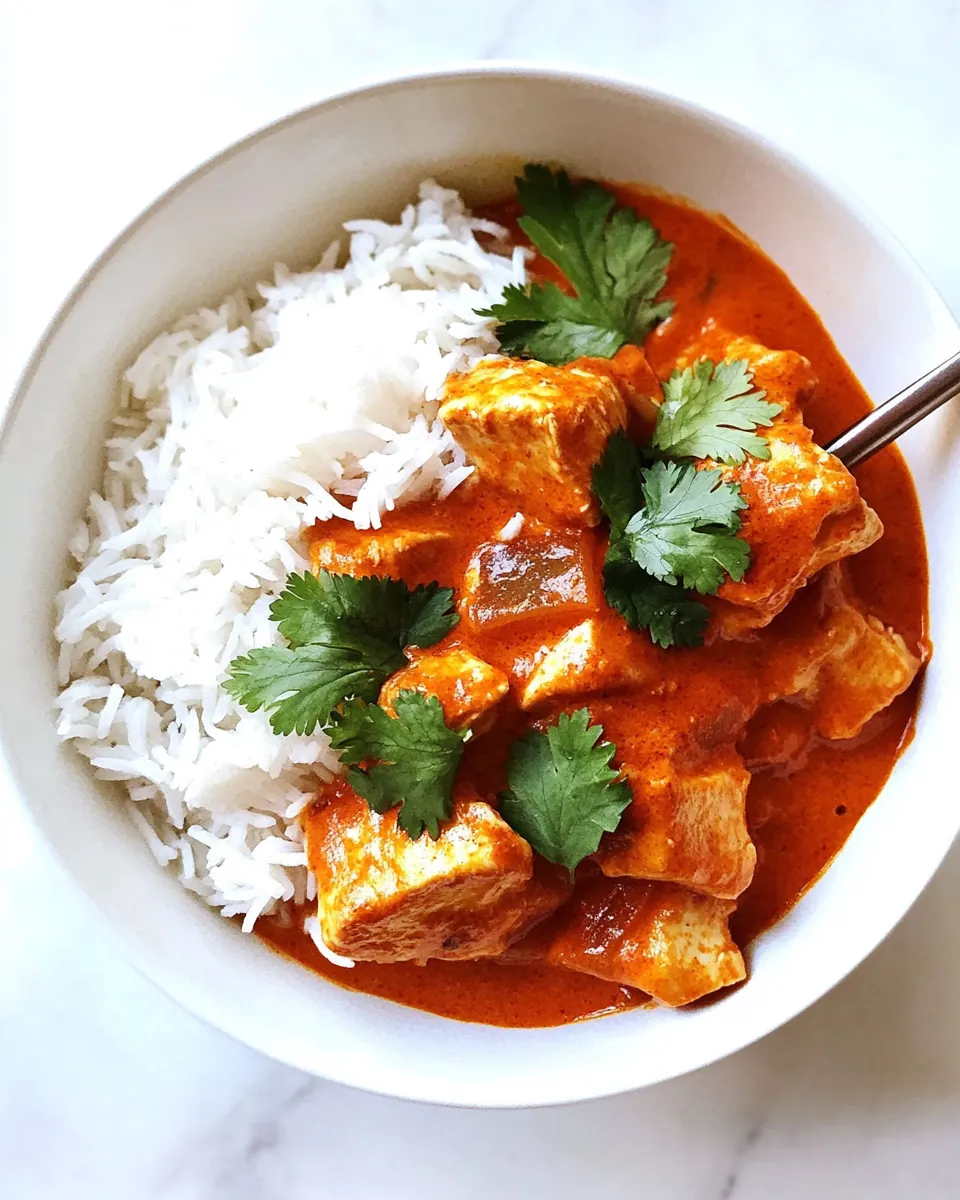
These directions walk you through building flavor in stages, using the Instant Pot to get tender chicken and perfectly steamed rice in a single program. Read through to understand the sensory cues and small fixes that make each step reliable.
- Add oil to the insert of a 6 or 8 quart Instant Pot. Press the saute function, and heat the oil. Once hot, add garlic and ginger and cook while stirring, until fragrant, about 1 minute.: You should hear an immediate gentle sizzle and smell a burst of sharp, aromatic heat from the garlic and ginger as they hit the pan. Visually, the minced garlic will begin to glisten and the grated ginger will look slightly translucent, releasing bright steam. This step wakes up the spices and creates a fragrant base that carries through the whole dish. Cook only until fragrant, because overcooking will lead to bitterness. If you notice browning too fast, lower the heat or remove the insert briefly to cool, as burnt aromatics are hard to mask later.
- Add tomato paste, tomato puree, garam masala, turmeric, salt and cumin and cook for 3 minutes, stirring occasionally. Shut off the saute function and add in cinnamon stick, chicken stock and stir together. Place the chicken breasts inside.: Right away the tomato paste will darken and take on a concentrated, caramelized scent, while the puree loosens into a cohesive sauce. Stirring coaxes the spices into the oil so they bloom, releasing warm, earthy aromas from the garam masala and turmeric . After about three minutes the mixture should smell round and slightly sweet, not raw. Shutting off sauté before adding the liquid prevents splatter and sudden temperature shocks. When you add the chicken stock and place the chicken , you ll see the sauce thin slightly and steam begin to rise, signaling everything is ready for pressure cooking. Avoid crowding the pot, as cramped chicken can cook unevenly.
- Arrange a 2.5-inch trivet over the chicken and place a 7-inch oven-safe bowl on top. Add the rice and water to the bowl. Secure the lid and move the steam release valve to Sealing. Cook on manual high pressure for 12 minutes. Move the steam release valve to venting to quickly release the steam pressure. When the floating valve drops, remove the lid.: When you set the trivet and bowl, you re creating a gentle steam environment so the rice cooks separately from the sauce, while still absorbing subtle savory steam notes. As pressure builds you might hear soft clicks and a higher pitched hum, which is normal. The 12 minute high pressure time yields tender chicken and fluffy rice ; the quick pressure release prevents overcooking the rice. Be cautious when turning the valve to venting because a rush of hot steam will escape rapidly. Use an oven mitt or long utensil to protect your hand. If the pot sputters a lot during venting, it may be because the bowl was too full; next time leave a little headspace.
- Remove the rice and the trivet. Fluff the rice, cover to keep warm and set aside. Remove the chicken and dice into bite-sized pieces and set aside.: The rice should look glossy and the grains separated, and when you fluff it with a fork you ll see steam rise and smell a faint savory sweetness from the pot below. Keeping it covered holds that steam and texture. The chicken will be tender and should pull apart easily when diced; its surface will be coated lightly with sauce. If you find the chicken still firm in the center, return it briefly to sauté mode with a splash of stock to finish gently. Avoid over chopping the meat too finely, as that can make the bites dry.
- Press the saute function and whisk in the butter and cream and cook until slightly thickened, about 2 minutes. Add the diced chicken back to the pot to heat through.: As you whisk in the butter and cashew cream , watch the sauce shine and coat the whisk; it should thicken to a ribbon like consistency that clings to the spoon. You will smell a rich, buttery perfume that mellows the tomato brightness and deepens the sauce s body. Reintroducing the diced chicken warms the pieces and allows the sauce to fully coat every bite. Keep the sauté on medium to prevent the dairy from separating. If the sauce looks curdled, lower the heat and stir gently, adding a tablespoon of stock to smooth it back out.
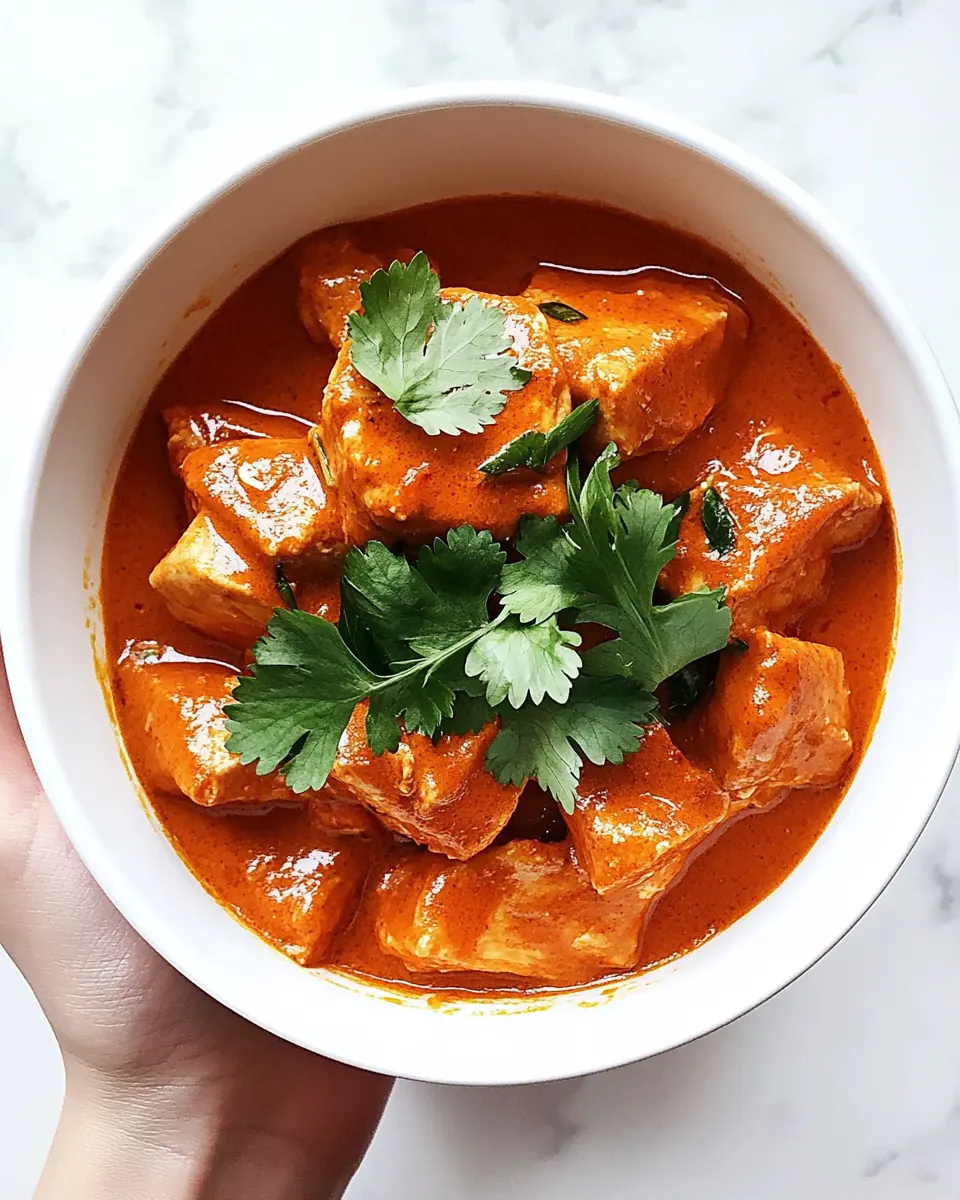
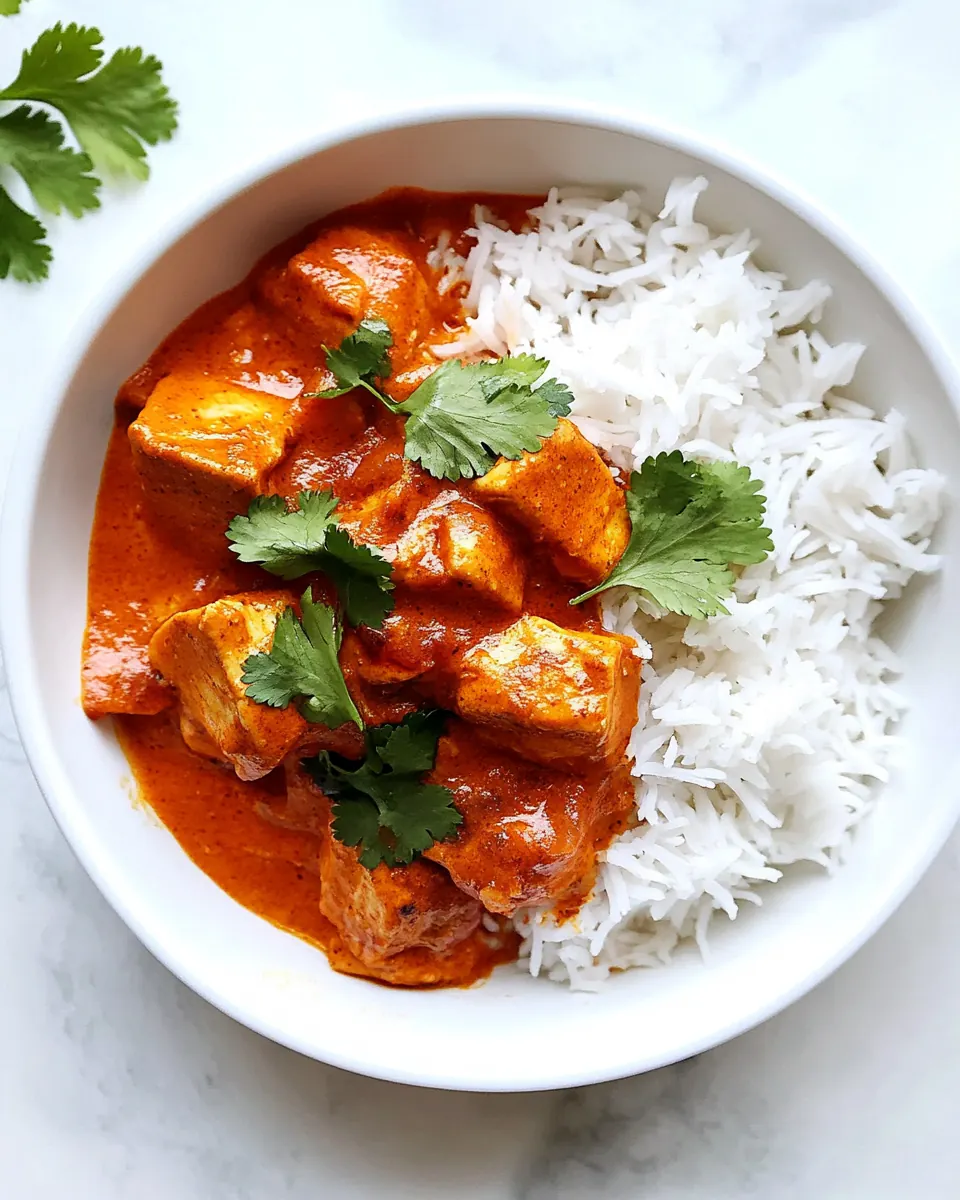
- Serve the chicken with the rice, and garnish with cilantro, if desired.: The final bowl should present glossy, warmly colored sauce pooled around tender chunks of chicken with fluffy white rice alongside. Add a scatter of fresh, bright cilantro for a contrasting aroma and fresh snap. Taste for final seasoning and adjust with a pinch of salt if needed before plating. The ideal mouthfeel balances creamy sauce with tender protein and light, airy rice. Avoid letting the dish sit too long before serving, as the rice can become gummy and the sauce will cool and lose its silkiness.
Substitutions and Tips
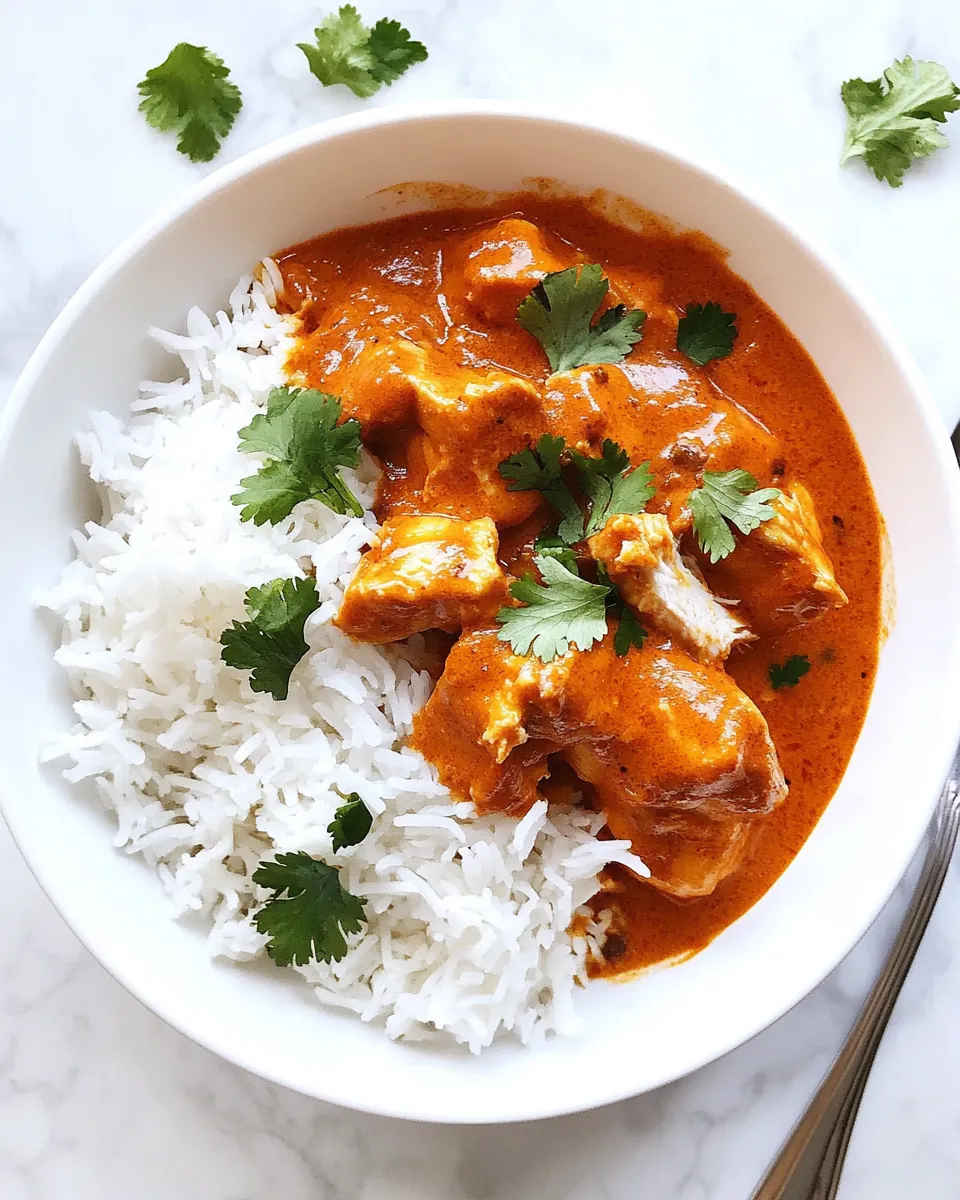
I like to offer focused tips that preserve the dishs integrity while letting you adapt to whats in your pantry. These practical pointers help when you have to swap a component or tweak texture, and they keep the flavors lifting rather than muddling.
- Oil choice: If you dont have avocado oil, any neutral oil with a high smoke point works, but avoid strong flavored oils that will compete with the spices.
- Cream swap: Cashew cream gives a silky, slightly nutty finish, heavy cream will deepen richness, and coconut cream adds a subtle tropical sweetness if that suits your palate.
- Stock use: Using chicken stock instead of water for the rice will add savory depth, especially helpful if you want a richer overall flavor without adding extra fat.
- Spice intensity: Taste the sauce before pressure cooking and adjust spices slightly milder than you think you need, as pressure melds and intensifies flavors.
- Cinnamon format: A cinnamon stick provides gentle warmth without overt sweetness, while ground cinnamon is more concentrated so use sparingly.
- Butter vs ghee: Ghee gives a deeper, nuttier fat profile and stands up better to higher sauté heat without burning compared to butter.
Best Served With
Instant Pot Butter Chicken shines when plated thoughtfully, pairing creamy sauce with light, fragrant accompaniments. Below are serving ideas, seasonal fits, and storage pointers to help you present this as either a cozy family dinner or a more elevated gathering meal.
- Steamed rice: Serve the dish alongside or directly over warm, fluffy long grain or jasmine rice to soak up the sauce and balance richness.
- Light salad: A simple green salad with a tangy dressing can cut through the creaminess and add a crisp contrast on the plate.
- Weeknight dinner: This recipe is perfect for an easy weeknight family meal because it cooks quickly and requires minimal hands on time.
- Special occasions: For gatherings or festive dinners, present the chicken in a shallow serving bowl with a garnish of cilantro for a polished look.
- Ramadan or fasting meals: The dish makes a hearty if not heavy option to break fast, providing comforting warmth and nourishing protein.
- Make ahead and store: Refrigerate leftovers in an airtight container for up to three days; reheat gently on low heat and add a splash of water or stock if sauce thickens.
- Freezing tips: Freeze cooled portions for up to two months, defrost overnight in the fridge and reheat slowly to preserve texture.
- Seasonal pairings: In colder months, serve with a heartier side like roasted vegetables, while spring and summer call for a brighter salad and lemony accents.
- Plating idea: Spoon warm rice onto the plate first, ladle glossy sauce and chicken on top, and finish with a scattering of chopped cilantro for color and lift.
- Portioning: This recipe serves four comfortably; adjust serving sizes by slicing the chicken and sharing family style for easy distribution.
FAQ
Conclusion
Instant Pot Butter Chicken stands out because it combines rich, layered flavors with surprising speed and simplicity. The pressure cooker captures tender, juicy chicken and melds aromatic spices into a silky sauce that tastes like you simmered it for hours. Try this recipe when you want a comforting, crowd pleasing dinner without a long cook time. Its forgiving, adaptable, and consistently delivers a satisfying bowl that makes weeknight meals feel special.
Instant Pot Butter Chicken
Equipment
- Instant Pot
- 2.5 inch trivet
- 7 inch oven safe bowl
- Whisk
Ingredients
- 2 teaspoons avocado oil Enhance sautéing and prevent sticking while adding a neutral, high-heat oil that allows spices to bloom during the initial cooking stage. Use to coat the pot before browning aromatics to develop deeper flavors without burning. Provides a light mouthfeel and higher smoke point than butter, keeping the base clean and smooth.
- 6 cloves garlic minced Infuse bold, pungent flavor and provide aromatic depth when minced and added early to the cooking process. Softens and mellows with heat, blending into the sauce to form a savory backbone that complements spices and ginger. Helps create a rich, layered profile when sautéed until fragrant.
- 2 ” piece fresh ginger grated Deliver warm, zesty heat and bright, slightly peppery citrus notes when grated and added with garlic to build the aromatic base. Contributes slight sweetness and astringency that balances tomato acidity and dairy richness. Helps tenderize and add complexity to the sauce through its fresh, sharp character.
- 1/4 cup tomato paste Concentrate tomato flavor and add body and umami, creating a savory backbone and deeper color when cooked down with spices. Thickens the sauce and intensifies the tomato profile without adding excess liquid, allowing the dish to cling to the chicken. Balances acidity and supports caramelization during sautéing.
- 1 cup tomato puree Provide smooth tomato flavor and volume while forming the main saucy component that envelops the chicken and rice. Adds acidity and natural sweetness, helping to meld spices and dairy into a cohesive curry. Ensures a silky texture that simmers into a luscious, saucy finish.
- 1 tablespoon garam masala Introduce warm, complex spice notes with a blend of cinnamon, cardamom, cloves, and other aromatics to define the curry's characteristic flavor. Enhances savory depth and pairs especially well with tomato and dairy to create traditional butter chicken taste. Use to season both the base sauce and the chicken for balanced flavor.
- 2 teaspoons turmeric Add vibrant golden color and a gently earthy, slightly bitter aroma that complements other spices without overpowering them. Enhances anti-inflammatory and aromatic qualities while subtly brightening the overall flavor profile. Use sparingly to avoid masking delicate aromatics.
- 1 teaspoon salt Provide essential seasoning to enhance and balance all flavors in the dish, helping to draw out moisture from chicken and boost the profile of spices and tomato. Regulates seasoning intensity and supports the savory notes in both the sauce and rice. Adjust to taste, especially if using salted stock or broth.
- 1/2 teaspoon cumin Contribute warm, slightly nutty and citrusy undertones that marry well with turmeric and garam masala for a rounded spice profile. Adds subtle earthiness to the sauce and helps deepen savory flavors without overwhelming the palate. Use in small quantities to support complexity.
- 1 cinnamon stick or 1/4 teaspoon ground cinnamon Add sweet, woody warmth and aromatic depth, reinforcing the curry's layered spice character whether used whole or ground. Whole cinnamon stick releases gentle, mellow notes during simmering, while ground cinnamon integrates quickly for immediate warmth. Enhances the sauce's fragrance and pairs well with tomatoes and cream.
- 1 cup chicken stock Provide savory liquid to deglaze the pot, release fond, and build a flavorful base for simmering the sauce and cooking the chicken. Contributes saltiness and umami depending on quality, and helps control consistency while ensuring even pressure cooking. Use to adjust thickness and overall richness.
- 2 lb boneless and skinless chicken breasts Supply lean protein and mild flavor that soaks up spices and sauces, becoming tender in the Instant Pot for juicy results. Cooks quickly under pressure and serves as the primary protein component, providing substance to the curry. Slice or cube for even cooking and maximal sauce coverage.
- 1 cup long grain or jasmine rice rinsed and drained Offer a starchy side that cooks with the dish or alongside, absorbing flavors while providing textural contrast to the saucy chicken. Rinsing removes excess starch for separate grains that stay fluffy when pressure cooked. Use appropriate water ratio and timing to achieve tender, non-mushy rice.
- 1 cup water or broth Serve as the liquid component for cooking rice or adjusting sauce consistency, providing moisture and subtle savory notes when broth is used. Controls rice tenderness and helps integrate with the sauce when cooked simultaneously. Measure precisely to ensure proper rice texture under pressure.
- 1/4 cup butter or ghee Introduce rich, silky fat that enriches the sauce, adds glossy mouthfeel, and rounds out acidity from tomatoes. Melts into the curry to create a luscious finish and traditional buttery quality, especially if using ghee for a nutty nuance. Use toward the end to finish the sauce for maximum flavor impact.
- 1/2 cup cashew cream can also use heavy cream or coconut cream Provide creamy richness and a smooth, luxurious texture that softens tomato acidity and creates a velvety sauce consistency. Offers a neutral, slightly sweet nuttiness if cashew cream is used, or a more dairy-forward profile with heavy cream; coconut cream adds a subtle tropical note. Stir in near the end to prevent separation and maintain creaminess.
- Cilantro for garnish Add fresh herbal brightness and a fragrant finish when chopped and sprinkled over the completed dish as a garnish. Brightens the palate and provides color contrast while complementing the curry's warm spices. Use sparingly to preserve the sauce's balanced flavors and add a final aromatic lift.
Instructions
- Add oil to the insert of a 6 or 8 quart Instant Pot. Press the saute function, and heat the oil. Once hot, add garlic and ginger and cook while stirring, until fragrant, about 1 minute.: You should hear an immediate gentle sizzle and smell a burst of sharp, aromatic heat from the garlic and ginger as they hit the pan. Visually, the minced garlic will begin to glisten and the grated ginger will look slightly translucent, releasing bright steam. This step wakes up the spices and creates a fragrant base that carries through the whole dish. Cook only until fragrant, because overcooking will lead to bitterness. If you notice browning too fast, lower the heat or remove the insert briefly to cool, as burnt aromatics are hard to mask later.
- Add tomato paste, tomato puree, garam masala, turmeric, salt and cumin and cook for 3 minutes, stirring occasionally. Shut off the saute function and add in cinnamon stick, chicken stock and stir together. Place the chicken breasts inside.: Right away the tomato paste will darken and take on a concentrated, caramelized scent, while the puree loosens into a cohesive sauce. Stirring coaxes the spices into the oil so they bloom, releasing warm, earthy aromas from the garam masala and turmeric . After about three minutes the mixture should smell round and slightly sweet, not raw. Shutting off sauté before adding the liquid prevents splatter and sudden temperature shocks. When you add the chicken stock and place the chicken , you ll see the sauce thin slightly and steam begin to rise, signaling everything is ready for pressure cooking. Avoid crowding the pot, as cramped chicken can cook unevenly.
- Arrange a 2.5-inch trivet over the chicken and place a 7-inch oven-safe bowl on top. Add the rice and water to the bowl. Secure the lid and move the steam release valve to Sealing. Cook on manual high pressure for 12 minutes. Move the steam release valve to venting to quickly release the steam pressure. When the floating valve drops, remove the lid.: When you set the trivet and bowl, you re creating a gentle steam environment so the rice cooks separately from the sauce, while still absorbing subtle savory steam notes. As pressure builds you might hear soft clicks and a higher pitched hum, which is normal. The 12 minute high pressure time yields tender chicken and fluffy rice ; the quick pressure release prevents overcooking the rice. Be cautious when turning the valve to venting because a rush of hot steam will escape rapidly. Use an oven mitt or long utensil to protect your hand. If the pot sputters a lot during venting, it may be because the bowl was too full; next time leave a little headspace.
- Remove the rice and the trivet. Fluff the rice, cover to keep warm and set aside. Remove the chicken and dice into bite-sized pieces and set aside.: The rice should look glossy and the grains separated, and when you fluff it with a fork you ll see steam rise and smell a faint savory sweetness from the pot below. Keeping it covered holds that steam and texture. The chicken will be tender and should pull apart easily when diced; its surface will be coated lightly with sauce. If you find the chicken still firm in the center, return it briefly to sauté mode with a splash of stock to finish gently. Avoid over chopping the meat too finely, as that can make the bites dry.
- Press the saute function and whisk in the butter and cream and cook until slightly thickened, about 2 minutes. Add the diced chicken back to the pot to heat through.: As you whisk in the butter and cashew cream , watch the sauce shine and coat the whisk; it should thicken to a ribbon like consistency that clings to the spoon. You will smell a rich, buttery perfume that mellows the tomato brightness and deepens the sauce s body. Reintroducing the diced chicken warms the pieces and allows the sauce to fully coat every bite. Keep the sauté on medium to prevent the dairy from separating. If the sauce looks curdled, lower the heat and stir gently, adding a tablespoon of stock to smooth it back out.
- Serve the chicken with the rice, and garnish with cilantro, if desired.: The final bowl should present glossy, warmly colored sauce pooled around tender chunks of chicken with fluffy white rice alongside. Add a scatter of fresh, bright cilantro for a contrasting aroma and fresh snap. Taste for final seasoning and adjust with a pinch of salt if needed before plating. The ideal mouthfeel balances creamy sauce with tender protein and light, airy rice. Avoid letting the dish sit too long before serving, as the rice can become gummy and the sauce will cool and lose its silkiness.
Notes
- Oil choice: If you dont have avocado oil, any neutral oil with a high smoke point works, but avoid strong flavored oils that will compete with the spices.
- Cream swap: Cashew cream gives a silky, slightly nutty finish, heavy cream will deepen richness, and coconut cream adds a subtle tropical sweetness if that suits your palate.
- Stock use: Using chicken stock instead of water for the rice will add savory depth, especially helpful if you want a richer overall flavor without adding extra fat.
- Spice intensity: Taste the sauce before pressure cooking and adjust spices slightly milder than you think you need, as pressure melds and intensifies flavors.
- Cinnamon format: A cinnamon stick provides gentle warmth without overt sweetness, while ground cinnamon is more concentrated so use sparingly.
- Butter vs ghee: Ghee gives a deeper, nuttier fat profile and stands up better to higher sauté heat without burning compared to butter.