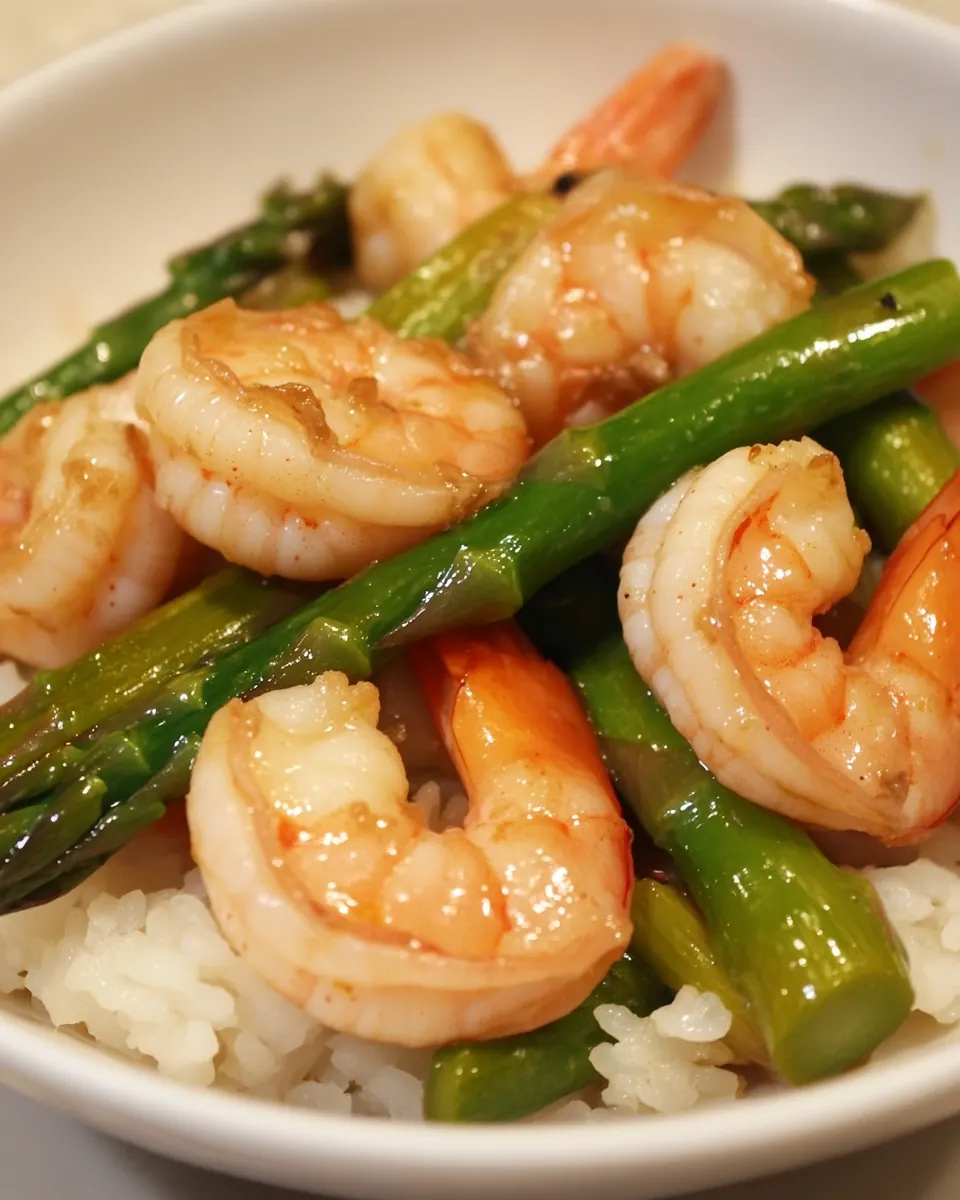
Asparagus and Shrimp Stir Fry
Asparagus and Shrimp Stir Fry has been one of my weeknight go to dinners since spring markets first coaxed tender asparagus into my kitchen. The very first time I paired bright green asparagus with plump shrimp, I was struck by how quickly a few simple ingredients could feel celebratory, and that memory keeps me reaching for this combo whenever I want something fresh, fast, and flavorful.
I remember standing at the stove with a cup of chicken broth warmed beside me, the smell of smashed ginger and minced garlic releasing into the pan as the oil shimmered. The sizzle when the shrimp hit the hot surface felt like a tiny triumph, and the asparagus, cut on the slant, kept just enough bite to balance the tender sea sweetness. Over time I tweaked salt, pepper, and a splash of chili sauce until the sauce tasted like the exact comfort I wanted after a long day.
Recipe Snapshot
25 mins
10 mins
15 mins
Easy
300 kcal
American
Gluten-Free, Paleo
Dinner
Pan or wok, Spatula or wooden spoon
Why This Asparagus and Shrimp Stir Fry Works
Fresh seasonal appeal
I love this dish because it celebrates spring produce. The tender stalks of asparagus bring a green, grassy brightness that contrasts with the sweet brininess of the shrimp. When you cook them quickly, both ingredients stay vivid and lively, which is exactly what I look for in a spring meal.
Speed without compromise
We can have dinner on the table in under 30 minutes, but it never feels rushed. The technique of high heat stir frying locks in texture and flavor, giving you a satisfying sear on the shrimp and a snappy bite on the asparagus. That balance is why I keep this recipe in heavy rotation for hectic weeknights.
Layered aromatics
The combination of smashed white scallion bits, grated ginger, and minced garlic creates a fragrant backbone that carries the whole dish. I find that the aromatics make the sauce taste deeper, even though the ingredient list is short. Each sniff while cooking tells me I am on the right track.
Customizable heat and sauce
You can dial the chili level up or down with a few dashes of Asian chili sauce, and using chicken broth as the sauce base keeps the flavors rounded without overpowering. I often add the cornstarch slurry at the end for a glossy, clingy sauce that coats each piece of asparagus and shrimp.
Light yet satisfying
This recipe hits that sweet spot between light and filling. The lean protein from the shrimp and the vegetable forward profile make it a great option for those who want to eat well without feeling heavy. I keep coming back to it when I want something simple that still impresses.
Everything You Need for Asparagus and Shrimp Stir Fry
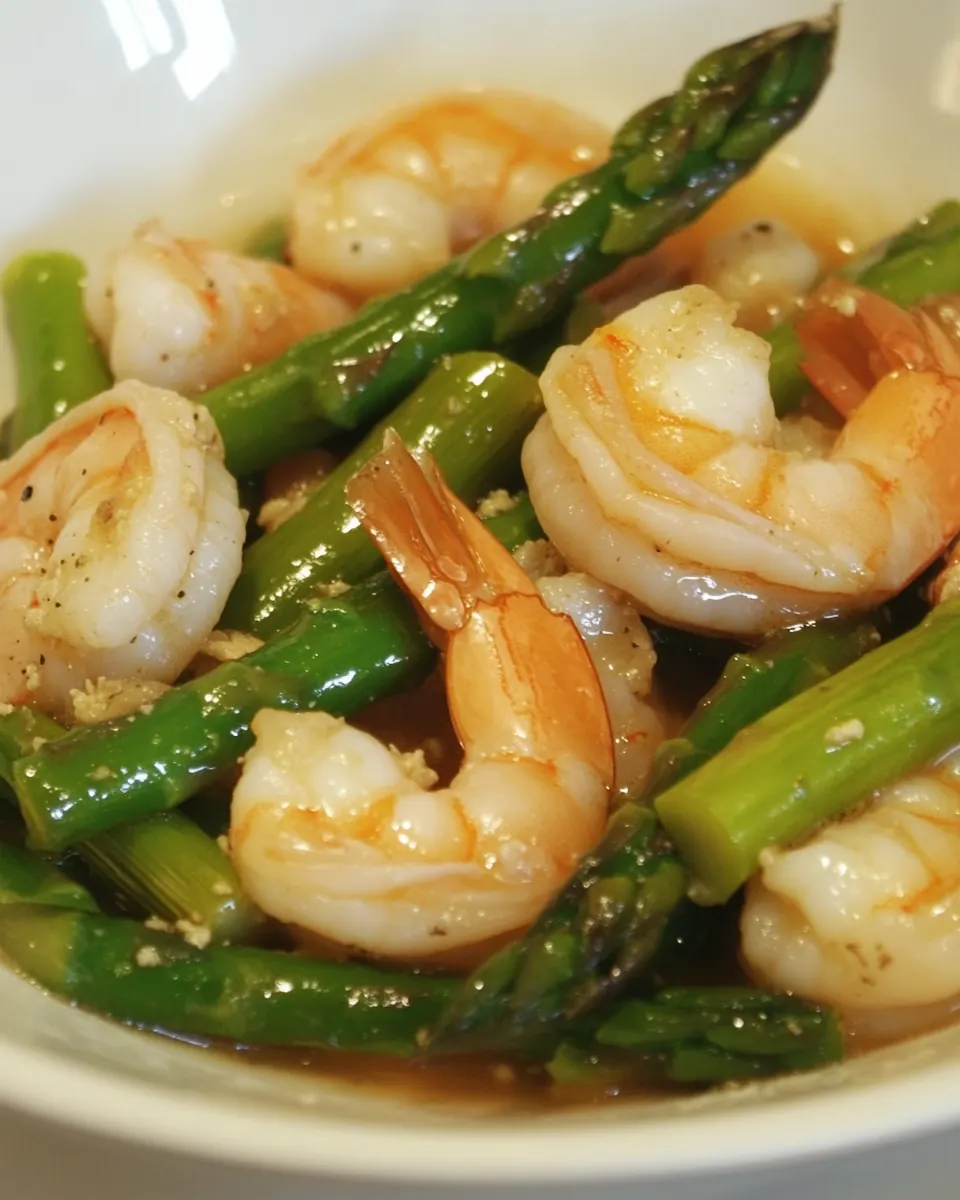
The ingredients here are all about clarity and collaboration. Each element plays a clear role, from the savory base of chicken broth to the aromatic lift of ginger and garlic. The key players are the tender asparagus and the sweet shrimp, while the broth and cornstarch create a silky sauce that ties everything together.
- 1 pound of shrimp cleaned; peeled, deveined, pat dried with paper towels: Cleaned and peeled, provide a tender, protein-rich base that cooks quickly and absorbs stir-fry flavors; patting dry ensures even browning and prevents steaming in the pan. Deveining removes the digestive tract for better texture and presentation, while the pound quantity feeds approximately 3–4 people as part of the main dish.
- 1/4 teaspoons salt: Lightly seasons the shrimp and overall dish to enhance natural flavors without overpowering delicate seafood; use sparingly to control sodium levels. Dissolving evenly in marinades or sauces helps bring out umami in other components like broth and aromatics.
- 1/4 teaspoon ground white pepper: Adds a subtle, warm heat and lightly pungent aroma that complements ginger and garlic; ground white pepper blends smoothly into light-colored sauces without visual specks. Use judiciously to maintain balance and avoid dominating the fresh flavors of asparagus and shrimp.
- ______________: Provides a neutral canvas for combining flavors and can be used for additional seasoning, binding or texture adjustments depending on the missing element; allows for customization of the recipe’s saltiness, sweetness, or viscosity. Choosing an appropriate ingredient here should support the stir-fry’s balance and cooking technique without disrupting timing.
- 1 – 1 1/2 lbs. asparagus peeled and slant cut into 1/2 inch pieces: Offers a crisp, slightly grassy vegetable component that contrasts with the shrimp; peeling and slant-cutting into 1/2-inch pieces ensures quick, even cooking and attractive presentation. Quantity yields a hearty vegetable-to-protein ratio and contributes bright color and fiber to the dish.
- 3 scallions smash white part with the flat of your knife, and cut 2 inch pieces of the whole scallion: Smash the white parts to release aromatic juices and cut whole scallions into 2-inch pieces to provide both flavor and textural interest; the white parts add savory depth while the green tops give freshness when finished. Including scallions adds a mild oniony brightness that ties aromatics together.
- 1 thumb sized piece of fresh ginger peeled smashed and lightly chopped: Smashing and lightly chopping releases intense, peppery, citrusy heat that lifts the stir-fry; fresh ginger adds warmth and a zesty backbone that pairs especially well with shrimp and soy-based elements. Using thumb–sized pieces gives control over pungency while retaining vibrant, fresh flavor.
- 4 garlic cloves peeled and minced: Minced to distribute pungent, savory notes evenly, garlic contributes an essential aromatic foundation that deepens umami and rounds other flavors. Properly cooking garlic (briefly at high heat) prevents bitterness while maximizing fragrance throughout the sauce and vegetables.
- 4 dashes more if you like it spicier of Asian chili sauce – I used Sriracha: Adds concentrated chili heat and a touch of sweetness to enliven the dish; adjust the number of dashes to control spiciness according to taste. Using an Asian chili sauce like Sriracha integrates well with broth and aromatics, providing complexity without altering texture significantly.
- 1/2 teaspoons salt: Used to further season and balance the overall taste, helping to enhance savory components while controlling overall saltiness; a second pinch allows separate seasoning for vegetables or sauce. Adding small amounts at different stages ensures layers of flavor without oversalting.
- 2 teaspoons oil: Provides the cooking medium for initial searing and stir-frying, allowing aromatics to bloom and ingredients to achieve slight caramelization; neutral oil with a high smoke point works best. Using the specified small amount helps maintain a moist, non-greasy finished dish while preventing sticking.
- 1 1/4 cups chicken broth: Serves as the primary liquid component that creates the stir-fry sauce, contributing savory depth and volume while deglazing the pan. Using chicken broth adds umami and body, helping the cornstarch slurry thicken into a glossy sauce that coats shrimp and asparagus.
- 1 tablespoon of cornstarch mixed with 2 tablespoons of water: Creates a glossy, slightly thickened sauce when mixed with broth and heated; cornstarch slurry helps suspend flavors and adhere them to ingredients without altering taste. Combining with water before adding prevents lumps and ensures smooth, even thickening during final simmering.
How to Assemble Asparagus and Shrimp Stir Fry
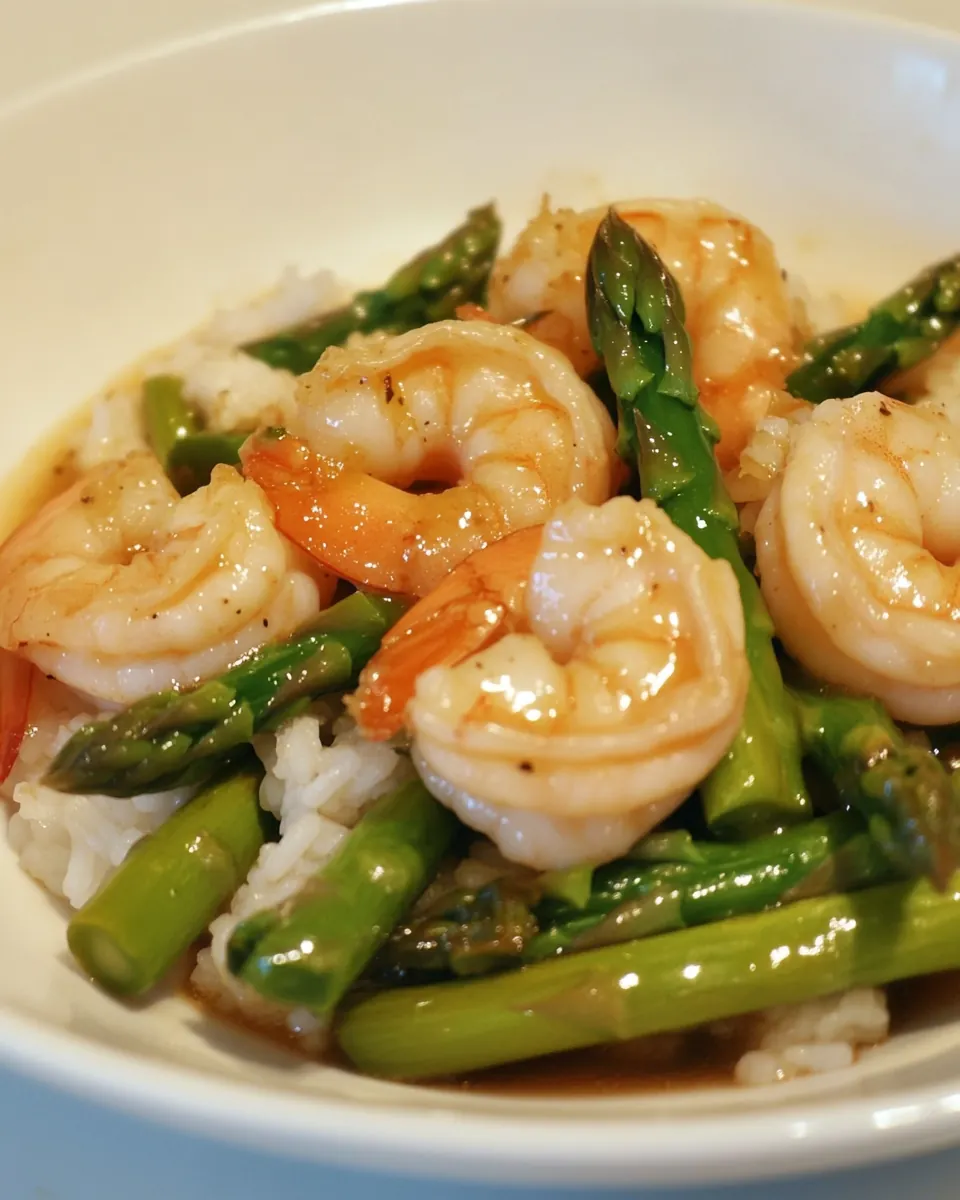
Stir frying is quick and rhythmic, and the goal is to build layers of flavor while keeping texture bright. Work at high heat, move quickly, and use your senses to judge doneness. Below I expand each original direction into detailed, sensory rich steps so you can cook with confidence.
- Combine the shrimp, salt and pepper.: You will notice the salt drawing a hint of moisture from the shrimp , and the faint aroma of white pepper will lift the surface scent. This brief seasoning stage boosts the umami and balances the natural sweetness of the shrimp . Make sure the shrimp are evenly coated, and avoid over salting if your chicken broth is salty. A common mistake is letting seasoned shrimp sit too long which can change texture, so proceed to the pan within a few minutes.
- In a medium preheated pan or wok, add 2 teaspoons of oil. Add scallion, ginger and garlic. Stir-fry until garlic is lightly browned. Add chicken broth, one tablespoon at a time to prevent burning.: As the oil heats it should shimmer, and when you add the smashed white scallion , smashed ginger , and minced garlic , aromas will bloom immediately, filling the kitchen with sharp, savory notes. The sound should be a soft sizzle rather than a roar. Browning the garlic just until it is golden creates a nutty aroma, but if it goes too dark it turns bitter, so keep it moving. Adding the chicken broth by tablespoon helps deglaze and regulate temperature, preventing the aromatics from burning while building sauce depth.
- Turn up heat to high and add shrimp. Stir-fry until cooked, and add tablespoons of broth as needed to prevent from burning. Remove shrimp. You can also remove the spices, but I kept mine in the pan.: Cranking to high heat should make the pan roar to life, and when the shrimp meet the surface you should hear a confident sizzle. That quick sear creates a slightly caramelized edge while keeping the center tender. The shrimp will change from translucent to opaque and curl a bit, signaling doneness. Keep stirring so they cook evenly and add small splashes of the warm chicken broth if the pan threatens to scorch. Overcooking will make shrimp rubbery, so remove them promptly and set aside.
- Add asparagus, and stir-fry (about 3-5 minutes) with the salt and chili sauce. Continue to add tablespoons of broth as needed to the pan.: When the asparagus hits the pan it should hiss and release a bright green steam. Stir frying for three to five minutes gives you tender stalks with a pleasant snap. Toss in the small measure of salt and the dashes of chili sauce so each piece gets a glossy coating. The chili sauce adds aromatic heat and a slight sweetness which pairs well with the vegetal asparagus . If the pan dries out, add the warm chicken broth sparingly to create a silky finish without steaming the vegetables into mush.
- Return shrimp to pan, and add remaining broth and bring to a slight boil. Add the cornstarch mixture to thicken the sauce.: Reintroducing the shrimp reunites the flavors, and the steam will carry the mingled aromatics. Bringing the mixture to a gentle boil activates the cornstarch, which when added makes the sauce thicken and become glossy, clinging to each piece. Stir gently as the sauce sets to an even sheen. A common pitfall is adding the slurry too early or too cold which can cause uneven thickening or lumps, so stir the slurry smooth before adding and pour slowly while stirring.
Tips and Variations
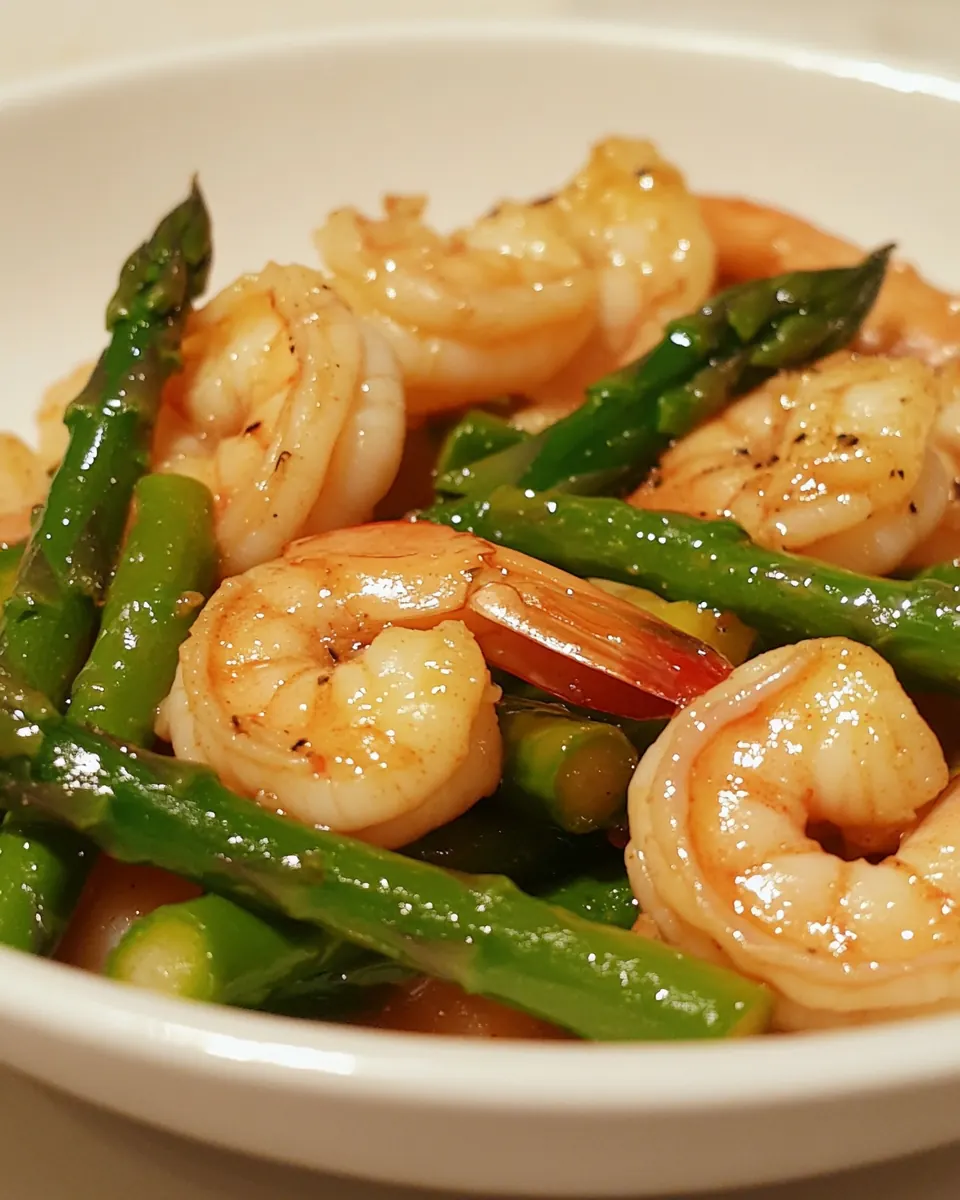
I like to think of these tips as small experiments that yield big results. They are practical, easy to test, and will elevate your Asparagus and Shrimp Stir Fry every time. Try one or two and notice the difference in texture and flavor.
- Drying the shrimp: Pat the shrimp completely dry to ensure a proper sear and avoid steaming in the pan.
- Batch cooking: If your pan is crowded, cook the shrimp in two batches to maintain high heat and get better browning.
- Broth temperature: Keep the chicken broth warm on the side so it does not drop the pan temperature when added.
- Ginger prep: Smash then mince the ginger to release essential oils quickly and distribute flavor evenly.
- Adjusting spice: Start with fewer dashes of chili sauce and add more at the end if you want to control heat without muting other flavors.
- Slant cuts: Cutting asparagus on the bias increases surface area, which helps the sauce cling and creates more pleasing bite.
Great Combinations for Asparagus and Shrimp Stir Fry
This dish is versatile for many occasions and pairs well with light starches, or can be featured on its own for a lighter meal. The suggestions below cover sides, serving ideas, and storage notes so you can plan for lunch, dinner, or a special gathering.
- Serve with jasmine rice: Fluffy rice soaks up the glossy sauce and turns this into a complete, easy weeknight dinner.
- Offer as part of a casual dinner: Pair with simple steamed vegetables for a balanced plate that suits family meals or small gatherings.
- Elegant weeknight dinner: Plate the stir fry over a bed of lightly dressed greens for a brighter, lighter option that still feels composed.
- Meal prep and storage: Cool quickly, store in an airtight container, and refrigerate for up to two days; reheat gently to avoid overcooking the shrimp.
- Occasions: This recipe fits spring menus, quick dinner rotations, or anytime you need a fast, seasonally minded meal.
- Seasonal pairing: Emphasize fresh market asparagus in spring for the best texture and flavor, and lean on pantry staples for quick preparation.
FAQ
Conclusion
This Asparagus and Shrimp Stir Fry stands out because it pairs bright spring produce with sweet, seared shrimp for a fast, flavor forward meal. The combination of smashed ginger, garlic, and a glossy broth based sauce creates a satisfying balance of aroma and texture. I encourage you to give it a try the next time you want a quick, elegant dinner; the technique is simple and the results are consistently rewarding. It’s a recipe that fits busy evenings while still tasting thoughtful and seasonal.
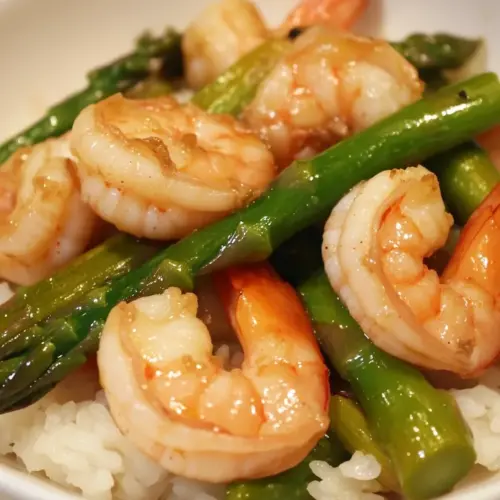
Asparagus and Shrimp Stir Fry
Equipment
- Pan or wok
- Spatula or wooden spoon
Ingredients
- 1 pound of shrimp cleaned; peeled, deveined, pat dried with paper towels Cleaned and peeled, provide a tender, protein-rich base that cooks quickly and absorbs stir-fry flavors; patting dry ensures even browning and prevents steaming in the pan. Deveining removes the digestive tract for better texture and presentation, while the pound quantity feeds approximately 3–4 people as part of the main dish.
- 1/4 teaspoons salt Lightly seasons the shrimp and overall dish to enhance natural flavors without overpowering delicate seafood; use sparingly to control sodium levels. Dissolving evenly in marinades or sauces helps bring out umami in other components like broth and aromatics.
- 1/4 teaspoon ground white pepper Adds a subtle, warm heat and lightly pungent aroma that complements ginger and garlic; ground white pepper blends smoothly into light-colored sauces without visual specks. Use judiciously to maintain balance and avoid dominating the fresh flavors of asparagus and shrimp.
- 1 – 1 1/2 lbs. asparagus peeled and slant cut into 1/2 inch pieces Offers a crisp, slightly grassy vegetable component that contrasts with the shrimp; peeling and slant-cutting into 1/2-inch pieces ensures quick, even cooking and attractive presentation. Quantity yields a hearty vegetable-to-protein ratio and contributes bright color and fiber to the dish.
- 3 scallions smash white part with the flat of your knife, and cut 2 inch pieces of the whole scallion Smash the white parts to release aromatic juices and cut whole scallions into 2-inch pieces to provide both flavor and textural interest; the white parts add savory depth while the green tops give freshness when finished. Including scallions adds a mild oniony brightness that ties aromatics together.
- 1 thumb sized piece of fresh ginger peeled smashed and lightly chopped Smashing and lightly chopping releases intense, peppery, citrusy heat that lifts the stir-fry; fresh ginger adds warmth and a zesty backbone that pairs especially well with shrimp and soy-based elements. Using thumb-sized pieces gives control over pungency while retaining vibrant, fresh flavor.
- 4 garlic cloves peeled and minced Minced to distribute pungent, savory notes evenly, garlic contributes an essential aromatic foundation that deepens umami and rounds other flavors. Properly cooking garlic (briefly at high heat) prevents bitterness while maximizing fragrance throughout the sauce and vegetables.
- 4 dashes more if you like it spicier of Asian chili sauce – I used Sriracha Adds concentrated chili heat and a touch of sweetness to enliven the dish; adjust the number of dashes to control spiciness according to taste. Using an Asian chili sauce like Sriracha integrates well with broth and aromatics, providing complexity without altering texture significantly.
- 1/2 teaspoons salt Used to further season and balance the overall taste, helping to enhance savory components while controlling overall saltiness; a second pinch allows separate seasoning for vegetables or sauce. Adding small amounts at different stages ensures layers of flavor without oversalting.
- 2 teaspoons oil Provides the cooking medium for initial searing and stir-frying, allowing aromatics to bloom and ingredients to achieve slight caramelization; neutral oil with a high smoke point works best. Using the specified small amount helps maintain a moist, non-greasy finished dish while preventing sticking.
- 1 1/4 cups chicken broth Serves as the primary liquid component that creates the stir-fry sauce, contributing savory depth and volume while deglazing the pan. Using chicken broth adds umami and body, helping the cornstarch slurry thicken into a glossy sauce that coats shrimp and asparagus.
- 1 tablespoon of cornstarch mixed with 2 tablespoons of water Creates a glossy, slightly thickened sauce when mixed with broth and heated; cornstarch slurry helps suspend flavors and adhere them to ingredients without altering taste. Combining with water before adding prevents lumps and ensures smooth, even thickening during final simmering.
Instructions
- Combine the shrimp, salt and pepper.: You will notice the salt drawing a hint of moisture from the shrimp , and the faint aroma of white pepper will lift the surface scent. This brief seasoning stage boosts the umami and balances the natural sweetness of the shrimp . Make sure the shrimp are evenly coated, and avoid over salting if your chicken broth is salty. A common mistake is letting seasoned shrimp sit too long which can change texture, so proceed to the pan within a few minutes.
- In a medium preheated pan or wok, add 2 teaspoons of oil. Add scallion, ginger and garlic. Stir-fry until garlic is lightly browned. Add chicken broth, one tablespoon at a time to prevent burning.: As the oil heats it should shimmer, and when you add the smashed white scallion , smashed ginger , and minced garlic , aromas will bloom immediately, filling the kitchen with sharp, savory notes. The sound should be a soft sizzle rather than a roar. Browning the garlic just until it is golden creates a nutty aroma, but if it goes too dark it turns bitter, so keep it moving. Adding the chicken broth by tablespoon helps deglaze and regulate temperature, preventing the aromatics from burning while building sauce depth.
- Turn up heat to high and add shrimp. Stir-fry until cooked, and add tablespoons of broth as needed to prevent from burning. Remove shrimp. You can also remove the spices, but I kept mine in the pan.: Cranking to high heat should make the pan roar to life, and when the shrimp meet the surface you should hear a confident sizzle. That quick sear creates a slightly caramelized edge while keeping the center tender. The shrimp will change from translucent to opaque and curl a bit, signaling doneness. Keep stirring so they cook evenly and add small splashes of the warm chicken broth if the pan threatens to scorch. Overcooking will make shrimp rubbery, so remove them promptly and set aside.
- Add asparagus, and stir-fry (about 3-5 minutes) with the salt and chili sauce. Continue to add tablespoons of broth as needed to the pan.: When the asparagus hits the pan it should hiss and release a bright green steam. Stir frying for three to five minutes gives you tender stalks with a pleasant snap. Toss in the small measure of salt and the dashes of chili sauce so each piece gets a glossy coating. The chili sauce adds aromatic heat and a slight sweetness which pairs well with the vegetal asparagus . If the pan dries out, add the warm chicken broth sparingly to create a silky finish without steaming the vegetables into mush.
- Return shrimp to pan, and add remaining broth and bring to a slight boil. Add the cornstarch mixture to thicken the sauce.: Reintroducing the shrimp reunites the flavors, and the steam will carry the mingled aromatics. Bringing the mixture to a gentle boil activates the cornstarch, which when added makes the sauce thicken and become glossy, clinging to each piece. Stir gently as the sauce sets to an even sheen. A common pitfall is adding the slurry too early or too cold which can cause uneven thickening or lumps, so stir the slurry smooth before adding and pour slowly while stirring.
Notes
- Drying the shrimp: Pat the shrimp completely dry to ensure a proper sear and avoid steaming in the pan.
- Batch cooking: If your pan is crowded, cook the shrimp in two batches to maintain high heat and get better browning.
- Broth temperature: Keep the chicken broth warm on the side so it does not drop the pan temperature when added.
- Ginger prep: Smash then mince the ginger to release essential oils quickly and distribute flavor evenly.
- Adjusting spice: Start with fewer dashes of chili sauce and add more at the end if you want to control heat without muting other flavors.
- Slant cuts: Cutting asparagus on the bias increases surface area, which helps the sauce cling and creates more pleasing bite.