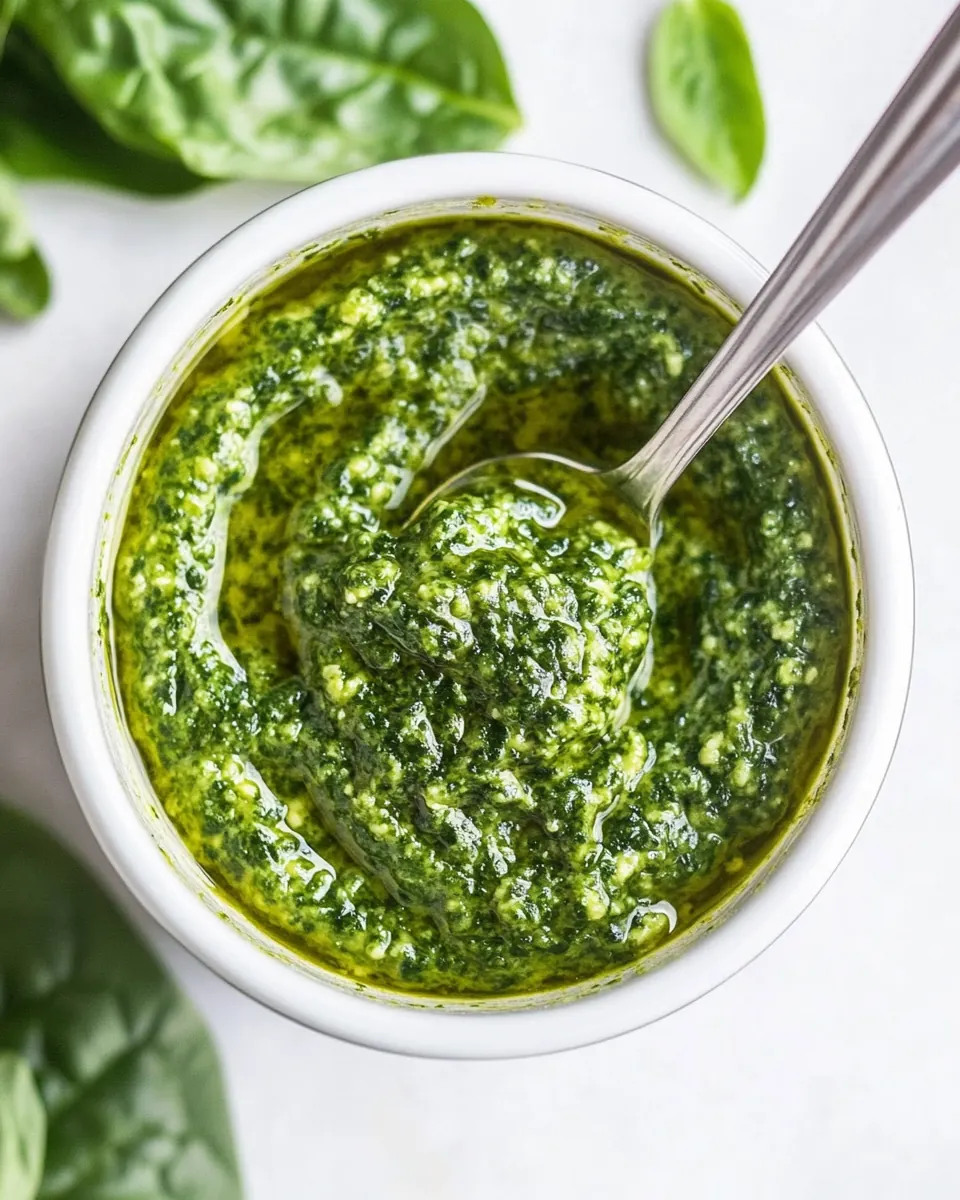
Spinach Basil Pesto
Spinach Basil Pesto is the kind of recipe I reach for when I want something vibrant, green, and utterly forgiving.
I remember the first time I made this on a rainy spring afternoon, the kitchen filling with the bright, herbaceous scent of basil and the green, earthy hum of spinach. I was short on time and long on appetite, and this simple blend came together faster than I could decide what to serve it with. It felt like a little green gift, one that elevated a plain plate of pasta into something I wanted to photograph and savor. Over the years I have tweaked the balance of nuts and cheese, learned how a tiny splash of lemon juice wakes everything up, and how a drizzle of extra-virgin olive oil gives a silky mouthfeel.
Every batch tells a story about ingredients and seasons. When basil is at its peak in spring, I’ll use a higher basil ratio for bright aromatics, but I often stretch the herb forward by adding more spinach for color, nutrients, and a milder, rounded backdrop. What delights me most is how forgiving this pesto is: if the texture is too thick, a spoon of warm water loosens it without diluting flavor, and if you like heat, a pinch of red pepper flakes adds gentle warmth. I love that it works as a spread, a sauce, or a vibrant swirl in soups. This recipe has become my weeknight shortcut and my entertaining showstopper, depending on how much time I spend on the rest of the plate.
Recipe Snapshot
5 mins
5 mins
Easy
300 kcal
Italian
Keto, Gluten-Free
Appetizers
Food Processor, High Speed Blender
The Beauty of This Spinach Basil Pesto
Freshness in Every Bite
I adore how Spinach Basil Pesto sings of fresh herbs and greens. The combination of basil and spinach gives a perfume that feels immediate and bright, it’s a quick way to add garden freshness to any meal. Because I often make it the day before guests arrive, this pesto becomes even more harmonious as the flavors rest.
Versatility on Repeat
We can use this pesto on pasta, as a spread for sandwiches, or folded into roasted vegetables. I often toss a spoonful into leftover grains to reawaken them. Its utility means I lean on this recipe when I want maximum impact with minimal fuss.
Texture and Mouthfeel
The presence of lightly toasted nuts gives a creamy texture without turning heavy. When I pulse the ingredients just so, the result is silky yet textured, making each mouthful interesting. I like how the olive oil emulsifies the herbs and parmesan cheese if I use it, creating a luxurious coating for whatever it meets.
Speed and Ease
I love that this pesto comes together in minutes. For busy evenings, its quick assembly is invaluable. You do not need expert technique to get great results, and that makes me reach for it on hectic days and relaxed ones alike.
Adaptable Flavor
Finally, I appreciate how small tweaks transform the pesto: more garlic for punch, extra lemon for brightness, or red pepper flakes for a gentle warmth. It is very forgiving, which encourages experimentation and personal signatures.
Spinach Basil Pesto Shopping List
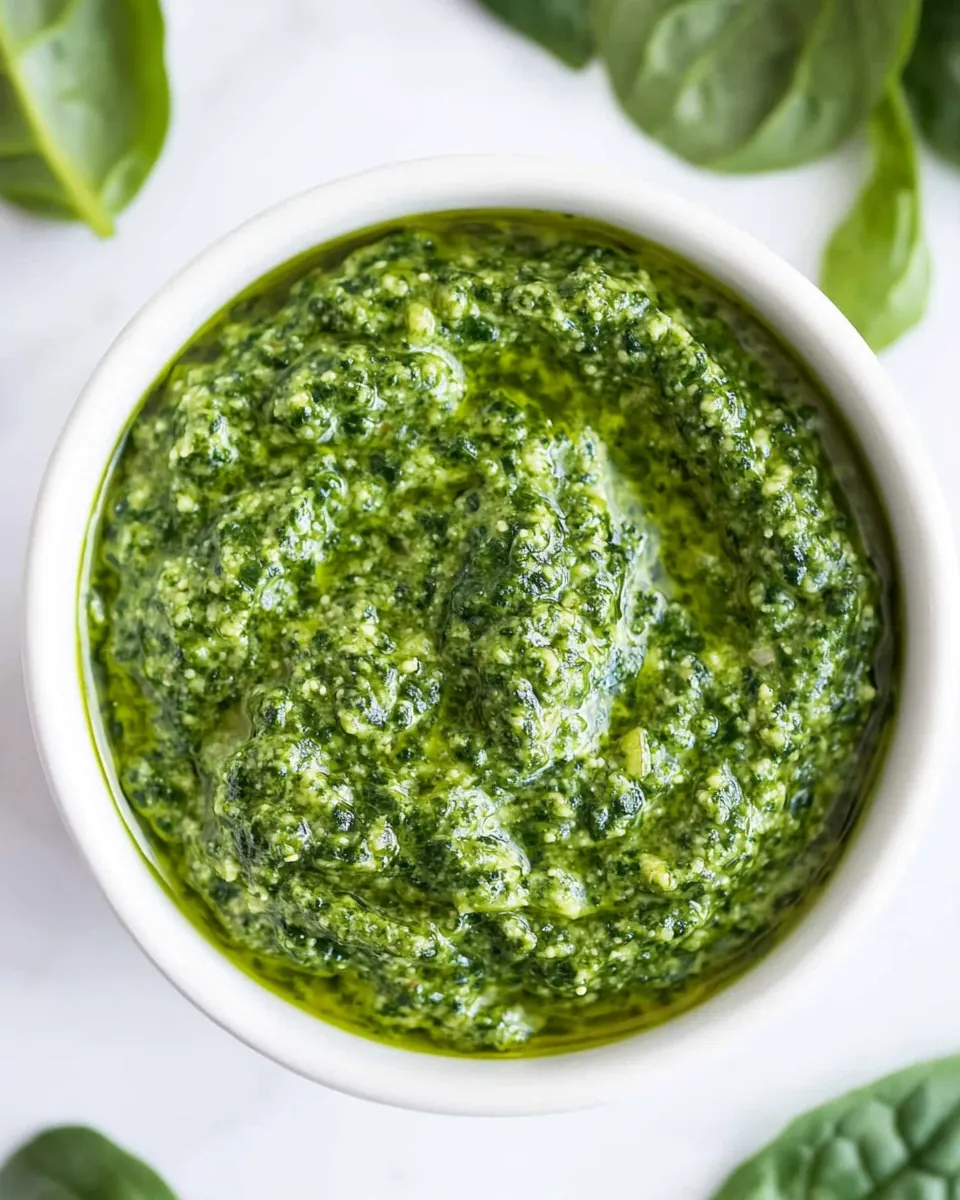
These ingredients are deliberately simple, chosen to complement each other while keeping the pesto bright and balanced. The key players are the herbs for aroma, the nuts for body, and the oil for silkiness. Together they create a sauce that is herbaceous, creamy, and adaptable, ideal for tossing with pasta or stirring into grains.
- 1 cup fresh basil: Add bright, aromatic flavor and act as the herbaceous base that defines the pesto's signature taste; chop or pack loosely before blending to release oils and aroma.
- 1 1/2 cups spinach: Provide mild, leafy bulk and a vibrant green color while mellowing basil's intensity; wash thoroughly and squeeze out excess water to prevent a watery pesto.
- 1/2 cup pine nuts see note: Offer rich, buttery texture and nutty depth that helps emulsify the sauce when blended; toast lightly for extra flavor and pulse with the greens for even distribution.
- 2 garlic cloves: Impart pungent, savory sharpness and aromatic bite that lifts the pesto; mince or crush to ensure it disperses evenly and does not dominate the mixture.
- 1/4 cup extra-virgin olive oil more as needed: Bind ingredients while contributing fruity, peppery richness and smooth mouthfeel; drizzle slowly into the blend to create a cohesive, silky emulsion.
- 1 2 tablespoons warm water as needed for dryness: Adjust consistency by thinning the pesto and preventing clumping when the mixture is too dry; add gradually until the desired spreadable texture is reached.
- Big pinch of salt and pepper: Season and balance flavors by enhancing savory notes and taming bitterness; sprinkle and taste, increasing gradually to avoid oversalting.
- Red pepper flakes to taste: Introduce a touch of heat and complexity that livens the sauce without overpowering basil; add sparingly and taste to reach a pleasant warmth.
- 2 tablespoons parmesan cheese (optional): Add savory umami and creamy saltiness that deepens the pesto's flavor profile when included; grate finely and fold in at the end for best texture.
- A squeeze of fresh lemon juice for bright flavor!: Brighten and lift flavors with acidic freshness that cuts through oil and richness; squeeze in small amounts and adjust to taste for a lively finish.
Spinach Basil Pesto Instructions
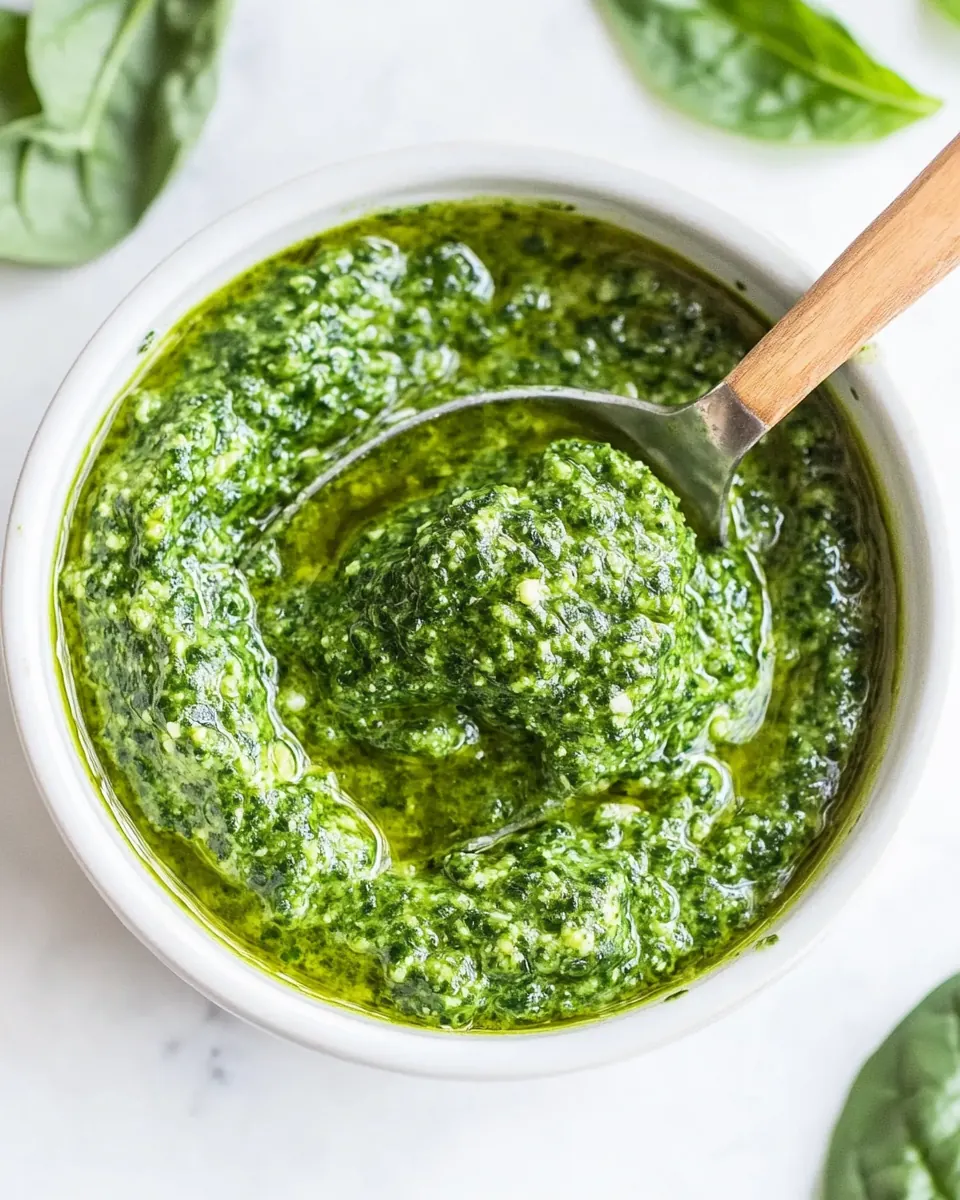
Below you will find a friendly, hands on guide to turning those ingredients into a silky, vibrant pesto. I like to work in short bursts, pulsing and tasting, so the texture stays controlled and the flavors remain bright.
- Add all of the ingredients, except the olive oil and warm water, to a food processor or a high-speed blender. Pulse until you have a smooth consistency. Note: You can absolutely use either a food processor or a high-speed blender here!: You can absolutely use either a food processor or a high-speed blender here! : Close your eyes for a moment and notice the fresh scent of chopped basil and the gentle green sweetness of spinach being agitated, it should smell herbaceous and slightly garlicky as the blades chop. The pulsing action creates a coarse initial texture that gradually smooths, and this rhythm prevents over heating the herbs which can turn their flavor bitter. If you hear a motor strain, pause and scrape down the sides to keep everything moving evenly. A common mistake is running the machine continuously which can produce a warm, flattened flavor and a pasty texture, so pulse in short bursts and check the color and scent often. Aim for a texture that is mostly smooth with tiny flecks visible, which tells you the pesto will cling beautifully to pasta or toast.
- With the motor running, drizzle in the olive oil. If needed you can add in a tablespoon of hot water as needed to make a smooth pesto.: As you slowly stream in the extra–virgin olive oil , pay attention to the way the mixture becomes satin like and glossy, this is the moment the emulsion forms and the pesto transforms from chopped herbs into a cohesive sauce. The steady drizzle helps the oil suspend small herb particles rather than separating, giving a silky mouthfeel. If the blend seems too thick or the blades struggle, a tablespoon of warm water will ease movement and preserve vibrancy without cooling the mixture too much. Avoid pouring the oil in too quickly or all at once, because that can cause the oil to pool and make the texture greasy rather than emulsified. Your goal is a spreadable, spoonable consistency that coats ingredients evenly.
- Taste and adjust seasoning.: Right after you blend, bring the bowl to your nose and palate and sample for balance, you should detect herb brightness, a touch of garlic warmth, and enough salt to lift flavors. Small tweaks matter now, a pinch more salt can make herbs pop, extra red pepper flakes add a pleasant linger of heat, and another squeeze of lemon will brighten the entire profile. If the pesto tastes flat, check for too little acid or salt rather than adding more oil. A frequent misstep is over seasoning early, so adjust incrementally and taste between additions to reach the ideal harmony.
- Use immediately or store for up to 1 week in a tightly sealed container.: The first bite right after making it will be vivid and aromatic, perfect for tossing with warm pasta where the heat releases fragrant oils, or spooning over grilled vegetables. When storing, press a thin layer of oil on the surface and seal tightly to minimize oxidation and color loss; you will notice the pesto remains brightest in the first two days and mellows over the week. A common storage error is leaving air pockets in the container which accelerates browning, so press the surface flat and keep chilled. If the pesto thickens in the fridge, let it sit at room temperature and stir in a little warm water or oil to restore silkiness before serving.
How to Switch It Up
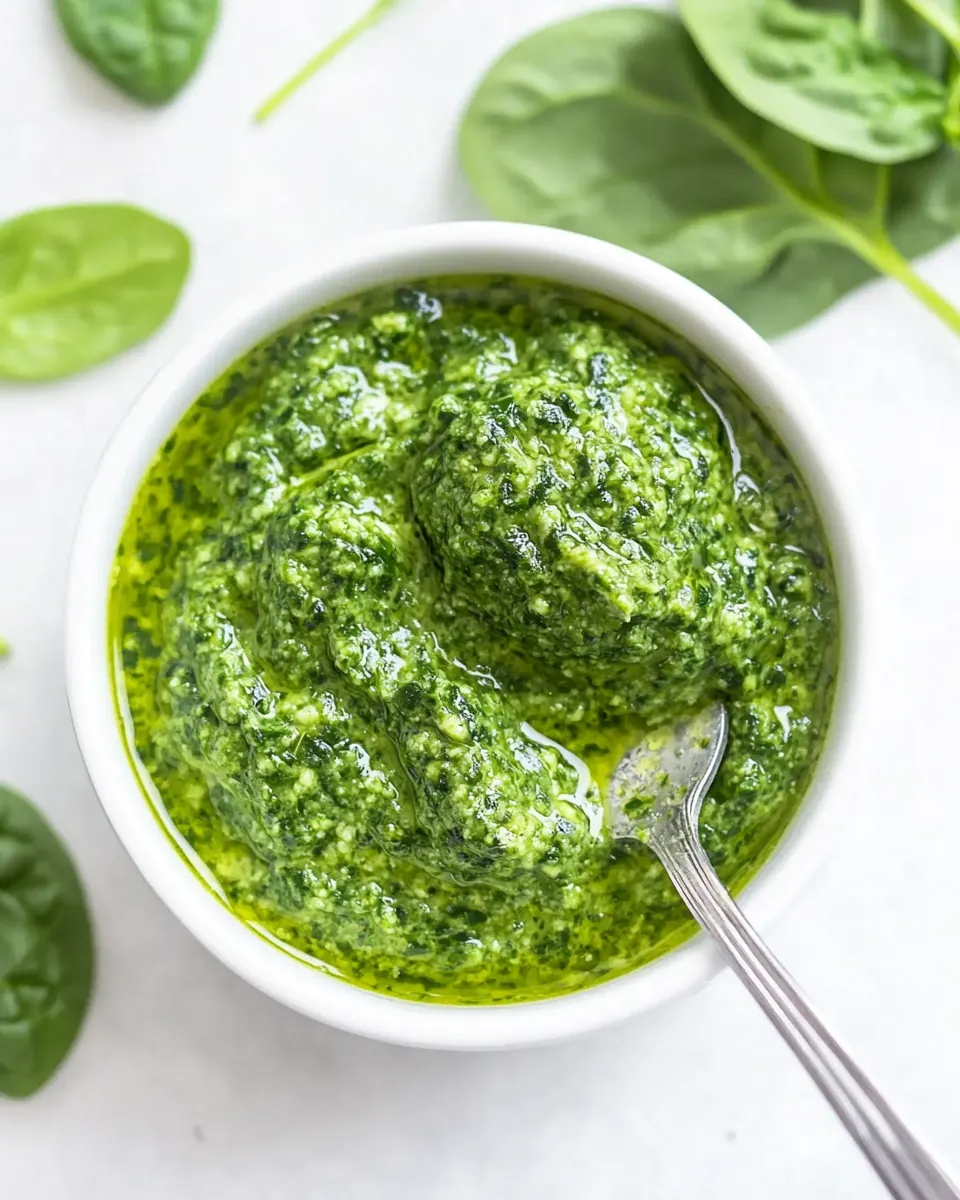
This short intro explains easy ways to vary Spinach Basil Pesto for different textures and flavors. Below are practical, tested tips that I use often when I want to change the character of the sauce without reinventing it.
- Swap the nuts Try slivered almonds or cashews in place of pine nuts for a different richness and cost savings, they toast well and blend into a creamy texture.
- Make it nut free If you cannot have nuts, increase parmesan cheese slightly or use sunflower seeds for body, they create a similar buttery mouthfeel.
- Omit cheese For a dairy free version, skip the parmesan cheese and add a touch more lemon for brightness and nutritional yeast for umami if desired.
- Turn it into a marinade Thin the pesto with more extra-virgin olive oil and use it to marinate vegetables or tofu for quick grilling or roasting.
- Boost the garlic Increase to three cloves if you prefer a more pungent, savory profile, but allow the pesto to rest briefly to mellow the raw edges.
What to Serve Alongside Spinach Basil Pesto
This introduction outlines smart serving ideas that complement the flavor and texture of Spinach Basil Pesto. Think of the pesto as a versatile companion that adds brightness to many dishes.
- Toss with pasta Classic and effortless, the pesto clings to strands creating a quick, elegant meal for lunch or dinner, serve with a squeeze of lemon and reserved pasta water to loosen the sauce.
- Spread on toast Use as a savory spread for sandwiches or crostini topped with roasted vegetables for a casual appetizer or light lunch.
- Stir into grains Fold into warm quinoa, rice, or farro to revive leftovers and add freshness to a grain bowl, great for meal prep lunches.
- Drizzle over roasted vegetables The pesto pairs wonderfully with charred or roasted vegetables, offering herbaceous contrast and extra richness for a side dish at dinner.
- Use as a dip Serve with raw vegetables or pita for a bright, flavorful dip at gatherings and casual snacks.
- Storage tips Refrigerate in an airtight container with a thin layer of oil on top for up to one week, or freeze in ice cube trays for individual portions to thaw as needed.
- Seasonal pairings This pesto shines in spring and summer when herbs and greens are at their best, it also lifts hearty fall vegetables when used as a finishing sauce.
FAQ
Conclusion
This Spinach Basil Pesto stands out for its bright herbal character, creamy texture, and speed of preparation. It’s a small recipe that makes a big difference, turning simple ingredients into something vibrant and versatile. Give it a whirl on pasta, as a spread, or stirred into grains, and enjoy how a few fresh ingredients can elevate a meal. I hope you have fun experimenting with it and that it becomes one of your go to green sauces.
Spinach Basil Pesto
Equipment
- Food Processor
- High Speed Blender
Ingredients
- 1 cup fresh basil Add bright, aromatic flavor and act as the herbaceous base that defines the pesto's signature taste; chop or pack loosely before blending to release oils and aroma.
- 1 1/2 cups spinach Provide mild, leafy bulk and a vibrant green color while mellowing basil's intensity; wash thoroughly and squeeze out excess water to prevent a watery pesto.
- 1/2 cup pine nuts see note Offer rich, buttery texture and nutty depth that helps emulsify the sauce when blended; toast lightly for extra flavor and pulse with the greens for even distribution.
- 2 garlic cloves Impart pungent, savory sharpness and aromatic bite that lifts the pesto; mince or crush to ensure it disperses evenly and does not dominate the mixture.
- 1/4 cup extra-virgin olive oil more as needed Bind ingredients while contributing fruity, peppery richness and smooth mouthfeel; drizzle slowly into the blend to create a cohesive, silky emulsion.
- 1 -2 tablespoons warm water as needed for dryness Adjust consistency by thinning the pesto and preventing clumping when the mixture is too dry; add gradually until the desired spreadable texture is reached.
- Big pinch of salt and pepper Season and balance flavors by enhancing savory notes and taming bitterness; sprinkle and taste, increasing gradually to avoid oversalting.
- Red pepper flakes to taste Introduce a touch of heat and complexity that livens the sauce without overpowering basil; add sparingly and taste to reach a pleasant warmth.
- 2 tablespoons parmesan cheese optional Add savory umami and creamy saltiness that deepens the pesto's flavor profile when included; grate finely and fold in at the end for best texture.
- A squeeze of fresh lemon juice for bright flavor! Brighten and lift flavors with acidic freshness that cuts through oil and richness; squeeze in small amounts and adjust to taste for a lively finish.
Instructions
- Add all of the ingredients, except the olive oil and warm water, to a food processor or a high-speed blender. Pulse until you have a smooth consistency. Note: You can absolutely use either a food processor or a high-speed blender here!: You can absolutely use either a food processor or a high-speed blender here! : Close your eyes for a moment and notice the fresh scent of chopped basil and the gentle green sweetness of spinach being agitated, it should smell herbaceous and slightly garlicky as the blades chop. The pulsing action creates a coarse initial texture that gradually smooths, and this rhythm prevents over heating the herbs which can turn their flavor bitter. If you hear a motor strain, pause and scrape down the sides to keep everything moving evenly. A common mistake is running the machine continuously which can produce a warm, flattened flavor and a pasty texture, so pulse in short bursts and check the color and scent often. Aim for a texture that is mostly smooth with tiny flecks visible, which tells you the pesto will cling beautifully to pasta or toast.
- With the motor running, drizzle in the olive oil. If needed you can add in a tablespoon of hot water as needed to make a smooth pesto.: As you slowly stream in the extra-virgin olive oil , pay attention to the way the mixture becomes satin like and glossy, this is the moment the emulsion forms and the pesto transforms from chopped herbs into a cohesive sauce. The steady drizzle helps the oil suspend small herb particles rather than separating, giving a silky mouthfeel. If the blend seems too thick or the blades struggle, a tablespoon of warm water will ease movement and preserve vibrancy without cooling the mixture too much. Avoid pouring the oil in too quickly or all at once, because that can cause the oil to pool and make the texture greasy rather than emulsified. Your goal is a spreadable, spoonable consistency that coats ingredients evenly.
- Taste and adjust seasoning.: Right after you blend, bring the bowl to your nose and palate and sample for balance, you should detect herb brightness, a touch of garlic warmth, and enough salt to lift flavors. Small tweaks matter now, a pinch more salt can make herbs pop, extra red pepper flakes add a pleasant linger of heat, and another squeeze of lemon will brighten the entire profile. If the pesto tastes flat, check for too little acid or salt rather than adding more oil. A frequent misstep is over seasoning early, so adjust incrementally and taste between additions to reach the ideal harmony.
- Use immediately or store for up to 1 week in a tightly sealed container.: The first bite right after making it will be vivid and aromatic, perfect for tossing with warm pasta where the heat releases fragrant oils, or spooning over grilled vegetables. When storing, press a thin layer of oil on the surface and seal tightly to minimize oxidation and color loss; you will notice the pesto remains brightest in the first two days and mellows over the week. A common storage error is leaving air pockets in the container which accelerates browning, so press the surface flat and keep chilled. If the pesto thickens in the fridge, let it sit at room temperature and stir in a little warm water or oil to restore silkiness before serving.
Notes
- Swap the nuts Try slivered almonds or cashews in place of pine nuts for a different richness and cost savings, they toast well and blend into a creamy texture.
- Make it nut free If you cannot have nuts, increase parmesan cheese slightly or use sunflower seeds for body, they create a similar buttery mouthfeel.
- Omit cheese For a dairy free version, skip the parmesan cheese and add a touch more lemon for brightness and nutritional yeast for umami if desired.
- Turn it into a marinade Thin the pesto with more extra-virgin olive oil and use it to marinate vegetables or tofu for quick grilling or roasting.
- Boost the garlic Increase to three cloves if you prefer a more pungent, savory profile, but allow the pesto to rest briefly to mellow the raw edges.