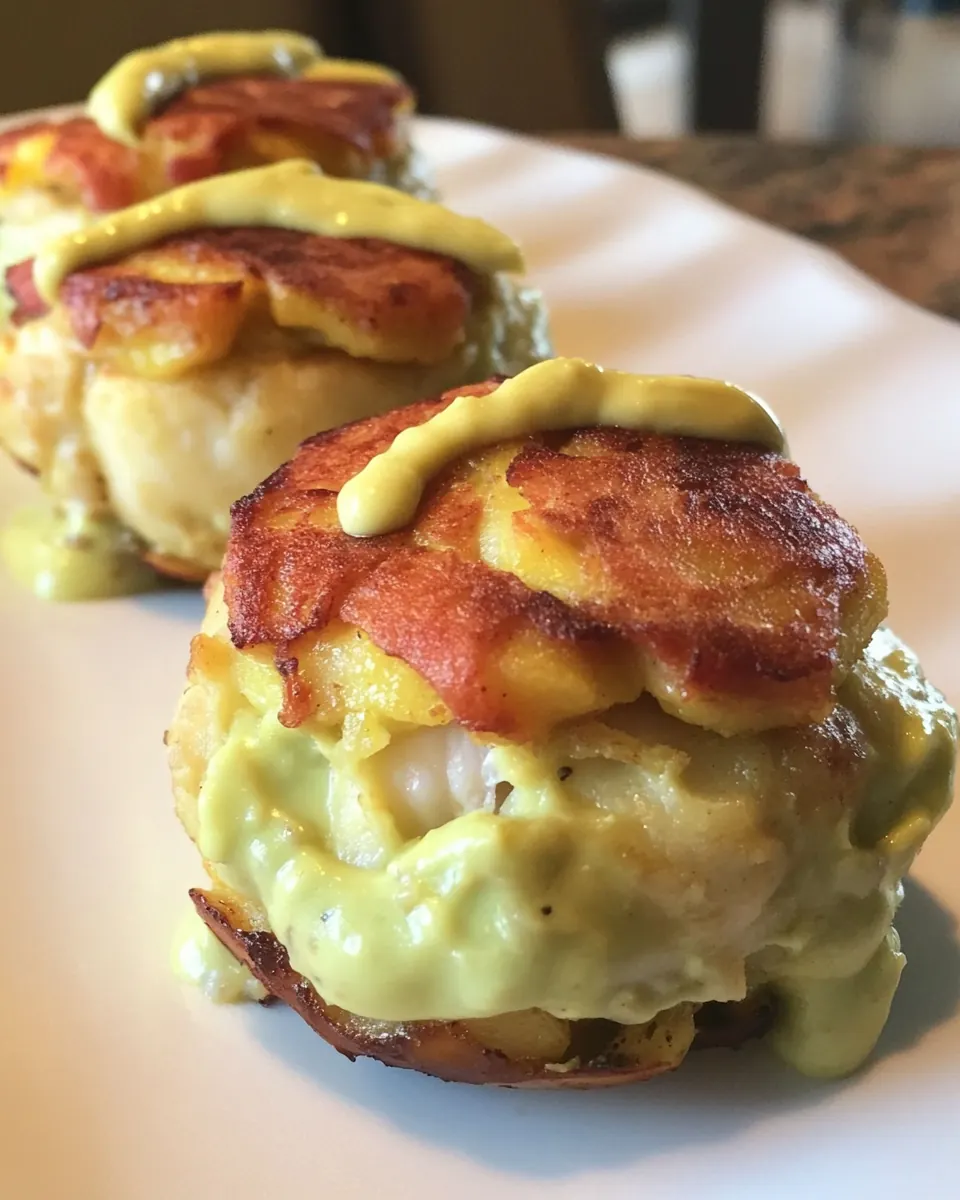
Plantain Wrapped Crab Cakes with Avocado Aioli
Plantain Wrapped Crab Cakes with Avocado Aioli began as a small experiment on a humid Saturday afternoon when I wanted something playful and elegant for a friends gathering. I remember peeling the first green plantain and laughing at how tropical the kitchen felt, while the bright scent of lime promised the kind of freshness I crave. I had leftover crab meat that begged to be showcased, and wrapping each cake felt like folding a tiny present, which made the whole process oddly satisfying and ceremonious.
I can still recall the texture contrast that sold me on this idea, the creamy avocado aioli smoothing over the crisp edges of the cakes, each bite delivering a tender, briny center and a slightly sweet outer layer from the baked plantain. I invited a neighbor over, and as we nibbled one after another, the conversation turned to travel and beach markets, which made the food taste even better. That evening cemented this recipe as my go to when I want something impressive without fuss.
Over the years I refined the balance of spices and breadcrumbs, learning that a light hand with Old Bay and just enough panko keeps the cakes cohesive while letting the crab meat sing. I hope this write up helps you wrap, chill, and fry with confidence, so you can hand someone that little wrapped cake and watch their eyes light up.
Recipe Snapshot
55 mins
45 mins
10 mins
Medium
220 kcal
American
Low FODMAP, Gluten-Free
Appetizers
Mixing bowl, Food processor, Baking sheet, Parchment paper, Large skillet, Vegetable peeler
Why You’ll Love This Plantain Wrapped Crab Cakes with Avocado Aioli
Flavor Contrast That Pops
I love how Plantain Wrapped Crab Cakes with Avocado Aioli balances sweet, savory, and bright notes. The plantain adds a gentle sweetness that complements the delicate saltiness of the crab meat, while the avocado aioli brings a creamy, tangy finish. That contrast keeps every bite interesting, and I find guests always comment on the layered flavors.
Textural Play
These cakes are all about texture, and that is why I keep refining the technique. Baked plantain slices become pliable then crisp up when fried, delivering a slight chew with a crisp exterior. Inside, the mix of flaked crab meat and panko stays tender but holds together, creating a satisfying mouthfeel that feels elevated but approachable.
Visual Appeal and Presentation
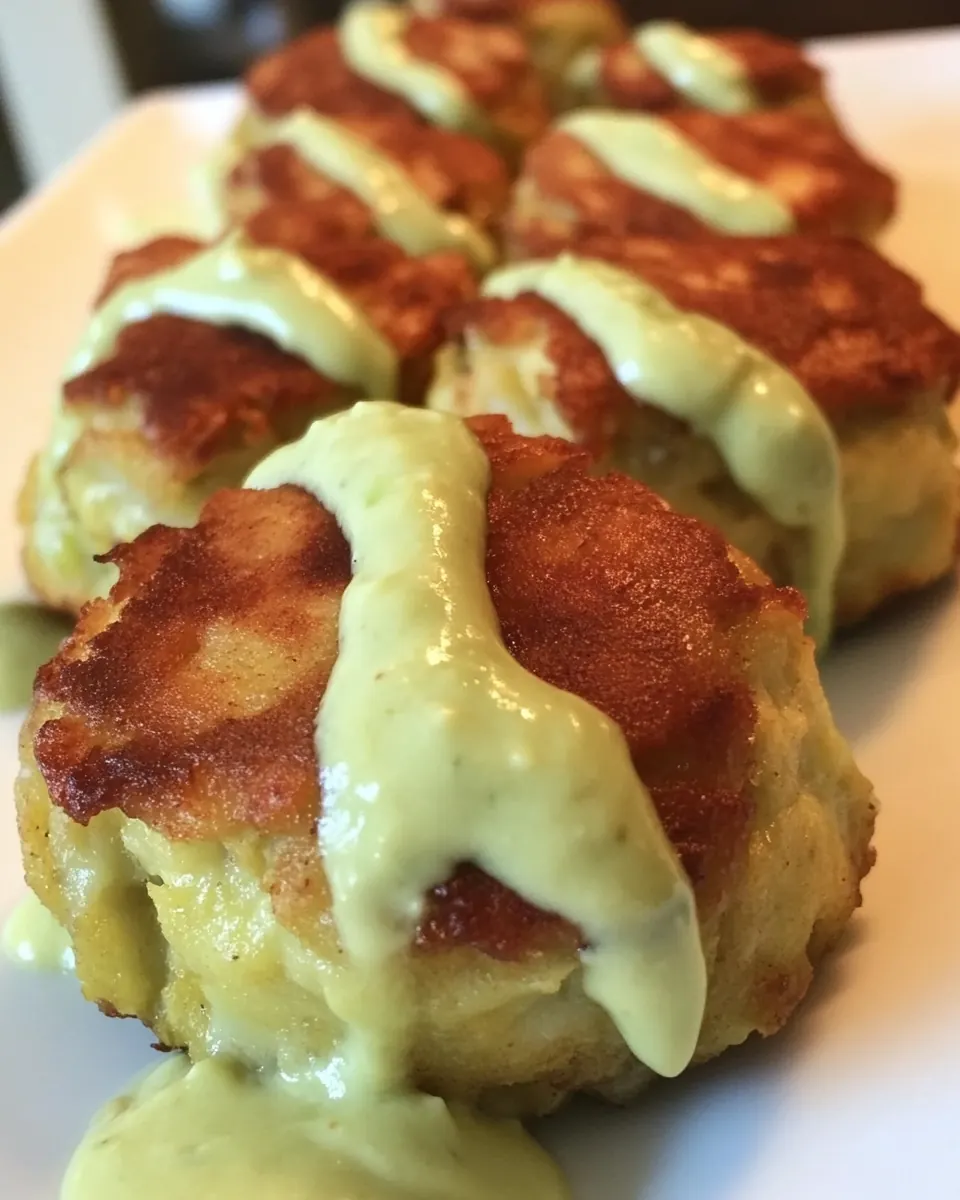
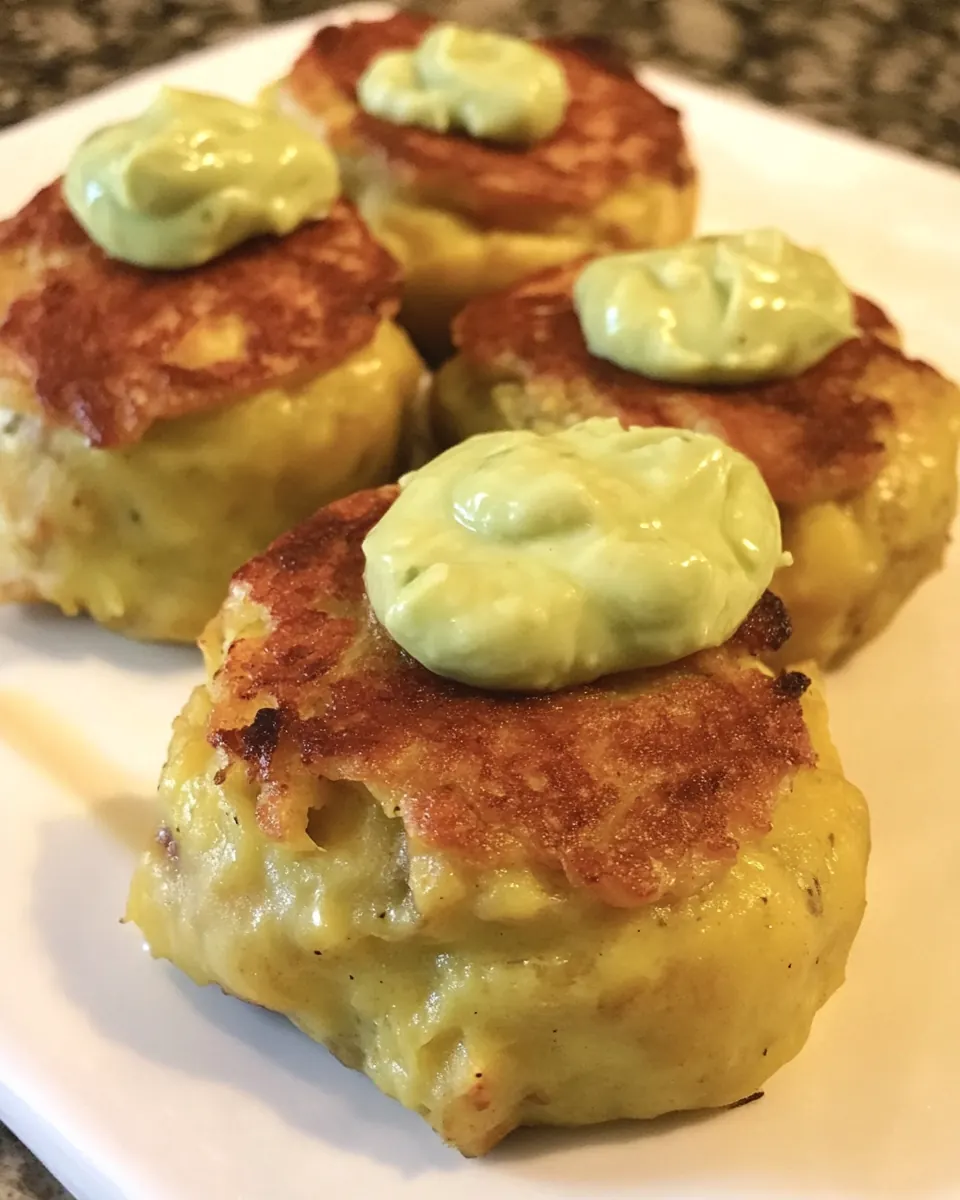
Wrapping the cakes in plantain makes each piece look like a small gift. I love serving them warm with a dollop of bright avocado aioli on top, it creates a pop of color that draws people in. Presentation matters when you want guests to take notice before tasting, and this dish does the work for you.
Make Ahead Friendly
I appreciate recipes that fit real life, and these crab cakes are forgiving. Chilling the formed cakes helps them hold their shape, so you can prep ahead and finish just before guests arrive. The avocado aioli can be made earlier and chilled, which cuts down last minute stress without sacrificing freshness.
Adaptable for Occasions
Whether I am hosting a casual cocktail night or a celebratory dinner, Plantain Wrapped Crab Cakes with Avocado Aioli fits. They feel special enough for a party and simple enough for a cozy evening, and that versatility makes them a staple in my entertaining rotation.
Everything You Need for Plantain Wrapped Crab Cakes with Avocado Aioli
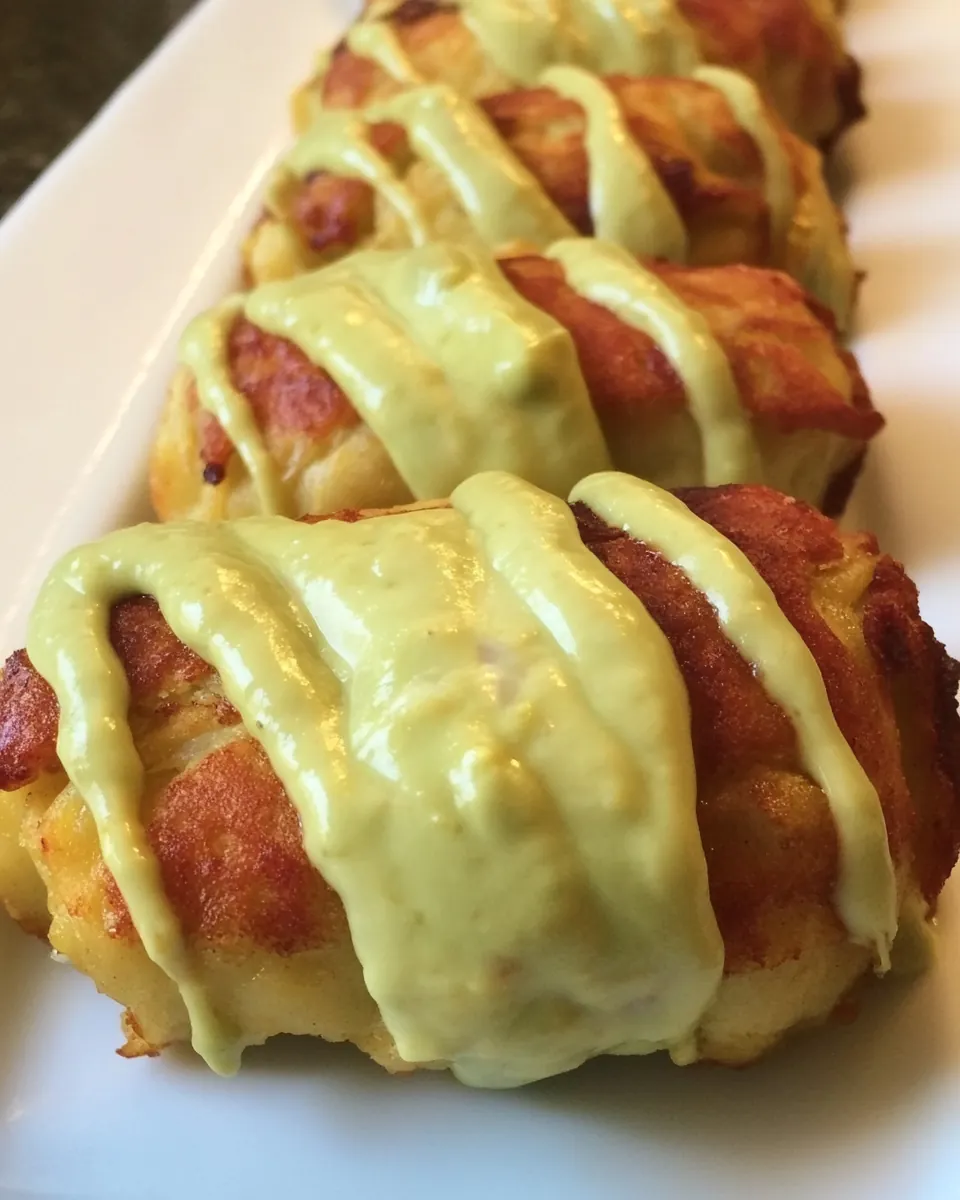
These ingredients work together to deliver bright, briny, and slightly sweet bites with a creamy finish. The key players are the crab meat which provides delicate seafood flavor, the plantain which adds sweetness and structure, and the avocado which creates a luscious aioli. Supporting elements like panko ensure the cakes hold together, while seasoning and acid lift the overall profile.
- 1/4 cup light mayonnaise: Provide creaminess and mild tang to bind the aioli, helping create a smooth emulsion when whisked with egg yolk and seasonings; contributes moisture and a slightly sweet flavor balance in the sauce.
- 1 large egg yolk: Bind and emulsify the mayonnaise into a richer aioli while adding silkiness and body; helps stabilize the sauce and improves mouthfeel for the crab cakes' dipping sauce.
- 2 teaspoons Old Bay seasoning: Season with a warm, aromatic blend of spices that complement seafood; lends celery-salt, paprika, and peppery notes to the crab cakes and aioli for classic coastal flavor.
- 1 tablespoon spicy brown mustard: Add sharp, piquant heat and a touch of acidity to the mixture; helps cut richness and provides a subtle mustardy backbone for the crab cakes.
- 1/4 teaspoon hot sauce: Introduce a bright, vinegary heat that elevates flavors without overpowering; balances richness in both the crab cakes and avocado aioli.
- 1/8 teaspoon Worcestershire sauce: Bring deep umami and a slightly tangy molasses note to round out the seasonings; enhances overall savory depth when mixed into the crab cake mixture.
- 1 pound fresh jumbo lump crab meat, drained and picked through for shells: Provide tender, sweet chunks of lump crab that form the primary protein and delicate seafood flavor; requires careful picking to remove shells and preserve large meat pieces for texture.
- 1/2 cup panko (Japanese) breadcrumbs: Add light, crunchy texture and gentle structure to the crab mixture to help the cakes hold together; panko absorbs some moisture while maintaining airy crispness when fried.
- 1/4 teaspoon salt: Enhance the overall seasoning, ensuring the crab cake and aioli flavors are balanced; small grains help highlight sweetness of the crab without overwhelming it.
- 1/4 teaspoon freshly ground black pepper: Contribute subtle heat and aromatic depth to seasonings, rounding out flavors; freshly ground pepper adds brightness that lifts the seafood and sauce components.
- 1 large avocado, peeled and pitted: Supply creamy, buttery richness and smooth texture that becomes the base of the avocado aioli; ripe flesh adds healthy fats and a mellow flavor that softens the dip.
- 2 tablespoons sour cream (light is okay): Lighten and add a tangy creaminess to the aioli while slightly thinning its texture; sour cream contributes acidity that brightens the avocado and mayonnaise.
- 1 tablespoon fresh lime juice: Provide fresh citrus acidity that brightens and balances the aioli; lime juice prevents browning of avocado and adds a zesty counterpoint to rich components.
- 1/4 cup water: Adjust consistency and help blend ingredients smoothly in the aioli; water can be used sparingly to reach desired dipping texture without diluting flavor.
- 1/2 teaspoon salt: Season the aioli or crab mixture to taste and enhance savory notes; a measured amount of salt brings out natural flavors without making the dish overly salty.
- 1/4 teaspoon freshly ground black pepper: Add aromatic spice and a mild heat that complements seafood flavors; freshly ground black pepper provides a final layer of seasoning to both cakes and aioli.
- 3 large green plantains: Offer a starchy, slightly sweet exterior when ripe that can be sliced and fried to encase the crab cakes; plantains provide structure and a unique flavor different from bananas.
- vegetable oil: Enable frying and crisping of plantain-wrapped crab cakes by providing the cooking medium; neutral vegetable oil tolerates high heat and promotes even browning.
Preparation Steps for Plantain Wrapped Crab Cakes with Avocado Aioli
These directions guide you from mixing the dressing to frying the wrapped cakes. Read each step slowly, feel the textures, and use the sensory cues to know when you are on track. I wrote them to be conversational and to help you avoid common missteps.
- In a medium bowl, stir together the mayonnaise, egg yolk, Old Bay, mustard, hot sauce and Worcestershire sauce to form a dressing.: The mixture should smell savory with a slight tang, and you will notice the dressing thicken as the mayonnaise and egg yolk emulsify, creating a glossy coating. This binding dressing is essential, because it seasons the crab meat and helps the crumbs adhere, ensuring your cakes hold together when chilled and fried. If the dressing seems too thin, let it rest for a few minutes so the flavors meld, and avoid adding too much liquid at once, which can make the filling loose. A common mistake is overworking the mixture, which can break down the texture, so stir gently until cohesive and well combined.
- Gently stir in the crab meat. Then fold in the breadcrumbs. Season with 1/4 teaspoon salt and 1/4 teaspoon pepper; cover and chill for 1 hour.: As you fold in the crab meat , hear the soft brush of flakes against the bowl and observe how the panko absorbs moisture, giving the mixture body without becoming dense. Chilling firms the mixture and deepens flavor melding, which is why the hour of rest matters, it prevents the cakes from falling apart when wrapped and fried. Avoid vigorous stirring which can mash the delicate lumps of crab and make the texture pasty; use gentle folding motions instead. If during chilling the mixture seems too wet, a light dusting of additional panko will correct it, but add sparingly to keep the filling tender.
- In a food processor, process the avocado, sour cream, lime juice, and water until smooth. Add 1/2 teaspoon salt and 1/4 teaspoon pepper; cover and chill.: When you pulse the mixture, you will see the avocado turn a vibrant green and the texture become silky, releasing a fresh, green aroma with a citrusy lift from the lime juice . The sour cream gives a slightly tangy backbone while the water loosens the sauce to a spoonable consistency. Chilling helps the flavors settle and keeps the aioli bright when plated. One trap is over thinning the aioli, which makes it runny; if that happens, blend in a touch more avocado or a small dollop of sour cream to regain body.
- Preheat the oven to 350°F. Line baking sheets with parchment paper.: You will feel the kitchen warm slightly as the oven approaches temperature, and the preheated surface helps the plantain slices soften quickly in the next step. Lining with parchment prevents sticking and keeps the sheets clean for even cooking. This step matters because briefly warming the plantains makes them pliable enough to wrap without tearing, ensuring neat presentation. A common error is skipping parchment which can cause slices to stick and break when you try to handle them.
- Peel the plantains. Use a vegetable peeler to slice the plantains lengthwise (you should be able to get about 40 slices). Place the strips on the prepared baking sheets and spray the sliced plantains lightly with cooking spray. Bake for about 3 minutes, just enough to allow the plantains to become pliable. Remove from the oven.: As you peel and slice, the plantains will emit a starchy, slightly sweet scent and you will appreciate the bright yellow flesh beneath the skin. Baking just until pliable softens the fibers so they bend without snapping, and you will see them become slightly glossy and warmed. Overbaking will make them limp and difficult to handle, while underbaking risks cracking when wrapped, so keep an eye on the 3 minute window and check for flexibility. If the strips stick, gently ease them with a thin spatula to prevent tearing.
- Arrange 4 plantain slices like the spokes of a wheel on a piece of plastic wrap. Scoop about 1/3 cup of crab meat mixture in the center of each wheel and pat into a round cake. Wrap the plantains around the cake, and pull the plastic wrap around each crab cake. Repeat with the remaining plantains and crab mixture. Chill the wrapped crab cakes for at least an hour.: When you assemble, the tactile pleasure is immediate as the warm plantain yields and wraps neatly around the filling, forming a snug parcel that looks tidy under the plastic wrap. The crab mixture should feel cohesive but not overly firm, and the plastic wrap helps compress the plantain into an even seal so frying results in a uniform crust. Chilling ensures the cakes hold shape and the flavors settle. A frequent mistake is making the portion sizes inconsistent, which leads to uneven cooking, so measure each scoop carefully for uniform results.
- Drizzle oil into a large skillet and heat to sizzling. Fry the crab cakes over medium-high heat for 3 to 4 minutes on each side, or until evenly browned. Remove and pat dry.: As the oil shimmers and reaches sizzling, it releases a faint toasted aroma, and you will hear a lively sizzle when the cakes hit the pan, signaling the Maillard reaction that creates that desirable golden brown crust. Frying at medium high ensures the exterior becomes crisp without the interior overheating, preserving the tender crab meat texture. Use a thermometer or watch the visual cues, the cakes should be an even, deep golden color and sound slightly hollow when tapped. Avoid overcrowding the skillet, which lowers the oil temperature and leads to soggy exteriors; work in batches if needed and drain on paper towels to remove excess oil.
- Top each crab cake with avocado aioli and serve warm.: The moment you dollop the chilled, creamy avocado aioli onto the hot cake, aromas of citrus and avocado lift, and the contrast in temperature enhances the overall experience. Serve immediately so the exterior stays crisp and the sauce remains cool and silky. A common pitfall is letting the cakes sit too long after saucing, which softens the crust, so plate and present quickly for the best contrast of textures.
Making Adjustments
Small changes can shift the balance toward creamier, crisper, or brighter results without altering the essence of the recipe. Below are tips I often use when tailoring the recipe to what I have on hand or the occasion.
- Adjusting salt: Taste the crab mixture before forming into cakes, and add salt in tiny increments to avoid oversalting the delicate crab meat.
- Aioli thickness: If the avocado aioli seems too thin, add a small spoonful of sour cream to thicken it, or reduce the water by a tablespoon for a firmer texture.
- Plantain pliability: If slices tear when wrapping, return them to the oven for 30 to 60 seconds to soften slightly, do not overbake or they will become limp.
- Oil temperature control: Keep the skillet at medium high so you get a steady sizzle; too hot will brown the outside before the inside heats through, too cool makes the crust soggy.
- Batch frying: Work in small batches so the oil temperature recovers quickly between cakes, ensuring an even golden color and crisp texture for every piece.
Great Combinations for Plantain Wrapped Crab Cakes with Avocado Aioli
These crab cakes pair well with light, fresh sides and occasions where small plates shine. Serve them as an appetizer at a dinner party or as a fun starter for a summer gathering, and keep accompaniments bright and textural. Below are serving ideas, storage tips, and situations where these cakes truly shine.
- Classic canapé service: Arrange warm cakes on a platter with a small spoonful of chilled avocado aioli on top for a refined starter at cocktail parties.
- Casual lunch: Serve two cakes per person with a crisp green salad dressed in citrus vinaigrette for a light midday meal.
- Beach themed gathering: These have tropical vibes so pair with chilled citrusy slaws and grilled vegetables to enhance the flavor story.
- Make ahead strategy: Form and chill the wrapped cakes a day in advance, then fry just before serving to save time while preserving texture.
- Storage: Refrigerate leftover aioli in an airtight container for up to two days, and keep unfried, wrapped cakes chilled for up to 24 hours, reheating gently in a skillet to restore crispness.
- Occasions: Ideal for small dinner parties, Ramadan if serving after sunset as an elegant starter, or weekend entertaining when you want a crowd pleasing, shareable plate.
- Seasonal pairing: Works beautifully year round because the plantain and crab meat combination is evergreen, but I particularly enjoy them in warm months when citrus flavors feel fresh.
FAQ
Conclusion
Plantain Wrapped Crab Cakes with Avocado Aioli stand out because they combine playful presentation with satisfying contrasts of texture and flavor. Each bite pairs tender, sweet crab meat with slightly sweet plantain and a cool, creamy avocado finish, making them memorable for guests and easy to prepare when planned. I encourage you to give them a try at your next gathering, and enjoy the small ceremony of wrapping and frying which makes serving them feel special. They are forgiving, crowd pleasing, and versatile enough to fit casual or elegant occasions, so have fun with the process and savor the rewards.

Plantain Wrapped Crab Cakes with Avocado Aioli
Equipment
- Mixing Bowl
- Food Processor
- Baking Sheet
- Parchment Paper
- Large Skillet
- Vegetable Peeler
Ingredients
- 1/4 cup light mayonnaise Provide creaminess and mild tang to bind the aioli, helping create a smooth emulsion when whisked with egg yolk and seasonings; contributes moisture and a slightly sweet flavor balance in the sauce.
- 1 large egg yolk Bind and emulsify the mayonnaise into a richer aioli while adding silkiness and body; helps stabilize the sauce and improves mouthfeel for the crab cakes' dipping sauce.
- 2 teaspoons Old Bay seasoning Season with a warm, aromatic blend of spices that complement seafood; lends celery-salt, paprika, and peppery notes to the crab cakes and aioli for classic coastal flavor.
- 1 tablespoon spicy brown mustard Add sharp, piquant heat and a touch of acidity to the mixture; helps cut richness and provides a subtle mustardy backbone for the crab cakes.
- 1/4 teaspoon hot sauce Introduce a bright, vinegary heat that elevates flavors without overpowering; balances richness in both the crab cakes and avocado aioli.
- 1/8 teaspoon Worcestershire sauce Bring deep umami and a slightly tangy molasses note to round out the seasonings; enhances overall savory depth when mixed into the crab cake mixture.
- 1 pound fresh jumbo lump crab meat, drained and picked through for shells Provide tender, sweet chunks of lump crab that form the primary protein and delicate seafood flavor; requires careful picking to remove shells and preserve large meat pieces for texture.
- 1/2 cup panko (Japanese) breadcrumbs Add light, crunchy texture and gentle structure to the crab mixture to help the cakes hold together; panko absorbs some moisture while maintaining airy crispness when fried.
- 1/4 teaspoon salt Enhance the overall seasoning, ensuring the crab cake and aioli flavors are balanced; small grains help highlight sweetness of the crab without overwhelming it.
- 1/4 teaspoon freshly ground black pepper Contribute subtle heat and aromatic depth to seasonings, rounding out flavors; freshly ground pepper adds brightness that lifts the seafood and sauce components.
- 1 large avocado, peeled and pitted Supply creamy, buttery richness and smooth texture that becomes the base of the avocado aioli; ripe flesh adds healthy fats and a mellow flavor that softens the dip.
- 2 tablespoons sour cream (light is okay) Lighten and add a tangy creaminess to the aioli while slightly thinning its texture; sour cream contributes acidity that brightens the avocado and mayonnaise.
- 1 tablespoon fresh lime juice Provide fresh citrus acidity that brightens and balances the aioli; lime juice prevents browning of avocado and adds a zesty counterpoint to rich components.
- 1/4 cup water Adjust consistency and help blend ingredients smoothly in the aioli; water can be used sparingly to reach desired dipping texture without diluting flavor.
- 1/2 teaspoon salt Season the aioli or crab mixture to taste and enhance savory notes; a measured amount of salt brings out natural flavors without making the dish overly salty.
- 1/4 teaspoon freshly ground black pepper Add aromatic spice and a mild heat that complements seafood flavors; freshly ground black pepper provides a final layer of seasoning to both cakes and aioli.
- 3 large green plantains Offer a starchy, slightly sweet exterior when ripe that can be sliced and fried to encase the crab cakes; plantains provide structure and a unique flavor different from bananas.
- vegetable oil Enable frying and crisping of plantain-wrapped crab cakes by providing the cooking medium; neutral vegetable oil tolerates high heat and promotes even browning.
Instructions
- In a medium bowl, stir together the mayonnaise, egg yolk, Old Bay, mustard, hot sauce and Worcestershire sauce to form a dressing.: The mixture should smell savory with a slight tang, and you will notice the dressing thicken as the mayonnaise and egg yolk emulsify, creating a glossy coating. This binding dressing is essential, because it seasons the crab meat and helps the crumbs adhere, ensuring your cakes hold together when chilled and fried. If the dressing seems too thin, let it rest for a few minutes so the flavors meld, and avoid adding too much liquid at once, which can make the filling loose. A common mistake is overworking the mixture, which can break down the texture, so stir gently until cohesive and well combined.
- Gently stir in the crab meat. Then fold in the breadcrumbs. Season with 1/4 teaspoon salt and 1/4 teaspoon pepper; cover and chill for 1 hour.: As you fold in the crab meat , hear the soft brush of flakes against the bowl and observe how the panko absorbs moisture, giving the mixture body without becoming dense. Chilling firms the mixture and deepens flavor melding, which is why the hour of rest matters, it prevents the cakes from falling apart when wrapped and fried. Avoid vigorous stirring which can mash the delicate lumps of crab and make the texture pasty; use gentle folding motions instead. If during chilling the mixture seems too wet, a light dusting of additional panko will correct it, but add sparingly to keep the filling tender.
- In a food processor, process the avocado, sour cream, lime juice, and water until smooth. Add 1/2 teaspoon salt and 1/4 teaspoon pepper; cover and chill.: When you pulse the mixture, you will see the avocado turn a vibrant green and the texture become silky, releasing a fresh, green aroma with a citrusy lift from the lime juice . The sour cream gives a slightly tangy backbone while the water loosens the sauce to a spoonable consistency. Chilling helps the flavors settle and keeps the aioli bright when plated. One trap is over thinning the aioli, which makes it runny; if that happens, blend in a touch more avocado or a small dollop of sour cream to regain body.
- Preheat the oven to 350°F. Line baking sheets with parchment paper.: You will feel the kitchen warm slightly as the oven approaches temperature, and the preheated surface helps the plantain slices soften quickly in the next step. Lining with parchment prevents sticking and keeps the sheets clean for even cooking. This step matters because briefly warming the plantains makes them pliable enough to wrap without tearing, ensuring neat presentation. A common error is skipping parchment which can cause slices to stick and break when you try to handle them.
- Peel the plantains. Use a vegetable peeler to slice the plantains lengthwise (you should be able to get about 40 slices). Place the strips on the prepared baking sheets and spray the sliced plantains lightly with cooking spray. Bake for about 3 minutes, just enough to allow the plantains to become pliable. Remove from the oven.: As you peel and slice, the plantains will emit a starchy, slightly sweet scent and you will appreciate the bright yellow flesh beneath the skin. Baking just until pliable softens the fibers so they bend without snapping, and you will see them become slightly glossy and warmed. Overbaking will make them limp and difficult to handle, while underbaking risks cracking when wrapped, so keep an eye on the 3 minute window and check for flexibility. If the strips stick, gently ease them with a thin spatula to prevent tearing.
- Arrange 4 plantain slices like the spokes of a wheel on a piece of plastic wrap. Scoop about 1/3 cup of crab meat mixture in the center of each wheel and pat into a round cake. Wrap the plantains around the cake, and pull the plastic wrap around each crab cake. Repeat with the remaining plantains and crab mixture. Chill the wrapped crab cakes for at least an hour.: When you assemble, the tactile pleasure is immediate as the warm plantain yields and wraps neatly around the filling, forming a snug parcel that looks tidy under the plastic wrap. The crab mixture should feel cohesive but not overly firm, and the plastic wrap helps compress the plantain into an even seal so frying results in a uniform crust. Chilling ensures the cakes hold shape and the flavors settle. A frequent mistake is making the portion sizes inconsistent, which leads to uneven cooking, so measure each scoop carefully for uniform results.
- Drizzle oil into a large skillet and heat to sizzling. Fry the crab cakes over medium-high heat for 3 to 4 minutes on each side, or until evenly browned. Remove and pat dry.: As the oil shimmers and reaches sizzling, it releases a faint toasted aroma, and you will hear a lively sizzle when the cakes hit the pan, signaling the Maillard reaction that creates that desirable golden brown crust. Frying at medium high ensures the exterior becomes crisp without the interior overheating, preserving the tender crab meat texture. Use a thermometer or watch the visual cues, the cakes should be an even, deep golden color and sound slightly hollow when tapped. Avoid overcrowding the skillet, which lowers the oil temperature and leads to soggy exteriors; work in batches if needed and drain on paper towels to remove excess oil.
- Top each crab cake with avocado aioli and serve warm.: The moment you dollop the chilled, creamy avocado aioli onto the hot cake, aromas of citrus and avocado lift, and the contrast in temperature enhances the overall experience. Serve immediately so the exterior stays crisp and the sauce remains cool and silky. A common pitfall is letting the cakes sit too long after saucing, which softens the crust, so plate and present quickly for the best contrast of textures.
Notes
- Adjusting salt: Taste the crab mixture before forming into cakes, and add salt in tiny increments to avoid oversalting the delicate crab meat.
- Aioli thickness: If the avocado aioli seems too thin, add a small spoonful of sour cream to thicken it, or reduce the water by a tablespoon for a firmer texture.
- Plantain pliability: If slices tear when wrapping, return them to the oven for 30 to 60 seconds to soften slightly, do not overbake or they will become limp.
- Oil temperature control: Keep the skillet at medium high so you get a steady sizzle; too hot will brown the outside before the inside heats through, too cool makes the crust soggy.
- Batch frying: Work in small batches so the oil temperature recovers quickly between cakes, ensuring an even golden color and crisp texture for every piece.