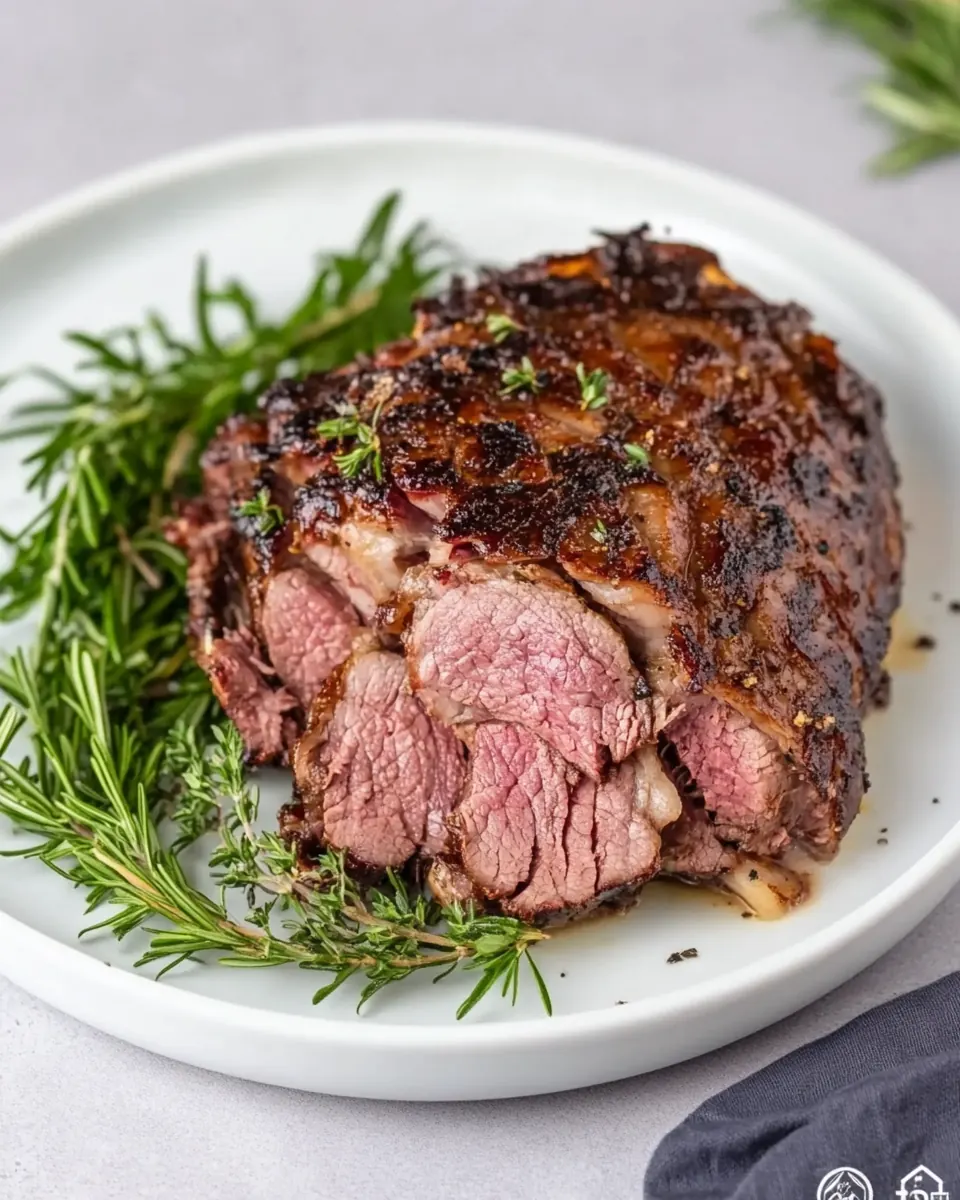
Smoked Leg Of Lamb
Smoked Leg Of Lamb is one of those recipes I turn to when I want to slow down the afternoon and let good aromas do half the work. The first time I made this was for an autumn gathering when leaves were turning and guests arrived hungry and curious. I remember standing by the smoker, feeling the warmth on my face, as the scent of wood and spice built into something deeply comforting and celebratory.
That day I learned how forgiving a well prepared leg of lamb can be. I kept the approach simple, so the meat’s natural richness could shine. Little rituals mattered, like trimming the fat just enough to keep flavor, and spreading a bold paste so every bite carried a subtle heat. Guests leaned in and asked for seconds, and I scribbled notes for the next time.
Making Smoked Leg Of Lamb taught me patience and how technique transforms a single cut into a centerpiece. The smoke wraps itself around the meat, lending both texture and aroma, and the resting time is where juices redistribute and flavors become cohesive. Over the years I experimented with wood types and rubs, but I always return to the essentials that respect the lamb‘s character.
Recipe Snapshot
3 hr 10 mins
10 mins
180 mins
Hard
450 kcal
American
Keto, Paleo
Dinner
Smoker, Instant read thermometer, Grill (optional for sear), Kitchen twine, Cutting board
Why You Need This Smoked Leg Of Lamb
Deep, layered flavor from gentle smoke
I love how smoking at a low temperature lets the leg of lamb develop complex, savory notes without drying out. The slow approach draws out the animal’s natural sweetness, and the smoke adds an earthy, slightly sweet background. You get a crust that is subtly textural, and the interior stays tender and silky, which keeps everyone coming back for more.
Simple seasoning that highlights the meat
We use only a few bold seasonings so the lamb‘s flavor stays front and center. A little salt and pepper open up the taste, while a dusting of chili powder gives a friendly warmth. Spreading a spicy paste like Sambal Oelek Harissa ties everything together, creating a neat balance between heat and savory depth.
Showstopper for gatherings
I adore serving this when friends drop by, because the aroma from the smoker sets a festive tone. The dish scales well, and a single roast easily feeds a group. Carving at the table makes it feel communal and a bit ceremonial, which is always a crowd pleaser.
Flexible finishing options
Once the lamb is out of the smoker, you can leave it be or add a quick sear for a caramelized crust. I appreciate that flexibility, because sometimes I want the rustic smoked finish, and other times the quick char adds a final layer of texture. Both approaches deliver delicious results.
Reliably impressive results
Even if you are not an expert, this method produces impressive slices with minimal fuss. The steps are straightforward, and the sensory cues are clear, so you can trust the process. I find it a satisfying way to practice slow cooking without overcomplicating things.
What You’ll Need for Smoked Leg Of Lamb
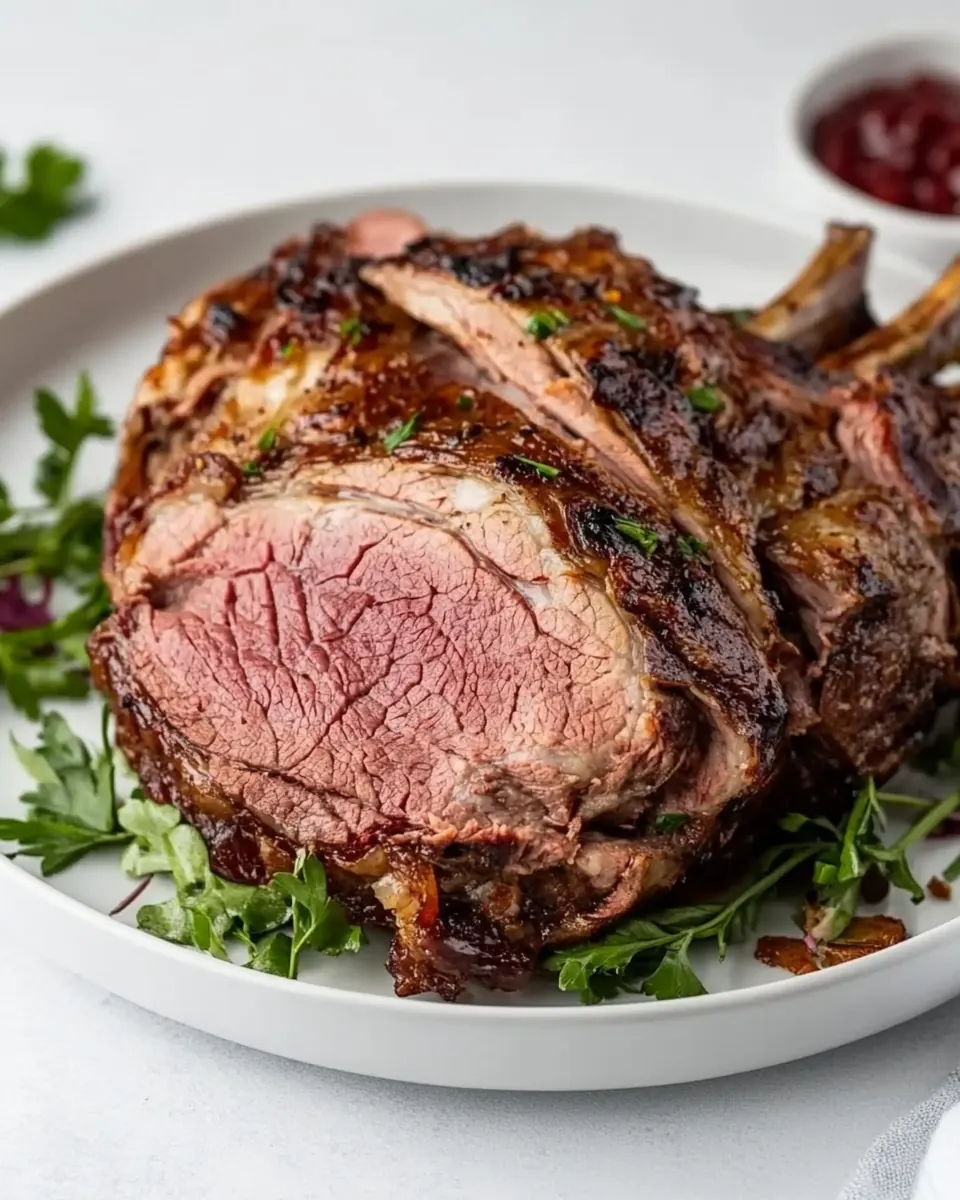
These ingredients are intentionally restrained so the meat’s character remains central. The leg of lamb provides the fat and texture that react beautifully to smoke. Salt and pepper are the unsung heroes, coaxing out the natural juices, while chili powder and Sambal Oelek Harissa contribute aromatic heat and a savory coating that crisps under smoke or a sear. Together they form a simple but effective flavor profile.
- 1 boneless leg of lamb: Roast and serve as the centerpiece of the dish; provides tender, juicy meat and rich lamb flavor after slow smoking. Trim excess fat and tie if needed to ensure even cooking and a uniform appearance. Rest after smoking to redistribute juices and achieve optimal texture.
- 1/2 teaspoons salt: Season sparingly to enhance natural flavors; balances and brings out the meat's savory profile without overpowering. Dissolve into rubs or sprinkle evenly on the surface before smoking to help tenderize and improve crust formation. Monitor overall salt level relative to other seasonings for best results.
- 1/4 teaspoon pepper: Add subtle heat and depth when applied to the rub; contributes a background peppery warmth that complements the lamb. Use ground black pepper freshly cracked for brighter aroma and more complex flavor. Distribute evenly so the spice integrates with other seasonings during smoking.
- 1 tablespoon chili powder: Provide smoky, earthy, and mildly spicy notes to build a flavorful crust; blends with other spices to give character to the rub. Combine with salt and pepper to create a balanced seasoning that adheres to the meat surface. Adjust amount for desired spice intensity without overwhelming the lamb.
- 1/2 cups Sambal Oelek Harissa: Introduce intense chili flavor and tangy, spicy heat to the marinade or glaze; offers a bold, punchy profile that helps form a savory, sticky exterior when smoked. Use sparingly and mix with other components to control heat and ensure even coverage across the roast. Consider tasting and adjusting to achieve the right balance for the dish.
Step by Step Guide for Smoked Leg Of Lamb
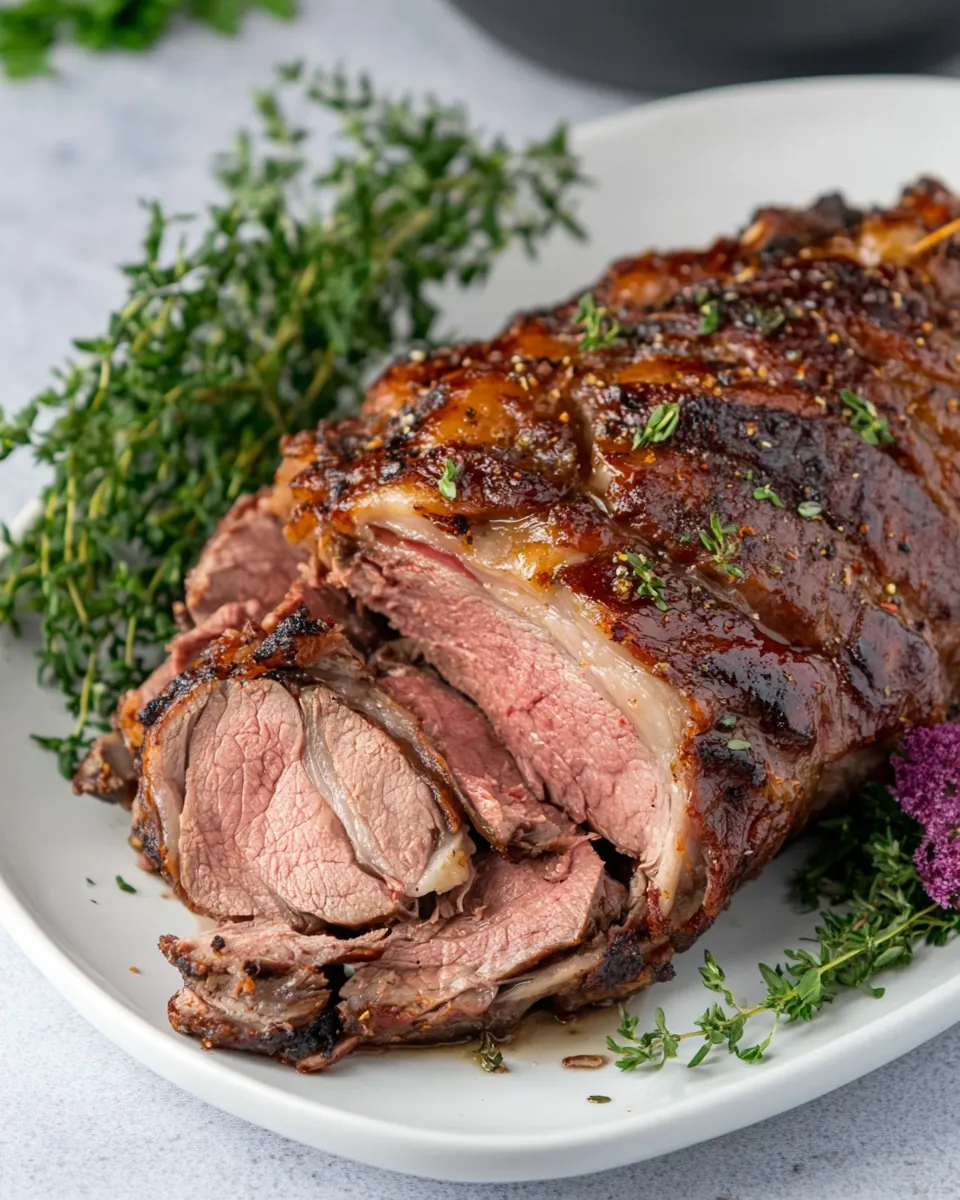
Follow these steps with attention to sensory cues and patience. My approach focuses on gentle smoke, a thoughtful rub, and a relaxed rest to ensure juicy slices. Read each step carefully and lean on the visual and aroma signals to know you’re on the right track.
- Preheat the smoker to 250 F using your desired hardwood.: As smoke begins to waft, you should smell a faint, sweet wood aroma, signaling the environment is building flavor. The goal here is steady, low heat so the collagen melts slowly and the lamb becomes tender. You'll hear a soft, persistent hiss from the smoker as it stabilizes, and the smoke should be pale, not acrid, which shows clean combustion. One reason this matters is that too-high heat will toughen the meat, so patience pays off. A common mistake is rushing and using very hot smoke, which creates an uneven crust and a dry interior; monitor vents and fuel to keep the temperature even.
- Trim the fat cap on the outside of the roast, allowing a little to remain for flavor. Generously season the lamb in the caverns with salt and pepper.: When you trim, run your fingers along the surface and leave a thin layer of fat so it can render and baste the meat. The salt will begin to draw moisture to the surface and dissolve, forming a seasoning layer that enhances browning during smoking. As you work, notice the tactile change, the meat becoming slightly tacky where salt sits, and the aroma will deepen as pepper releases oils. The reason this preparation is vital is it balances protection and flavor, preventing the roast from drying. Avoid removing every bit of fat, since that fat is flavor and moisture insurance.
- Tie the lamb with kitchen twine and season the outside with salt, pepper, and chili powder. Spread Sambal Oelek or Harissa over the lamb.: Tying gives the roast a compact, uniform shape so heat penetrates evenly, and the chili powder plus paste create a binding crust that browns and adds complexity. As you spread the paste, you'll feel it cling to the surface and smell tangy, spicy notes that promise a bold bark. This technique matters because it locks aromatics close to the meat, resulting in a concentrated flavor rim. A mistake to avoid is overapplying paste; too much can mask the lamb rather than enhance it, and can drip into the smoker causing flare ups.
- Place the lamb fat cap down on the smoker. Smoke the lamb for 3 hours or until the inner temperature reaches 135 F.: As the lamb smokes, expect a gradual change in color from raw pink to a rosy, smoke ring near the exterior, and the surface will develop a matte, textured bark. Smelling the smoker should give you a layered scent of wood, spice, and meat fats slowly caramelizing. The internal target of 135 F gives you medium rare, with a tender mouthfeel and juicy center; this temperature is key to preserving tenderness. Pay attention to probe feel and visual cues, and rotate positions if one side is browning faster. Don't let the internal temp spike past the target, as overcooking will reduce succulence.
- Remove the lamb from the smoker. At this point, you can leave it as it is or sear on the grill.: When you lift the roast, it should have a firm but springy resistance, and the bark will have a rich, toasted color. If you choose to sear, a hot grill will add an audible sizzle and a glossy, caramelized crust that introduces a delightful contrast to the smoky interior. The reason finishing matters is it amplifies texture and adds a roasted flavor dimension. A typical trap is searing too long, which can overcook the outer layer; aim for a brief char if you decide to sear.
- Move the lamb to a cutting board. Allow it to rest for a few minutes before slicing and serving.: Resting is where the meat calms and juices redistribute, preventing them from running out when you cut. You'll notice the roast temperature equalizing and the surface losing some of its initial heat shimmer. This quiet period improves tenderness and ensures each slice stays juicy. Avoid slicing immediately after cooking as that causes excessive drip loss and drier slices.
Tips for Success
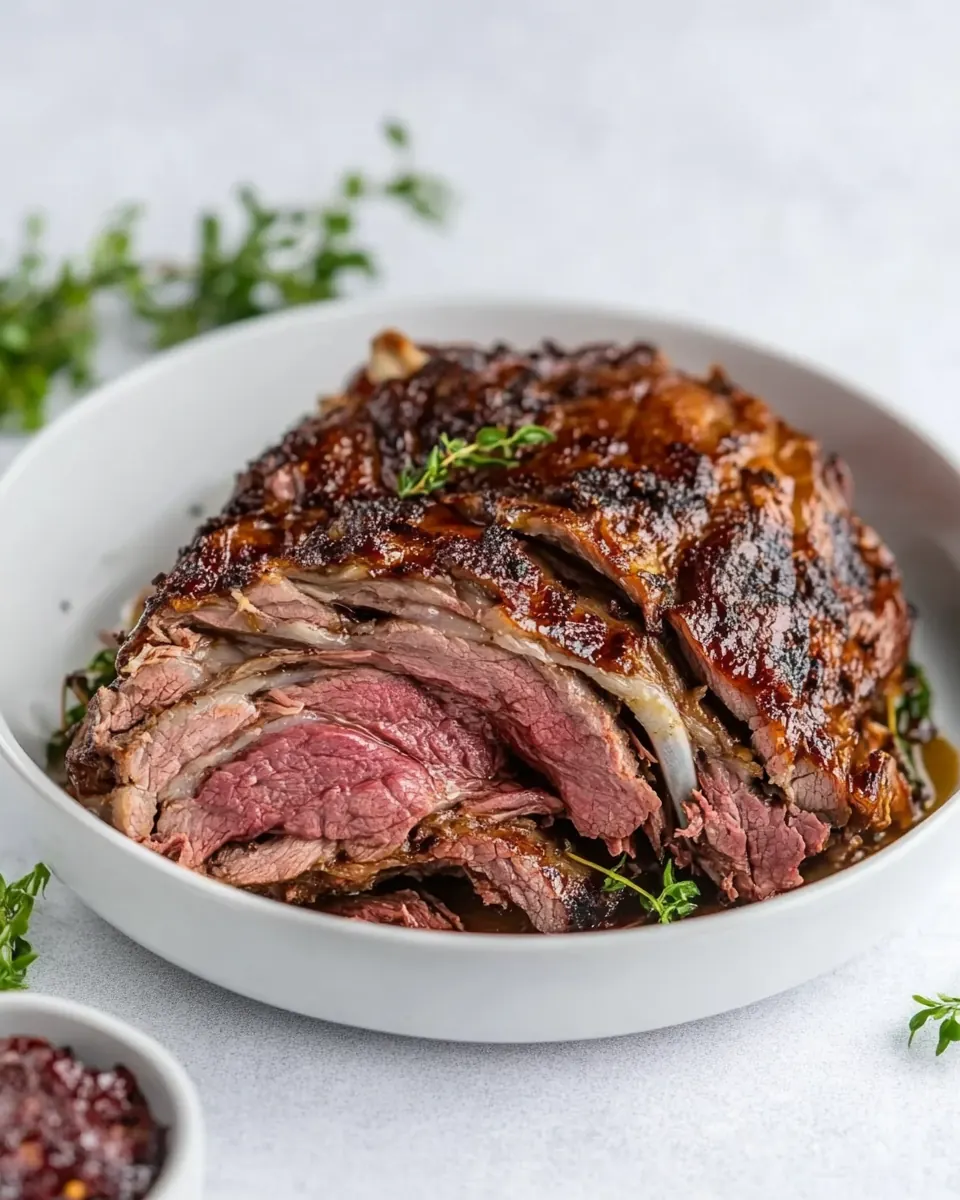
This roast benefits from patience and a few small practices that make a big difference. Below are hands on tips I rely on to ensure consistent results every time I fire up the smoker. Adopt a couple of these and you will notice an immediate improvement in texture and flavor.
- Choose the right wood, because the wood you use influences the smoke flavor profile, choose milder fruitwoods for a sweeter aroma and denser hardwoods for a robust, savory smoke.
- Keep steady heat, because fluctuations can toughen the meat, monitor vents and fuel so the smoker holds a consistent 250 F throughout the cook.
- Tie the roast, because an even shape gives uniform cooking, use kitchen twine to help the lamb cook at the same pace from edge to center.
- Measure seasoning, because balance matters, use measured amounts of salt and chili powder to avoid overpowering the lamb‘s natural flavor.
- Rest before slicing, because juices redistribute during rest, allow at least a few minutes to keep slices moist and flavorful.
- Consider a quick sear, because a brief char adds texture variety, sear only for a minute or two per side to avoid overcooking.
Perfect Matches for Smoked Leg Of Lamb
This lamb works wonderfully with side dishes and settings that enhance its smoky, savory profile. Think seasonal gatherings or relaxed weekend dinners where the meal can be the centerpiece. Below I share pairing ideas, serving styles, and storage notes to help you plan the whole experience.
- Serve with roasted root vegetables, which balance the meat’s richness with earthy, caramelized flavors that complement smoke nicely.
- Offer a bright herb salad, which cuts through the fattiness and refreshes the palate between bites, ideal for autumn or spring occasions.
- Present slices on a platter, which creates a dramatic focal point for a family meal, carving at the table invites interaction and conversation.
- Store leftovers carefully, which helps maintain quality, refrigerate wrapped tightly and consume within three to four days for best texture.
- Choose occasions like weekend dinners or fall gatherings, which allow time for the slow smoke and the relaxed pace that makes this dish shine.
FAQ
Conclusion
Smoked Leg Of Lamb shines because simple seasonings and patient smoking transform a single roast into a memorable centerpiece. The slow cook brings out the meat’s natural richness while the spicy paste and light crust create a satisfying interplay of textures. Give it a try when you have time to savor the process, and I promise the aromas and the reward of juicy, flavorful slices will make it worth the wait. This dish is warm, communal, and reliably impressive, perfect for those moments when you want to feed a few friends or elevate a family dinner.
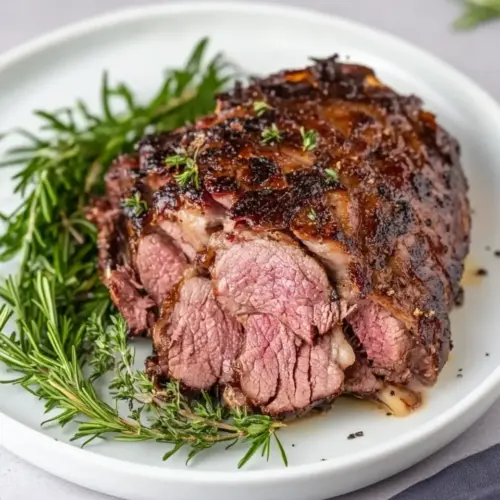
Smoked Leg Of Lamb
Equipment
- Smoker
- Instant read thermometer
- Grill (optional for sear)
- Kitchen twine
- Cutting Board
Ingredients
- 1 boneless leg of lamb Roast and serve as the centerpiece of the dish; provides tender, juicy meat and rich lamb flavor after slow smoking. Trim excess fat and tie if needed to ensure even cooking and a uniform appearance. Rest after smoking to redistribute juices and achieve optimal texture.
- 1/2 teaspoons salt Season sparingly to enhance natural flavors; balances and brings out the meat's savory profile without overpowering. Dissolve into rubs or sprinkle evenly on the surface before smoking to help tenderize and improve crust formation. Monitor overall salt level relative to other seasonings for best results.
- 1/4 teaspoon pepper Add subtle heat and depth when applied to the rub; contributes a background peppery warmth that complements the lamb. Use ground black pepper freshly cracked for brighter aroma and more complex flavor. Distribute evenly so the spice integrates with other seasonings during smoking.
- 1 tablespoon chili powder Provide smoky, earthy, and mildly spicy notes to build a flavorful crust; blends with other spices to give character to the rub. Combine with salt and pepper to create a balanced seasoning that adheres to the meat surface. Adjust amount for desired spice intensity without overwhelming the lamb.
- 1/2 cups Sambal Oelek Harissa Introduce intense chili flavor and tangy, spicy heat to the marinade or glaze; offers a bold, punchy profile that helps form a savory, sticky exterior when smoked. Use sparingly and mix with other components to control heat and ensure even coverage across the roast. Consider tasting and adjusting to achieve the right balance for the dish.
Instructions
- Preheat the smoker to 250 F using your desired hardwood.: As smoke begins to waft, you should smell a faint, sweet wood aroma, signaling the environment is building flavor. The goal here is steady, low heat so the collagen melts slowly and the lamb becomes tender. You'll hear a soft, persistent hiss from the smoker as it stabilizes, and the smoke should be pale, not acrid, which shows clean combustion. One reason this matters is that too-high heat will toughen the meat, so patience pays off. A common mistake is rushing and using very hot smoke, which creates an uneven crust and a dry interior; monitor vents and fuel to keep the temperature even.
- Trim the fat cap on the outside of the roast, allowing a little to remain for flavor. Generously season the lamb in the caverns with salt and pepper.: When you trim, run your fingers along the surface and leave a thin layer of fat so it can render and baste the meat. The salt will begin to draw moisture to the surface and dissolve, forming a seasoning layer that enhances browning during smoking. As you work, notice the tactile change, the meat becoming slightly tacky where salt sits, and the aroma will deepen as pepper releases oils. The reason this preparation is vital is it balances protection and flavor, preventing the roast from drying. Avoid removing every bit of fat, since that fat is flavor and moisture insurance.
- Tie the lamb with kitchen twine and season the outside with salt, pepper, and chili powder. Spread Sambal Oelek or Harissa over the lamb.: Tying gives the roast a compact, uniform shape so heat penetrates evenly, and the chili powder plus paste create a binding crust that browns and adds complexity. As you spread the paste, you'll feel it cling to the surface and smell tangy, spicy notes that promise a bold bark. This technique matters because it locks aromatics close to the meat, resulting in a concentrated flavor rim. A mistake to avoid is overapplying paste; too much can mask the lamb rather than enhance it, and can drip into the smoker causing flare ups.
- Place the lamb fat cap down on the smoker. Smoke the lamb for 3 hours or until the inner temperature reaches 135 F.: As the lamb smokes, expect a gradual change in color from raw pink to a rosy, smoke ring near the exterior, and the surface will develop a matte, textured bark. Smelling the smoker should give you a layered scent of wood, spice, and meat fats slowly caramelizing. The internal target of 135 F gives you medium rare, with a tender mouthfeel and juicy center; this temperature is key to preserving tenderness. Pay attention to probe feel and visual cues, and rotate positions if one side is browning faster. Don't let the internal temp spike past the target, as overcooking will reduce succulence.
- Remove the lamb from the smoker. At this point, you can leave it as it is or sear on the grill.: When you lift the roast, it should have a firm but springy resistance, and the bark will have a rich, toasted color. If you choose to sear, a hot grill will add an audible sizzle and a glossy, caramelized crust that introduces a delightful contrast to the smoky interior. The reason finishing matters is it amplifies texture and adds a roasted flavor dimension. A typical trap is searing too long, which can overcook the outer layer; aim for a brief char if you decide to sear.
- Move the lamb to a cutting board. Allow it to rest for a few minutes before slicing and serving.: Resting is where the meat calms and juices redistribute, preventing them from running out when you cut. You'll notice the roast temperature equalizing and the surface losing some of its initial heat shimmer. This quiet period improves tenderness and ensures each slice stays juicy. Avoid slicing immediately after cooking as that causes excessive drip loss and drier slices.
Notes
- Choose the right wood, because the wood you use influences the smoke flavor profile, choose milder fruitwoods for a sweeter aroma and denser hardwoods for a robust, savory smoke.
- Keep steady heat, because fluctuations can toughen the meat, monitor vents and fuel so the smoker holds a consistent 250 F throughout the cook.
- Tie the roast, because an even shape gives uniform cooking, use kitchen twine to help the lamb cook at the same pace from edge to center.
- Measure seasoning, because balance matters, use measured amounts of salt and chili powder to avoid overpowering the lamb's natural flavor.
- Rest before slicing, because juices redistribute during rest, allow at least a few minutes to keep slices moist and flavorful.
- Consider a quick sear, because a brief char adds texture variety, sear only for a minute or two per side to avoid overcooking.