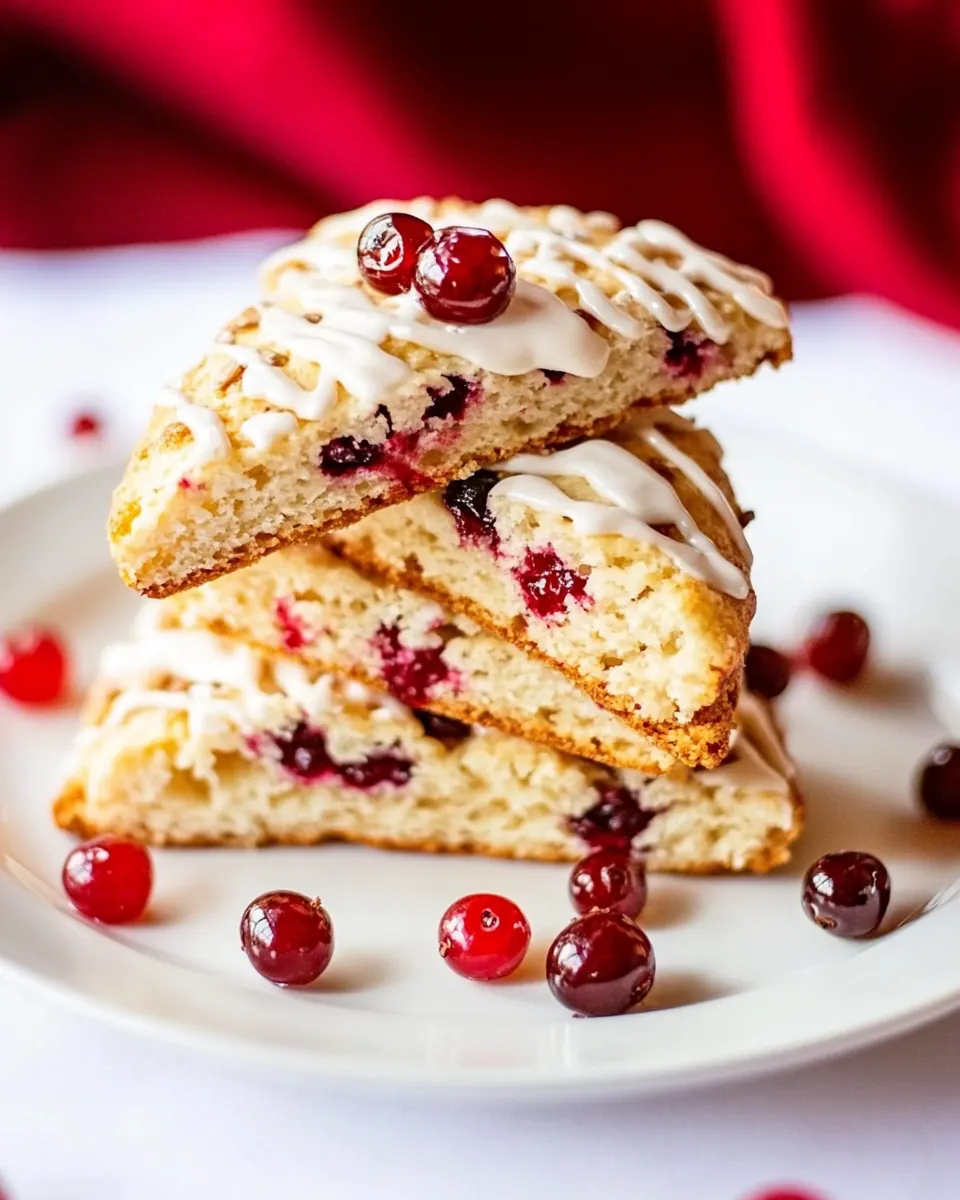
Cranberry Orange Scones with Vanilla Cream Glaze
Cranberry Orange Scones with Vanilla Cream Glaze are one of those recipes I reach for when I want a cozy morning treat that still feels a little festive.
I first made these on a chilly November weekend, standing in a kitchen that smelled like citrus and warm butter while an old record hummed softly in the background. I remember hesitating over the first wedge, nervous that the bright cranberries would overwhelm the tender crumb, but the combination struck me as perfectly balanced. The orange zest lifts the rich, buttery flour base, while the cranberries add a lively pop against the tender interior.
Over the years I have tweaked the ratio of sour cream to heavy cream, and each adjustment has nudged the texture into that ideal being slightly crisp at the edges, tender in the center. I like to tell guests these scones are deceptively fancy, but honestly, they are simple enough for a slow weekend or a holiday brunch. You will notice how the glaze melts into the tiny cracks on the surface, creating an inviting sheen that makes them hard to resist.
Recipe Snapshot
46 mins
30 mins
16 mins
Medium
220 kcal
American
Gluten-Free, Low FODMAP
Desserts
Mixing bowl, Whisk, Grater, Pastry cutter, Rubber spatula, Baking sheet, Parchment paper, Wire rack
Why Try This Cranberry Orange Scones with Vanilla Cream Glaze
Bright, balanced flavor
I love how the bright citrus zest brings a fresh contrast to the sweet cranberries. The orange lifts the whole recipe, preventing the scones from feeling cloying, and that tiny bit of acidity makes each bite sing.
Buttery, tender crumb
The combination of frozen unsalted butter and the technique of cutting it into the dry flour yields a wonderfully flaky interior. I appreciate how the butter creates pockets of richness without making the dough greasy.
Reliable texture from simple dairy
Using both sour cream and a touch of heavy cream gives these scones depth and moisture. The sour cream adds tang and structure while the cream keeps the dough soft and tender, which has become my go to approach for consistent results.
Impressive but approachable
These scones look like something you would order at a bakery, yet they are easy to make at home. I love serving them warm, with glaze just set, when friends arrive. They feel celebratory without requiring a day of prep.
Versatile for occasions
Whether I am baking for a holiday brunch or a simple weekend breakfast, these scones fit the moment. The flavors feel seasonal, especially in autumn, and they pair beautifully with coffee or a pot of tea.
Ingredients You’ll Need for Cranberry Orange Scones with Vanilla Cream Glaze
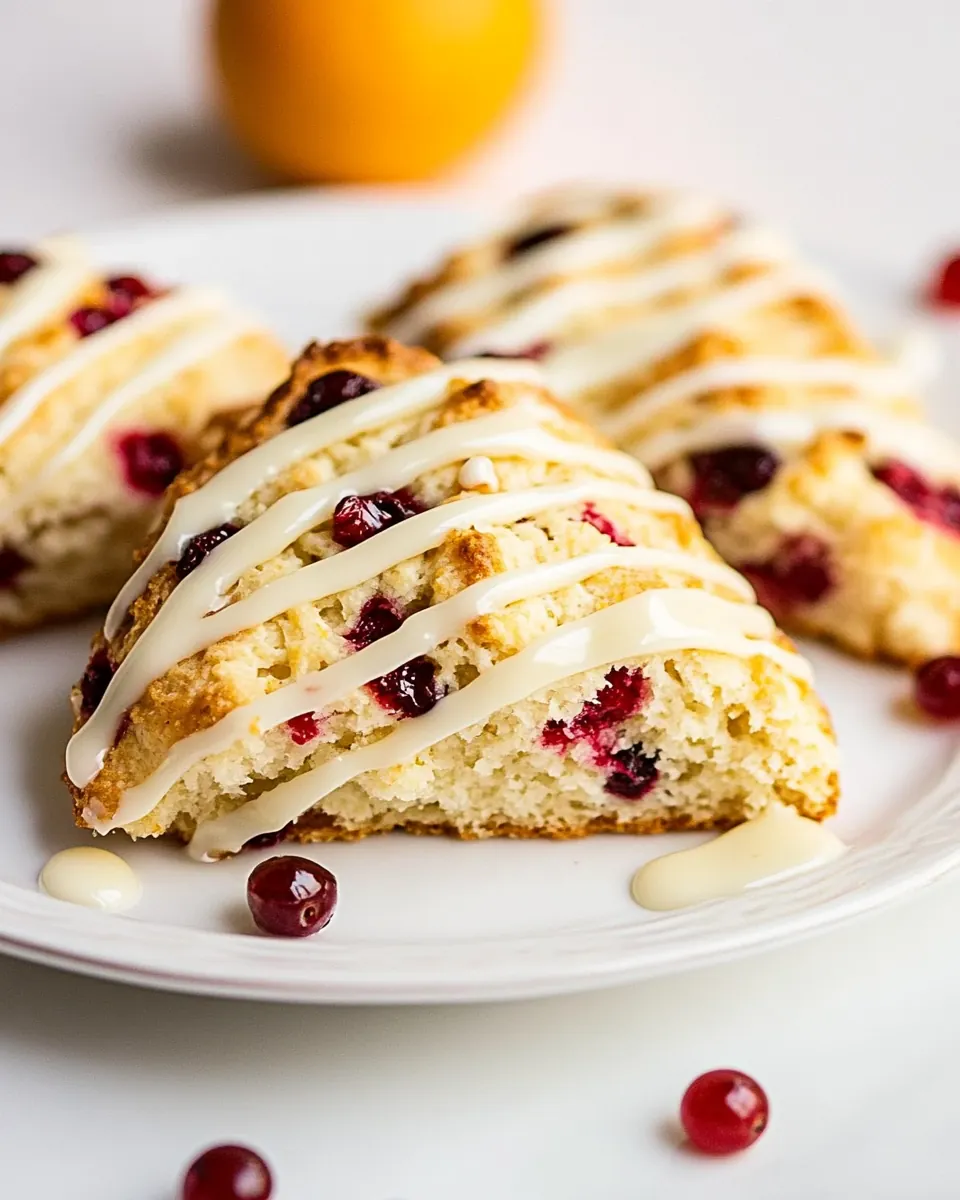
These ingredients are uncomplicated and work together to create a scone that is tender, slightly crisp, and bursting with bright notes. The key players are the flour and butter for structure and flaky texture, the dairy for moisture and tenderness, and the cranberries and orange zest for flavor contrast. Small amounts of leavening ensure a gentle rise that keeps the scone crumb airy rather than heavy.
- 2 cup s (277 g) all-purpose flour (scoop and level): Provide structure and bulk to the scones, creating a tender crumb when properly measured and combined; flour proteins form the framework that traps air and supports rise during baking. Use the scoop-and-level method to ensure accurate quantity for consistent texture and oven time.
- 8 tbsp granulated sugar, divided: Add sweetness and help with browning; sugar also contributes to tenderizing the dough by interfering with gluten formation. Divide usage so some sugar flavors the dough while the remainder can be used for coating or additional surface sweetness.
- 2 tsp baking powder: Leaven the dough by producing carbon dioxide when combined with moisture and heat, contributing to a light, flaky scone texture. Baking powder also helps achieve an even rise without needing long fermentation.
- 1/4 tsp baking soda: Provide additional leavening and react with acidic components like sour cream to create lift and slight tenderness in the crumb. Baking soda also aids in browning and balances pH for optimal flavor development.
- 1/2 tsp salt: Enhance and balance flavors while slightly strengthening gluten development; a small amount of salt elevates sweetness and rounds out the overall taste. Salt also helps control yeast/bacterial activity and improves the final mouthfeel.
- 8 tbsp unsalted butter, frozen: Create flakiness and richness by integrating cold butter pieces that melt during baking to form steam layers; using frozen butter preserves those solid chunks until baking. Butter also contributes to overall flavor and tender texture.
- 1/3 cup sour cream: Add moisture and tang that enriches the scone dough while reacting with baking soda for gentle lift; sour cream contributes to a moist, tender crumb and slight acidity. The fat and proteins in sour cream also improve tenderness and flavor complexity.
- 1/3 cup + 1 tbsp heavy cream, divided: Contribute additional richness and moisture; heavy cream increases fat content for a more tender, buttery crumb while also thinning the dough to the desired consistency. Reserving part of the cream allows adjustments to dough hydration and finishing touches.
- 1 large egg: Provide binding and structure while adding richness and color; egg helps emulsify fats and liquids for a cohesive dough and supports browning. Using one large egg yields predictable moisture and protein contribution.
- 1 tsp vanilla extract: Impart aromatic depth and vanilla flavor that enhances overall sweetness perception; vanilla extract rounds and elevates the combined flavors in both dough and glaze. Add at mixing stage to distribute flavor evenly.
- 1 tbsp orange zest: Deliver bright citrus aroma and flavor that complements berries and vanilla; orange zest adds essential oils without extra liquid, boosting freshness. Use freshly grated zest for maximum fragrance and a vibrant citrus note.
- 1 cup (heaping) fresh cranberries, diced into halves: Introduce tartness, color, and juicy pockets throughout the scones; fresh cranberries add texture and a bright contrast to the rich dough. Dicing into halves ensures even distribution and avoids large moisture pockets that could alter bake time.
- 1 cup powdered sugar: Sweeten and thicken the glaze with a fine texture that dissolves easily when mixed with liquids; powdered sugar provides smooth consistency for dipping or drizzling. Sifting before use prevents lumps and yields a glossy finish.
- 2 tbsp heavy cream: Adjust glaze consistency while adding richness and a silky mouthfeel; a small amount of heavy cream smooths powdered sugar into a pourable glaze. Heavy cream also contributes subtle dairy flavor to the topping.
- 1 tbsp milk: Thin the glaze slightly and mellow sweetness while adding light dairy notes; milk helps achieve the desired pouring consistency for a smooth finish. Use cautiously to avoid over-thinning the glaze.
- 1/2 tsp vanilla extract: Enhance and balance the glaze with warm aromatic notes; a small amount of vanilla extract deepens sweetness perception and complements orange and cranberry flavors. Add to taste to avoid overpowering the citrus and berry accents.
Directions for Cranberry Orange Scones with Vanilla Cream Glaze
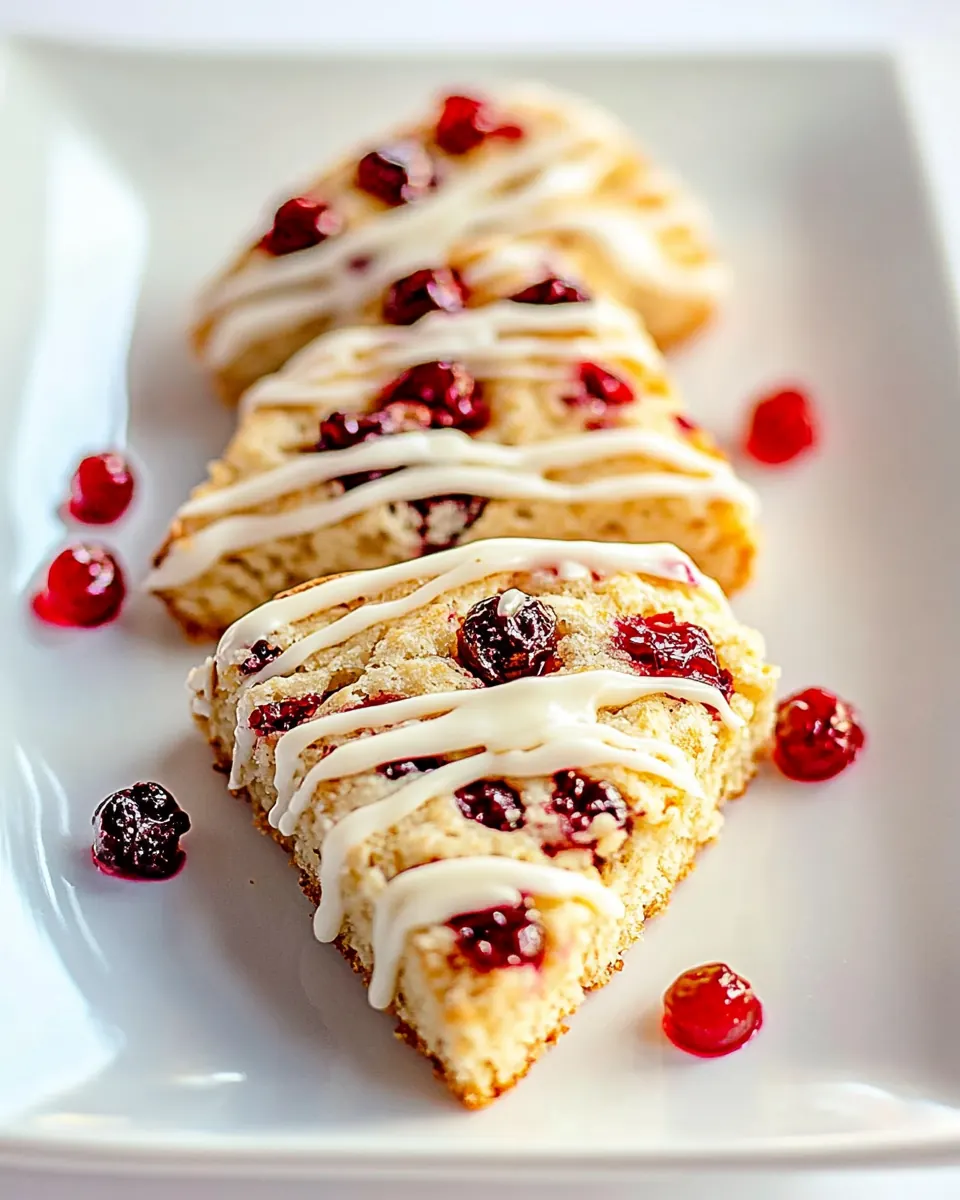
These directions are written to walk you through the process with sensory cues and troubleshooting so each step yields consistent results. Read them first, gather your tools, and then proceed with a calm pace. The dough is forgiving, but attention to cold butter and gentle handling makes a noticeable difference.
- Preheat oven to 400 degrees. In a mixing bowl whisk together flour, 6 tbsp of the granulated sugar, baking powder, baking soda and salt for 20 seconds. Grate butter and add to dry mixture, then using a long pronged fork or pastry cutter, cut butter into flour until it resembles coarse meal. Make a well in center mixture.: You will smell the slight warmth in the air as the oven reaches temperature, and preheating ensures an immediate burst of heat that helps the scones rise and form a golden crust. This initial heat jump sets the structure by activating the baking powder right away, giving you those tender layers inside. A common mistake is skipping preheat, which leads to pale, dense scones and longer baking times.
- In a small mixing bowl whisk together 1/3 cup of the sour cream, cream, egg, vanilla and orange zest until well blended. Pour sour cream mixture into well in dry mixture and using a rubber spatula fold mixture until it starts to come together in large clumps.: As you whisk, the dry flour and leaveners smell neutral and slightly grainy, and the uniform mixture avoids pockets of salt or leavening. This even distribution is crucial because uneven leavening can cause lopsided rise or salty bites. Avoid overworking the dry mix, which can aerate it too much and change texture.
- In a small bowl toss cranberries with remaining 2 tbsp granulated sugar then pour cranberry mixture into dough mixture. Gently knead mixture by hand (in bowl or on counter) about 5 times, or just until it comes together.: When you grate the frozen butter , flakes feel cold and firm, and they melt briefly against your palm before returning to cool. Cutting the butter into the dry mix until it resembles coarse meal gives the dough pockets of fat that steam during baking to create flakiness. If the butter warms up and becomes soft, the dough will be greasy and dense, so work quickly and keep everything cold.
- Dust a clean surface with flour and drop dough onto surface. Gently pat and shape into an 8-inch round. Cut into 8 wedges then transfer to a Silpat or parchment paper lined baking sheet. Brush tops with remaining 1 tbsp cream.: The well holds the wet ingredients and creates a controlled area for combining. The contrast between the dry rim and the glossy wet center is visually helpful when you pour the dairy mixture. Missing this step can lead to uneven mixing and overworked dough.
- Bake in preheated oven until golden, about 16 – 18 minutes. Cool on a wire rack then drizzle with Vanilla Cream Glaze and allow glaze to set at room temperature. Store in an airtight container. Best served day prepared.: Whisking creates a homogenous, slightly glossy batter with flecks of fragrant orange zest . The aroma of citrus lifts as you whisk, and the mixture should look smooth and slightly thick. If the egg is not fully beaten, you may get streaks, which affects even distribution of moisture.
- For the glaze: In a mixing bowl whisk together all glaze ingredients until well blended.: You will notice the dough changing from dusty to shaggy, and folding preserves the cold butter pockets. Folding rather than stirring prevents gluten overdevelopment, which keeps the scones tender. Overmixing here will yield a tough, bread like texture rather than a flaky scone.
- In a small bowl toss cranberries with remaining 2 tbsp granulated sugar then pour cranberry mixture into dough mixture: Tossing the cranberries with sugar softens their surface and helps them distribute without sinking. The sugared cranberries will glisten slightly and smell bright, and adding them cold keeps the dough from getting too wet. Do not add thawed frozen cranberries, as excess moisture will make the dough soggy.
- Gently knead mixture by hand (in bowl or on counter) about 5 times, or just until it comes together: The dough should feel slightly tacky but not sticky, and you will hear faint rustling as it forms cohesive clumps. Gentle kneading finishes the bind without developing too much gluten, preserving a soft crumb. A common error is over kneading, which makes scones tough and dense.
- Dust a clean surface with flour and drop dough onto surface: The floured surface helps the dough move without sticking, and the dough should hold its shape when transferred. Light dusting prevents excess flour from being incorporated, which could dry out the scones. Do not press the dough so thin that you lose the pockets of butter .
- Gently pat and shape into an 8-inch round: As you pat, the dough will show a patchwork of cranberry specks and a tender finish, and it should be about an inch to an inch and a half thick for proper rise. Pressing too hard will compress the layers, while too loose a shape will spread during baking. Aim for even thickness for uniform baking.
- Cut into 8 wedges then transfer to a Silpat or parchment paper lined baking sheet: Cutting reveals the inner texture and gives neat wedges that bake evenly. Transfer carefully to avoid squishing the wedges and losing their shape. Using parchment avoids sticking and helps the bottoms brown, while skipping it can cause uneven browning or sticking to the pan.
- Brush tops with remaining 1 tbsp cream: Brushing with heavy cream produces a glossy, golden finish and helps the tops develop an appealing color. The cream also aids in browning and adds richness to the exterior. Brushing too much can create a darker, soggy top rather than a crisp one.
- Bake in preheated oven until golden, about 16 to 18 minutes: As they bake, the scones will emit a warm aroma of butter and orange, and the tops will turn a deep golden hue while edges become slightly crisp. This baking time firms the interior yet keeps it tender, and the heat activates the leaveners for a gentle lift. Underbaking yields a raw interior, while overbaking results in dry scones.
- Cool on a wire rack then drizzle with Vanilla Cream Glaze and allow glaze to set at room temperature: Cooling lets steam escape so the glaze does not completely melt away; the scones should be warm but not piping hot to preserve the glaze texture. The glaze will look glossy as it settles into small cracks, adding sweetness and visual appeal. Glazing too soon can cause the glaze to run off, too late and it will not adhere well.
- Store in an airtight container: Store cooled scones in an airtight container at room temperature to maintain tenderness for a day. If you plan to keep them longer, refrigerate or freeze following proper wrapping to retain freshness. A frequent mistake is storing while still warm, which traps steam and makes them soggy.
- Best served day prepared: These are at their peak the day they are baked, with a crisp exterior and soft interior that showcase the powdered sugar glaze and bright cranberries . While still tasty later, the texture evolves and becomes denser over time, so plan to enjoy them fresh for the best experience.
- For the glaze: In a mixing bowl whisk together all glaze ingredients until well blended : The glaze should become smooth and glossy with a gentle aroma of vanilla . It should drizzle in a steady ribbon from your spoon, filling cracks and creating a shiny finish. If the glaze is too thick, add a touch more milk or heavy cream , but add sparingly to avoid making it runny.
Make It Your Own
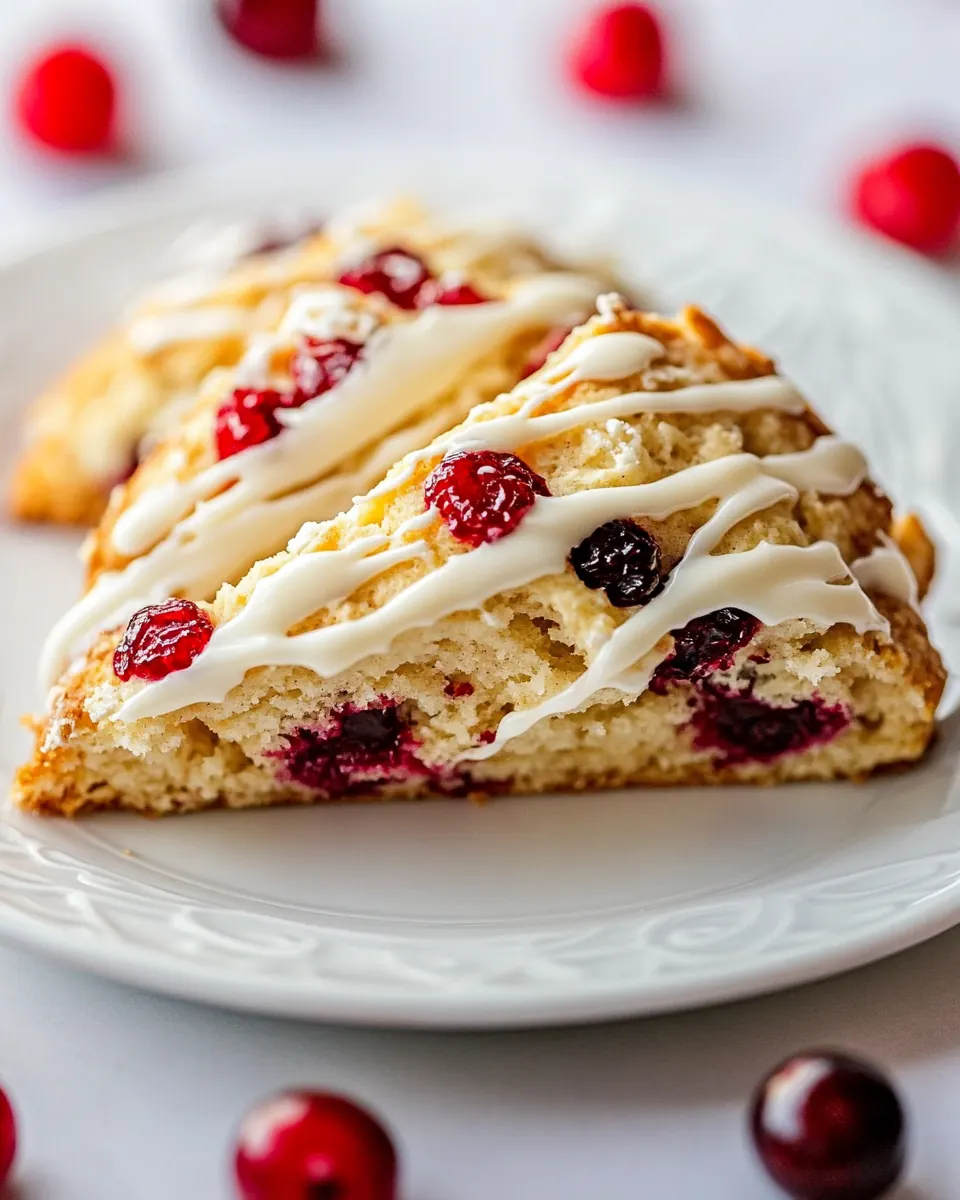
I like to offer ways to personalize recipes so you can make them fit your pantry and taste. Below are useful tips and gentle tweaks that keep the integrity of the scone while letting you add your own touch.
- Adjust sugar on top — If you prefer less sweetness, reduce the powdered sugar in the glaze slightly and brush the scone tops with only heavy cream for color, this keeps the visual appeal while lowering overall sugar.
- Keep butter cold — Freeze the butter for 15 minutes before grating if it becomes too soft, this ensures flaky layers and prevents greasy dough.
- Swap dairy for texture — If you want a slightly tangier crumb, increase the sour cream by a tablespoon and reduce one tablespoon of heavy cream, which enhances tenderness without changing structure.
- Evenly distribute cranberries — Dice the cranberries small and toss with sugar to avoid sinking, this helps each wedge have consistent bursts of fruit.
- Make-ahead strategy — Form the dough, cut wedges, and freeze unbaked on a tray; wrap and bake from frozen, adding a few extra minutes to the bake time for convenience without losing quality.
What Goes Well With This Cranberry Orange Scones with Vanilla Cream Glaze
These scones pair wonderfully with morning beverages and light accompaniments and work well for gatherings. Below are thoughtful serving ideas, storage notes, and occasion suggestions presented as a list so you can choose what suits your meal.
- Serve warm with coffee — A robust cup of coffee complements the bright orange zest and tart cranberries, making this an ideal breakfast or brunch pairing.
- Afternoon tea style — Offer on a platter with a pot of tea; the scones make a lovely addition to a tea party or a relaxed afternoon get together.
- Holiday brunch centerpiece — These are perfect for Thanksgiving morning or a seasonal brunch, presented on a platter garnished with extra orange zest for flair.
- Storage for freshness — Store at room temperature in an airtight container for the day, refrigerate for up to three days, or freeze wrapped for longer keeping. Rewarm briefly to refresh texture.
- Portioning for gatherings — Cut into wedges and arrange on a tiered server for buffets or family style serving during festive mornings and brunches.
FAQ
Conclusion
These Cranberry Orange Scones with Vanilla Cream Glaze shine because they balance bright, citrusy flavor with a tender, buttery crumb and a glossy sweet finish. I encourage you to give them a try on a relaxed morning or as a festive addition to a holiday brunch. They feel special without being complicated, and once you bake a batch, you will likely find yourself reaching for them whenever you want something comforting and a little celebratory.
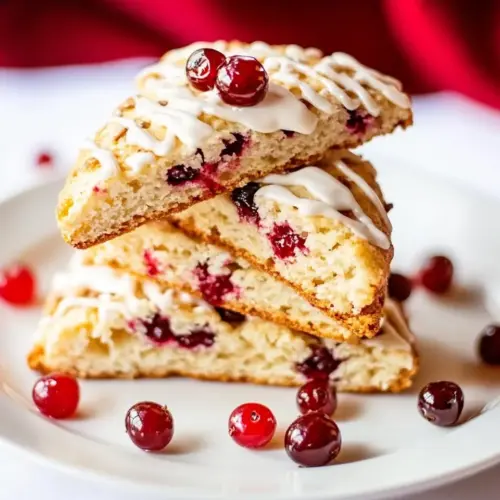
Cranberry Orange Scones with Vanilla Cream Glaze
Equipment
- Mixing Bowl
- Whisk
- Grater
- Pastry Cutter
- Rubber spatula
- Baking Sheet
- Parchment Paper
- Wire Rack
Ingredients
- 2 cup s (277 g) all-purpose flour (scoop and level) Provide structure and bulk to the scones, creating a tender crumb when properly measured and combined; flour proteins form the framework that traps air and supports rise during baking. Use the scoop-and-level method to ensure accurate quantity for consistent texture and oven time.
- 8 tbsp granulated sugar, divided Add sweetness and help with browning; sugar also contributes to tenderizing the dough by interfering with gluten formation. Divide usage so some sugar flavors the dough while the remainder can be used for coating or additional surface sweetness.
- 2 tsp baking powder Leaven the dough by producing carbon dioxide when combined with moisture and heat, contributing to a light, flaky scone texture. Baking powder also helps achieve an even rise without needing long fermentation.
- 1/4 tsp baking soda Provide additional leavening and react with acidic components like sour cream to create lift and slight tenderness in the crumb. Baking soda also aids in browning and balances pH for optimal flavor development.
- 1/2 tsp salt Enhance and balance flavors while slightly strengthening gluten development; a small amount of salt elevates sweetness and rounds out the overall taste. Salt also helps control yeast/bacterial activity and improves the final mouthfeel.
- 8 tbsp unsalted butter, frozen Create flakiness and richness by integrating cold butter pieces that melt during baking to form steam layers; using frozen butter preserves those solid chunks until baking. Butter also contributes to overall flavor and tender texture.
- 1/3 cup sour cream Add moisture and tang that enriches the scone dough while reacting with baking soda for gentle lift; sour cream contributes to a moist, tender crumb and slight acidity. The fat and proteins in sour cream also improve tenderness and flavor complexity.
- 1/3 cup + 1 tbsp heavy cream, divided Contribute additional richness and moisture; heavy cream increases fat content for a more tender, buttery crumb while also thinning the dough to the desired consistency. Reserving part of the cream allows adjustments to dough hydration and finishing touches.
- 1 large egg Provide binding and structure while adding richness and color; egg helps emulsify fats and liquids for a cohesive dough and supports browning. Using one large egg yields predictable moisture and protein contribution.
- 1 tsp vanilla extract Impart aromatic depth and vanilla flavor that enhances overall sweetness perception; vanilla extract rounds and elevates the combined flavors in both dough and glaze. Add at mixing stage to distribute flavor evenly.
- 1 tbsp orange zest Deliver bright citrus aroma and flavor that complements berries and vanilla; orange zest adds essential oils without extra liquid, boosting freshness. Use freshly grated zest for maximum fragrance and a vibrant citrus note.
- 1 cup (heaping) fresh cranberries, diced into halves Introduce tartness, color, and juicy pockets throughout the scones; fresh cranberries add texture and a bright contrast to the rich dough. Dicing into halves ensures even distribution and avoids large moisture pockets that could alter bake time.
- 1 cup powdered sugar Sweeten and thicken the glaze with a fine texture that dissolves easily when mixed with liquids; powdered sugar provides smooth consistency for dipping or drizzling. Sifting before use prevents lumps and yields a glossy finish.
- 2 tbsp heavy cream Adjust glaze consistency while adding richness and a silky mouthfeel; a small amount of heavy cream smooths powdered sugar into a pourable glaze. Heavy cream also contributes subtle dairy flavor to the topping.
- 1 tbsp milk Thin the glaze slightly and mellow sweetness while adding light dairy notes; milk helps achieve the desired pouring consistency for a smooth finish. Use cautiously to avoid over-thinning the glaze.
- 1/2 tsp vanilla extract Enhance and balance the glaze with warm aromatic notes; a small amount of vanilla extract deepens sweetness perception and complements orange and cranberry flavors. Add to taste to avoid overpowering the citrus and berry accents.
Instructions
- Preheat oven to 400 degrees. In a mixing bowl whisk together flour, 6 tbsp of the granulated sugar, baking powder, baking soda and salt for 20 seconds. Grate butter and add to dry mixture, then using a long pronged fork or pastry cutter, cut butter into flour until it resembles coarse meal. Make a well in center mixture.: You will smell the slight warmth in the air as the oven reaches temperature, and preheating ensures an immediate burst of heat that helps the scones rise and form a golden crust. This initial heat jump sets the structure by activating the baking powder right away, giving you those tender layers inside. A common mistake is skipping preheat, which leads to pale, dense scones and longer baking times.
- In a small mixing bowl whisk together 1/3 cup of the sour cream, cream, egg, vanilla and orange zest until well blended. Pour sour cream mixture into well in dry mixture and using a rubber spatula fold mixture until it starts to come together in large clumps.: As you whisk, the dry flour and leaveners smell neutral and slightly grainy, and the uniform mixture avoids pockets of salt or leavening. This even distribution is crucial because uneven leavening can cause lopsided rise or salty bites. Avoid overworking the dry mix, which can aerate it too much and change texture.
- In a small bowl toss cranberries with remaining 2 tbsp granulated sugar then pour cranberry mixture into dough mixture. Gently knead mixture by hand (in bowl or on counter) about 5 times, or just until it comes together.: When you grate the frozen butter , flakes feel cold and firm, and they melt briefly against your palm before returning to cool. Cutting the butter into the dry mix until it resembles coarse meal gives the dough pockets of fat that steam during baking to create flakiness. If the butter warms up and becomes soft, the dough will be greasy and dense, so work quickly and keep everything cold.
- Dust a clean surface with flour and drop dough onto surface. Gently pat and shape into an 8-inch round. Cut into 8 wedges then transfer to a Silpat or parchment paper lined baking sheet. Brush tops with remaining 1 tbsp cream.: The well holds the wet ingredients and creates a controlled area for combining. The contrast between the dry rim and the glossy wet center is visually helpful when you pour the dairy mixture. Missing this step can lead to uneven mixing and overworked dough.
- Bake in preheated oven until golden, about 16 - 18 minutes. Cool on a wire rack then drizzle with Vanilla Cream Glaze and allow glaze to set at room temperature. Store in an airtight container. Best served day prepared.: Whisking creates a homogenous, slightly glossy batter with flecks of fragrant orange zest . The aroma of citrus lifts as you whisk, and the mixture should look smooth and slightly thick. If the egg is not fully beaten, you may get streaks, which affects even distribution of moisture.
- For the glaze: In a mixing bowl whisk together all glaze ingredients until well blended.: You will notice the dough changing from dusty to shaggy, and folding preserves the cold butter pockets. Folding rather than stirring prevents gluten overdevelopment, which keeps the scones tender. Overmixing here will yield a tough, bread like texture rather than a flaky scone.
- In a small bowl toss cranberries with remaining 2 tbsp granulated sugar then pour cranberry mixture into dough mixture: Tossing the cranberries with sugar softens their surface and helps them distribute without sinking. The sugared cranberries will glisten slightly and smell bright, and adding them cold keeps the dough from getting too wet. Do not add thawed frozen cranberries, as excess moisture will make the dough soggy.
- Gently knead mixture by hand (in bowl or on counter) about 5 times, or just until it comes together: The dough should feel slightly tacky but not sticky, and you will hear faint rustling as it forms cohesive clumps. Gentle kneading finishes the bind without developing too much gluten, preserving a soft crumb. A common error is over kneading, which makes scones tough and dense.
- Dust a clean surface with flour and drop dough onto surface: The floured surface helps the dough move without sticking, and the dough should hold its shape when transferred. Light dusting prevents excess flour from being incorporated, which could dry out the scones. Do not press the dough so thin that you lose the pockets of butter .
- Gently pat and shape into an 8-inch round: As you pat, the dough will show a patchwork of cranberry specks and a tender finish, and it should be about an inch to an inch and a half thick for proper rise. Pressing too hard will compress the layers, while too loose a shape will spread during baking. Aim for even thickness for uniform baking.
- Cut into 8 wedges then transfer to a Silpat or parchment paper lined baking sheet: Cutting reveals the inner texture and gives neat wedges that bake evenly. Transfer carefully to avoid squishing the wedges and losing their shape. Using parchment avoids sticking and helps the bottoms brown, while skipping it can cause uneven browning or sticking to the pan.
- Brush tops with remaining 1 tbsp cream: Brushing with heavy cream produces a glossy, golden finish and helps the tops develop an appealing color. The cream also aids in browning and adds richness to the exterior. Brushing too much can create a darker, soggy top rather than a crisp one.
- Bake in preheated oven until golden, about 16 to 18 minutes: As they bake, the scones will emit a warm aroma of butter and orange, and the tops will turn a deep golden hue while edges become slightly crisp. This baking time firms the interior yet keeps it tender, and the heat activates the leaveners for a gentle lift. Underbaking yields a raw interior, while overbaking results in dry scones.
- Cool on a wire rack then drizzle with Vanilla Cream Glaze and allow glaze to set at room temperature: Cooling lets steam escape so the glaze does not completely melt away; the scones should be warm but not piping hot to preserve the glaze texture. The glaze will look glossy as it settles into small cracks, adding sweetness and visual appeal. Glazing too soon can cause the glaze to run off, too late and it will not adhere well.
- Store in an airtight container: Store cooled scones in an airtight container at room temperature to maintain tenderness for a day. If you plan to keep them longer, refrigerate or freeze following proper wrapping to retain freshness. A frequent mistake is storing while still warm, which traps steam and makes them soggy.
- Best served day prepared: These are at their peak the day they are baked, with a crisp exterior and soft interior that showcase the powdered sugar glaze and bright cranberries . While still tasty later, the texture evolves and becomes denser over time, so plan to enjoy them fresh for the best experience.
- For the glaze: In a mixing bowl whisk together all glaze ingredients until well blended : The glaze should become smooth and glossy with a gentle aroma of vanilla . It should drizzle in a steady ribbon from your spoon, filling cracks and creating a shiny finish. If the glaze is too thick, add a touch more milk or heavy cream , but add sparingly to avoid making it runny.
Notes
- Adjust sugar on top — If you prefer less sweetness, reduce the powdered sugar in the glaze slightly and brush the scone tops with only heavy cream for color, this keeps the visual appeal while lowering overall sugar.
- Keep butter cold — Freeze the butter for 15 minutes before grating if it becomes too soft, this ensures flaky layers and prevents greasy dough.
- Swap dairy for texture — If you want a slightly tangier crumb, increase the sour cream by a tablespoon and reduce one tablespoon of heavy cream, which enhances tenderness without changing structure.
- Evenly distribute cranberries — Dice the cranberries small and toss with sugar to avoid sinking, this helps each wedge have consistent bursts of fruit.
- Make-ahead strategy — Form the dough, cut wedges, and freeze unbaked on a tray; wrap and bake from frozen, adding a few extra minutes to the bake time for convenience without losing quality.
