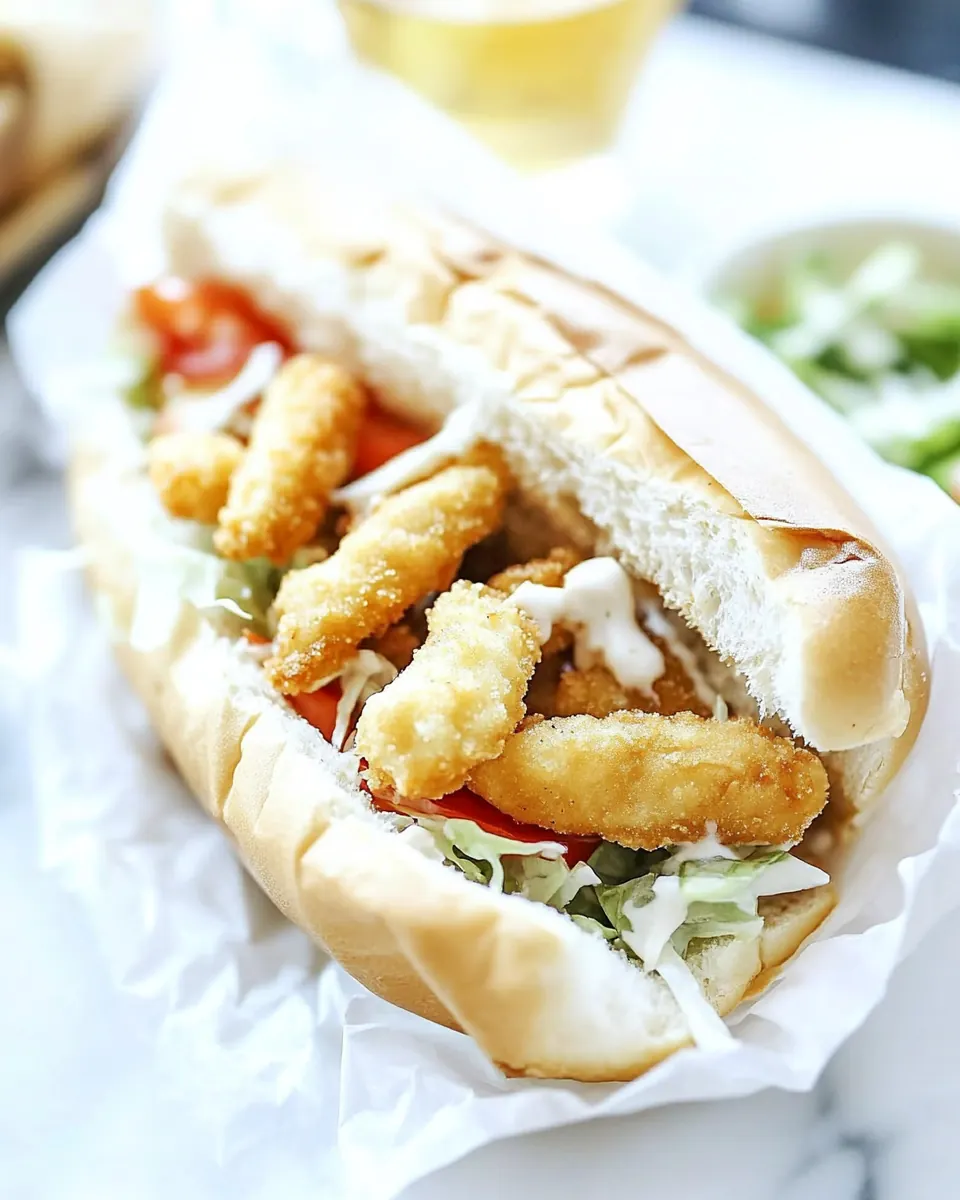
Fish Stick Po Boy Sandwich
Fish Stick Po Boy Sandwich is the kind of sandwich I reach for when I want comfort that is also a little cheeky, because it takes a nostalgic frozen favorite and dresses it up with bold Southern flavors.
Years ago I first made a riff on this sandwich for a casual summer get together, and everyone ended up arguing over who got the last roll. I remember the sizzle as the fish sticks came out of the oven and the bright hit of lemon in the remoulade, and how a humble boxed product felt transformed by a handful of thoughtful touches. I like putting on some music while I assemble these, pausing to taste the sauce, and hearing the toasted rolls crackle as I bite in.
What makes this version special for me is that it is fast enough for a weeknight and playful enough for company. The soft, slightly charred inside of the hoagie roll contrasts with the crisp exterior of the fish sticks, while the remoulade pulls everything together with a creamy, tangy lift. I don’t fuss with complicated breading or long marinades; instead I rely on a few punchy pantry items to give the sandwich character. This keeps the process breezy, so you can spend more time chatting with guests or setting out simple sides.
Recipe Snapshot
30 mins
8 mins
22 mins
Easy
450 kcal
American
Keto, Gluten-Free
Dinner
Oven, Baking sheet, Small bowl, Wire rack
Why This Fish Stick Po Boy Sandwich Stands Out
Bold flavor without the fuss
I love that the Fish Stick Po Boy Sandwich uses a few assertive seasonings to create a profile you might expect from a deli, yet it comes together in minutes. The creole seasoning and lemon juice add a lively contrast to the creamy sauce, which makes each bite pop.
Speed meets satisfaction
We often want a sandwich that feels substantial, but we do not always have time for lengthy prep. This recipe leverages ready made fish sticks to cut time drastically, while still delivering crunch and warmth. I appreciate how quickly this moves from oven to table.
Textural play
The interplay of textures is a major reason I return to this recipe. Toasted hoagie rolls brushed with butter give a subtle crispness and richness, while the fish sticks remain crunchy. The remoulade brings creaminess, and a touch of relish adds tiny pops of sweetness and vinegar.
Approachable to customize
I like that you can easily adapt the sandwich depending on what you have on hand. If you want more heat, add extra creole seasoning to the sauce. If you prefer brightness, squeeze additional lemon juice. These tweaks let you make the sandwich your own with very little effort.
Great for gatherings
I often make a batch when friends drop by because this is friendly to scale. You can bake multiple trays of fish sticks and quickly toast hoagie rolls, so you spend less time cooking and more time talking. Folks always notice the remoulade and ask for the recipe, which is a nice compliment.
Ingredient List for Fish Stick Po Boy Sandwich
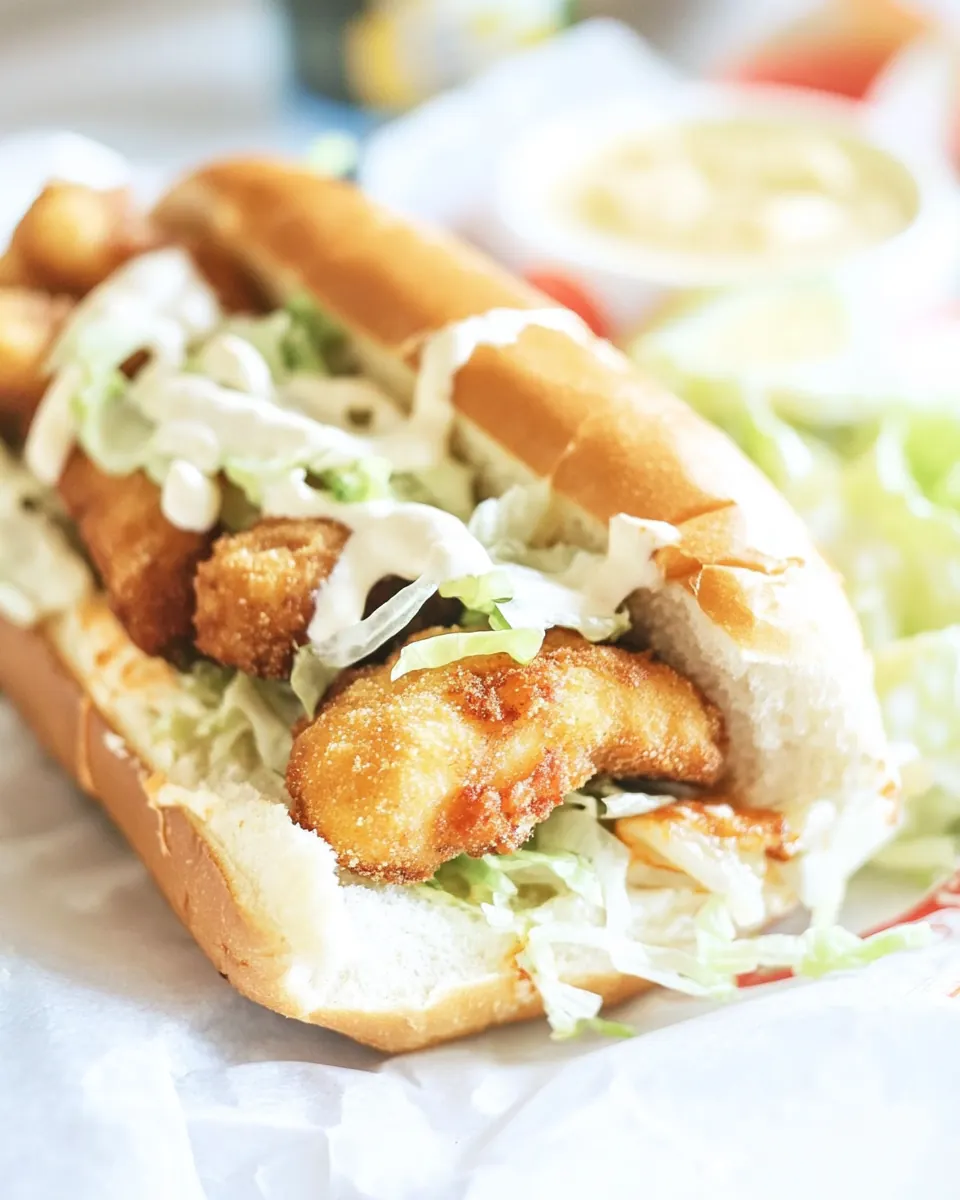
These ingredients are chosen to create a balanced sandwich where texture, acidity, and seasoning all play distinct roles. The key players are the crunchy fish sticks, which provide the main textural element, and the remoulade components, which bring creaminess and a citrus lift. Tender, butter toasted hoagie rolls act as the vehicle, giving a warm, slightly crisp cradle for the filling. Each ingredient has a clear job, and together they make a sandwich that feels deliberate but effortless.
- 1 Box Gorton’s fish sticks: Provides frozen, pre-breaded fish portions that serve as the main protein and crispy element of the sandwich; offers convenience and consistent texture when baked or fried according to package instructions. Enhances mouthfeel with a crunchy exterior and flaky fish interior that pairs well with creamy and tangy toppings.
- 1 tbsp creole seasoning: Adds bold, spicy, and aromatic flavor to the fish and breading when sprinkled; helps tie Southern and Creole flavor profiles together. Can be used both in the cooking process and in seasoning the sandwich for a balanced heat.
- 1/2 c mayonnaise: Creates a rich, creamy base for the sandwich sauce that coats the fish and softens the bread; helps bind other sauce ingredients like horseradish and lemon. Provides a smooth mouthfeel and mellows stronger flavors while contributing fat for richness.
- 2 tbsp horseradish sauce: Contributes sharp, pungent heat and a horseradish bite to the mayonnaise-based sauce; brightens the overall flavor and adds depth. Helps cut through the richness of the fish sticks and buttered rolls for a more balanced sandwich.
- 1/2 tsp garlic powder: Imparts subtle savory and aromatic notes to the sauce or seasoning blend; enhances overall flavor without overpowering other elements. Works well in small amounts to round out the taste profile and support garlic presence.
- 1 tbsp lemon juice: Delivers bright acidity to the sauce, helping to cut through richness and enhance other flavors; adds a citrusy tang that lifts the sandwich. Helps balance the creaminess of mayonnaise and the heat from horseradish and creole seasoning.
- 1 tsp sweet relish: Introduces sweet and tangy bursts to the sauce, providing texture and a contrast to savory components; small amounts add complexity and a pleasant pop. Complements the creamy base and the spiciness from creole seasoning.
- 1/4 tsp creole seasoning: Provides a lighter touch of the same spicy Creole flavor used elsewhere, useful for subtle seasoning of sauce or bread; reinforces regional seasoning without overwhelming other flavors. Helps ensure consistent seasoning throughout the sandwich components.
- 4 hoagie rolls: Serves as the sandwich vessel with a soft interior and sturdy structure to hold the fish and toppings; toasts well and absorbs butter for additional flavor. Provides bite and balance, allowing the crispy fish and creamy sauce to be assembled into a handheld meal.
- 4 tbsp butter: Adds golden, toasty richness to the hoagie rolls when melted and brushed onto cut sides; enhances aroma and flavor while creating a pleasant texture contrast. Helps the bread crisp slightly when grilled or toasted, preventing sogginess from the sauce.
Recipe Directions for Fish Stick Po Boy Sandwich
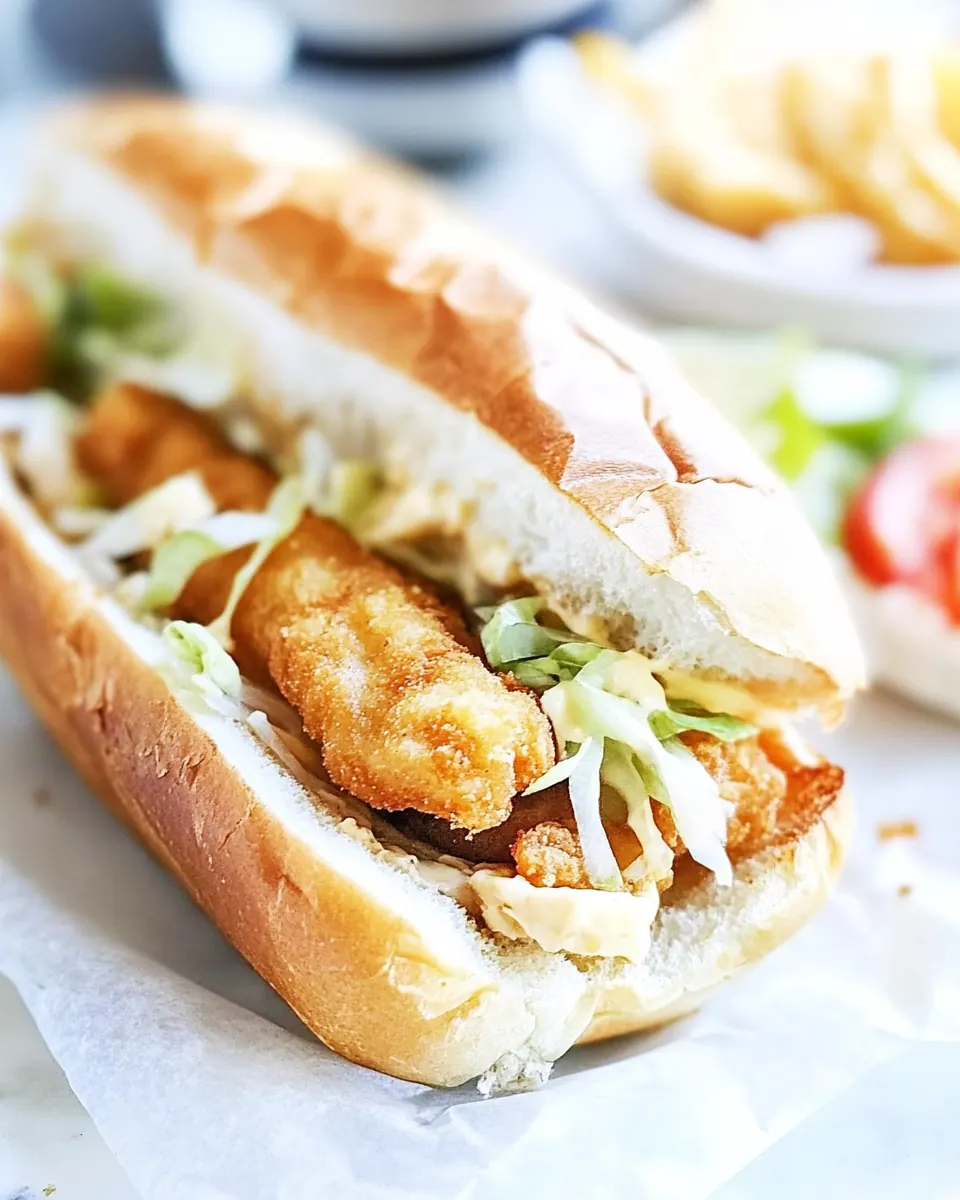
These directions are straightforward, and with a little attention to timing you can keep everything hot and crisp for assembly. I like to have the sauce chilled and the rolls ready to toast so the final build goes quickly. Small timing adjustments make a big difference in texture and overall enjoyment.
- Prepare Gorton’s fish sticks according to manufacturers directions. When you remove them from the oven toss with 1 tbsp creole seasoning.: The oven releases a warm, toasty scent as the fish sticks bake, and you should hear a faint crackle when they come closer to done. This step matters because proper baking ensures a crisp exterior while keeping the inside flaky and moist, which is essential for mouthfeel. A frequent mistake is crowding the baking sheet, which traps steam and softens the crust; space the pieces evenly so hot air can circulate. I check the package temperature guideline and start checking a few minutes early, pulling one to assess color and texture. When the edges are golden and the tops have a dry, firm feel, they are likely ready. Use an oven rack in the center for even heat, and if your oven runs hot, reduce time slightly to avoid a dry center. After pulling them from the oven, the residual heat continues to crisp the coating, so place them on a wire rack rather than a flat plate to keep air circulating.
- Meanwhile in a small bowl mix the remoulade sauce together. Refrigerate until ready to use.: The warm surface of the fish sticks helps the seasoning adhere, releasing an aromatic blend of paprika and herbs that immediately shifts the sandwich toward Southern flavors. This finishing touch matters because it seasons the crust directly, ensuring every bite has a fragrant, savory edge. One common error is adding seasoning too early, which can burn it during baking and taste bitter; doing it right after baking preserves freshness. Use tongs to gently tumble them so the coating is evenly distributed, and taste one before assembly to confirm the level of spice. If your seasoning feels too coarse, gently rub it into the crust with a spatula so it melds with the warm exterior rather than sitting loosely on top.
- After the fish sticks are done remove from oven and keep warm. Turn oven to broil.: You will notice the sauce take on a smooth, glossy appearance as the mayonnaise , horseradish sauce , garlic powder , lemon juice , sweet relish , and a pinch of creole seasoning emulsify together, and a bright citrus scent will come forward. Building this sauce while the fish cooks saves time and lets flavors meld, which results in a more balanced, cohesive topping. A typical mistake is under mixing, which leaves pockets of dryness or uneven seasoning; whisk until silky and taste to adjust acidity or heat. If the sauce seems thick, a tiny splash of lemon juice or a teaspoon of warm water can loosen it without making it runny. Refrigerate the sauce so it chills and firms slightly, enabling it to cling to the fish when assembled rather than sliding off.
- Butter inside of hoagie buns and place on baking sheet. Put in oven and broil until golden brown. Remove from oven. Layer with lettuce, fish sticks and remoulade sauce.: Cooling the remoulade lets the flavors settle and the texture firm up so it spreads and adheres beautifully on the sandwich, giving clean bites rather than messy slides of sauce. Temperature matters because warm sauce will loosen slightly and can cause the bread to become soggy during assembly. A common oversight is skipping the chill, which often results in a runnier finish; even a short rest in the fridge improves cohesion. Store the bowl covered so the surface does not form a skin, and give it a quick stir before assembling to reincorporate any settled relish bits. I usually prepare this early and let it rest while the fish finishes cooking to streamline the final steps.
- After the fish sticks are done remove from oven and keep warm: Keeping the fish sticks warm preserves their crisp texture and ensures the sandwich is served at an inviting temperature, which amplifies aroma and taste. This matters because a cooled crust loses the satisfying crunch that defines the experience. A common error is leaving them on a plate where steam can accumulate and soften the crust; instead, transfer to a wire rack in a warm, low oven or cover loosely so heat is retained without trapping moisture. If you must hold them longer, give them a brief blast in a hot oven for one to two minutes to revive the exterior before assembly. Avoid stacking them, which squashes texture and traps steam.
- Turn oven to broil: The broiler produces an intense top heat that quickly toasts the cut sides of the rolls, creating a golden, slightly crisp interior that contrasts wonderfully with the crunchy fish sticks . This quick high heat caramelizes the bread surface, improving aroma and adding a hint of savory depth from the melted butter . A frequent mistake is leaving the rolls unattended under the broiler, which can burn them in seconds; watch closely and keep the oven door partly open if needed to monitor progress. Position the oven rack at a safe distance so the rolls brown evenly without scorching. Preheating the broiler for a minute or two ensures consistent results, but avoid prolonged preheating which can dry the rolls out before broiling.
- Butter inside of hoagie buns and place on baking sheet: When you slather the soft interior with butter , it melts and soaks slightly into the crumb, creating a rich, fragrant base for the sandwich. This matters because it adds flavor and creates a slight barrier that helps prevent sogginess from the remoulade. A common error is using cold, hard butter that does not spread evenly; use room temperature butter or lightly soften it to achieve an even layer. Place the rolls cut side up on a baking sheet so the broiler browns only the inside, leaving the crust intact. Brush lightly and evenly to avoid greasy spots, and use just enough to produce a warm golden color under the broiler.
- Put in oven and broil until golden brown: Under the broiler the buttered surfaces will quickly bubble and take on a warm golden hue, and you may smell a toasty, nutty aroma as sugars in the bread caramelize. This step enhances texture and prevents the filling from making the bread soggy too quickly. The main mistake is overbrowning, which leads to a bitter flavor; remove the rolls when the color is a rich gold rather than a dark brown. Keep your eye on them because broilers vary; it typically takes a minute to three minutes. After removing them, let the rolls cool for a moment so the crumb sets and does not crumble during assembly.
- Remove from oven: Taking the rolls out promptly stops the toasting process so the interiors remain tender beneath the crisp surface, and this pause lets steam escape so the sandwich does not become steamed from residual heat. Timing is important because carryover heat can continue to firm the bread. A common misstep is leaving the rolls on the hot sheet, which can overcook them; transfer to a plate or rack briefly before piling on fillings. Slight cooling also prevents the remoulade from becoming too loose when applied, preserving the ideal texture balance in each bite.
- Layer with lettuce, fish sticks and remoulade sauce: As you assemble, the cool crunch of lettuce provides a fresh contrast to the warm, seasoned fish sticks , and the chilled remoulade offers creamy acidity that ties everything together. The sequence matters because putting sauce directly on the lettuce helps it adhere without sogging the roll, and placing fish on top keeps the crust exposed for immediate crispness in the first bite. A common assembly mistake is overloading one component, which throws off balance; aim for an even distribution so each bite has crunch, tang, and warmth. Press gently to compact the sandwich slightly for easier eating, but avoid compressing so much that the texture is lost. Serve immediately so the contrast between toasted roll and hot fish is at its peak.
Customization Ideas
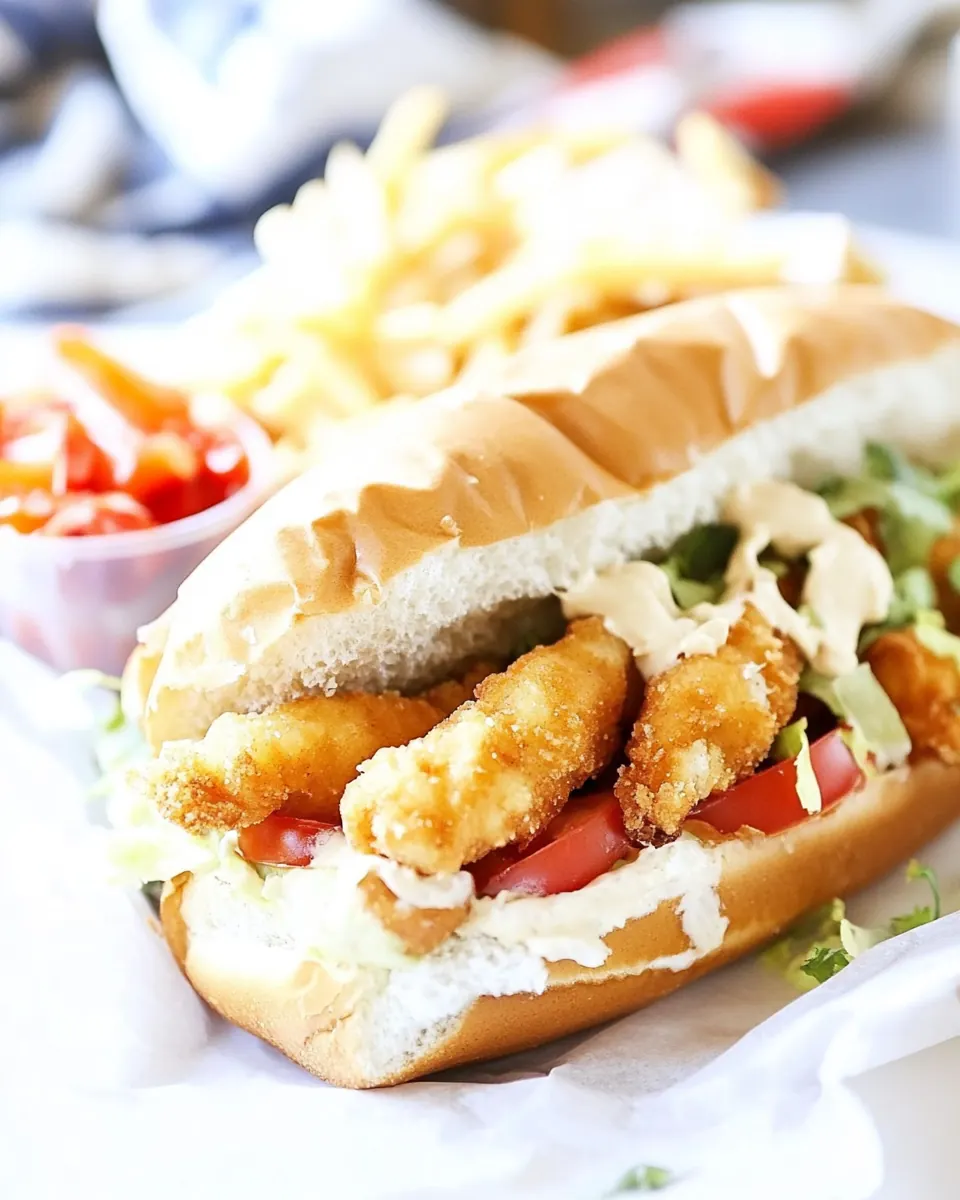
If you like to personalize sandwiches, there are a few straightforward swaps and additions that work beautifully here. These ideas keep the spirit of the Fish Stick Po Boy Sandwich intact while offering room to match your palate. Try one at a time so you can identify what you enjoy most.
- Spice it up Add a bit more creole seasoning to the remoulade for increased heat, or sprinkle extra on the fish sticks after baking to intensify the smoky, peppery notes.
- Make it tangier Increase the amount of lemon juice in the sauce by a half teaspoon at a time to sharpen the acidity, which brightens the overall profile without adding heat.
- Adjust texture Swap standard rolls for a sturdier variety if you plan on piling on additional toppings, ensuring the sandwich holds together better for messy eaters.
- Swap relish If you prefer a less sweet contrast, rinse the sweet relish lightly to reduce syrupy sweetness, or replace with finely chopped pickles for a more savory bite.
- Butter technique Try melting the butter and brushing it on with a pastry brush for an even, thin layer that browns more consistently under the broiler.
- Serving temperature Keep the remoulade chilled and assemble at the last minute so the contrast between hot fish sticks and cool sauce is preserved, which enhances perception of freshness.
Serving Suggestions
This sandwich is versatile enough for casual lunches yet satisfying for relaxed dinners. Think about pairing it with bright, crunchy sides and consider occasions where handheld food is welcome. Below are detailed serving approaches to help you plan the meal and present the sandwich with confidence.
- Classic sides Serve with crisp fries or oven roasted potato wedges for a traditional sandwich plate that keeps the meal approachable and filling.
- Light accompaniments Pair with a simple green salad dressed with a bright vinaigrette to provide a refreshing counterpoint to the richness of the remoulade.
- Party platter For gatherings, set up an assembly station with toasted hoagie rolls, warmed fish sticks, and the chilled remoulade so guests can build their own sandwiches to taste.
- Family meal This works well for a weeknight dinner because baking multiple trays of fish sticks is low fuss, and the quick assembly keeps the meal moving, making it ideal for busy evenings.
- Storage tips Store extra remoulade in an airtight container in the fridge for up to three days, and keep leftover toasted rolls separate to prevent sogginess; reheat fish sticks briefly in a hot oven to revive crispness before assembling.
- Seasonal pairing In summer, serve with a chilled cucumber salad or coleslaw for refreshing contrast, while in cooler months a warm roasted vegetable side can provide comfort and balance.
FAQ
Conclusion
Fish Stick Po Boy Sandwich turns simple pantry items into a memorable, crunchy sandwich with a bright, creamy remoulade that elevates every bite. The combination of toasted, buttered rolls, seasoned crispy fish sticks, and a tangy sauce makes it an easy crowd pleaser that still feels thoughtful. Give it a try on a busy weeknight or for a relaxed weekend lunch, and enjoy how quickly it comes together without skimping on flavor. Whether you make minor tweaks or follow the recipe exactly, this sandwich is a dependable, fun way to bring bold flavors to the table.
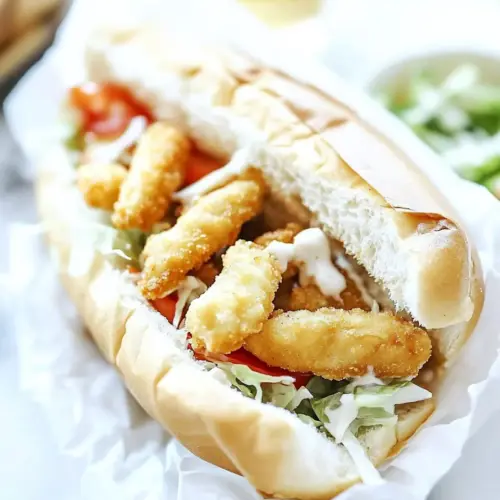
Fish Stick Po Boy Sandwich
Equipment
- Oven
- Baking Sheet
- Small Bowl
- Wire Rack
Ingredients
- 1 Box Gorton’s fish sticks Provides frozen, pre-breaded fish portions that serve as the main protein and crispy element of the sandwich; offers convenience and consistent texture when baked or fried according to package instructions. Enhances mouthfeel with a crunchy exterior and flaky fish interior that pairs well with creamy and tangy toppings.
- 1 tbsp creole seasoning Adds bold, spicy, and aromatic flavor to the fish and breading when sprinkled; helps tie Southern and Creole flavor profiles together. Can be used both in the cooking process and in seasoning the sandwich for a balanced heat.
- 1/2 c mayonnaise Creates a rich, creamy base for the sandwich sauce that coats the fish and softens the bread; helps bind other sauce ingredients like horseradish and lemon. Provides a smooth mouthfeel and mellows stronger flavors while contributing fat for richness.
- 2 tbsp horseradish sauce Contributes sharp, pungent heat and a horseradish bite to the mayonnaise-based sauce; brightens the overall flavor and adds depth. Helps cut through the richness of the fish sticks and buttered rolls for a more balanced sandwich.
- 1/2 tsp garlic powder Imparts subtle savory and aromatic notes to the sauce or seasoning blend; enhances overall flavor without overpowering other elements. Works well in small amounts to round out the taste profile and support garlic presence.
- 1 tbsp lemon juice Delivers bright acidity to the sauce, helping to cut through richness and enhance other flavors; adds a citrusy tang that lifts the sandwich. Helps balance the creaminess of mayonnaise and the heat from horseradish and creole seasoning.
- 1 tsp sweet relish Introduces sweet and tangy bursts to the sauce, providing texture and a contrast to savory components; small amounts add complexity and a pleasant pop. Complements the creamy base and the spiciness from creole seasoning.
- 1/4 tsp creole seasoning Provides a lighter touch of the same spicy Creole flavor used elsewhere, useful for subtle seasoning of sauce or bread; reinforces regional seasoning without overwhelming other flavors. Helps ensure consistent seasoning throughout the sandwich components.
- 4 hoagie rolls Serves as the sandwich vessel with a soft interior and sturdy structure to hold the fish and toppings; toasts well and absorbs butter for additional flavor. Provides bite and balance, allowing the crispy fish and creamy sauce to be assembled into a handheld meal.
- 4 tbsp butter Adds golden, toasty richness to the hoagie rolls when melted and brushed onto cut sides; enhances aroma and flavor while creating a pleasant texture contrast. Helps the bread crisp slightly when grilled or toasted, preventing sogginess from the sauce.
Instructions
- Prepare Gorton’s fish sticks according to manufacturers directions. When you remove them from the oven toss with 1 tbsp creole seasoning.: The oven releases a warm, toasty scent as the fish sticks bake, and you should hear a faint crackle when they come closer to done. This step matters because proper baking ensures a crisp exterior while keeping the inside flaky and moist, which is essential for mouthfeel. A frequent mistake is crowding the baking sheet, which traps steam and softens the crust; space the pieces evenly so hot air can circulate. I check the package temperature guideline and start checking a few minutes early, pulling one to assess color and texture. When the edges are golden and the tops have a dry, firm feel, they are likely ready. Use an oven rack in the center for even heat, and if your oven runs hot, reduce time slightly to avoid a dry center. After pulling them from the oven, the residual heat continues to crisp the coating, so place them on a wire rack rather than a flat plate to keep air circulating.
- Meanwhile in a small bowl mix the remoulade sauce together. Refrigerate until ready to use.: The warm surface of the fish sticks helps the seasoning adhere, releasing an aromatic blend of paprika and herbs that immediately shifts the sandwich toward Southern flavors. This finishing touch matters because it seasons the crust directly, ensuring every bite has a fragrant, savory edge. One common error is adding seasoning too early, which can burn it during baking and taste bitter; doing it right after baking preserves freshness. Use tongs to gently tumble them so the coating is evenly distributed, and taste one before assembly to confirm the level of spice. If your seasoning feels too coarse, gently rub it into the crust with a spatula so it melds with the warm exterior rather than sitting loosely on top.
- After the fish sticks are done remove from oven and keep warm. Turn oven to broil.: You will notice the sauce take on a smooth, glossy appearance as the mayonnaise , horseradish sauce , garlic powder , lemon juice , sweet relish , and a pinch of creole seasoning emulsify together, and a bright citrus scent will come forward. Building this sauce while the fish cooks saves time and lets flavors meld, which results in a more balanced, cohesive topping. A typical mistake is under mixing, which leaves pockets of dryness or uneven seasoning; whisk until silky and taste to adjust acidity or heat. If the sauce seems thick, a tiny splash of lemon juice or a teaspoon of warm water can loosen it without making it runny. Refrigerate the sauce so it chills and firms slightly, enabling it to cling to the fish when assembled rather than sliding off.
- Butter inside of hoagie buns and place on baking sheet. Put in oven and broil until golden brown. Remove from oven. Layer with lettuce, fish sticks and remoulade sauce.: Cooling the remoulade lets the flavors settle and the texture firm up so it spreads and adheres beautifully on the sandwich, giving clean bites rather than messy slides of sauce. Temperature matters because warm sauce will loosen slightly and can cause the bread to become soggy during assembly. A common oversight is skipping the chill, which often results in a runnier finish; even a short rest in the fridge improves cohesion. Store the bowl covered so the surface does not form a skin, and give it a quick stir before assembling to reincorporate any settled relish bits. I usually prepare this early and let it rest while the fish finishes cooking to streamline the final steps.
- After the fish sticks are done remove from oven and keep warm: Keeping the fish sticks warm preserves their crisp texture and ensures the sandwich is served at an inviting temperature, which amplifies aroma and taste. This matters because a cooled crust loses the satisfying crunch that defines the experience. A common error is leaving them on a plate where steam can accumulate and soften the crust; instead, transfer to a wire rack in a warm, low oven or cover loosely so heat is retained without trapping moisture. If you must hold them longer, give them a brief blast in a hot oven for one to two minutes to revive the exterior before assembly. Avoid stacking them, which squashes texture and traps steam.
- Turn oven to broil: The broiler produces an intense top heat that quickly toasts the cut sides of the rolls, creating a golden, slightly crisp interior that contrasts wonderfully with the crunchy fish sticks . This quick high heat caramelizes the bread surface, improving aroma and adding a hint of savory depth from the melted butter . A frequent mistake is leaving the rolls unattended under the broiler, which can burn them in seconds; watch closely and keep the oven door partly open if needed to monitor progress. Position the oven rack at a safe distance so the rolls brown evenly without scorching. Preheating the broiler for a minute or two ensures consistent results, but avoid prolonged preheating which can dry the rolls out before broiling.
- Butter inside of hoagie buns and place on baking sheet: When you slather the soft interior with butter , it melts and soaks slightly into the crumb, creating a rich, fragrant base for the sandwich. This matters because it adds flavor and creates a slight barrier that helps prevent sogginess from the remoulade. A common error is using cold, hard butter that does not spread evenly; use room temperature butter or lightly soften it to achieve an even layer. Place the rolls cut side up on a baking sheet so the broiler browns only the inside, leaving the crust intact. Brush lightly and evenly to avoid greasy spots, and use just enough to produce a warm golden color under the broiler.
- Put in oven and broil until golden brown: Under the broiler the buttered surfaces will quickly bubble and take on a warm golden hue, and you may smell a toasty, nutty aroma as sugars in the bread caramelize. This step enhances texture and prevents the filling from making the bread soggy too quickly. The main mistake is overbrowning, which leads to a bitter flavor; remove the rolls when the color is a rich gold rather than a dark brown. Keep your eye on them because broilers vary; it typically takes a minute to three minutes. After removing them, let the rolls cool for a moment so the crumb sets and does not crumble during assembly.
- Remove from oven: Taking the rolls out promptly stops the toasting process so the interiors remain tender beneath the crisp surface, and this pause lets steam escape so the sandwich does not become steamed from residual heat. Timing is important because carryover heat can continue to firm the bread. A common misstep is leaving the rolls on the hot sheet, which can overcook them; transfer to a plate or rack briefly before piling on fillings. Slight cooling also prevents the remoulade from becoming too loose when applied, preserving the ideal texture balance in each bite.
- Layer with lettuce, fish sticks and remoulade sauce: As you assemble, the cool crunch of lettuce provides a fresh contrast to the warm, seasoned fish sticks , and the chilled remoulade offers creamy acidity that ties everything together. The sequence matters because putting sauce directly on the lettuce helps it adhere without sogging the roll, and placing fish on top keeps the crust exposed for immediate crispness in the first bite. A common assembly mistake is overloading one component, which throws off balance; aim for an even distribution so each bite has crunch, tang, and warmth. Press gently to compact the sandwich slightly for easier eating, but avoid compressing so much that the texture is lost. Serve immediately so the contrast between toasted roll and hot fish is at its peak.
Notes
- Spice it up Add a bit more creole seasoning to the remoulade for increased heat, or sprinkle extra on the fish sticks after baking to intensify the smoky, peppery notes.
- Make it tangier Increase the amount of lemon juice in the sauce by a half teaspoon at a time to sharpen the acidity, which brightens the overall profile without adding heat.
- Adjust texture Swap standard rolls for a sturdier variety if you plan on piling on additional toppings, ensuring the sandwich holds together better for messy eaters.
- Swap relish If you prefer a less sweet contrast, rinse the sweet relish lightly to reduce syrupy sweetness, or replace with finely chopped pickles for a more savory bite.
- Butter technique Try melting the butter and brushing it on with a pastry brush for an even, thin layer that browns more consistently under the broiler.
- Serving temperature Keep the remoulade chilled and assemble at the last minute so the contrast between hot fish sticks and cool sauce is preserved, which enhances perception of freshness.