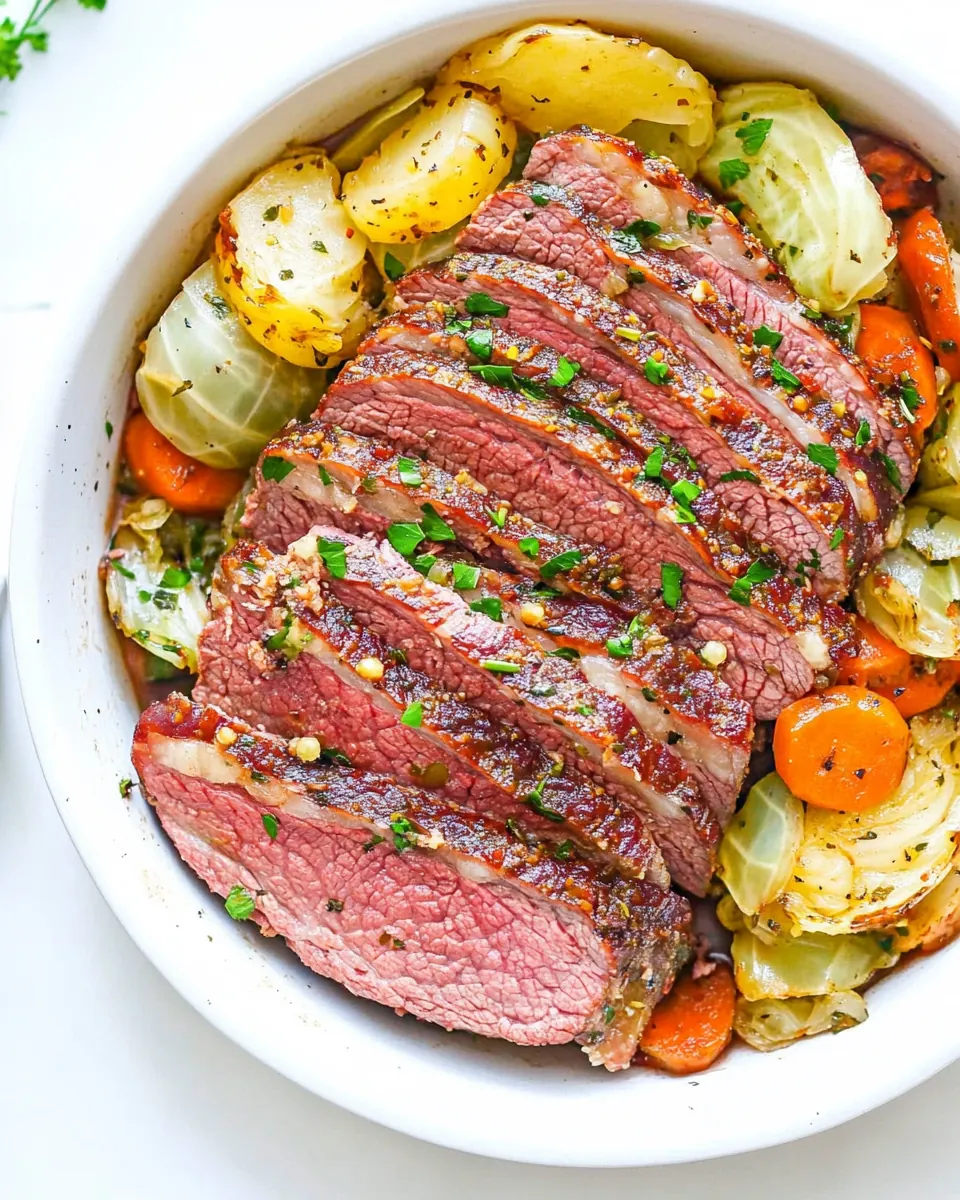
Traditional Corned Beef Cabbage
Traditional Corned Beef Cabbage has been the centerpiece of Sundays at my house for as long as I can remember. Growing up, the aroma of simmering beef and pickling spices would drift through the halls, and I would be drawn to the kitchen by the warm, savory promise of tender meat and hearty vegetables. I still remember the satisfying moment when the fork slipped into the brisket and the meat gave way, releasing that unmistakable, comforting scent.
Over the years I have tested every method I could find, from slow cooker to stovetop to oven and pressure cookers, and each technique tells its own story. Some afternoons I loved the hands-off ease of a long, slow braise, while other times I needed the faster, concentrated flavor that pressure cooking delivers. What never changes is the simple joy of slicing into a well made beef brisket and serving it with melted vegetables that soaked up every savory note.
When I make Traditional Corned Beef Cabbage now I think about rituals, family, and the way food anchors memory. I like to let the brine work its magic and then choose the cooking style that fits my day. Whether I slow simmer it while I catch up on chores, or pop it into the instant pot for a weeknight, the result is the same kind of homey satisfaction that invites seconds. There is a quiet pride in getting the seasoning just right and watching the cabbage and potatoes come together to balance the rich beef.
Recipe Snapshot
8 hr 20 mins
20 mins
480 mins
Hard
350 kcal
American
Gluten-Free, Paleo
Dinner
Large pot, 5 quart slow cooker, Instant Pot, Roasting pan
Why You’ll Love This Traditional Corned Beef Cabbage
Heritage of Flavor
I love Traditional Corned Beef Cabbage because it carries culinary history in every bite. The brining step infuses the beef with deep savory notes that a quick soak could never achieve, and that slow transformation is part of the charm. When I serve this, guests often remark on how the meat tastes layered and complex, not just salty.
Versatility of Cooking Methods
One of the best things about this recipe is its flexibility. I have used a slow cooker for hands off comfort, an instant pot when time was tight, and the oven when I wanted a roasted edge. Each method yields slightly different textures, and I enjoy choosing the approach that suits the day. It makes the recipe friendly for weeknights and celebrations alike.
Vegetable Harmony
The way the carrots, potatoes, onion, and cabbage soak up the cooking liquid is magical. They arrive tender, savory, and slightly sweet from the brined broth, creating perfect contrast to the hearty beef. I always make sure to add the cabbage late so it keeps a bit of texture, and that small timing choice elevates the plate.
Comforting, Crowd Friendly
I often pick this dish when friends gather, because it scales beautifully and fills the house with a welcoming aroma. It is reliable for a family meal and impressive enough for guests. The combination of savory meat and softly seasoned vegetables satisfies different appetites, which is why I keep coming back to it.
Simple, Honest Ingredients
Finally, I appreciate how straightforward the ingredient list is. A few pantry items, a brisket, and time produce something soulful and real. That honesty in the pantry translates to a deeply rewarding dinner that feels both rustic and refined.
Ingredient List for Traditional Corned Beef Cabbage
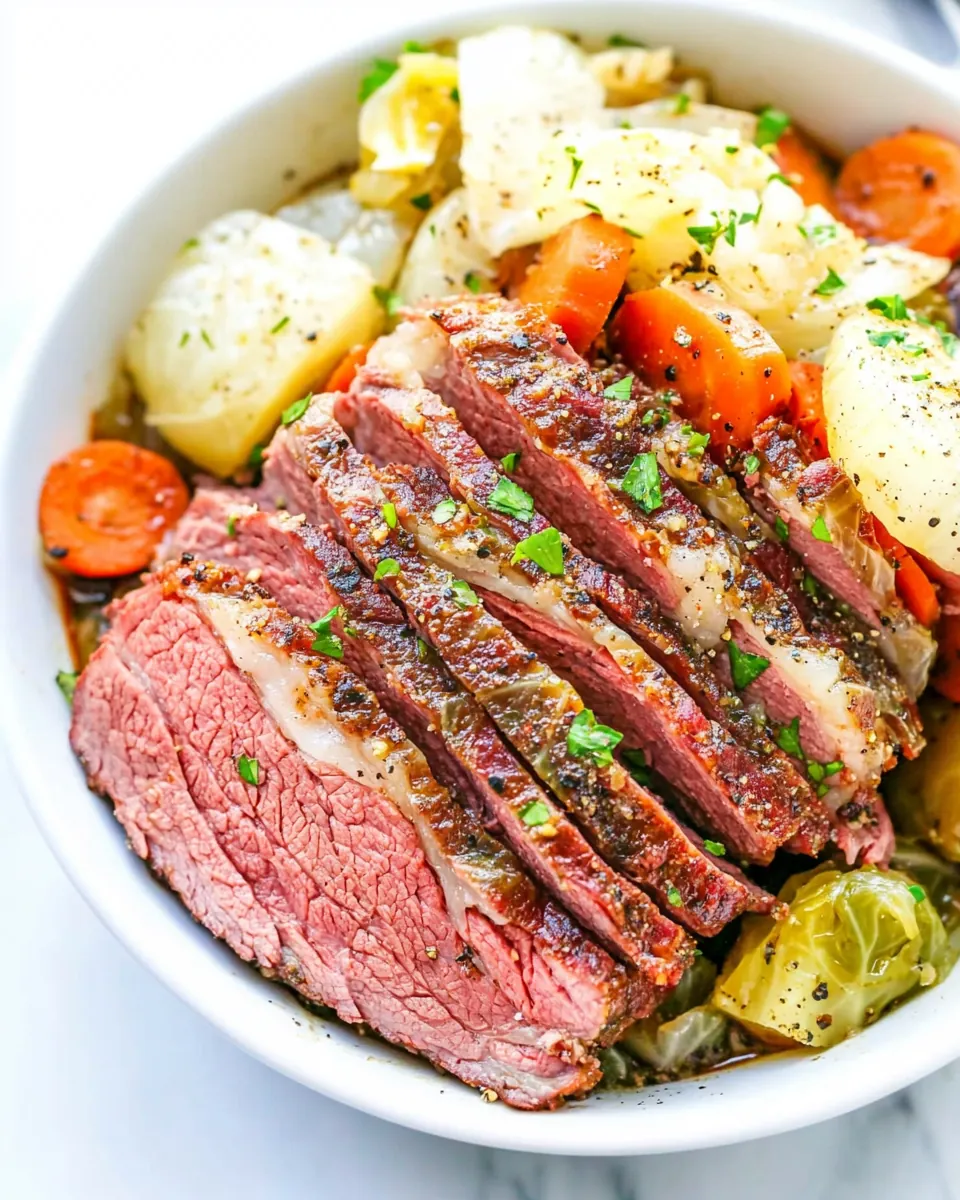
These ingredients read like a kitchen love letter to slow cooked comfort. The chemistry between the brine, the spices, and the beef is what creates depth, while the root vegetables and cabbage soak up flavor and provide contrasting textures. The key players are the brisket which is the centerpiece, the pickling spice that defines the profile, and the vegetables that finish the dish with sweetness and body.
- 1 gallon warm water: Use warm water to dissolve the salts and sugars, creating the brine that will cure the brisket; maintain a temperature that helps ingredients blend without cooking. Ensure sufficient volume to completely submerge the meat for even curing over several days, and keep refrigerated or chilled during the process to prevent spoilage.
- 2 cups kosher salt: Provide kosher salt to create the primary salting agent that draws moisture out of the meat and seasons the brisket deeply; its coarse texture aids in gradual, even curing. Balance quantity carefully to avoid overly salty results, and ensure it fully dissolves into the brine for consistent penetration.
- 1/4 cup brown sugar: Add brown sugar to balance the savory and salty elements with a mild sweetness that also helps with browning during cooking; molasses notes enhance the corned beef’s flavor profile. Dissolve completely in the brine to distribute sweetness evenly and support a tender texture by promoting moisture retention.
- 5 teaspoons pink curing salt (not pink Himalayan salt): Include pink curing salt to inhibit bacterial growth and preserve the meat’s color and safety during curing; recognize it contains sodium nitrite and must be measured precisely. Mix thoroughly into the brine so it disperses evenly, and follow safety guidance regarding quantities and curing times to ensure safe preservation.
- 2 tablespoons pickling spice: Incorporate pickling spice to infuse the brine and meat with a warm, aromatic blend of herbs and seeds that define corned beef flavor. Tie the spice flavors into both the curing and simmering stages by adding some to the brine and reserving some for the cooking liquid for depth and continuity.
- 4 5 lbs flat cut beef brisket: Select a flat cut beef brisket to provide the classic, well-marbled roast that becomes tender through long curing and simmering; size affects cure time and cooking duration. Trim excess fat if desired, but retain enough fat for flavor and moisture, and ensure it is fully submerged in brine for consistent curing.
- 4 medium carrots (sliced): Slice medium carrots to add sweetness, color, and textural contrast when cooked alongside the brisket; they complement savory and spiced notes. Add them toward the end of simmering to prevent overcooking, so they remain tender but not mushy, providing a pleasant component to the finished plate.
- 1 lb baby potatoes (halved): Halve baby potatoes to provide a hearty, starchy side that absorbs savory cooking liquids and complements the brisket’s richness. Add them at an appropriate stage so they cook through without falling apart, and season lightly so they reflect the dish’s overall savory profile.
- 1 onion (quartered): Quarter the onion to contribute aromatic depth and subtle sweetness to the cooking liquid, enhancing the overall savory base for the meat and vegetables. Simmer with the brisket to impart flavor throughout the dish, then remove or serve pieces for additional texture and taste.
- salt and pepper: Season with salt and pepper to finish and adjust taste after cooking, ensuring flavors are balanced and enhanced without overpowering the cured beef. Use sparingly at first—especially with salt—since the brisket will already be seasoned from the cure, and add black pepper for mild heat and aroma.
- 1 tablespoon pickling spice: Reserve pickling spice to add concentrated aromatic flavor during the simmering stage, complementing the spice used in the brine and reinforcing the corned beef’s signature profile. Tie it into the cooking liquid in a sachet or tea ball to infuse without leaving loose seeds in the final dish.
- 1/2 cabbage (quartered): Quarter the cabbage to provide a crisp, slightly sweet vegetable that softens and soaks up savory cooking juices, rounding out the meal with freshness and texture. Add it near the end of simmering so leaves become tender but retain structure, and serve warm to accompany slices of brisket.
Step by Step Instructions for Traditional Corned Beef Cabbage
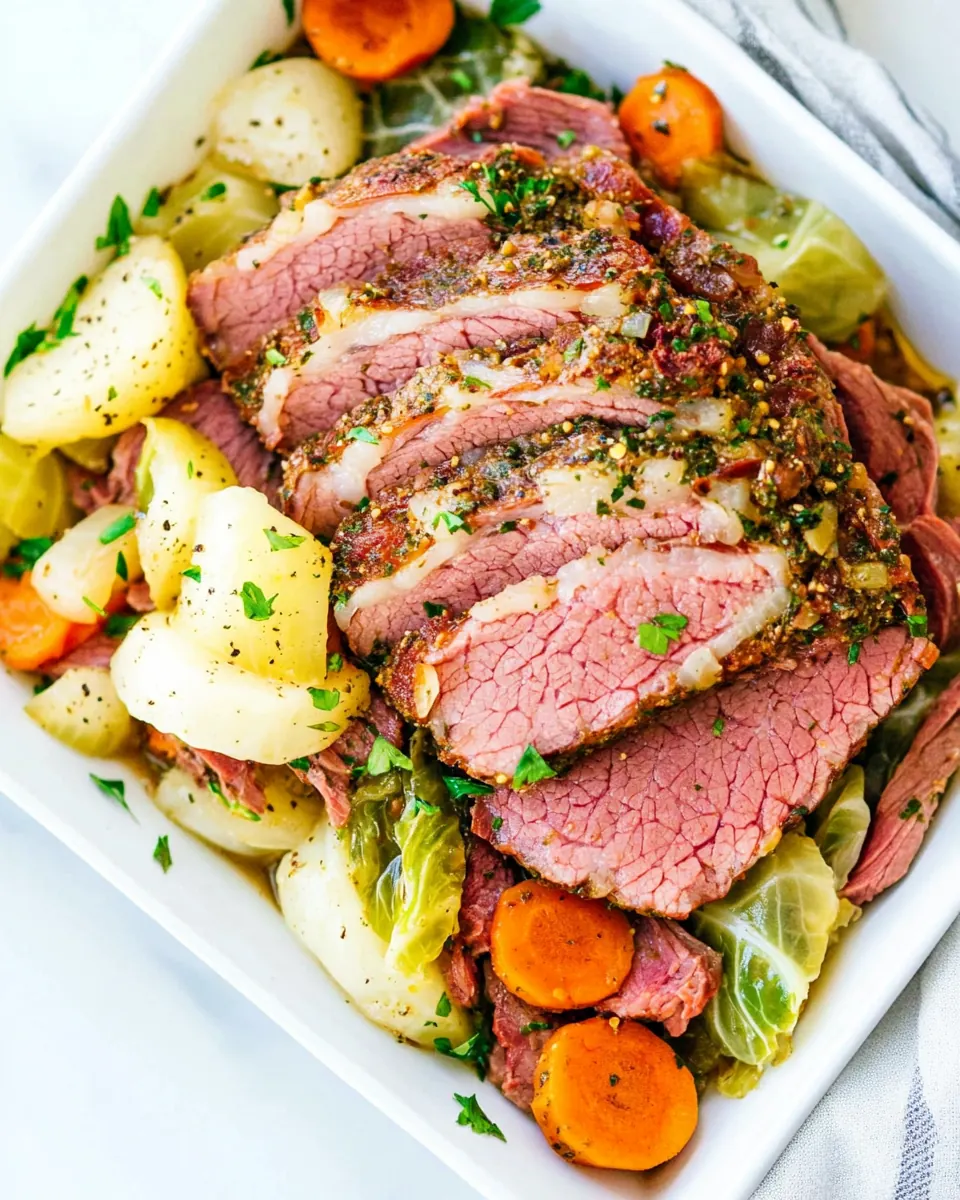
Below I walk you through every major method featured in the original directions, translated into clear, sensory rich steps so you can choose the approach that fits your schedule. Each step includes what you should smell and see, why the technique matters, and one troubleshooting tip so the outcome is reliably delicious.
- Combine warm water, salt, brown sugar, and pink curing salt if using and stir until sugar and salt in a large pot until dissolved. Add the brisket and cover and put in the fridge for 5-7 days until your meat brines equally. If your meat starts to float, put a heavy plate on top. *Pink curing salt is optional but is what makes the meat turn pink in color. You can find it online or at a specialty meat shop. Read warnings about ingesting directly.: The first impression is the faint steam rising from the pot and the sharp, saline scent mingled with sweet molasses notes, signaling the brine is forming. Dissolving everything evenly is crucial because it ensures the beef will cure uniformly, otherwise pockets of undersalted meat can occur. Stir until you no longer feel graininess on the spoon and the liquid becomes clear, with sugar fully integrated. You'll notice a slightly slick sheen when all components have melted in; that is your cue to stop. A common misstep is using cold water and not stirring long enough, leaving gritty sugar that fails to penetrate the meat evenly.
- In a 5 quart slow cooker add carrots, potatoes, onion and salt and pepper. Remove the brisket from the brine and rinse in cold water. Place on top of the vegetables and top brisket with pickling spice. Fill with water until meat is almost fully covered. Cook for 7-8 hours on low and 5-6 on high adding in the cabbage the last hour of cooking.: As the brisket settles into the brine, the liquid will take on a faintly rosy hue if you used the curing salt, and the kitchen will fill with an embracing, preserved aroma. Refrigeration slows bacterial growth while allowing the flavor to migrate into the center of the meat, which transforms a dense cut into tender slices. Turn the brisket every day to promote even brining, and if it floats, place a heavy plate on top to keep it submerged. Skipping the full time will yield a less flavorful interior, while leaving it excessively long can over salt the exterior.
- Rinse the corned beef with water to remove salt. Place the corned beef in a large pot and fill with water and add pickling spice. Cover and bring to a boil. Reduce to a simmer to 50 minutes per pound or until tender. Add in the vegetables the last hour and cabbage the last 15 minutes before serving.: Pressing the brisket down helps the entire surface stay in contact with the brine so the cure penetrates uniformly, and the sight of the brine fully covering the meat is reassuring. Use a nonreactive plate and a sealed bag of water as a weight if necessary. This simple pressure prevents parts of the brisket from remaining pale and under seasoned. Avoid using anything that might leach flavors or contaminate the brine, as that can alter the final taste.
- Rinse the corned beef with water to remove the salt. Place the beef in the instant pot and fill with water and pickling spice. Select high pressure and cook for 90 minutes. When finished cooking quick release the pressure according to the manual. Remove the brisket and leave 2 cups water. Add in the potatoes, carrots, onion, and top with cabbage. Salt and pepper. Select manual setting and cook on high for 5 minutes or until the veggies are tender. Release the pressure according to the manual.: If you choose it, you will see the familiar rosiness develop in the meat after a few days, and that color often signals the classic corned beef profile to eaters. The curing salt also affects preservation and flavor, so follow instructions strictly and measure carefully for safety. Misusing the curing salt or treating it as interchangeable with table salt is a frequent error that can produce unsafe results.
- Preheat oven to 350 degrees. Place the brisket into a roasting pan and add 3 cups of water and pickling spice. Cook for 2 hours. Remove from the oven and add vegetables. Bake uncovered for another hour until vegetables are tender.: The vegetables will release a sweet, earthy perfume as they warm, and layering them under the brisket helps them absorb rendered juices. This arrangement gives vegetables shelter from direct heat and a chance to simmer in gentle broth. Season lightly, since the brined beef will already contribute salt. A typical mistake is crowding the cooker so the vegetables steam instead of braise, leading to uneven tenderness.
- Remove the brisket from the brine and rinse in cold water: Rinsing removes surface excess salt and any residual brine, producing a cleaner broth and preventing an overly salty final dish. The brisket's surface will look paler after a thorough rinse, and you should still feel a slight firmness that will relax during cooking. Do not skip the rinse, because the concentrated surface brine can dominate the pot. Use cold water to avoid starting the cooking process prematurely.
- Place on top of the vegetables and top brisket with pickling spice: Placing the brisket atop the vegetables concentrates its savory juices into the cooking liquid, while the pickling spice releases bright notes as it heats. You should hear a gentle settling sound as everything nests together, and the aroma will quickly shift toward warm, peppery, and herbal. Tie the spice in cheesecloth if you want to remove it easily later; loose spices can sometimes leave gritty bits in the broth.
- Fill with water until meat is almost fully covered: The water should come up close to the meat's surface but leave a little room for simmering, and as it warms you will see small, steady bubbles that indicate a gentle simmer. This level ensures even heat transfer and allows the connective tissues to break down slowly into luscious gelatin. Over filling can lead to unnecessary dilution of flavor, while under filling risks uneven cooking and dry edges.
- Cook for 7 to 8 hours on low and 5 to 6 on high adding in the cabbage the last hour of cooking: During long, slow cooking the kitchen will fill with a comforting, slow roasted meat aroma and the broth will take on a deep, savory body. The low setting yields exceptionally tender slices that hold moisture, while high shortens the time at the cost of a slightly different texture. Add the cabbage late so it keeps a pleasant bite and bright flavor. A common mistake is adding all vegetables at the start, which results in overcooked, mushy pieces.
- Rinse the corned beef with water to remove salt: After brining, a final rinse before boiling removes surface salt and clears the flavor for simmering. Expect the meat to look cleaner and slightly paler, and the water will run clearer after a thorough rinse. This step prevents an overly salty pot and helps the pickling spice sing instead. Neglecting this rinse can create a broth that tastes one note instead of balanced.
- Place the corned beef in a large pot and fill with water and add pickling spice: Bringing the pot to a gentle boil then lowering to a simmer extracts deep savory flavors and tenderizes the brisket evenly. As it warms you will catch an opening arc of spice and meat scent that settles into a mellow, layered broth as collagen dissolves into gelatin. Keep the heat gentle, because a rolling boil can toughen the meat. One oversight is boiling too vigorously, which tightens proteins and prevents proper tenderness.
- Cover and bring to a boil: The first boil releases volatile aromatics and creates convection that circulates flavor through the meat. Once boiling, dial down to a simmer to let long, gentle heat work on the brisket without agitating the fibers. You will hear a low, steady bubble and see occasional steam that carries the pickling spice aroma through the kitchen. Avoid leaving the pot uncovered, which can concentrate flavors unevenly and dry the surface.
- Reduce to a simmer to 50 minutes per pound or until tender: At this stage the meat's connective tissue is breaking down, and with patience you will notice the brisket becoming fork tender and moist. The flesh should yield with gentle pressure and release a rich, beefy fragrance. Check for tenderness by sliding a fork into the thickest part; if it meets resistance it needs more time. Rushing this step is the most common error, resulting in chewy slices.
- Add in the vegetables the last hour and cabbage the last 15 minutes before serving: Adding vegetables late preserves shape, color, and texture while allowing them to absorb the braising liquid. The carrots will become sweet, the potatoes creamy, and the cabbage bright and slightly tender. Taste the broth as you go and adjust seasoning sparingly. Overcooking the vegetables will make them lose structure and become grainy.
- Rinse the corned beef with water to remove the salt: This repeat rinse is included for methods that move between brining and new cooking steps. Clean rinsing removes concentrated surface salt and readies the brisket for the chosen method, with the meat appearing damp but not wet. Skipping this will often give a final dish that is too salty for the vegetables to balance.
- Place the beef in the instant pot and fill with water and pickling spice: When using a pressure cooker you will immediately notice a brighter, more concentrated aroma as flavors compress under steam. The sealed environment accelerates collagen breakdown, creating tender meat far faster than open simmering. Add spice and water, seal, and follow the device guidelines to ensure safety. A frequent mistake is not deglazing the pot if you seared meat first, which can trip safety valves.
- Select high pressure and cook for 90 minutes: High pressure dramatically shortens the time needed to render tough cuts tender, and the brisket will emerge with tightly infused flavors and an almost melt in your mouth texture. Expect a steamy sigh when you release and the smell will be concentrated and deeply savory. Follow your instant pot manual for safe pressure release; quick releasing too early can cause splatter and uneven tenderness.
- When finished cooking quick release the pressure according to the manual: The audible release and rush of steam is a sign the meat has completed its intensive cooking phase, and you should follow appliance guidelines to avoid burns. After opening, the broth will steam strongly and the brisket will look plump and yielding. A common error is forcing the lid open early, which is unsafe and can disrupt the final texture.
- Remove the brisket and leave 2 cups water: Reserving a small amount of cooking liquid concentrates flavors for the vegetables while preventing dilution. The remaining liquid will be richly flavored, and the brisket will rest and redistribute juices if covered loosely. Do not discard all the liquid, because it helps the vegetables finish with depth. A mistake is removing too much liquid and finding the vegetables under seasoned.
- Add in the potatoes, carrots, onion, and top with cabbage: Nesting the vegetables into the reserved liquid ensures they braise gently and soak up savory notes while keeping texture. You will hear a small simmer and smell sweetness blooming from the carrots and onion . Arrange pieces evenly so they cook uniformly, and avoid piling them tightly which can trap steam and produce uneven tenderness.
- Select manual setting and cook on high for 5 minutes or until the veggies are tender: A short, high pressure burst finishes the vegetables quickly, yielding tender yet intact pieces. The instantaneous change in pressure concentrates aromas and gives a clean, cooked vegetable scent. Overcooking here makes vegetables flabby, so test with a fork and stop as soon as they yield.
- Release the pressure according to the manual: Final pressure release brings the meal together, and you will notice the broth settle into a glossy, fragrant pool ready for plating. Follow safety steps to avoid steam burns, and lift the lid away from your face. A common misstep is quick releasing when the pot is overfull, which causes sputtering and loss of liquid.
- Preheat oven to 350 degrees: When using the oven method the warm, steady air develops subtle roasted notes and a slightly concentrated broth as moisture evaporates. Preheating ensures the internal temperature starts uniform, which helps the brisket cook predictably. Do not skip preheating, because starting in a cold oven can change cooking time and texture.
- Place the brisket into a roasting pan and add 3 cups of water and pickling spice: The roasting pan creates even contact with heat while the added water and spice build a braising environment that softens connective tissue. As it warms you will pick up roasted meat aromas mingled with bright spice. Make sure the pan is large enough to allow the brisket to sit flat; cramped pans produce uneven cooking.
- Cook for 2 hours: During the first roasting phase the outer layer of the brisket firms slightly while internal collagen begins to melt, and you will notice a rich, concentrated scent. This stage sets the foundation so when vegetables are added the flavors marry beautifully. A mistake is not checking the liquid level periodically, which can lead to a dry surface if evaporation is too high.
- Remove from the oven and add vegetables: Adding the vegetables after the initial cook allows them to finish in the braising liquid without overcooking, and they will take on the savory essence of the meat. The kitchen will fill with an intensified aroma that signals nearing readiness. Make sure vegetables are arranged to receive heat evenly; burying them can cause uneven tenderness.
- Bake uncovered for another hour until vegetables are tender: The final uncovered hour reduces the braising liquid slightly and melds flavors, producing glossy, sauce coated vegetables and fork tender brisket. Watch the color of the vegetables; they should be bright and tender, not collapsed. Leaving the dish unattended risks over reduction and drying the meat's surface.
Helpful Notes about Traditional Corned Beef Cabbage
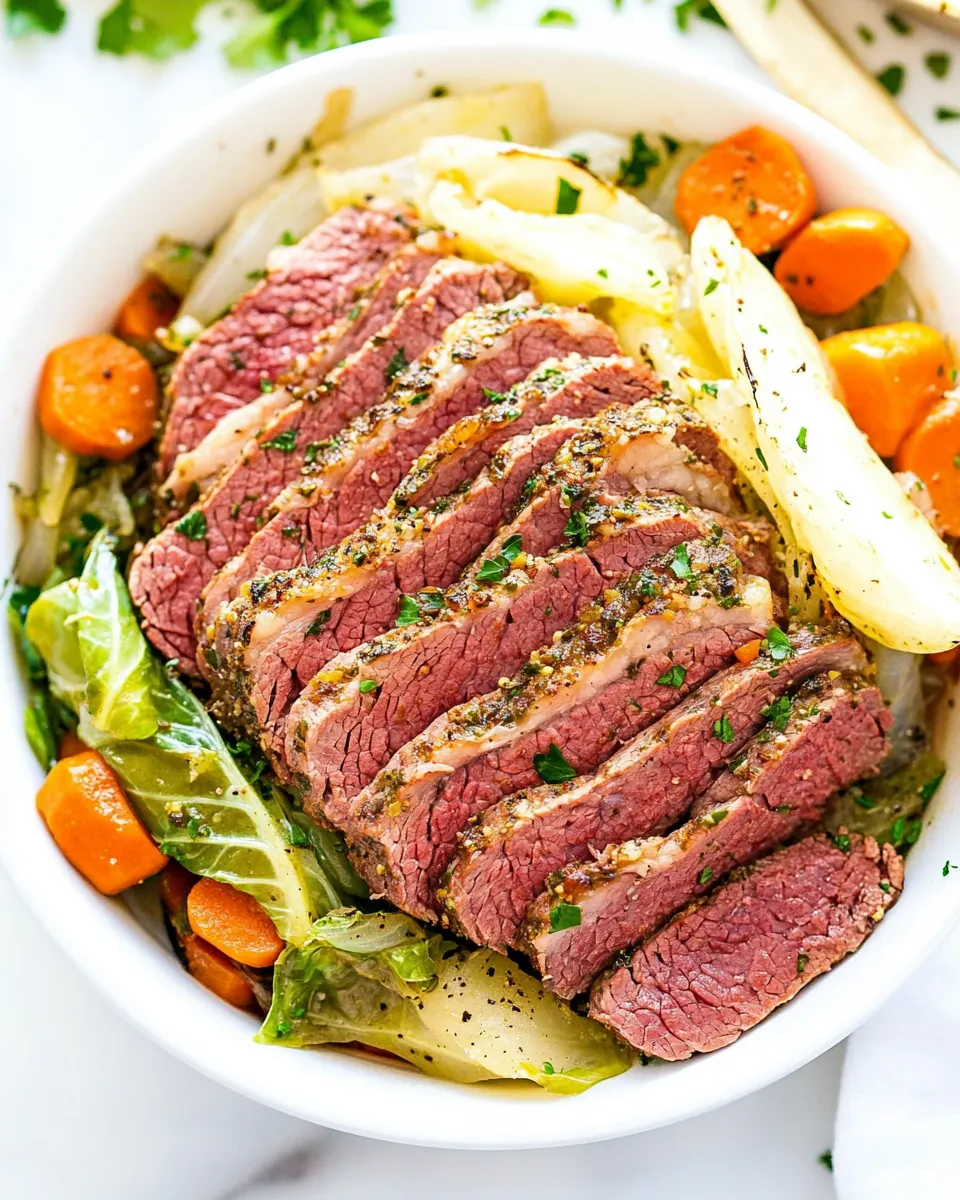
This collection of notes expands on the practical lessons I have learned making Traditional Corned Beef Cabbage over many years. They cover timing choices, flavor balance, and small techniques that reliably improve the result. Read through and pick the ones that match your available time and equipment.
- Plan for brining time It is worth starting the brine several days ahead so the beef can cure evenly and develop depth; short cuts will still produce good results, but the flavor will not be as fully integrated.
- Measure salt carefully Because the recipe starts with a brine, correct salt quantity is essential to avoid over seasoning; weigh your salt if possible to maintain consistency.
- Reserve cooking liquid Keeping a cup or two of the braising liquid concentrates flavor for the vegetables and can be adjusted to taste when finishing the dish.
- Choose the right brisket cut The flat cut slices neatly and fits in most pots, while the point cut is fattier and richer, so pick based on your texture preference.
- Use a spice bundle Tying the pickling spice in cheesecloth makes removal simple and keeps the broth clear and smooth.
Perfect Matches for Traditional Corned Beef Cabbage
When serving Traditional Corned Beef Cabbage, think about balance and comfort. The rich, savory slices of beef pair well with simple plated vegetables and hearty breads, and the dish suits family dinners, casual gatherings, and seasonal meals. Below are serving ideas, storage tips, and occasion recommendations you can use to present this meal with confidence.
- Classic family dinner Serve thick slices of the brisket alongside the tender potatoes and carrots, with wedges of the cabbage on the side; this is a familiar, satisfying layout that invites seconds.
- Casual gathering Arrange the sliced brisket on a large platter with the vegetables piled around it so guests can help themselves, and offer small bowls of reserved braising liquid for drizzling.
- Storage and leftovers Refrigerate cooled leftovers in an airtight container for up to four days, using the braising liquid to keep the meat moist when reheating gently on the stovetop or in a covered dish in the oven.
- Make ahead strategy Brine the brisket days before cooking and keep it in the refrigerator, then cook on the day you plan to serve to minimize day of work while maximizing flavor.
- Seasonal pairing This recipe fits cooler months and spring gatherings when cabbage is in peak form; it brings warmth to the table and pairs well with crisp, acidic sides to cut richness.
- Occasion ideas Use it for family Sundays, relaxed holiday lunches, or any time you want a comforting, shareable main that feeds a crowd without fuss.
FAQ
Conclusion
Traditional Corned Beef Cabbage stands out because it combines an old fashioned brine with flexible cooking methods, delivering deep savory flavor and tender textures in every bite. Give it a try, whether you have a slow day to let it braise or you need the instant pot to speed things up, and you will find it rewards patience and simple technique. This is a recipe that brings people together, fills the home with warm aromatics, and reliably produces a satisfying, hearty meal that becomes part of your family traditions.
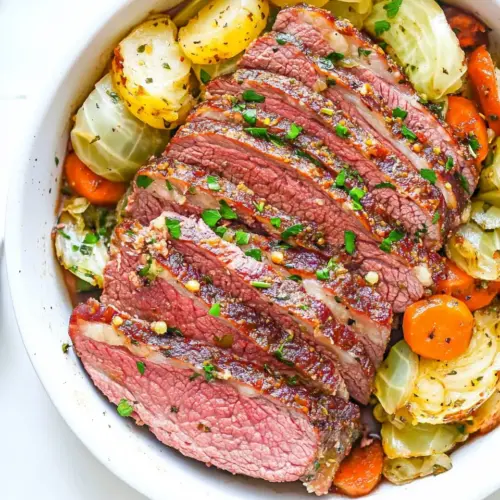
Traditional Corned Beef Cabbage
Equipment
- Large Pot
- 5 quart slow cooker
- Instant Pot
- Roasting Pan
Ingredients
- 1 gallon warm water Use warm water to dissolve the salts and sugars, creating the brine that will cure the brisket; maintain a temperature that helps ingredients blend without cooking. Ensure sufficient volume to completely submerge the meat for even curing over several days, and keep refrigerated or chilled during the process to prevent spoilage.
- 2 cups kosher salt Provide kosher salt to create the primary salting agent that draws moisture out of the meat and seasons the brisket deeply; its coarse texture aids in gradual, even curing. Balance quantity carefully to avoid overly salty results, and ensure it fully dissolves into the brine for consistent penetration.
- 1/4 cup brown sugar Add brown sugar to balance the savory and salty elements with a mild sweetness that also helps with browning during cooking; molasses notes enhance the corned beef’s flavor profile. Dissolve completely in the brine to distribute sweetness evenly and support a tender texture by promoting moisture retention.
- 5 teaspoons pink curing salt (not pink Himalayan salt) Include pink curing salt to inhibit bacterial growth and preserve the meat’s color and safety during curing; recognize it contains sodium nitrite and must be measured precisely. Mix thoroughly into the brine so it disperses evenly, and follow safety guidance regarding quantities and curing times to ensure safe preservation.
- 2 tablespoons pickling spice Incorporate pickling spice to infuse the brine and meat with a warm, aromatic blend of herbs and seeds that define corned beef flavor. Tie the spice flavors into both the curing and simmering stages by adding some to the brine and reserving some for the cooking liquid for depth and continuity.
- 4 -5 lbs flat cut beef brisket Select a flat cut beef brisket to provide the classic, well-marbled roast that becomes tender through long curing and simmering; size affects cure time and cooking duration. Trim excess fat if desired, but retain enough fat for flavor and moisture, and ensure it is fully submerged in brine for consistent curing.
- 4 medium carrots (sliced) Slice medium carrots to add sweetness, color, and textural contrast when cooked alongside the brisket; they complement savory and spiced notes. Add them toward the end of simmering to prevent overcooking, so they remain tender but not mushy, providing a pleasant component to the finished plate.
- 1 lb baby potatoes (halved) Halve baby potatoes to provide a hearty, starchy side that absorbs savory cooking liquids and complements the brisket’s richness. Add them at an appropriate stage so they cook through without falling apart, and season lightly so they reflect the dish’s overall savory profile.
- 1 onion (quartered) Quarter the onion to contribute aromatic depth and subtle sweetness to the cooking liquid, enhancing the overall savory base for the meat and vegetables. Simmer with the brisket to impart flavor throughout the dish, then remove or serve pieces for additional texture and taste.
- salt and pepper Season with salt and pepper to finish and adjust taste after cooking, ensuring flavors are balanced and enhanced without overpowering the cured beef. Use sparingly at first—especially with salt—since the brisket will already be seasoned from the cure, and add black pepper for mild heat and aroma.
- 1 tablespoon pickling spice Reserve pickling spice to add concentrated aromatic flavor during the simmering stage, complementing the spice used in the brine and reinforcing the corned beef’s signature profile. Tie it into the cooking liquid in a sachet or tea ball to infuse without leaving loose seeds in the final dish.
- 1/2 cabbage (quartered) Quarter the cabbage to provide a crisp, slightly sweet vegetable that softens and soaks up savory cooking juices, rounding out the meal with freshness and texture. Add it near the end of simmering so leaves become tender but retain structure, and serve warm to accompany slices of brisket.
Instructions
- Combine warm water, salt, brown sugar, and pink curing salt if using and stir until sugar and salt in a large pot until dissolved. Add the brisket and cover and put in the fridge for 5-7 days until your meat brines equally. If your meat starts to float, put a heavy plate on top. *Pink curing salt is optional but is what makes the meat turn pink in color. You can find it online or at a specialty meat shop. Read warnings about ingesting directly.: The first impression is the faint steam rising from the pot and the sharp, saline scent mingled with sweet molasses notes, signaling the brine is forming. Dissolving everything evenly is crucial because it ensures the beef will cure uniformly, otherwise pockets of undersalted meat can occur. Stir until you no longer feel graininess on the spoon and the liquid becomes clear, with sugar fully integrated. You'll notice a slightly slick sheen when all components have melted in; that is your cue to stop. A common misstep is using cold water and not stirring long enough, leaving gritty sugar that fails to penetrate the meat evenly.
- In a 5 quart slow cooker add carrots, potatoes, onion and salt and pepper. Remove the brisket from the brine and rinse in cold water. Place on top of the vegetables and top brisket with pickling spice. Fill with water until meat is almost fully covered. Cook for 7-8 hours on low and 5-6 on high adding in the cabbage the last hour of cooking.: As the brisket settles into the brine, the liquid will take on a faintly rosy hue if you used the curing salt, and the kitchen will fill with an embracing, preserved aroma. Refrigeration slows bacterial growth while allowing the flavor to migrate into the center of the meat, which transforms a dense cut into tender slices. Turn the brisket every day to promote even brining, and if it floats, place a heavy plate on top to keep it submerged. Skipping the full time will yield a less flavorful interior, while leaving it excessively long can over salt the exterior.
- Rinse the corned beef with water to remove salt. Place the corned beef in a large pot and fill with water and add pickling spice. Cover and bring to a boil. Reduce to a simmer to 50 minutes per pound or until tender. Add in the vegetables the last hour and cabbage the last 15 minutes before serving.: Pressing the brisket down helps the entire surface stay in contact with the brine so the cure penetrates uniformly, and the sight of the brine fully covering the meat is reassuring. Use a nonreactive plate and a sealed bag of water as a weight if necessary. This simple pressure prevents parts of the brisket from remaining pale and under seasoned. Avoid using anything that might leach flavors or contaminate the brine, as that can alter the final taste.
- Rinse the corned beef with water to remove the salt. Place the beef in the instant pot and fill with water and pickling spice. Select high pressure and cook for 90 minutes. When finished cooking quick release the pressure according to the manual. Remove the brisket and leave 2 cups water. Add in the potatoes, carrots, onion, and top with cabbage. Salt and pepper. Select manual setting and cook on high for 5 minutes or until the veggies are tender. Release the pressure according to the manual.: If you choose it, you will see the familiar rosiness develop in the meat after a few days, and that color often signals the classic corned beef profile to eaters. The curing salt also affects preservation and flavor, so follow instructions strictly and measure carefully for safety. Misusing the curing salt or treating it as interchangeable with table salt is a frequent error that can produce unsafe results.
- Preheat oven to 350 degrees. Place the brisket into a roasting pan and add 3 cups of water and pickling spice. Cook for 2 hours. Remove from the oven and add vegetables. Bake uncovered for another hour until vegetables are tender.: The vegetables will release a sweet, earthy perfume as they warm, and layering them under the brisket helps them absorb rendered juices. This arrangement gives vegetables shelter from direct heat and a chance to simmer in gentle broth. Season lightly, since the brined beef will already contribute salt. A typical mistake is crowding the cooker so the vegetables steam instead of braise, leading to uneven tenderness.
- Remove the brisket from the brine and rinse in cold water: Rinsing removes surface excess salt and any residual brine, producing a cleaner broth and preventing an overly salty final dish. The brisket's surface will look paler after a thorough rinse, and you should still feel a slight firmness that will relax during cooking. Do not skip the rinse, because the concentrated surface brine can dominate the pot. Use cold water to avoid starting the cooking process prematurely.
- Place on top of the vegetables and top brisket with pickling spice: Placing the brisket atop the vegetables concentrates its savory juices into the cooking liquid, while the pickling spice releases bright notes as it heats. You should hear a gentle settling sound as everything nests together, and the aroma will quickly shift toward warm, peppery, and herbal. Tie the spice in cheesecloth if you want to remove it easily later; loose spices can sometimes leave gritty bits in the broth.
- Fill with water until meat is almost fully covered: The water should come up close to the meat's surface but leave a little room for simmering, and as it warms you will see small, steady bubbles that indicate a gentle simmer. This level ensures even heat transfer and allows the connective tissues to break down slowly into luscious gelatin. Over filling can lead to unnecessary dilution of flavor, while under filling risks uneven cooking and dry edges.
- Cook for 7 to 8 hours on low and 5 to 6 on high adding in the cabbage the last hour of cooking: During long, slow cooking the kitchen will fill with a comforting, slow roasted meat aroma and the broth will take on a deep, savory body. The low setting yields exceptionally tender slices that hold moisture, while high shortens the time at the cost of a slightly different texture. Add the cabbage late so it keeps a pleasant bite and bright flavor. A common mistake is adding all vegetables at the start, which results in overcooked, mushy pieces.
- Rinse the corned beef with water to remove salt: After brining, a final rinse before boiling removes surface salt and clears the flavor for simmering. Expect the meat to look cleaner and slightly paler, and the water will run clearer after a thorough rinse. This step prevents an overly salty pot and helps the pickling spice sing instead. Neglecting this rinse can create a broth that tastes one note instead of balanced.
- Place the corned beef in a large pot and fill with water and add pickling spice: Bringing the pot to a gentle boil then lowering to a simmer extracts deep savory flavors and tenderizes the brisket evenly. As it warms you will catch an opening arc of spice and meat scent that settles into a mellow, layered broth as collagen dissolves into gelatin. Keep the heat gentle, because a rolling boil can toughen the meat. One oversight is boiling too vigorously, which tightens proteins and prevents proper tenderness.
- Cover and bring to a boil: The first boil releases volatile aromatics and creates convection that circulates flavor through the meat. Once boiling, dial down to a simmer to let long, gentle heat work on the brisket without agitating the fibers. You will hear a low, steady bubble and see occasional steam that carries the pickling spice aroma through the kitchen. Avoid leaving the pot uncovered, which can concentrate flavors unevenly and dry the surface.
- Reduce to a simmer to 50 minutes per pound or until tender: At this stage the meat's connective tissue is breaking down, and with patience you will notice the brisket becoming fork tender and moist. The flesh should yield with gentle pressure and release a rich, beefy fragrance. Check for tenderness by sliding a fork into the thickest part; if it meets resistance it needs more time. Rushing this step is the most common error, resulting in chewy slices.
- Add in the vegetables the last hour and cabbage the last 15 minutes before serving: Adding vegetables late preserves shape, color, and texture while allowing them to absorb the braising liquid. The carrots will become sweet, the potatoes creamy, and the cabbage bright and slightly tender. Taste the broth as you go and adjust seasoning sparingly. Overcooking the vegetables will make them lose structure and become grainy.
- Rinse the corned beef with water to remove the salt: This repeat rinse is included for methods that move between brining and new cooking steps. Clean rinsing removes concentrated surface salt and readies the brisket for the chosen method, with the meat appearing damp but not wet. Skipping this will often give a final dish that is too salty for the vegetables to balance.
- Place the beef in the instant pot and fill with water and pickling spice: When using a pressure cooker you will immediately notice a brighter, more concentrated aroma as flavors compress under steam. The sealed environment accelerates collagen breakdown, creating tender meat far faster than open simmering. Add spice and water, seal, and follow the device guidelines to ensure safety. A frequent mistake is not deglazing the pot if you seared meat first, which can trip safety valves.
- Select high pressure and cook for 90 minutes: High pressure dramatically shortens the time needed to render tough cuts tender, and the brisket will emerge with tightly infused flavors and an almost melt in your mouth texture. Expect a steamy sigh when you release and the smell will be concentrated and deeply savory. Follow your instant pot manual for safe pressure release; quick releasing too early can cause splatter and uneven tenderness.
- When finished cooking quick release the pressure according to the manual: The audible release and rush of steam is a sign the meat has completed its intensive cooking phase, and you should follow appliance guidelines to avoid burns. After opening, the broth will steam strongly and the brisket will look plump and yielding. A common error is forcing the lid open early, which is unsafe and can disrupt the final texture.
- Remove the brisket and leave 2 cups water: Reserving a small amount of cooking liquid concentrates flavors for the vegetables while preventing dilution. The remaining liquid will be richly flavored, and the brisket will rest and redistribute juices if covered loosely. Do not discard all the liquid, because it helps the vegetables finish with depth. A mistake is removing too much liquid and finding the vegetables under seasoned.
- Add in the potatoes, carrots, onion, and top with cabbage: Nesting the vegetables into the reserved liquid ensures they braise gently and soak up savory notes while keeping texture. You will hear a small simmer and smell sweetness blooming from the carrots and onion . Arrange pieces evenly so they cook uniformly, and avoid piling them tightly which can trap steam and produce uneven tenderness.
- Select manual setting and cook on high for 5 minutes or until the veggies are tender: A short, high pressure burst finishes the vegetables quickly, yielding tender yet intact pieces. The instantaneous change in pressure concentrates aromas and gives a clean, cooked vegetable scent. Overcooking here makes vegetables flabby, so test with a fork and stop as soon as they yield.
- Release the pressure according to the manual: Final pressure release brings the meal together, and you will notice the broth settle into a glossy, fragrant pool ready for plating. Follow safety steps to avoid steam burns, and lift the lid away from your face. A common misstep is quick releasing when the pot is overfull, which causes sputtering and loss of liquid.
- Preheat oven to 350 degrees: When using the oven method the warm, steady air develops subtle roasted notes and a slightly concentrated broth as moisture evaporates. Preheating ensures the internal temperature starts uniform, which helps the brisket cook predictably. Do not skip preheating, because starting in a cold oven can change cooking time and texture.
- Place the brisket into a roasting pan and add 3 cups of water and pickling spice: The roasting pan creates even contact with heat while the added water and spice build a braising environment that softens connective tissue. As it warms you will pick up roasted meat aromas mingled with bright spice. Make sure the pan is large enough to allow the brisket to sit flat; cramped pans produce uneven cooking.
- Cook for 2 hours: During the first roasting phase the outer layer of the brisket firms slightly while internal collagen begins to melt, and you will notice a rich, concentrated scent. This stage sets the foundation so when vegetables are added the flavors marry beautifully. A mistake is not checking the liquid level periodically, which can lead to a dry surface if evaporation is too high.
- Remove from the oven and add vegetables: Adding the vegetables after the initial cook allows them to finish in the braising liquid without overcooking, and they will take on the savory essence of the meat. The kitchen will fill with an intensified aroma that signals nearing readiness. Make sure vegetables are arranged to receive heat evenly; burying them can cause uneven tenderness.
- Bake uncovered for another hour until vegetables are tender: The final uncovered hour reduces the braising liquid slightly and melds flavors, producing glossy, sauce coated vegetables and fork tender brisket. Watch the color of the vegetables; they should be bright and tender, not collapsed. Leaving the dish unattended risks over reduction and drying the meat's surface.
Notes
- Plan for brining time It is worth starting the brine several days ahead so the beef can cure evenly and develop depth; short cuts will still produce good results, but the flavor will not be as fully integrated.
- Measure salt carefully Because the recipe starts with a brine, correct salt quantity is essential to avoid over seasoning; weigh your salt if possible to maintain consistency.
- Reserve cooking liquid Keeping a cup or two of the braising liquid concentrates flavor for the vegetables and can be adjusted to taste when finishing the dish.
- Choose the right brisket cut The flat cut slices neatly and fits in most pots, while the point cut is fattier and richer, so pick based on your texture preference.
- Use a spice bundle Tying the pickling spice in cheesecloth makes removal simple and keeps the broth clear and smooth.