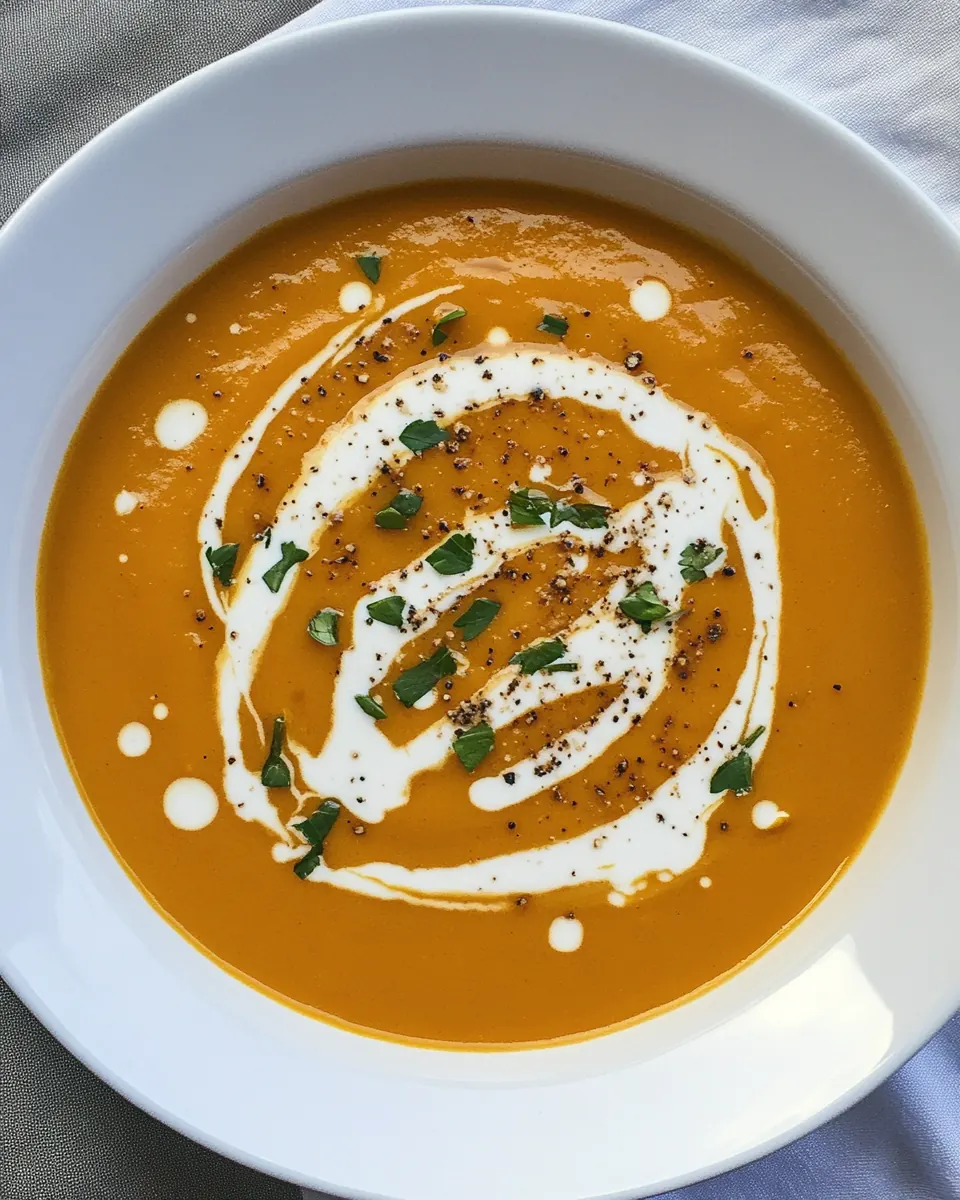
Pumpkin Soup
Pumpkin Soup is one of those recipes I reach for when the air turns crisp and the kitchen needs to smell like comfort. I remember the first time I made it for a small Thanksgiving gathering, stirring a pot that filled the house with warm spice notes while guests chatted in the next room. That bowl felt like a hug, and I learned that a few simple techniques turn humble pantry items into something soulful.
On a rainy afternoon last fall I recreated that memory with a twist, swapping in roasted butternut for texture and a splash of heavy cream to soften the edges. My family loved the gentle sweetness from the maple syrup and the toasted crunch of pepitas on top. I kept the spices balanced so each spoonful moved from savory to lightly sweet without ever becoming cloying.
Recipe Snapshot
40 mins
10 mins
30 mins
Easy
250 kcal
American
Gluten-Free, Low FODMAP
Soups
Large pot, High powered blender, Measuring spoons, Ladle
Why This Pumpkin Soup Works
Comforting, not cloying
I adore this bowl because Pumpkin Soup manages to be both soothing and layered. The combination of pureed pumpkin puree and roasted butternut squash creates a velvety base, while spices like cumin and ground ginger add warming complexity. I find it comforting on a quiet night, yet refined enough for guests.
Speed meets depth
This recipe gives you deep flavor while staying weeknight friendly. Using canned pumpkin puree keeps the process fast, and simmering with chicken broth extracts savory notes. I appreciate how it comes together in under an hour, perfect when you want something nourishing without a long fuss.
Texture that sings
The double-squash approach yields a luscious mouthfeel. Pureeing until completely smooth makes it feel luxurious, and a swirl of heavy cream softens the edges. I like the contrast of creamy soup with the pop of toasted pepitas on top, which keeps each spoonful interesting.
Flexible and forgiving
I value recipes that tolerate little mistakes, and Pumpkin Soup is forgiving. If the spices feel mild, an extra pinch of salt brightens everything. If it seems too thick, adding a splash of chicken broth smooths it out. I often tweak the sweetness by adjusting the maple syrup so it suits my mood.
Seasonal crowd pleaser
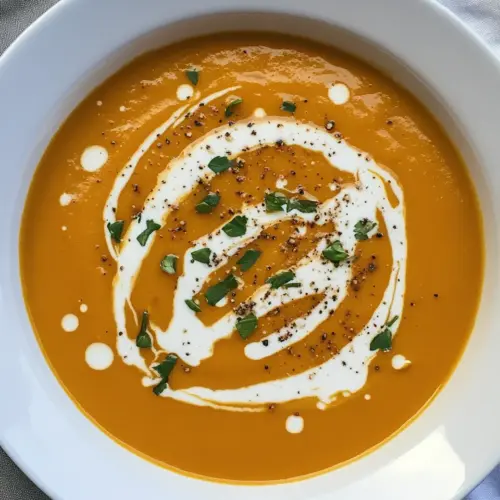
This is a natural pick for fall events, especially Thanksgiving. I love serving it in small bowls as a starter, it sets a cozy tone. The familiar flavors feel nostalgic, yet the final presentation, with pepitas and a cream drizzle, looks thoughtful without much effort.
Ingredients You’ll Need for Pumpkin Soup
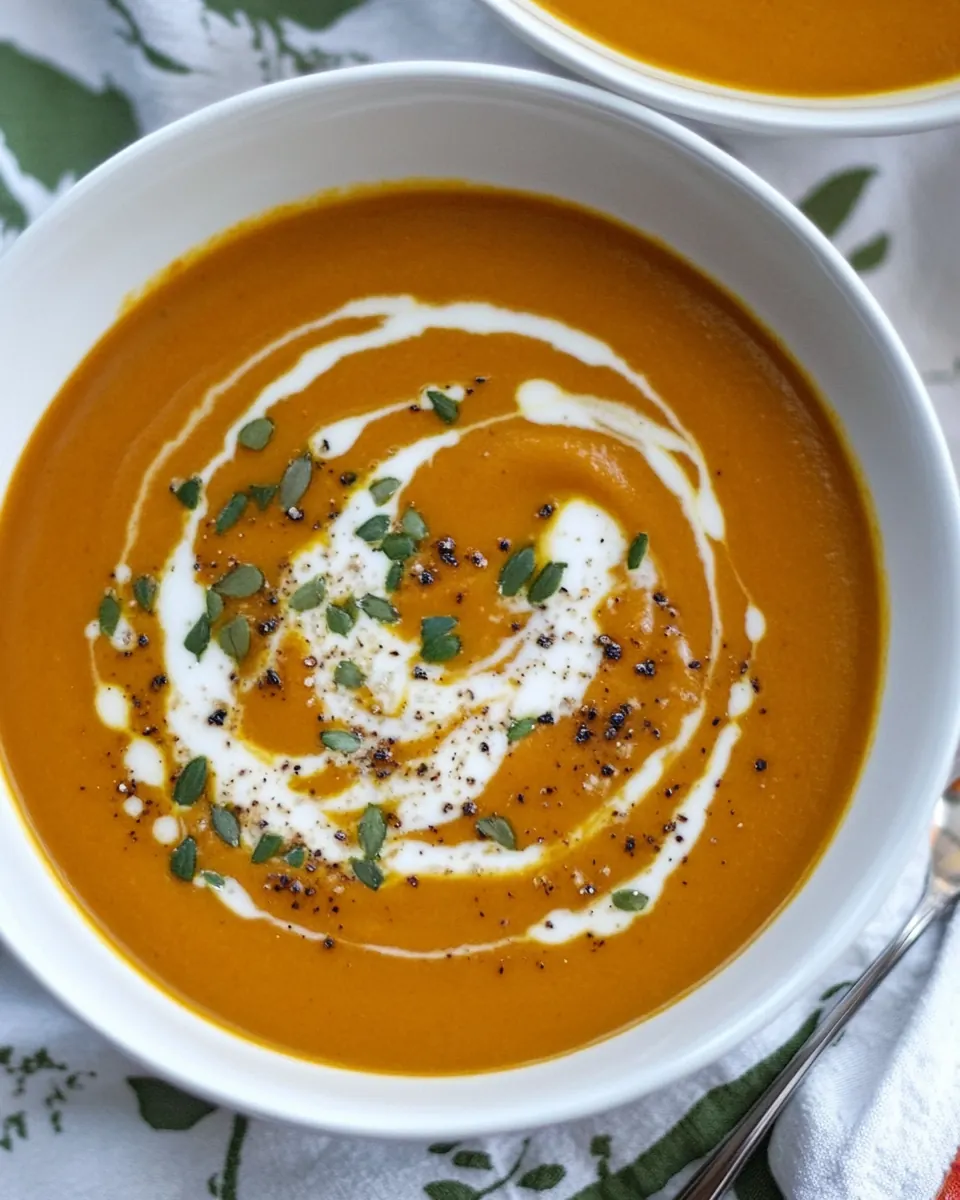
These ingredients form a simple, harmonious lineup designed to build creamy texture, warm spice, and balanced sweetness. The canned pumpkin puree gives depth and color, while cubed butternut squash adds body. Aromatics like yellow onion and garlic create the savory backbone, and a careful blend of spices ties everything together. The key players are the liquids, which determine mouthfeel and final thickness.
- 3 tablespoons salted butter: Melted in the pot to provide a rich, savory base and help sauté aromatics; salted butter adds a creamy mouthfeel and subtle saltiness that balances the soup’s sweetness.
- 1 yellow onion cut into large pieces: Sautéed until softened to contribute sweetness and depth of flavor; large pieces break down during cooking and impart a mellow onion backbone to the soup.
- 2 cloves garlic minced: Mince and cook briefly to release pungent, aromatic oils; garlic brightens and layers savory notes that enhance the overall complexity.
- 20 oz butternut squash cubed: Cubed and simmered until tender to add natural sweetness, body, and a smooth texture when puréed; butternut squash supplies vitamins and a velvety thickness.
- 15 oz pumpkin puree 1 can: Stirred in for concentrated pumpkin flavor and creamy texture; canned pumpkin puree deepens color and boosts the soup’s characteristic autumnal taste.
- 32 oz chicken broth: Simmered as the cooking liquid to blend and thin the puréed vegetables; chicken broth provides savory umami and balances the sweetness.
- salt & pepper to taste: Seasoned gradually to enhance and balance flavors; salt and pepper adjust taste, highlight aromatics, and control the overall seasoning level.
- 1 teaspoon dried thyme leaves: Sprinkled in to add herbaceous, slightly floral notes; dried thyme contributes warmth and pairs well with squash and poultry spices.
- 1 teaspoon cumin: Added to impart earthy warmth and a subtle smoky aroma; cumin deepens savory undertones and complements sweeter squash flavors.
- 1/2 teaspoon ground ginger: Incorporated for a bright, zesty warmth that lifts sweetness; ground ginger brings gentle heat and a fresh, slightly peppery character.
- 1/2 teaspoon poultry seasoning or sage: Used to evoke classic poultry-roast flavors with herbal nuance; poultry seasoning or sage adds savory, woodsy accents that harmonize the soup.
- 1/4 teaspoon ground cinnamon: Blended in sparingly to introduce a warm, sweet-spicy accent; ground cinnamon enhances autumnal flavor without overpowering other spices.
- 1/4 cup maple syrup: Stirred in to provide a sweet, caramelized counterpoint to savory elements; maple syrup rounds flavors and reinforces the fall profile.
- 2 tablespoons pepitas: Toasted and sprinkled as a finishing element to provide crunch and nutty flavor; pepitas add texture contrast and visual appeal.
- 1/4 cup heavy cream (optional): Drizzled at the end if desired to enrich creaminess and mouthfeel; heavy cream smooths acidity and yields a luxurious finish.
Directions for Pumpkin Soup
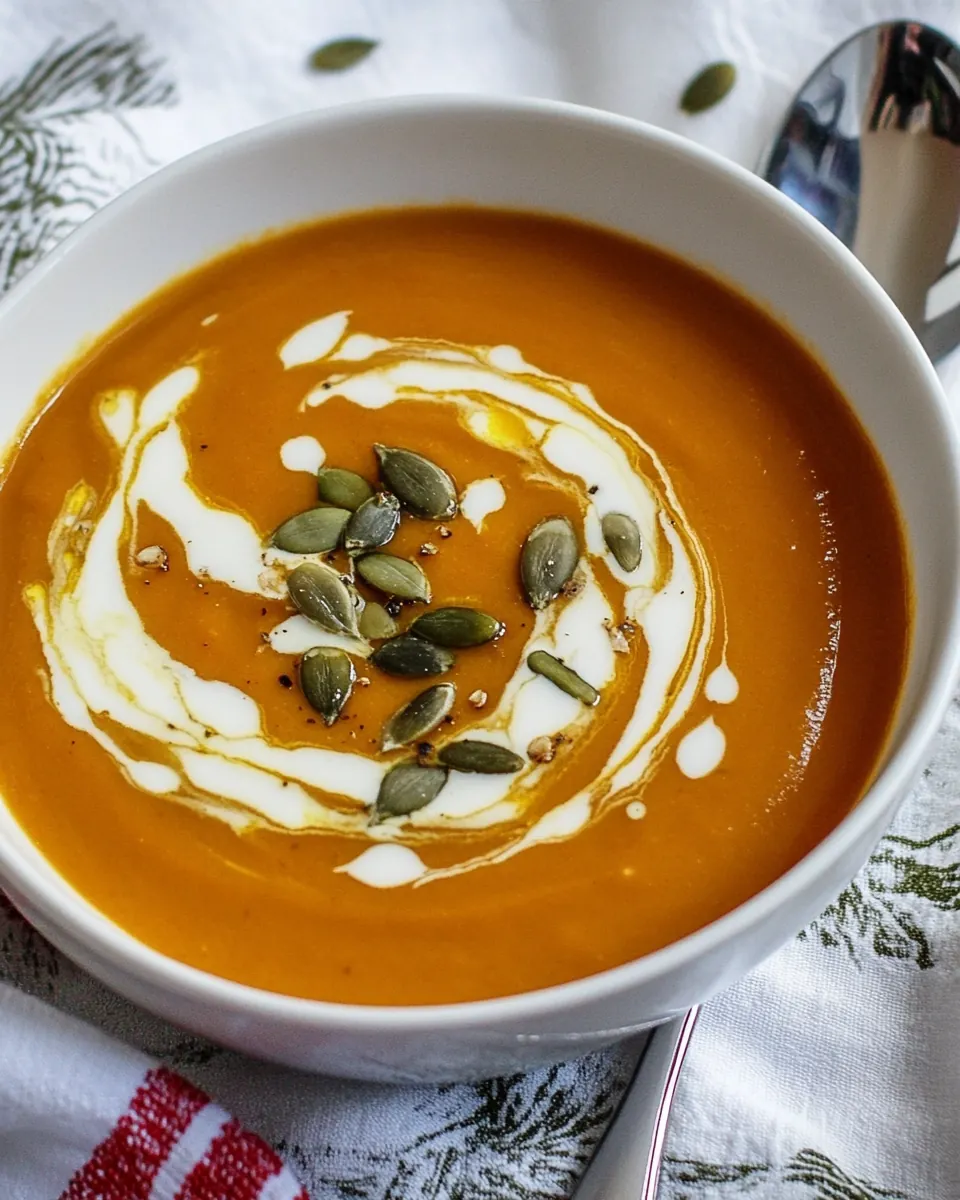
These directions guide you from saute to silky finish. I like to move deliberately, noticing the aromas and textures so the soup builds layers. Keep your blender ready and taste as you go, because small adjustments make a big difference in the final bowl.
- Heat a large pot over medium heat and spray with nonstick cooking spray. Melt butter and saute onion to lightly brown, about 5 minutes. Add in garlic and squash. Cook another 4 minutes.: As the pot warms you should feel the gentle rise of heat under your hand and see the surface shimmer slightly, indicating it is ready for the salted butter . The aroma will be neutral at first, then the butter releases a nutty scent as it melts. This step matters because starting in a properly heated pot prevents the yellow onion from steaming and helps it brown evenly. A common mistake is rushing with too high heat, which leads to uneven browning and bitter spots; keep the flame moderate and patient.
- Add in pumpkin, chicken broth, salt, pepper, thyme, cumin, ginger, poultry seasoning and cinnamon. Bring to boil then reduce to simmer. Cook 15-20 minutes or until squash is very tender.: You will hear a gentle sizzle as the yellow onion hits the pan and releases moisture, then a soft popping as sugars begin to caramelize; watch for translucency with golden edges. The warmed butter carries the onion's sweetness into the base, creating savory depth. This technique matters because properly browned onion forms the backbone of savory soups. Avoid leaving the onion unattended, as it can move from golden to charred quickly, producing an acrid taste.
- Transfer soup to a high powdered blender and puree until very smooth. Taste and adjust seasonings. If it tastes bland, add more salt. The salt definitely brings out all the flavors from that long list of spices. Stir in maple syrup.: When you add the minced garlic and cubed butternut squash , you will notice the aroma lift immediately, with the garlic offering a fragrant top note. The squash will begin to soften and pick up the buttery, roasted-sweet flavors from the pan. This melding deepens the overall profile, making the final puree richer. A frequent slip up is adding garlic too early or at too high heat, which can scorch it and introduce bitterness; add it after the onion has softened and keep the heat steady.
- Divide into four bowls and top with 1/2 tablespoon of pepitas and 1 tablespoon of heavy cream (optional). Serve hot.: During these few minutes the edges of the squash should start to blister slightly while the interior begins to tenderize, and steaming moisture will rise from the pot. You want the texture to move toward fork tender but not falling apart, because fully tender squash ensures an ultra smooth blend. This pause helps concentrate flavors. Be careful not to undercook, which leaves fibrous bits, or overcook, which makes the cubes fall apart unpredictably.
- Add in pumpkin, chicken broth, salt, pepper, thyme, cumin, ginger, poultry seasoning and cinnamon: As you pour in the pumpkin puree and the chicken broth , the pot will deepen in color and the mixture will become aromatic, with spices like cumin and ground ginger blooming in the warm liquid. This step is important because simmering allows the flavors to marry and the spices to release their essential oils. A common error is adding all spices late or not stirring well, which causes uneven seasoning pockets. Stir thoroughly to distribute the spices before simmering.
- Bring to boil then reduce to simmer: The surface will ripple as the liquid approaches a boil, then settle into a gentle simmer once the heat is lowered; you should see small bubbles rising occasionally. Simmering lets the flavors deepen without agitating the pot too vigorously, which can break down texture unevenly. This controlled simmer is key to melding savory and sweet elements. Avoid a rolling boil, which can over reduce and concentrate saltiness too much.
- Cook 15 to 20 minutes or until squash is very tender: You will know the squash is ready when a fork slides through a cube with little resistance and the aroma becomes fuller and sweeter, showing that starches have mellowed. Tender squash ensures an ultra creamy puree and prevents a grainy mouthfeel. This time allows spice flavors to integrate. A common mistake is skimping on cooking time, which leaves the squash underdone and creates a lumpy texture after blending.
- Transfer soup to a high powdered blender and puree until very smooth: As you ladle the hot mixture into a high powered blender you will see the color lighten slightly and steam rise; pureeing should yield a glossy, velvety custard like texture without fibrous bits. The blender smooths cell walls and releases starches that thicken the soup pleasantly. This step matters for mouthfeel and presentation. Be careful with hot liquids in a blender lid, vent to avoid pressure build up and work in batches if needed to prevent splattering.
- Taste and adjust seasonings: After pureeing, the first thing I do is taste the soup warm, noticing how the spice balance reads and whether the salt is bright enough; salt will amplify other flavors, so add gradually. This tasting is crucial because canned pumpkin puree and chicken broth vary in salt content. A typical oversight is skipping this step and serving flat soup; take time to adjust pepper and salt to bring everything forward.
- Stir in maple syrup: When you add the maple syrup , it elevates the natural sweetness and smooths spice edges, giving a refined finish. The syrup should meld seamlessly, adding complexity rather than overt sweetness. Adding it at this point preserves its aromatic qualities. Too much syrup will push the soup toward dessert; add sparingly and taste as you go.
- Divide into four bowls and top with 1/2 tablespoon of pepitas and 1 tablespoon of heavy cream (optional): The final assembly provides textural contrast, where the toasted pepitas offer a crunchy counterpoint and the drizzle of heavy cream creates a silky ribbon across the surface. Visually and texturally this elevates the bowl, making each spoonful layered. Be mindful that adding the pepitas too early will soften them; toast and add them just before serving for the best crunch.
- Serve hot: Serve each bowl steaming, and notice how the aromatics lift as steam rises; the warmth enhances flavor perception and mouthfeel. Serving hot highlights the spices and gives a cozy sensation on the palate. A common mistake is letting the soup cool too long before serving, which dulls the aromas and can change the texture.
Ways to Customize
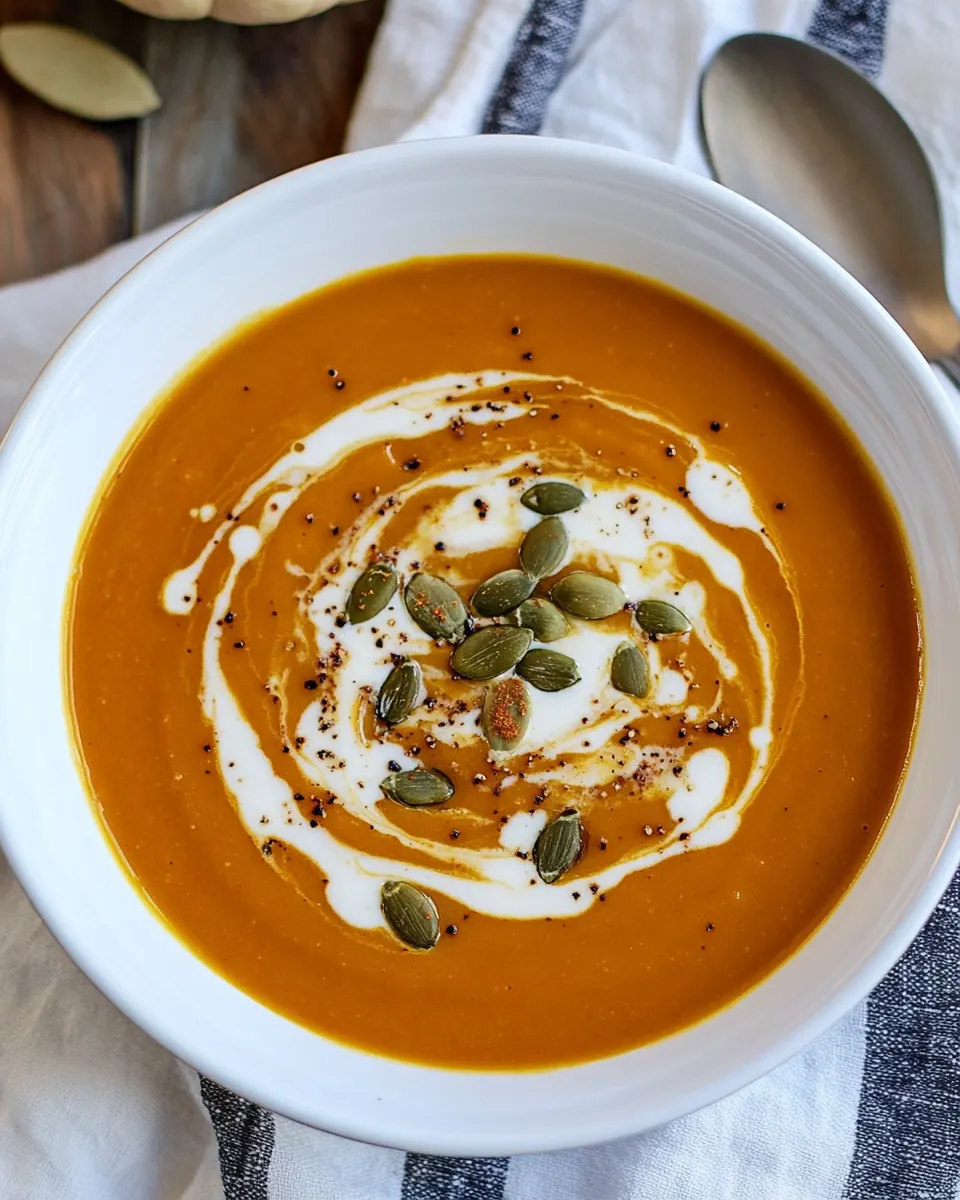
I like to offer tasteful switches that keep the soul of the recipe intact. These ideas let you tune texture, spice level, and finish without changing the core profile of the soup. Each tip starts with a bold suggestion you can try right away.
- Make it richer: Stir in the full 1/4 cup of heavy cream at the end for a lusher, silkier mouthfeel that clings to the spoon and rounds the spices beautifully.
- Boost the warmth: Increase the ground ginger by just a pinch if you want a more warming, aromatic finish, but add slowly to avoid a sharp bite.
- Keep it lighter: Omit the optional heavy cream and substitute with a touch more warm chicken broth to maintain volume while reducing richness.
- Roast the squash: For a deeper caramelized flavor, roast the cubed butternut squash until edges brown before adding to the pot; this adds smoky-sweet notes and complexity.
- Adjust sweetness: Add the maple syrup gradually and taste, because canned pumpkin puree sweetness varies; a little goes a long way to balance spices.
- Crunch variety: Swap or mix the pepitas with toasted seeds of choice for a slightly different texture, keeping the topping fresh and toasty.
- Spice balance: If the soup tastes flat, a small pinch of extra salt will quickly lift flavors; add in small increments to avoid oversalting.
Serve This Pumpkin Soup With
This soup makes a versatile centerpiece for seasonal meals and casual dinners alike. I often pair it with simple crisp elements and bright accents to balance the creamy base. Below are thoughtful serving ideas and situations where Pumpkin Soup shines.
- Starter for a holiday meal: Serve small bowls of Pumpkin Soup as an elegant first course at Thanksgiving to set a cozy tone.
- Light lunch: Pair with a hearty slice of crusty bread and a small green salad to create a balanced midday meal that is both filling and bright.
- Cozy dinner: Present alongside roasted vegetables and a simple grain for a comforting weeknight dinner that feels like a treat without fuss.
- Garnish ideas: Offer toasted pepitas and an optional drizzle of heavy cream so guests can customize texture and richness.
- Storage tips: Cool the soup quickly, store in airtight containers in the refrigerator up to four days, and reheat gently over low heat to preserve creaminess.
- Make ahead: You can prepare the soup a day in advance and finish with fresh maple syrup and pepitas just before serving to keep toppings crunchy.
- Seasonal pairings: This works especially well in fall and during Thanksgiving when those warming spices and squash flavors feel most at home.
FAQ
Conclusion
What makes this recipe special is how it balances creamy texture with warm, nuanced spices to create a bowl that feels both simple and thoughtful. Give it a try when you want a soulful meal that comes together quickly yet tastes like you spent hours coaxing flavor. Serve it hot, top with crunchy pepitas, and enjoy the cozy pause it brings to your day.
Pumpkin Soup
Equipment
- Large Pot
- High-Powered Blender
- Measuring Spoons
- Ladle
Ingredients
- 3 tablespoons salted butter Melted in the pot to provide a rich, savory base and help sauté aromatics; salted butter adds a creamy mouthfeel and subtle saltiness that balances the soup’s sweetness.
- 1 yellow onion cut into large pieces Sautéed until softened to contribute sweetness and depth of flavor; large pieces break down during cooking and impart a mellow onion backbone to the soup.
- 2 cloves garlic minced Mince and cook briefly to release pungent, aromatic oils; garlic brightens and layers savory notes that enhance the overall complexity.
- 20 oz butternut squash cubed Cubed and simmered until tender to add natural sweetness, body, and a smooth texture when puréed; butternut squash supplies vitamins and a velvety thickness.
- 15 oz pumpkin puree 1 can Stirred in for concentrated pumpkin flavor and creamy texture; canned pumpkin puree deepens color and boosts the soup’s characteristic autumnal taste.
- 32 oz chicken broth Simmered as the cooking liquid to blend and thin the puréed vegetables; chicken broth provides savory umami and balances the sweetness.
- salt & pepper to taste Seasoned gradually to enhance and balance flavors; salt and pepper adjust taste, highlight aromatics, and control the overall seasoning level.
- 1 teaspoon dried thyme leaves Sprinkled in to add herbaceous, slightly floral notes; dried thyme contributes warmth and pairs well with squash and poultry spices.
- 1 teaspoon cumin Added to impart earthy warmth and a subtle smoky aroma; cumin deepens savory undertones and complements sweeter squash flavors.
- 1/2 teaspoon ground ginger Incorporated for a bright, zesty warmth that lifts sweetness; ground ginger brings gentle heat and a fresh, slightly peppery character.
- 1/2 teaspoon poultry seasoning or sage Used to evoke classic poultry-roast flavors with herbal nuance; poultry seasoning or sage adds savory, woodsy accents that harmonize the soup.
- 1/4 teaspoon ground cinnamon Blended in sparingly to introduce a warm, sweet-spicy accent; ground cinnamon enhances autumnal flavor without overpowering other spices.
- 1/4 cup maple syrup Stirred in to provide a sweet, caramelized counterpoint to savory elements; maple syrup rounds flavors and reinforces the fall profile.
- 2 tablespoons pepitas Toasted and sprinkled as a finishing element to provide crunch and nutty flavor; pepitas add texture contrast and visual appeal.
- 1/4 cup heavy cream optional Drizzled at the end if desired to enrich creaminess and mouthfeel; heavy cream smooths acidity and yields a luxurious finish.
Instructions
- Heat a large pot over medium heat and spray with nonstick cooking spray. Melt butter and saute onion to lightly brown, about 5 minutes. Add in garlic and squash. Cook another 4 minutes.: As the pot warms you should feel the gentle rise of heat under your hand and see the surface shimmer slightly, indicating it is ready for the salted butter . The aroma will be neutral at first, then the butter releases a nutty scent as it melts. This step matters because starting in a properly heated pot prevents the yellow onion from steaming and helps it brown evenly. A common mistake is rushing with too high heat, which leads to uneven browning and bitter spots; keep the flame moderate and patient.
- Add in pumpkin, chicken broth, salt, pepper, thyme, cumin, ginger, poultry seasoning and cinnamon. Bring to boil then reduce to simmer. Cook 15-20 minutes or until squash is very tender.: You will hear a gentle sizzle as the yellow onion hits the pan and releases moisture, then a soft popping as sugars begin to caramelize; watch for translucency with golden edges. The warmed butter carries the onion's sweetness into the base, creating savory depth. This technique matters because properly browned onion forms the backbone of savory soups. Avoid leaving the onion unattended, as it can move from golden to charred quickly, producing an acrid taste.
- Transfer soup to a high powdered blender and puree until very smooth. Taste and adjust seasonings. If it tastes bland, add more salt. The salt definitely brings out all the flavors from that long list of spices. Stir in maple syrup.: When you add the minced garlic and cubed butternut squash , you will notice the aroma lift immediately, with the garlic offering a fragrant top note. The squash will begin to soften and pick up the buttery, roasted-sweet flavors from the pan. This melding deepens the overall profile, making the final puree richer. A frequent slip up is adding garlic too early or at too high heat, which can scorch it and introduce bitterness; add it after the onion has softened and keep the heat steady.
- Divide into four bowls and top with 1/2 tablespoon of pepitas and 1 tablespoon of heavy cream (optional). Serve hot.: During these few minutes the edges of the squash should start to blister slightly while the interior begins to tenderize, and steaming moisture will rise from the pot. You want the texture to move toward fork tender but not falling apart, because fully tender squash ensures an ultra smooth blend. This pause helps concentrate flavors. Be careful not to undercook, which leaves fibrous bits, or overcook, which makes the cubes fall apart unpredictably.
- Add in pumpkin, chicken broth, salt, pepper, thyme, cumin, ginger, poultry seasoning and cinnamon: As you pour in the pumpkin puree and the chicken broth , the pot will deepen in color and the mixture will become aromatic, with spices like cumin and ground ginger blooming in the warm liquid. This step is important because simmering allows the flavors to marry and the spices to release their essential oils. A common error is adding all spices late or not stirring well, which causes uneven seasoning pockets. Stir thoroughly to distribute the spices before simmering.
- Bring to boil then reduce to simmer: The surface will ripple as the liquid approaches a boil, then settle into a gentle simmer once the heat is lowered; you should see small bubbles rising occasionally. Simmering lets the flavors deepen without agitating the pot too vigorously, which can break down texture unevenly. This controlled simmer is key to melding savory and sweet elements. Avoid a rolling boil, which can over reduce and concentrate saltiness too much.
- Cook 15 to 20 minutes or until squash is very tender: You will know the squash is ready when a fork slides through a cube with little resistance and the aroma becomes fuller and sweeter, showing that starches have mellowed. Tender squash ensures an ultra creamy puree and prevents a grainy mouthfeel. This time allows spice flavors to integrate. A common mistake is skimping on cooking time, which leaves the squash underdone and creates a lumpy texture after blending.
- Transfer soup to a high powdered blender and puree until very smooth: As you ladle the hot mixture into a high powered blender you will see the color lighten slightly and steam rise; pureeing should yield a glossy, velvety custard like texture without fibrous bits. The blender smooths cell walls and releases starches that thicken the soup pleasantly. This step matters for mouthfeel and presentation. Be careful with hot liquids in a blender lid, vent to avoid pressure build up and work in batches if needed to prevent splattering.
- Taste and adjust seasonings: After pureeing, the first thing I do is taste the soup warm, noticing how the spice balance reads and whether the salt is bright enough; salt will amplify other flavors, so add gradually. This tasting is crucial because canned pumpkin puree and chicken broth vary in salt content. A typical oversight is skipping this step and serving flat soup; take time to adjust pepper and salt to bring everything forward.
- Stir in maple syrup: When you add the maple syrup , it elevates the natural sweetness and smooths spice edges, giving a refined finish. The syrup should meld seamlessly, adding complexity rather than overt sweetness. Adding it at this point preserves its aromatic qualities. Too much syrup will push the soup toward dessert; add sparingly and taste as you go.
- Divide into four bowls and top with 1/2 tablespoon of pepitas and 1 tablespoon of heavy cream (optional): The final assembly provides textural contrast, where the toasted pepitas offer a crunchy counterpoint and the drizzle of heavy cream creates a silky ribbon across the surface. Visually and texturally this elevates the bowl, making each spoonful layered. Be mindful that adding the pepitas too early will soften them; toast and add them just before serving for the best crunch.
- Serve hot: Serve each bowl steaming, and notice how the aromatics lift as steam rises; the warmth enhances flavor perception and mouthfeel. Serving hot highlights the spices and gives a cozy sensation on the palate. A common mistake is letting the soup cool too long before serving, which dulls the aromas and can change the texture.
Notes
- Make it richer: Stir in the full 1/4 cup of heavy cream at the end for a lusher, silkier mouthfeel that clings to the spoon and rounds the spices beautifully.
- Boost the warmth: Increase the ground ginger by just a pinch if you want a more warming, aromatic finish, but add slowly to avoid a sharp bite.
- Keep it lighter: Omit the optional heavy cream and substitute with a touch more warm chicken broth to maintain volume while reducing richness.
- Roast the squash: For a deeper caramelized flavor, roast the cubed butternut squash until edges brown before adding to the pot; this adds smoky-sweet notes and complexity.
- Adjust sweetness: Add the maple syrup gradually and taste, because canned pumpkin puree sweetness varies; a little goes a long way to balance spices.
- Crunch variety: Swap or mix the pepitas with toasted seeds of choice for a slightly different texture, keeping the topping fresh and toasty.
- Spice balance: If the soup tastes flat, a small pinch of extra salt will quickly lift flavors; add in small increments to avoid oversalting.
