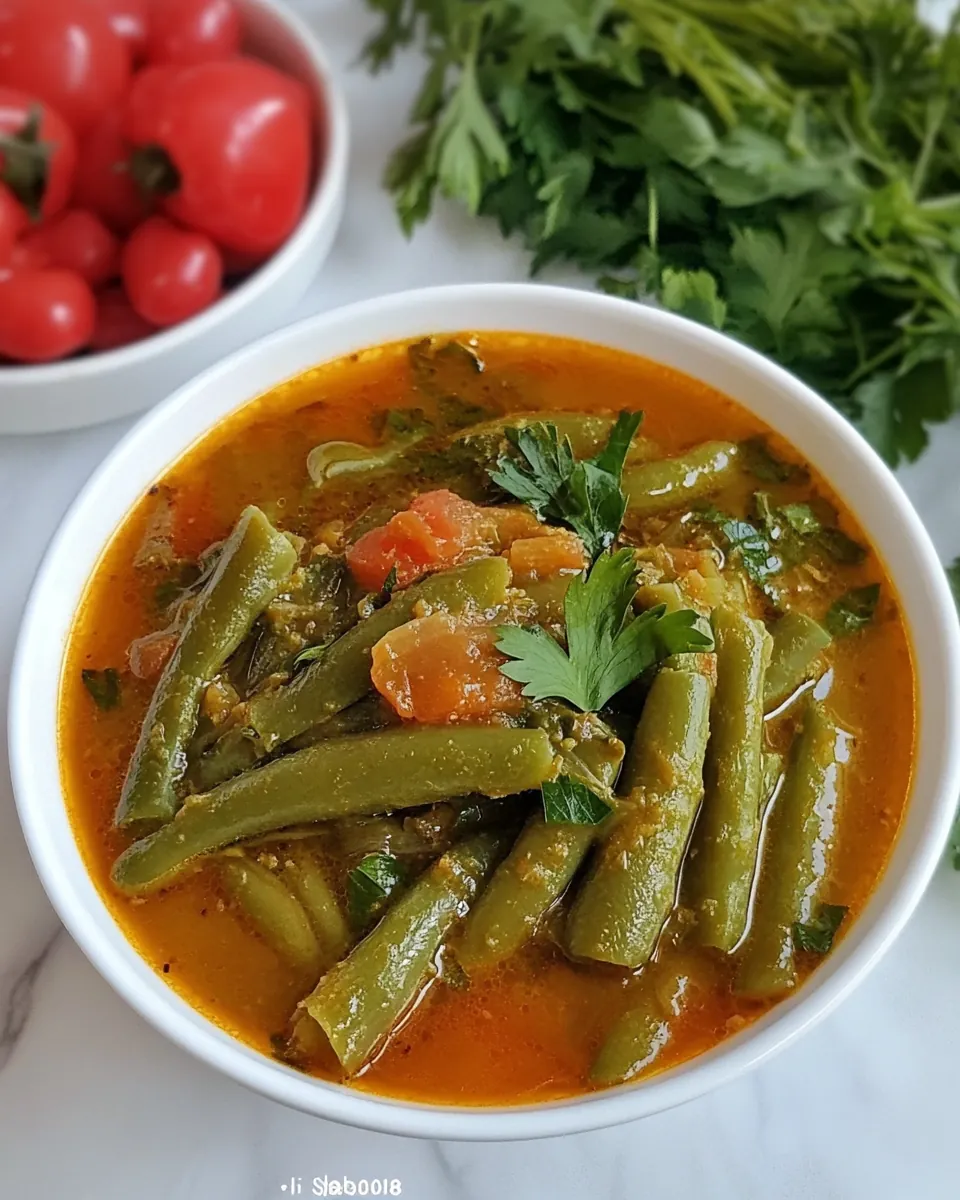
Middle Eastern Green Bean Stew
Middle Eastern Green Bean Stew is one of those recipes that always brings me back to a slow weekend in my grandmother’s kitchen, where the aroma of simmering broth and tomatoes spoke louder than any conversation. I still remember the way she would tend the pot with quiet concentration, nudging the beans with a wooden spoon as if coaxing out memories. The first time I tried to make this myself I burned the bottom, but I learned to trust the gentle simmer, and now the dish has become my comfort food for family dinners and cold evenings.
There is a warmth to Middle Eastern Green Bean Stew that goes beyond the ingredients, a sense of ritual in the slow cooking and a payoff in every tender bite. I like to serve it when friends come over, because it fills the house with a savory scent that makes everyone pause at the doorway. Over the years I have adjusted little things, like giving the beans a quick sauté before they go into the pot, or adding a touch of tomato paste for depth. These small moves lift the stew without losing its soul.
Recipe Snapshot
5 hr
30 mins
270 mins
Hard
350 kcal
Middle Eastern
Gluten-Free, Whole30
Dinner
Pot, Skillet, Slow Cooker, Spoon
What’s Great About This Middle Eastern Green Bean Stew
Hearty, homey texture
I love how Middle Eastern Green Bean Stew creates a satisfying harmony between soft green beans and tender pieces of beef or lamb. The long simmer makes the meat yield gently, so every forkful feels substantial without being heavy. When I serve it, people comment on how the beans hold their shape yet melt in the mouth, and that contrast is what keeps me coming back to this dish.
Comforting, layered flavors
What stands out is the layered seasoning, the use of toasted onion, a touch of tomato paste, and the warm notes of baharat. I often adjust the seasoning as it cooks, tasting and nudging it toward balance. Because the stew cooks for hours, the flavors have space to mingle and round out, yielding a savory profile that feels both rustic and refined.
Flexible and forgiving
I appreciate how adaptable this recipe is. You can use bone in beef or lamb, or regular stewing cuts, and the results are still excellent. The method allows for small swaps without collapsing the dish. That forgiving nature makes it my go to when I need a reliable family meal or want to feed a crowd with minimal stress.
Great for make ahead meals
One of the reasons I rely on Middle Eastern Green Bean Stew is that it improves with time. I often make it the day before, because the resting period lets the flavors knit together even more tightly. Reheating is simple, and the smell that returns to the kitchen always brings a sense of calm and anticipation.
Comfort paired with simplicity
Finally, the recipe proves that thoughtful technique beats complicated lists of ingredients. A quick sauté, a careful skim of broth, and a slow, steady simmer are all you need. I find the process soothing, and the final dish is honest and satisfying, perfect for family meals and chilly nights.
What to Buy for Middle Eastern Green Bean Stew
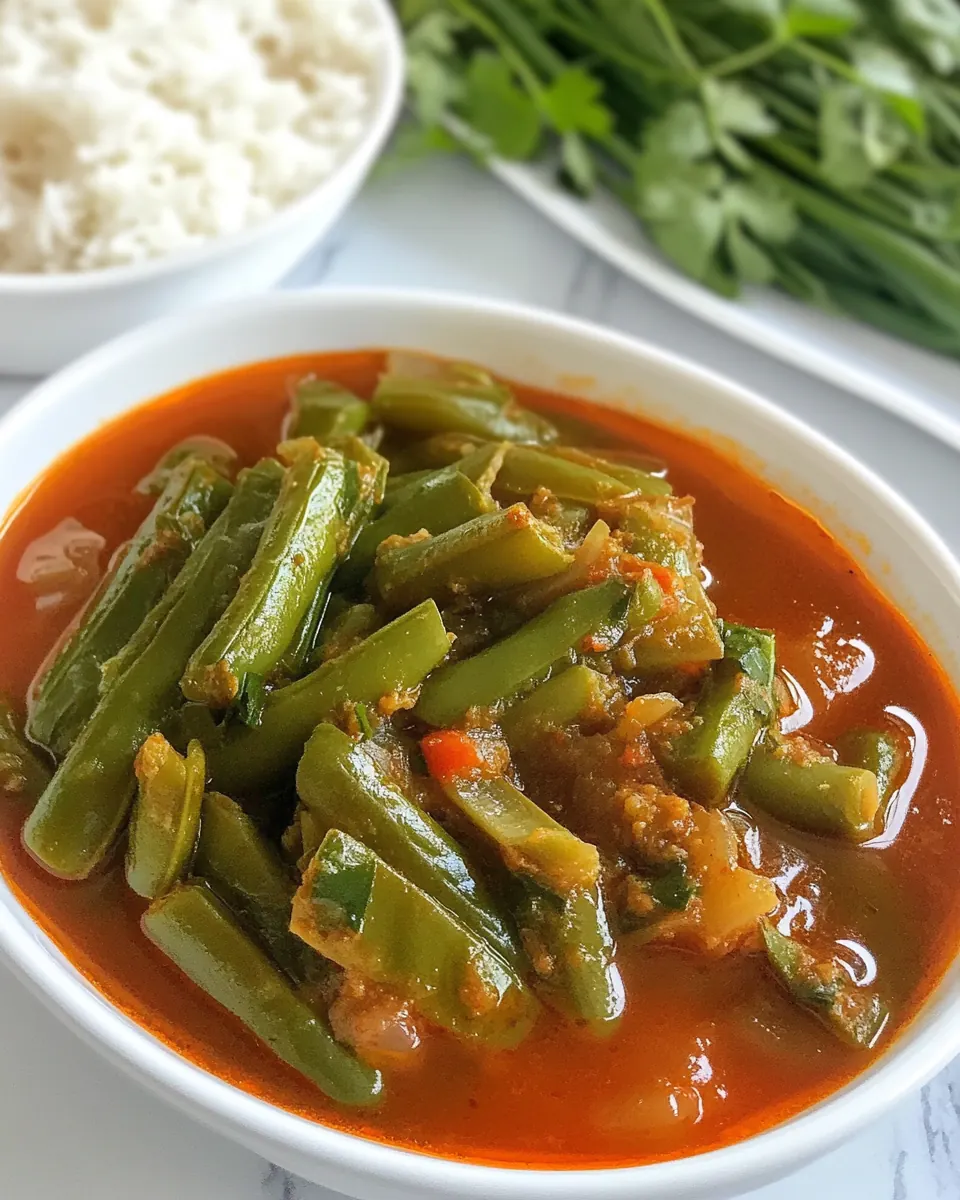
These ingredients form the backbone of a soulful, slow cooked stew. The recipe leans on a few key players that build texture and depth: the choice of beef or lamb provides richness, green beans add fresh structure, and aromatics like onion and garlic bring brightness. A splash of tomato paste anchors the flavors while a dusting of flour helps thicken the sauce into a silky finish.
- 6 medium pieces bone-in beef or lamb, or stewing beef: Provide rich, savory flavor and meaty texture while supplying collagen that breaks down into a silky sauce when braised slowly for a hearty stew.
- 1 pound green beans trimmed and cut into 1 1/2 inch pieces: Add fresh, crisp bite and vegetal sweetness that holds shape when simmered, contributing color and a pleasant contrasting texture to the tender meat.
- 2 tablespoons vegetable oil: Coat the pan to promote even browning and prevent sticking, helping develop fond that builds deep, caramelized flavors in the base of the stew.
- 2 medium yellow onions 1 left whole, and 1 chopped: Offer aromatic sweetness and savory depth with one left whole to infuse the broth and one chopped to melt into the sauce, enriching overall body and flavor.
- 1/2 teaspoon salt: Enhance the overall seasoning balance by drawing out flavors and rounding salt-sensitive aromatics during cooking; use measured to avoid oversalting.
- 1/4 teaspoon ground black pepper: Bring a subtle heat and earthy depth to the dish while complementing other warm spices and helping to highlight the meat and tomato notes.
- 1 medium bay leaf: Impart a subtle, herbal bitterness and aromatic complexity when simmered with the stew, adding traditional savory background notes without overpowering.
- 1/2 teaspoon baharat: Introduce warm, complex spice tones with floral, peppery, and slightly sweet notes that complement meat and tomatoes for an authentic regional profile.
- 2 tablespoons all-purpose flour: Thicken the cooking liquid by absorbing fat and juices when cooked briefly, creating a slightly glossy, clingy sauce that helps flavors adhere to ingredients.
- 3 4 tablespoons tomato paste: Contribute concentrated umami, acidity, and color to the stew; dilute into the cooking liquid to evenly distribute tomato flavor and deepen the sauce.
- 3 5 cloves garlic minced: Provide pungent, savory sharpness and aromatic lift that mellows and sweetens with cooking, enhancing overall flavor complexity and savory depth.
How to Prepare Middle Eastern Green Bean Stew
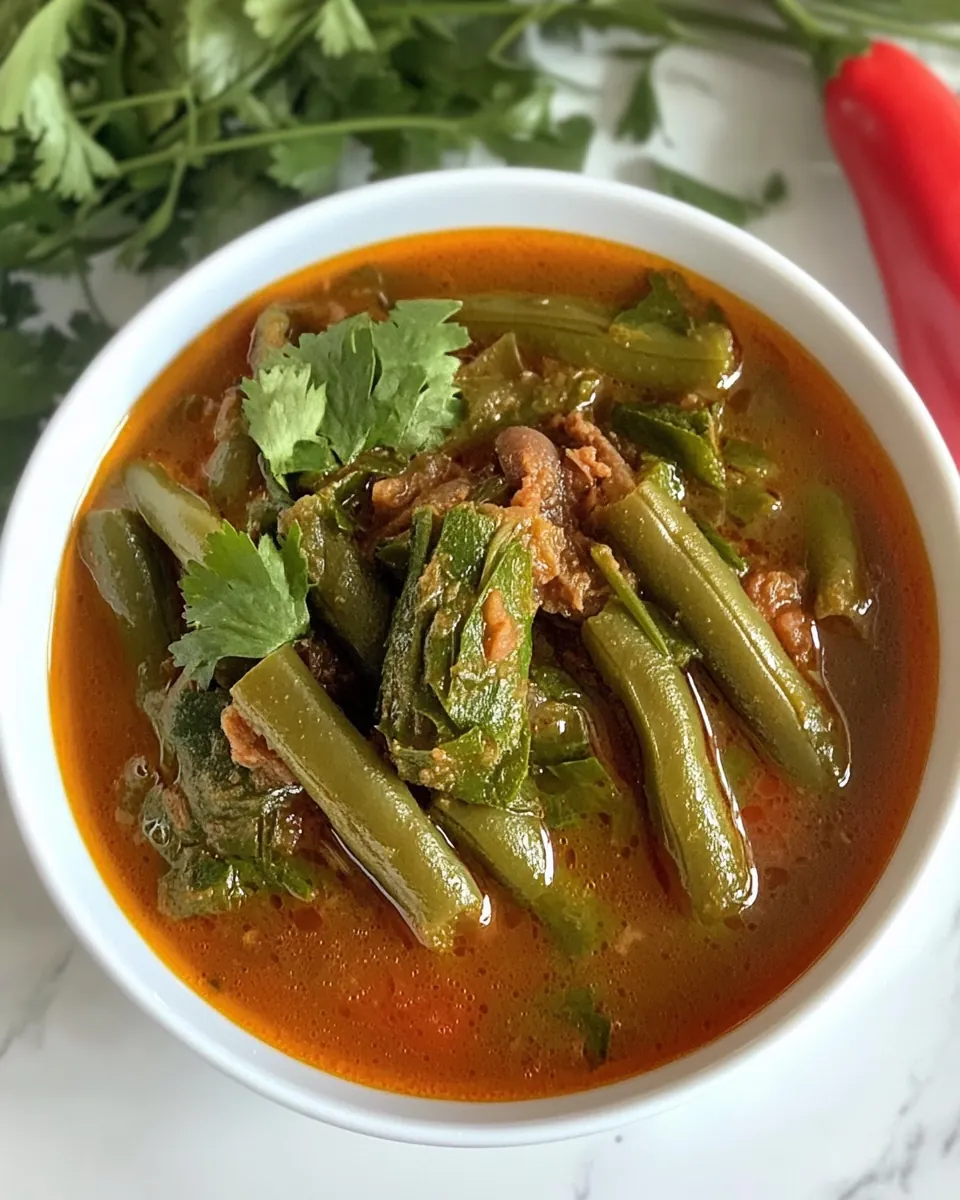
This recipe moves from an initial clean simmer to a low and slow finish, so patience rewards you with deep, rounded flavors. I like to prep my ingredients first, then follow the sequence that builds broth, sears aromatics, and combines everything for a long gentle cook. Keep tasting and adjusting as you go.
- To cook meat, place meat in a pot of water on high heat, let it boil, and remove any floating scum and fat. Let it simmer for 10-15 minutes. Save some of the broth.: The first contact of meat with hot water releases impurities, which rise as a foamy scum that you skim away. You will hear a rapid rolling boil at first, then the surface will become cloudy as proteins denature. Skimming keeps the broth clear and prevents bitter flavors from developing, leading to a cleaner, more savory base. A common mistake is skipping the skim, which leaves a greasy, cloudy broth. As it simmers gently for 10 to 15 minutes, you should notice the aroma shift from raw to rich, and small beads of fat collecting on top; remove those with a spoon and save a cup of the flavorful broth for later.
- Remove meat from the pot, and wash it. Set aside.: After the brief simmer, take the meat out and rinse under cool water. This refreshes the surface, rinsing away any remaining scum and cools the exterior so it will not carry excess impurities back into the stew. The act of washing also gives you a chance to trim any unwanted bits. A typical error is over rinsing and losing flavor, so be gentle and quick. Pat the pieces dry when you set them aside; dry meat rehydrates in the stew without creating uneven textures.
- In a skillet heat vegetable oil, and saute the beans lightly for 4-5 minutes.: Sautéing the green beans briefly in hot vegetable oil adds a toasted edge and seals in color. You should hear a lively sizzle as the beans hit the pan, and their edges will show faint browning without becoming floppy. This step intensifies the bean flavor and prevents them from becoming mushy during the long cook. A common pitfall is overcrowding the skillet, which steams the beans instead of giving them that toasty note. Aim for a bright green hue and a slightly blistered surface.
- In your slow cooker place the meat, one whole onion, the sauteed beans, salt, pepper, bay leaf, and seasonings.: Layering ingredients into the slow cooker starts the flavor melding process. The whole onion releases sweetness into the broth, while the sautéed beans and seasoned meat join for a base of depth. When you nestle the bay leaf among the ingredients, it will gradually infuse subtle herbal notes. Avoid adding too much salt at this stage, because the concentrated broth will reduce and intensify. Make sure pieces are arranged so heat circulates evenly, instead of cramming them tightly, which can lead to uneven cooking.
- Cover with a lid and cook on high for 4-4.5 hours. (or on low for 8 hours).: Choosing the high slow cooker setting will bring the pot to a vigorous low boil within an hour, then settle into a steady simmer that breaks down collagen and softens the meat . You will notice a gentle aroma filling the kitchen, and the meat should become fork tender and partially pulled apart by the end of this period. If using low, the equivalent is about eight hours, which creates the same tenderness with a slower release of flavor. Resist the urge to lift the lid frequently, because heat loss lengthens cooking time and can interrupt the gentle development of flavors.
- When the beans and the meat are almost done. In a skillet heat vegetable oil and saute the diced onion for 2 minutes, then add the garlic and cook for 1 minute.: At this stage the stew will smell richly savory and you will see the broth slightly reduced, with the meat soft and the beans tender but intact. Turn your attention to building the sauce; this is the moment to concentrate flavors and adjust seasoning. A common oversight is adding thickening or tomato paste too early, which can mask the natural meat broth. Keep tasting and note the balance of salt and acid so you can correct final seasoning accurately.
- Add the flour, tomato paste, and broth (from the meat), stir well and let it come to a boil then remove from heat. (You can add a bit of vinegar or sugar for taste): This quick sauté caramelizes the diced onion slightly, softening its bite and releasing sugars, while the recent addition of minced garlic becomes fragrant without turning bitter. The sound will change from a fast sizzle to a gentler hiss, and the mixture will become glossy. Timing is critical here, because overcooking the garlic creates a burnt, acrid taste. Keep stirring to avoid hot spots and watch for a translucent edge on the onions as your cue to proceed.
- Add the mixture to the crockpot, and let it cook for 20 more minutes.: Combining flour and concentrated tomato paste with reserved broth forms a rich liaison that thickens and flavors the stew. Bring it briefly to a boil so the flour cooks and the paste loosens, creating a glossy sauce. You will hear a low rolling boil and see the mixture thicken slightly; remove from heat to avoid over reduction. A common mistake is lumping the flour directly into hot liquid without mixing into a paste first, which makes clumps. Whisk or stir energetically to create a smooth consistency before adding back to the cooker.
- Serve warm with rice on the side.: Once the enriched sauce reenters the slow cooker, the last 20 minutes let it marry with the meat and beans , rounding the acidity and enhancing mouthfeel. The steam will carry a concentrated aroma of tomato and spices, and the sauce will thicken to coat the ingredients. Avoid skipping this short finishing simmer, because it integrates flavors and improves texture. If the sauce seems too thin, let it sit uncovered on low for a few extra minutes, but do not overcook or the beans could lose their structure.
- Serve warm with rice on the side: The final presentation is simple and warming. Serve the stew ladled over or beside steaming rice to soak up the sauce, and notice the way the glossy gravy clings to each piece. The aroma will be comforting and inviting, and the contrast between tender meat , soft beans, and fluffy rice is delightful. A mistake to avoid is serving it too hot, which can mute flavors; allow it to cool just enough to taste the full spectrum of seasoning.
Pro Tips and Tweaks
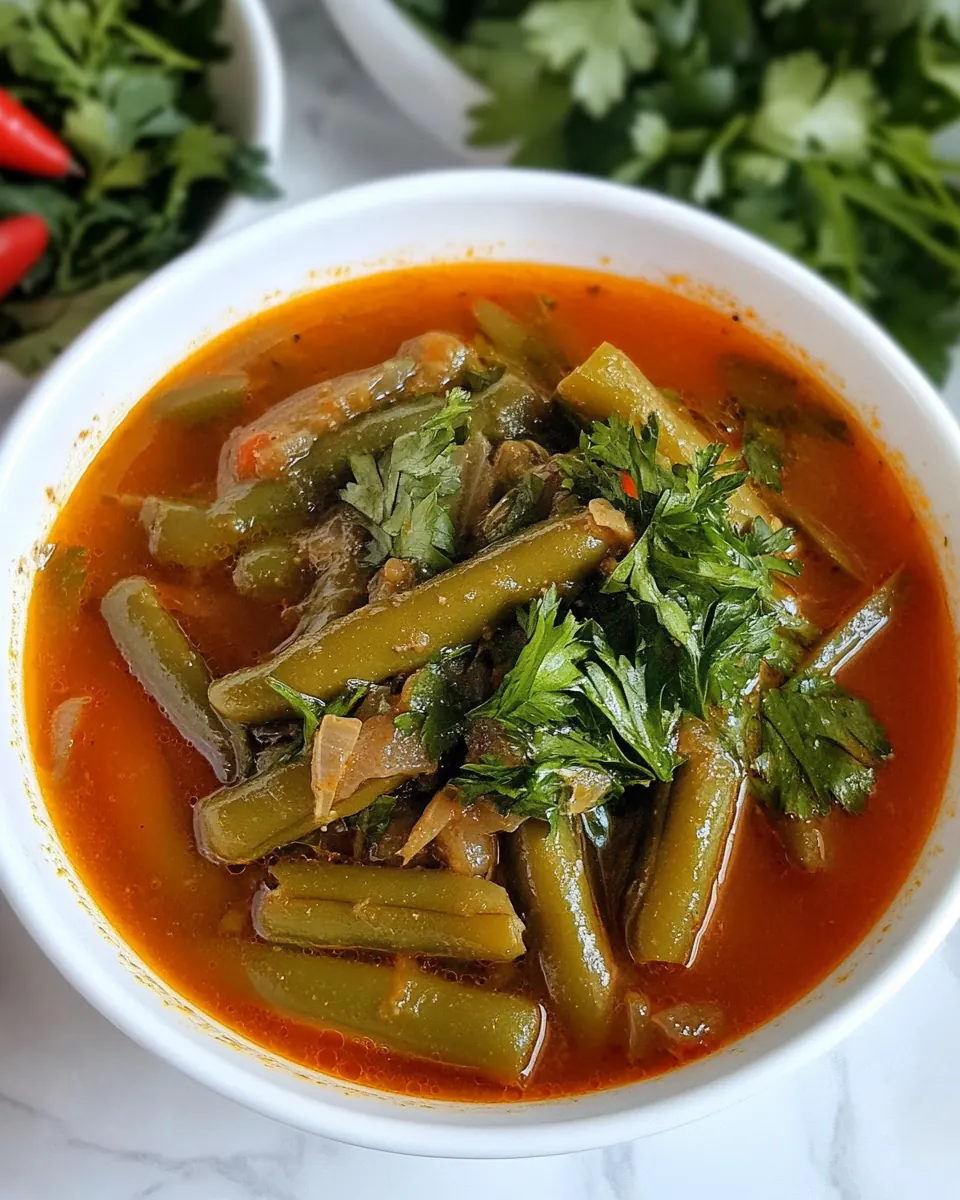
I like to keep a few reliable tricks in my back pocket for steady results. These tips focus on technique, timing, and subtle flavor adjustments that elevate the stew without changing its heart. Read them before you start so you can plan and relax while the pot works.
- Reserve broth from the initial meat simmer, it concentrates flavor and is perfect for adjusting thickness later without watering down the stew.
- Trim beans evenly so they cook uniformly, cutting them into consistent 1 1/2 inch pieces prevents some from overcooking while others remain underdone.
- Brown aromatics briefly instead of long caramelization to maintain brightness, a short sauté of onion and garlic builds a fragrant base without adding bitterness.
- Use bone in cuts when possible because bones add gelatin and depth to the broth, yielding a richer mouthfeel and more complex flavor.
- Adjust tomato paste gradually start with three tablespoons and increase if you prefer a more pronounced tomato presence, tasting as you go.
Perfect Matches for Middle Eastern Green Bean Stew
This stew pairs wonderfully with simple accompaniments that let its savory character shine. Think about textures and temperatures when planning a meal, and choose sides that offer contrast while remaining comforting. It is equally suited to family dinners and more formal gatherings where warm, homey fare is welcome.
- Steamed rice as a classic base, its neutral texture soaks up the sauce and balances the stew’s richness.
- Plain yogurt served alongside provides a cool, tangy counterpoint that refreshes the palate between bites.
- Flatbread like pita or lavash to scoop and soak, adding a chewy element that complements the tender meat.
- Light salad with crisp greens and lemon dressing to introduce brightness and a contrasting crunchy texture to the meal.
- Family dinner occasions such as a winter weeknight or a slow weekend lunch, because the stew fills the home with welcoming aromas and feeds a crowd easily.
- Storage tips store refrigerated for up to four days and reheat gently, the flavors often improve overnight as they meld.
- Seasonal pairing ideal for winter gatherings when warm, hearty dishes are most comforting.
FAQ
Conclusion
This stew shines because it balances tender meat, vibrant beans, and a deeply savory sauce that develops over a long, gentle simmer. Give it a try on a chilly evening, and you will appreciate how simple steps like a short sauté and careful skimming transform humble ingredients into something memorable. Invite family or friends, set a pot to work, and enjoy the warm, comforting result that rewards patience with rich, layered flavors.
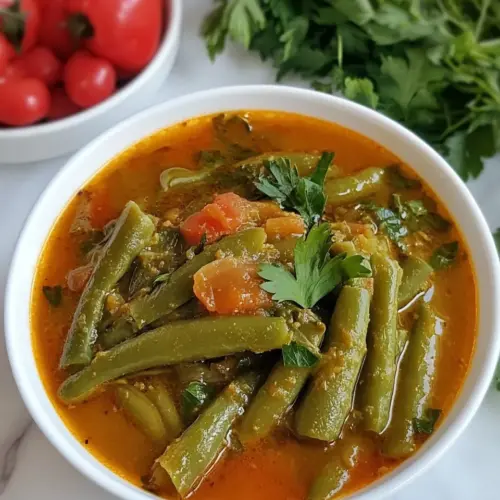
Middle Eastern Green Bean Stew
Equipment
- Pot
- Skillet
- Slow Cooker
- Spoon
Ingredients
- 6 medium pieces bone-in beef or lamb, or stewing beef Provide rich, savory flavor and meaty texture while supplying collagen that breaks down into a silky sauce when braised slowly for a hearty stew.
- 1 pound green beans trimmed and cut into 1 1/2 inch pieces Add fresh, crisp bite and vegetal sweetness that holds shape when simmered, contributing color and a pleasant contrasting texture to the tender meat.
- 2 tablespoons vegetable oil Coat the pan to promote even browning and prevent sticking, helping develop fond that builds deep, caramelized flavors in the base of the stew.
- 2 medium yellow onions 1 left whole, and 1 chopped Offer aromatic sweetness and savory depth with one left whole to infuse the broth and one chopped to melt into the sauce, enriching overall body and flavor.
- 1/2 teaspoon salt Enhance the overall seasoning balance by drawing out flavors and rounding salt-sensitive aromatics during cooking; use measured to avoid oversalting.
- 1/4 teaspoon ground black pepper Bring a subtle heat and earthy depth to the dish while complementing other warm spices and helping to highlight the meat and tomato notes.
- 1 medium bay leaf Impart a subtle, herbal bitterness and aromatic complexity when simmered with the stew, adding traditional savory background notes without overpowering.
- 1/2 teaspoon baharat Introduce warm, complex spice tones with floral, peppery, and slightly sweet notes that complement meat and tomatoes for an authentic regional profile.
- 2 tablespoons all-purpose flour Thicken the cooking liquid by absorbing fat and juices when cooked briefly, creating a slightly glossy, clingy sauce that helps flavors adhere to ingredients.
- 3 -4 tablespoons tomato paste Contribute concentrated umami, acidity, and color to the stew; dilute into the cooking liquid to evenly distribute tomato flavor and deepen the sauce.
- 3 -5 cloves garlic minced Provide pungent, savory sharpness and aromatic lift that mellows and sweetens with cooking, enhancing overall flavor complexity and savory depth.
Instructions
- To cook meat, place meat in a pot of water on high heat, let it boil, and remove any floating scum and fat. Let it simmer for 10-15 minutes. Save some of the broth.: The first contact of meat with hot water releases impurities, which rise as a foamy scum that you skim away. You will hear a rapid rolling boil at first, then the surface will become cloudy as proteins denature. Skimming keeps the broth clear and prevents bitter flavors from developing, leading to a cleaner, more savory base. A common mistake is skipping the skim, which leaves a greasy, cloudy broth. As it simmers gently for 10 to 15 minutes, you should notice the aroma shift from raw to rich, and small beads of fat collecting on top; remove those with a spoon and save a cup of the flavorful broth for later.
- Remove meat from the pot, and wash it. Set aside.: After the brief simmer, take the meat out and rinse under cool water. This refreshes the surface, rinsing away any remaining scum and cools the exterior so it will not carry excess impurities back into the stew. The act of washing also gives you a chance to trim any unwanted bits. A typical error is over rinsing and losing flavor, so be gentle and quick. Pat the pieces dry when you set them aside; dry meat rehydrates in the stew without creating uneven textures.
- In a skillet heat vegetable oil, and saute the beans lightly for 4-5 minutes.: Sautéing the green beans briefly in hot vegetable oil adds a toasted edge and seals in color. You should hear a lively sizzle as the beans hit the pan, and their edges will show faint browning without becoming floppy. This step intensifies the bean flavor and prevents them from becoming mushy during the long cook. A common pitfall is overcrowding the skillet, which steams the beans instead of giving them that toasty note. Aim for a bright green hue and a slightly blistered surface.
- In your slow cooker place the meat, one whole onion, the sauteed beans, salt, pepper, bay leaf, and seasonings.: Layering ingredients into the slow cooker starts the flavor melding process. The whole onion releases sweetness into the broth, while the sautéed beans and seasoned meat join for a base of depth. When you nestle the bay leaf among the ingredients, it will gradually infuse subtle herbal notes. Avoid adding too much salt at this stage, because the concentrated broth will reduce and intensify. Make sure pieces are arranged so heat circulates evenly, instead of cramming them tightly, which can lead to uneven cooking.
- Cover with a lid and cook on high for 4-4.5 hours. (or on low for 8 hours).: Choosing the high slow cooker setting will bring the pot to a vigorous low boil within an hour, then settle into a steady simmer that breaks down collagen and softens the meat . You will notice a gentle aroma filling the kitchen, and the meat should become fork tender and partially pulled apart by the end of this period. If using low, the equivalent is about eight hours, which creates the same tenderness with a slower release of flavor. Resist the urge to lift the lid frequently, because heat loss lengthens cooking time and can interrupt the gentle development of flavors.
- When the beans and the meat are almost done. In a skillet heat vegetable oil and saute the diced onion for 2 minutes, then add the garlic and cook for 1 minute.: At this stage the stew will smell richly savory and you will see the broth slightly reduced, with the meat soft and the beans tender but intact. Turn your attention to building the sauce; this is the moment to concentrate flavors and adjust seasoning. A common oversight is adding thickening or tomato paste too early, which can mask the natural meat broth. Keep tasting and note the balance of salt and acid so you can correct final seasoning accurately.
- Add the flour, tomato paste, and broth (from the meat), stir well and let it come to a boil then remove from heat. (You can add a bit of vinegar or sugar for taste): This quick sauté caramelizes the diced onion slightly, softening its bite and releasing sugars, while the recent addition of minced garlic becomes fragrant without turning bitter. The sound will change from a fast sizzle to a gentler hiss, and the mixture will become glossy. Timing is critical here, because overcooking the garlic creates a burnt, acrid taste. Keep stirring to avoid hot spots and watch for a translucent edge on the onions as your cue to proceed.
- Add the mixture to the crockpot, and let it cook for 20 more minutes.: Combining flour and concentrated tomato paste with reserved broth forms a rich liaison that thickens and flavors the stew. Bring it briefly to a boil so the flour cooks and the paste loosens, creating a glossy sauce. You will hear a low rolling boil and see the mixture thicken slightly; remove from heat to avoid over reduction. A common mistake is lumping the flour directly into hot liquid without mixing into a paste first, which makes clumps. Whisk or stir energetically to create a smooth consistency before adding back to the cooker.
- Serve warm with rice on the side.: Once the enriched sauce reenters the slow cooker, the last 20 minutes let it marry with the meat and beans , rounding the acidity and enhancing mouthfeel. The steam will carry a concentrated aroma of tomato and spices, and the sauce will thicken to coat the ingredients. Avoid skipping this short finishing simmer, because it integrates flavors and improves texture. If the sauce seems too thin, let it sit uncovered on low for a few extra minutes, but do not overcook or the beans could lose their structure.
- Serve warm with rice on the side: The final presentation is simple and warming. Serve the stew ladled over or beside steaming rice to soak up the sauce, and notice the way the glossy gravy clings to each piece. The aroma will be comforting and inviting, and the contrast between tender meat , soft beans, and fluffy rice is delightful. A mistake to avoid is serving it too hot, which can mute flavors; allow it to cool just enough to taste the full spectrum of seasoning.
Notes
- Reserve broth from the initial meat simmer, it concentrates flavor and is perfect for adjusting thickness later without watering down the stew.
- Trim beans evenly so they cook uniformly, cutting them into consistent 1 1/2 inch pieces prevents some from overcooking while others remain underdone.
- Brown aromatics briefly instead of long caramelization to maintain brightness, a short sauté of onion and garlic builds a fragrant base without adding bitterness.
- Use bone in cuts when possible because bones add gelatin and depth to the broth, yielding a richer mouthfeel and more complex flavor.
- Adjust tomato paste gradually start with three tablespoons and increase if you prefer a more pronounced tomato presence, tasting as you go.